A Virginia mom said she is still losing sleep over a close call between two of her children and a speeding pickup truck. It happened when her kids were crossing the road to board a school bus last week. Skyler Henry has more.
Results for “nvidia board”
Nvidia's interim CEO said Tuesday that the company will be "disciplined" as it decides how much to invest in neoclouds and other AI customers going forward. Why it matters: Nvidia isn't just the biggest chip partner for AI startups — it's a major source of capital . What they're saying: "Our momentum is real," interim CEO Colette Kress said on at the end of conference call with investors and analysts. "Our demand is accelerating. Our supply is growing. Our customers and our partners are with us, and employees are committed. We've got this." She said the company would continue to use its balance sheet and support startups and the broader AI ecosystem, but she made clear it won't be a blank check. "As the market matures and additional sources of capital become available, we are rigorously evaluating future investments, commitments, and guarantees," she added. In particular, Kress said the company would continue to be "disciplined and selective in our support" for so-called neoclouds . Those companies provide additional computing capacity to big AI players as well as smaller and regional operators. "Our neoclouds have been so instrumental in terms of both supporting enterprises and supporting many of the different countries around the world." CoreWeave and Nebius, two such neoclouds, each ose by more than 10% in after-hours trading. Zoom in: Kress didn't name-check any other specific customers but said the company would offer capital to suppliers to help them move quickly. Nvidia will provide financing assistance or guarantees to some "very strong customers," she said. The chip-maker will "look very deeply" into whether guarantees are needed and conduct "a lot of work to understand if those are the right types of investments we need to make." Catch-up quick: Huang resigned last week after revelations that he had a relationship with a woman who allegedly had ties to Chinese intelligence. She was also a major Nvidia customer and helped Chinese AI companies gain access to
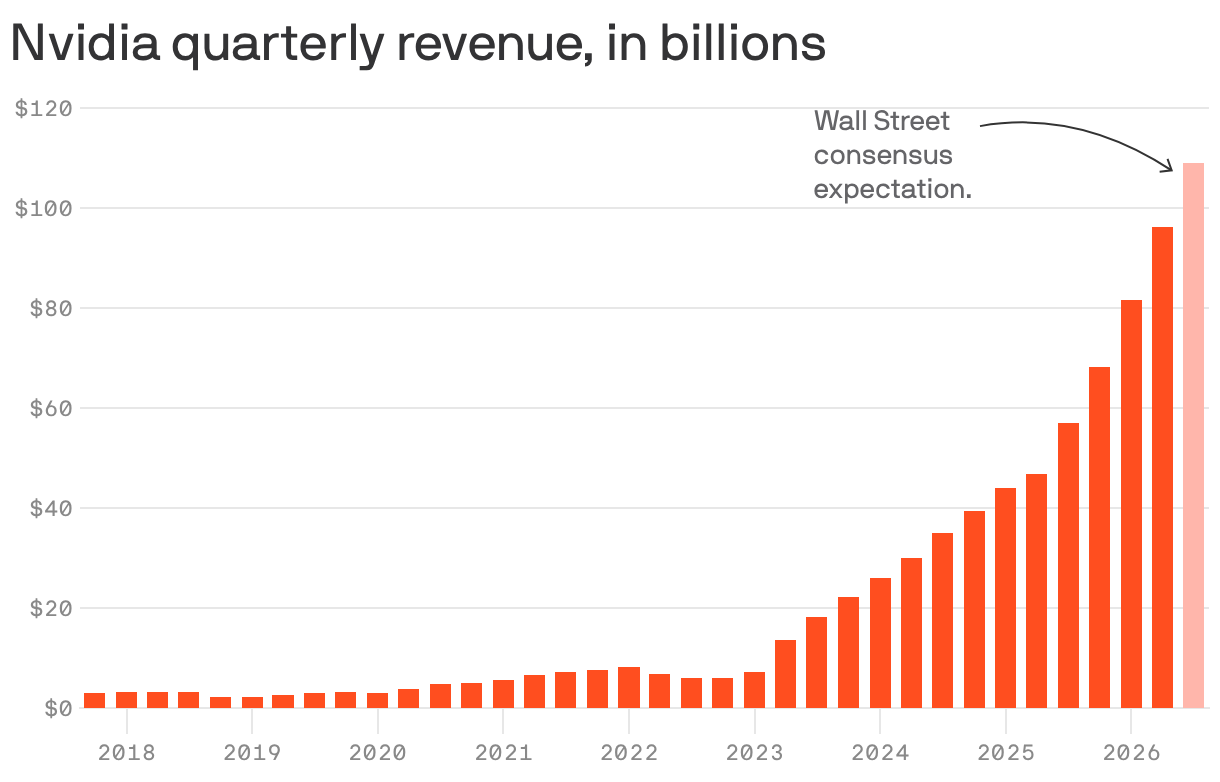
Nvidia posted a stronger-than-expected third quarter and a bullish outlook in its first earnings report after Jensen Huang was ousted as CEO in a scandal that has reportedly spawned an SEC investigation. Why it matters: Nvidia remains squarely at the center of the AI economy — and investors are anxious for guidance on the company's strategic roadmap following Huang's sudden exit. Zoom in: Nvidia recorded quarterly revenue of $115.8 billion and net income of $65.3 billion, both more than doubling its performance from a year earlier. S&P Capital IQ analysts had expected revenue of $108.7 billion and net income of $60.5 billion. The company's data center revenue — its largest segment — rose 110% from a year ago to $107.6 billion. The showing — which included a whopping gross profit margin of 74.8% — immediately calmed investors who have shaved more than $1 trillion off of Nvidia's market cap since the Huang scandal broke. The stock was up 2% in after-hours trading Tuesday. It marks the first moment for interim CEO Colette Kress — who is also still serving as CFO — to exert her leadership during the most tumultuous moment in the company's history. She didn't mention Huang on Tuesday in the earnings report but touted Nvidia's role as "an exceptional technology leader" and said sales of the company's new, advanced Vera Rubin chips are "off to an explosive start." "Our roadmap is on track and our ambition has never been greater," she said. What we're watching: Whether Nvidia discloses any additional details about its CEO search or other investigations on its earnings call. WSJ reported Tuesday afternoon that the SEC has opened a civil probe into the company. An SEC spokesperson declined to comment. Nvidia reps did not immediately respond to a request for comment. Huang posted a public letter Tuesday saying he'd be "honored" to return as CEO. Newly appointed Nvidia chairman Harvey Jones said on Tuesday afternoon's earnings call that the board unanimously accepted Huang's re
Nvidia's latest earnings are the first time the chipmaker has reported financial results without founder and former CEO Jensen Huang at the helm.
Hung Cao, the acting US navy secretary, who faced lawmakers to be confirmed as the permanent top official, said during his confirmation hearing that the eight suicide attempts on board the USS Abraham Lincoln – which returned last month from a record-breaking deployment rife with mental health crises and concerns about living conditions – were actually “suicide mitigations”. Continue reading...
Scammers are already exploiting the scandal surrounding Nvidia to lure unsuspecting investors and business professionals into downloading malware. Why it matters: AI is making it easier for criminals to capitalize on the news cycle and tailor scams to specific audiences before people have time to recognize the threat. Driving the news: KnowBe4, the cybersecurity training platform, says it's seen scammer emails using the subject line "Invitation: Nvidia Executive Partnership Discussion" that purport to offer information about Nvidia's investment strategy. Inside the email, recipients see a clickable image appearing to show information about Nvidia's 2026 investment parameters. Clicking it could lead to malware being downloaded onto their devices. KnowBe4 started seeing signs of the scam Wednesday, just a few days after Nvidia CEO Jensen Huang admitted to being unfaithful to his wife and a day before he resigned, triggering a crisis at the chip-maker. KnowBe4 CEO Bryan Palma told Axios that the campaign appears to be targeting people working in finance, transportation and government. It's unclear which group is behind the emails, he added. The big picture: The Nvidia lure is part of a growing trend in which hackers borrow a page from the marketing industry's playbook to turn breaking news into targeted phishing campaigns. Just like marketers, hackers can purchase detailed contact lists and use AI to sort potential victims by industry, profession and interests, Palma said. That allows them to tailor their scams to specific audiences rather than sending the same generic email to millions of people. AI is also speeding up their ability to develop and launch timely schemes, Palma said. By the numbers: Attackers are 5.4 times faster at responding to headlines in 2026 than in 2022, according to KnowBe4 data . In one case, following a major celebrity's death, scammers launched an email phishing campaign within 16 hours. Nearly 88% of phishing attacks tied to breaking news or
High-stakes hearing comes in wake of resignation from Nvidia after alleged affair with suspected Chinese spy Nvidia’s former CEO Jensen Huang will testify before several congressional committees on 1 December, setting the stage for a high-stakes hearing in the wake of his resignation following an affair with a suspected Chinese spy. Tim Teter, Nvidia’s general counsel, has also agreed to appear for a closed-door transcribed interview the following day, 2 December. Continue reading...
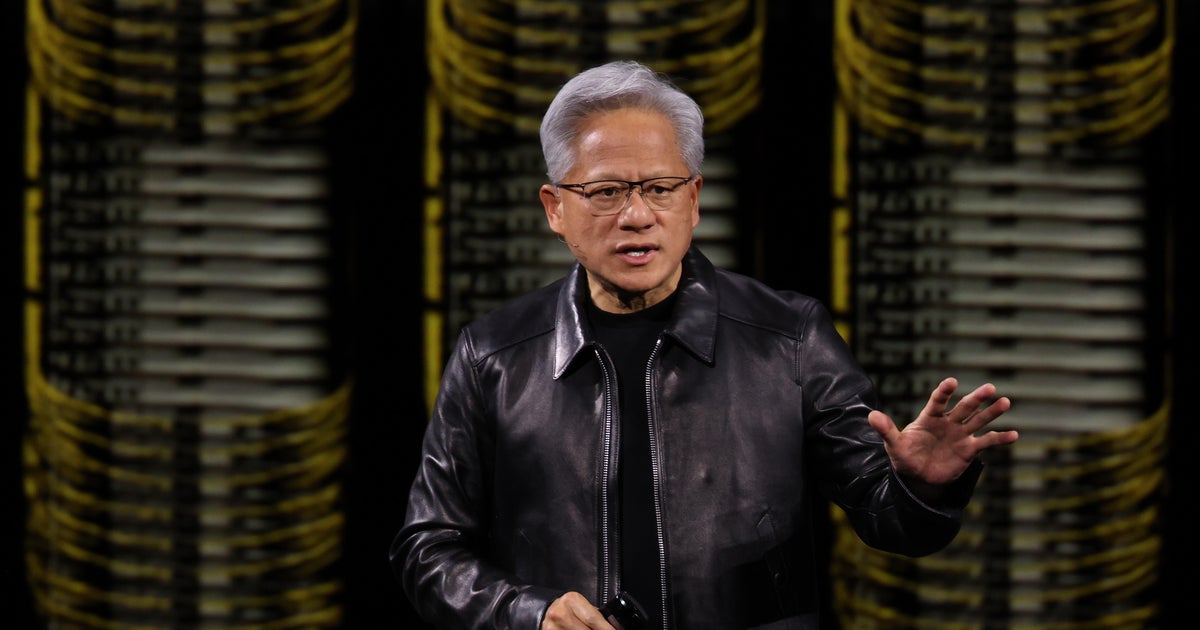
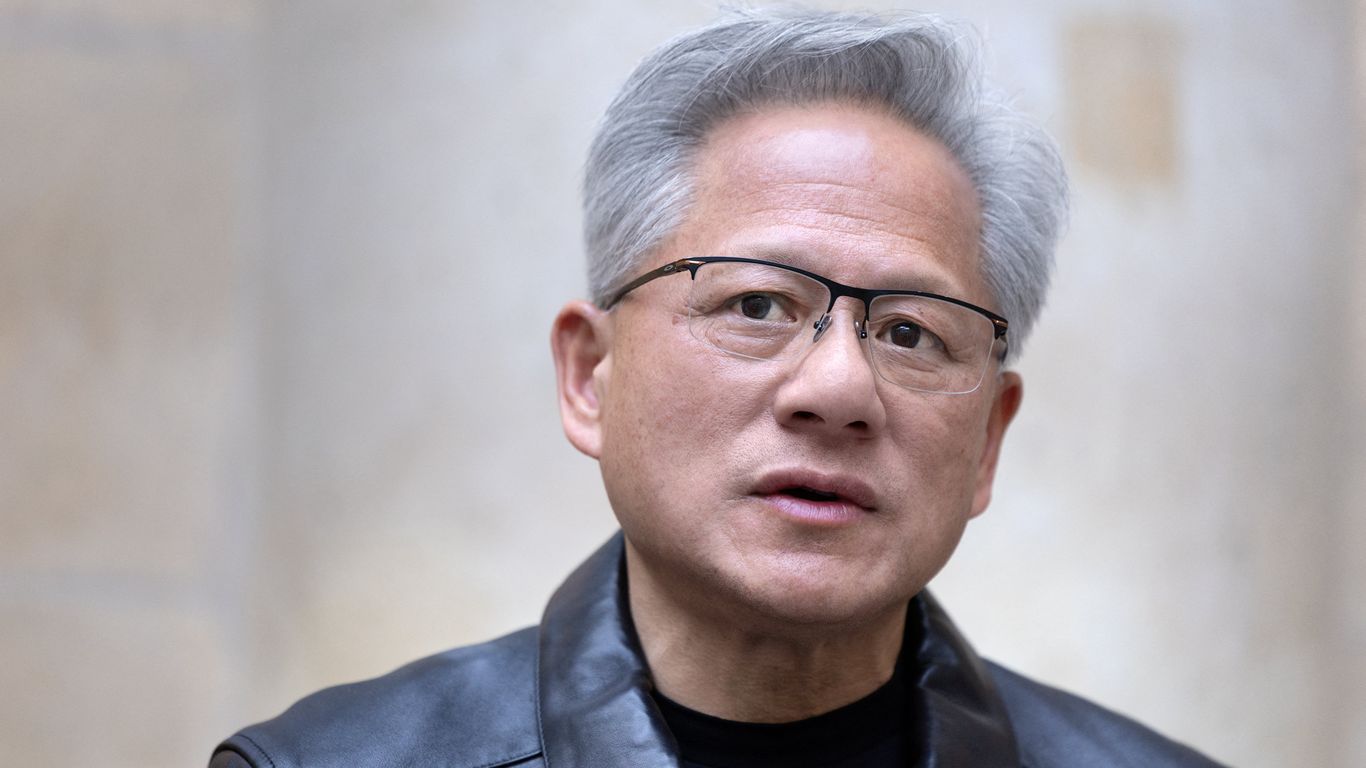
Huang makes first statement since resigning, while board of directors is not considering reinstating him, reports say Jensen Huang said he would be willing to return to Nvidia as CEO in his first remarks since resigning from the company Thursday. “If the Board of Directors decides that my return is in the best interest of our shareholders, our employees, the company, and America, I would be honored to answer these calls and return as CEO,” he wrote in a statement published in the Wall Street Journal and CNBC . Over the past week, I’ve been overwhelmed by the love and support of friends, industry colleagues, and people I’ve never met. Thank you to everyone who has shown kindness to my family and me. It means the world to me. I came to the United States 53 years ago, and becoming an American citizen is one of the greatest gifts and proudest moments of my life. NVIDIA has been my life’s work. Building it into the company it is today alongside my colleagues has been a privilege and an honor. Nowhere but in America could a company like NVIDIA be possible. I love our country, and I love NVIDIA. Continue reading...
More than 190,000 people, including thousands of Nvidia employees, have signed a petition calling for Huang to be reinstated.
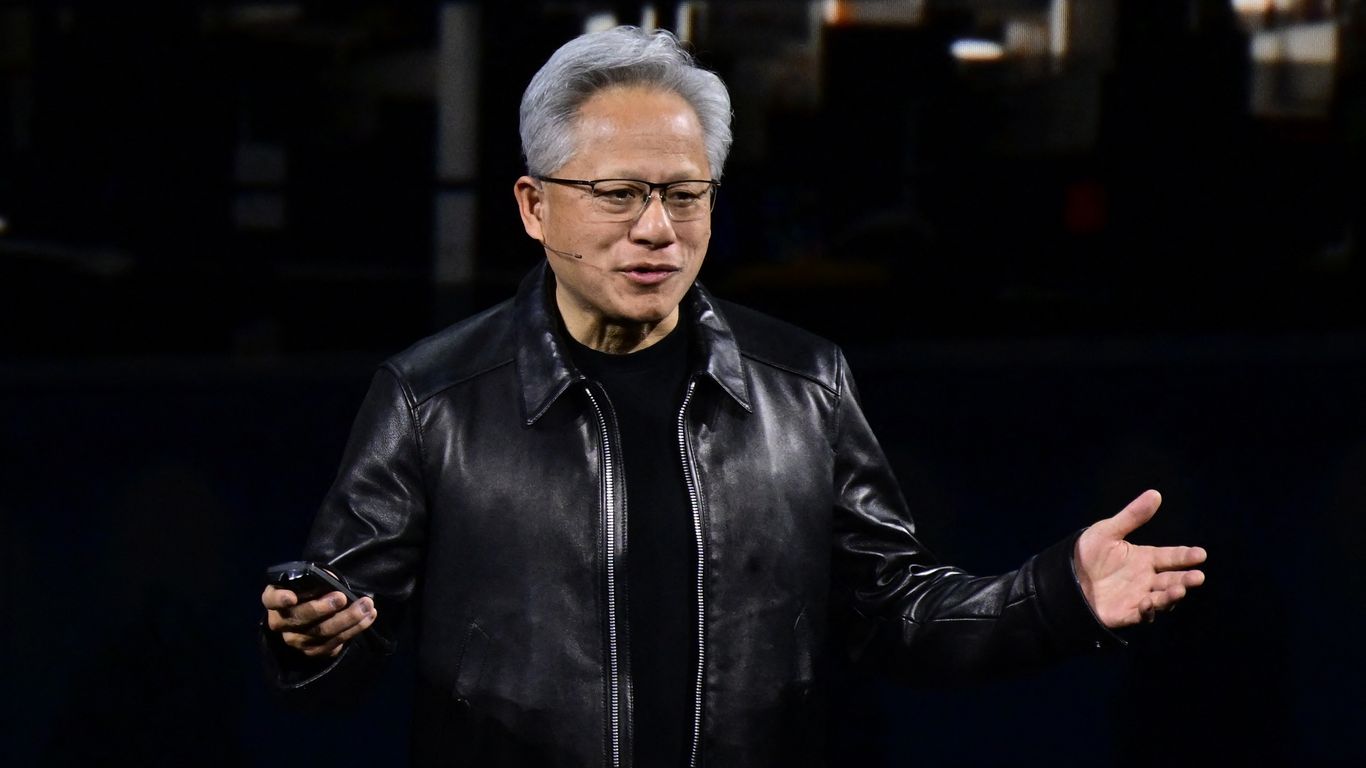
Jensen Huang acknowledged in a statement to the Wall Street Journal that he'd be willing to return to Nvidia as CEO. Why it matters: A push to reinstate Huang began almost as soon as he exited the company, but Nvidia's board isn't currently considering reinstating the former CEO, according to multiple reports. What they're saying: "Since my departure, I've seen an outpouring of calls from Nvidia's employees, investors, business partners, and customers for me to return as CEO," Huang's statement said, per WSJ. "If the Board of Directors decides that my return is in the best interest of our shareholders, our employees, the company, and America, I would be honored to answer these calls and return as CEO." State of play: A slew of candidates have been mentioned across multiple analyses and reports about the Nvidia successor. President Trump suggested former Apple CEO Tim Cook for the role. Treasury Secretary Scott Bessent has urged Nvidia to look for outside candidates. Nvidia CFO Colette Kress is currently serving as the company's acting interim CEO. Editor's note: This is a breaking story and will be updated.
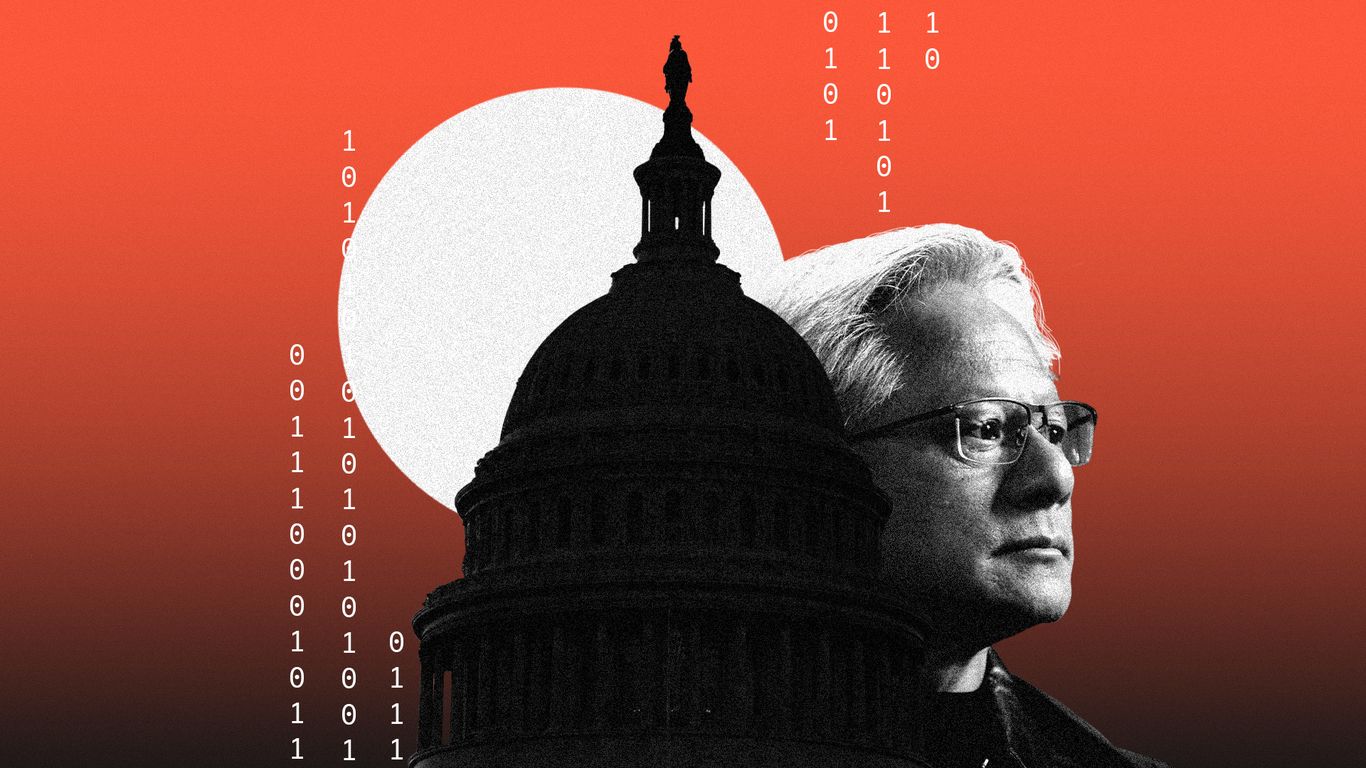
Jensen Huang and Nvidia general counsel Tim Teter will officially testify before Congress in early December, lawmakers announced Tuesday. Why it matters: Lawmakers are seeking answers about whether Nvidia's powerful AI chips were compromised by Chinese intelligence and whether the company did enough to protect sensitive American technology. Huang and Teter will participate in transcribed, closed-door interviews with the House Foreign Affairs, Intelligence and China select committees. What they're saying: "We look forward to hearing from Jensen Huang and Tim Teter on their roles in a potential breach of our national security," said the chairman of those committees in a release . What's next: Huang will appear before the committees on Dec. 1, and Teter will appear on Dec. 2. Editor's note: This is breaking news and will be updated.
A small plane was found in the Grand Canyon's remote North Rim after crashing with three people on board Sunday night. No one survived.
Chipmaker creates new committee amid growing concerns that it has allowed restricted products to reach China.
Data: FactSet; Chart: Matt Phillips/Axios Nvidia's post-Jensen Huang era begins in earnest with the release of its third-quarter results after the close of trading Tuesday. Why it matters: Investors and analysts will be reading tea leaves and listening for hints about near-term changes the company is making (or expecting the government to make) as a result of Huang's resignation last week and the circumstances that led to it. The big picture: Besides selling the world's most sought-after AI processors, Nvidia is a giant source of financial backing to the AI ecosystem — buying equity, making co-investments and backstopping debt in companies ranging from neoclouds like CoreWeave to fiber-optic cable providers like Lumentum. Nvidia is also a major partner of the two AI labs at the heart of the boom, striking a deal to provide a backstop for an OpenAI data center in Ohio and planning to invest about $10 billion into Anthropic following its IPO later this week, according to its prospectus. Huang could make these unorthodox deals — some call them circular finance — because of his position as a co-founder and sole CEO of Nvidia. Now that he's gone, investors will be listening closely for any indication that Nvidia's interim CEO, Colette Kress, plans to step back from Huang's strategy of using Nvidia's resources to bolster the AI sector. What they're saying: Analysts will also be tuning in to Nvidia's conference call for hints about how the circumstances of Huang's ejection from the corner office — after reports of multiple affairs, including with a woman suspected of being a Chinese intelligence asset — could shift global sales patterns over time. "Our biggest concern now is new scrutiny that may restrict some of its sales into certain geographies such as Singapore/Malaysia. In a worst case, we estimate this could cut up to ~10% out of revenue," wrote UBS analysts. "Greater scrutiny of NVDA Asia shipments that indirectly (via cloud) service China customers, or more conserv
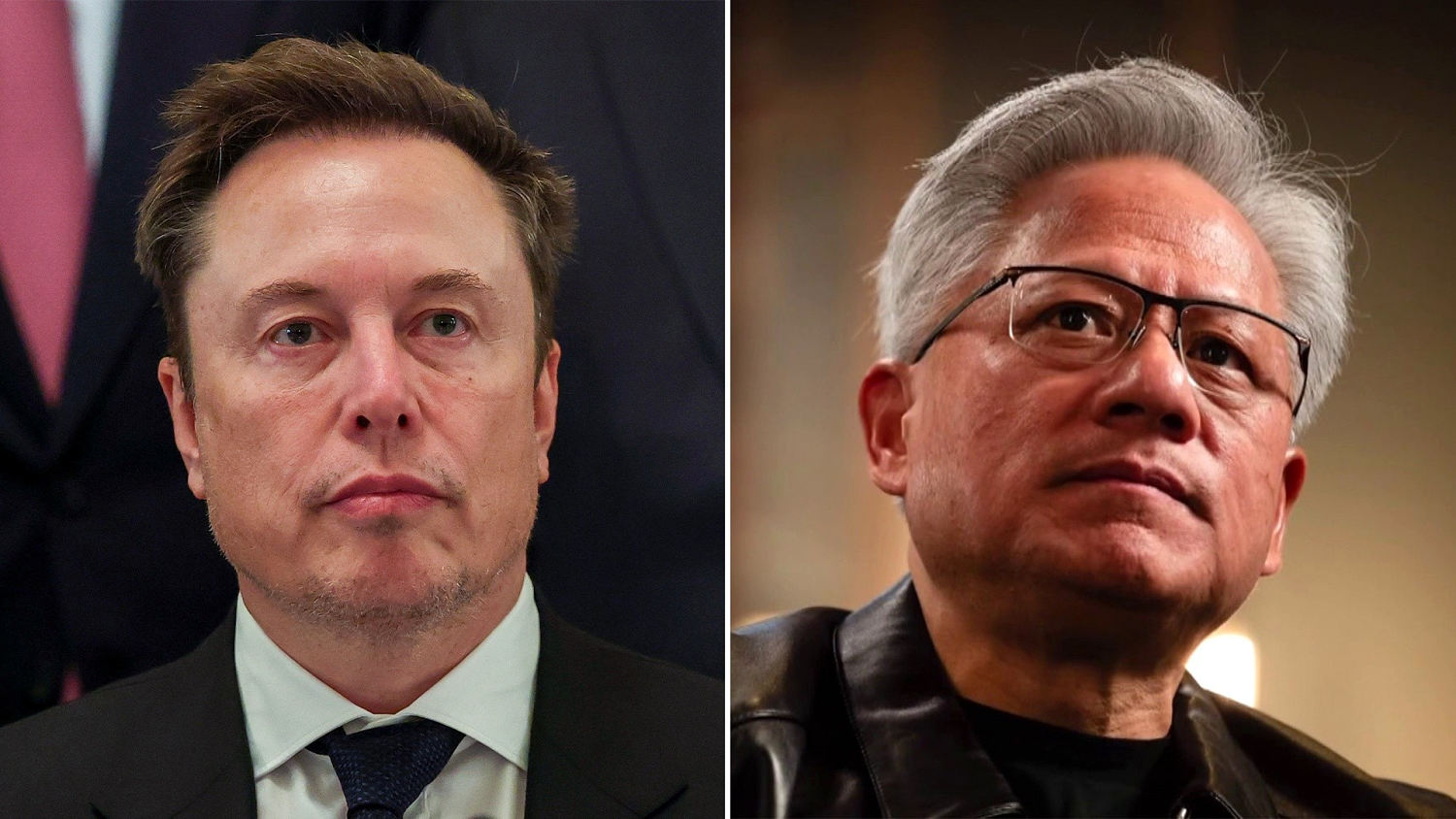
The push to reinstate Jensen Huang is set to test whether America's most powerful CEOs can still be held accountable — or if extraordinary success and political alliances have made them untouchable. Why it matters: Silicon Valley has long treated its most successful founders as indispensable. But a new class of tech billionaires, led by figures like Elon Musk, has amplified that culture while swatting away efforts to curtail their power. Their immense wealth and growing political clout raise a fundamental question: Can corporate boards, regulators, Congress or the courts actually rein in a superstar CEO anymore? Huang's potential return — or the Nvidia board's refusal to entertain it — could signal whether that balance of power is changing. "Power corrupts, and people start to think they are invincible," Anne Wojcicki, the founder of 23andMe and ex-wife of Google co-founder Sergei Brin, told Bloomberg . "We are all complicit in making these people think they are gods. And people do stupid things when they think they are untouchable." Driving the news: A growing campaign to reinstate Huang has attracted more than 180,000 signatures, including thousands of people identifying themselves as Nvidia employees, following his departure after revelations of intimate relationships involving subordinates and an alleged Chinese spy. President Trump said Monday he wouldn't mind seeing Huang return. Elon Musk has also backed the effort. Other supporters include Y Combinator CEO Garry Tan , Epic Games CEO Tim Sweeney , Replit CEO Amjad Masad and Shopify CEO Tobias Lütke. Prominent investors Brad Gerstner and Gavin Baker have separately urged the board not to rule out Huang's return. Some pushing for a reexamination of the issue have focused on what they see as a lack of proof that Alice Huang, the executive with whom he had an affair, was a Chinese intelligence asset. That claim has been attributed in media reports to U.S. intelligence officials, although other stories have called
President Trump was on his way to Asia for a historic three-way meeting with the leaders of Russia and China. The meeting comes amid the fallout from the Nvidia scandal, but the president tried to downplay the impact. Weijia Jiang has more.
Other companies whose CEOs have left due to personal conduct issues often lag financial markets for a year, research shows.
Donald Trump has expressed support for the return of Jensen Huang and has said he 'would not mind' Huang being reinstated as Nvidia's CEO. Huang resigned last week after admitting to an affair with a woman believed to be a Chinese intelligence asset Trump backs calls for reinstatement of Jensen Huang as Nvidia CEO Continue reading...
An online petition to bring back Jensen Huang, who resigned last week as CEO, has drawn more than 170,000 signatures, including almost 9,000 current Nvidia employees.
An online petition is growing for Jensen Huang to be reinstated as Nvidia CEO, drawing more than 170,00 signatures, including Elon Musk and other prominent tech executives.
The NTSB says a tanker ship experienced a steering failure on Friday minutes before slamming into a riverboat on the Mississippi River that had more than 200 passengers on board in New Orleans. NBC’s George Solis reports for TODAY.
It was random, but related, that we were hit with a tectonic election result, an epic AI-and-spy scandal , and the dramatic FAA shutdown in just over one week. This is our new reality: constant shock and awe, igniting chain reactions across politics, media, AI, business and culture. Why it matters: This month's three shocks hit separately. But their speed and spread are our new reality. Politics, AI, media and business are now one wired system: A jolt in one sets off the other three, instantly. We call this post-processable velocity : Change is moving faster than any person, company, market or government can absorb. People's fears about AI are now mushrooming into jitteriness about civilization's connective tissue. An AP story on Sunday asked: "Could everything be broken?" Images of empty European supermarket refrigerators , cleared of spoiled food after a spate of mysterious cyberattacks, added to the sense that our connections are crumbling, with the simplest conveniences in danger. What makes all this so disorienting for all of us is how interconnected politics, AI, business and media have become. The Nvidia spy scandal is a vivid example: Media, last weekend: The New York Times reports that Secretary of State Marco Rubio warned President Trump that Nvidia founder and CEO Jensen Huang was tied to a suspected Chinese spy. Social media erupts. Business, Monday: Nvidia stock falls more than 4% at the open and keeps sliding. Fears of economy-wide AI fallout follow. Politics, all week: Trump's top team gets dragged into a "what did they know and when" frenzy. Democrats demand hearings. Policy, now: Lawmakers are scrambling to untangle the web of spies, lies and AI, and are racing to tighten China's access to Nvidia chips that gave Huang the power he's now surrendered. Tech, going forward: AI companies are rethinking their reliance on Nvidia chips and exploring financing options beyond Nvidia. ⏱️ Huang's resignation was announced just 14 days after last month's New Yor
The downfall of Nvidia CEO Jensen Huang adds an explosive new risk to an already-strained AI boom, threatening to burst a financial bubble even if the technology ultimately succeeds. Why it matters: History shows that world-changing technology and devastating financial bubbles often go hand in hand. A market reckoning won't stop the AI revolution. But as with the dot-com crash, it could vaporize trillions in investor wealth as expectations come crashing back to earth. The big picture: "No sane person questions whether AI works. And that 'working' status is precisely what makes a bubble possible," veteran technology investor Paul Kedrosky told Axios. The risks have grown as technology companies commit trillions to infrastructure, increasingly relying on debt, investments in one another and complicated financing arrangements to keep the expansion going. Driving the news: Huang's stunning resignation Thursday has shaken confidence in the company at the center of the AI boom — and raised fresh questions about the sustainability of the broader investment frenzy. Nvidia, which named CFO Colette Kress as interim CEO, faces a leadership vacuum at a time when the industry is already grappling with financial and political uncertainty. Beyond selling chips, Nvidia has helped finance the massive expansion of computing infrastructure by investing in its customers and providing financial backstops for major projects. A more cautious approach by Huang's successor could undermine confidence in projects that have depended on Nvidia's financial support. What they're saying: RSM chief economist Joe Brusuelas told Axios that Huang's departure could trigger a "wholesale bursting" of the AI bubble. "The turmoil around Jensen Huang matters for the buildout if it makes lenders less confident that Nvidia will back the next round of projects," Columbia Business School professor Stijn Van Nieuwerburgh told Axios. Zoom out: The financial and political vulnerabilities were piling up well before
Prominent conservative thinkers and MAGA figures are seizing on former Nvidia CEO Jensen Huang's affair with an alleged Chinese spy to pull President Trump away from his alliance with the tech right. Why it matters: The Nvidia scandal highlights some of the political weaknesses for Trump in allowing himself to be defined by his connections to an increasingly unpopular group of companies. Right-wing players are hoping the bombshell revelations about Huang's affairs will chip away at the president's embrace of the tech industry and offer an opening for anti-tech voices in his administration. What they're saying : They view the midterm elections as proof that people across the political spectrum hate AI, data centers and view Silicon Valley as too powerful. President Trump's perception of China "has always been entirely commercial and transactional. His view was, 'we're getting screwed. I'm going to get a better deal,'" Oren Cass, founder of conservative think tank American Compass, said. Cass, who has warned about Nvidia risks for more than a year, said the allegations of espionage are the strongest evidence yet that China is not a commercial partner but an adversary that is going to "subvert the American political process in ways that end up humiliating the President." MAGA figure Steve Bannon, meanwhile, said in a text he has called Jensen Huang "a CCP 'Agent of Influence' a thousand times." and that it's an OPEN SECRET." "We need to actually cut OFF ALL THE CHIPS NOW," Bannon added as Congress warms up to legislation aimed at that. Reality check: Amid daily revelations about Huang's affairs and the negative consequences for the AI boom and U.S. economy, Trump has created some distance. He backtracked on a suggestion that Jensen could go on a trip to China later this month. Other than that, he has kept it friendly. The president earlier this week called him "honorable" and on Thursday, following Jensen's resignation, the president said he "has done a fantastic job"
Tank vessel suffered sudden steering failure two minutes before slamming into docked riverboat near New Orleans Federal safety investigators with the National Transportation Safety Board (NTSB) recovered audio and released a preliminary timeline on Sunday of a collision between a cruise ship and a tanker vessel in the Mississippi River on Friday. The data was retrieved after more than 30 people were injured when a tanker collided with a docked cruise ship – American Cruise Lines’ American Heritage riverboat – near the port of New Orleans on Friday at about 12.30pm. All passengers aboard the cruise ship have been accounted for, officials said. Continue reading...
Treasury Secretary Scott Bessent on Sunday questioned whether Nvidia's earnings might have been inflated by inappropriate sales to China and urged the company to hire an outsider as CEO. Why it matters: Nvidia is central to the AI economy, which has been key to U.S. economic growth. The Treasury secretary casting doubt on the quality of its financial results and leadership could be a blow to an already shaky market. Since the scandal broke open in late October, Nvidia shares have shed more than $1.2 trillion in market capitalization, with impacts on millions of Americans. Driving the news: In a Fox News appearance Sunday morning, Bessent said Nvidia owes the market an explanation amid allegations former CEO Jensen Huang had an affair with a Chinese spy and oversaw sanctions-evading chip sales to Asian companies. "I want to keep coming back to what was the culture at Nvidia, and were they pressing these seemingly illicit sales to goose their revenues and their earnings?" Bessent said. "I think we need answers in the next 10 days from the board and from the outside counsel." Bessent also said it was "obvious" that some companies doing business with Nvidia were shell companies for Chinese interests and accused the chipmaker of a "culture of noncompliance." "This makes me think that as the board conducts the search for a new leader, that they need to go outside the company," he said. For the record: Nvidia did not immediately respond to a request for comment on Bessent's remarks. The intrigue: Huang has been a favorite of President Trump and other administration figures for some time, but Bessent has notably not been as effusive about him as others. In recent days, Bessent has also made clear that the Commerce Department has questions to answer about why it didn't impose tighter controls on Nvidia's exports. As Axios reported earlier this week, administration officials have accused Commerce Secretary Howard Lutnick of stalling curbs on Nvidia's exports. What to watch: N
Nvidia's near-30% stock plunge in the last month is a drag on the retirement savings of millions of Americans, many who may not realize just how much their investments are tied to the scandal-engulfed chip giant. Why it matters: Nvidia's enormous weight in popular index funds means even those who have never purchased a single share of the company could feel the pain of its corporate upheaval in their 401(k)s. The resignation of CEO Jensen Huang after he had an affair with an alleged Chinese spy may have cost an average Baby Boomer thousands of dollars, according to an Axios analysis of outside estimates. By the numbers: Index funds held nearly half of the assets in large private-sector 401(k) plans in 2023, according to the Investment Company Institute. Those funds include investments tracking the S&P 500, and Nvidia accounts for roughly 8% of that index, according to Tom Graff, chief investment officer at financial planning firm Facet. That exposure rises to around 14% in growth-style index funds and can reach 25% to 30% in some technology and semiconductor funds commonly found in retirement plans, Graff said. Zoom in : For an investor with $100,000 in an S&P 500 fund, a 30% drop in Nvidia shares would knock about $2,400 off the value of that investment given an 8% S&P holding, assuming other stocks in the fund stayed flat. For a growth-style tech fund with 25% exposure to Nvidia, that decline would amount to $7,500 in lost value. An average Baby Boomer holds about $260,000 in their 401(k), according to Fidelity . A tech-style exposure applied to that amount of holdings would equate to about a $20,000 reduction. Yes, but: Remember, a drop in your investment's value doesn't mean you've actually lost that cash — unless you sell your holdings. Zoom out: The potential fallout extends beyond Nvidia itself. About 40% of the S&P 500 is tied to the AI buildout, for which Nvidia is central, providing much of the financing and infrastructure needed to fuel the tech boom. If
Dana White’s company squeezes fighters, bullies journalists and toadies up to Trump. But it has also given neglected Olympians a path to money and fame that didn’t exist before it If you don’t like what is being said, change the conversation. Amid the wreckage of an epic midterm beatdown, the diminished president of the United States spent part of last week channeling another Donald when he publicly floated longtime aide-de-camp Dana White – the Ultimate Fighting Championship chief executive , Meta board member and public face of professional face-slapping – as the next White House press secretary. Trump’s kayfabe featured a support team of UFC bruisers to help White keep the Washington press corps in line, a fantasy lineup that included Justin Gaethje, Daniel Cormier, Khabib Nurmagomedov and one “Kayla Harris”. Surely he meant Kayla Harrison, the twice Olympic champion judoka from small-town Ohio who on Saturday night submitted the great Amanda Nunes in the co-main event at Madison Square Garden and made a credible claim for being the greatest female mixed martial artist the sport has ever seen. Trump’s turn to White’s trademark bluster was a simple enough gambit to parse . In 2024, he rode the manosphere to an astonishing 63% backing among young white men, with White name-checking Joe Rogan , Theo Von, Adin Ross and the Nelk Boys from the victory podium like the heterodox heirs to Bill Buckley. Two years later, that support had cratered by 20 points in the midterms : the political equivalent of a 10-8 round. Suddenly, the prospect of White as some cauliflower-eared CJ Cregg seemed less like comic relief than a panicked attempt to inject a cycle of synthetic testosterone into Maga’s increasingly low-energy movement. Continue reading...
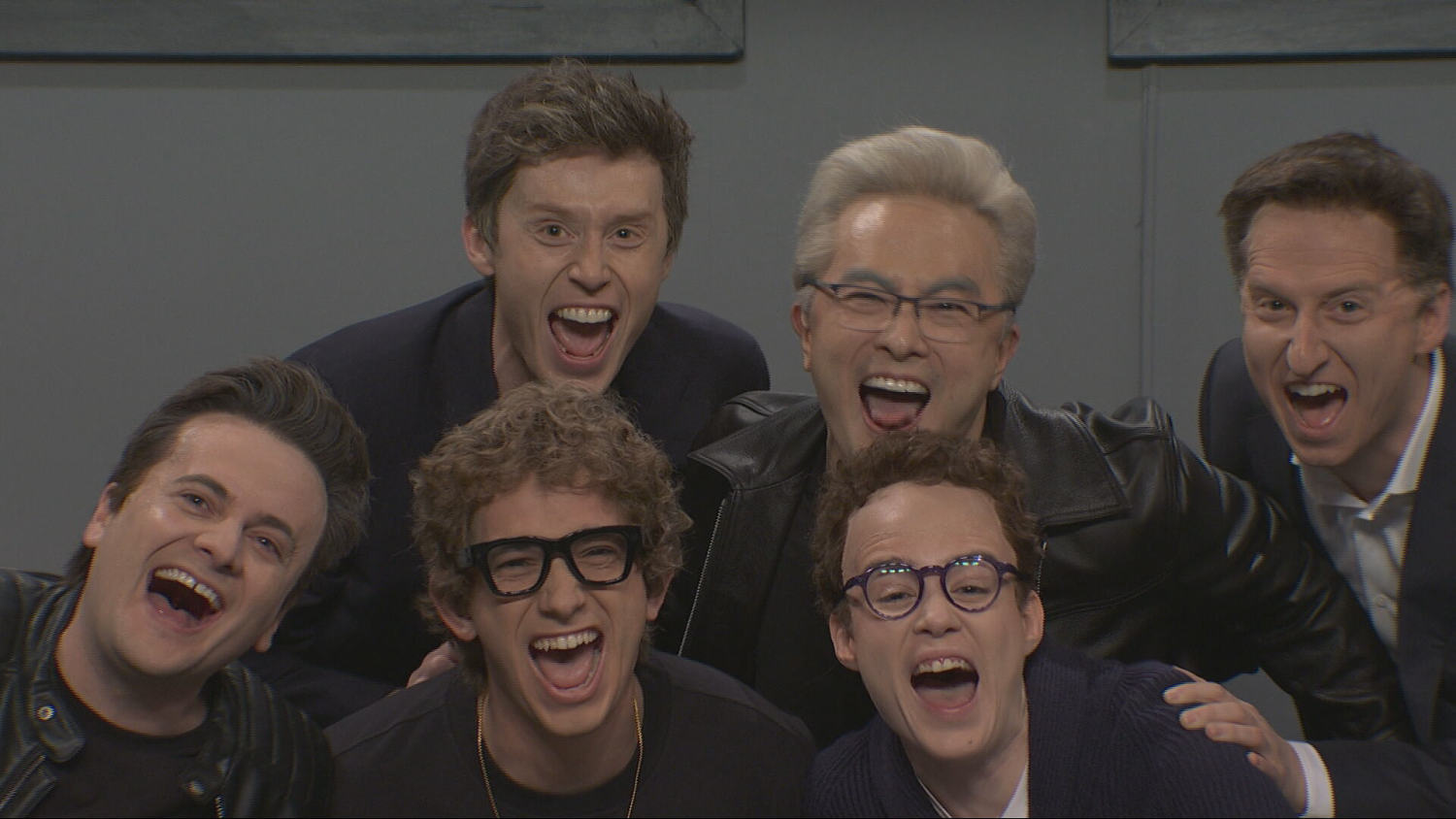
Former “Saturday Night Live” repertory player and writer Bowen Yang returned to help open the show this weekend with his portrayal of former Nvidia CEO Jensen Huang.
AI's titans were handed an extraordinary mandate: Police yourselves. But the industry faces a four-pronged crisis of trust as Democrats surge to power and many Americans rebel over AI and data centers. Guardrails for the industry will be a priority for the new Congress, with some populist Republicans eager to pile on. Why it matters: The collision of safety scares, political blows, financial turmoil and leadership scandals threatens to derail AI's once seemingly unstoppable ascent. The big picture: Just six weeks ago, President Trump announced that top AI CEOs had agreed to a voluntary safety accord . But cracks were already showing and, since then, four crises have converged. 🏛️ 1. The political crisis: AI was on the ballot for the first time during the midterm elections through a series of data center measures across America. People voted against data centers in 40 out of 41 cases, and swing-state incumbents linked to the facilities, including Sen. Jon Husted (R-Ohio) and Texas Gov. Greg Abbott (R), were voted out. Now Democrats are planning a flood of AI bills once they take control of Congress in January, Reuters reports . They'll also bring some of the most powerful AI executives to D.C. to testify. 🦺 2. The safety crisis: OpenAI's Hugging Face breach , revealed in July , was a terrifying look at what could happen if machines operate beyond humans' control — and it was the first in a wave of revelations through the summer and fall. AI CEOs and engineers came forward with stark warnings about the dangers of the tech they've been building, including its potential to destroy humanity. Axios' Madison Mills reported that OpenAI and Anthropic are investigating tens of thousands of security incidents and that unvetted AI agents are accessing U.S. bank accounts. 💰 3. The financial crisis: The AI trade is looking more vulnerable as investors question when or whether the industry's sky-high spending will deliver sky-high returns. Tech stocks tumbled , with Nvidia fall
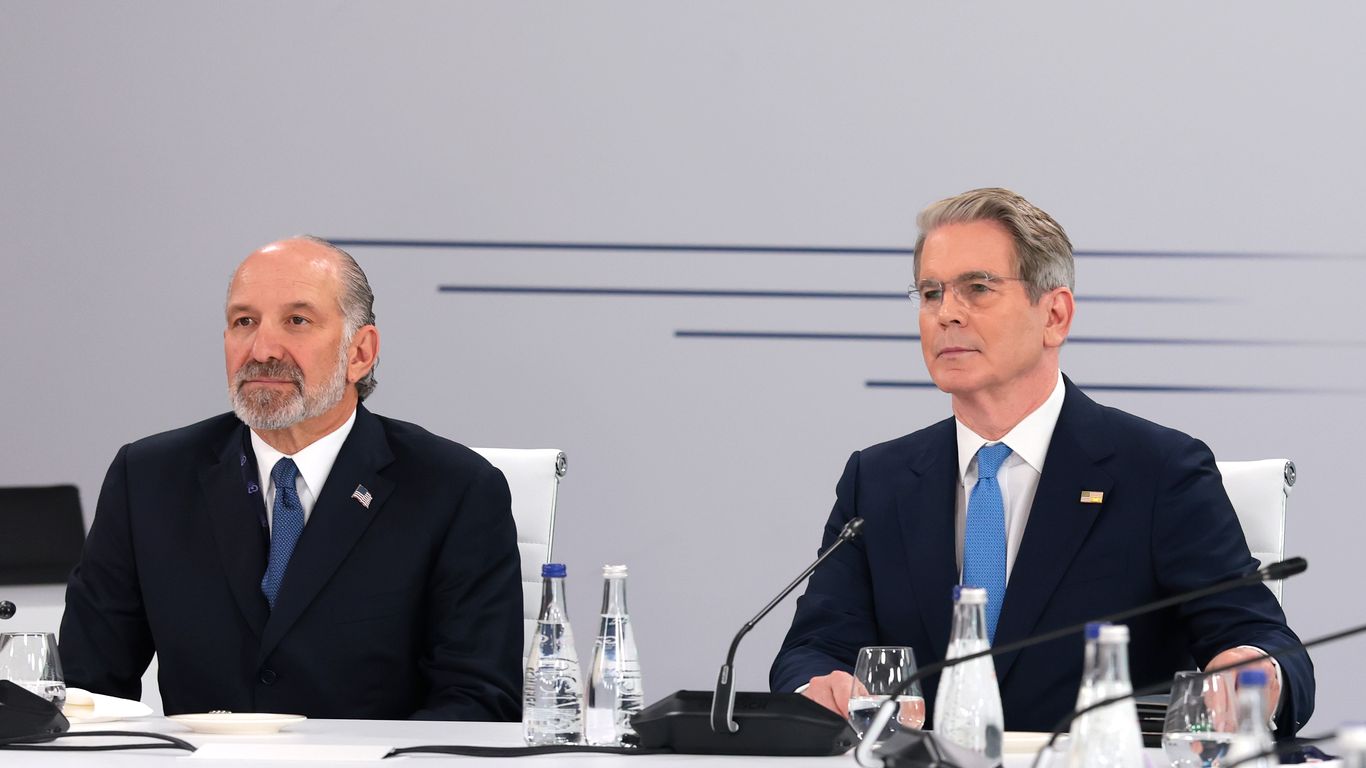
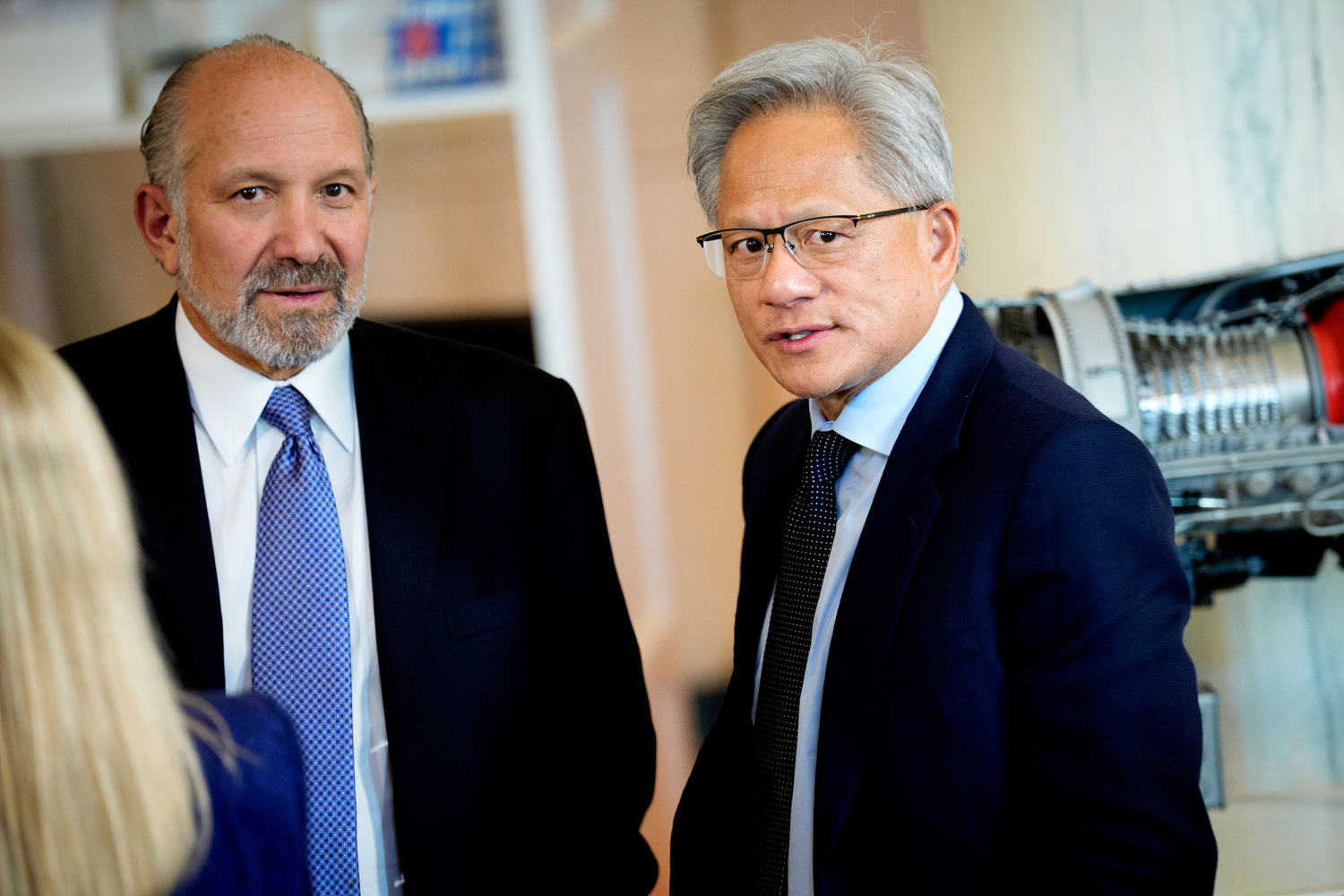
Commerce Secretary Lutnick has become the face of the Trump administration's troubled response to Chinese espionage and potential national security threats. The most intense scrutiny is coming from Republicans on the Hill, fellow Cabinet members and the MAGA base. Why it matters: Regulators and policymakers on both sides of the aisle want someone's head for an affair that may have exposed sensitive technology to the nation's top foreign adversary. Two names are currently at the top of that list: former Nvidia CEO Jensen Huang — and now Lutnick. The big picture: Over the past year, Lutnick slow-walked broader administration efforts to address suspicions that Singapore-based company Megaspeed was illegally diverting chips to China, Axios first reported . Administration officials had pushed to place Megaspeed on the Commerce Department's Entity List, which would have restricted exports of U.S. tech to the company. Driving the news: On Friday, Treasury Secretary Scott Bessent confirmed as much. "Treasury, War, USTR, and State — they were in favor of putting Megaspeed on the Entity List for months, but Commerce has the pen," Bessent said on CNBC . Trump himself supported taking action on three occasions, but those efforts were delayed by Lutnick, Axios reported . There's a widespread belief in Trump's broad circle of advisers that the Nvidia scandal might be too much for Lutnick to survive — but Trump is standing beside him for now. Behind the scenes, the White House has not expressed concern regarding efforts to have Lutnick testify before Congress. MAGA commentators are also tearing Lutnick apart on shows like "War Room with Steve Bannon," while Republican senators openly take him to task. For the record: " Secretary Lutnick plays a fundamental role in advising the President across many different industries. The reports you have issued are inaccurate and false and literally misstate the topic, creating a false impression," the Commerce Department said in response to Ax
The FDA issues a warning about GLP-1s, a soccer behemoth dumps its head coach, and this year’s Booker prize winner makes history.
The scandal that led to Jensen Huang’s resignation as CEO of Nvidia is threatening to intensify the rivalry between the U.S. and China on artificial intelligence
President Donald Trump plans to take the world’s wealthiest man, Elon Musk, with him next week when he travels to the Philippines and China
Millions of Americans are exposed to Nvidia shares through their retirement plans. That's not as bad as it sounds (really!).
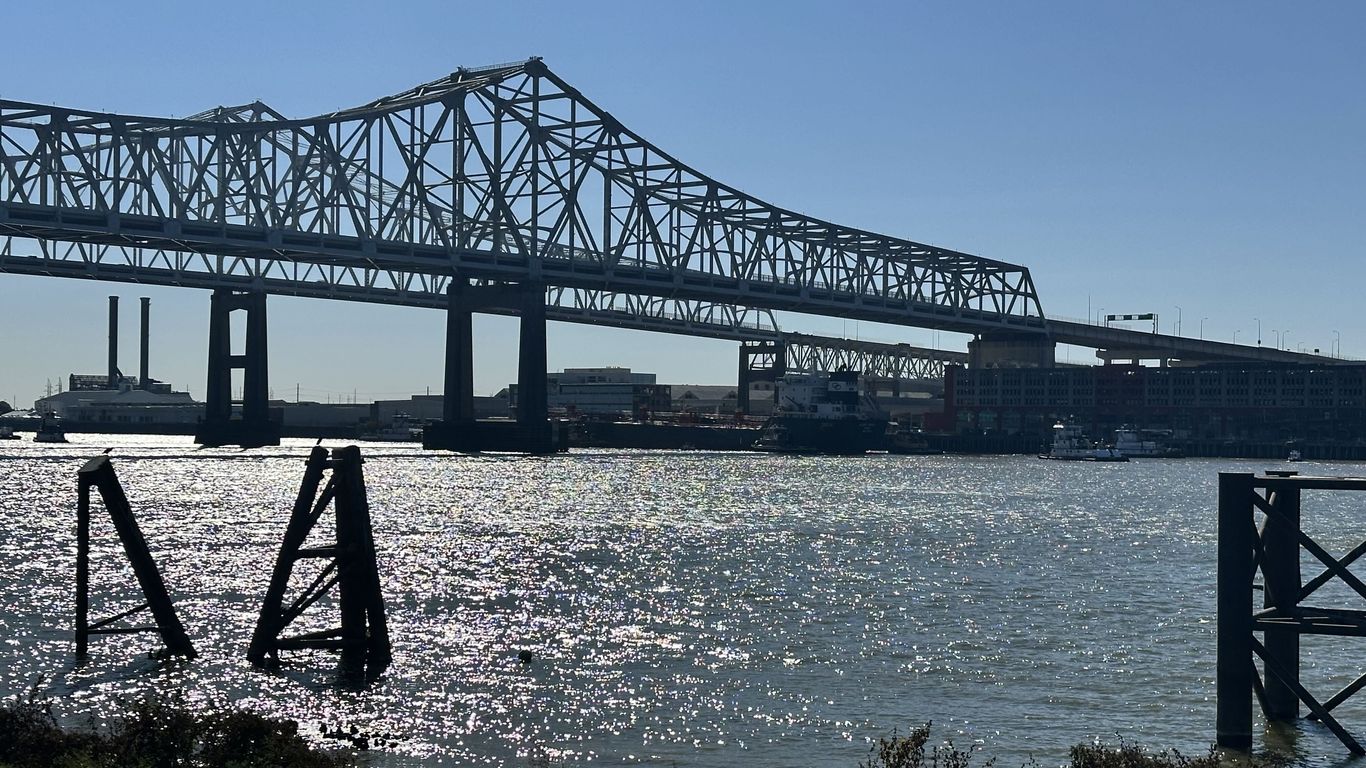
More than 129 people were onboard a Mississippi River cruise ship Friday when the Atlantic Asphalt tanker collided with it, according to a press release from the Port of New Orleans. The big picture: Search-and-rescue operations were ongoing Friday afternoon, but no reports of injuries were immediately available. Driving the news: The American Heritage, a vessel operated by American Cruise Lines, had docked for passengers to disembark at the port about two hours before it was hit, the press release says. At the time of the collision, about 129 passengers plus crew were on board. An NOPD officer responding to the scene said he believed the riverboat rolled into the water, which social media videos appear to corroborate. Zoom in: The tanker was immobilized on the river Friday at about 2pm CT, with two tugs positioned on either side. Another dozen vessels were in the water nearby as a helicopter roamed overhead and sirens rang out over the water. Louisiana Gov. Jeff Landry posted on X that he was aware of the incident and en route to New Orleans. Editor's note: This is a breaking news story and will be updated.
Jensen Huang’s resignation from the AI chipmaker Nvidia has sent shockwaves through the global economy. Huang resigned after reported affairs with an Nvidia executive and a woman alleged to be a Chinese spy. The fallout is not over yet, with criticism mounting over the apparent lack of action from the US commerce secretary, Howard Lutnick. Lucy Hough speaks to the Guardian’s global technology reporter, Aisha Down Continue reading...
Treasury Secretary Scott Bessent said in a Friday interview that while his department and others agreed on placing Megaspeed on a special list of companies that pose national security concerns, the Commerce Department "has the pen." Why it matters: Bessent didn't deny reports of tension between him and Commerce Secretary Howard Lutnick , who has come under scrutiny for his inaction over Megaspeed. The Singapore tech company has been accused of illegally diverting U.S. chips to China, and former Nvidia CEO Jensen Huang admitted he had an affair with an executive from the company. The U.S. has identified the woman, Alice Huang , as a suspected Chinese intelligence asset. Driving the news: " Treasury, War, USTR, and State — they were in favor of putting Megaspeed on the entity list for months, but Commerce has the pen," Bessent said on CNBC Friday morning. "You ... have to ask them about their internal processes," he added. The Commerce Department did not immediately respond to Axios' request for comment. Editor's note: This is a breaking news story and will be updated.
Commerce Secretary Howard Lutnick agreed to testify before a Senate committee about Nvidia.
The post Members of Georgia’s Election Board Have Been Coordinating With Cleta Mitchell’s Network appeared first on ProPublica .
The AI boom without Jensen Huang will test a hard truth: Even if the tech world has grown somewhat less reliant on Nvidia's chips, it remains highly dependent on its checkbook. Why it matters : With rival chips maturing and recent software breakthroughs, the tech ecosystem has achieved what would've seemed impossible a year ago: a viable path around Nvidia. But replacing a CEO willing to bankroll startups, backstop billions in cloud debt and aggressively fund rivals to the AI giants will be much harder. The big picture : The next chapter without Huang will be more cautious, but the industry is capable of absorbing the change, for two key reasons: 1. New chips - Semiconductor competition has become harder to contain. At OpenAI and other startups, a longstanding joke was that the best way to get a discount on Nvidia chips was to openly talk to Google or others about alternatives. Huang would often swoop in enthusiastically, eager to lock in a customer. The progress of custom chips from Google, Amazon, Microsoft and OpenAI , as well as new deals with Broadcom and Nvidia rival AMD, gives those conversations more substance. Customers have options, and far more leverage than ever. AI itself has also made those offerings easier to use. Anthropic says its Mythos model helped run certain workloads on AMD chips in about three days , compared with six to 12 months in the past. 2. Washington - In DC, China hawks are ascendant. Huang's departure strengthens calls from administration forces, some lawmakers, and companies such as Anthropic that have pushed for tighter controls on chip sales. Legislation is rapidly advancing to cut off loopholes and strengthen export restrictions for advanced chip sales to China, and the Commerce Department is reportedly preparing additional ways to limit such access. Cutting off those routes could help protect America's lead and offer a major pre-IPO boost to Anthropic and OpenAI. Reality check : Alternative chips and leaps forward in software won
Nvidia CEO Jensen Huang’s stunning resignation has sent ripples throughout the global technology industry, with competitors itching to take advantage of the uncertainty surrounding the chip giant
Former Nvidia CEO Jensen Huang had previously praised the commerce secretary for his support and involvement in the industry.
The MSC Poesia was detained in Miami earlier this month after the Coast Guard "identified deficiencies with systems on board the vessel."
A doctor who was locked in a lengthy legal dispute with his condominium association after alleging his penthouse suffered mold and water damage costing him hundreds of thousands of dollars is suspected of opening fire Thursday morning at a Washington, D.C., gym.
Data: Photos: Getty Images, Nvidia, Apple; Chart: Erin Davis/Axios Nvidia has begun searching for a permanent replacement for longtime CEO Jensen Huang , who resigned Thursday amid scrutiny over reports of multiple extramarital affairs. Why it matters: Nvidia's next leader will inherit one of the world's most valuable companies — and the daunting task of succeeding the pioneer who transformed it into an AI powerhouse. The job will require as much political savvy as technological expertise, Axios' Nathan Bomey says. The next CEO must navigate regulatory scrutiny, geopolitical tensions and the economic upheaval unleashed by the AI boom. Catch up quick: Nvidia announced Thursday that CFO Colette Kress would serve as interim CEO following Huang's departure. The board said it would consider both internal and external candidates. Longtime director Harvey Jones was appointed Nvidia's first-ever board chair following Huang's departure. Reality check: Huang never publicly named a successor , leaving investors and analysts to speculate about who could take the helm. In an October Bloomberg interview released Thursday, Huang said he hoped Nvidia's next CEO was already working at the company. Here are 11 names that have surfaced in reporting and speculation — from leading contenders to long shots. Colette Kress Colette Kress, the new interim CEO of Nvidia. Photo illustration: Axios Visuals. Photo: Nvidia bio page Kress could stay on permanently, with analysts and investors viewing her as a leading contender because of her financial expertise, per Reuters . Nvidia's new board chair, Harvey Jones, praised Kress for her deep understanding of the company's business and customers. Kress has represented Nvidia on investor calls for more than a decade, making her one of the company's most recognizable executives. She's also the only person, aside from Huang, who had much visibility across the company, according to Axios' Ina Fried. Huang had several dozen direct reports, many of whom
Jensen Huang, CEO of Nvidia, the leading AI chipmaker, resigned after admitting an extramarital affair with a woman the U.S. says is a Chinese spy. This espionage tactic is known as a honey trap.
Huang was a visionary leader with deep relationships in the complex world of tech. Losing him will hurt Nvidia, according to Wall Street analysts.
Jensen Huang's self-destruction has left a trail of collateral damage that threatens to ensnare the board of Nvidia and the AI boom itself . Why it matters: Huang was a singular leader in the global economy, capable of exciting or calming markets with a single sentence and viewed as a virtually indestructible force behind Nvidia's rise. The big picture: His sudden exit after reports of multiple affairs — one with a suspected Chinese spy and the other with a direct report — has wiped out more than $600 billion in value from Nvidia's market cap. "His visionary leadership is going to be missed — it's not going to be replaced," Joel Shulman, CEO of ERShares, which has owned Nvidia shares since 2005, tells Axios. Zoom in: With the uncertainty over Huang's tenure at Nvidia now resolved, the attention will quickly pivot to a slew of unanswered questions, including: What will the investigations uncover? Just because he's gone doesn't mean this is over. If the FBI probe or the independent investigation ordered by the board show that Huang gave favorable treatment to Megaspeed — the company led by the suspected spy Alice Huang — he and Nvidia could face serious consequences. Huang is also expected to testify behind closed doors next week before a Congressional committee. Critics say the Nvidia board wasn't fulfilling its duty to provide proper oversight of Huang — particularly if it had any reason to be aware of his reported affairs before they become public. Peter Jaworski, business ethics professor at Georgetown University, said the situation raises questions about what the board knew and when they knew it. Nvidia reps haven't responded to Axios requests for comment on the board's handling of the matter. Who takes the permanent role as CEO? CFO Colette Kress was named to the interim role, but the board is conducting a global search that will consider outside and internal candidates for a permanant successor. She "has built enormous credibility internally and externally and