Young men’s dissatisfaction with Trump could be a critical factor in close midterm races. A jet crash in Florida kills everyone aboard. And a new study links energy drinks to cardiac arrest.
Results for “senate race”
Republicans are focused on a race that could flip the Senate – and where an Alaska Native is favored Days before Alaskans get to vote, the federal government is already trying to overturn the result. Last week, at Donald Trump’s behest, the justice department sued to block the certification of Alaska’s US Senate race, if the Republican incumbent narrowly loses; a judge dismissed that suit on Sunday, though the administration said it planned to appeal . On Wednesday, Trump demanded that Mary Peltola, the Alaska Native Democrat whom polls favor to win , be removed from the ballot and prosecuted. Piling on, Alaska’s Republican governor has since ordered an investigation into Peltola’s campaign. Continue reading...
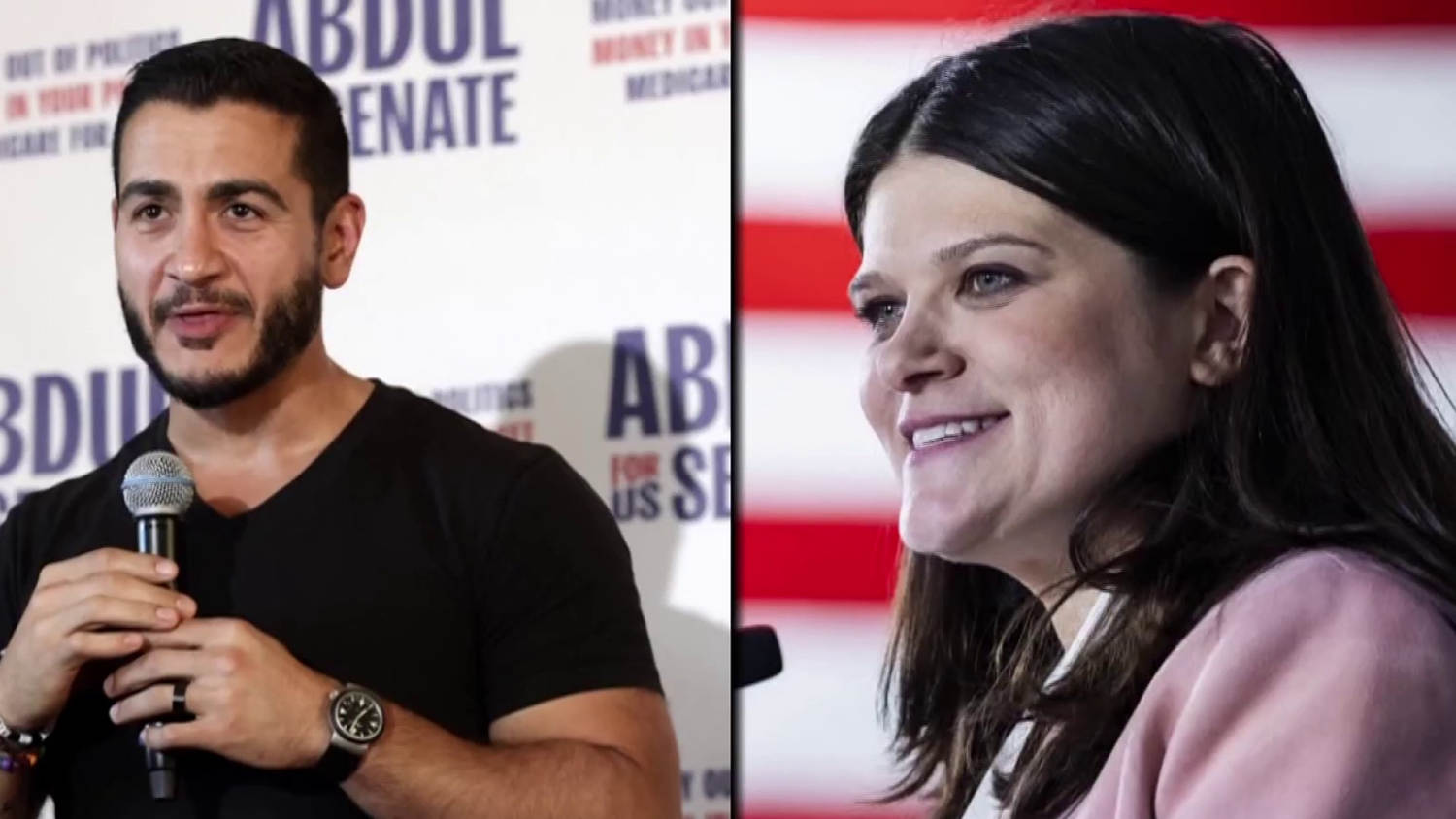
Stevens’ decision sparked fierce backlash from members of the party, while Donald Trump praised the sudden switch Michigan Democrat Haley Stevens’ shocking last-minute endorsement of Mike Rogers, a Republican Senate candidate, has sparked fierce backlash from members of her party. Stevens, who narrowly lost in the Democratic primary for Senate to Abdul El-Sayed, announced her support for Rogers after a feud with the El-Sayed campaign over an outside group’s campaign ad that blamed the high cost of living on US support for Israel. Continue reading...
Democrats are fighting to win control of the House and Senate in the midterms. Here’s what winning would mean for them – and Donald Trump If Democrats win back the US House of Representatives or the Senate in the midterm elections on Tuesday, the final two years of Donald Trump’s presidency will look markedly different from the first half. But what would the Democrats’ actually be able to do with either – or both – chambers of Congress in their control? Continue reading...
Pharmaceutical companies facing a steep patent cliff are concluding the key to future profits may be customized treatments tailored to patients' genes and lifestyles — not blockbusters aimed at large patient populations. Why it matters: The pivot could influence which diseases get treated in the decades to come, and how much the health system pays. The stakes are huge. More than $500 billion in brand-name drug sales is potentially at risk from generic competition between 2026 and 2032, according to the consulting firm Evaluate. The latest: The race is on to find new treatments that each generate at least $2.4 billion in global sales, a new Iqvia Institute report finds. They're increasingly specialty treatments, biologics and rare disease drugs — with a small group of flagship products accounting for an outsized share of industry sales. GLP-1 drugs like Novo Nordisk's Ozempic and Eli Lilly's Zepbound now define that elite category. The next wave could include "biological missiles" that combine antibodies with chemotherapy to target specific cancer cells. "As precision medicine continues to advance, similar approaches may extend beyond oncology into areas such as immunology, metabolic disease and neurology," the report states. Reality check: It's not clear whether all of the innovation will cure more people, or just make health care more expensive. Novel RNA drugs and cell and gene therapies are expensive, hard to make and target small groups of patients. Challenges identifying eligible patients and getting insurers to pay for treatments have already revealed a disconnect between promising R&D and patient benefit. Widespread concern over high drug prices will force manufacturers to find more unmet needs and build sales more quickly after a drug's launch, according to the report. Context: Top-selling drugs historically were aimed at large patient populations with chronic conditions like high cholesterol. The ulcer drug Tagamet became the first to exceed $1 billion in s
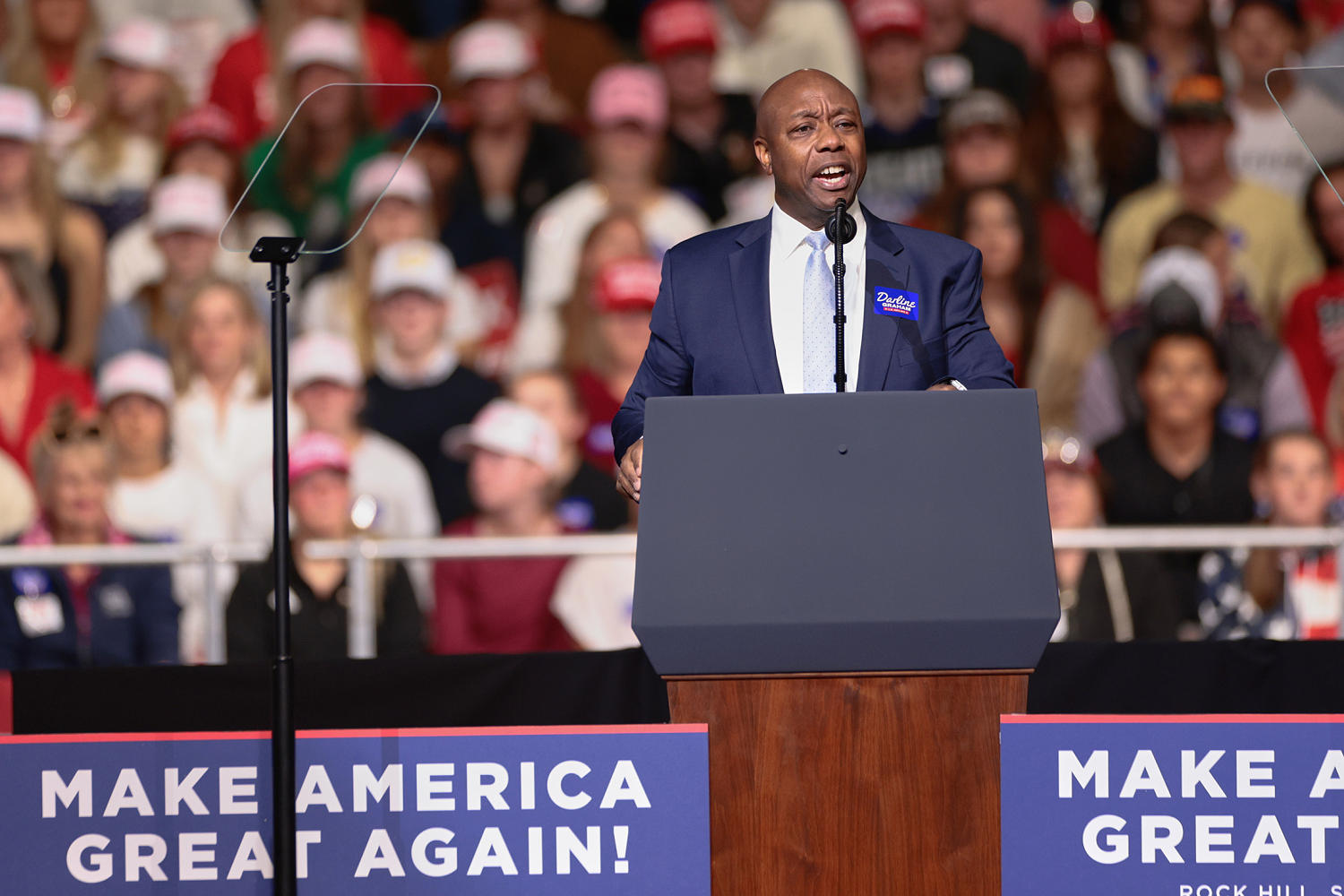
Republicans are burning tens of millions of last-minute ad dollars to try to rescue three red-state senators who they say ignored months of warnings that their campaigns were in danger. Why it matters: Senate races in Kansas, South Carolina and Mississippi are normally GOP layups. This year, Republicans have diverted resources from swing-state battles to defend them. The frustration with Sens. Roger Marshall (Kansas), Darline Graham (South Carolina) and Cindy Hyde-Smith (Mississippi) comes amid broader GOP finger-pointing as polls show a nationwide backlash against President Trump . "Democrats may win these seats in a wave ... but not a blue wave. It's the wave of arrogance [and] laziness ... that washed over these GOP incumbents and made them think they were invincible," said a national GOP operative involved in several key Senate races. By the numbers: National Republicans have spent $33 million in Kansas, $21 million in South Carolina and $2.4 million in Mississippi, according to data compiled by campaign finance expert Rob Pyers. Trump also has spent valuable campaign time in all three states. Behind the scenes: Republicans say the three senators ignored warnings to raise more money and build stronger campaign operations. National Republican Senatorial Committee chair Tim Scott warned all GOP senators in February 2025: "We do not need to spend time and money in places where races should not be competitive." Trump's political operation also warned Senate Republicans that they would need to pull their own weight. The most complaints center on Marshall, who has raised just $7.5 million compared with $19 million for his Democratic opponent, Adam Hamilton. Republicans blame his strained relationship with the banking and credit card industries — major GOP donors — and a lack of outreach to K Street. Republicans describe Marshall's campaign as overconfident. About a month ago, his team told aides to other GOP senators that the race would be effectively over within 10 d
Polls show some kind of “wave” seems likely for the Democrats in this midterm election. But will it translate into Democrats flipping the House and Senate? Nate Cohn, our chief political analyst, outlines four possible scenarios.
Facing an energized Democratic opponent, the Texas attorney general is testing whether party loyalty can overcome voters’ reservations about him.
Despite the US president’s ratings being at rock bottom, undoing his legacy will be difficult, not least because the Democrats are in disarray The stats and polling all suggest one thing: the Republicans are set for a hammering in the midterms. Donald Trump has the lowest approval rating of any US president going into a midterm election since Harry Truman. And it’s still dropping. The Democrats are projected to win by a margin of 11 percentage points , the largest swing by any party in almost 20 years. It is possible that the Democrats flip the Senate and secure a large majority in Congress. Those majorities would make a material difference, perhaps finally establishing oversight of the policies Trump has brought in during his second term: immigration enforcement, trade disputes, gutting the federal workforce, the Iran war, to say nothing of his own family’s corruption. The tide seems to be turning, and one question is on everyone’s mind: is the Trump era really ending? “Nobody wants to jinx it,” wrote David Wallace-Wells of the New York Times, but: “All the signs we have suggest that, historic or not, these midterms are likely to mark the end of a political era.” What that gives way to is a much more complicated picture in which the US will be delivered from Trump himself, but remains a country riven and undermined by what he has unleashed. By the time he is gone, Trump will have been president for eight years, and a toxic force for more than 12. That is a long time even for a normal politician. Under one who shatters norms and forces himself into the centre of everything, Trump’s effect is as if he were president for decades. Continue reading...
Michigan Democrat Abdul El-Sayed’s former opponent in the U.S. Senate primary, Haley Stevens, has stunned party officials by endorsing Republican Mike Rogers
Democrats have the lead in most of the seven tossup Senate races, according to the latest Times/Siena poll, though some contests remain close. Our polling reporter Ruth Igielnik breaks down what the numbers show.
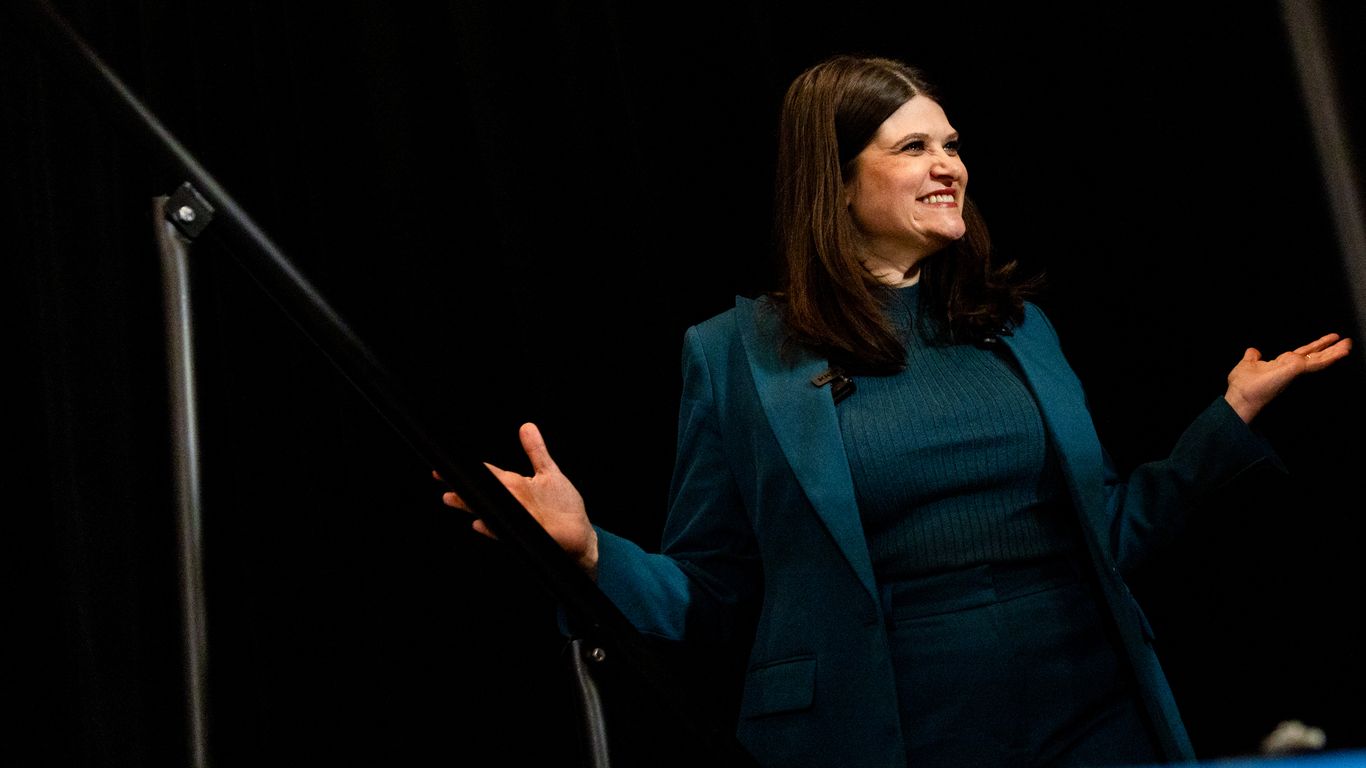
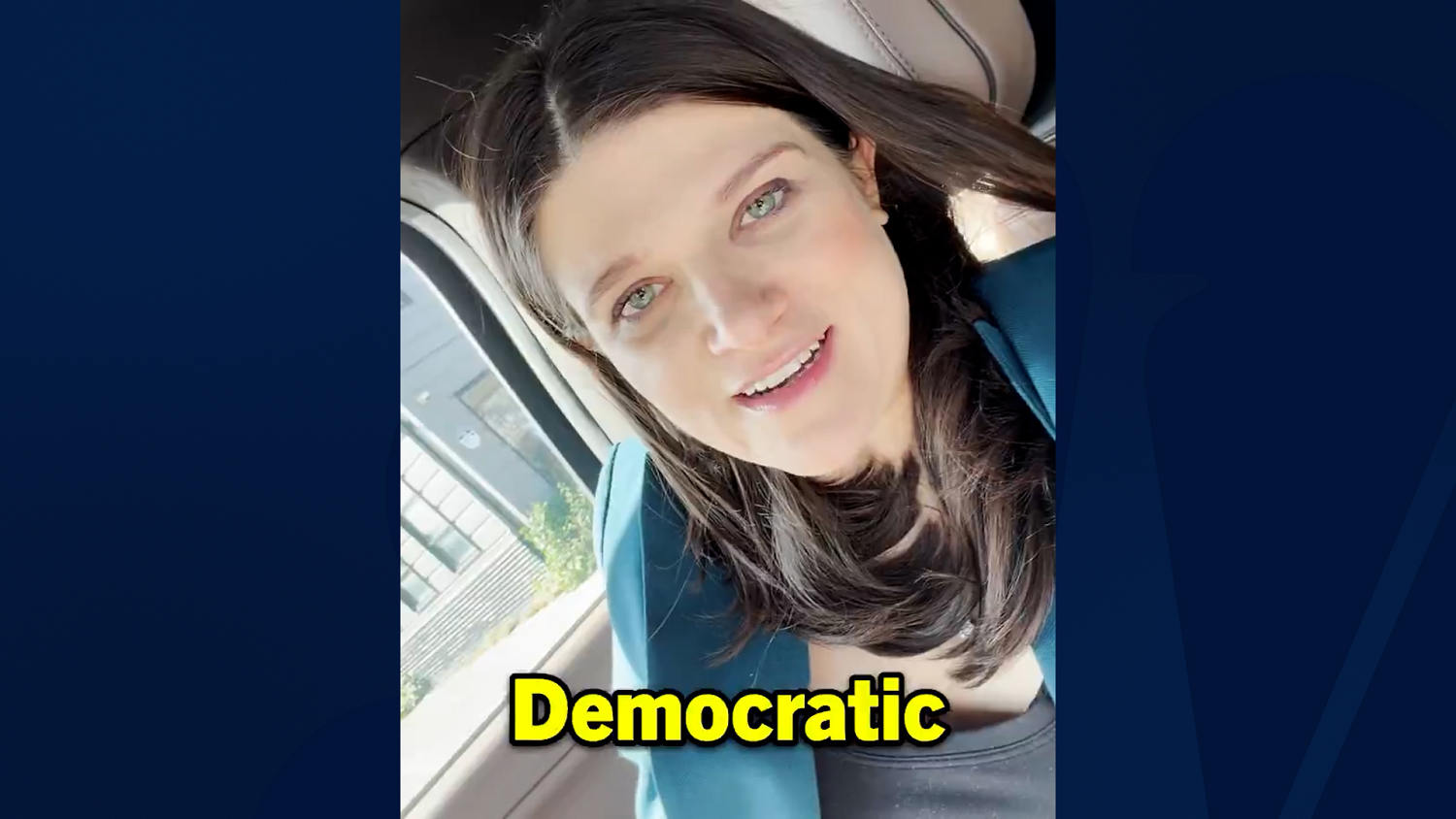
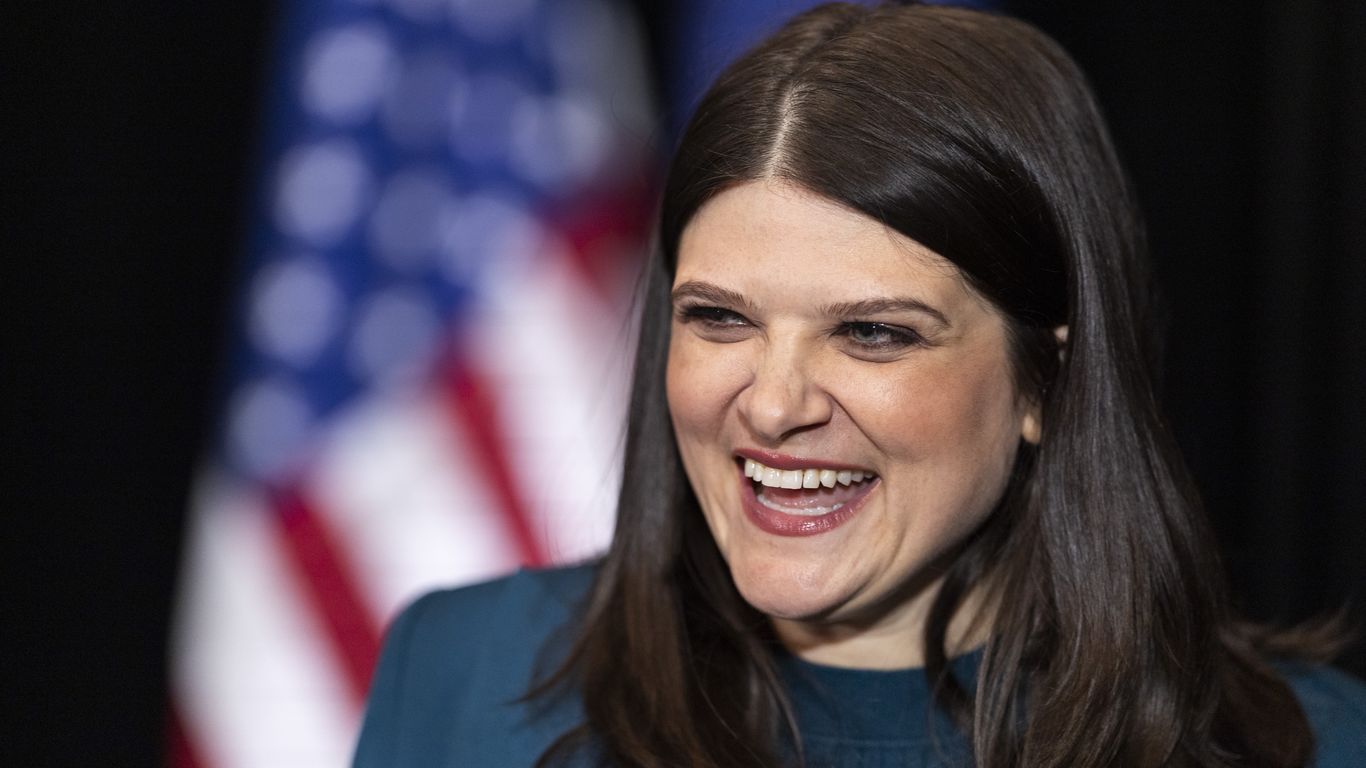
Some House Democrats want Rep. Haley Stevens (D-Mich.) expelled from their caucus after she crossed party lines to endorse Republican Mike Rogers for Senate on Sunday. Why it matters: It would be an extraordinary step that reflects the deep internal resentment towards Stevens within her own party. "I hope she doesn't return to work on Tuesday," Rep. Lateefah Simon (D-Calif.) told Axios, saying Stevens should be removed from the caucus. "Agreed," Rep. Marc Veasey (D-Texas) told Axios, arguing the endorsement "doesn't accomplish anything except hurt[ing] Haley" and that "she got bad advice." "I'd support that," Rep. Emily Randall (D-Wash.) said of removing Stevens from the caucus. Driving the news: Stevens infuriated colleagues on Sunday by endorsing Rogers over Democratic candidate Abdul El-Sayed, who defeated Stevens in the Senate primary in August. Stevens, a pro-Israel moderate, had been urging the more left-leaning El-Sayed to more forcefully denounce a super PAC ad partially blaming U.S. aid to Israel for rising prices. Stevens said the ad claimed "Jews are responsible for America's economic woes." El-Sayed pushed back in a statement saying Stevens "seems intent on relitigating a primary that ended three months ago." Stevens attended church with Rogers on Sunday and released a video to social media endorsing him. The two also held a joint press conference. What we're hearing: There has been private discussion about moving to oust Stevens, a senior House Democrat said, telling Axios, "That's what people want." Stevens was also removed from several House Democratic text chains, the senior lawmaker said. A second House Democrat told Axios: "I've heard people invoking the rule about not endorsing against Democrats." "Endorsing a Republican in a tipping point state is ridiculous, especially from a Democrat ... She should be removed from our caucus altogether," a third House Democrat said. Yes, but: Not everyone is on board with the idea — even those frustrated at Ste
Rep. Haley Stevens has pulled her endorsement of her party’s nominee Abdul El-Sayed, and has announced she is now backing his Republican opponent Mike Rogers in the Michigan Senate race. NBC News’ Liz Kreutz reports.
Rep. Haley Stevens, D-Mich., endorsed Republican Senate candidate Mike Rogers on Sunday, a major shake-up in the final stages of a top battleground race that could determine which party controls the Senate.
Pennsylvania Gov. Josh Shapiro 's chances of being a presidential contender in 2028 are riding on his winning reelection in a landslide Tuesday. New York Rep. Alexandria Ocasio-Cortez 's future hinges on whether a fellow progressive can carry a swing state, for once. California Gov. Gavin Newsom has to show that his congressional redistricting gambit worked for Democrats — and he needs to beat back a state wealth tax proposal supported by Sen. Bernie Sanders (I-Vt.). Driving the news: Democrats eyeing White House runs have spent the past year preparing to emerge from Tuesday's midterms with momentum, and an argument for a 2028 candidacy. They want Democrats to do well — but to each, some races are especially important. Some have focused their time and money on particular contests for ideological reasons, or a desire to show strength in their home states. Others have hedged their bets across the nation, so that Tuesday is unlikely to be a huge victory or a significant defeat. Here's how the top potential Democratic contenders for president have placed their bets in this week's elections — and what success or failure will look like for them. Alexandria Ocasio-Cortez A great night: AOC has wagered just about everything on the Senate race in Michigan, where she's said that a win by progressive Abdul El-Sayed would "break open the entire political calculus in America" and show that "anybody can win anywhere." She's weighing whether to run for president or the Senate, and much of her electability argument for a national campaign hinges on an El-Sayed victory. Progressives are desperate to establish that one of their own can carry a presidential battleground state. Ocasio-Cortez has contributed $1 million to help El-Sayed and stumped for him at several events. An El-Sayed victory "would prove to the country, and the world, that competent, courageous progressive populists can win in the most competitive swing states in America," said Bhavik Lathia, a left-wing strategist fr
Ms. Stevens, who lost to Dr. Abdul El-Sayed in the Democratic Senate primary in Michigan, once fashioned herself as one of Mr. Rogers’s fiercest critics.
Roger Marshall, a Republican senator whose re-election bid has grown surprisingly competitive, wanted to push back against attacks. His team didn’t agree. He ignored the guidance.
But Senator Dan S. Sullivan of Alaska, who is in a tight election fight with the Democrat Mary Peltola, also suggested that the election could be “stolen.”
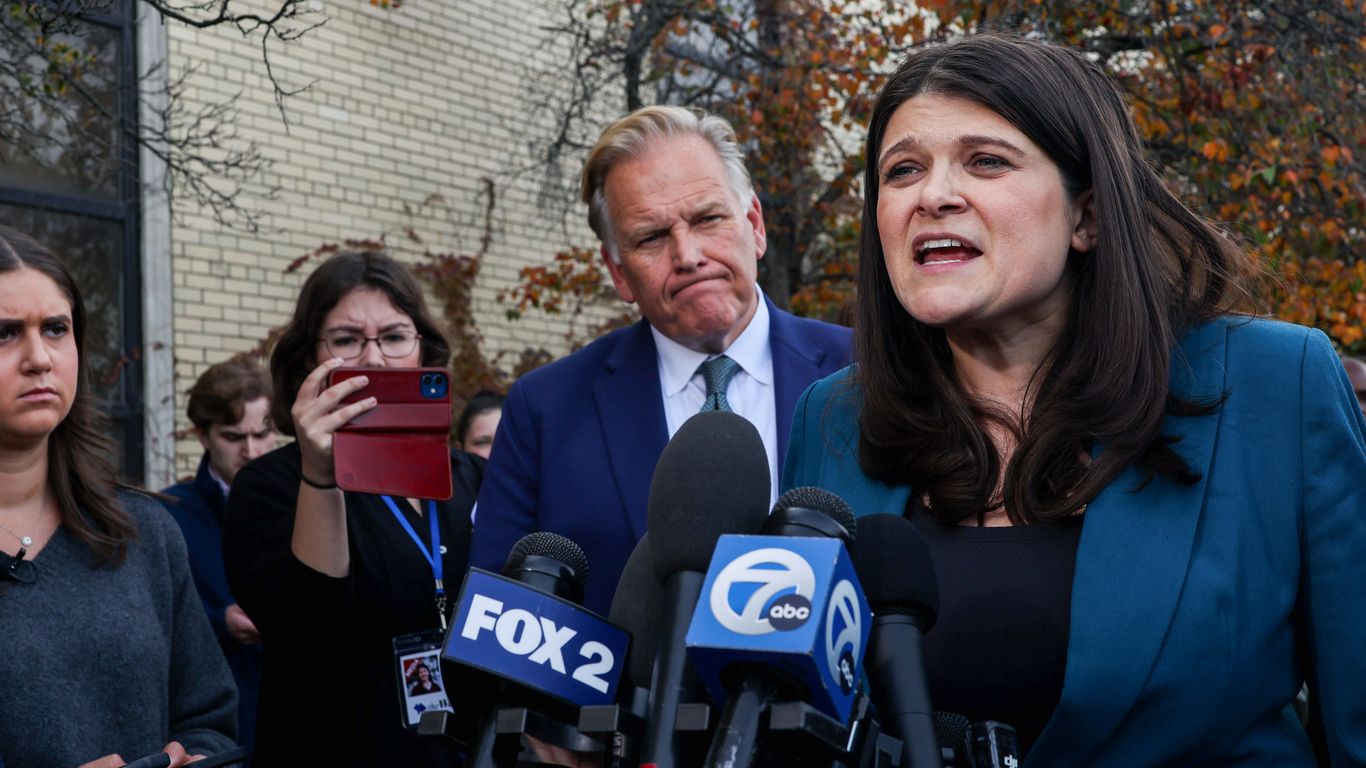
Rep. Haley Stevens (D-Mich.) faced fierce backlash from fellow Democrats, party officials and her own staffers after endorsing Republican Mike Rogers for U.S. Senate on Sunday. Why it matters: It's a stunning reversal in standing for Stevens, who came within a few percentage points of being her party's nominee for Senate in Michigan just months earlier. "Pathetic, petty, selfish, unhinged," Rep. Jared Huffman (D-Calif.) told Axios of her endorsement of Rogers. "You run out of words." Rep. Sam Liccardo (D-Calif.) said of the video Stevens posted to social media announcing her endorsement and her joint press conference with Rogers: "I've seen more pleasant self-immolations." State of play: Stevens' endorsement of Rogers came after her long-running feud with Democratic nominee Abdul El-Sayed reached a boiling point over the weekend. El-Sayed, a leftist who narrowly defeated the more moderate Stevens in the Senate primary in August, said in a statement on Friday that Stevens "seems intent on relitigating a primary that ended three months ago." Stevens had been pressing El-Sayed to more forcefully condemn an ad from an outside super PAC that suggested U.S. aid to Israel was partly to blame for rising prices. Stevens, in her video endorsing Rogers, said that El-Sayed "said that I was no longer welcome in his campaign, and that I should stay away," adding, "He's right. ... I don't belong in Abdul's campaign." What they're saying: Stevens' Democratic colleagues met her endorsement with shock and fury. "I am lost for words," Rep. Lateefah Simon (D-Calif.) told Axios. Rep. Glenn Ivey (D-Md.) said in a text to Axios: "WTF!!??" "I JUST SAW THIS BULLSHIT," Rep. Emily Randall (D-Wash.) texted. "There is too much on the line for BS like this." "What the fuck is she doing?" another House Democrat said. "This election is not about her, and this will not age well." Zoom in: "I'm dumbfounded that Haley told me one thing last night and changed her mind today," said Rep. Jamie Raskin (D
A federal judge in Alaska dismissed the Trump’s civil lawsuit against the state, which sought to separate and preserve certain ballots in the state’s upcoming Senate election
Sen. Chris Murphy (D-Conn.) suffered a stroke Saturday and is being treated at Johns Hopkins Hospital, his office said Sunday. The big picture: Murphy is one of the Senate's more visible Democrats and has been traveling the country campaigning ahead of Tuesday's midterms. Driving the news: Murphy, 53, began experiencing numbness in his arm while attending his son's hockey game Saturday, according to a statement from his chief of staff, Allison Herwitt. He was taken to a hospital where doctors determined he had suffered a stroke and transferred him to Johns Hopkins for monitoring. What they're saying: "The doctors are encouraged by his progress, he is awake and alert, and we are optimistic he will make a full recovery," Herwitt said in a statement. What's next: The statement did not specify the severity of the stroke or when Murphy might be discharged.
The ruling dismisses the Department of Justice’s lawsuit that pre-emptively contested the results of a race that includes two candidates named Daniel Sullivan.
Rep. Haley Stevens, D-Mich., endorsed Republican Senate candidate Mike Rogers, a major shake-up in the final stages of a top battleground race that could determine which party controls the Senate.
Instead of relying on exit polls, we have created Times Voter Trends, a project that will break down estimates for the results of U.S. House and Senate elections by age, race, education and gender.
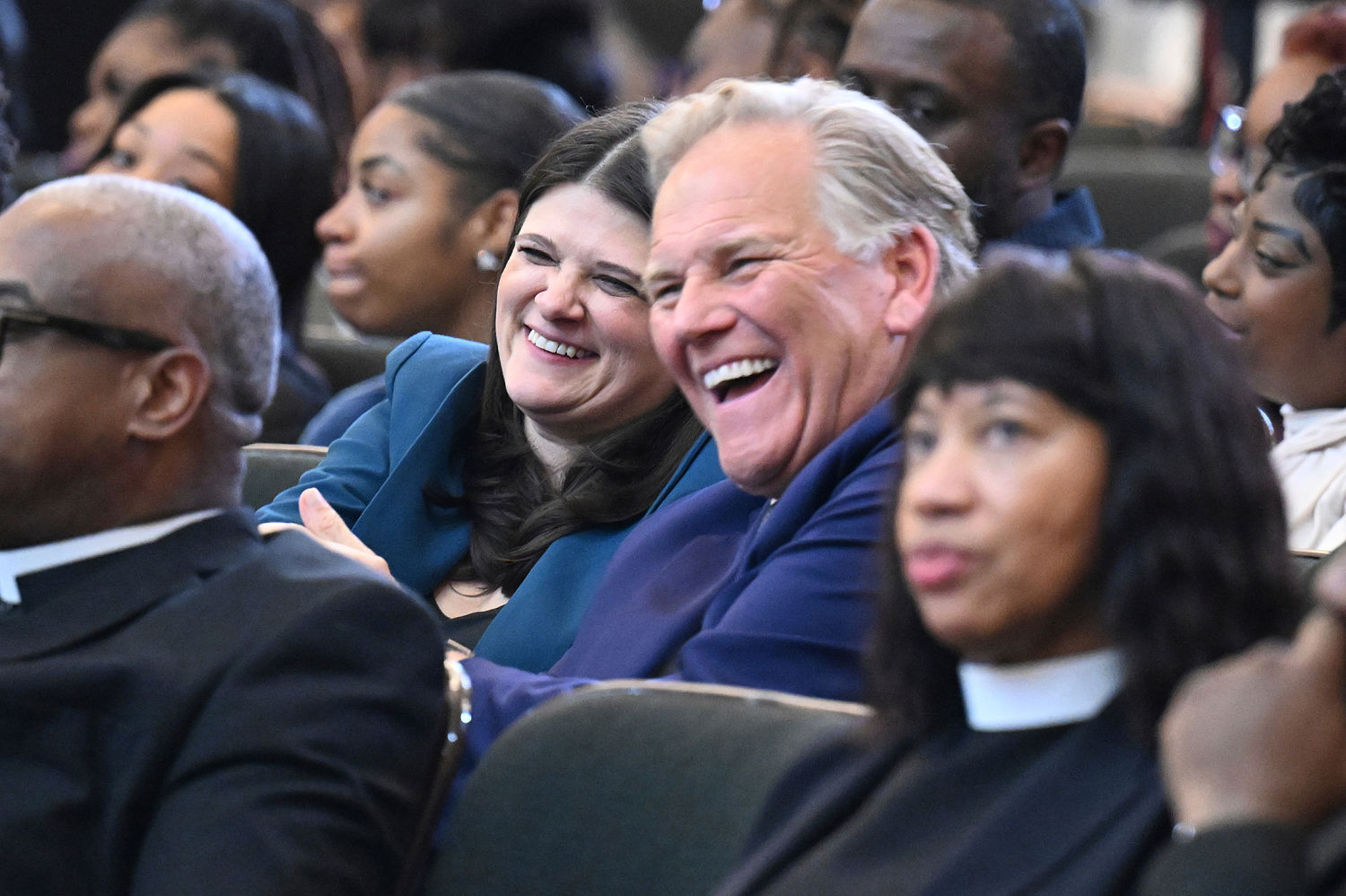
Rep. Haley Stevens (D-Mich.) appeared Sunday at Detroit's Perfecting Church alongside Republican Senate candidate Mike Rogers , praising his support for Black-owned businesses just two days before he faces the Democratic nominee she previously endorsed. Stevens then tweeted an endorsement for Rogers. Why it matters: The appearance gives Rogers a striking moment as his party tries to peel away Black and Jewish voters in a tight race that could determine control of the Senate. Driving the news: Stevens' appearance with Rogers came after plans for her to attend a Detroit church service alongside Democratic nominee Abdul El-Sayed and Rep. Jim Clyburn (D-S.C.) collapsed. Her appearance with Rogers was arranged at the last minute after the two spoke this morning, per a person familiar. The intrigue: A video posted by Detroit journalist Sam Robinson showed Stevens entering the church and praising Rogers . Rep. Debbie Dingell (D-Mich.), who helped organize the original planned appearance with El-Sayed, told CNN she asked Stevens not to attend because the dispute had become distracting. Stevens narrowly lost the August Democratic primary to El-Sayed but endorsed him afterward. Catch up quick: The bitter primary rivalry erupted again last week when Stevens' fiancé, Jason Turkish, announced he would vote for Rogers, citing concerns about El-Sayed's rhetoric on Israel. Stevens subsequently demanded that El-Sayed condemn an outside group's ad linking U.S. support for Israel to higher grocery prices, and remove a campaign ad featuring Tucker Carlson. El-Sayed accused Stevens of re-litigating the primary. On Saturday, he explicitly rejected the outside ad's contents, prompting Stevens to welcome his remarks. What we're watching: Michigan voters choose between Rogers and El-Sayed on Tuesday, with Democrats facing a crucial test of whether they can reunite their coalition.
Andreas Almgren of Sweden won the men's race of the New York City Marathon in his debut in the event while Sheila Chepkirui of Kenya won the women's race on Sunday for the second time.
Voters are turning against the Republicans. But the clearest possible message is needed to safeguard democracy The psychologist Jennifer Freyd identified a pattern often used by perpetrators: deny, accuse, and reverse victim and offender. More than one observer has noted that Donald Trump employs that pattern politically. With polls suggesting Republicans are likely to lose the House and perhaps the Senate too in the midterms, the man who refused to accept Americans’ democratic verdict in 2020 is hawking a narrative of cheating Democrats who will steal seats via illegitimate votes. The January 6 insurrection showed how acute the peril to American democracy had become. It is more so now. This time, Republican efforts to undermine the results began well in advance. In 2020, Mr Trump’s vice-president, Mike Pence, the attorney general, William Barr, and others refused his most outrageous demands; now the justice department is supine. And the supreme court’s gutting of the Voting Rights Act , which safeguarded against the worst kinds of racial discrimination, means that states no longer require pre-approval for decisions that could well tilt a race. Districts have already been redrawn. Continue reading...
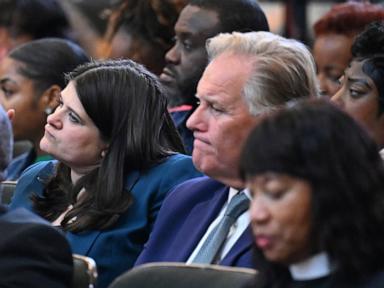
Representative Haley Stevens, who has been in a growing feud with Dr. Abdul El-Sayed, the Democratic Senate nominee in Michigan, appeared with the Republican nominee, Mike Rogers.
Kenya’s Sheila Chepkirui wins second women’s title USA’s Jessica Jessica McClain finishes in second Sweden’s Andreas Almgren wins men’s race on debut Sheila Chepkirui of Kenya won the women’s race of the New York City Marathon on Sunday for the second time, while Sweden’s Andreas Almgren claimed the men’s title in his first ever race over the distance. Almgren was making his debut at 26.2 miles after a successful career running half marathons and the 10,000m. He pulled away from Yemaneberhan Crippa of Italy in the final mile to take the victory in two hours, six minutes and one second. Crippa finished 13 seconds behind. Kamohelo Mofolo of Lesotho was third, edging out defending champion Benson Kipruto. Continue reading...
From cowboy boots to corridos, the candidates for U.S. Senate are competing to prove their Texas bona fides.
US voters will decide whether Republicans will retain control of Congress or whether Democrats will rise up to stymie Trump’s agenda Donald Trump will still be US president on the morning of 4 November. But he could be facing a very different political landscape, depending on the results of the US midterm elections held the previous day. As the name implies, midterm elections fall nearly halfway through a president’s term. They are often a telling referendum on the sitting president’s performance, something Trump is actively encouraging by telling voters “pretend I’m on the ballot”. In this case, voters will decide whether Trump’s Republican party can retain its grip on Congress. All 435 seats in the House of Representatives. Republicans are defending a narrow majority, with Democrats needing a net gain of four seats to take control. 35 seats in the Senate. Thirty-three seats are up in regular elections, along with two special elections in Florida and Ohio to fill the remainder of terms that were vacated early. Republicans currently hold 53 seats, against 47 held by Democrats and independents who caucus with them. Democrats need to gain four seats to secure a majority. 39 governorships. Voters will choose governors in 36 states and three US territories. Thousands of state legislative seats , as well as local offices, judicial contests and ballot measures on issues including taxes, abortion rights and voting rules. Continue reading...
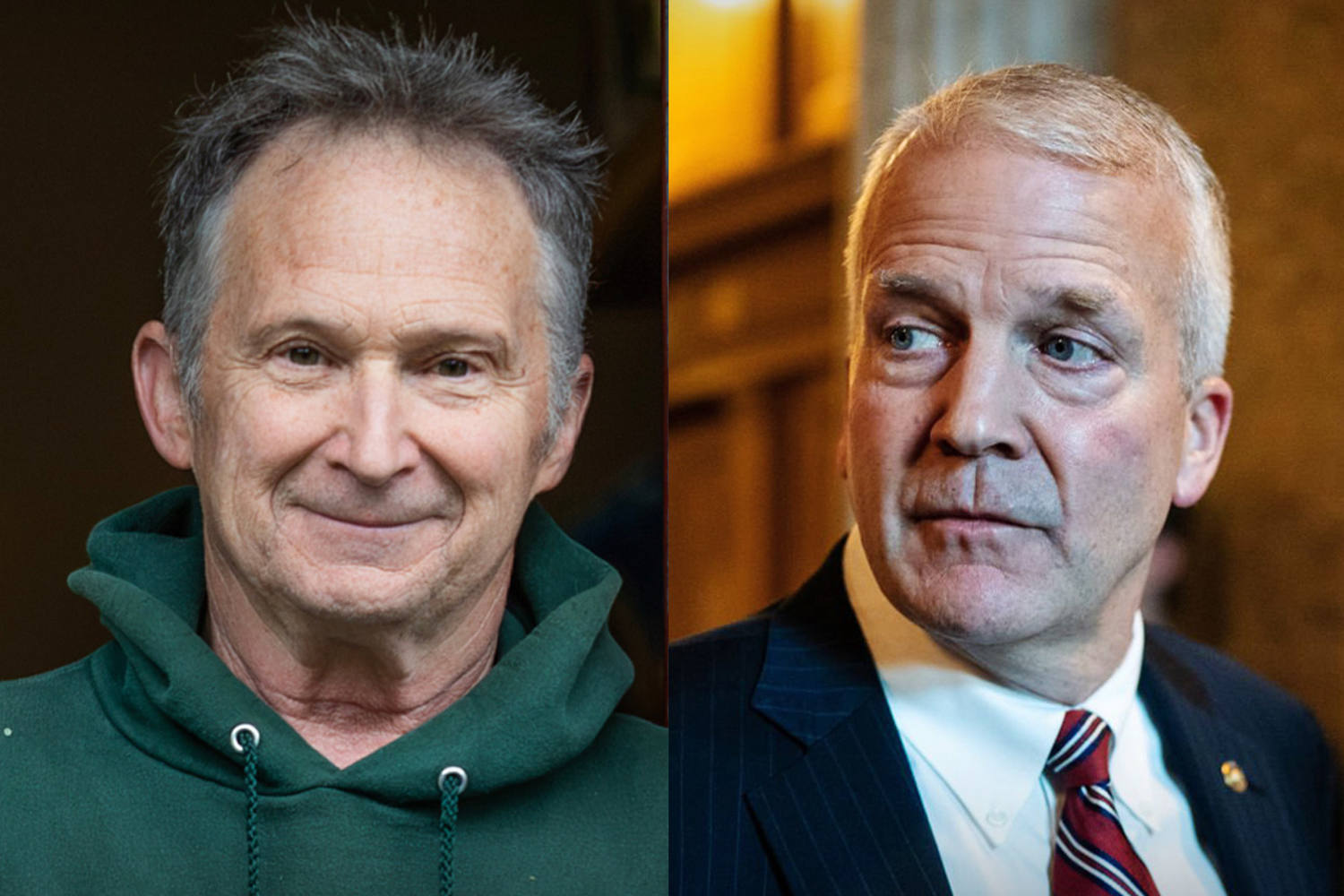
Senator was allegedly targeted in ballot-stacking ploy by his Democratic opponent to peel away votes from him Senator Dan Sullivan, the Alaska Republican allegedly targeted in a ballot-stacking ploy by his Democratic opponent, Mary Peltola, told CNN this morning that he would accept the results of his upcoming election. According to a recent New York Times investigation, aides from Peltola’s campaign recruited another man who shared Sullivan’s name to join the race in a ploy to peel away votes from the Republican incumbent. Continue reading...
Sen. Tim Scott, R-S.C., declined to say whether he would accept the results of the Alaska Senate race if Democrat Mary Peltola wins the battleground seat
He had originally canceled the in-person appearances in favor of tele-rallies, only to reverse course Sign up for the Breaking News US email Hello and welcome to the US politics live blog. Donald Trump is making stops in Iowa and Kansas to throw support behind Republicans in competitive Senate races with just two days remaining before the midterm elections. He had originally canceled the in-person appearances in favor of tele-rallies, only to reverse course on Friday. Abdul El-Sayed , the Democratic nominee for Michigan’s tightly fought Senate race, wants Democratic congresswoman Haley Stevens to stay away from his campaign events. The two had planned to appear together Sunday at a church service in Detroit, but Representative Debbie Dingell later told CNN she had spoken to Stevens and told her, “This isn’t working.” A US judge dismissed Trump’s lawsuit against the Wall Street Journal with prejudice on Saturday, according to a court filing, bringing an end to his legal challenge over the newspaper’s reporting on his alleged birthday letter to Jeffrey Epstein . Continue reading...
Florida Republicans aren't panicking about sluggish turnout for the midterms , but in the words of one GOP elder: "We're white-knuckled." Why it matters: Florida once looked like a much safer Republican bet for the midterms. Losing any statewide race would stun and embarrass its elite Republican residents, starting with President Trump . "I don't necessarily want to be the bearer of bad news, but I don't think the turnout is as strong as we would like to see," Florida Gov. Ron DeSantis fretted last week. The biggest GOP concern is U.S. Rep. Byron Donalds' campaign for governor, though most polls show him narrowly leading Democrat David Jolly. Donalds has raised $176 million; Jolly just $28 million. Zoom in : The GOP's jitters are rooted in early turnout data. Republicans led Democrats in early ballots cast by just 2.8 percentage points as of Saturday afternoon. That's much lower than in the past two general elections — and it's despite a much-bigger Republican registration advantage over Democrats: 11 points. Republican turnout is weakest in parts of the conservative Panhandle and rural North Florida, including many of the 17 counties Donalds lost in the Republican primary. In those 17 counties, GOP turnout is 3.2 points below 2022, compared with 1.1 points below in counties that Donalds won, University of Florida political scientist Michael McDonald found. Between the lines: Republican turnout is made up of more habitual voters, while Democrats and independents are banking ballots from people who don't always show up. That could benefit Jolly if polls underestimate those voters. Democrats already have surpassed their entire 2022 early and mail-in vote totals in 15 counties, compared with four counties for Republicans. Nearly every poll shows independent voters favoring Democrats by double digits, so Republicans need a heavy turnout advantage. About two-thirds of Florida voters typically cast ballots before Election Day, making the early and absentee margins critica
On the eve of midterms, President Trump is facing setbacks left and right in his push to investigate alleged election fraud . But in Georgia, he has an opening. Why it matters: Six years ago, Georgia was at the epicenter of Trump's efforts to overturn the 2020 presidential election. Now the state's own election board has invited his administration to investigate its voting system. Georgia features two high-stakes statewide campaigns: Sen. Jon Ossoff (D) against Rep. Mike Collins (R) for Senate, and former Atlanta Mayor Keisha Lance Bottoms (D) against businessman Rick Jackson (R) for governor. The big picture: The Justice Department disclosed in court on Friday that the administration has sent letters to officials in California, Washington, Pennsylvania, New Jersey and Nevada, asking some states to segregate mail-in ballots from suspected noncitizen voters. A federal judge on Friday issued an emergency order that blocks federal officials from threatening to charge election officials who count ballots from voters the DOJ claims are ineligible. In October, a federal judge restricted the Department of Homeland Security's investigations into suspected noncitizen voters. But Georgia is different . "We've managed with duct tape and bubble gum to be able to bootstrap our way through one last round, but that's not a way of running elections," a Georgia election official told Axios. Georgia's State Election Board asked the Justice and Homeland Security departments to review and potentially investigate the state's voting system and handling of election data. The Sept. 30 letter cited outdated software, threats to ballot secrecy and QR-code ballots it says may violate the Help America Vote Act. A DOJ spokesperson said in response to the letter: "We take seriously allegations that election officials have failed to adequately maintain election equipment and otherwise comply with federal law. We are evaluating the request and will investigate and, if appropriate, bring an enforce
More than 40 third-party candidates in pivotal House and Senate races across the country are receiving support from outside super PACs, many of which have ties to the two major parties, an Axios analysis has found. Why it matters: The sums being thrown around, which total more than $16.5 million, are far greater than virtually any of those candidates have raised or spent on their own. The super PACs have spent an average of $375,000 more than the third-party candidates they are supporting. More than half of the 43 candidates haven't filed any financial paperwork with the Federal Election Commission. While it is a comparative drop in the bucket for a midterm that has already seen billions in ad spending nationally, the money will likely play an outsized role in races that are set to be decided by razor-thin margins. Those races, in turn, will help decide the balance of power in Congress next year. Data: Federal Election Commission; Note: Heikes is a self-identified Republican, but Sen. Dan S. Sullivan is the Republican Party-endorsed candidate in the race; Table: Andrew Solender/Axios The top spenders nationwide have been a pair of obscure groups which, like many of the other "pop-up" super PACs in this story, were formed this month and therefore won't have to disclose their donors until after Election Day. Buckeye Freedom PAC has reported spending more than $3.8 million on ads in Ohio's U.S. Senate election supporting Libertarian Bill Redpath and opposing Republican Sen. John Husted, who is in a tight race with Democratic former Sen. Sherrod Brown. Alaska Values PAC has disclosed spending $3.8 million backing Gerald Heikes, a self-identified Republican running on Alaska's ranked-choice U.S. Senate ballot with Republican Sen. Dan S. Sullivan and Democrat Mary Peltola. Between the lines : Third-party candidates in Alaska are facing national scrutiny after the New York Times reported that Heikes and another self-proclaimed Republican on the ballot, Dan J. Sullivan, wer
A fight over whether the 2030 Census should stop asking about race and ethnicity has drawn more than 100,000 public comments, according to advocates tracking the federal docket. Why it matters: The change could weaken the nation's most complete snapshot of race — data used in civil rights enforcement and redistricting — just as America grows more multiracial. Catch up quick: The Census Bureau proposed in September to stop asking Americans about their race and ethnicity on the once-a-decade census. The Census Bureau says a shorter form could encourage more people to respond, while greater use of existing government records would reduce the need to ask certain questions. The proposal wouldn't end federal race data: Census could obtain demographic data from government records and other sources and ask about race and ethnicity on the American Community Survey (ACS) and other surveys. But civil rights advocates say that would give the federal government more power to determine people's race and ethnicity , rather than the respondents, leading to inaccurate data. State of play: Census extended the comment deadline from Oct. 13 to Nov. 2. An outside analysis of 52,424 published comments through Oct. 16 found 86% opposed the overall proposal, while 88% addressed removing race and ethnicity questions. This week, an advocacy alert citing Regulations.gov said the docket had topped 108,000 submissions . These comments are not meant to be treated like a survey or poll, but show that people who feel strongly enough to comment tend to be opposed. What they're saying: "If you've ever fought for political maps or explained why race or data matters...it is vital that you tell the Census Bureau what losing that information is going to mean to your work and to your community," said NC Counts Coalition executive director Stacey Carless. The big picture: Race has appeared in some form in every decennial census since 1790, but how Americans identify themselves has changed dramatically. Th
Former president has given series of blistering speeches to help candidates in key races – and deployment has proved a hit with party’s progressive wing That could have been awkward. Barack Obama , campaigning for Senate candidate Abdul El-Sayed in Michigan, acknowledged that his fellow Democrat has criticised some aspects of the Obama presidency. “Yeah, Abdul didn’t agree with some things we wanted to do – that our administration was doing – when I was president,” he told a rally in Detroit . “You know who else doesn’t agree with everything I do? Michelle Obama.” The crowd erupted in laughter. “I’d say about five times a day, she says, ‘You knucklehead. Why you do that?’” Continue reading...
Beyond hotly contested Senate and governor’s races, Alaskans will decide Tuesday whether to scrap the state’s unique ballot. The campaign of Mary Peltola may have bolstered critics of the system.
“We had a primary, right?” Dr. El-Sayed, the Democratic Senate candidate in Michigan, told reporters. “I understand that some folks are upset about that. I get it. But I’m here trying to beat Mike Rogers.”
President Donald Trump is taking time off from the in-person campaign trail for virtual rallies
Tensions have flared between Dr. Abdul El-Sayed, the Democratic Senate nominee in Michigan, and his former primary rival, leaving uncertainty about their scheduled joint event on Sunday.
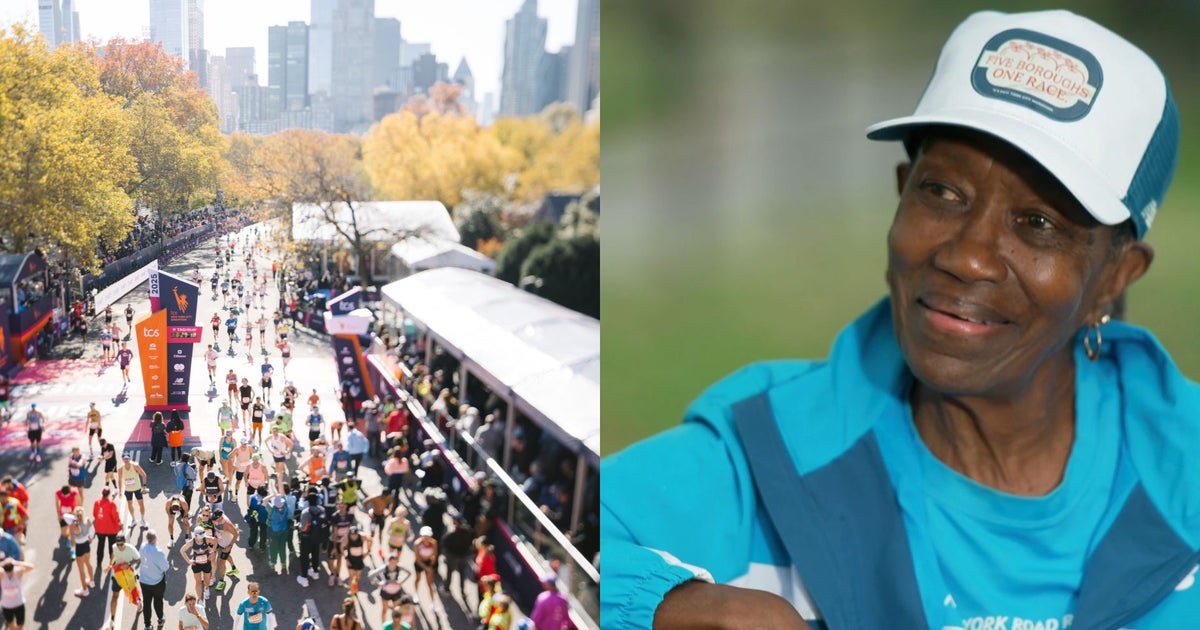
Bronx native Mildred Baker is running the New York City Marathon for the first time at the age of 80. She shares her fitness journey ahead of the big race.
With control of Congress on the line, next week’s midterms amount to a referendum on Trump, who has urged voters to pretend he is on the ballot Sign up for the Breaking News US email Hello and welcome to the US politics live blog. Donald Trump is tele-rallying from Mar-a-Lago with just three days to go before the midterm elections. On Sunday, he will make appearances at rallies in Iowa in Kansas in a reversal after he initially backed out . The top federal prosecutor in Alaska confirmed on Friday the existence of a criminal and a civil investigation into an alleged scheme by Mary Peltola’s campaign and national Democrats to confuse voters in the closely watched Senate race by recruiting a spoiler candidate who shares a name with the Republican incumbent, Dan Sullivan . Michigan Democratic Senate candidate Abdul El-Sayed resisted a demand from his defeated primary rival, congresswoman Haley Stevens , that he apologize for criticism of US military aid to Israel on Friday – two days before they were scheduled to campaign together in Detroit. Early voting this cycle has set a record. More than 49 million Americans have already cast ballots, either in person or by mail, the Associated Press reported. Continue reading...
Guardian readers share their concerns and disillusionment with the political climate under Trump as elections loom Millions of Americans will head to the polls on 3 November in elections that will determine control of the Republican-held House of Representatives and Senate, as well as the governorships of 36 states. The midterms come amid mounting public frustration over issues ranging from the rising cost of living and immigration to the climate crisis, artificial intelligence, big tech and the US’s overseas wars. Donald Trump’s approval rating has fallen to 36% , according to a New York Times/Siena poll conducted this month. Continue reading...
You won't need to stay up all night Tuesday to spot a big Democratic wave in the 2026 midterm elections . But it could take days — or even weeks — to know whether Republicans have survived a smaller one and held on to the House or Senate. Why it matters: A handful of early results in key states and congressional districts will tell us whether Democrats are headed for a landslide or disappointment. What we're watching: Florida, Florida, Florida. Most polls close at 7pm ET, and the state counts quickly — ready for release when the Panhandle finally calls it a night an hour later. At 8:01pm , refresh your browser and watch FL-14. The great mid-cycle redistricting wars transformed this Tampa-based district from Harris +8 to Trump +11. If Democratic Rep. Kathy Castor survives, Republicans can all but kiss their majority goodbye, according to party strategists. Next up is FL-25. The country's most expensive general election race is playing out in a district that went from Harris +4 to Trump +9. If Democratic Rep. Jared Moskowitz's race is close — or too close to call early in the night — House Republicans can keep hope alive. While you're at it, this is a good time to check on South Carolina's Senate race, where polls close at 7pm and the state counts relatively fast. If Sen. Darline Graham loses to Annie Andrews in the Trump +18 state, Senate Republicans can say goodbye to their majority. (And they'll be sweating if it's close.) "Underperformance is rarely isolated," said Jason Thielman, executive director of the National Republican Senatorial Committee in 2024. "If you see the GOP underperforming early in the East, it is likely going to continue as you move further West." At 9pm, check in on Virginia: The commonwealth's polls close at 7pm, but historically tight races often aren't called until the 9pm hour. If Democrats flip VA-01, a Trump +5 seat, they're in for a very good night. If they flip VA-05, a Trump +12 seat, they're in for a great night. Between the lines: VA
Days away from a national verdict on Trump 2.0, we check in with nine midterm voters across the US and the political spectrum US voters will soon deliver a national verdict on the second presidency of Donald Trump . On 3 November, millions of Americans will vote in midterm elections to decide control of the House of Representatives and Senate, as well as the governorships in 36 states and state legislatures across the country. The results could have a huge impact on Trump’s final two years in office. Our reporters have interviewed nine voters across the country and the political spectrum about extremism in US politics, their confidence in the US voting system, what they hope Congress will tackle first and their views of the president’s secretary of defense, Pete Hegseth. Continue reading...
Dr. Letitia Plummer has been polling ahead in the race to lead Harris County, where turnout could decide statewide races.