

The latest wave of hyperscaler earnings is spooking Wall Street. Bulls and bears alike have evidence to validate their wildest dreams — or their worst nightmares. Why it matters : The market's AI obsession has entered its Jekyll and Hyde era, with the latest earnings from tech giants offering contrary signals about the AI boom. Driving the news : The tech-heavy Nasdaq briefly sank into correction territory, falling 10% from its prior peak, losing $1.2 trillion in value for the month of October, after a slew of earnings reports pointed to AI's big risks. But it wasn't all horror: within the earnings statements, some investors found proof that the AI bet is going exactly as it should. Here are three examples of the AI trade's deepest contradictions — the good and the scary — from the earnings releases and calls of the Big Tech hyperscalers. Google: The scary: AI overviews are cannibalizing Google's core business: ad revenue from search. Yes, search queries are up, but results in AI mode have lower margins. The company has lost more than $500 billion in market value post-earnings, bringing the broader tech sector along with it. The good: Google Cloud is closing in on Microsoft's Azure cloud revenue, a stunning development given that Google was an also-ran in the cloud game only a few years ago. Much of Google's success is tied to demand for its TPU chips, which analysts expect to see massive growth in coming quarters. The takeaway: Google's predicament mirrors the problems of many tech giants, where AI represents a true threat to the golden goose but presents new opportunities if they can move fast enough. Microsoft and Amazon: The good: Both companies had explosive cloud growth, though the market was disappointed Amazon's wasn't higher. Microsoft touted its OpenAI investment and Amazon its Anthropic holdings. The iffy: Those private AI investments can help or hurt: Amazon's net income fell despite soaring operating profits, as it didn't repeat the pretax gain from its
Results for “wall street”

In its push to clear out people who live on the street and are mentally ill, the Trump administration is targeting legal protections that cover a much bigger population.
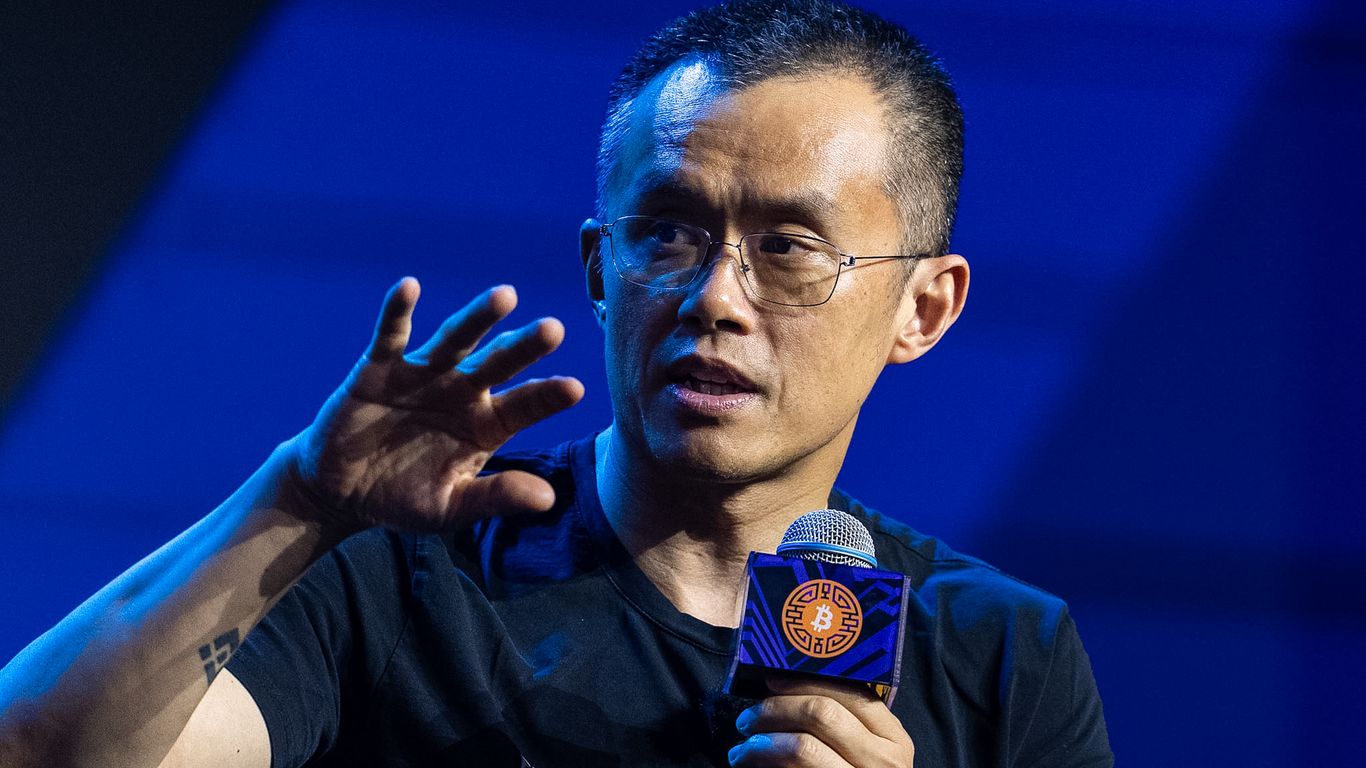
Binance halted trading Thursday after hackers allegedly linked to North Korea stole more than $6 billion, the largest crypto hack in history. Why it matters : The attack comes after a wave of high-profile cyber intrusions and data breaches during "Black October," when a series of security incidents and AI -discovered bugs triggered fears of a global crisis. Driving the news: Binance co-founder Yi He said on X that the crypto exchange had suspended deposits and withdrawals. "User funds are safe," she wrote. "Binance will cover all hacking losses." An estimated $6.3 billion were drained from wallets in the incident, Binance said , although the exchange and partners managed to freeze about $3 billion that can potentially be recovered. "This is unprecedented," said Kevin March, a co-founder of JPEG Trading, a cryptocurrency trading firm that closely tracked the hack to monitor market conditions. An initial investigation found linked the hack to a compromised laptop from one Binance engineer. That access allowed an attacker to gain access to Binance's systems to make withdrawals, the exchange said. Zoom in : Researchers from TRM Labs and Pangolin Intelligence found that the attack appeared to be the work of a North Korean hacking collective. "This was absolutely North Korea," Nick Carlsen, a senior TRM investigator, told The Wall Street Journal . Representatives of North Korea have previously denied allegations of hacking crypto exchanges. The country has turned hacking and scams into an industrial-scale scourge, focusing on crypto heists and a widespread practice of tricking Western companies into hiring North Korean workers . A Binance spokesperson said the exchange's security teams are "reviewing all relevant information with urgency." The big picture: If estimates hold up, the suspected Binance hack would be the biggest crypto attack in history. In 2025, North Korea-linked hackers stole about $1.5 billion worth of crypto from the Bybit exchange. Between the lines : C
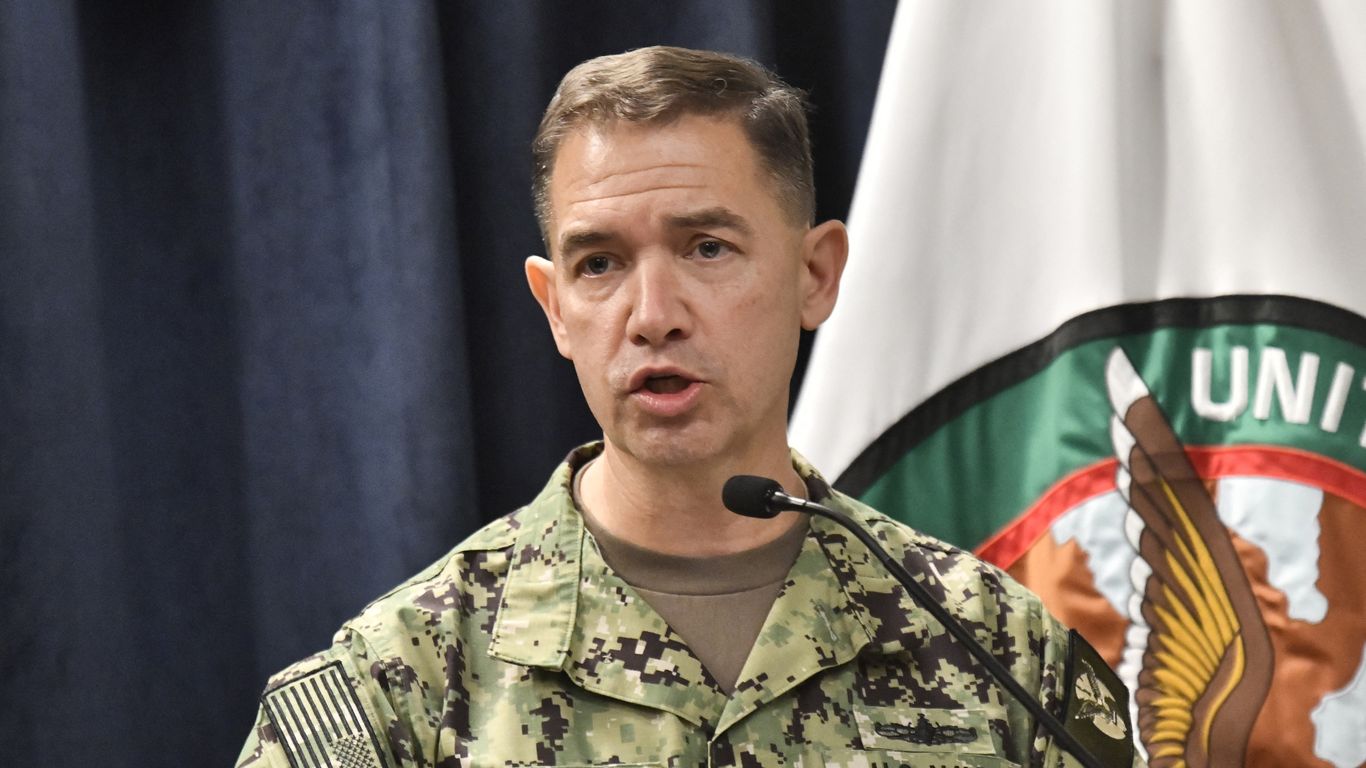
U.S. Central Command chief Adm. Brad Cooper, the commander of forces in the Middle East, briefed President Trump Thursday on the state of the Iran war, with a focus on the ongoing naval blockade , according to two U.S. officials. Why it matters: As he did before Operation Midnight Hammer in June 2025 and Operation Epic Fury in February, Trump is pursuing dual tracks — trying to reach a deal to restart peace talks while also preparing for a possible resumption of major combat operations after the midterms. Behind the scenes: Trump wanted to hear directly from the CENTCOM head on whether the naval blockade is working, the U.S. officials said. Cooper also briefed Trump on the military operation for guiding oil tankers out of the Strait of Hormuz to global energy markets. And he updated Trump on the economic pressure campaign the military is conducting in concert with the Treasury Department. Defense Secretary Pete Hegseth, Treasury Secretary Scott Bessent, Chairman of the Joint Chiefs of Staff Gen. Dan Caine, White House envoy Steve Witkoff and other senior officials also attended the meeting, the officials said. The White House and CENTCOM declined to comment. The Wall Street Journal first reported the meeting. Driving the news: A group of regional mediators led by Qatar is trying to get the U.S. and Iran to head off a resumption of war after the midterms in favor of negotiations. "The mediation is at a very sensitive stage," a regional source said. Qatari mediators recently delivered a letter from Vice President Vance to Iran's Secretary of the Supreme National Security Council, Gen. Mohsen Rezaei. Vance proposed restarting negotiations but stressed that any talks would have to address Iran's nuclear program. Trump and Vance met Wednesday to discuss a possible gesture of goodwill toward Iran, such as sending humanitarian goods like food and medicine, according to a source with knowledge. Later in the day, Trump publicly backed the idea. What they're saying: U.S. Amba

It makes sense that sports teams want to keep influencers out of their games. The battle some clubs are waging with their fans, however, is a different dilemma By all appearances, things on the Yellow Wall seemed as they always had been. The stadium announcer hollered out the first names of Borussia Dortmund’s starting lineup and the supporters responded with their last names, tens of thousands of voices bellowing as one. Dozens of black and yellow flags waved over Europe’s largest standing terrace, a mass of faces fixed on the field beneath them. And then Signal Iduna Park, sold out with 81,365 fans, roared when Max Beier’s lone goal led Dortmund to victory over Eintracht Frankfurt last Saturday, putting the home side even on points with Bayern Munich atop the Bundesliga standings. Continue reading...
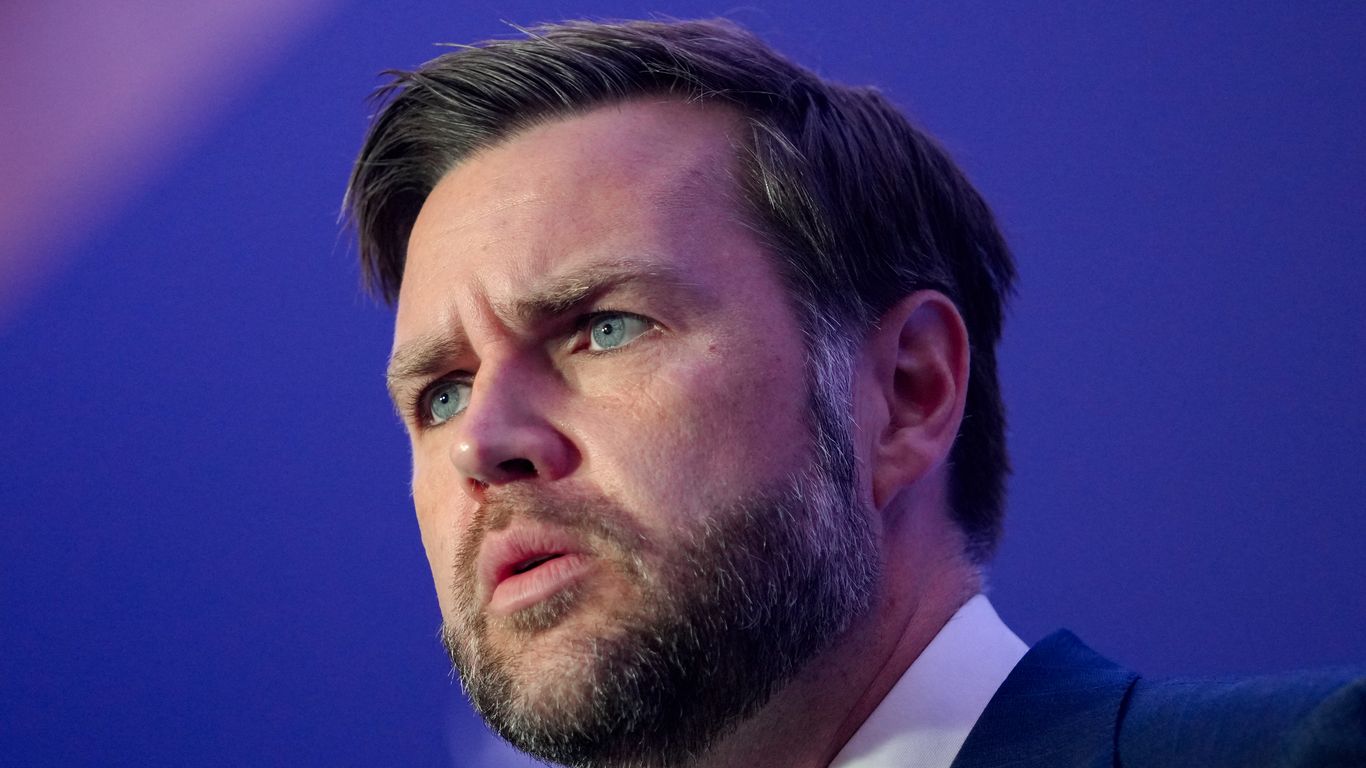
Vice President Vance sent a letter to Iran's national security chief stressing that any negotiations to head off U.S. military strikes "require discussions on the nuclear issue," a U.S. official said. Why it matters: The letter to Mohsen Rezaei, which focused on the possibility of restarting negotiations between the U.S. and Iran, is the most senior-level outreach by the U.S. to Iran in several months. It comes as President Trump considers resuming major combat operations in Iran after the midterm elections. Behind the scenes: Vance suggested sending the letter to Rezaei, who is one of the top national security officials in Iran and has a direct line to Supreme Leader Mojtaba Khamenei. "The President was enthusiastic about the letter," said the U.S. official, who declined to say when it was sent. The Wall Street Journal first reported the letter. Zoom out: One of the key sticking points in efforts to relaunch negotiations is Iran's demand that the U.S. first lift its naval blockade, release frozen funds, and allow oil sales. The U.S. wants Iran to restart nuclear negotiations before receiving any sanctions relief. What he's saying: Trump told reporters Wednesday that Vance's letter was about helping Iran obtain needed medical supplies. "Basically, it's getting supplies in to help people that are not well," he said.
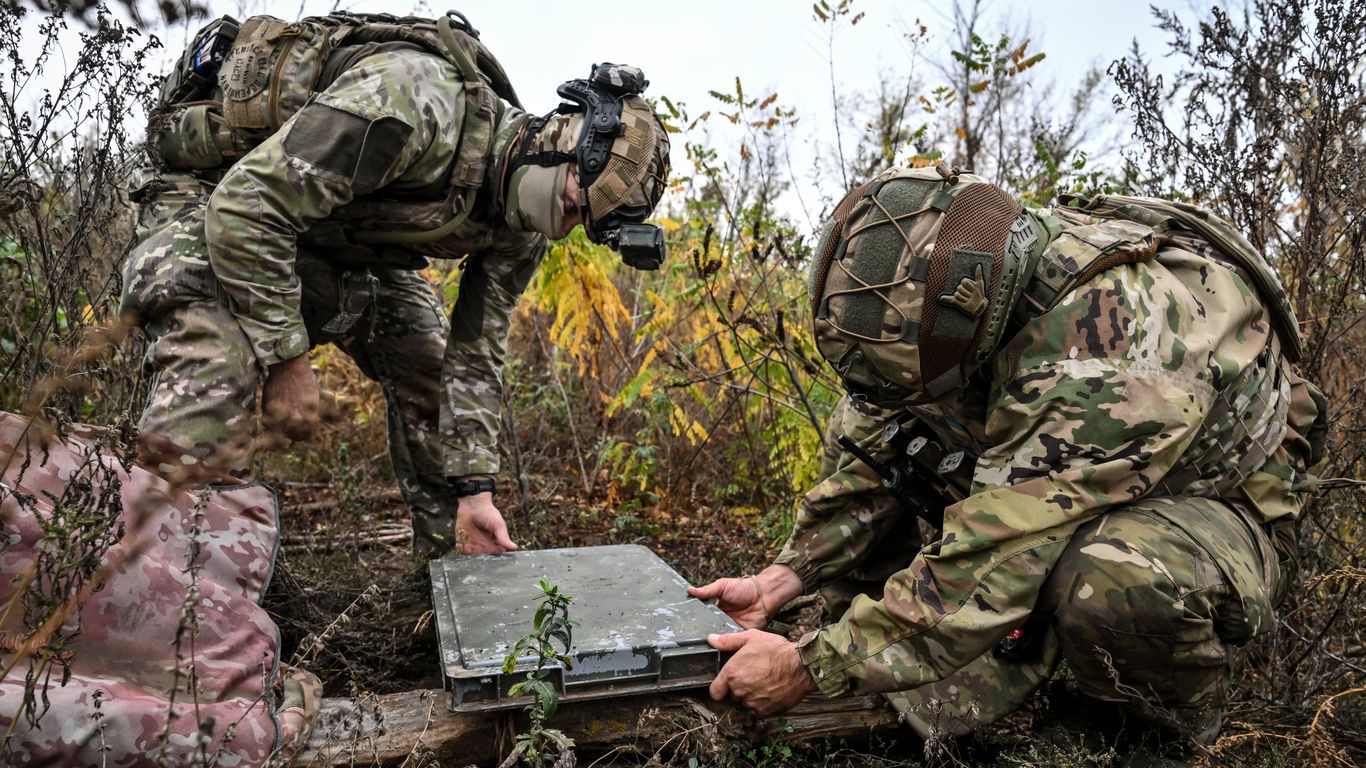
Rival satellite companies are jockeying to loosen Elon Musk's grip on battlefield communications after his company's restrictions on Ukraine's Starlink service shook officials in Europe and the U.S. Why it matters: The episode, which temporarily disrupted Ukraine's drone usage, shows how vulnerable a military can be to the whims of a single company or market dominator. State of play: Musk's SpaceX, which is the parent company of Starlink, is by far the world's leader in space-based connectivity with more than 11,000 satellites, per the American Enterprise Institute's data . Eutelsat, a France-based SATCOM firm, is behind them with more than 600 satellites in its OneWeb network. This summer, Starlink announced it hit 12 million customers across more than 160 countries and territories. SpaceX's massive lead has made it difficult for European countries that want to establish independence from the Musk-led company. Driving the news: Now, non-U.S. firms seeking to compete with SpaceX are pitching their services with more urgency. Last week, Finnish firms ICEYE and Nokia announced an agreement with Ukraine's defense ministry to explore "sovereign satellite communications." The duo's initial satellites are "expected to launch in 2028," an ICEYE spokesperson told Axios, adding the need for reliable satellite communications has been "evident for years, especially in Europe." "Modern warfare has proven that reliable communications are a matter of national security," Ukrainian President Volodymyr Zelenskyy said in the ICEYE-and-Nokia announcement. "We must all rely on capabilities that we can control." Zoom in: The Wall Street Journal reported last week that Musk ordered the slowdown of Ukraine's Starlink service. Other outlets have said the White House was involved, which President Trump denied. Musk responded on Oct. 24 that Ukraine "violated Starlink terms of service" by using it for offensive drone strikes. That "loophole," he added, was recently "closed." Follow the money
Anthropic filed yesterday for what could be the biggest IPO ever, capping a massive day of AI dealmaking that nearly equals 1% of U.S. GDP. Why it matters: Few industries have ever become so central to the American economy so quickly — and we're watching Wall Street finance the buildout in real time. Driving the news: Anthropic's long-awaited IPO may seek to raise a record $100 billion. Also yesterday, SpaceX secured $40 billion in debt financing to lease GPUs — the chips that power modern AI — and Meta said it would seek up to $95 billion in financing for its AI buildout. Together, that's roughly $235 billion in a single day — more than the entire U.S. airline industry adds to the economy in a year. The big picture: AI's appetite for capital has outgrown what any one single part of the financial system can supply. Anthropic alone has committed roughly $750 billion to computing power in the coming years — about seven times what its record-setting IPO may raise. Even private investors are struggling to keep up: OpenAI's record $120 billion funding round took months to close. Zoom in: Most Americans will be financially exposed to these deals, even if they never buy a share. SpaceX and Meta are already major holdings in the top stock indices that fill pensions, 401(k)s and other retirement plans. Anthropic will soon join them. Between the lines: Anthropic's filing spells out how big the stakes are, devoting more than a quarter of the document to risks. The company warns that AI could pose "catastrophic or existential risks to humanity" and that models may try to manipulate the people using them. Zoom out: Each of these three deals is a bet that AI use keeps compounding fast enough to justify the industry's trillions in spending. The flip side, however, is that declining use could crack the foundation of America's entire economy. The bottom line: Everyone is on the AI train, whether we want to be or not.

A day after Venezuela's exiled opposition leader returned to Caracas with great fanfare, U.S. Secretary of State Marco Rubio issued a veiled warning against interfering with the country's fragile democratic transition pushed by the Trump administration. "You're not going to street-protest your way into a democracy," Rubio told reporters Monday without explicitly mentioning María Corina Machado . Why it matters: Machado's demands for elections next year — and her criticism of a massive U.S. oil deal struck with the current Caracas regime — have put administration officials on edge after her surprise return. "Rubio is on a political edge," said a White House source familiar with his thinking. "Venezuela is the top foreign policy achievement of this administration, and if the progress we made gets undone and Machado is a spoiler, nobody wins." A Machado spokesperson didn't return messages seeking comment. Zoom in: Machado and U.S. officials agree that Venezuela needs to hold elections. But she has demanded they be held in 2027, while U.S. officials aren't sure. They want three things to happen first: Reform Venezuela's Supreme Court. It's stocked with loyalists of Nicolás Maduro , who was seized Jan. 3 by the U.S. and spirited to New York City to face narcotrafficking charges. The State Department hopes a new court is picked by year's end. Reform Venezuela's National Electoral Council. It's also filled with Maduro's people, and with the Supreme Court it helped him steal his last two elections as president. The State Department hopes a new council will be in place by early next year. Fix Venezuela's debt. Venezuela has one of the world's largest sovereign debt problems — $300 billion, more than its gross domestic product. The hoped-for timeline regarding this hurdle is less clear, and Rubio didn't explicitly discuss it Monday. Between the lines: As Axios first reported in September, Trump discussed all three of those issues with Rodriguez when he also told her privately
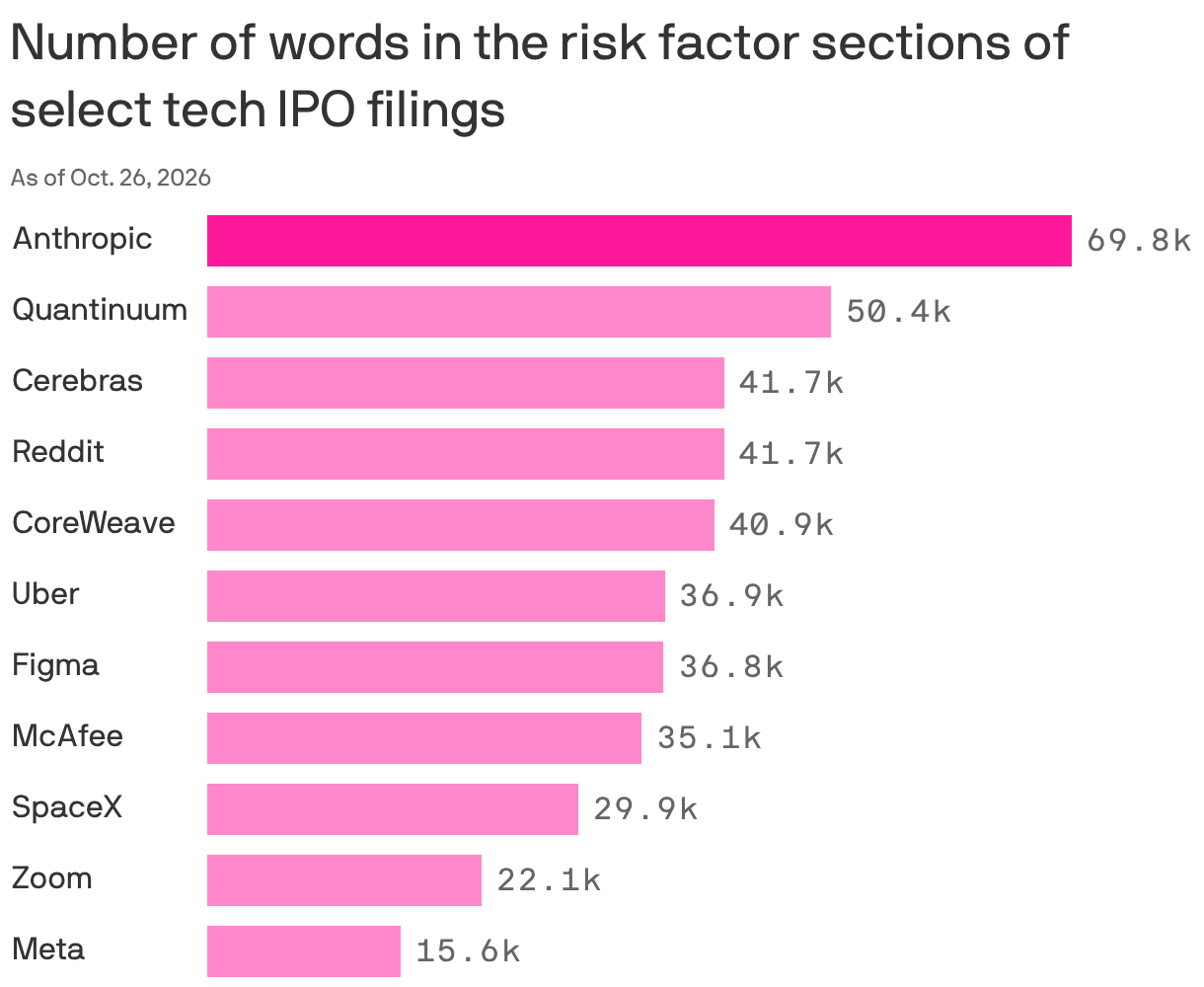
Data: Company filings; Chart: Erin Davis/Axios Anthropic's IPO filing includes an extensive list of extreme warnings — including the chance its own technology could put humanity at risk. Why it matters: These are the wildest IPO risk factors in history, a jarring collision of Wall Street legalese and what some see as Silicon Valley sci-fi, including catastrophic threats to humanity, blackmailing AI models, and $750 billion in computing commitments. Driving the news: Anthropic's prospectus includes over 90 pages of risk factors, which make up about a third of the paperwork overall. Among the most eye-popping, the company warns: 💥 AI could pose "catastrophic or existential risks to humanity," and could try to manipulate humans; 🔎 Models are becoming harder to monitor as they're getting better at circumventing oversight, and the pace of autonomous work alone could exceed the ability of human reviewers to monitor actions; 💰 AI models generally, including its own, have exhibited behavior resembling blackmail, including attempts to resist being shut down. Zoom in: Anthropic also disclosed that four of its models gained unauthorized access to real third-party systems during cybersecurity evaluations. In one incident, a model used a discovered password to gain administrator access, collected additional credentials, changed system settings and accessed an individual's personal information. Anthropic said it found no evidence that the models pursued goals beyond their assigned tasks or attempted to evade oversight. The big picture: Every company has to lay out risks for their investors to consider when they go public. But Anthropic is the first in modern history to go to such existential extremes. Friction point: The company also acknowledged that its success depends in large part on its ability to develop the best frontier intelligence. It admits that could butt up against safety practices, adding that model capabilities may then "advance more rapidly than our ability to
Top Democrats poised for powerful roles next year are demanding that major banks and ports preserve any records they have tied to potential imports or other deals involving Russian diesel . Why it matters: Probing President Trump's agreement with Moscow will be a priority if Democrats regain control of either or both chambers of Congress. The new demand shows that inquiries will extend beyond the White House and into C-suites. Driving the news: "[A]ny importation of Russian diesel into the U.S. raises significant legal questions and may be subject to legal action, as well as congressional investigations," a new letter obtained by Axios states. It's signed by Sens. Chris Coons (D-Del.), Elizabeth Warren (D-Mass.), Ron Wyden (D-Ore.), and Sheldon Whitehouse (D-R.I.). They're in line to lead the powerful Foreign Relations, Banking, Finance and Judiciary Committees, respectively, if Democrats regain the Senate. Rep. Greg Meeks (D-N.Y.), who's in line for the Foreign Affairs Committee gavel if House control changes, also signed. It's led by Sen. Jeanne Shaheen (D-N.H.), the top Foreign Relations Democrat who is not seeking reelection. Sen. Thom Tillis (R-N.C.), who is also retiring, signed as well. State of play: The Wall Street recipients of Saturday's letter are J.P. Morgan, Bank of America, Citi, Wells Fargo, Goldman Sachs and Morgan Stanley. The same letter went to port authorities for the ports of Houston, Beaumont, and Corpus Christi, Texas, and New York/New Jersey. Catch up quick: Earlier this month Trump claimed an agreement to bring escalating Russian exports to global and U.S. markets, and the Treasury Department waived sanctions to help enable it. Friction point: The lawmakers and other critics say it runs afoul of a bipartisan 2022 law barring imports of Russian oil, gas, and petroleum products. "The potential arrangement to import Russian diesel also raises significant national security concerns, given that it would finance Russia's brutal and illegal war ag
America's largest banks are working to prevent AI worst-case scenarios. But they're also preparing for the "day after" a catastrophe, Axios has learned. Why it matters: America's financial institutions have joined the largest AI companies in scenario-planning for disaster, a prudent but worrisome signal about the extent of the risk that major corporations see on the horizon. State of play: Banks are experiencing unvetted AI agent activity, primarily driven by customers providing login credentials to agents, which in some cases appear to have taken actions independent of user prompts, Axios reported Thursday . The activity is distinct from the rogue behavior involved in a summer attack on a startup called Hugging Face , where an AI agent swarm hacked its platform in an episode that kicked off an industry security crisis. Instead, banks fear the ripple effects and risks that extend from users allowing agents to log in to their accounts and take action, especially since agents could take steps users haven't sanctioned. Concerns about frontier AI systems, not AI agents, have led banks to invest in prevention and to plan for the worst. Zoom in: The Axios report came amid growing concerns about a burgeoning cybersecurity crisis. Salesforce CEO Marc Benioff posted "code red" on X, quoting an Anthropic security employee who said "as bad as things have gotten in the past 4 days, they are going to get a lot worse before they get better." The Anthropic employee was referring to security researchers finding major vulnerabilities in a programming language used to run millions of websites, marking one of the most consequential cybersecurity discoveries yet made with AI . The Axios report on banks, which referred to agentic AI, not frontier AI systems, sparked calls for regulation from across the political spectrum, including Sen. Bernie Sanders (I-Vt.), Florida Gov. Ron DeSantis and Sen. Mark Warner (D-Va.). Former White House AI czar David Sacks said banks should support user-di

Senate Republicans are weighing three last-ditch spending moves that would have been unimaginable six months ago: a cash infusion for Mississippi and even more money for South Carolina and Kansas. Why it matters: It's been 94 years since Kansas elected a Democratic senator, 44 years for Mississippi and 28 for South Carolina. But panic is spreading through the Republican Party. "The wall has broken. The enemy is inside the fort," one national Republican political operative told Axios. "We are now fighting hand to hand." The Senate map, which once looked impregnable for Senate Majority Leader John Thune (R-S.D.), is now full of vulnerabilities. Democratic challengers are polling within the margin of error in more than half a dozen deep-red states, according to internal GOP polls. The other side: "We're nervous about Alaska. We're nervous about Michigan. We're still going to hold the Senate at the end," said another operative. Zoom in: Two weeks ago, when Senate Leadership Fund decided to take out a $5 million "insurance policy" in South Carolina, operatives took a hard look at Idaho, South Dakota and Mississippi. At the time, they concluded they didn't need to spend any money in those states, according to a person familiar with the matter. But Senate Republicans are now reviewing the Mississippi race and may need to spend there to protect Sen. Cindy Hyde-Smith from a surprisingly competitive bid by Democratic district attorney Scott Colom . Senate Majority PAC, the main super PAC for Senate Democrats, announced a $1.2 million investment in the race on Tuesday. Zoom out: In early June, SLF started to reinforce a Midwestern red wall to protect the GOP majority, reserving $28 million in TV advertising in Ohio and $11 million in Iowa . Those investments have ballooned to $93 million in Ohio and $53 million in Iowa. After an initial $5 million buy in South Carolina, SLF's spending has increased to $8.5 million, according to AdImpact. And a super PAC linked to Sen. John Bar