TopNewsOn

Results for “chinese spy”

AI's "too big to fail" CEO is facing a crisis with no backup

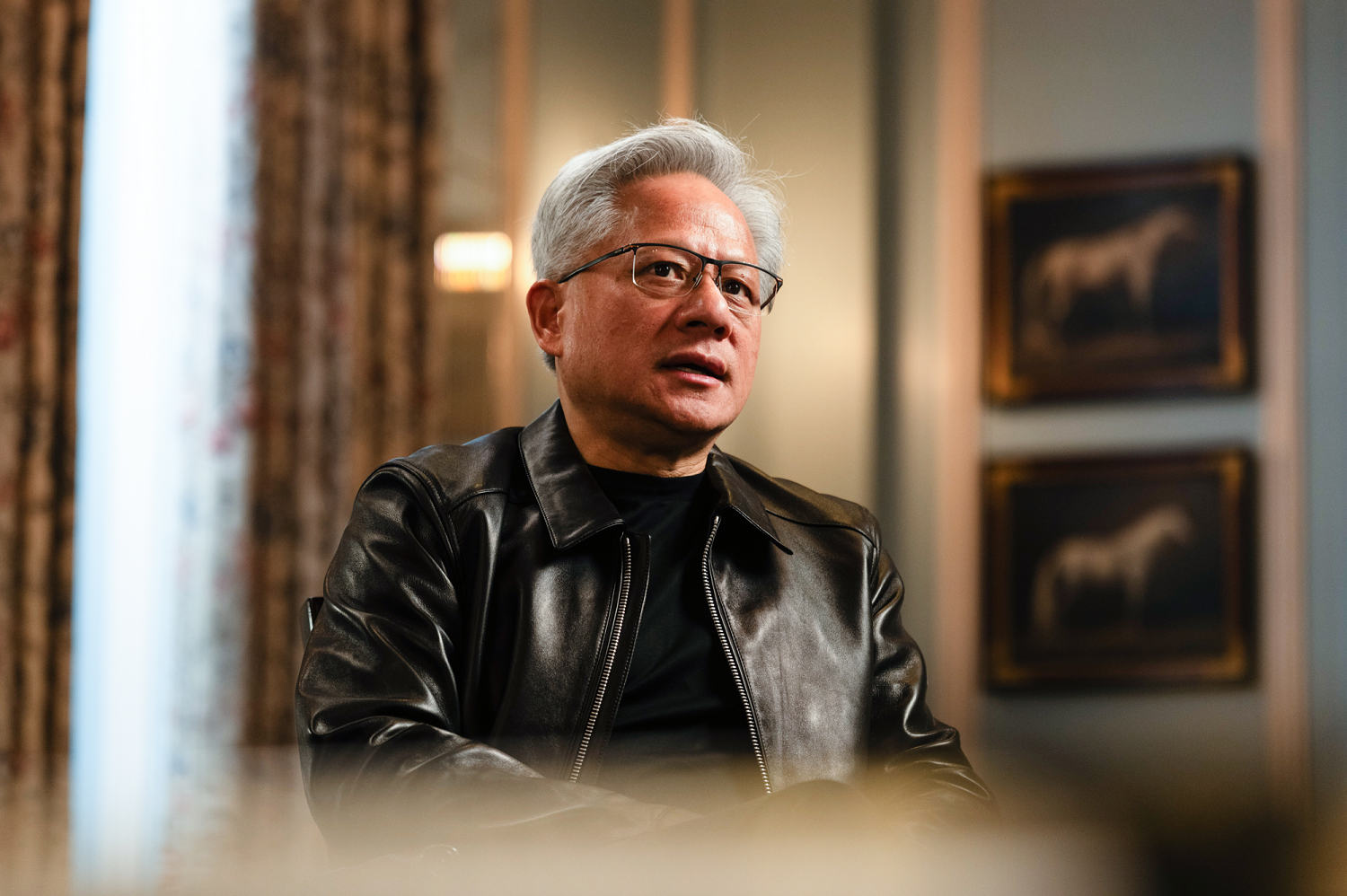
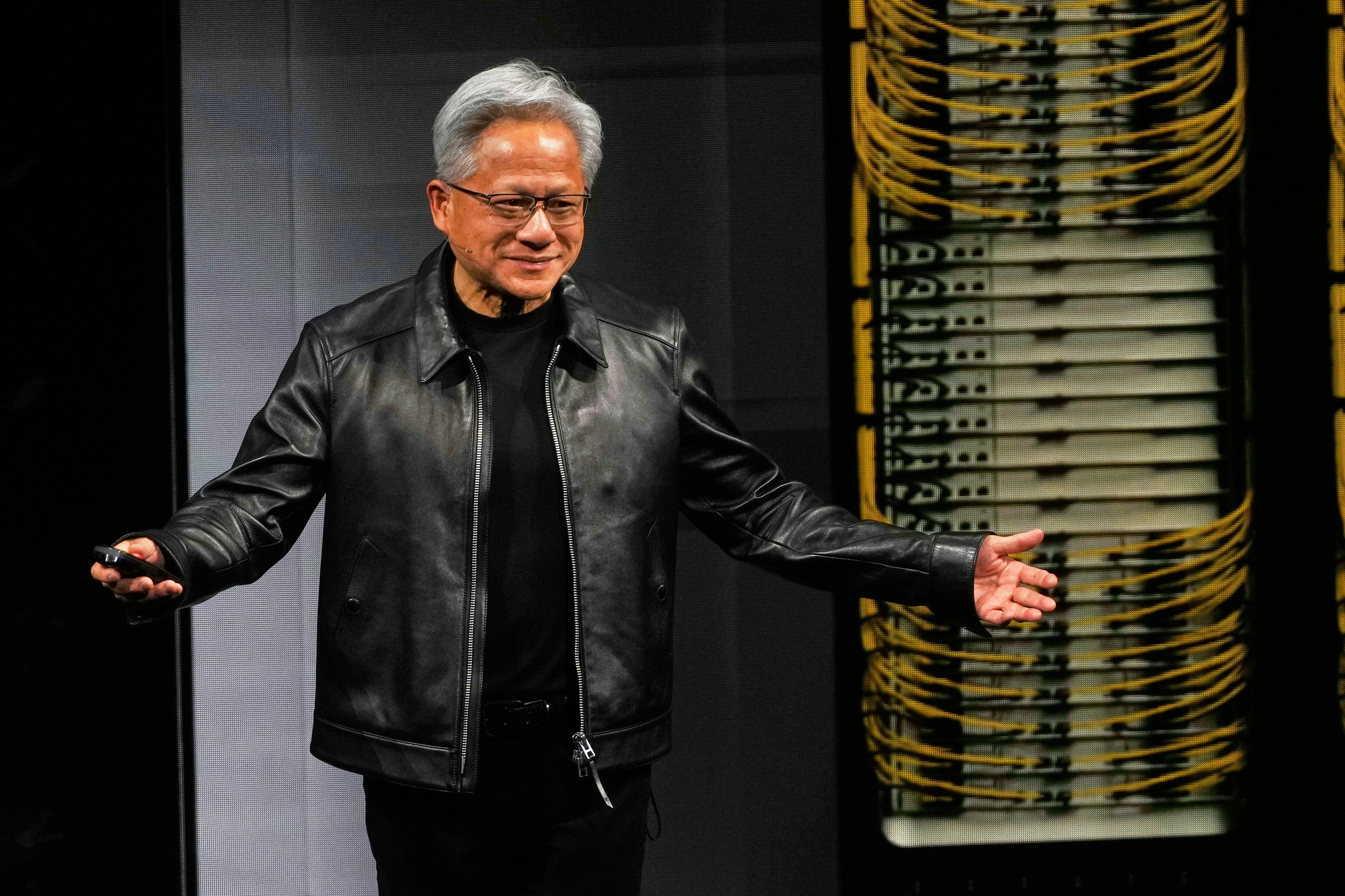
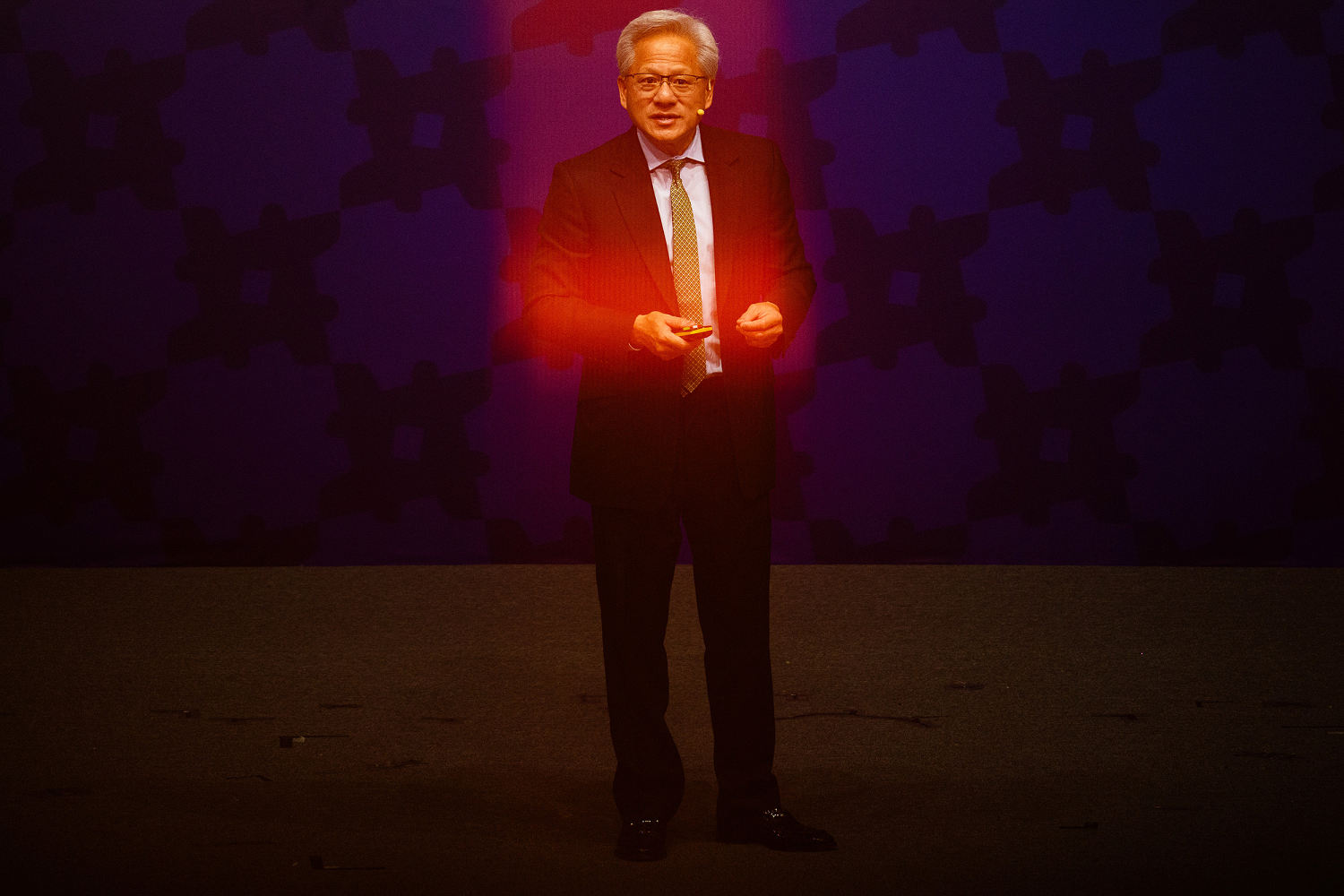
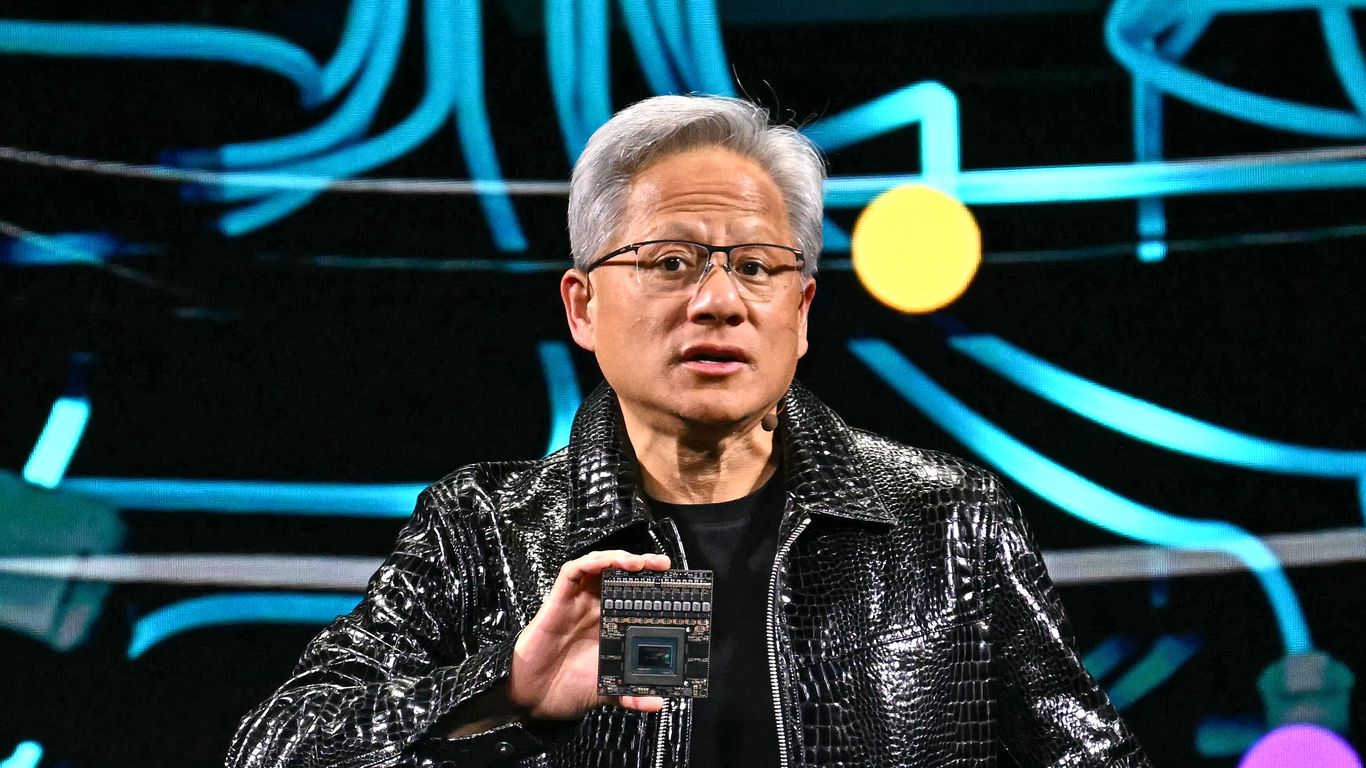
There is no Nvidia — nor an AI boom as we know it — without Jensen Huang. He has reassured jittery markets with his words, bankrolled a trillion-dollar buildout and put economies on his shoulders. Now, the world is wondering if he can save himself . Why it matters: Global markets must confront a terrifying reality: The AI ecosystem's first "too big to fail" executive is suddenly vulnerable, and there is no backup plan if he is forced to step down. Catch up quick : Huang apologized Sunday and Nvidia's board launched an independent probe after he admitted to having a relationship with a woman named Alice Huang, an alleged Chinese operative. Nvidia's board expressed confidence in his leadership and said it had no reason to believe national security or company secrets were compromised. President Trump stood by Huang, calling him "an honorable guy." The big picture: Keeping his job is one thing. Maintaining the ability to steady markets, finance customers and shape government policy is another. These are the five questions that now loom over the AI boom : 1. What happens to Nvidia? Forged 33 years ago (initially using a Denny's as an impromptu office), Nvidia is a uniquely founder-driven company, making any potential leadership transition incredibly perilous. Investors have little precedent for valuing the company without him. "It's very hard to envision Nvidia run by anybody else," said Dan Gallagher, an analyst with Washington Post Intelligence and long a keen observer of the chip titan. Huang has more than 60 direct reports, eschews traditional corporate layers and hasn't been publicly grooming a successor. "I don't know if anyone's going to know how to value Nvidia" without him, Gallagher told Axios. 2. What happens to the market? Huang has repeatedly rescued the AI trade from bearish sentiment. On multiple occasions, he has offered backstops to shore up growth plans for companies across the AI landscape, from CoreWeave to OpenAI. In July, he argued that cheaper open

Axios · 6h ago

Jensen Huang spy scandal rocks AI race

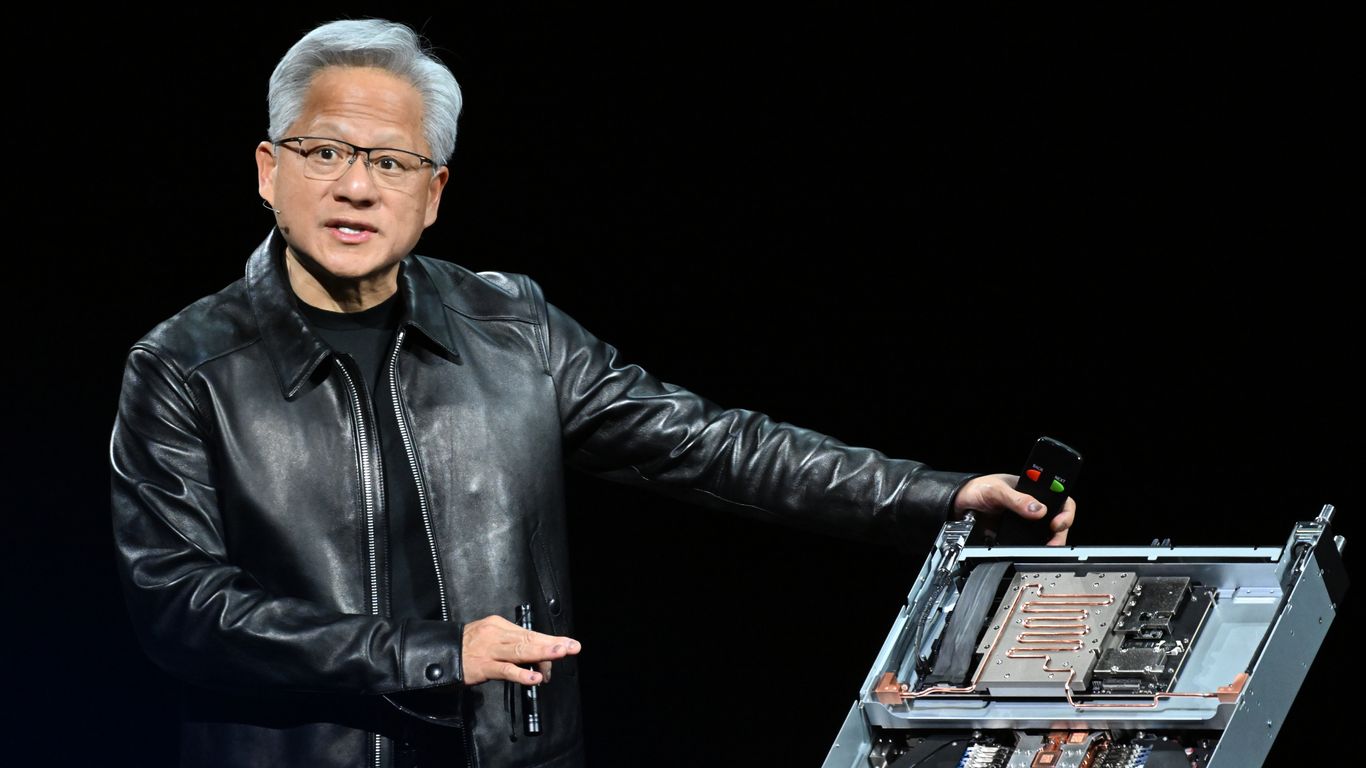
The world's most powerful AI executive admitted Sunday to an affair with a suspected Chinese spy, sending shock waves through an industry built on his singular influence. Why it matters: Nvidia CEO Jensen Huang has fashioned himself as the indispensable leader of an indispensable company — a $4.5 trillion behemoth with unparalleled clout in Silicon Valley, on Wall Street and inside President Trump's White House. Trump stood by Huang on Sunday evening, telling reporters that the Nvidia CEO is "an honorable guy" and "probably has an excuse" for his infidelity. The big picture: Huang, who has led Nvidia since founding the chipmaker 33 years ago, has become the AI boom's chief evangelist and most authoritative voice. He has brushed aside fears of both a speculative bubble and technological catastrophe, joining forces with Trump to calm markets and the public as warnings of an AI apocalypse reached fever pitch. For almost any other CEO, an affair with a suspected foreign intelligence operative could be career-ending. Huang's grip on Nvidia — and the company's extraordinary importance to the AI economy — may insulate him from the same fate. Driving the news: Huang confessed to the affair in a letter to staff Sunday, apologizing to his family as Nvidia's board launched an independent probe into the suspected Chinese intelligence operation. U.S. officials believe Alice Huang, an executive at Nvidia customer Megaspeed, was recruited by Beijing's top spy agency to gather information and potentially influence Nvidia's campaign to expand advanced chip sales to China. Nvidia's board said it had no reason to believe national security or company secrets were compromised and expressed confidence in Jensen Huang, who intends to remain CEO during the investigation. Zoom in: The New York Times first exposed the suspected Chinese espionage operation on Oct. 29, reporting that a woman believed to be working for Beijing had developed a close relationship with Nvidia's CEO. The company po

Axios · 6h ago
Trump backs Nvidia's Huang amid affair, spy investigation

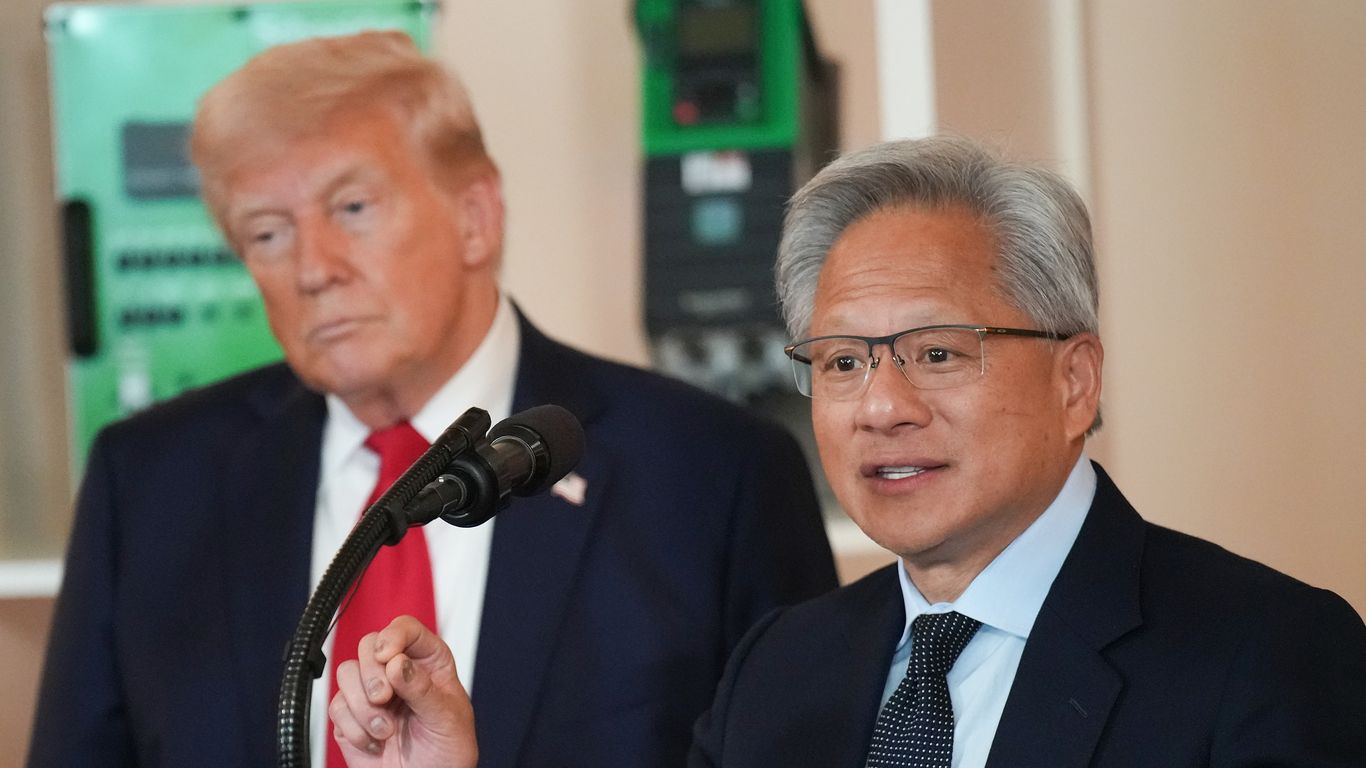
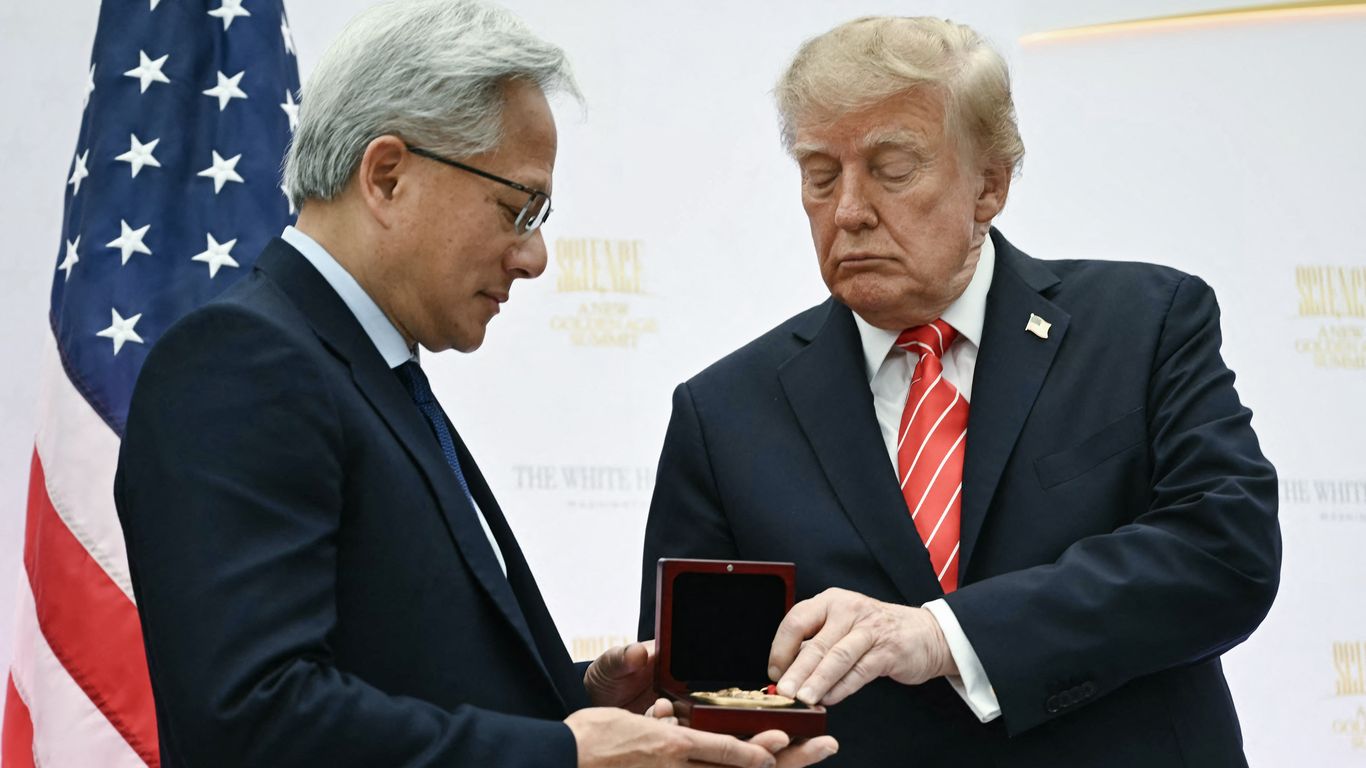
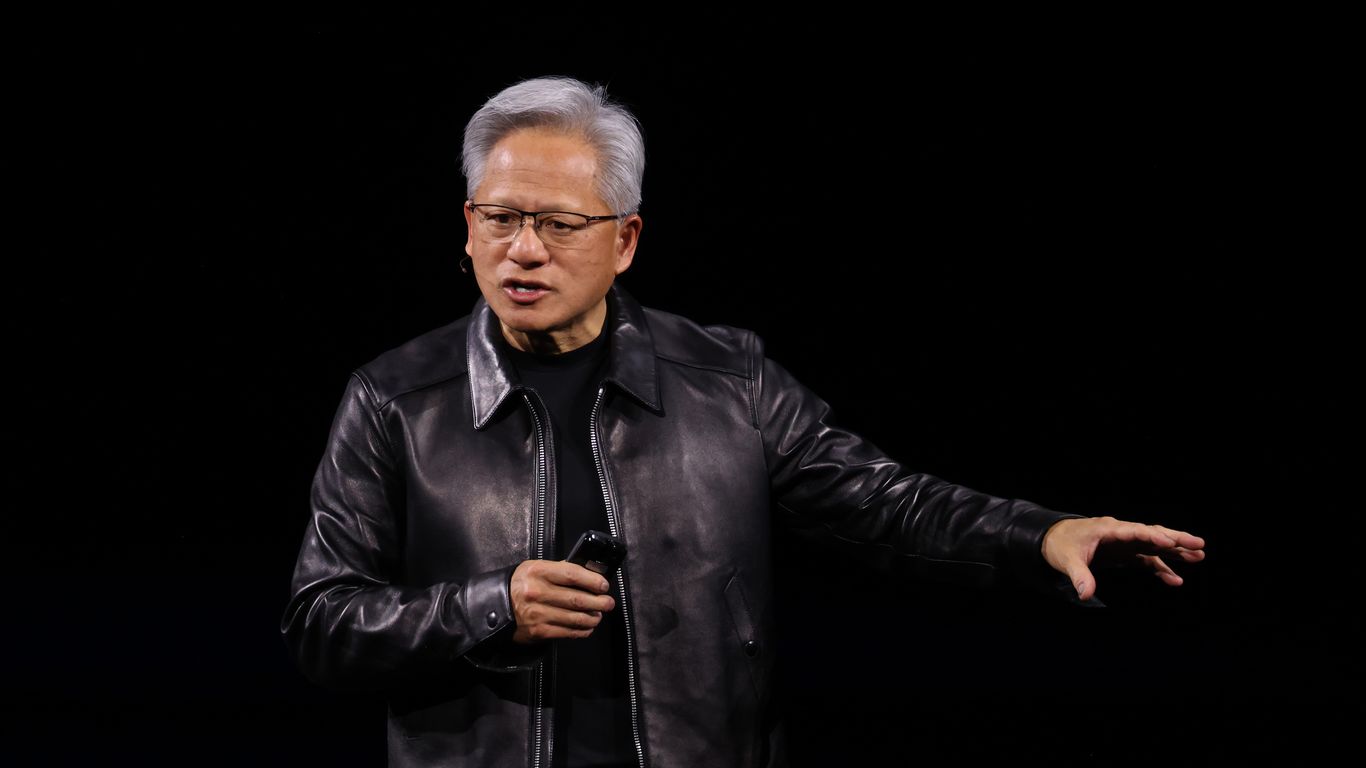
President Trump defended Nvidia CEO Jensen Huang on Sunday night, even as the company's board launched an investigation into his affair with a suspected Chinese spy. Why it matters: The blowback to Huang's relationship is only getting more intense by the hour, with multiple members of Congress calling for probes and investors saying the news could put a cloud over the entire AI trade. What they're saying: Trump was asked Sunday night if he's taking Huang with him on an Asia trip next week. "I don't know, but I'd certainly take him," the president told reporters. "I haven't heard that he's done anything wrong," Trump added. "He dealt with somebody but, you know, so does everybody else." The intrigue: The New York Times reported in late October that Trump was briefed earlier this year about Huang's relationship with the potential spy but chose not to act. Huang has been one of Trump's favorite corporate executives since his return to office, frequently appearing at White House events. He also traveled with Trump to China earlier this year, even after the reported memo warning the president of Huang's relationship. What's next: A group of House Republican committee chairs have asked Huang to agree by Nov. 11 to a date for a briefing on his relationship and Nvidia's national security controls.

Axios · 16h ago
Nvidia CEO Jensen Huang admits affair, board to launch investigation

Nvidia CEO Jensen Huang admitted to having a romantic relationship with a suspected Chinese spy in a message to his company. The big picture: The company's board launched an independent investigation into reports that he was targeted by Chinese intelligence. Driving the news: "I owe my family and all of you an apology," Huang wrote in a draft email to Nvidia employees obtained by Axios. "I was unfaithful to my wife. My actions hurt her and our children. There is no excuse for what I did." Huang said he took "full responsibility" for his actions, adding that he had fallen short of his responsibilities to Nvidia's employees, board and shareholders. "Leading NVIDIA is the privilege of my life," Huang wrote. "I am fully committed to NVIDIA and will work to earn back your confidence." Flashback: Secretary of State Marco Rubio warned top Trump officials about Huang's relationship with a woman U.S. intelligence officials believed was a Chinese spy, The New York Times reported Friday. The woman, Alice Huang, was recruited to seek information and potentially push for Nvidia's advanced chips to be made available in China, countering existing restrictions, the Times reported. What they're saying: "Today's news will not slow NVIDIA. Jensen is committed to continuing to lead NVIDIA as CEO without interruption," John Rizzo, head of public policy communications at Nvidia said in a statement.

Axios · 20h ago
"Congress will investigate": Nvidia CEO Jensen Huang faces probe over alleged Chinese spy ties

Nvidia CEO Jensen Huang is facing increasing congressional scrutiny after multiple reports Friday night suggested he had a romantic relationship with a purported Chinese spy. Why it matters: Huang is arguably the world's most powerful CEO, the man who runs one of the world's largest companies and whose products are central to the world's most important technology. The mere suggestion that he was in some way compromised by a Chinese intelligence agent could quickly become a major, bipartisan focus of the incoming Congress. What they're saying : Sen. Chris Coons (D-Del.) promised a probe of the latest Times report and Huang's relationships. "The more I learn about the insane relationship between the Trump Administration, Chinese spies, and AI billionaires, the more I'm convinced there is nothing this administration does that isn't corrupt. Congress will investigate and get answers," Coons posted to X, linking in another post to the Times' story. Catch up quick: A series of reports over the last 10 days has raised concerns about an allegedly illicit relationship with an undercurrent of espionage. Oct. 29 : The New York Times reported that Jensen Huang and a tech executive named Alice Huang had a "close relationship," that U.S. authorities had concerns about her intelligence connections with China, and that President Trump had been briefed on the situation. Oct. 31 : The Wall Street Journal reported that intelligence authorities in the U.S., Singapore and Taiwan all had reason to believe that Alice Huang might be a Chinese spy. Nov. 5: A group of House Republican committee chairs asked Jensen Huang to give them a briefing on his relationship with Alice Huang and Nvidia's controls over sensitive information, saying they need to determine "the extent to which U.S. national security has been placed at risk." Nov. 6: Both the New York Times and Financial Times reported that Alice Huang was in fact a Chinese spy, recruited by top intelligence officials specifically to spy on

Axios · Nov 7
Nvidia CEO called in by lawmakers over ties to alleged Chinese spy

Nvidia CEO Jensen Huang has been asked by three House Republican committee chairs to brief Congress behind closed doors about his reported ties to a woman accused of spying for China. Why it matters: The request escalates the scrutiny of the Nvidia CEO over his alleged relationship with Alice Huang, a businesswoman accused of spying for China. Catch up quick: Jensen Huang and Alice Huang purportedly had a "close" relationship, per reporting from The New York Times . The Times also reported that President Trump was briefed by intelligence officials about their relationship and the allegations that Alice Huang was a spy, but chose not to act. The Wall Street Journal subsequently reported that officials in at least three countries had concerns that Alice Huang was passing information to the Chinese government, potentially including sensitive details on Nvidia chips. Nvidia has denied the allegations, saying Jensen Huang and Alice Huang's contacts were just routine business interactions. The Chinese government previously called the allegations it was spying on Nvidia "groundless speculation." Zoom out: Reps. Brian J. Mast (R-Fla.), John Moolenaar (R-Mich.) and Rick Crawford (R-Ark.) sent a letter to Jensen Huang Thursday, requesting he sit for a joint briefing with the respective House committees that they chair: Foreign Affairs, the Select Committee on the Chinese Communist Party and the Select Committee on Intelligence. They are seeking answers on Nvidia's protocols to protect itself from foreign adversaries and his interactions with Alice Huang, according to the letter. "Recent reports raise significant national security concerns regarding the [People's Republic of China] access to sensitive U.S. technology and information," the letter reads. "The issue of PRC infiltration and access to cutting-edge U.S. technology is core to the investigative work of our three committees this Congress. It is vital that Congress determines the extent to which U.S. national security h

Axios · Nov 5
Hackers are turning web browsing into a spyware trap

Hackers are finding new ways to infect iPhones with spyware — even when victims never click a malicious link — according to new research shared with Axios. Why it matters: Software once used to spy on politicians, journalists and other high-value targets is becoming a tool for everyday cybercriminals looking to steal cryptocurrency and login credentials. Driving the news: Researchers at iVerify and Report URI said Thursday they've uncovered two campaigns in which criminal groups with suspected ties to China exploited online advertising infrastructure and legitimate websites to deliver iPhone spyware. In one case, iVerify found that a financial institution employee's iPhone was infected after they scrolled past a professional soccer advertisement on Instagram. The ad automatically triggered an attack that stole the person's login credentials and searched their cryptocurrency wallets. In another, Report URI uncovered a campaign affecting nearly 8,000 legitimate websites after hackers purchased roughly 630 expired domains that those sites still relied on. The attackers used those domains to redirect vulnerable iPhone visitors toward spyware designed to steal their credentials and cryptocurrency. How it works: Both campaigns exploited tools that load automatically as people browse the internet, eliminating the need to trick victims into clicking malicious links. In the iVerify case, malicious code began running as soon as the Instagram advertisement appeared on the victim's screen. The attack checked the iPhone's operating system before deploying a compatible exploit. In the Report URI campaign, attackers purchased expired domains once used to host legitimate website features, such as chatbots and analytics tools. Thousands of websites were still loading code from those domains, allowing criminals to quietly redirect visitors toward malicious software. Threat level: The findings show how cybercriminals are building an infrastructure for delivering spyware through everyd

Axios · Oct 22