
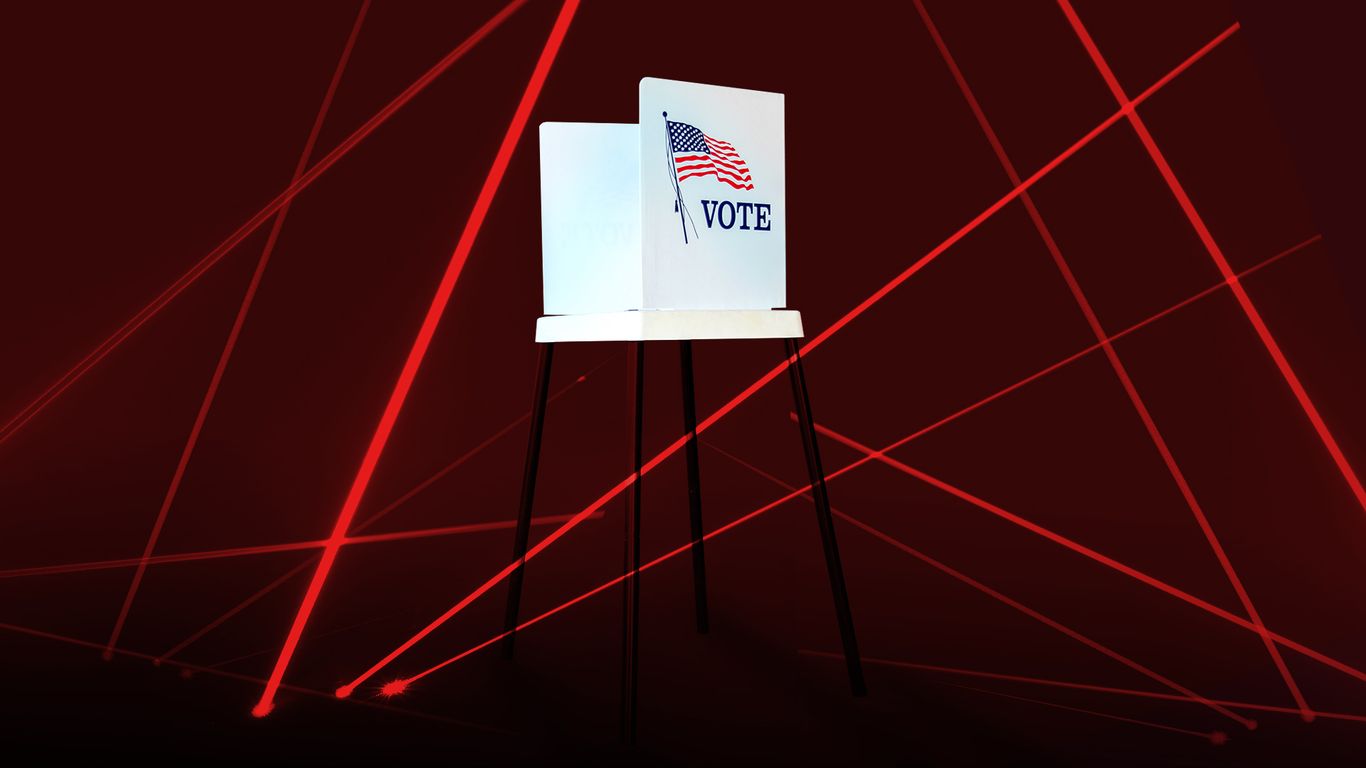
State officials have largely taken securing the 2026 midterm elections into their own hands after nearly two years of federal program and funding cuts during the second Trump administration. Why it matters: The reduction in federal support has come as AI tools threaten to make it easier for hackers to uncover software vulnerabilities, launch cyberattacks, and spread disinformation that undermines trust in election results. Reality check: Just because a security flaw exists doesn't mean hackers can exploit it to manipulate election results. Nearly all U.S. elections maintain paper records that can be used to verify electronic tallies. Threat level: Election officials are preparing for everything from cyberattacks and AI-generated disinformation to physical threats, logistical disruptions and legal challenges. The big picture: State election officials relied on homeland security agencies, fusion centers, police, National Guard units and private cybersecurity firms to prepare for the midterms, John Milhofer, a spokesperson for the National Association of Secretaries of State, told Axios. That group and the National Association of State Election Directors are helping states exchange threat intelligence and connect with federal agencies and private sector experts. Catch up quick: State resources have become more important after the Trump administration scaled back federal election security assistance. CISA cut election security personnel and services in 2025, while federal funding for the Elections Infrastructure Information Sharing and Analysis Center, a key information-sharing network for election officials, ended that year. Election officials are receiving fewer election-specific threat briefings and less direct technical assistance, even after CISA outlined plans to restore some services in September. Zoom in: Michael Moore, chief information security officer for the Arizona secretary of state's office, told Axios that the state has been without a dedicated CISA cybe
Results for “election night”
Endorsing his opponent while the US risks plummeting into fascism, she reveals the one issue that triggers her to take destructive action “Did you talk to anyone? Did you have a long night of the soul? Were you up all night? ... Did you have a dream?” Interviewing the Michigan US representative Haley Stevens on CNN on Sunday, Anderson Cooper was casting about for explanations. What caused the Democrat’s radical change of heart between a Saturday night promise to her House colleague Debbie Dingell that she would stand with the Democratic Senate candidate Abdul el-Sayed and a public endorsement Sunday morning of his Republican opponent, Mike Rogers? Continue reading...

As Americans went to the polls for an election widely seen as a referendum on his second term, President Trump again downplayed concerns over the cost of living and addressed unpopular foreign policy matters.
The US has seen plenty of terrible speeches over the centuries. But Trump’s midterm rallies are a new low In a sense, history has already been made. We do not know the result of the election yet, but over the last two months, Americans have endured the worst speeches ever given by a president of the United States. It is far from a simple matter to adjudicate – there have been so many bad speeches over the years, going back the founders, some of whom dreaded speaking in public. George Washington’s inaugural address did not begin promisingly, with a halting first sentence: “Among the vicissitudes incident to life, no event could have filled me with greater anxieties than that of which the notification was transmitted by your order, and received on the 14th day of the present month.” Continue reading...
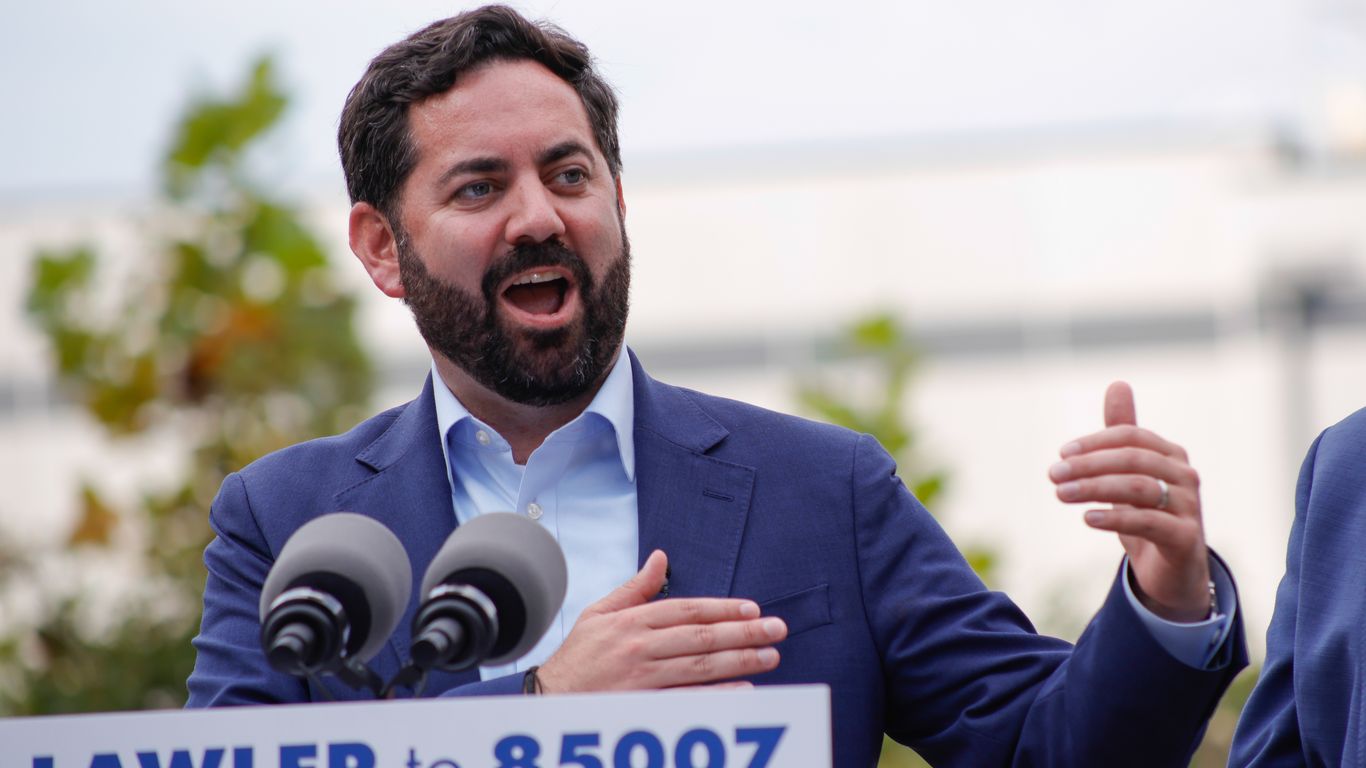
Voting machines across New York's Westchester County are rejecting paper ballots on Election Day, raising concerns about potential delays in one of the nation's most competitive House races. Why it matters: Results could be delayed for one of the country's most prominent House races, between Rep. Mike Lawler (R-N.Y.) and Democratic nominee Cait Conley, as officials address a problem with paper ballots. Driving the news: The Westchester County Board of Elections said Tuesday it was aware of a problem preventing voting machines from accepting paper ballots at polling locations throughout the county. The Board of Elections said it is speaking with New York State officials and the Westchester County government "to address this issue and ensure that voting continues with as little disruption as possible." The cause remains unclear. Election officials initially blamed the thickness of paper ballots but later removed that explanation from their statement, per reports. New York Attorney General Letitia James wrote on X that her office is monitoring the issue. What they're saying: Lawler said officials were working with vendors to resolve the problem, while Conley reassured voters that their ballots would count. Westchester County government wrote on its website: "Let us be absolutely clear: Every eligible vote will be counted." What we're hearing: Voters in the county told Fox 5 NY that they had to fill out paper ballots instead of using the machines. Voters said their ballots were placed in a security box. Other voters shared discontent with the ballots issue on social media . Katie Miller , wife of Trump adviser Stephen Miller, claimed on X: "This is how the Left steals elections. Mike Lawler's competitive district and they are turning away voters." Context: The county covers roughly 30% of New York's 17th District, which Lawler represents. The contest has emerged as a key battleground race in Democrats' push to gain control of the House. Zoom out: The ballot-scanning pro

Voters are deciding on whether to pass a wealth tax, who will be the state’s next governor and more. Here are five things we’re watching.
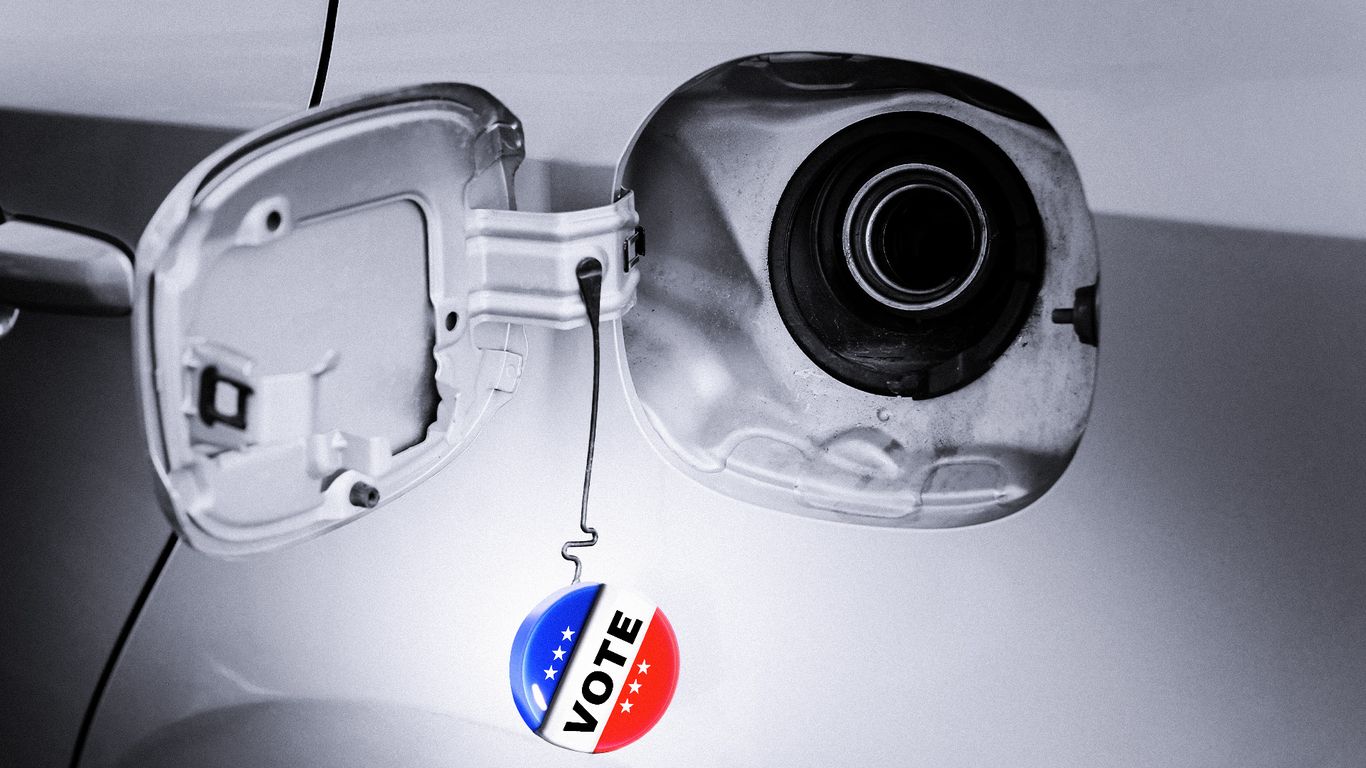
There's a lot at stake for energy in the midterms, from the fate of the bipartisan permitting deal to the growing backlash against data centers and electricity prices. Why it matters: The results could spotlight which energy topics resonate with voters — and which have become political liabilities. Gasoline and diesel prices have been big on the campaign trail, offering a chance to see how much voter frustration over energy costs matters at the ballot box. Data center politics: There are sharp differences between the parties, even though data centers aren't especially popular with either party's slate of candidates. Why it matters: The pace of the AI buildout affects power demand and emissions. State of play: 32.4% of Democratic candidates support moratoriums at the federal, state, or local level, compared to just 3.4% of Republicans, per Data Center Watch, which tracked hundreds of races. Zoom in: Meanwhile, Ballotpedia is tracking dozens of ballot measures on data centers, many of which would impose new restrictions. Ohio is a hot spot. Control and permitting: The outcome will affect the politics of the lame-duck session — and that means the politics of the bipartisan permitting deal. What they're saying: If Democrats take both chambers, "leaders might opt to wait until they hold the gavels next year to renegotiate compromises," the research firm ClearView Energy Partners said in a note. Yes, but: A reminder that backers of the current bill think it's folly to expect political space to write a more liberal bill that President Trump would sign, or that could even pass the Senate. Threat level: What if the results are very close? ClearView notes that if Trump and allies contest the results, "weeks of post-election skirmishing could complicate passage of any bill." Political lessons: The results could offer clues about where energy and climate policy are headed. State of play: Exit polling is not famously precise, but it could provide a barometer of how much voters t
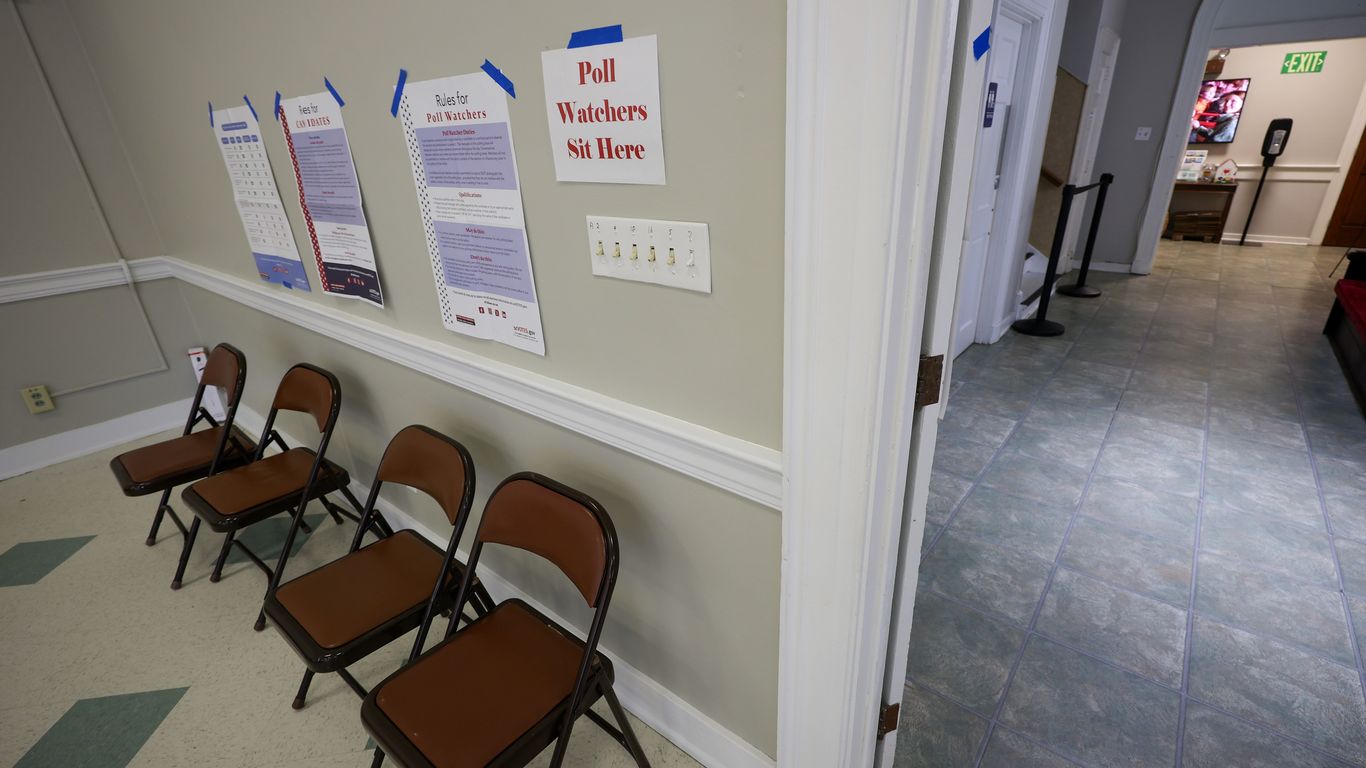
The Justice Department said Tuesday it will deploy about 1,000 election monitors to all 50 states for the first time ever to watch the polls. Why it matters: The unprecedented effort comes after courts repeatedly rejected the DOJ's efforts to force states to restrict voting for alleged noncitizens. It comes amid a long-running Trump administration push to fight voter fraud , which studies say isn't nearly as prevalent as the administration suggests. Driving the news : The department, in a statement early Tuesday, said one of its most important goals was to protect election integrity. "Today, the DOJ will further this mission by engaging in its largest monitoring effort in history—with approximately 1,000 election monitors and observers deployed, and, for the first time, in all 50 states," the department said. The department said observers would come from the DOJ, U.S. Attorney's offices, and staff from the Office of Personnel Management. What they're saying: "I am very proud we are deploying the largest monitoring effort in DOJ history, and pursuing transparency for elections in an assertive and nondiscriminatory manner," assistant attorney general Harmeet K. Dhillon said in the statement. The intrigue: Some local election officials have already expressed concerns that such a massive wave of observers could intimidate or otherwise interfere with voters. What to watch: The DOJ is still pursuing legal efforts in multiple states to have ballots segregated or otherwise impact counting.

Slovenian is averaging 38.3 points a game this season Antetokounmpo offers high praise to fellow All-Star Giannis Antetokounmpo has offered high praise to his fellow All-Star Luka Dončić after the Los Angeles Lakers star went on another scoring tear on Monday night. Dončić scored 42 points in the Lakers’ 138-117 win over Antetokounmpo’s Heat to bring the Slovenian’s scoring average this season to 38.3 points per game, the best in the NBA . Continue reading...
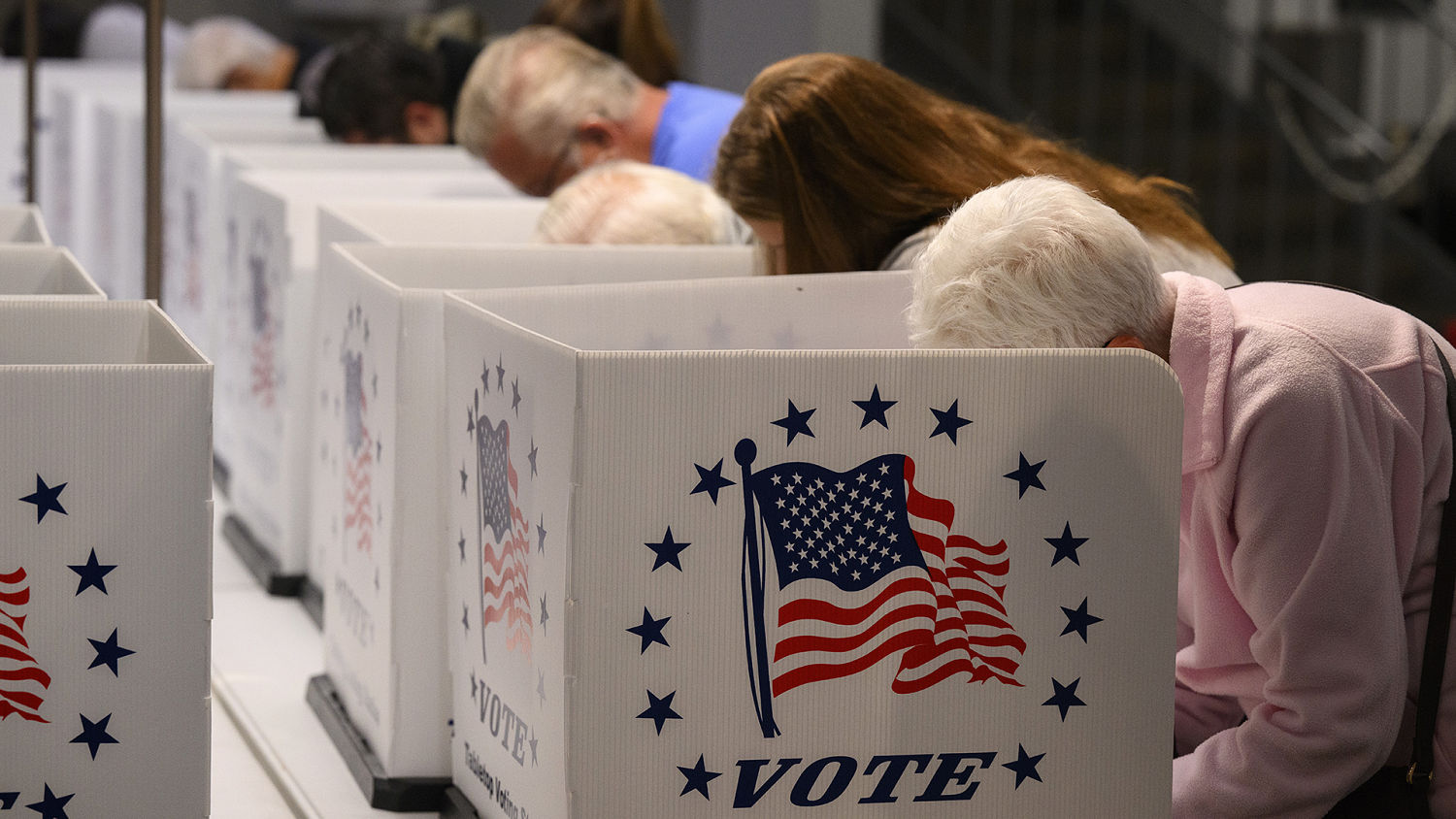
Voters are heading to the polls in a critical midterm election that will decide which party controls Congress. NBC News’ Ryan Nobles reports.

Election laws are largely determined by the states, making it important to check local rules.

It is polling day in the US, so Jonathan Freedland is chatting to the humour writer Alexandra Petri of the Atlantic to run through this election cycle’s most effective ad campaigns, surprising alliances and embarrassing gaffes Continue reading...
Get all the stories you need-to-know from the most powerful name in news delivered first thing every morning to your inbox.

The post We Can’t Predict What Will Happen on Election Day. But We’ll Be Here to Cover It. appeared first on ProPublica .

Flash flooding, heavy rainfall and tornadoes have forced election officials in three different regions across the United States to move polling locations, scrambling Election Day plans in hot-button races.

Data: AdImpact; Chart: Erin Davis/Axios Republicans on the ballot this cycle have all but stopped mentioning President Trump in their campaign ads , according to an Axios analysis of broadcast advertising data from AdImpact. Why it matters: Trump has tried to make the 2026 midterms a referendum on his presidency. His party has run the other way. The big picture: Ads from both parties in Senate, House and gubernatorial races have shifted from a heavy focus on Trump during the primaries to a much greater emphasis on the economy in the general election. Both parties have also leaned much more heavily into health care, with a noticeable increase among House Republicans. By the numbers: The drop-off is steepest among Republicans, and especially in House races. Trump appeared in 66% of House Republicans' primary ads but shows up in just 3% of their general election ads. In Senate races, Republican ads mentioning him fell from 77% to 22%. Governor's races saw the same shift: Republican ads mentioning Trump fell 34 percentage points. Democrats have also pulled back from Trump, though less dramatically. Trump appeared in 45% of Democratic primary ads, but just 18% of their general election ads. Zoom in: Republican candidates are mentioning some of Trump's signature issues less than during the primaries. The share of Republican ads mentioning immigration has dropped 20 percentage points in Senate races and 14 points in House races. Ads referencing law enforcement fell from 11% of Republican Senate primary ads to 6% in the general election, even as their mentions of crime increased. Data: AdImpact; Chart: Erin Davis/Axios Between the lines: Candidates often lean on the country's most prominent political figure in primaries, then pivot to policy issues in the general election. But this year's drop-off stands out given how hard Trump has pushed to tie himself to the midterms. He has urged voters to pretend he's on the ballot and essentially demanded ads running during the Republ
Our election data reporter Evan Reynolds looks at counties that could decide the Senate race in the diverse and rapidly growing southern states of Georgia and North Carolina.

Election results in states where voting ends early could indicate how each party will fare in House and Senate races elsewhere in the country.
Could Texas elect its first Democratic Senator in decades? Our election data reporter Christine Zhang tells us what counties to watch in the competitive Texas Senate race.
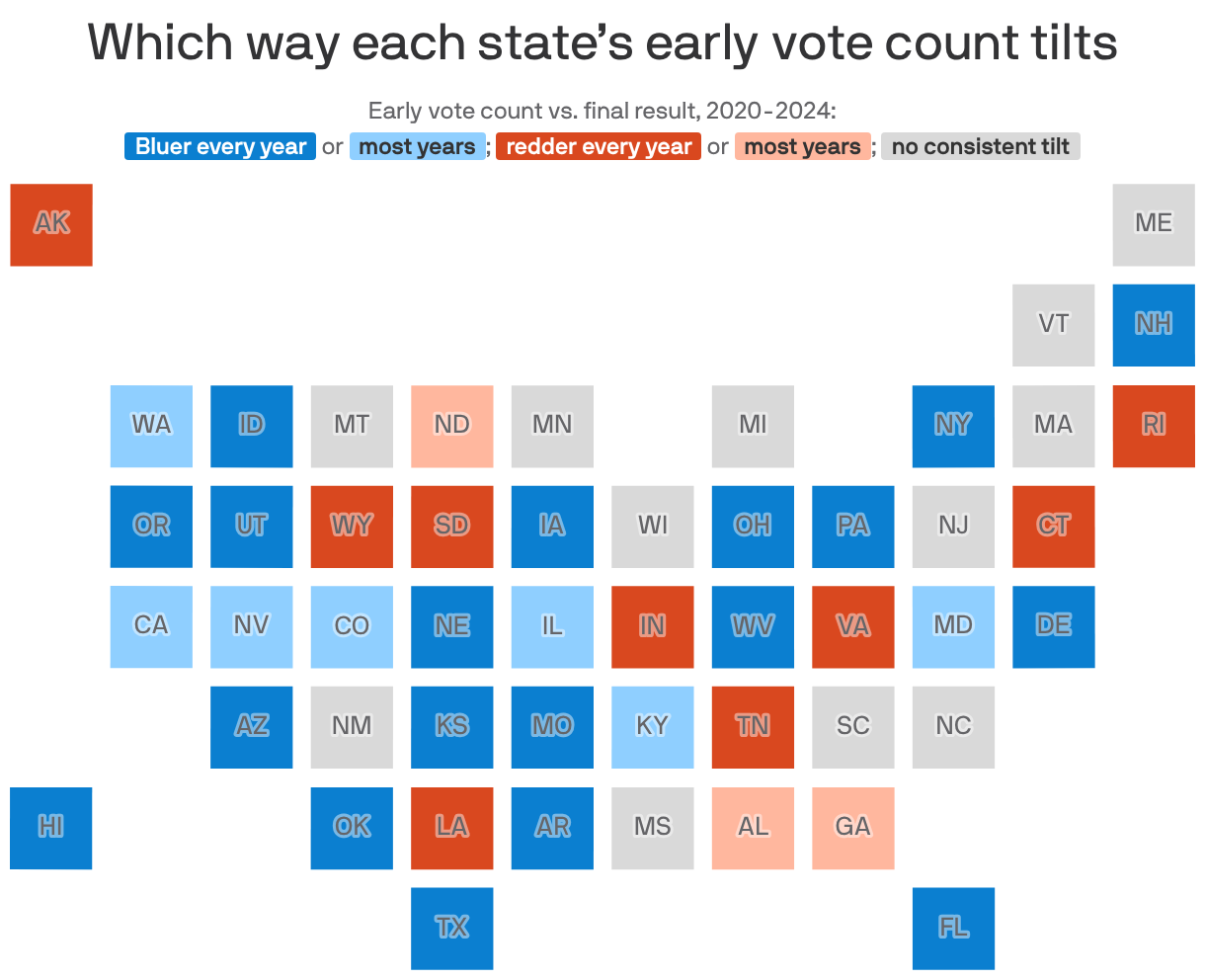
Data: AP via The New York Times and Axios research; Chart: Andrew Pantazi/Axios The first votes counted Tuesday night will almost certainly look redder than the final result, and control of the House and Senate could take days to settle. Why it matters: Early leads can create false impressions of who's winning and suspicion when those leads vanish. Election night is really election week. By the numbers: AP didn't call control of the House until seven or eight days after Election Day in each of the past three elections . The Senate was settled by 10:44pm on election night in 2018 and at 12:06am the next morning in 2024 . In 2022, it took four days , and in 2020, it wasn't called until Georgia's January runoffs , two months later. State of play: Republicans hold 53 Senate seats . Democrats need a net gain of four for a majority. The red head start: In every national election since 2018, the House and Senate votes counted by 9pm ET were 4 to 9 percentage points more Republican than the final result, an Axios analysis of AP and Edison Research vote counts found. It's mostly geography. Fast-counting Florida and other right-leaning states report first. At 9pm on election night 2022, Florida accounted for 40% of all Senate votes counted nationwide. By 11pm, more House races had been called for Republicans than Democrats in all four elections, including 2018 and 2020, when Democrats won the House. The tilt fades, slowly. At 6am Wednesday, the national House count was still 2 to 3 points more Republican than the final, largely because California, Washington and Oregon count for days. Data: Axios research; Chart: Andrew Pantazi/Axios Zoom in: Each state tilts its own way, depending on which ballots and which counties it counts first. States that count early and mail ballots first tend to start bluer than they finish. States that count Election Day votes first start redder. Ohio, Nebraska, Texas, Kansas and Iowa start blue. Sherrod Brown and Bernie Moreno were tied at 9pm in 2

The 2026 US midterm elections feature firebrand progressives trying to stake out new territory, moderate Republicans struggling in the shadow of Donald Trump, and a host of scandals that have made races closer than they should be. These candidates could shape not only power in Washington, but public and political understanding of what works – and wins votes – in different places across the country. Can a Democrat win in red Kansas? Could Texas finally flip away from Republicans? Will abuse allegations or absenteeism tank incumbents? How important is capturing online attention? And how can Republicans run away from Trump, their party’s leader, and modern architect, as his popularity wanes? The lessons learned – and the candidates who teach them – will play into the 2028 presidential election and alter the makeup of Congress at a critical time for both parties Continue reading...
Everything you need to know about how winners are called, how states count ballots and Trump’s election denialism There’s no simple answer as to when US voters will know the results of the midterms. Elections are managed locally throughout the US, and it’s different in each state. Sometimes, if a race isn’t close, there’s a near-instantaneous sense of who won. In more contested races, it can take many hours, days or even weeks. Continue reading...

The 2026 midterms will offer the first test of voter sentiment on the AI race, offering a window into how a niche policy debate is transforming into a wedge issue ahead of a presidential campaign cycle. Why it matters: The results will reveal whether explicitly campaigning on AI regulation—or aligning with tech moguls like Elon Musk—is a winning political strategy or a liability for 2028. One thing is already clear: Candidates increasingly can't afford to have half-baked AI agendas. Here are three major questions about the future of AI politics and policy and the races we're watching on Election Day for answers. 1. Did AI break through? A different kind of AI political spending has emerged in the midterms. Instead of supporting or opposing candidates based on their AI positions, some groups want to make AI policy itself a campaign issue. Guardrails Alliance, a pro-regulation advocacy group, recently launched ads targeting Republicans and Democrats over their positions on AI in Arizona, Montana, North Carolina and California. The organization backed Michigan Senate candidate Abdul El-Sayed, who said AI was the most important issue heading into Election Day, tying it explicitly to jobs and affordability. Democratic group Tomorrow Together also launched ads against Republicans' AI track record in Michigan, Wisconsin, Arizona and Pennsylvania. Meanwhile, competing AI groups Public First and Leading the Future spent more than $50 million through affiliated super PACs in nearly 50 races, but their TV and digital ads largely avoided the very issue they're trying to influence: AI. These races could offer an early test of whether explicitly campaigning on AI is a viable political strategy heading into 2028. 2. Did Elon Musk help or hurt candidates? Elon Musk's political spending, involvement in DOGE and ties to the Trump administration have made him both a powerful political backer and a target for Democratic attacks. He was the biggest donor in the midterms by far, contribu

Democrats are poised to romp in today's election — easily winning the House and, according to most forecasts, flipping the Senate too. Yet the party itself is less popular than the IRS . Even the GOP has a better brand. Why it matters: There's a difference between a blowout and a mandate. Confusing the two could tempt Democrats to overread the results and forget the serious credibility problem they still face heading into 2028. The big picture: Democrats have done a lot of things right to position themselves for a big night. They recruited candidates who've put red state Senate races that seemingly were beyond reach, within their grasp. Many of those candidates vastly outraised their Republican opponents. But polls across the board still show a lesser-of-two-evils election — or as one Republican tied to President Trump's political operation described it, a contest of which party voters hate more. Voters are more eager to disempower Trump than to empower Democrats. By the numbers: Just 29% of registered voters have a positive opinion of the Democratic Party vs. 38% who view the Republican Party positively, according to a pre-election NBC News poll . The same poll showed Democrats with a 7-point lead in the congressional generic ballot, 52 to 45. And nearly 6 in 10 voters who plan to back Democrats in the election said their vote is about stopping Trump and Republican policies — vs. 4 in 10 who said they were more motivated to help Democrats enact their policies, per an October CBS News/YouGov poll . Zoom in: Many Democrats say they're determined not to repeat the mistake they made after the last midterms in 2022. They defied predictions of a red wave and saw it as an endorsement of Joe Biden and their party — when voters actually were increasingly angry. The post-2022 takeaway ultimately laid the groundwork for Trump's return to the White House after the 2024 election. Democrats won the House in the 2018 midterms — and went on to impeach Trump the following year. Thi

Star defensive lineman has one sack, six tackles D’Andre Swift rushes for three touchdowns Seattle have lost three of their last four games Caleb Williams threw a touchdown pass on the opening drive and Jeffery Simmons delivered just what Chicago needed on defense as the Bears beat the host Seattle Seahawks 34-17 on Monday night. Williams was extremely efficient for the Bears (6-2) against one of the NFL’s stingiest defenses, committing no turnovers, taking just one sack and throwing for 247 yards while completing 71% of his passes. Continue reading...
As results roll in Wednesday Australian time, keen election-watchers can tune in to see whether red seats flip blue – or if we’re in for a long week of vote counting Get our breaking news email , free app or daily news podcast Donald Trump has called it “most important in our lifetime” while senator Bernie Sanders says it’s the most important “in modern American history”. Barack Obama called it a “circuit-breaker” and the “last, best chance” to rein in the president. In any case, all eyes will be on the United States on Wednesday Australian time for the 2026 midterm elections. Will Americans use the day as a referendum on Donald Trump’s second term? Will Democrats see a clean sweep of Congress? Continue reading...
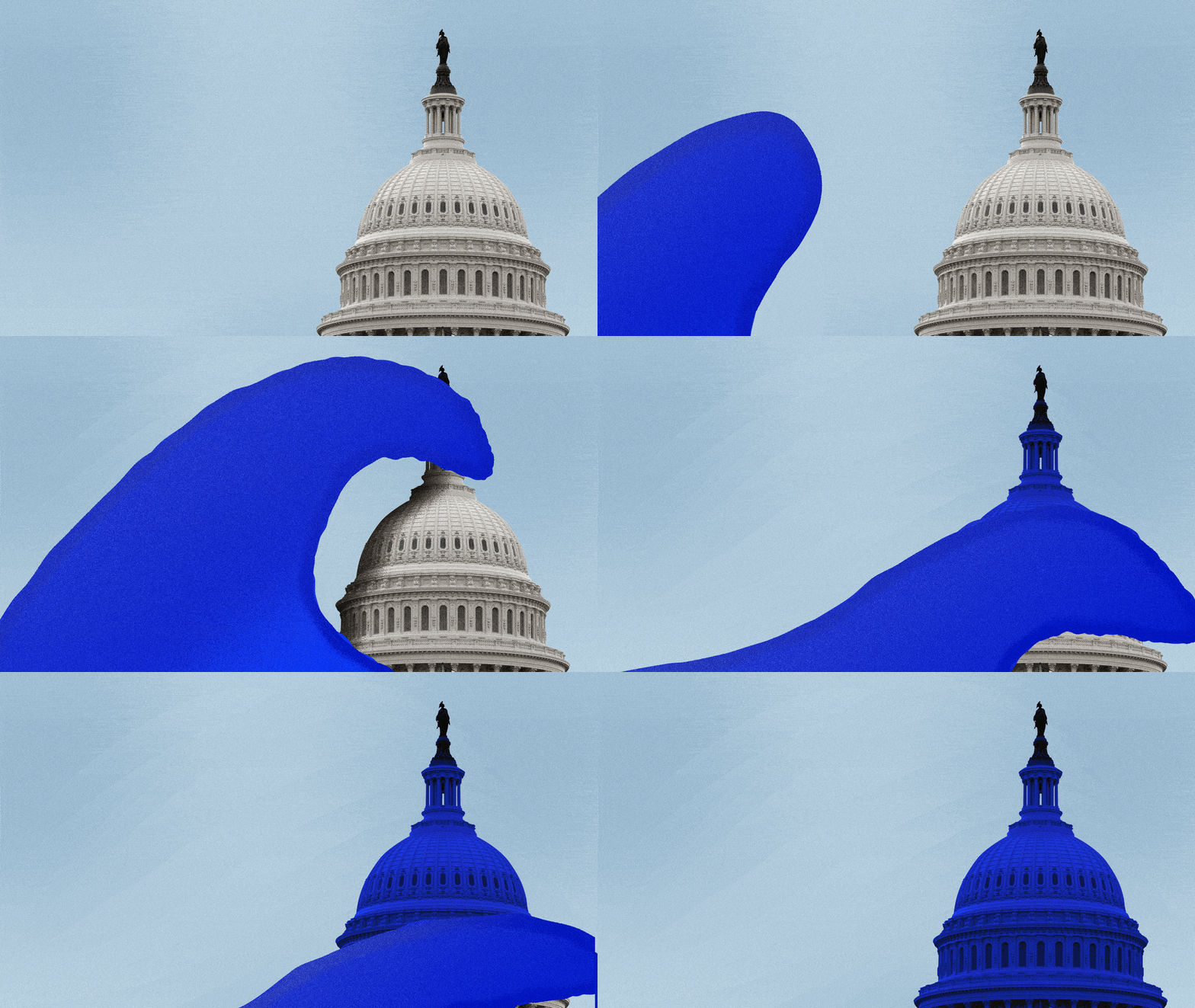
The threat of a blue tsunami is bearing down on President Trump's Washington, with virtually every major indicator forecasting a Democratic rout in Tuesday's elections. Why it matters: Expectations for the midterms have soared so high that some Democrats fear disappointment is inevitable, particularly if the party falls short of winning the Senate — a prize that seemed beyond reach just months ago. By the numbers: Five key metrics help distill the extraordinary consensus taking shape on the eve of the midterms. 🔮 95% and 80%: The probability of Democrats winning the House and Senate, respectively, according to election forecaster Nate Silver , whose model projects an average gain of 25 House seats. Silver says Democrats could now withstand a modest polling error and still capture the Senate — a remarkable cushion given the GOP's history of outperforming polls in the Trump era. 🗺️ 7 for 7: Democrats lead in every Senate battleground state surveyed in the final New York Times/Siena polls , including by 11 points in Michigan and seven in Texas. Trump carried six of those seven states in 2024, though five of the Democratic leads — Maine (+6), Kansas (+5), Ohio (+5), Alaska (+2) and Iowa (+1) — remain within the polls' margins of error. 🏛️ 240: The number of House seats Democrats could win under the upper end of Cook Political Report's forecast — potentially their largest majority since the first year of Barack Obama's presidency. Reaching that mark would require Democrats to sweep all 18 toss-up races. Cook already favors them in 222 districts, four more than needed for a majority. 🎲 73%: The probability of Democrats winning both chambers of Congress, according to Kalshi . After correctly favoring Trump in 2024, prediction markets have become a closely watched barometer of political expectations. Nearly $100 million in contracts have traded on Kalshi's congressional control market alone. 📊 +14: Democrats' lead on the generic congressional ballot in the final poll f
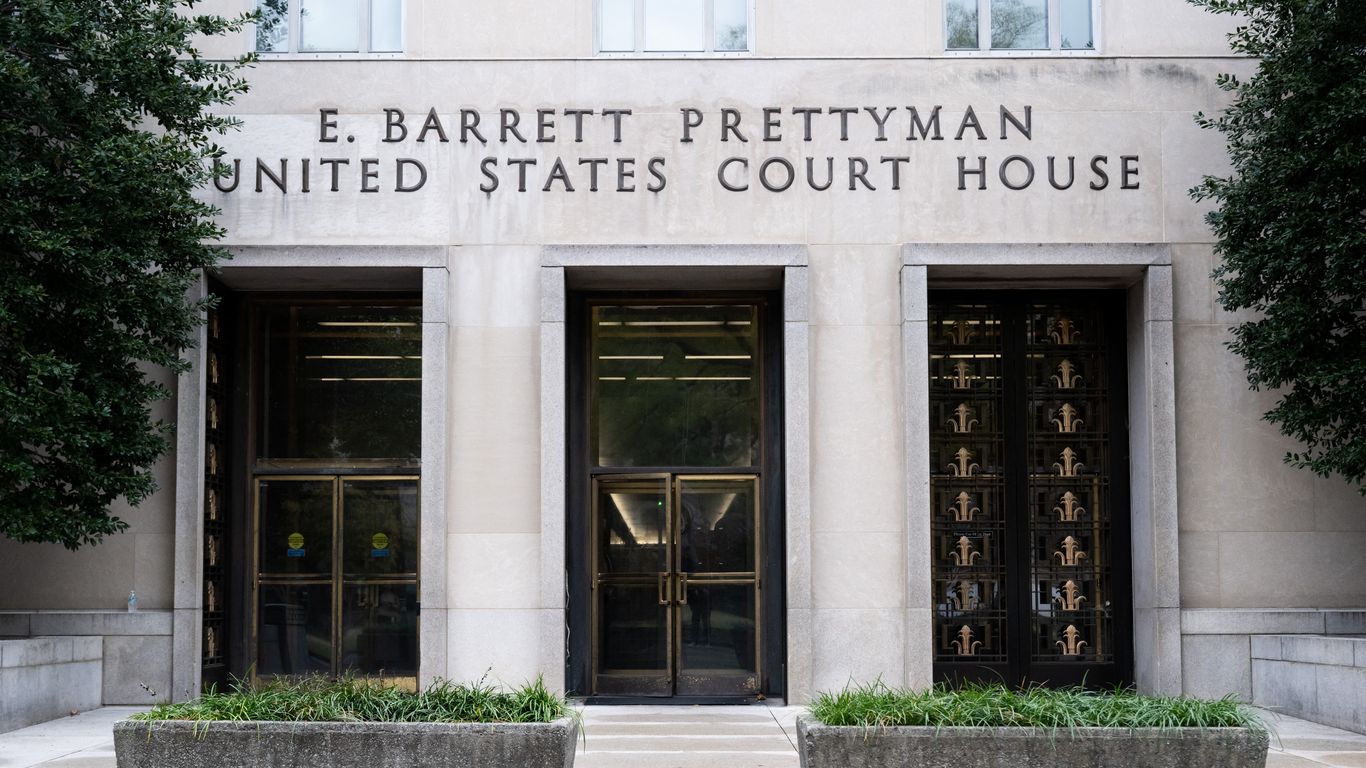
A federal judge on the eve of Election Day barred the Trump administration from demanding California officials set aside ballots from registered voters it suspects are noncitizens, finding the effort likely violates the Constitution. Why it matters: Courts had already rejected the Justice Department's attempts to force California to separate the ballots. Monday's ruling goes a step further, directly barring federal officials from making those demands even as DOJ turns to the Supreme Court to compel the state to comply. Driving the news: Chief U.S. District Judge James Boasberg ruled Monday that the Trump administration likely violated the Constitution by pressuring California officials to change how they count ballots. His order prohibits the Justice Department and the Department of Homeland Security from demanding officials set aside ballots or depart from existing state election procedures based on federal lists of suspected noncitizens. Boasberg found that the Constitution gives states and Congress, but not the executive branch, authority over election rules. The federal ban on noncitizen voting does not mean the administration can rewrite those rules. By the numbers: The DOJ claims it identified more than 20,000 suspected noncitizens on California's voter rolls. After Boasberg ordered DOJ to turn over its list, an expert found that at least 22 members of the Coalition for Humane Immigrant Rights — all known U.S. citizens — were wrongly included. The expert found another 66 members were almost certainly on the list. Boasberg found the expert credible and concluded the list's errors posed a real threat to eligible voters. What he's saying: "The President evidently believes that it would be good public policy for more stringent procedures to be put in place," Boasberg wrote. "No matter how strong that policy case may be, however, it does not justify overstepping the bounds of the Executive Branch's limited constitutional authority in this domain." The White House r

President Trump extolled his administration's Reflecting Pool project , dug up debunked claims of vandalism and applauded the new White House helipad in a Monday pre-Election Day speech. The big picture: Trump's deep focus on remaking the nation's capital has taken center stage as the clock ticks down to midterm elections. Driving the news: "The pool is now better and more beautiful than it's ever been before, and we're very proud of it," Trump said in Monday's speech, adding, "We went through a lot with vandalism." But Trump's own Justice Department dropped vandalism charges against former Olympian David Hearn , whose case was later killed by a judge after prosecutors acknowledged that faulty installation caused the damage to the Pool. Trump added the administration was "giving serious thought" to renaming the Lincoln Memorial Reflecting Pool to the "Trump Reflecting Pool," before later saying he was kidding. Throughout the speech, he held up printed images he identified as pipes, joints and other Pool materials. He also showed an image that appeared to show "8647" sprayed onto the base of the emptied pool, claiming "that was a Comey phrase" — a reference to his former FBI director and top foe. Zoom out: He also discussed his White House renovation projects, including the recently installed helipad and Scotts Miracle-Gro's lawn restoration after the UFC fight on White House grounds. Friction point: Trump's projects, including his D.C.-area arch and White House ballroom, have been broadly panned by Americans in polling. "This project should be a project that unites all Americans," Trump said Monday of the newly reopened Reflecting Pool, which stood empty for an extended period earlier this year. Zoom in: His pre-election pitch at times sounded more like a typical rally speech, where he touted his immigration policies and war with Iran while slamming Democrats as "a party that hates America." This is the last day before the midterm elections, the most important midte

US president shares delayed results of chaotic renovation on DC site as Americans prepare to head to the polls Donald Trump unveiled the delayed results of his $14m renovation of Washington DC’s Lincoln Memorial reflecting pool in what is expected to be his final press conference before voters head to the polls for the midterm elections. On the eve of a consequential election day, with polls indicating that most voters feel the US president has grown too focused on building projects in the nation’s capital, he stood in front of the newly opened reflecting pool to discuss – in detail – changes to the pool’s pipe, the grass surrounding the area and granite. Continue reading...

The top Senate GOP super PAC has nearly tripled its spending on streaming and social media platforms this election cycle to more than $200 million, Axios has learned. Why it matters : In a record cycle for ad spending, more political money is shifting to streaming, where super PACs have greater freedom to target voters, bargain and experiment — but platforms have more power to set the rules. In some states, streaming and social media have swallowed half of the Senate Leadership Fund (SLF) budget, according to a source familiar with the group's spending. SLF's $200M+ total for the 2026 cycle (up from $71M in 2024) doesn't include tens of millions of dollars funneled through the SLF-linked Texas PAC. The other side: The top Senate Democratic super PAC declined to provide a dollar figure for their spending on streaming. "Senate Majority PAC invested more this cycle in digital communications than any previous cycle, running digital campaigns in 12 states," SMP communications director Lauren French told Axios. Zoom in : Streaming and social platforms offer campaigns the power to target more specific audiences compared to traditional broadcast, and make it easier to measure the impact. "Its way more surgical than a linear broadcast buy," Zack Roday, managing director at Think Big, told Axios. But platforms can also set their own rules around which types of ads they want to accept. Some, like Netflix and TikTok, don't allow any candidate or issue ads . Republicans have complained about restrictions on ads that include transgender issues on Disney-owned platforms. Between the lines: Super PACs often pay multiple times what a campaign pays for ads on broadcast TV and radio because of laws ensuring candidates get the lowest rates. Online, super PACs can negotiate directly — and use their fat budgets and sprawling election maps as leverage. SLF works with platforms like SiriusXM, Paramount, Hulu, YouTube and others to lock in discounts based on their overall spending plans, ac

Protecting the vote was once considered among the top priorities of the Cybersecurity and Infrastructure Security Agency. Now it barely mentions the issue.

Our polls suggest the economy is biggest motivator of voters’ choices in these midterm elections and that Democrats are more trusted to fix things.
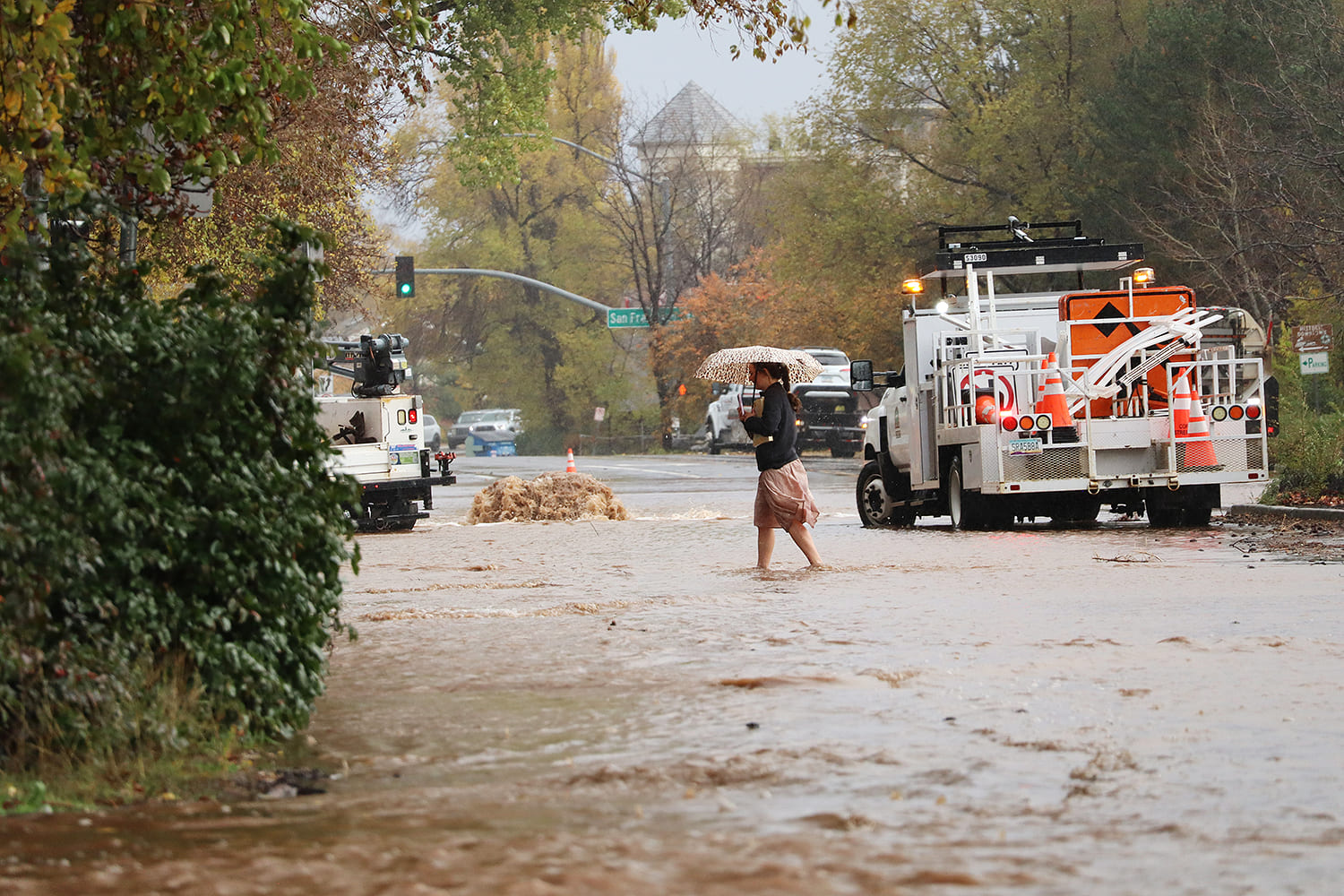
Soggy, dreary weather is expected to hit the central U.S. as voters head to the polls Tuesday, but experts said the impact on the electoral outcome is expected to be minimal.
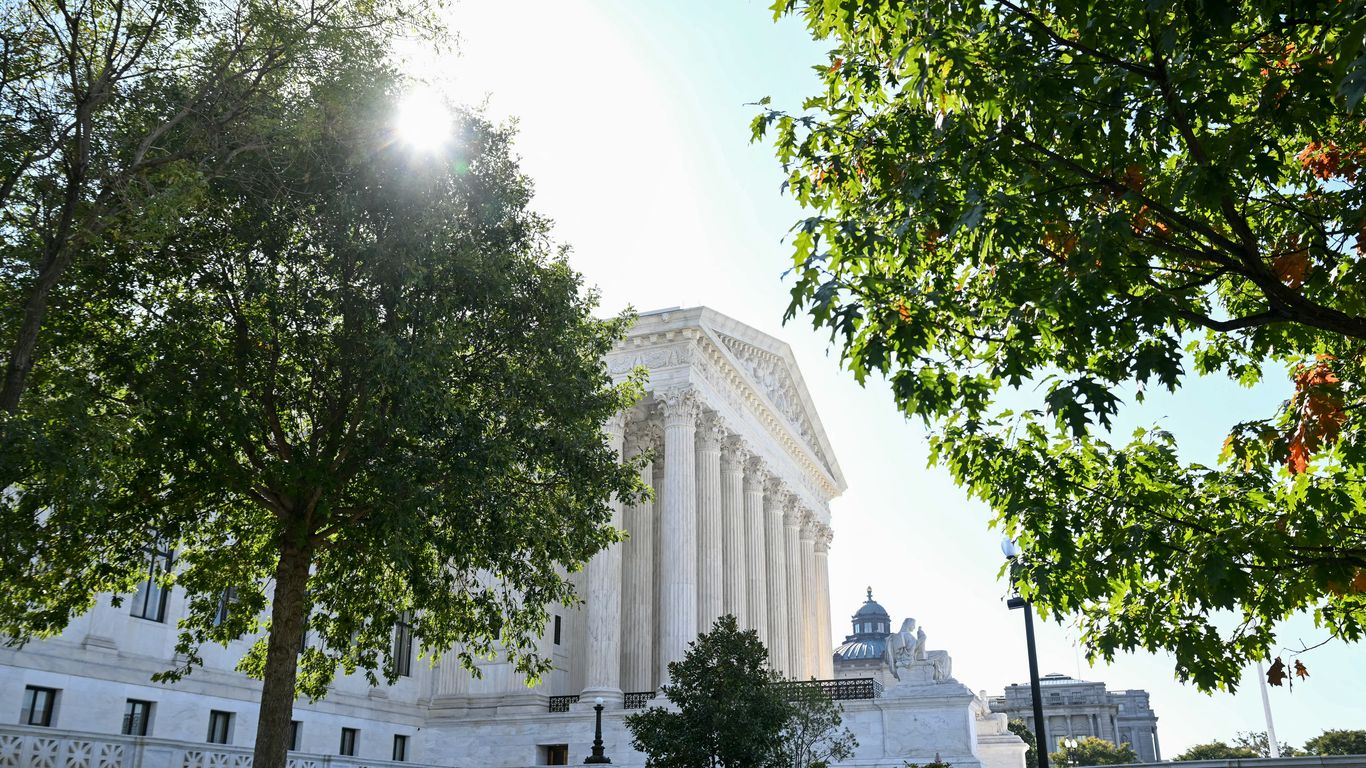
The Trump administration asked the Supreme Court to mandate that California separate ballots of more than 20,000 voters the government suspects are "likely" non-citizens. The big picture: A federal appeals court rejected the administration's bid to set aside mail ballots last week, erecting another roadblock in the DOJ's pre-election quest to demand the state root out claims of voter fraud in the final days of the midterm elections. This is a breaking news story and will be updated.

Residents would welcome the development, but the president’s past false promises cast doubt on the proposal On a Monday afternoon in late September, Donald Trump gathered Iowa Republicans in the Oval Office to make a big announcement: the firm Mesabi Metallics would invest $15bn to make the midwestern state the site of the largest steel mill in the country. One month later, and just days before the midterm election, word has spread in the small town of Wever, population 142, that the mill will be built somewhere nearby. And that’s been about it – no shovels in the dirt, workers on a job site or machinery on the dirt roads leading down towards the Mississippi River. Continue reading...
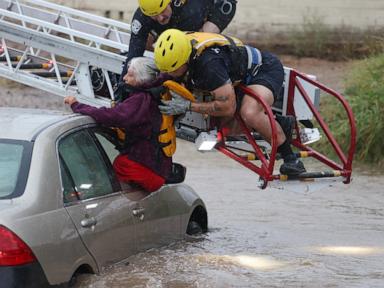
Another round of heavy rains and flash flooding has triggered evacuations along rivers in parts of Colorado, Utah, New Mexico and Arizona

Corporations and tech moguls have spent billions to push provocative – and often inaccurate – political ads for far too long Welcome back to How We Win, a Guardian opinion series with leading thinkers, offering bold ideas for America’s political future. Last week, Katie Phang argued that the Epstein files are a midterms sledgehammer . Today’s edition was written by Judd Legum , the founder and author of Popular Information . Sign up for future editions here . An unprecedented influx of cash from tech billionaires and corporate interests have been injected into the midterms to sway the election. We don’t have to accept the world as it is. There are several ways we can combat dark money, as the balance of power shifts in Washington. Continue reading...
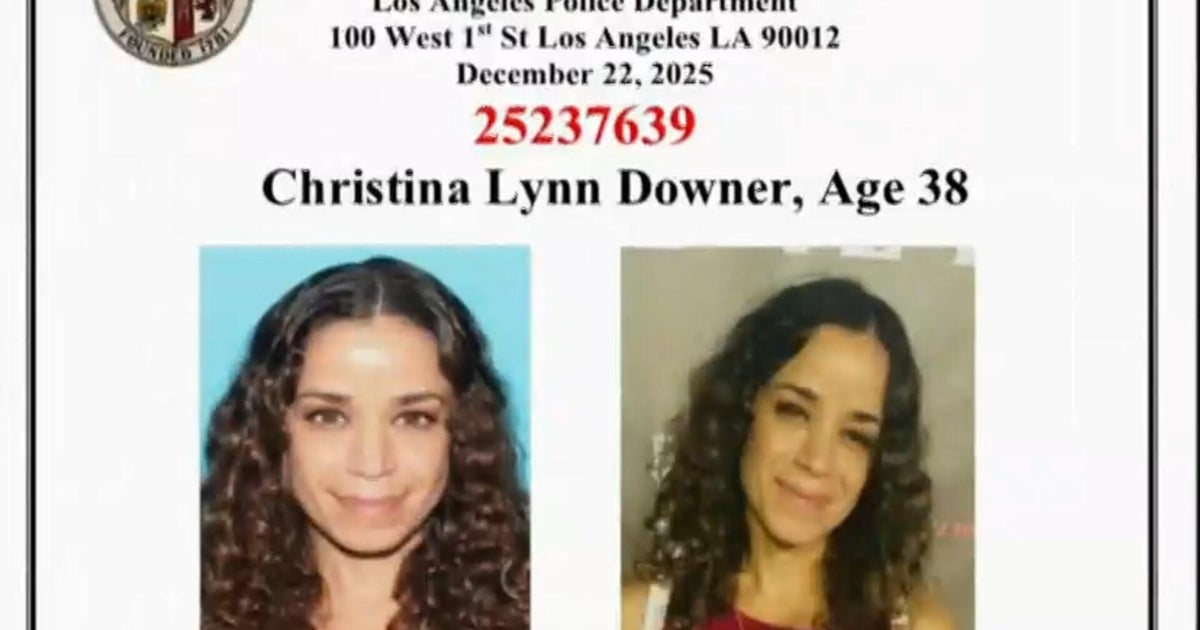
Two people have been arrested in connection with the 2025 disappearance of Christina Downer, the sister of "Saturday Night Live" writer Jimmy Fowlie. Tom Hanson reports.

Republican John Sununu tries to distance himself from unpopular president in race against Chris Pappas that has gone from ‘toss-up to ‘lean Democrat’ Chris Pappas is stopping himself from getting too excited ahead of Tuesday’s midterm election. “I take nothing for granted,” said the four-term US representative and Democratic nominee for New Hampshire’s open Senate seat. “This is a very purple, competitive state. Elections are never in the bag here.” Continue reading...

Mandatory evacuations in Arizona and New Mexico with Pagosa Springs warned of potentially ‘catastrophic’ deluge Heavy rainfall produced flash flooding and mandatory evacuations in a swath of the south-west on Sunday, including in a Colorado tourist town bracing for its main river to rise to historic levels, as weary residents in the normally arid region deal with another drenching. Officials in Pagosa Springs, a town of more than 2,000 in the Rockies located near ski resorts and known for its hot springs, warned of potentially “catastrophic flooding” as the San Juan River was forecast to crest at more than 20ft (6.1 meters) late on Sunday night. Continue reading...
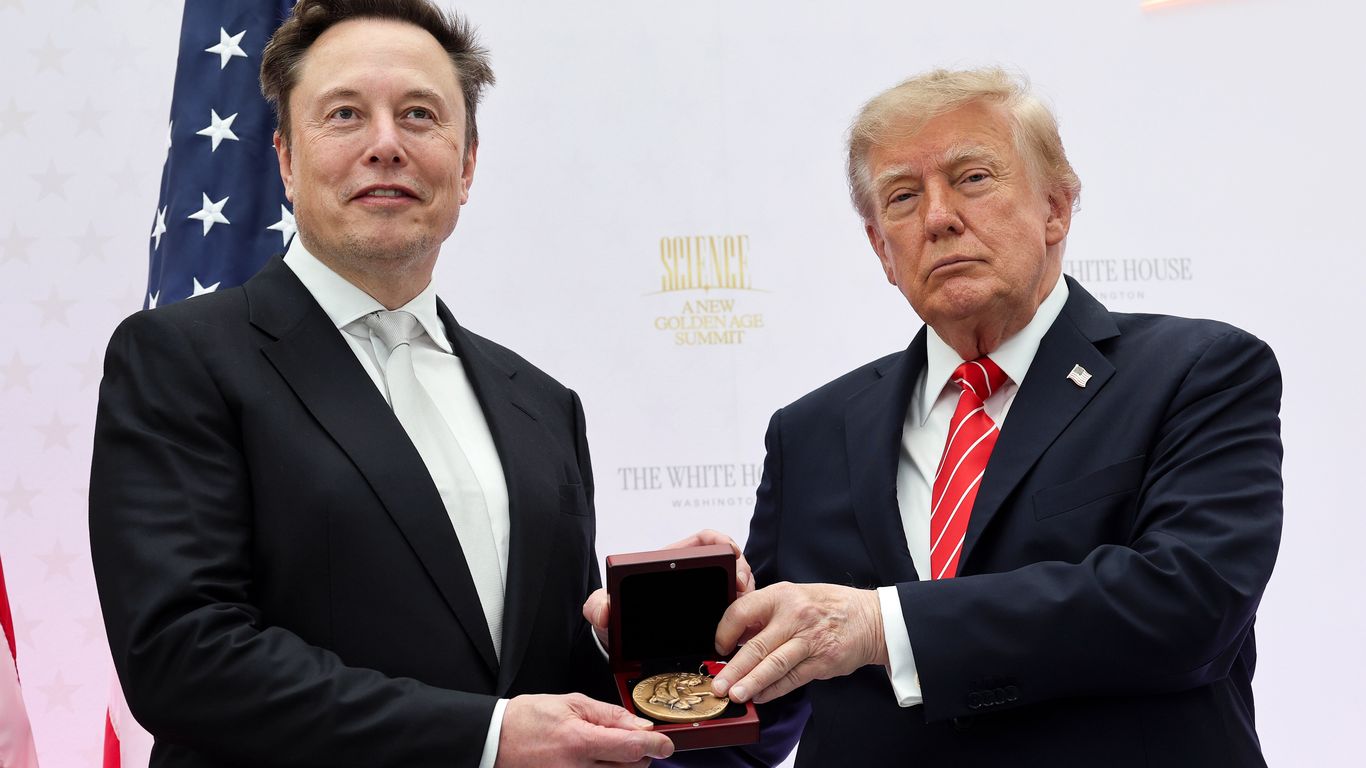
President Trump said Monday he'd move to protect Elon Musk if Democrats investigate the SpaceX and Tesla CEO after midterm elections. He also suggested the possibility of pre-emptive pardons for staff and others around him if Democrats win the election. Why it matters: Trump is positioning himself for a combative final two years in the White House, as polls increasingly point to the prospect of a significant blue wave. What they're saying: In an interview for the "Pod Force One" podcast published early Monday, host Miranda Devine asked Trump about rumors of Musk being investigated or having assets seized. "It's talk. But if it is talk, we'll have to protect them," Trump said. He went on to say he wouldn't hesitate to pardon staffers if he thought Democrats were pursuing them. Editor's note: This is a breaking news story and will be updated with more information.

Journalists such as Jim Acosta and Scott MacFarlane are now competing against their former employers for eyeballs On Tuesday, for the first time in more than 20 years, Jim Acosta, a former CNN stalwart, will not be working for a mainstream television network on election night. Acosta, who left CNN last year after nearly 18 years at the network, is putting on his own live broadcast at the University of Virginia that will air on YouTube and his Substack platform. Continue reading...

The post “Chaos” in the Air: Five Ways Voting Could Be Disrupted on Election Day appeared first on ProPublica .
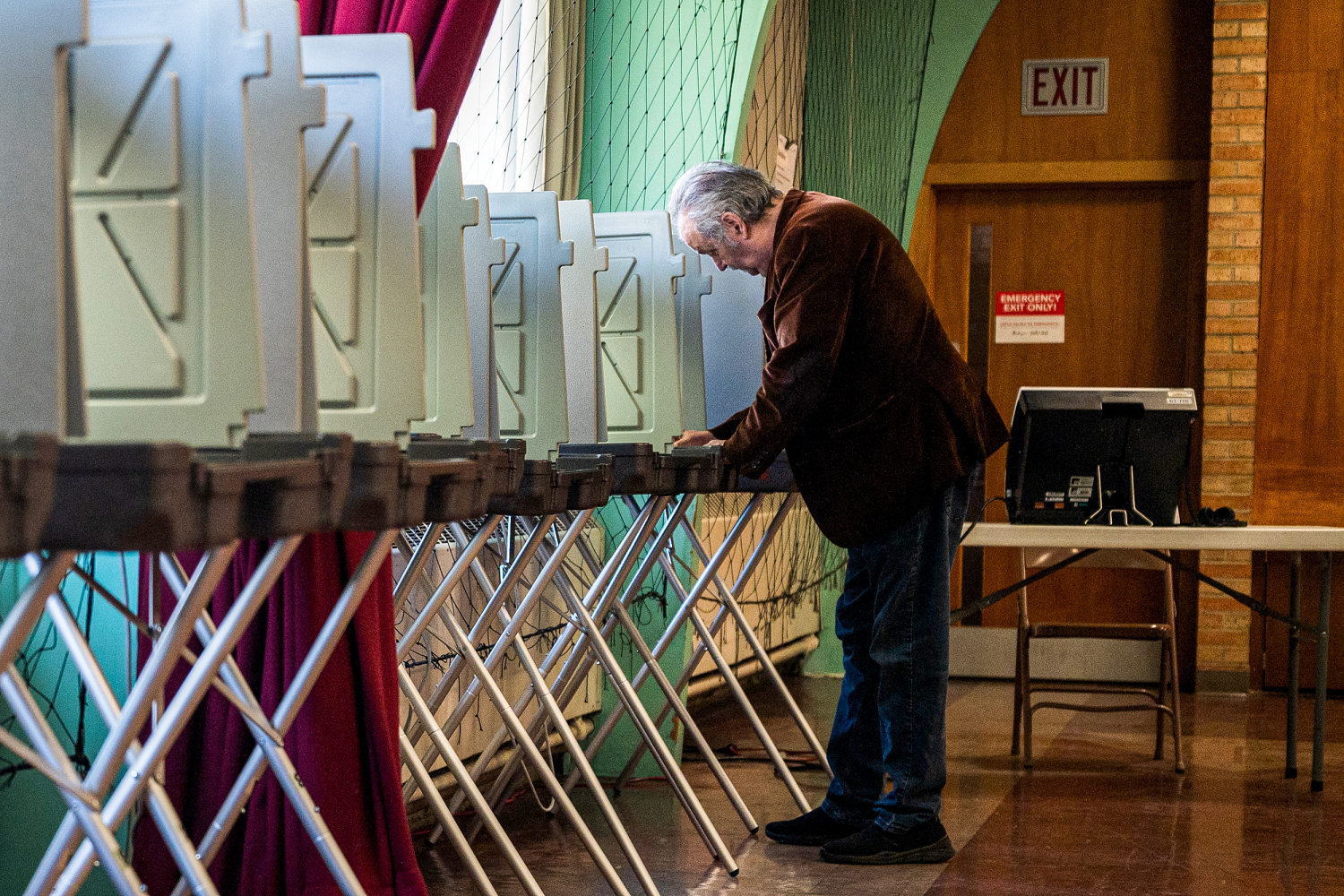
On Election Day, Americans will answer the question of whether they’re better off than they were two years ago when they cast ballots in the midterms.
Polls show some kind of “wave” seems likely for the Democrats in this midterm election. But will it translate into Democrats flipping the House and Senate? Nate Cohn, our chief political analyst, outlines four possible scenarios.

Former vice-president has not yet ruled out another run for the Democratic nomination as she campaigns for others in the midterm elections Two years on from her devastating presidential election defeat, Kamala Harris was greeted like a rockstar as she took the stage before a rapt audience at Georgia’s Clark Atlanta University. When a politician is greeted by a friendly crowd, they often hear chants of their name. But at Clark, an historically-Black college (HBCU), students instead delivered a school spirit chant for the Atlanta University Center, celebrating an HBCU alumna – and the country’s first female and first Black vice-president – as one of their own. Continue reading...

Despite the US president’s ratings being at rock bottom, undoing his legacy will be difficult, not least because the Democrats are in disarray The stats and polling all suggest one thing: the Republicans are set for a hammering in the midterms. Donald Trump has the lowest approval rating of any US president going into a midterm election since Harry Truman. And it’s still dropping. The Democrats are projected to win by a margin of 11 percentage points , the largest swing by any party in almost 20 years. It is possible that the Democrats flip the Senate and secure a large majority in Congress. Those majorities would make a material difference, perhaps finally establishing oversight of the policies Trump has brought in during his second term: immigration enforcement, trade disputes, gutting the federal workforce, the Iran war, to say nothing of his own family’s corruption. The tide seems to be turning, and one question is on everyone’s mind: is the Trump era really ending? “Nobody wants to jinx it,” wrote David Wallace-Wells of the New York Times, but: “All the signs we have suggest that, historic or not, these midterms are likely to mark the end of a political era.” What that gives way to is a much more complicated picture in which the US will be delivered from Trump himself, but remains a country riven and undermined by what he has unleashed. By the time he is gone, Trump will have been president for eight years, and a toxic force for more than 12. That is a long time even for a normal politician. Under one who shatters norms and forces himself into the centre of everything, Trump’s effect is as if he were president for decades. Continue reading...

Similar protests date to the 1970s, but their focus has evolved over time. Sunday’s event was prompted by a former Cornell University student’s lawsuit alleging she was raped.

Pennsylvania Gov. Josh Shapiro 's chances of being a presidential contender in 2028 are riding on his winning reelection in a landslide Tuesday. New York Rep. Alexandria Ocasio-Cortez 's future hinges on whether a fellow progressive can carry a swing state, for once. California Gov. Gavin Newsom has to show that his congressional redistricting gambit worked for Democrats — and he needs to beat back a state wealth tax proposal supported by Sen. Bernie Sanders (I-Vt.). Driving the news: Democrats eyeing White House runs have spent the past year preparing to emerge from Tuesday's midterms with momentum, and an argument for a 2028 candidacy. They want Democrats to do well — but to each, some races are especially important. Some have focused their time and money on particular contests for ideological reasons, or a desire to show strength in their home states. Others have hedged their bets across the nation, so that Tuesday is unlikely to be a huge victory or a significant defeat. Here's how the top potential Democratic contenders for president have placed their bets in this week's elections — and what success or failure will look like for them. Alexandria Ocasio-Cortez A great night: AOC has wagered just about everything on the Senate race in Michigan, where she's said that a win by progressive Abdul El-Sayed would "break open the entire political calculus in America" and show that "anybody can win anywhere." She's weighing whether to run for president or the Senate, and much of her electability argument for a national campaign hinges on an El-Sayed victory. Progressives are desperate to establish that one of their own can carry a presidential battleground state. Ocasio-Cortez has contributed $1 million to help El-Sayed and stumped for him at several events. An El-Sayed victory "would prove to the country, and the world, that competent, courageous progressive populists can win in the most competitive swing states in America," said Bhavik Lathia, a left-wing strategist fr