
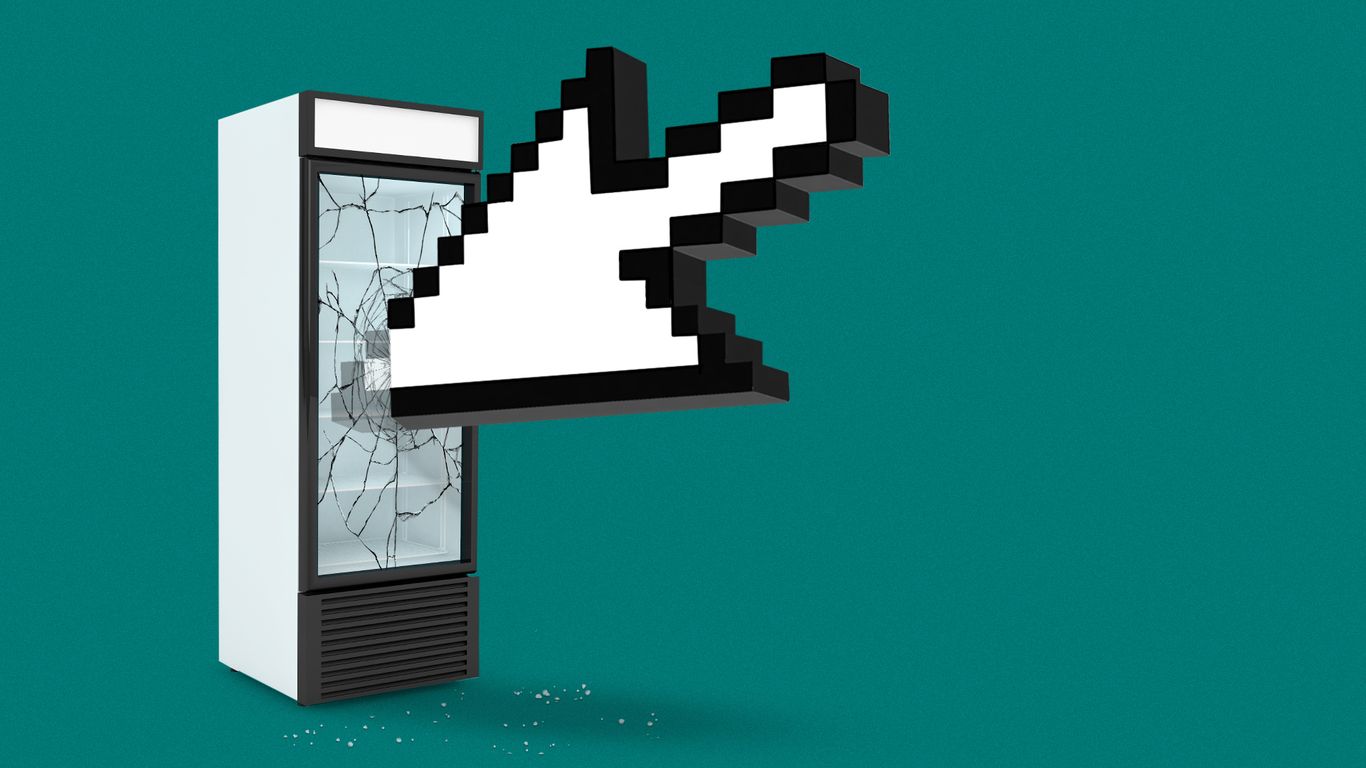
The French government has blamed an Iranian military hacking unit for cyberattacks that disrupted refrigeration systems at roughly 700 grocery stores and other retail locations last month, causing food losses and at least 15 fires. Why it matters: The attacks underscore how Iranian government hackers are moving beyond stealing data and disrupting websites to manipulating the physical equipment that keeps essential services running. Driving the news: France's Ministry for Europe and Foreign Affairs attributed the Oct. 11–12 attacks to Iran on Monday, calling them the country's first cyberattack campaign conducted purely for sabotage on French territory. The government's Cyber Crisis Coordination Center specifically attributed the attacks to Shahid Kaveh, a hacking unit within Iran's Islamic Revolutionary Guard Corps. Hackers manipulated refrigeration equipment to raise temperatures, causing tens of millions of euros in food losses and at least 15 fires, according to French officials. The same operation also targeted equipment at small hydroelectric facilities in France, with limited effects, according to an intelligence report. Yes, but: The French government has not publicly attributed a separate wave of refrigeration attacks that occurred last week to the same hackers. Zoom in: French intelligence linked Shahid Kaveh to several online hacktivist personas, including CyberAveng3rs and Soldiers of Solomon, that publicly claim responsibility for the unit's operations. Investigators found that infrastructure used in the refrigeration attacks was also used to scan industrial equipment using techniques previously associated with Shahid Kaveh. They also found traces of Farsi in the attack infrastructure and identified a propaganda outlet linked to the unit that publicized the attack. The big picture: Iran has a history of targeting industrial equipment in cyber operations, including American water systems and Israeli refrigeration equipment. French intelligence linked Shah
Results for “france blames”
European far-right leaders quick to distance themselves from Donald Trump and stress their own priorities Europe live – latest updates US midterms live – latest updates The historic Republican defeat in the US midterm elections has forcibly reminded Europe’s far-right leaders of their perennial Donald Trump dilemma: they may love his nativist agenda, but the man himself is a toxic electoral liability. Since his re-election in 2024, European populist leaders such as Marine Le Pen in France and Giorgia Meloni in Italy have carefully calibrated their public postures towards the US president, walking a delicate transatlantic tightrope. Continue reading...

Tyler Robinson's lawyers cite Trump's Truth Social post slamming the judge as they renew efforts to block cameras from the Charlie Kirk case hearing.
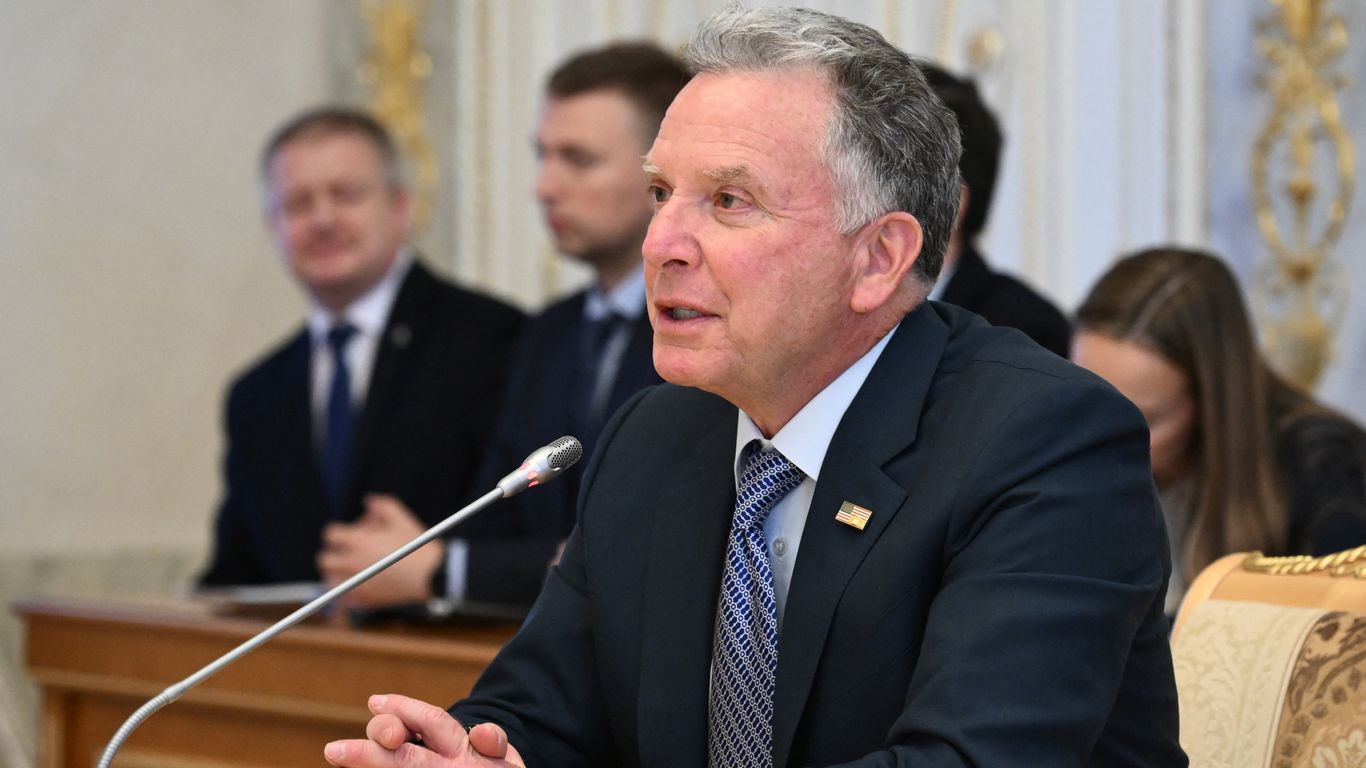
The U.S., Russia and Ukraine will hold peace talks in Abu Dhabi on Nov. 10-11 in an effort to reach a breakthrough on a deal for ending the war. Why it matters: U.S. officials say the meeting to restart a diplomatic effort suspended in February due to the war in Iran is a result of talks Presidnt Trump's envoys Steve Witkoff and Jared Kushner held with Ukrainian President Volodymyr Zelensky and Russian President Vladimir Putin in recent weeks. The White House hopes Putin will be more willing to compromise after Trump agreed to lift sanctions on Russian diesel sales and took other steps welcomed by Moscow. So far, Putin's only apparent concession is agreeing to resume talks. The parties remain far apart, particularly over territory. Russia's escalating attacks on Ukrainian cities and Putin's refusal to agree to a ceasefire casts doubt on prospects for progress. Zelensky said on Monday Ukraine has intelligence that Russia is preparing another massive attack against its energy and logistics facilities on Tuesday "when the world will be watching the American midterms". Driving the news: Kushner and Witkoff will lead to U.S. delegation for the talks in Abu Dhabi. "Discussions will focus on post-war security arrangements, de-escalation, humanitarian efforts, and next steps toward peace," Witkoff said in a statement. Witkoff added that lower-level U.S. officials will meet this week in Brussels with representatives from France, Germany, the United Kingdom, the EU, and NATO to discuss security guarantees for Ukraine, Europe's post-war security architecture, and economic opportunities to support Ukraine's reconstruction. "We look forward to building on the progress made in Kyiv, Oslo, and St. Petersburg toward a comprehensive, durable peace agreement that delivers lasting security for generations to come," Witkoff said.
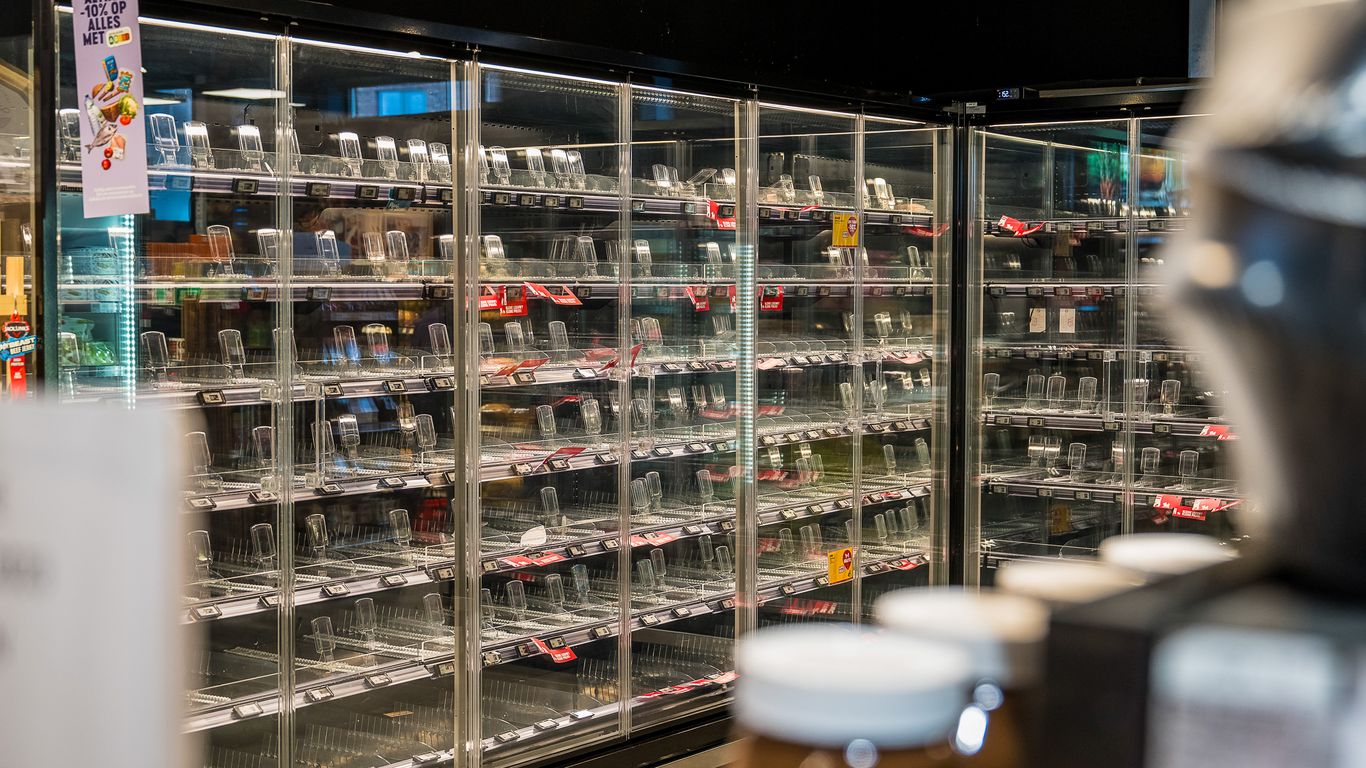
Cyberattacks are wreaking havoc on an unlikely target across Europe: supermarket refrigerators. Why it matters: Hackers are turning everyday, internet-connected equipment into physical hazards, spoiling food and causing costly damage. U.S. supermarkets use similar technology, and the Pentagon is already investigating suspected cyberattacks involving refrigeration systems at six military commissaries. Driving the news: Suspected cyberattacks sent refrigerator and freezer temperatures soaring at dozens of European supermarkets overnight, spoiling food and threatening costly losses. Grocery chains Ahold Delhaize and Colruyt reported incidents affecting stores in Belgium and Luxembourg, while Swedish chains ICA and Coop reported similar disruptions, per Reuters . A Belgian company that operates Delhaize's refrigeration systems said hackers switched the units into defrost mode. Here's what to know. Supermarkets hacked in Europe Supermarkets in Belgium, Estonia, Finland, Ireland, Luxembourg, the Netherlands and Sweden reported cyberattacks or IT disruptions, forcing some stores to discard spoiled food. Dozens of stores were affected, including an ICA supermarket in Sweden that said hackers set its refrigerator and freezer temperatures to 122°F, per ABC News . Authorities haven't shared who specifically is behind the attacks, per NBC News . Empty refrigerated shelves at a Proxy Delhaize supermarket in Maleizen, Belgium, following a refrigeration outage. Photo: Wiktor Dabkowski/Bloomberg via Getty Images Flashback: The incidents follow similar attacks in France last month, when hackers seized control of hundreds of refrigeration units, causing fires and spoiling food. It's unclear whether the attacks are connected. What they're saying: France's finance minister Roland Lescure said at the time that the attack "touches the heart of our food security." "It was a wake-up call for everyone," he said. How fridges get hacked How it works: Hackers aren't opening up each individual
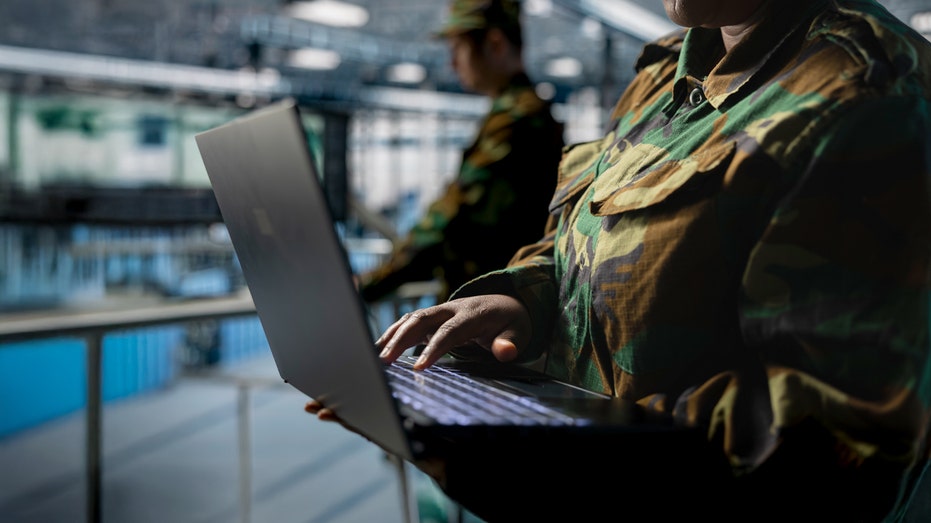
Army investigators are probing whether a cyberattack caused mysterious freezer failures that spoiled food at U.S. military bases and may be linked to similar incidents in France.
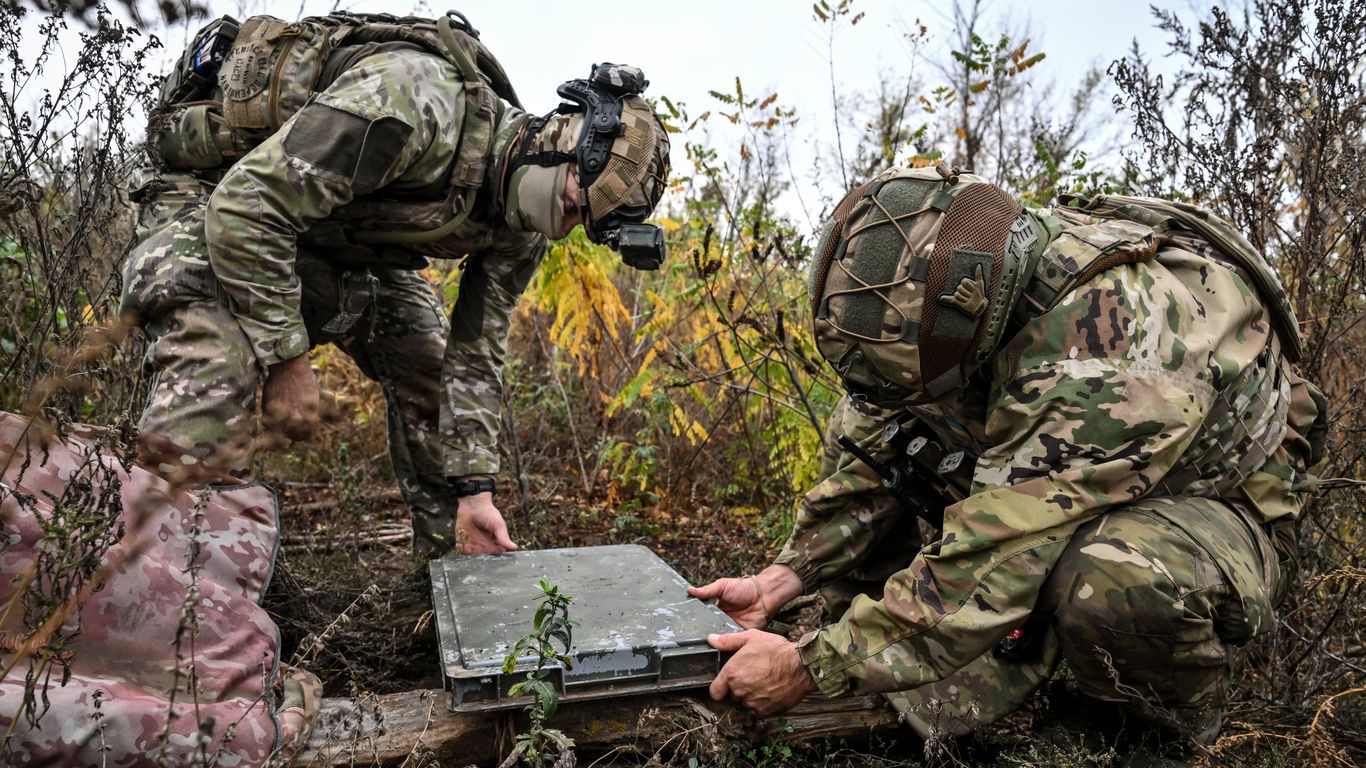
Rival satellite companies are jockeying to loosen Elon Musk's grip on battlefield communications after his company's restrictions on Ukraine's Starlink service shook officials in Europe and the U.S. Why it matters: The episode, which temporarily disrupted Ukraine's drone usage, shows how vulnerable a military can be to the whims of a single company or market dominator. State of play: Musk's SpaceX, which is the parent company of Starlink, is by far the world's leader in space-based connectivity with more than 11,000 satellites, per the American Enterprise Institute's data . Eutelsat, a France-based SATCOM firm, is behind them with more than 600 satellites in its OneWeb network. This summer, Starlink announced it hit 12 million customers across more than 160 countries and territories. SpaceX's massive lead has made it difficult for European countries that want to establish independence from the Musk-led company. Driving the news: Now, non-U.S. firms seeking to compete with SpaceX are pitching their services with more urgency. Last week, Finnish firms ICEYE and Nokia announced an agreement with Ukraine's defense ministry to explore "sovereign satellite communications." The duo's initial satellites are "expected to launch in 2028," an ICEYE spokesperson told Axios, adding the need for reliable satellite communications has been "evident for years, especially in Europe." "Modern warfare has proven that reliable communications are a matter of national security," Ukrainian President Volodymyr Zelenskyy said in the ICEYE-and-Nokia announcement. "We must all rely on capabilities that we can control." Zoom in: The Wall Street Journal reported last week that Musk ordered the slowdown of Ukraine's Starlink service. Other outlets have said the White House was involved, which President Trump denied. Musk responded on Oct. 24 that Ukraine "violated Starlink terms of service" by using it for offensive drone strikes. That "loophole," he added, was recently "closed." Follow the money