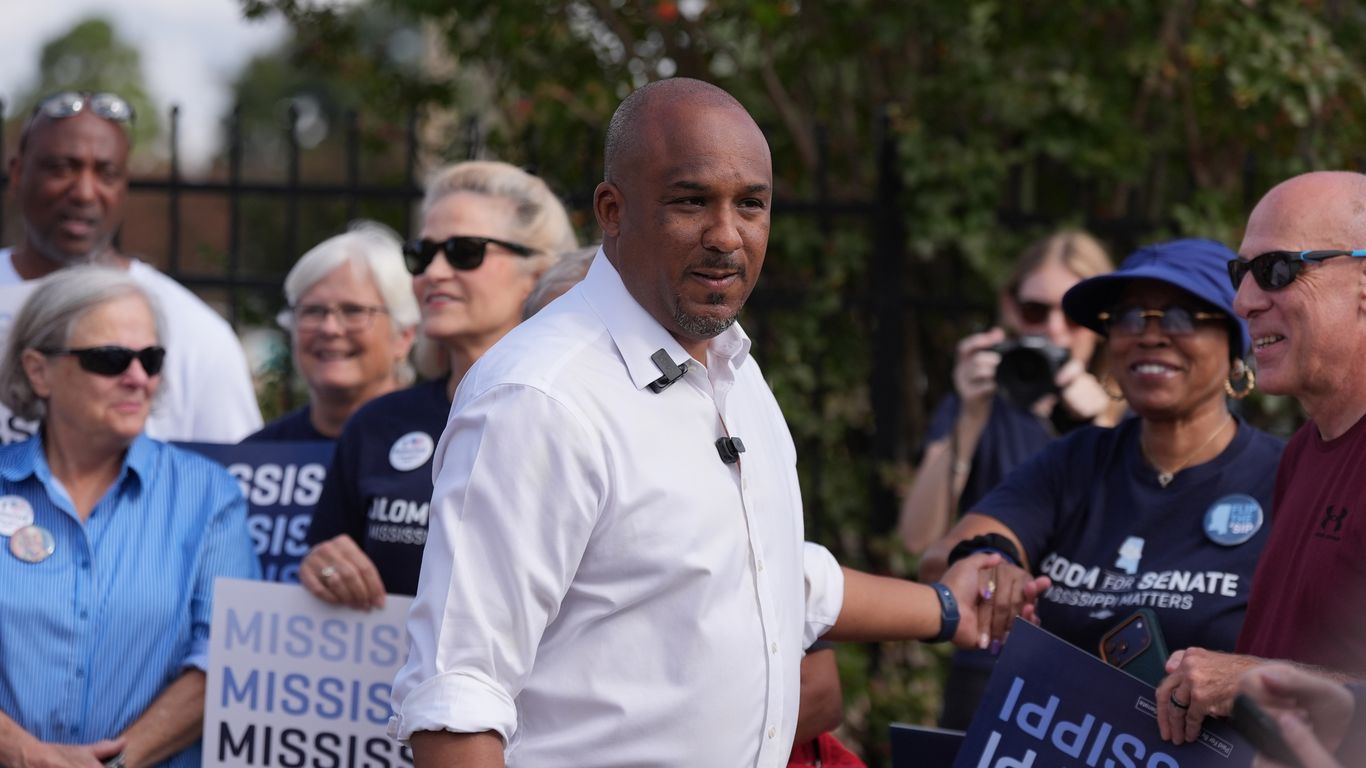
Democrat chatted up people at hair salons, colleges and at Trump rallies to become Mississippi’s first Black senator since Reconstruction The ad is simple, less than half a minute long, but many say it was the moment the nation took notice of Mississippi ’s US Senate race. In it, the incumbent Republican senator Cindy Hyde-Smith, a cattle farmer, answers a reporter’s question about the rising price of beef : “You know, you have so many proteins to choose from,” she says. Continue reading...
Results for “scott colom”
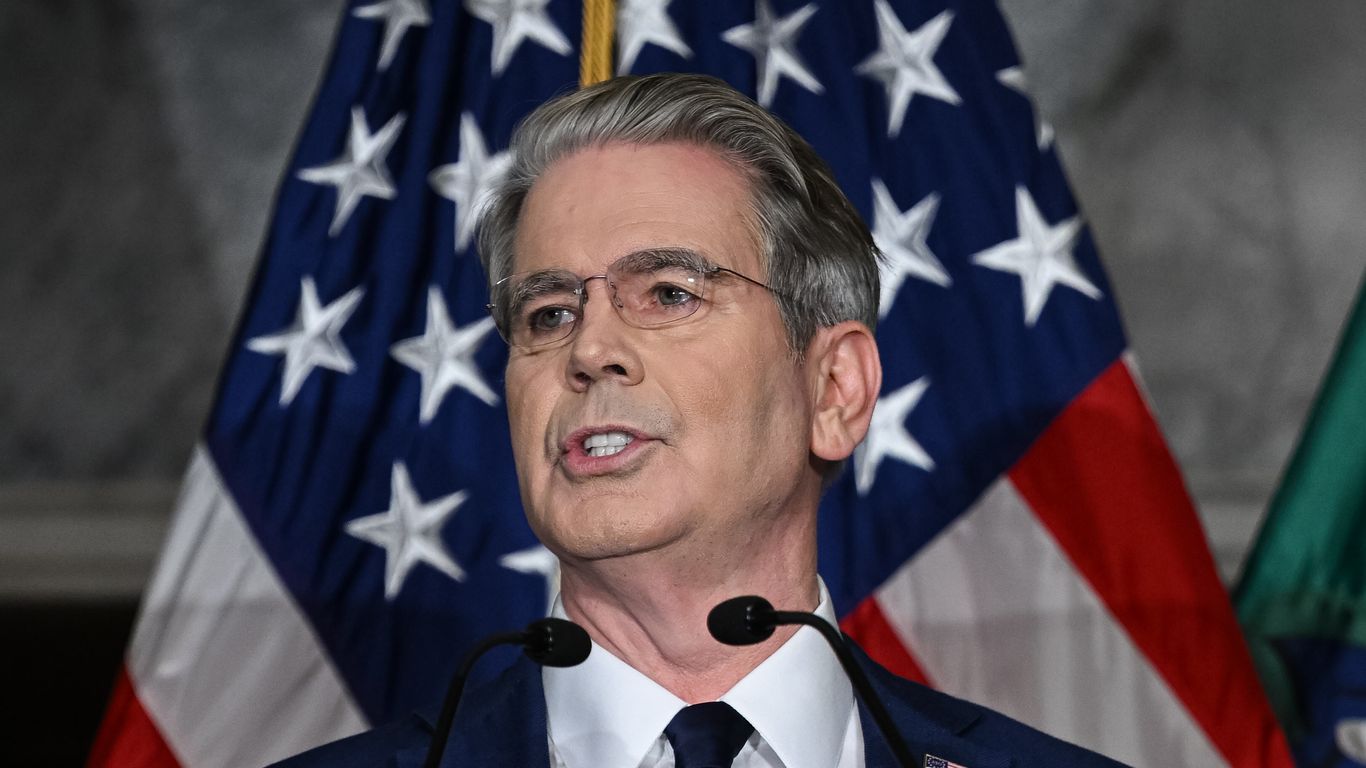
A tally of late-arriving mail-in ballots and ballots that had been cast provisionally proved critical in handing an upset victory to Scott Colom in Mississippi.
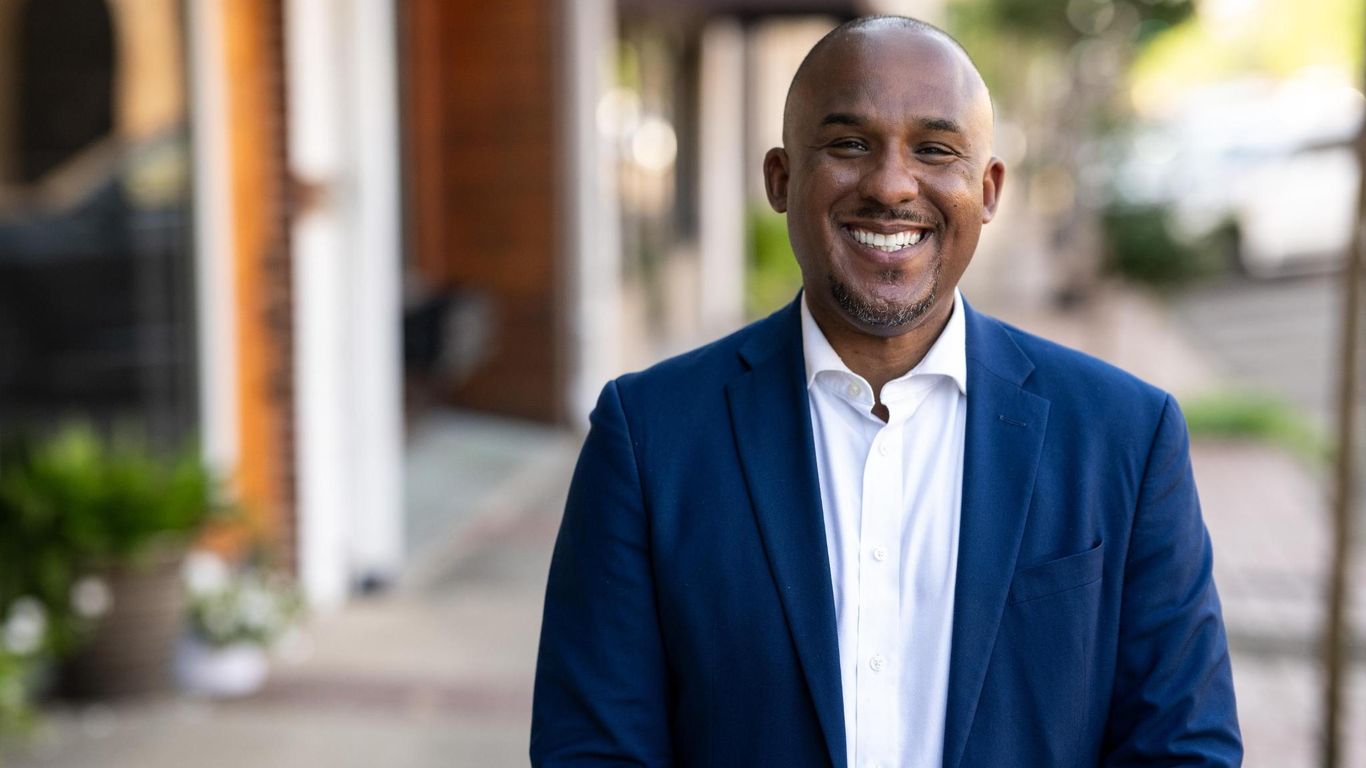
Mr. Colom, a prosecutor, will become the first Black senator elected from Mississippi since Reconstruction, more than 150 years ago.
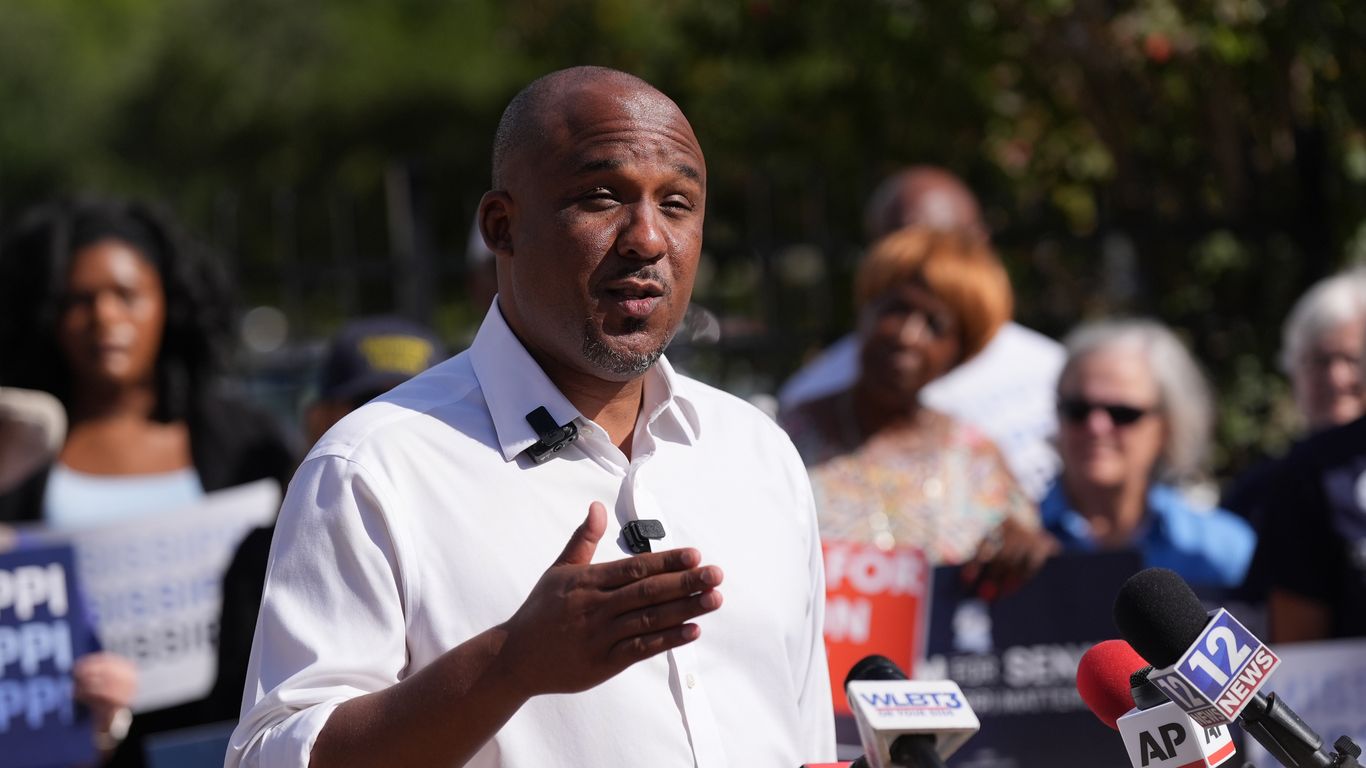
Democrat Scott Colom defeated Republican Sen. Cindy Hyde-Smith in a stunning Mississippi upset , becoming the first Democrat elected to the state's Senate delegation since 1982, AP projects. Why it matters: Colom's victory marks another extraordinary breakthrough for Democrats in the Deep South, extending the historic blue wave that handed the party control of both chambers of Congress. Colom also becomes Mississippi's first Black senator since Reconstruction. Hiram Rhodes Revels became the nation's first Black senator in 1870. Mississippi's last Black senator, Blanche K. Bruce, served until 1881. Catch up quick: The race remained too close to call after Election Day, with Colom's victory expanding Democrats' 55–44 advantage over Republicans in the Senate. The big picture: Colom's victory followed a late surge of Democratic spending and organizing in a state Trump carried by 23 points in 2024. Hyde-Smith faced warning signs in the campaign's closing months, when Colom raised twice as much as the GOP senator despite her overall cash advantage. She was also outspent on TV advertising , with a flood of ads from left-leaning PACs and super PACs pushing support for Colom and attacking the senator for her vote not to release files related to the convicted human trafficker Jeffrey Epstein. Hyde-Smith's campaign also faced criticism over an interview she gave to WLOX-TV in Jackson, Mississippi, where she fumbled an answer about the price of beef, saying that Mississippians had "so many other proteins to choose from." Colom's campaign capitalized on her blunder, creating a viral campaign ad urging voters to "choose another senator." The GOP made a late push to help Hyde-Smith, including President Trump speaking at a rally for her in Alcorn County, where he won by 68% in 2024. But it wasn't enough. Hyde-Smith's term will end after eight years. She was appointed to the Senate in 2018 by then-Mississippi Gov. Phil Bryant, and ran for a full term in 2020, where she bested her De
Democrat Scott Colom has won election to the U.S. Senate in Mississippi, according to a race call by the Associated Press, defeating Republican Sen. Cindy Hyde-Smith.
Scott Colom, a Democrat and prosecutor, is the first Black senator elected from Mississippi since the post-Civil War Reconstruction period.
NPR's Scott Detrow speaks with Max Kennedy, son of Robert Kennedy Sr., about the Kennedy family's lawsuit to halt the construction of President Trump's 250-foot arch near Arlington National Cemetery.
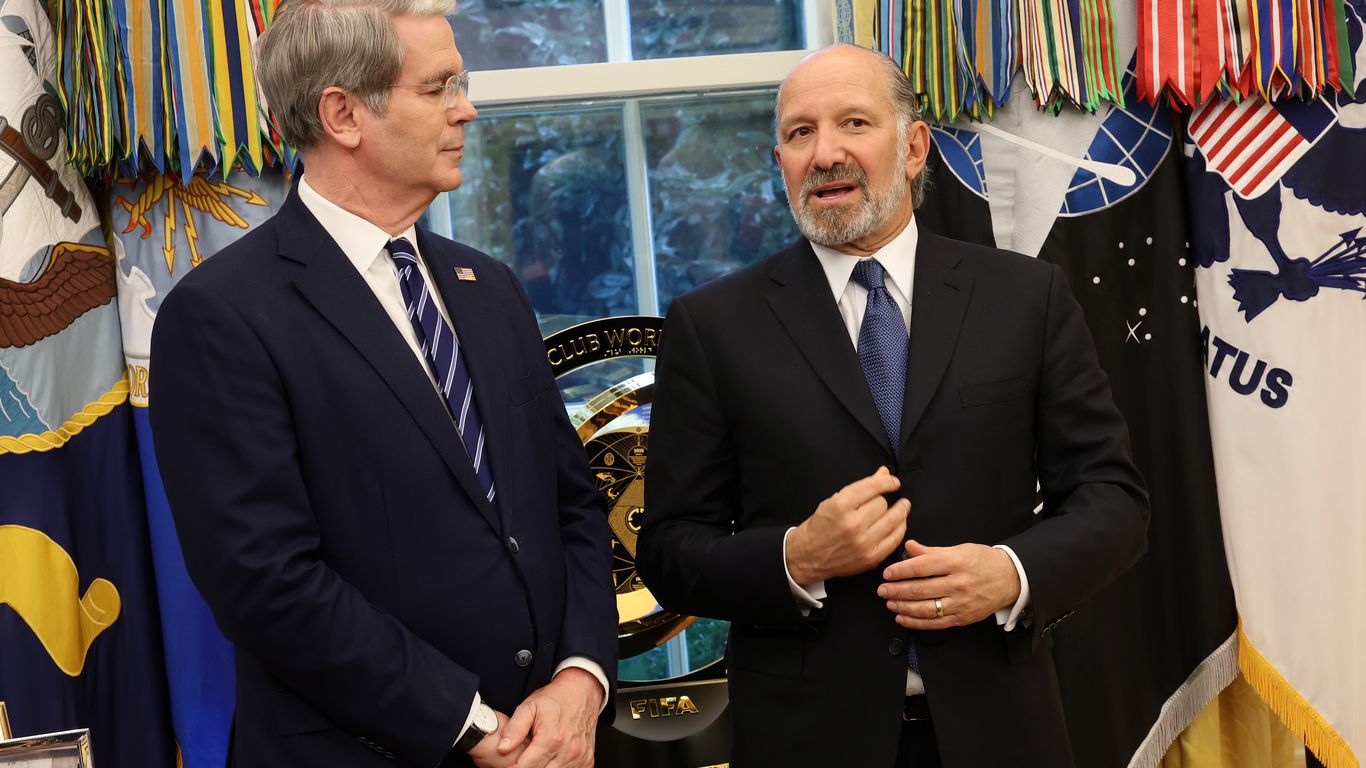
President Trump on Thursday authorized a crack down on companies suspected of diverting Nvidia's advanced AI chips to China for the third time this year — even consulting Elon Musk before giving the go-ahead. One administration official has repeatedly stood in the way: Commerce Secretary Howard Lutnick. Why it matters: This standoff illustrates a breakdown in efforts to keep American technology out of China's hands as the world wonders why the Trump administration has not taken action against the company at the center of suspected chip smuggling — and an espionage scandal. This report was assembled from interviews with six high-level sources who were briefed on or, in some cases, heard the discussions. Inside the room: On Thursday, as the spy scandal rocked the administration, Lutnick met in the Situation Room with Treasury Secretary Scott Bessent, Defense Secretary Pete Hegseth, U.S. Trade Representative Jamieson Greer and National Security Adviser and Secretary of State Marco Rubio. During the meeting, Bessent confronted Lutnick about why his department has resisted implementing the export controls, particularly on Megaspeed, the company at the center of the spy scandal. The group sided with Bessent. Lutnick appeared to agree, but then muttered under his breath, "I need to check with the president." Friction point: Lutnick's seemingly innocuous comment raised concerns, the sources said, because officials have repeatedly believed the Commerce Department would impose the export controls, only to have nothing happen. "He's stalling it out," said one official, describing how Lutnick had previously met privately with the president to change his mind about the export limit. "This is an ongoing concern with Howard and this issue," said another. This time , one person in the room called his bluff by saying: "Great. Why don't we do it today?" Around 5pm, the group headed to the Oval Office. Trump called tech advisor Elon Musk and agreed to move forward. Musk supported Rubi
Treasury Secretary Scott Bessent confronted Commerce Secretary Howard Lutnick over a failure to place Nvidia customer Megaspeed on a list of companies that pose national security concerns, sources familiar told Axios. Why it matters: The Commerce Department oversees the export of sensitive U.S. technologies and Lutnick's actions — or lack thereof — are increasingly under scrutiny following revelations that Nvidia CEO Jensen Huan g had an affair with Megaspeed employee and suspected Chinese spy Alice Huang. Driving the news: At a White House Situation Room meeting on Thursday after the midterm elections, Bessent pressed Lutnick on why Megaspeed was had not been added to the Commerce Department's entity list, to which Lutnick responded he would "look into it." Commerce Undersecretary Jeff Kessler also was repeatedly warned about Megaspeed in deputy meetings. But sources told Axios that Lutnick has spent the last year "undoing" efforts by other administration officials to hold Megaspeed — a company accused of illegally diverting U.S. chips to China — accountable because of concerns it would escalate the trade war with China. Catch up quick: The Commerce Department is increasingly at the center of scrutiny over the broader Trump administration's handling of an intelligence memo overseen by State Department head Marco Rubio. Lutnick was among the officials who received the report in May, ahead of a trip to China, Axios first reported. On Tuesday, the New York Times reported Commerce Undersecretary Kessler abruptly stopped an investigation into Megaspeed after Nvidia intervened. The Financial Times reported the department was delaying efforts to blacklist Megaspeed despite several U.S. government agencies pushing it to do so. Inside the room: White House and intelligence officials have pressed Lutnick and his top advisers to take action against Megaspeed since the fall of 2025, sources tell Axios. But they refused, so Bessent spoke up Thursday. "How come Megaspeed isn't o
Get all the stories you need-to-know from the most powerful name in news delivered first thing every morning to your inbox.
The tight race between Senator Cindy Hyde-Smith and her Democratic challenger, Scott Colom, has highlighted the difficulties that stringent elections laws present to voters.
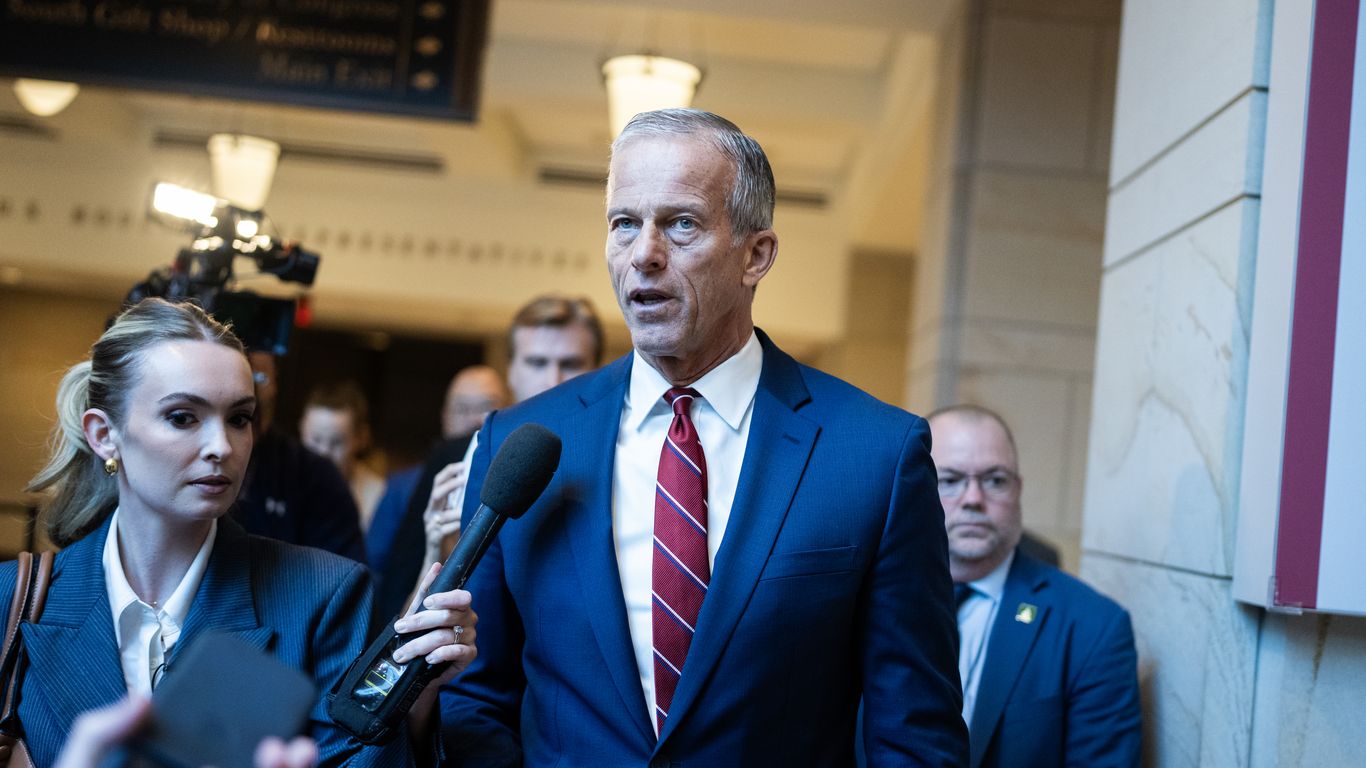
Seven Republican senators now are calling for their leadership elections to be delayed — with one even promising to walk out rather than vote Tuesday. Why it matters: Senate Majority Leader John Thune (R-S.D.) is still expected to be reelected to lead the Senate GOP tomorrow. But the growing push to delay is a sign of troubles ahead. Driving the news: Sens. Ron Johnson (R-Wisc.), Rick Scott (R-Fla.), Mike Lee (R-Utah), Ted Budd (R-N.C.) and John Kennedy (R-La.) all signed a letter demanding that the leadership elections be delayed to allow for more discussion about what went wrong for the party last week. Sens. Dave McCormick (R-Pa.) and Jim Banks (R-Ind.) backed them up in statements posted on X. Johnson threatened to skip the vote if the delay doesn't happen. Between the lines: The decision technically falls to conference chair Tom Cotton (R-Ark.) — though it's usually made with leadership buy-in. The election is expected to be held as planned Tuesday morning unless a senator motions to delay and it passes with a majority — which seems unlikely with the number of public supporters, according to a source familiar with the planning discussions. Despite the arguments that Thune should not get to lock in his leadership so quickly, no one has thrown their hat in the ring to challenge him. The bottom line: At this point, none of the leadership elections are competitive. Senate Majority Whip John Barrasso (R-Wyo.), Conference Chair Tom Cotton (R-Ark.) Policy Committee Chair Shelley Moore Capito (R-W.Va.) and Conference Vice Chair James Lankford (R-Okla.) are expected to keep their spots as Nos. 2, 3, 4 and 5 atop the conference. Moreno is the sole candidate for NRSC chair.
Blue Angels pilot Scott Laux was removed for failing to uphold team standards, forcing the squadron to fly five jets at its Pensacola season finale.
The echoes of history surround Scott Colom’s final push toward victory, but assembling the coalition that propelled him took hard work after many Democratic misses.
Americans on both sides of the political aisle are watching the nail-bitingly close Mississippi Senate race , where a controversial voter-roll cleanup has come under scrutiny after some voters reported problems casting their ballots. Why it matters: The cliffhanger has exposed concerns about relying on third-party data to determine where voters live and how states maintain voter rolls. Republican Sen. Cindy Hyde-Smith and Democrat Scott Colom are locked in a razor-thin race to be the state's junior senator. As of 2 p.m. ET Friday, Colom led by a little over 2000 votes, according to Associated Press data. The big picture: More than 230,000 Mississippians were listed as inactive ahead of the midterms, according to an analysis by Mississippi Today. That's up from roughly 166,000 in the 2024 election, according to federal data . Those voters weren't removed from the rolls, but they were required to cast affidavit ballots in Tuesday's election. Election workers review those ballots after Election Day, checking voter information against registration records. In some cases, voters must verify their identity with their county circuit clerk's office, slowing vote counting and — in this case — determining the winner. The intrigue: The inactive voter total shot up after the state's March primaries, months after Secretary of State Michael Watson's office inked a $50,000 deal with credit reporting company Experian to help verify voter addresses. "The increase in inactive registrations across the state of Mississippi raised some concerns because it seemed unusually high compared to other cycles and in such a small amount of time," Thessalia Merivaki, an elections research expert and former professor at Mississippi State University, tells Axios. She says there were concerns about "how reliable" these data brokers are, and whether relying on them had "resulted in erroneously placing eligible voters on an inactive status." How it works: Experian's data was intended to flag voters wh
Scott Colom, the Democratic nominee, has kept his edge over the Republican incumbent, Cindy Hyde-Smith, as more provisional and mail ballots were reported throughout the state.
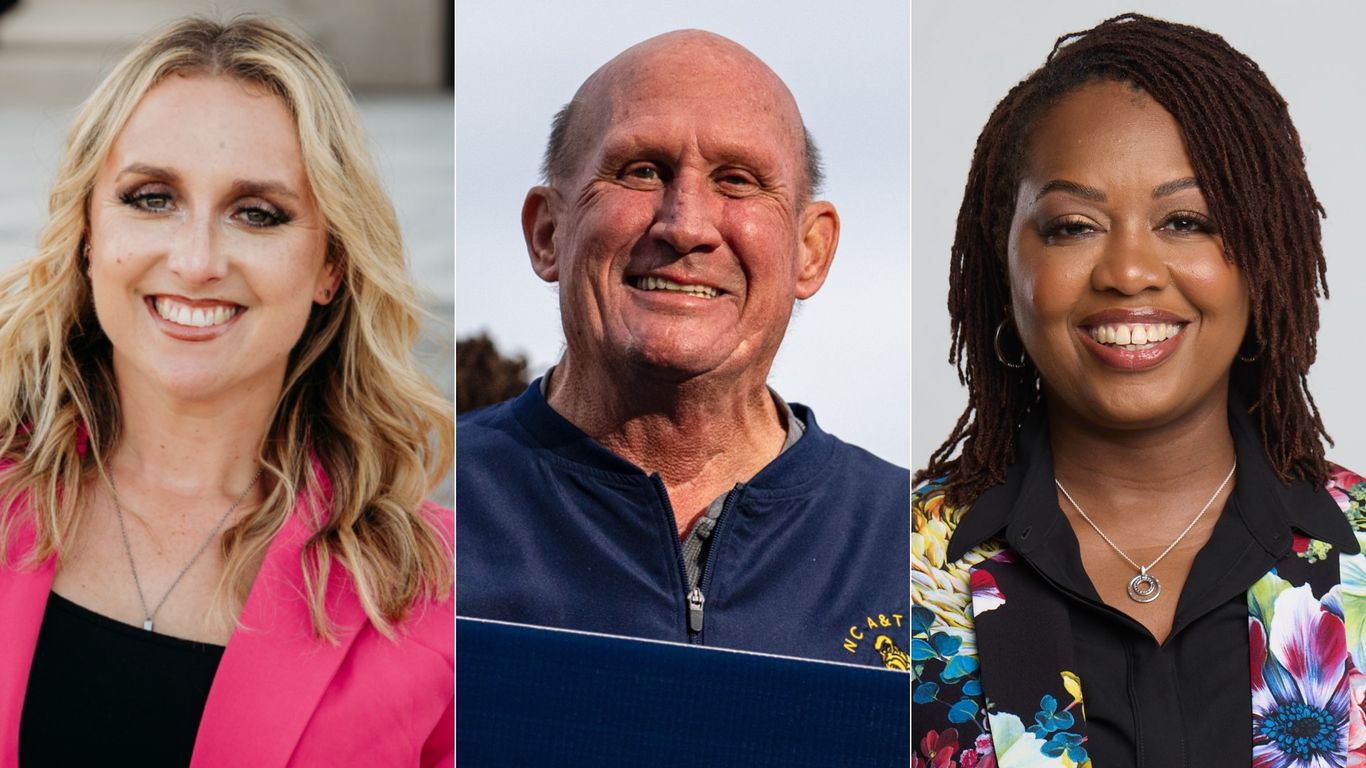
Tuesday's blue tsunami is poised to sweep an unusually large cohort of House Democrats into office who are virtually unknown outside of their districts. Why it matters: Obscure though these incoming lawmakers may be on Capitol Hill, they are poised to play a major role in determining the direction of the Democratic Party. House Democrats' progressive and centrist wings are both looking to recruit as many of these so-called "wave babies" as possible to grow their strength for the ideological fights ahead, Axios reported on Wednesday . Rep. Pramila Jayapal (D-Wash.), a co-chair of the Congressional Progressive Caucus' PAC, told Axios some of these candidates applied for her group's endorsement but didn't get it because "honestly.... the districts looked so tough." "We will definitely be reaching out to them," she said. What we're hearing: Several Democratic operatives told Axios they had to Google many of the candidates who won upset victories in North Carolina, Tennessee and elsewhere on Election Day. "Never heard of them," a senior House Democrat, who was involved in battleground House races, told Axios. Said another House Democrat: "I don't think they were on my radar, and they were not on any of the DCCC's targeted lists from what I am aware." Tennessee 4th: Victoria Broderick Photo courtesy of the Victoria Broderick campaign Perhaps the most stunning result of the night was Broderick's upset over longtime Rep. Scott DesJarlais in a seat President Trump carried by 24 percentage points in 2024. Broderick leads DesJarlais by just 280 votes but told Axios in an interview she is "100% confident" of victory and is "ready to be a representative." "There's a little shock, and there's almost a beauty in that. It's beautiful, it's poetic, for the district," said Broderick, a local activist and tech support worker. DesJarlais had regularly won in landslides since he was first elected in 2010, despite a history of scandals . GOP state legislators drew Republican voters out o
One of the biggest nail-biters of the 2026 election isn't playing out in a purple state, but crimson Mississippi, where Democrat Scott Colom is trying to pull off a Magnolia State marvel. The big picture: It's one of the most remarkable currents of Tuesday's blue wave. The race pitted Colom, a Democratic district attorney powered by grassroots clout, against incumbent Republican Cindy Hyde-Smith in a state Trump won by some 23 points in 2024. The big picture: The coalition Colom built with his viral ads and the historic tenor of his candidacy faces the ultimate Deep South test. The race remains too close to call. "The flag has already been planted in Mississippi that a new day has arrived, and whether these final votes carry Scott Colom into that victory column, we will find out," says Nadine Smith, president and CEO of Color Of Change. "But … change has arrived." Follow the money: Colom's was one of the red-state races that drew the attention of Florida attorney Steve Pajcic, whose family-run super PAC New Deal for All sought to boost Dems in under-the-radar races. Mississippi, where they invested around $1.1 million, was ideal "in size and in potential," he tells Axios. That money went far on Mississippi's less-expensive airwaves. The most-aired ad in the closing week featured an Epstein survivor condemning Hyde-Smith, Axios' Donica Phifer reported. New Deal for All paid for the ad, which inundated Mississippi's TV markets. Catch up quick: In October, Axios reported that Senate Republicans were weighing a cash infusion into the race. The GOP Senate Leadership Fund eventually made an investment. Democrats ' Senate Majority PAC announced a $1.2 million ad campaign, and Colom also drew party heavy-hitters like former Vice President Kamala Harris and former President Clinton for appearances. Former President Obama also cut an ad. Zoom out: The race's seismic nature is also fueled by history. Colom would be Mississippi's first Black senator since Reconstruction, and it
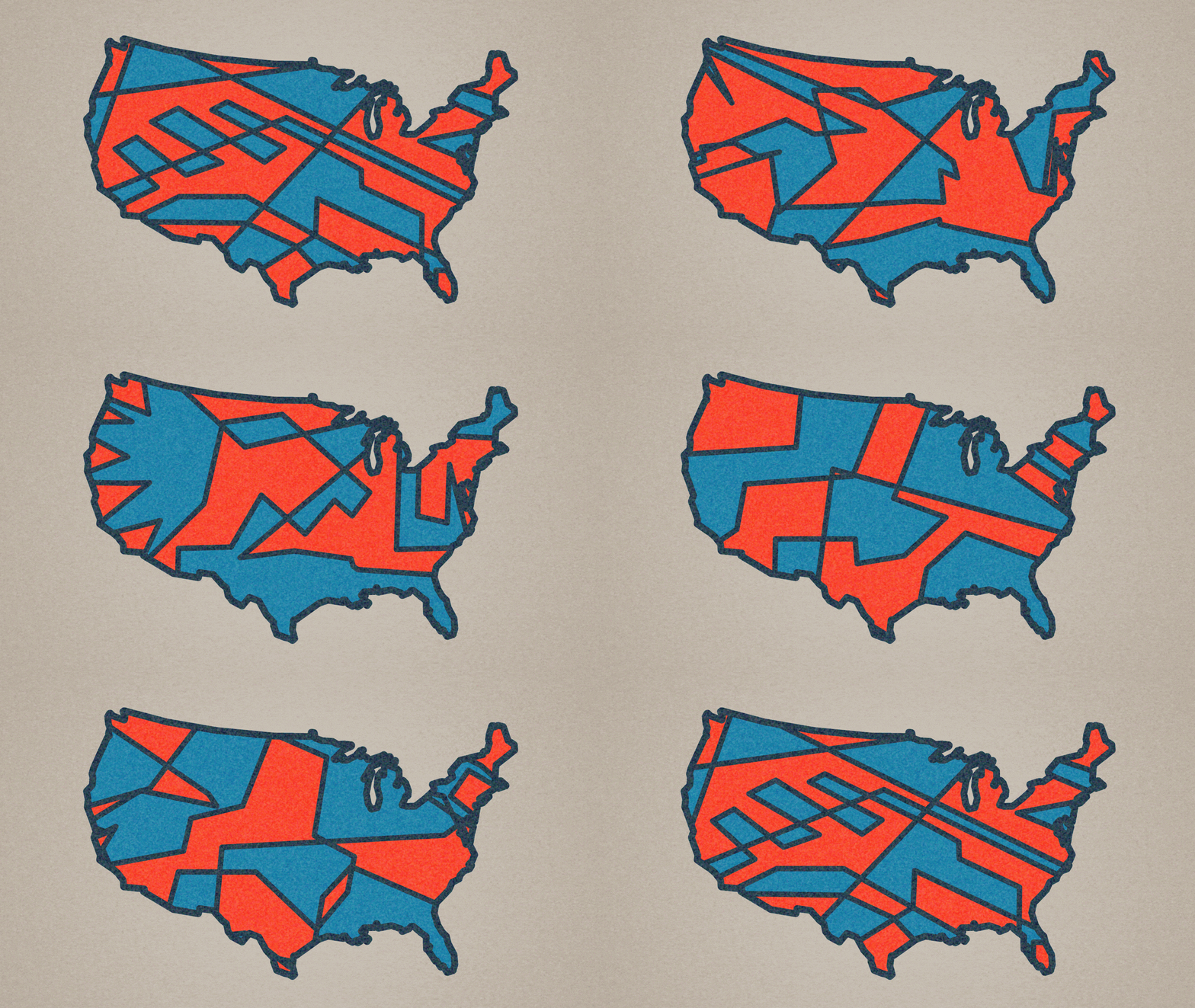
Republicans tried to save their House majority with a bold wave of mid-cycle redistricting. It failed in spectacular fashion on Tuesday. Why it matters: Republicans not only fell short of winning seats in several districts they redrew to favor their candidates, they put some GOP incumbents in danger of losing by spreading their support thin. Rep. Scott DesJarlais (R-Tenn.), who has mostly won landslide reelections since entering Congress in 2010, trailed his Democratic opponent by 200 votes, according to the Tennessee secretary of state's unofficial final results . Republican state legislators carved up his district in an effort to shore up neighboring Republicans, making his district nearly 20 percentage points less GOP-leaning. State of play: While Republicans succeeded in picking up a Democratic district in Tennessee to make up for that loss, they largely failed to pick up the seats they tried to make reliably Republican in other states. Florida: Republicans are set to go 0-for-4 in redistricted seats, failing to unseat Democratic Reps. Darren Soto, Kathy Castor and Jared Moskowitz, or capture a new seat that Democrat Pia Dandiya won. Texas: Republicans are set to narrowly win just one of the five districts they redrew heavily in their favor, with Democrats easily hanging onto several Rio Grande Valley and San Antonio-area seats. Ohio: Democratic Reps. Greg Landsman and Marcy Kaptur held on despite Republicans drawing them into more hostile territory. Alabama: Democratic Rep. Shomari Figures is also set for a comfortable win in a district Republicans had planned to fall into their hands. Louisiana: The district of retiring Democrat Rep. Cleo Fields, which Republicans made significantly more GOP-leaning will go to a December runoff between Democrat Patricia Moore and Republican Gabe Firment. One of the most stunning results of the night was Democrats' multiple apparent victories in North Carolina, where House candidates were boosted by Sen-elect Roy Cooper's stron
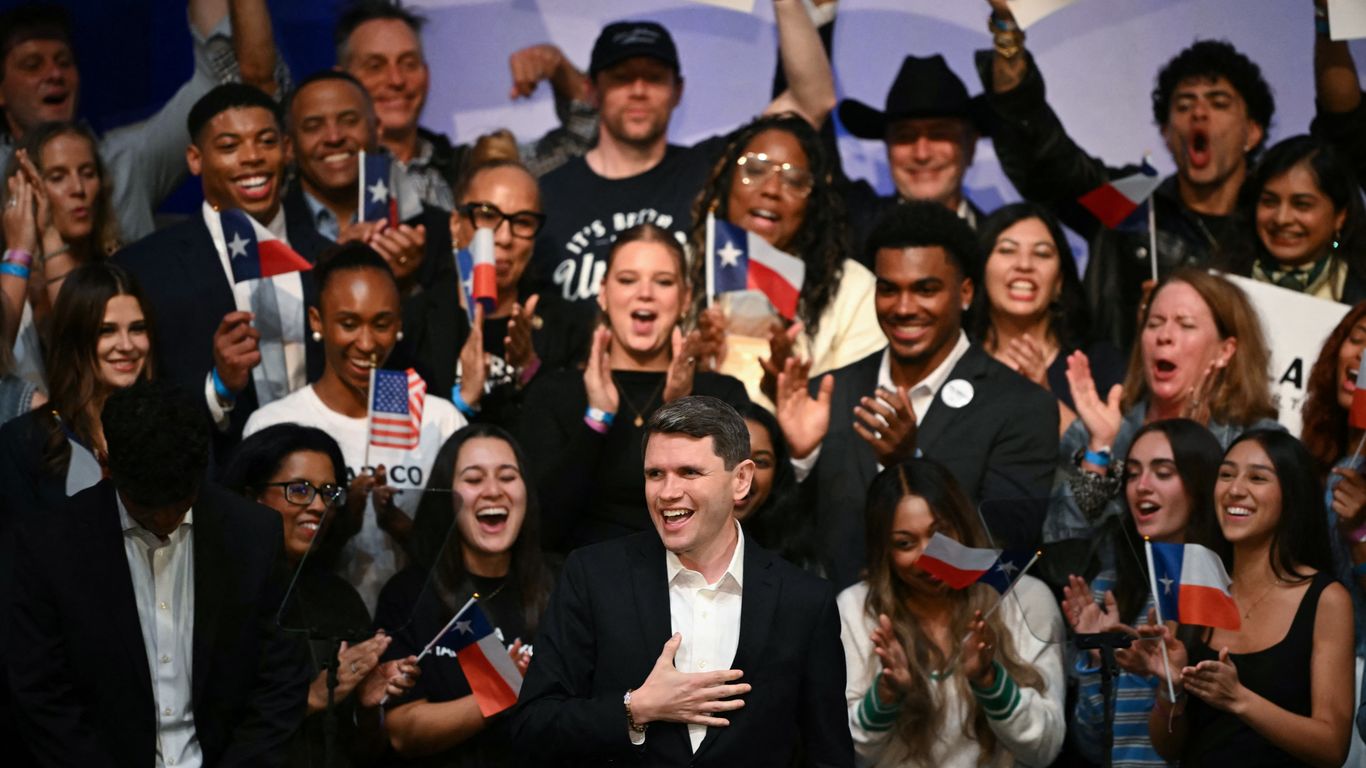
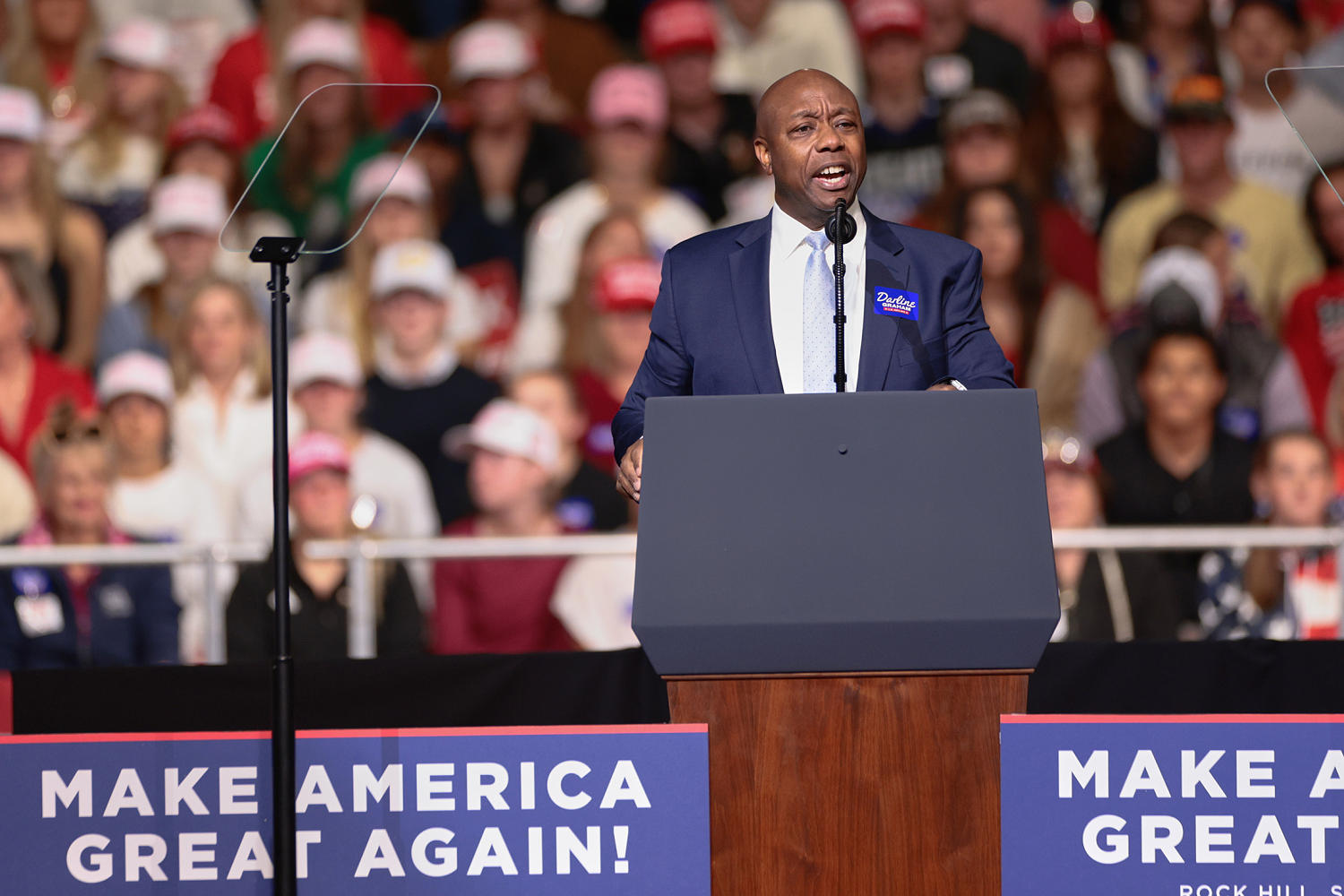
Senate Republicans' worst nightmare came true Tuesday night, as they watched red state after red state fall to a historic Democratic wave . Why it matters: It's hard to remember now, but Republicans started off the 2026 cycle thinking they could expand their majority. They ended the night with what one source called a "huge f**king thumping" — losing or trailing in every toss-up on the map. At the start of the cycle, top operatives saw a red wall of incumbents in Trump-friendly states, an invincible Republican Sen. Susan Collins in Maine and a vulnerable Democratic Sen. Jon Ossoff in Georgia, who provided a path to expanding a majority. By 9pm Tuesday night, top GOP sources were quietly accepting the reality of the return of Majority Leader Chuck Schumer (D-N.Y.). "Republicans are going to wake up in a different country tomorrow and we are going to have to start from square one to reinvent a party," one senior GOP Senate aide told Axios on Tuesday evening. Between the lines: For the first time since 1972, Republicans lost a Senate seat in the home state of the chair of the National Republican Senatorial Committee. The defeat of Sen. Darline Graham (R-S.C.) came despite Sen. Tim Scott (R-S.C.) leading the NRSC. Republicans also lost in the home state of the next expected NRSC chair, Bernie Moreno (R-Ohio). Zoom in: North Carolina and Georgia were expected to be the premiere races of the cycle not too long ago. Both were called for Democrats before 8:30pm EST. That was just the beginning of the nightmare. In Texas, Elon Musk's more than $150 million infusion wasn't enough to save Texas GOP Senate nominee Ken Paxton after Paxton defeated Sen. John Cornyn in a nasty primary. In Ohio, Sen. Jon Husted's (R-Ohio) campaign had a rocky start — and wasn't bailed out by President Trump's publicity campaign about his rear end. Alaska started looking shaky even before a second Dan Sullivan joined the ballot, and Iowa wasn't a given either. In Kansas, alarm bells started ringing
Journalists such as Jim Acosta and Scott MacFarlane are now competing against their former employers for eyeballs On Tuesday, for the first time in more than 20 years, Jim Acosta, a former CNN stalwart, will not be working for a mainstream television network on election night. Acosta, who left CNN last year after nearly 18 years at the network, is putting on his own live broadcast at the University of Virginia that will air on YouTube and his Substack platform. Continue reading...
Republicans are burning tens of millions of last-minute ad dollars to try to rescue three red-state senators who they say ignored months of warnings that their campaigns were in danger. Why it matters: Senate races in Kansas, South Carolina and Mississippi are normally GOP layups. This year, Republicans have diverted resources from swing-state battles to defend them. The frustration with Sens. Roger Marshall (Kansas), Darline Graham (South Carolina) and Cindy Hyde-Smith (Mississippi) comes amid broader GOP finger-pointing as polls show a nationwide backlash against President Trump . "Democrats may win these seats in a wave ... but not a blue wave. It's the wave of arrogance [and] laziness ... that washed over these GOP incumbents and made them think they were invincible," said a national GOP operative involved in several key Senate races. By the numbers: National Republicans have spent $33 million in Kansas, $21 million in South Carolina and $2.4 million in Mississippi, according to data compiled by campaign finance expert Rob Pyers. Trump also has spent valuable campaign time in all three states. Behind the scenes: Republicans say the three senators ignored warnings to raise more money and build stronger campaign operations. National Republican Senatorial Committee chair Tim Scott warned all GOP senators in February 2025: "We do not need to spend time and money in places where races should not be competitive." Trump's political operation also warned Senate Republicans that they would need to pull their own weight. The most complaints center on Marshall, who has raised just $7.5 million compared with $19 million for his Democratic opponent, Adam Hamilton. Republicans blame his strained relationship with the banking and credit card industries — major GOP donors — and a lack of outreach to K Street. Republicans describe Marshall's campaign as overconfident. About a month ago, his team told aides to other GOP senators that the race would be effectively over within 10 d
Sen. Tim Scott, R-S.C., declined to say whether he would accept the results of the Alaska Senate race if Democrat Mary Peltola wins the battleground seat
NPR's Scott Simon talks to Mia Moroz, a high school senior and head of a group pushing to get 16 and 17 year-olds the vote in Culver City, Calif.
NPR's Scott Simon talks to Briana Meckley, owner of Meckley Brooms in Lopez, Pennsylvania, about her business' surge in broom orders for Halloween.
The U.S. naval blockade, sweeping economic sanctions and obstruction of overland export routes have crippled Iran's economy and intensified pressure on the regime, according to a new Treasury Department report obtained by Axios. Why it matters: Treasury Secretary Scott Bessent, who is leading an economic pressure campaign dubbed "Operation Economic Outcast," is one of Trump's closest aides urging him to let the initiative play out rather than rush back into combat. Though the report doesn't argue that the Iranian regime is close to collapsing, it does lay out the Treasury Department's view that its efforts have crippled Iran's economy and limited its ability to generate revenue. Driving the news: As he did before Operation Midnight Hammer in June 2025 and Operation Epic Fury in February, Trump is pursuing dual tracks — trying to reach a deal to restart peace talks while also preparing to possibly resume major combat operations after the midterms. The Treasury campaign, which launched in late August, is a third track. But U.S. officials say it needs more time to destabilize the regime and potentially convince the Iranian leadership to make concessions at the negotiations table. On Thursday, Trump met with his top national security and foreign policy aides to discuss the war. U.S. Central Command chief Adm. Brad Cooper, who commands forces in the Middle East, briefed Trump on the ongoing naval blockade . Bessent discussed the economic pressure campaign. "Bessent is telling the President the economic pressure campaign is working and that things are getting worse in Iran and that this could further destabilize the regime and push the Supreme Leader to agree to a deal," a U.S. official said. Zoom in: The Treasury report highlights several indicators of Iran's economic crisis: Currency collapse: The Iranian rial has lost roughly a quarter of its value since the operation began in August. In October, the unofficial exchange rate reached a record low of 2.687 million rials
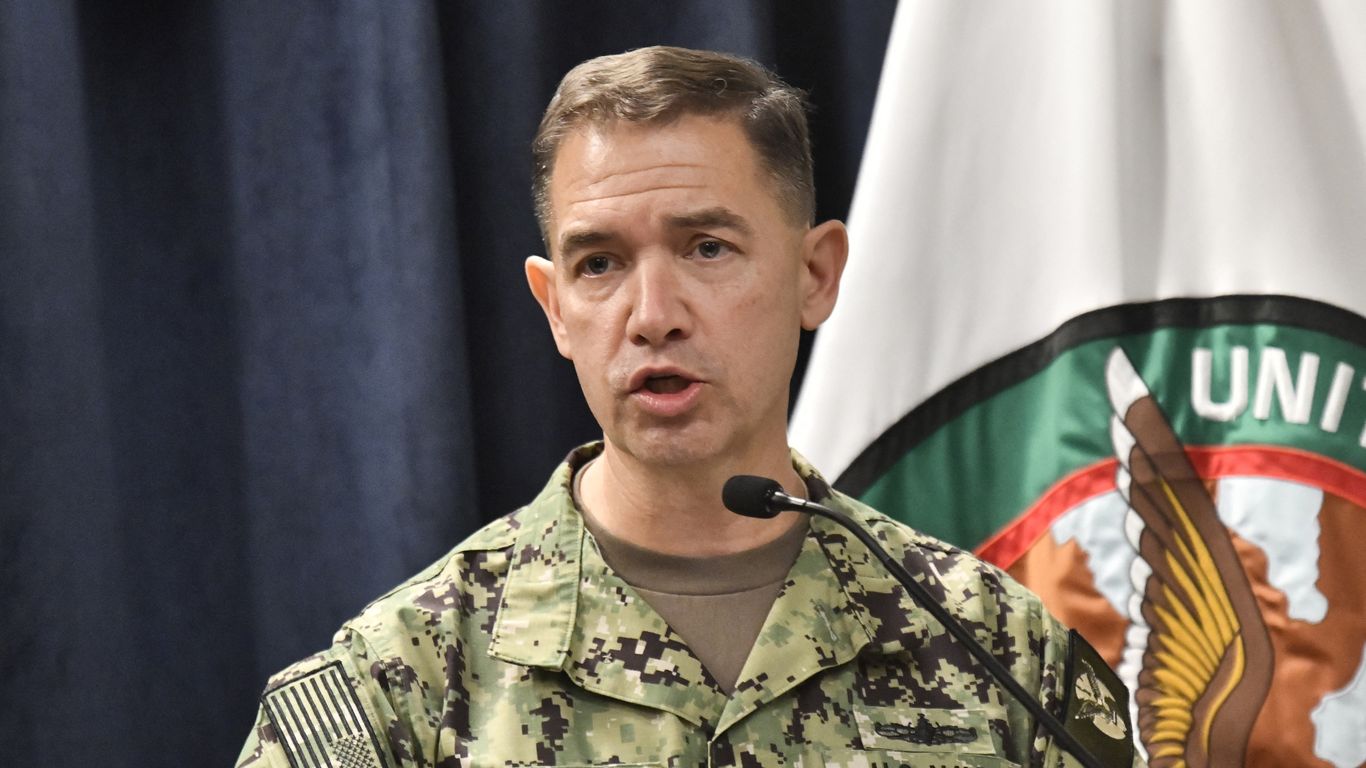
U.S. Central Command chief Adm. Brad Cooper, the commander of forces in the Middle East, briefed President Trump Thursday on the state of the Iran war, with a focus on the ongoing naval blockade , according to two U.S. officials. Why it matters: As he did before Operation Midnight Hammer in June 2025 and Operation Epic Fury in February, Trump is pursuing dual tracks — trying to reach a deal to restart peace talks while also preparing for a possible resumption of major combat operations after the midterms. Behind the scenes: Trump wanted to hear directly from the CENTCOM head on whether the naval blockade is working, the U.S. officials said. Cooper also briefed Trump on the military operation for guiding oil tankers out of the Strait of Hormuz to global energy markets. And he updated Trump on the economic pressure campaign the military is conducting in concert with the Treasury Department. Defense Secretary Pete Hegseth, Treasury Secretary Scott Bessent, Chairman of the Joint Chiefs of Staff Gen. Dan Caine, White House envoy Steve Witkoff and other senior officials also attended the meeting, the officials said. The White House and CENTCOM declined to comment. The Wall Street Journal first reported the meeting. Driving the news: A group of regional mediators led by Qatar is trying to get the U.S. and Iran to head off a resumption of war after the midterms in favor of negotiations. "The mediation is at a very sensitive stage," a regional source said. Qatari mediators recently delivered a letter from Vice President Vance to Iran's Secretary of the Supreme National Security Council, Gen. Mohsen Rezaei. Vance proposed restarting negotiations but stressed that any talks would have to address Iran's nuclear program. Trump and Vance met Wednesday to discuss a possible gesture of goodwill toward Iran, such as sending humanitarian goods like food and medicine, according to a source with knowledge. Later in the day, Trump publicly backed the idea. What they're saying: U.S. Amba
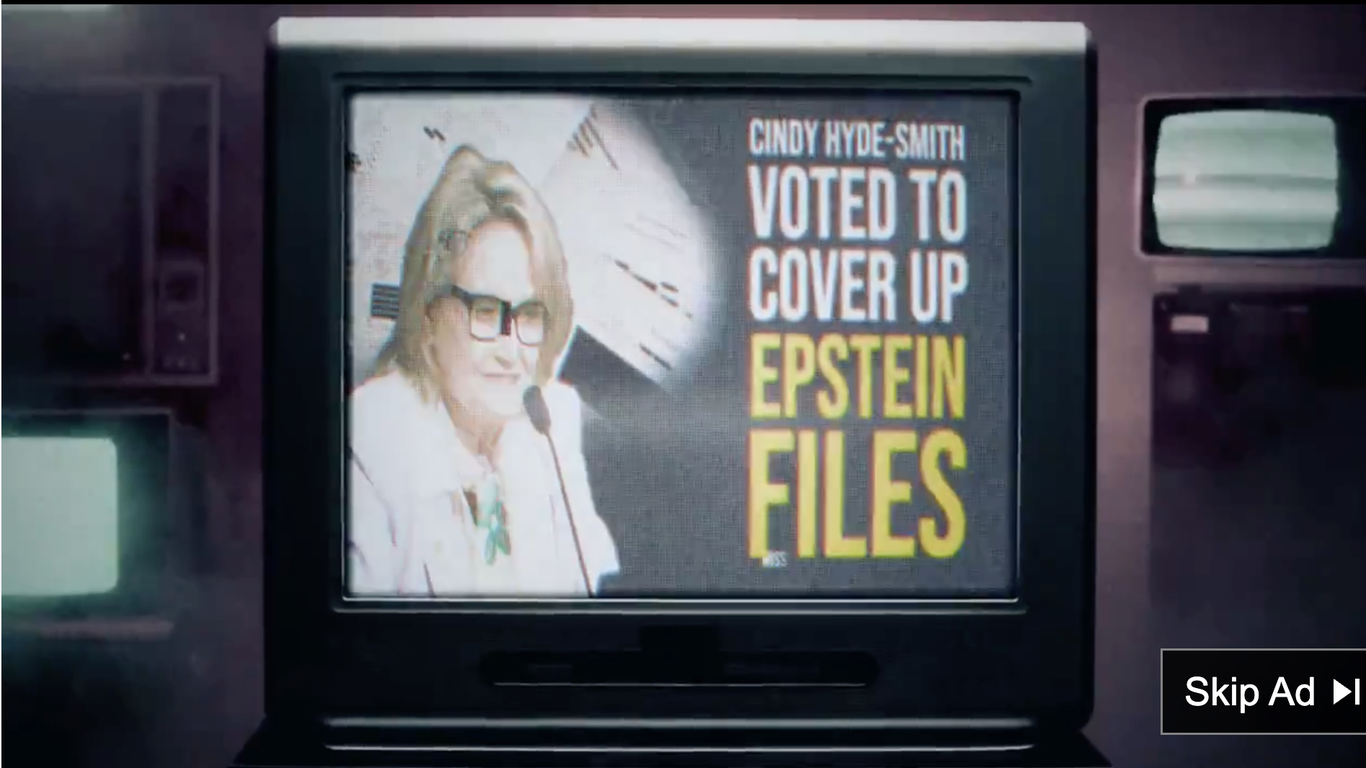
The most-aired ad in the closing stretch of Mississippi's Senate race features a Jeffrey Epstein survivor attacking GOP Sen. Cindy Hyde-Smith for voting against releasing files related to the convicted human trafficker. Why it matters: In the past week, Hyde-Smith has been outgunned on the airwaves. AdImpact data shows that only one of the eight most-aired spots portrays her positively. Five of the ads either positively portray her Democratic challenger, Scott Colom , or attack Hyde-Smith for her Senate record, largely painting her as an out-of-touch senator who cares more about her rich donors. The other two ads are for down-ballot races. Zoom out: The Epstein survivor ad has aired more than 1,200 times over the last week, costing the left-leaning New Deal for All super PAC over $329K, per AdImpact. In the ad, Jena-Lisa Jones condemns Hyde-Smith for her vote on the Epstein files and urges Mississippians to vote against her to protect their children. That vote, which passed 51-49 last year, indefinitely postponed an amendment that would have required the full release of the Epstein files by then-Attorney General Pam Bondi. "I do want transparency, and I support releasing information that can legally be released while protecting Epstein's victims. But a procedural vote on one amendment is not the same thing as saying the Epstein files should remain secret," Hyde-Smith said in a statement to the Mississippi Free Press. Hyde-Smith's campaign cut its own attack against Colom, calling him the "transgender defender" and naming him the "most radical Senate candidate of our lifetime." The ad played over 2,800 times across Mississippi and Memphis, Tenn., television markets in the 30 days since its Sept. 10 debut, costing the senator's campaign over $854K, per AdImpact. Hyde-Smith's campaign appears to have pulled back on the ad, spending less than $150,000 to air it between Oct. 19 and Oct. 26. The bottom line: Hyde-Smith is still expected to win, but the race is far tighter
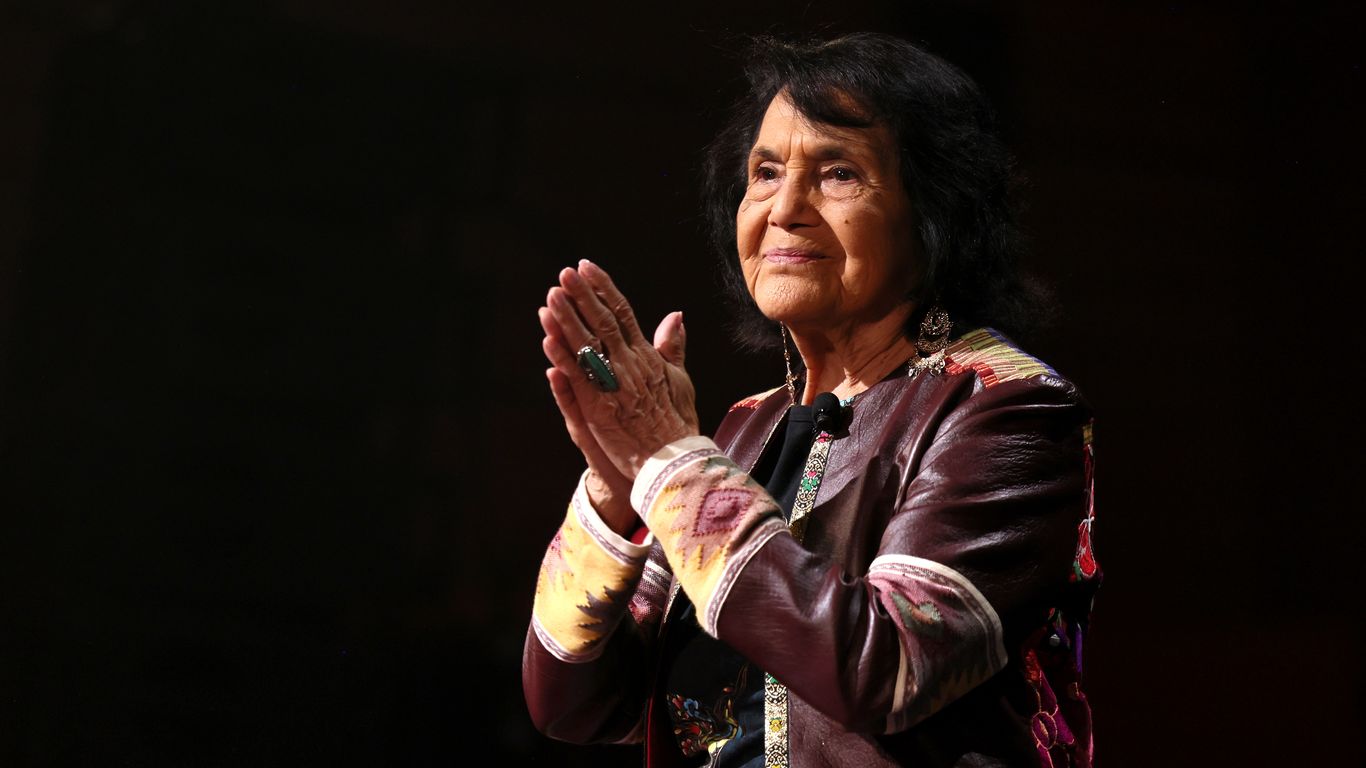
Dolores Huerta , the pioneering labor organizer who co-founded the United Farm Workers and coined the rallying cry "Sí, se puede," died Wednesday at 96, her family announced on her Instagram account. Why it matters: The civil rights legend helped lead strikes and boycotts, fought to expand rights for Hispanic Americans and became a powerful kingmaker in politics. What they're saying: "We are deeply saddened to announce that our beloved mother, Dolores Huerta, has passed away today at the age of 96," her family wrote in a statement posted on Instagram . "As you can imagine, this is an incredibly difficult time for us, and we ask for privacy as we grieve this incredible loss to our family. We know that many of you around the world share in our mourning, and we will be following up on plans to recognize and celebrate her incredible life and legacy." Her cause of death was cancer, per the New York Times. Zoom in: Huerta worked alongside farmworker leader César Chávez, organizing workers who were routinely subjected to poor labor conditions on farms. The pair founded UFW with fellow activist Gilbert Padilla. Huerta also stood next to Sen. Robert F. Kennedy moments before he was fatally shot after his 1968 California primary win, after having worked to get Mexican American voters to support him. She would befriend the widows of RFK and Martin Luther King Jr., Ethel Kennedy and Coretta Scott King, as they fought together for civil rights. Dolores Huerta, co-founder of the United Farm Workers group, with a union flag that reads 'Viva La Causa', 1970s. Photo: Cathy Murphy/Getty Images Catch up quick: Chávez, who died in 1993, allegedly sexually abused multiple women and girls during his time as UFW leader, which only came to light this year following a New York Times investigation. Huerta said that she was raped by Chávez decades ago, becoming the most high-profile figure to accuse him of misconduct . "I carried this secret for as long as I did because building the movement
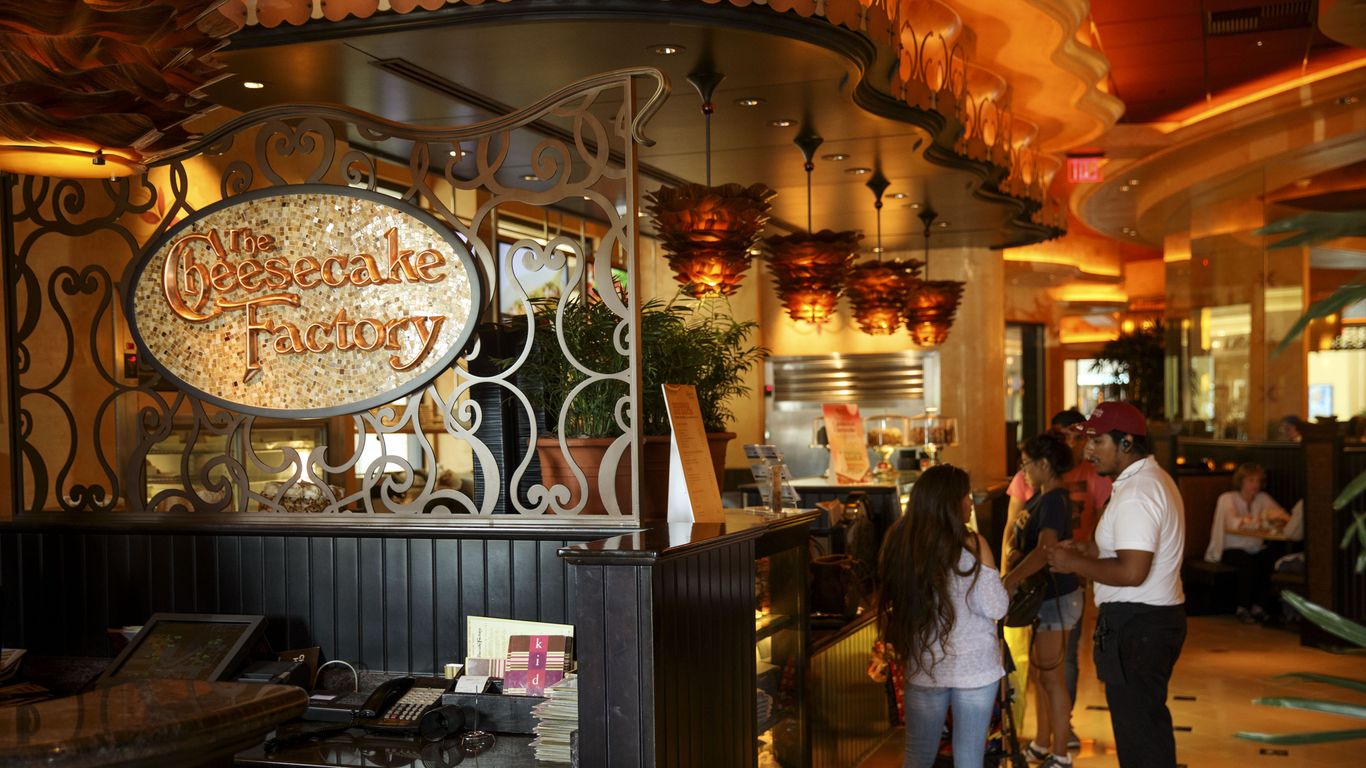
With less than a week until a potentially historic midterm election , the political discourse is being dominated not by war or seismic shifts in technology, but by the Cheesecake Factory . The big picture: Culture wars regularly swarm American political discussions, especially when the jibes are personal. Former President Obama's passing joke over the weekend about Cheesecake Factory decor did just that — by criticizing President Trump 's personal taste and style. "He's got the White House looking like Saddam Hussein opened a Cheesecake Factory," Obama said, poking fun at the president's controversial White House renovations . Zoom in: John Murphy, professor emeritus at the University of Illinois Urbana-Champaign who studies political rhetoric, tells Axios that the first time he heard Obama's comment, he "really did think, 'this is going to go somewhere.'" That's both because of the messenger and the butt of the joke: Obama "can get under Trump's skin like no one else in the world can," he says. Obama knows all too well how seemingly trivial moments can blow up; in 2014, he wore a tan suit instead of a black one to discuss foreign policy, and years later his sartorial choices remain a political talking point. The tan suit has its own Wikipedia page , and still nets pop culture references . State of play: Days after Obama's quip, the news cycle and social media are still serving up the joke, and the White House posted "Lo-fi" beats accompanied by a cartoon image of Trump in front of a Cheesecake Factory. Conservative critics used the jab to paint Obama as elitist. Treasury Secretary Scott Bessent , a multimillionaire, criticized Obama outside a Cheesecake Factory, saying he "had a great meal, and I would tell the Martha's Vineyard set to give it a try." Murphy notes that framing comes from a classic red v. blue playbook to paint Democrats as "elitist." "It's a conscious strategy, I think, on the part of conservative media to gin up culture-war arguments," he says. Th
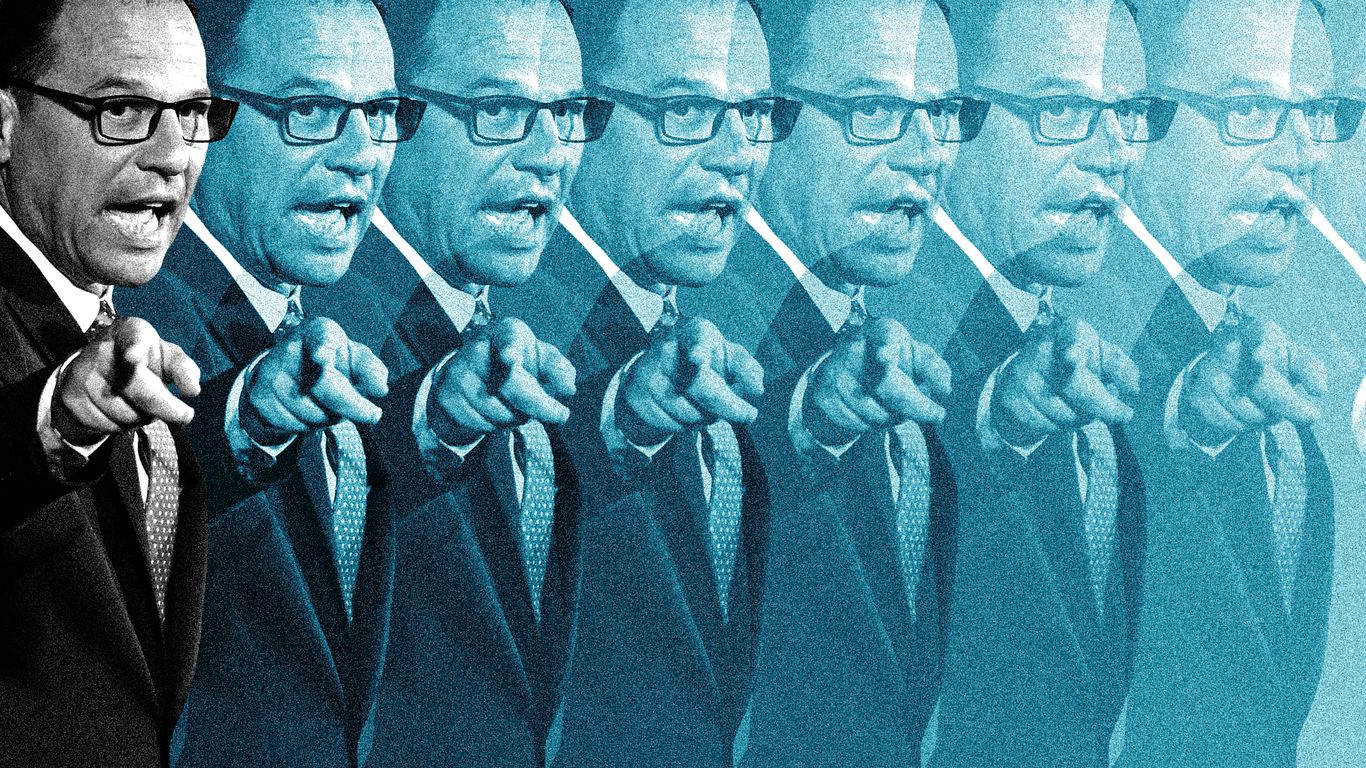
Pennsylvania Gov. Josh Shapiro is an electoral juggernaut in America's biggest swing state — and he's widely seen as a likely contender for president in 2028. But strategists in both parties question how tested he really is. Shapiro's success — he's cruised to victory in multiple statewide races — has come with an asterisk: He hasn't faced a well-financed opponent in recent contests, leading some political insiders to see him as more of a wildcard than his resume suggests. Why it matters: Shapiro's unfamiliarity with intense, bruising campaigns could become a liability in the 2028 Democratic primary, where if he was a top candidate, he'd be confronted with a barrage of attack ads, opposition research and rivals with deep pockets. A plugged-in Democratic operative in Pennsylvania suggested that because of Shapiro's lack of being tested, "it is totally possible that he has an incredible glass jaw — and that he is the Scott Walker of 2028." Walker was the swing-state Wisconsin governor who looked good on paper as a potential presidential candidate but flopped after entering the 2016 GOP primary. Zoom in: In next week's election, Shapiro is running for a second four-year term as the Keystone State's governor. He's on pace to defeat Republican challenger Stacy Garrity by double digits, according to the latest polls. The money gap is gargantuan: Shapiro has dropped $42 million on campaign ads, according to the ad-tracking firm AdImpact. Garrity, the state's treasurer, has spent just $3 million on ads — a drop in the ocean in a state as large as Pennsylvania, with its expensive advertising markets. It's not that Garrity prefers, say, door-knocking to TV ads. She's just outmatched: Campaign finance reports show she's only raised about $11 million this cycle, compared with Shapiro's $64 million. Making matters worse for Garrity, the Republican Governors Association (RGA) has not come to her rescue on the airwaves. Christopher Nicholas, a longtime GOP strategist in Pennsylvan
That wince you just made while researching travel options? Get used to it. Why it matters: Soaring jet fuel prices are accelerating changes across the airline industry, seen in higher fares, premium-heavy cabins and fewer flight options for travelers. Airfares rose 22% year over year in September, marking a 10th straight monthly increase in the government's airfare price index , which hit an all-time high. State of play: All the major airlines are feeling the pain: American Airlines reported Thursday that its fuel bill jumped nearly 70% in the third quarter from a year ago, adding $1.9 billion in costs and undercutting its revenue growth. Southwest and United Airlines both slashed their profit forecasts this week on higher fuel costs. And Delta Air Lines expects its fuel bill this year to come in $6 billion above last year's. The impact: To protect their bottom lines, airlines are raising fares and turning to more premium seats to squeeze more revenue out of their flights. At Southwest, the average passenger fare rose 26.9% to $231.69 in the third quarter, compared with a year earlier — and that doesn't include fees. Delta's premium seating revenue jumped 18% in the third quarter, even though the number of premium seats rose only 6%. What they're saying: The airlines have few options to make up for extra fuel costs other than fare increases, said Scott Keyes, founder of flight-deal service Going.com. "None of them are hedging fuel the way they used to, in large part because they had a pretty terrible experience with it," Keyes said in an interview. The big picture: Airline executives, however, see these changes — many of which were already underway — as a necessary new normal. This year's fuel spike has only "accelerated" change, Delta CEO Ed Bastian said on the company's earnings call on Oct. 9. "Regardless of the next move in fuel prices, the forces reshaping the U.S. airline industry will continue with many carriers struggling to earn their cost of capital well b
Senate Republicans are weighing three last-ditch spending moves that would have been unimaginable six months ago: a cash infusion for Mississippi and even more money for South Carolina and Kansas. Why it matters: It's been 94 years since Kansas elected a Democratic senator, 44 years for Mississippi and 28 for South Carolina. But panic is spreading through the Republican Party. "The wall has broken. The enemy is inside the fort," one national Republican political operative told Axios. "We are now fighting hand to hand." The Senate map, which once looked impregnable for Senate Majority Leader John Thune (R-S.D.), is now full of vulnerabilities. Democratic challengers are polling within the margin of error in more than half a dozen deep-red states, according to internal GOP polls. The other side: "We're nervous about Alaska. We're nervous about Michigan. We're still going to hold the Senate at the end," said another operative. Zoom in: Two weeks ago, when Senate Leadership Fund decided to take out a $5 million "insurance policy" in South Carolina, operatives took a hard look at Idaho, South Dakota and Mississippi. At the time, they concluded they didn't need to spend any money in those states, according to a person familiar with the matter. But Senate Republicans are now reviewing the Mississippi race and may need to spend there to protect Sen. Cindy Hyde-Smith from a surprisingly competitive bid by Democratic district attorney Scott Colom . Senate Majority PAC, the main super PAC for Senate Democrats, announced a $1.2 million investment in the race on Tuesday. Zoom out: In early June, SLF started to reinforce a Midwestern red wall to protect the GOP majority, reserving $28 million in TV advertising in Ohio and $11 million in Iowa . Those investments have ballooned to $93 million in Ohio and $53 million in Iowa. After an initial $5 million buy in South Carolina, SLF's spending has increased to $8.5 million, according to AdImpact. And a super PAC linked to Sen. John Bar