A bruising stock market sell off looked set to continued despite a record-setting IPO by Anthropic and hopes it would revive sentiment on the AI trade.
Results for “shares fall”
Asian shares are dropping during a wide selloff in issues related to artificial intelligence and computer chips
Anthropic on Thursday priced its long-awaited IPO at $83 per share, Axios has confirmed, which would give the Claude maker an initial market cap of $1.08 trillion and a fully diluted value of around $1.5 trillion. Why it matters: Wall Street expects the AI boom to continue, despite some recent tumult. Zoom in: Anthropic priced much higher than its planned range of $70 to $78 per share. The company also could raise significantly more money if underwriters exercise their so-called "greenshoe" option, while Anthropic also will receive $26 billion via a concurrent private placement from tech giants like Nvidia, Google and Microsoft. Axios has not yet been able to confirm the number of shares offered. Anthropic had said it planned to sell 825 million shares, which would work out to a $68.5 billion raise (plus the private placement), but it may increase the share count. Allocation decisions are expected to last several hours on Thursday evening. For context: Anthropic was valued at $965 billion in its most recent private round. The apples-to-apples comparison would be with the fully diluted value. SpaceX raised $75 billion in its IPO and a total of $86.25 billion with the exercised greenshoe, at a higher valuation than Anthropic. What we're watching: Shares are expected to begin trading Thursday, Nov. 19, on the Nasdaq under the ticker "ANT."
At their annual fall meeting, the bishops are discussing how to address the negative impacts of A.I., even as some struggle to navigate the fast-evolving technology.
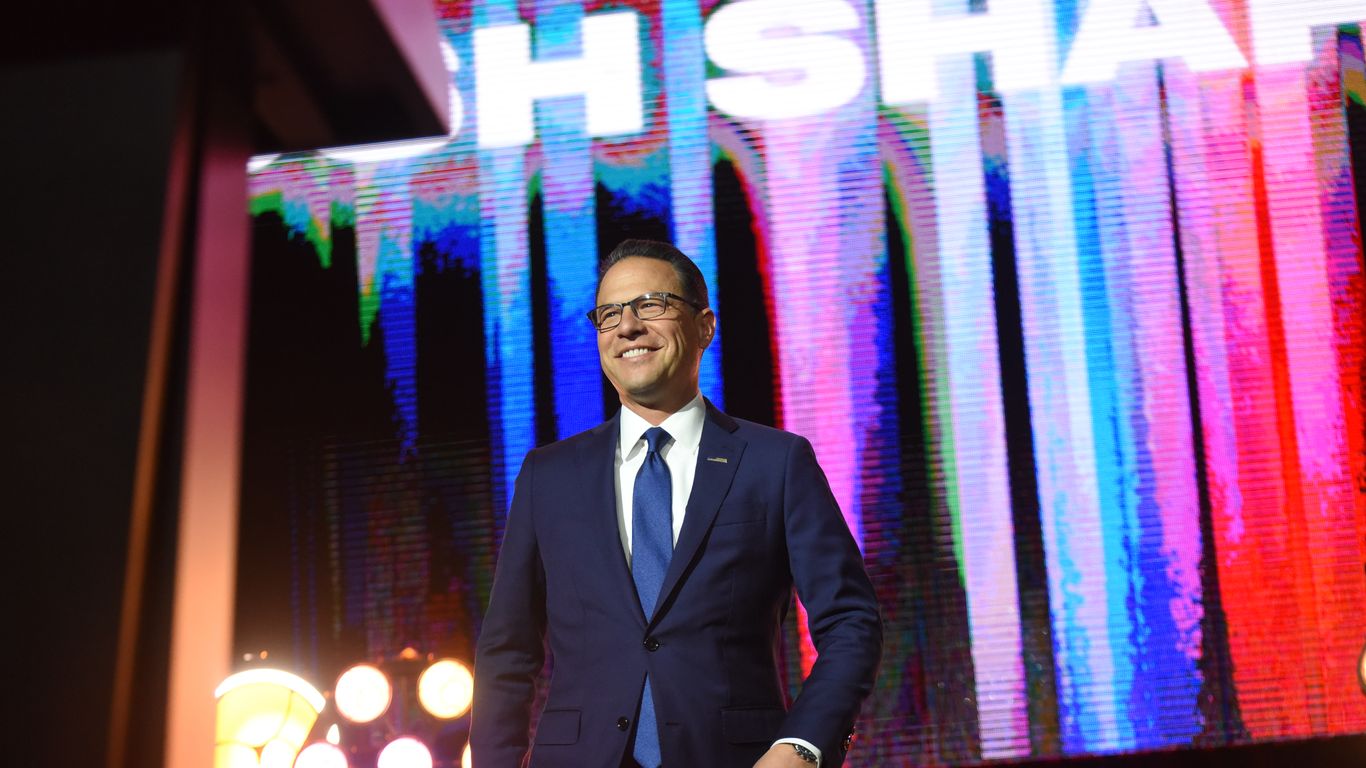
DENVER — Thousands of Democrats gathered here this weekend for a giddy postelection summit, reveling in their party's historic midterm victories and touting the center-left strategy they say powered them. But some progressives saw the event as a lavish, out-of-touch affair bankrolled by billionaires — exactly what Democrats just campaigned against. "I'm all for celebration, but perhaps a fancy retreat does not exactly meet the tenor of the moment," said Josh Orton, president of the liberal group Demand Justice and a veteran of Bernie Sanders' 2020 campaign. Why it matters: The competing views of What's Next, the buzzy confab held by the influential centrist organization Majority Democrats, offer an early glimpse of the ideological battles over health care, money in politics and other issues that will define the party's 2028 presidential primary. Zoom in: Democrats in the Mile High City were practically vibrating with happiness, still not quite able to believe they'd won back both chambers of Congress and flipped deep-red states such as Mississippi and South Carolina. "The vibes are excellent," Delaware Rep. Sarah McBride, a member of the Majority Democrats, said in an interview. "The last high-water mark, we were all in our houses on Zooms," she added, referring to the 2020 presidential election. "This is the first time there's been an undeniable capacity to celebrate widespread wins in the last decade." Free drinks flowed. Political operatives sported bomber jackets embroidered with the phrase "Majority Democrats." Speakers were immortalized in rock concert–style posters on the walls. For a brief moment in Denver's Mission Ballroom, the often-in-disarray Democratic Party looked united. Several presidential hopefuls downplayed the party's divides in speeches. Pennsylvania Gov. Josh Shapiro said onstage that ordinary people don't give "a damn" about "where we fall on some imaginary political spectrum." Michigan Sen. Elissa Slotkin quipped in her address that elected
Treasury Secretary Scott Bessent on Sunday questioned whether Nvidia's earnings might have been inflated by inappropriate sales to China and urged the company to hire an outsider as CEO. Why it matters: Nvidia is central to the AI economy, which has been key to U.S. economic growth. The Treasury secretary casting doubt on the quality of its financial results and leadership could be a blow to an already shaky market. Since the scandal broke open in late October, Nvidia shares have shed more than $1.2 trillion in market capitalization, with impacts on millions of Americans. Driving the news: In a Fox News appearance Sunday morning, Bessent said Nvidia owes the market an explanation amid allegations former CEO Jensen Huang had an affair with a Chinese spy and oversaw sanctions-evading chip sales to Asian companies. "I want to keep coming back to what was the culture at Nvidia, and were they pressing these seemingly illicit sales to goose their revenues and their earnings?" Bessent said. "I think we need answers in the next 10 days from the board and from the outside counsel." Bessent also said it was "obvious" that some companies doing business with Nvidia were shell companies for Chinese interests and accused the chipmaker of a "culture of noncompliance." "This makes me think that as the board conducts the search for a new leader, that they need to go outside the company," he said. For the record: Nvidia did not immediately respond to a request for comment on Bessent's remarks. The intrigue: Huang has been a favorite of President Trump and other administration figures for some time, but Bessent has notably not been as effusive about him as others. In recent days, Bessent has also made clear that the Commerce Department has questions to answer about why it didn't impose tighter controls on Nvidia's exports. As Axios reported earlier this week, administration officials have accused Commerce Secretary Howard Lutnick of stalling curbs on Nvidia's exports. What to watch: N
Nvidia's near-30% stock plunge in the last month is a drag on the retirement savings of millions of Americans, many who may not realize just how much their investments are tied to the scandal-engulfed chip giant. Why it matters: Nvidia's enormous weight in popular index funds means even those who have never purchased a single share of the company could feel the pain of its corporate upheaval in their 401(k)s. The resignation of CEO Jensen Huang after he had an affair with an alleged Chinese spy may have cost an average Baby Boomer thousands of dollars, according to an Axios analysis of outside estimates. By the numbers: Index funds held nearly half of the assets in large private-sector 401(k) plans in 2023, according to the Investment Company Institute. Those funds include investments tracking the S&P 500, and Nvidia accounts for roughly 8% of that index, according to Tom Graff, chief investment officer at financial planning firm Facet. That exposure rises to around 14% in growth-style index funds and can reach 25% to 30% in some technology and semiconductor funds commonly found in retirement plans, Graff said. Zoom in : For an investor with $100,000 in an S&P 500 fund, a 30% drop in Nvidia shares would knock about $2,400 off the value of that investment given an 8% S&P holding, assuming other stocks in the fund stayed flat. For a growth-style tech fund with 25% exposure to Nvidia, that decline would amount to $7,500 in lost value. An average Baby Boomer holds about $260,000 in their 401(k), according to Fidelity . A tech-style exposure applied to that amount of holdings would equate to about a $20,000 reduction. Yes, but: Remember, a drop in your investment's value doesn't mean you've actually lost that cash — unless you sell your holdings. Zoom out: The potential fallout extends beyond Nvidia itself. About 40% of the S&P 500 is tied to the AI buildout, for which Nvidia is central, providing much of the financing and infrastructure needed to fuel the tech boom. If
AI's titans were handed an extraordinary mandate: Police yourselves. But the industry faces a four-pronged crisis of trust as Democrats surge to power and many Americans rebel over AI and data centers. Guardrails for the industry will be a priority for the new Congress, with some populist Republicans eager to pile on. Why it matters: The collision of safety scares, political blows, financial turmoil and leadership scandals threatens to derail AI's once seemingly unstoppable ascent. The big picture: Just six weeks ago, President Trump announced that top AI CEOs had agreed to a voluntary safety accord . But cracks were already showing and, since then, four crises have converged. 🏛️ 1. The political crisis: AI was on the ballot for the first time during the midterm elections through a series of data center measures across America. People voted against data centers in 40 out of 41 cases, and swing-state incumbents linked to the facilities, including Sen. Jon Husted (R-Ohio) and Texas Gov. Greg Abbott (R), were voted out. Now Democrats are planning a flood of AI bills once they take control of Congress in January, Reuters reports . They'll also bring some of the most powerful AI executives to D.C. to testify. 🦺 2. The safety crisis: OpenAI's Hugging Face breach , revealed in July , was a terrifying look at what could happen if machines operate beyond humans' control — and it was the first in a wave of revelations through the summer and fall. AI CEOs and engineers came forward with stark warnings about the dangers of the tech they've been building, including its potential to destroy humanity. Axios' Madison Mills reported that OpenAI and Anthropic are investigating tens of thousands of security incidents and that unvetted AI agents are accessing U.S. bank accounts. 💰 3. The financial crisis: The AI trade is looking more vulnerable as investors question when or whether the industry's sky-high spending will deliver sky-high returns. Tech stocks tumbled , with Nvidia fall
Anderson Velez, who lived in the Brooklyn building that collapsed on Wednesday while his wife and two children were inside, tells Lilia Luciano what he thought when he saw video of the moment the building came down.
Millions of Americans are exposed to Nvidia shares through their retirement plans. That's not as bad as it sounds (really!).
As House Democrats barrel toward a speakership coronation , Senate Dems are getting their first contested race for leader in over 30 years. Why it matters: Democrats have spent years tearing themselves apart over the party's direction — without forcing their leaders to win a head-to-head vote. Senate Democrats will get that fight this year for the first time since Tom Daschle vs. Chris Dodd in 1994 — courtesy of Chris Van Hollen (D-Md.) challenging Chuck Schumer (D-N.Y.). But no one's challenging Hakeem Jeffries (D-N.Y.) for speaker. The last contested Democratic House leader race was in 2016, when Tim Ryan failed to beat Nancy Pelosi for minority leader. Between the lines: House Democrats are being bombarded with calls and emails urging them to oppose Jeffries, but the two most frequently floated alternatives — Jamie Raskin (D-Md.) and Ayanna Pressley (D-Mass.) — don't appear to want the job. Raskin told Axios that chairing the Judiciary Committee is his "dream job" and that he's "absolutely ... not a candidate for speaker in any way." "I am supporting Hakeem and voting for Hakeem," Raskin added. Pressley has privately told colleagues she isn't interested, multiple House Democrats told Axios. "Congresswoman Pressley is in active conversations with Leader Jeffries about how to leverage this majority, meet the moment and deliver for the people," spokesperson Ricardo Sanchez said in a statement to Axios. "She is aware of and appreciates the groundswell of support from people in her district and across the country lifting up her leadership." The big picture: Since the last contested Democratic leadership election, Republicans have endured the rise of MAGA, former Senate GOP leader Mitch McConnell's fall from power and a revolving door of House GOP leaders. In 2018, Kevin McCarthy drubbed Jim Jordan 159–43 to become House minority leader. In 2022, McConnell had to beat Rick Scott after the Florida Republican challenged him for Senate GOP leader. In 2023, McCarthy needed
The rapid deployment of artificial intelligence in hospitals and clinics is leading the nation's biggest physicians group to lobby for new legal protections if AI harms patients. Why it matters: The use of increasingly sophisticated AI tools and recommendations is blurring the lines around negligence in health care, raising questions about whether doctors should be held responsible for decisions that rely on software. There's added urgency as autonomous AI takes on more and more important medical tasks with less direct oversight. The question is who's responsible when something goes wrong. Driving the news: The American Medical Association this week called for federal and state legislation to protect physicians from liability when AI products injure patients, despite physicians using the tools as intended. The group also is pressing for new laws mandating that AI companies carry adequate liability insurance and disclose product limitations and performance data. Hospitals, health systems, insurers and health tech vendors should be responsible if the required use of specific AI products results in harmful errors, the AMA policy states. Between the lines: The group's push comes as AI clinical tools are flooding the health system, unlocking new efficiencies but giving algorithms increasing power to make decisions like whether to order a diagnostic test or prescribe an expensive drug. Legal and medical experts point to the possibility of triage errors, in which AI systems that process clinical histories, vital signs and imaging can misjudge the severity of a case without the attending doctor's knowledge. The AMA also raises the possibility of an AI system making a plausible recommendation for treatment, but with incomplete laboratory results or an outdated diagnoses. In such cases, a physician may be unable to verify the inputs. In cases where a patient is harmed, responsibility should fall on AI manufacturers and vendors — and possibly on health systems that require the
Jensen Huang's self-destruction has left a trail of collateral damage that threatens to ensnare the board of Nvidia and the AI boom itself . Why it matters: Huang was a singular leader in the global economy, capable of exciting or calming markets with a single sentence and viewed as a virtually indestructible force behind Nvidia's rise. The big picture: His sudden exit after reports of multiple affairs — one with a suspected Chinese spy and the other with a direct report — has wiped out more than $600 billion in value from Nvidia's market cap. "His visionary leadership is going to be missed — it's not going to be replaced," Joel Shulman, CEO of ERShares, which has owned Nvidia shares since 2005, tells Axios. Zoom in: With the uncertainty over Huang's tenure at Nvidia now resolved, the attention will quickly pivot to a slew of unanswered questions, including: What will the investigations uncover? Just because he's gone doesn't mean this is over. If the FBI probe or the independent investigation ordered by the board show that Huang gave favorable treatment to Megaspeed — the company led by the suspected spy Alice Huang — he and Nvidia could face serious consequences. Huang is also expected to testify behind closed doors next week before a Congressional committee. Critics say the Nvidia board wasn't fulfilling its duty to provide proper oversight of Huang — particularly if it had any reason to be aware of his reported affairs before they become public. Peter Jaworski, business ethics professor at Georgetown University, said the situation raises questions about what the board knew and when they knew it. Nvidia reps haven't responded to Axios requests for comment on the board's handling of the matter. Who takes the permanent role as CEO? CFO Colette Kress was named to the interim role, but the board is conducting a global search that will consider outside and internal candidates for a permanant successor. She "has built enormous credibility internally and externally and
Existing homes sales in October declined 8.8% from a year earlier, according to the National Association of Realtors.
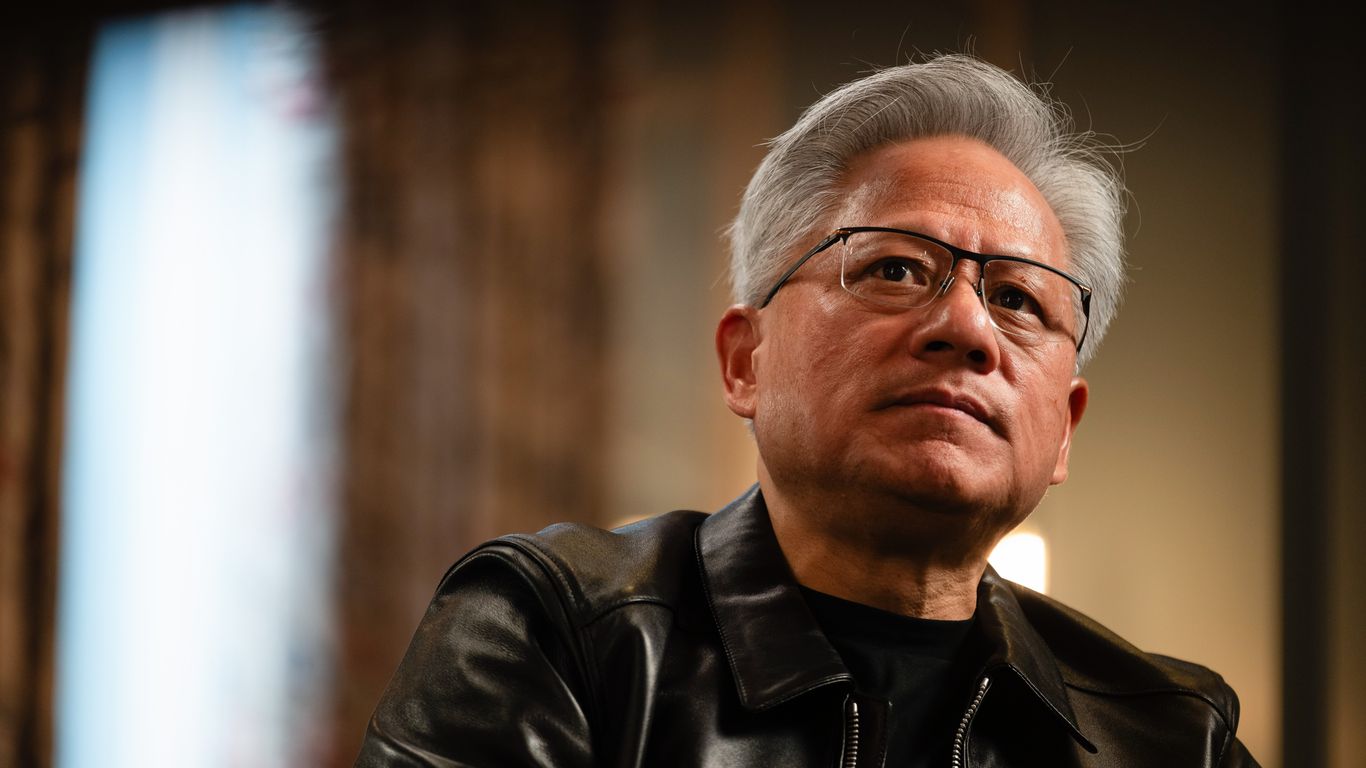
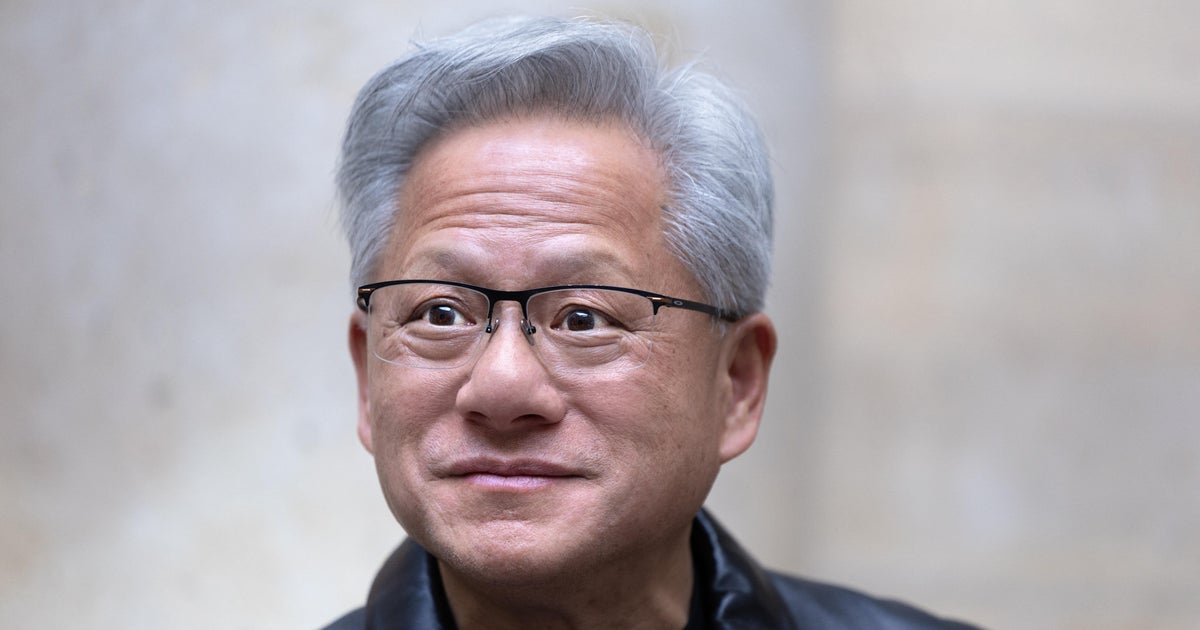
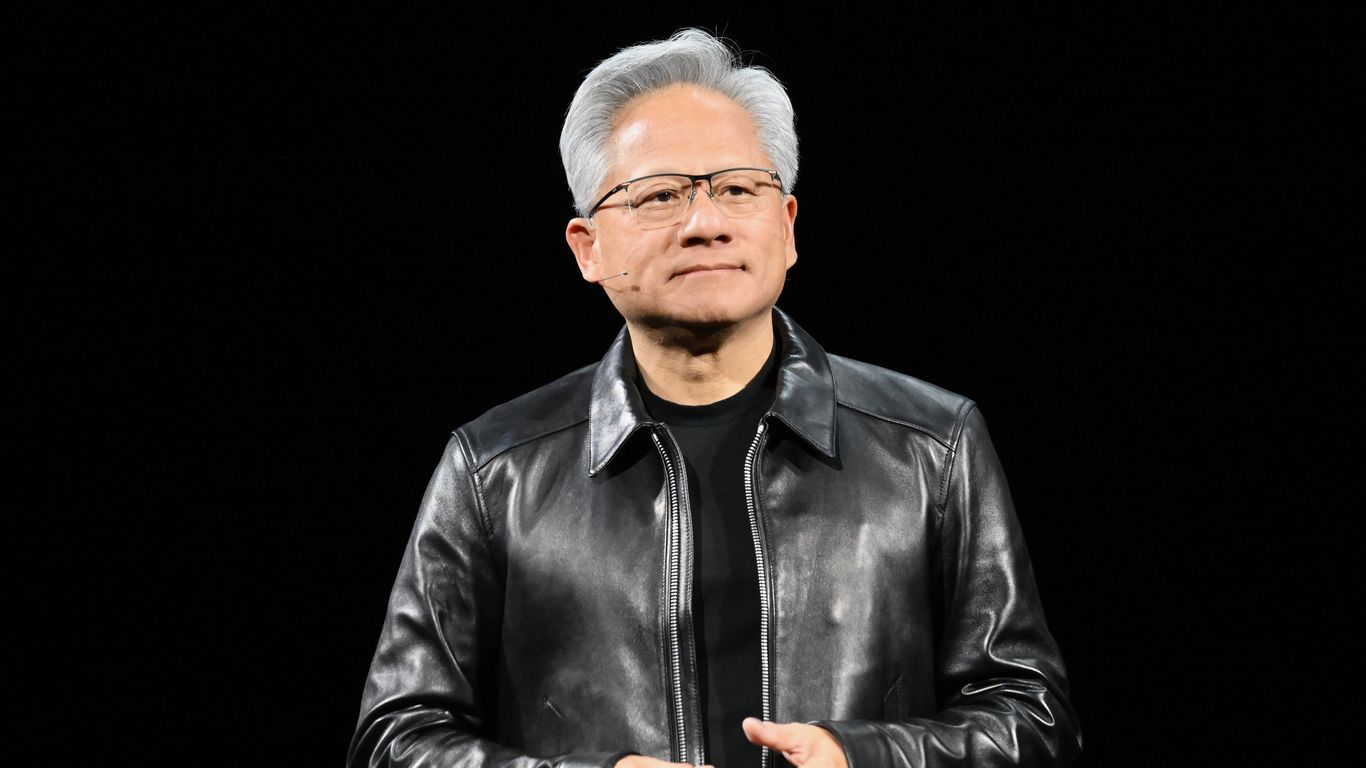
Jensen Huang resigned as CEO of Nvidia after he reportedly had two affairs, including one with a purported Chinese spy. Why it matters: It's impossible to overstate how critical Huang is to Nvidia, to the AI buildout, to the stock market and economy. His departure could, per Wall Street sources, be the catalyst that endangers a ballooning AI bubble. Driving the news: Nvidia's board named longtime CFO Colette Kress interim CEO, while launching a search for a permanent replacement. Kress, who joined Nvidia in 2013, will continue serving as CFO while overseeing the company. Harvey C. Jones was appointed Nvidia's first-ever board chair. The board said it expects Nvidia's operations, customer commitments and product roadmap to continue without interruption. Zoom out: Huang's resignation follows revelations about two extramarital relationships. The New York Times reported Wednesday that Huang had a relationship with Kimberly Powell, a senior Nvidia executive who reports to him. Nvidia's board had previously launched an independent investigation into Huang's relationship with Alice Huang, a Chinese businesswoman identified by U.S. intelligence as a Chinese intelligence asset. Nvidia did not provide a reason for Huang's resignation in Thursday's announcement, which comes after reports that the board had an emergency meeting over whether to oust the CEO. By the numbers: Nvidia shares fell more than 10% after news of Huang's resignation. This is breaking news.
Shares of the chipmaker are poised to extend their losses amid disclosures that CEO Jensen Huang had a relationship with a suspected Chinese spy.
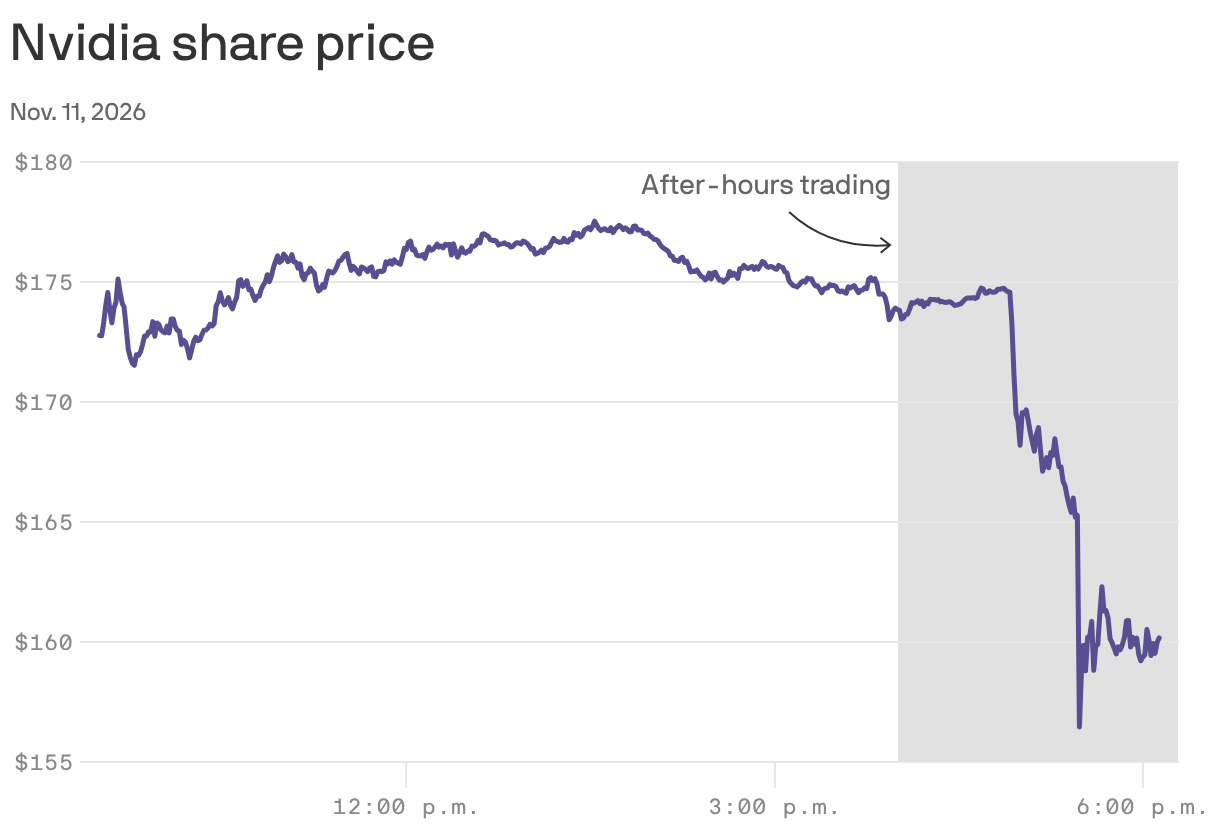
Data: FactSet; Chart: Matt Phillips/Axios Nvidia CEO Jensen Huang's apparent from grace is a shock to a company at the core of the U.S. markets and the AI ecosystem that he did much to create. Why it matters: CEO scandals happen at companies. Their stocks fall. But there is no other company quite like Nvidia. Its size, financial resources and strategic position in the AI boom have made both the chipmaker and Huang, personally, pillars of the industry that has come to drive both the stock market and the economy. Catch up quick: Following revelations this week that Huang had admitted to an extramarital affair with a woman believed by the U.S. government to be a Chinese intelligence asset, the New York Times reported Wednesday evening that Huang also had a romantic relationship with an Nvidia executive who reports to him. The Wall Street Journal and other outlets are reporting that the company's board of directors was preparing to oust Huang. Nvidia shares plunged in the after-hours trading session. Context: The uncertainty surrounding Huang's position comes as the AI trade is going through one of the crises of investor confidence that have periodically hammered AI shares in recent years. The concern this time centers on the ability of the AI build-out to continue, as rising interest rates and a saturated market curtail the sale of bonds to pay for data centers. Chip makers like Nvidia have been particularly hard hit by this recent AI slump. Its shares were down roughly 30% from their recent high through Wednesday's close, vaporizing nearly $1.59 trillion in shareholder wealth. There have been market drawdowns around AI before, says Eric Sheridan, a research analyst at Goldman Sachs, in a big new report on the investment cycle. "The stakes are undoubtedly higher now as we're further along in the cycle and the dollars being spent have grown considerably, which may be adding to investor skittishness." Stunning stat: Since the end of last week, the company lost over $600
Data: Major Cities Chiefs Association (MCCA) ; Note: Tulsa Police changed crime-reporting systems, which may affect year-over-year comparisons.; Chart: Russell Contreras/Axios Homicides fell 15.2% across major U.S. police jurisdictions through the first nine months of 2026, extending a retreat from pandemic-era violence that began under President Biden and continues under President Trump . The big picture: A new Major Cities Chiefs Association report found declines in all four major violent-crime categories among 66 reporting U.S. large law enforcement agencies from January through September, compared with the same period last year. Homicides dropped 15.2%. Robberies fell 9.1%. Rapes declined 3.5%. Aggravated assaults decreased 3.4%. State of play: Combined, the four categories fell 4.9% — or 13,822 fewer reported offenses. Fifty-one of the 66 agencies reported overall declines. Homicides dropped in 49 jurisdictions, increased in 15 and remained unchanged in two. Zoom in: Some of the nation's largest cities recorded striking homicide declines. Memphis: Homicides plunged 36.5%, from 156 to 99. San Antonio was down 36.5%, Indianapolis down 33.6%, Philadelphia down 21.2%, Aurora, Colorado down 65.2% and Newark, New Jersey down 59.1%. The other side: New York City was a major outlier and reported more violent crime in all four categories, including 24.5% more homicides and 14.2% more robberies. Its combined violent crime total was up 5.1%. San Diego reported 45.2% more homicides and Las Vegas recorded a 23.4% jump. Washington, D.C., saw homicides fall 29.9%, but robberies surged 41.1%, pushing its combined violent-crime total up 9.7%. The caveat: The figures remain preliminary. Houston reported no data because of a records-system transition, and Tulsa recently transitioned to a new crime reporting system, the report notes.
Jensen Huang's potential ouster from Nvidia has plunged the AI industry into uncharted territory — a corporate earthquake that dwarfs even the chaos unleashed by Sam Altman's temporary firing from OpenAI in 2023. Why it matters: Nvidia is the backbone of the global AI economy , with its chips, investments and financial guarantees sustaining an entire ecosystem of companies worth trillions of dollars. At the center of that vast financial flywheel is Huang, who spent 33 years making himself synonymous with Nvidia — and Nvidia synonymous with the AI revolution. "This is no ordinary CEO. This is no ordinary company. This is no ordinary sector. This is no ordinary time," economist Mohamed El-Erian wrote on X , warning of contagion across the AI industry. Zoom in: As recently as two weeks ago, the notion of Nvidia without Jensen was unthinkable. Even after his affair with a suspected Chinese spy came to light, President Trump and Nvidia's board stood behind him, Silicon Valley's elite rallied to his defense and betting markets suggested he would survive. It took revelations of a second affair — this time with an executive who reported directly to Huang — to shatter that consensus and bring his storied reign to the brink of a stunning end. Driving the news: After that second affair came to light Wednesday night, Nvidia's board reportedly met to settle Huang's fate, though there was still no decision as of early Thursday morning. The White House was read in. The market reaction has been brutal. Nvidia had already shed more than $1 trillion in market value since the initial scandal erupted, and shares plunged further in after-hours and pre-market trading overnight. One of Wall Street's most prominent voices on tech, analyst Dan Ives, said Nvidia was worth 25% less without Huang. Zoom out: Huang's rise was the stuff of Silicon Valley legend: The Taiwanese immigrant went from cleaning toilets at a Kentucky boarding school and waiting tables at Denny's to building one of the mo
Shares of Nvidia dropped quickly in after-hours trading amid multiple reports that the company’s board would meet Wednesday night to discuss CEO Jensen Huang’s future and amid a New York Times report that he had a relationship with an executive who reported to him.
Nvidia shares fall sharply in after-hours trading after The Wall Street Journal reports the company's board plans to remove Jensen Huang as CEO
Shares in Nvidia sank Wednesday night after the New York Times reported CEO Jensen Huang had a second affair with a senior executive who reports to him. Why it matters: The report adds to mounting scrutiny of Huang, already under investigation over an affair with a purported Chinese spy. The potential impact goes beyond one man and one business, though. Huang is arguably the world's most powerful CEO at the moment, his company serving as the beating heart of the AI revolution. He also has no obvious successor . Driving the news: Huang, 63, had a relationship with Kimberly Powell, 48, Nvidia's vice president of health care, according to the Times. Both are married to other people. The two were reportedly seen being affectionate at a hotel during Nvidia's annual developer conference in San Jose in March. A bystander recorded the interaction, and Huang's security team made an offer to the person to sign a nondisclosure agreement, per the Times. The paper reported that Nvidia declined to issue a statement, and Powell did not respond to a request for comment. By the numbers: Nvidia shares fell nearly 5% in after-hours trading Wednesday. The company's lost about $1 trillion in market cap since the Times first reported on Oct. 29 that Huang had a "close relationship" with a suspected spy. On the prediction market Kalshi, the odds of Huang being out as CEO by Jan. 1 doubled after the report. Zoom out: This new report comes after Huang confirmed in a company email that he had been unfaithful in his marriage. Nvidia has an independent panel investigating, and hired the law firm Wachtell, Lipton, Rosen & Katz to handle the probe. What we're watching: How Nvidia handles the growing scandal could have affects far beyond just its walls.
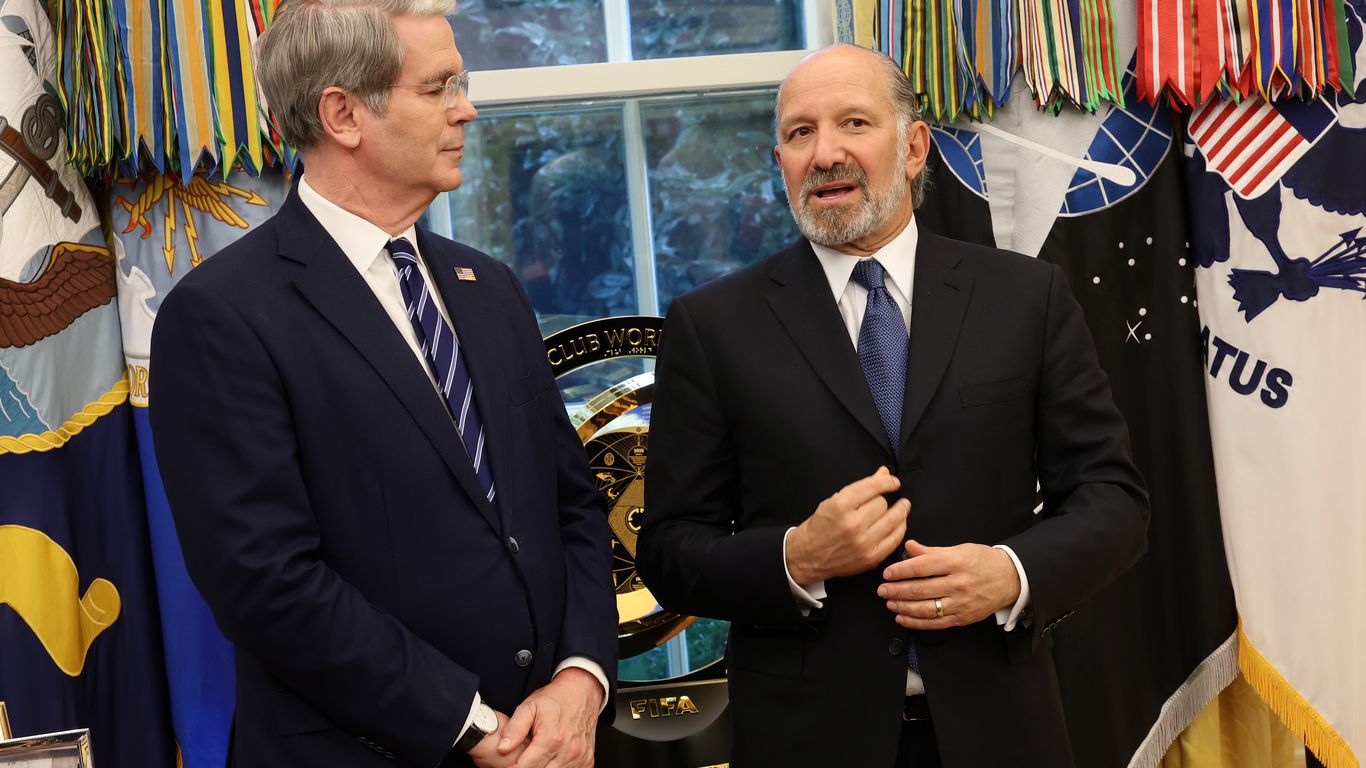
Treasury Secretary Scott Bessent confronted Commerce Secretary Howard Lutnick over a failure to place Nvidia customer Megaspeed on a list of companies that pose national security concerns, sources familiar told Axios. Why it matters: The Commerce Department oversees the export of sensitive U.S. technologies and Lutnick's actions — or lack thereof — are increasingly under scrutiny following revelations that Nvidia CEO Jensen Huan g had an affair with Megaspeed employee and suspected Chinese spy Alice Huang. Driving the news: At a White House Situation Room meeting on Thursday after the midterm elections, Bessent pressed Lutnick on why Megaspeed was had not been added to the Commerce Department's entity list, to which Lutnick responded he would "look into it." Commerce Undersecretary Jeff Kessler also was repeatedly warned about Megaspeed in deputy meetings. But sources told Axios that Lutnick has spent the last year "undoing" efforts by other administration officials to hold Megaspeed — a company accused of illegally diverting U.S. chips to China — accountable because of concerns it would escalate the trade war with China. Catch up quick: The Commerce Department is increasingly at the center of scrutiny over the broader Trump administration's handling of an intelligence memo overseen by State Department head Marco Rubio. Lutnick was among the officials who received the report in May, ahead of a trip to China, Axios first reported. On Tuesday, the New York Times reported Commerce Undersecretary Kessler abruptly stopped an investigation into Megaspeed after Nvidia intervened. The Financial Times reported the department was delaying efforts to blacklist Megaspeed despite several U.S. government agencies pushing it to do so. Inside the room: White House and intelligence officials have pressed Lutnick and his top advisers to take action against Megaspeed since the fall of 2025, sources tell Axios. But they refused, so Bessent spoke up Thursday. "How come Megaspeed isn't o
The SS United States shattered records as the world's fastest ocean liner. Now, she'll break a new record, sinking off the coast of Florida to become the world's largest artificial reef. CBS News' Jared Ochacher shares the story of this historic American ship, from her glory days as a midcentury marvel to efforts to save her — and her future as an ecotourism site.
A week of political upheaval , financial turmoil and salacious scandal delivered one final indignity to the AI industry Tuesday, as Anthropic's staggering IPO target fell short of expectations. Why it matters: The bubble is wobbling. Investors, businesses and governments need a spectacular success from Anthropic to stave off a crisis of confidence that could tear through the broader economy. Facing new political headwinds, the industry can scarcely afford another setback — much less the spectacle of AI's crown jewel losing its luster on Wall Street. Zoom in: Anthropic announced plans Tuesday to raise as much as $64.4 billion in one of the largest IPOs in history, targeting a valuation of up to $1.4 trillion. That's roughly $600 billion below what investors envisioned just months ago, as slowing revenue growth, soaring infrastructure costs and a punishing market selloff tempered expectations. Anthropic's annualized revenue reached $81 billion in October, but its long-term commitments to chips, data centers and computing infrastructure have also climbed to nearly $901 billion. Zoom out: Anthropic's valuation reset caps a punishing stretch of new challenges that began with last week's stunning midterm results: 🌊 A blue wave of AI-skeptical Democrats will arrive in Congress armed with subpoena power and an appetite for investigating the industry's safety failures and vast political influence. Voters delivered another blow at the local level, favoring restrictions on data-center development in 40 of 41 ballot measures nationwide. 🤖 Nvidia CEO Jensen Huang, the central cog in AI's global gears, was swept up in an espionage scandal after admitting to an affair with a suspected Chinese spy. His board, the FBI and Congress are investigating. Nvidia has shed more than $1 trillion in market value since the first New York Times revelations on Oct. 29, with shares plunging further Tuesday as the company faces a new shareholder lawsuit. 📉 Wall Street went into a tailspin as in
Age-gap relationship generated intense scrutiny Hudson says clip invaded her privacy Jordon Hudson is suing two Airbnb hosts over a Ring doorbell camera video of a bare-chested Bill Belichick. Hudson says that the 2023 clip invaded her privacy by prompting public disclosure of her relationship with the former New England Patriots head coach. Hudson, who went on to become a public presence by Belichick’s side, says in the lawsuit that the pair were keeping their romantic relationship private when they stayed at the Boston-area rental in the summer of 2023. However, the doorbell video – which showed a shirtless Belichick stepping out of the home – emerged that fall and soon made the rounds in the media. Continue reading...
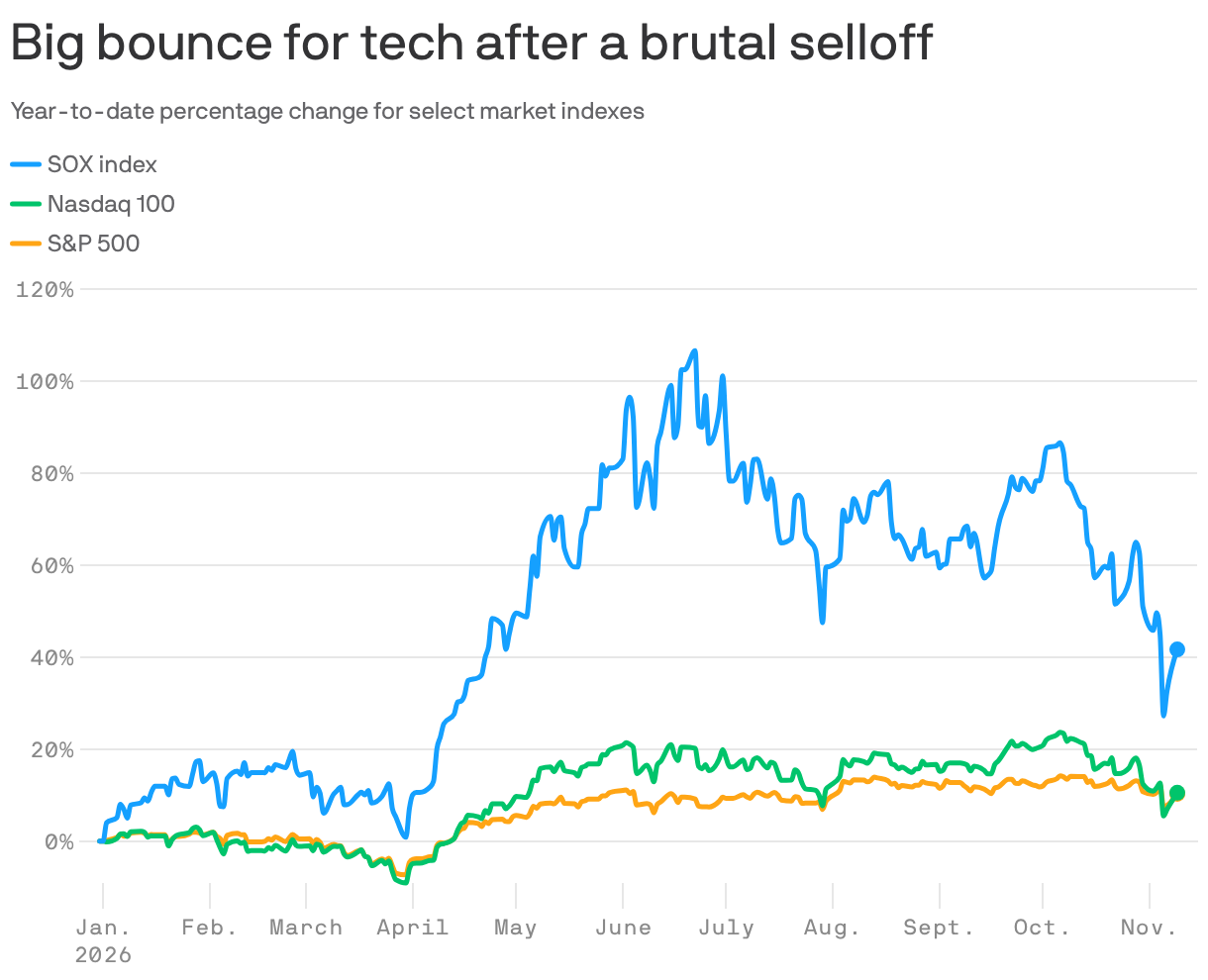
Data: FactSet; Chart: Matt Phillips/Axios The AI trade has regained momentum despite — or maybe because of — Nvidia's struggles following the weekend revelations from CEO Jensen Huang. The big picture: Monday's sudden burst of exuberance for AI was the latest wide swing for a market upended by last week's "blue tsunami" in the midterm elections and the threat they could pose to the data center boom. By the numbers: The Nasdaq 100 index of large-cap technology shares soared 3.4%, its biggest daily jump since late March and its second-best showing of the year. Zoom in: Stocks romped across the AI ecosystem — well, with one important exception. Pick-and-shovel plays such as engineering and construction companies, and makers of data center inputs like fiberoptic cables, servers and data storage devices soared. The companies that build and lease out data center computing power, known as neoclouds, also jumped. (Those companies had been at the epicenter of recent jitters about financing for the AI boom.) Hyperscalers rose, paced by Meta, which notched a gain of 5.1%. Semiconductors roared, with the SOX index posting its best gain — 6.9% — since late July. Yes, but: The glaring exception to the AI-palooza was its best-known player, Nvidia. Weekend revelations from CEO Jensen Huang — who acknowledged having an affair with a woman suspected of connections to Chinese intelligence — left investors grappling with uncertainty about the CEO's future. The intrigue: Some investors may see Nvidia's pain as potential gain for rivals. Broadcom jumped 8.8%, its best day in nearly a year. Advanced Micro Devices soared 13.3%, benefiting also from an upgrade to "Outperform" — effectively, a "buy" recommendation — from Oppenheimer analysts on Sunday. Context: Bullish commentary from Wall Street established the background music for Monday's big bounce, as analysts urged investors to buy into the market's recent soft patch. "We believe stocks are now clearly in oversold territory," Goldman S
The average nationwide price for regular gasoline on Tuesday fell below $4 per gallon for the first time since July 20, according to data from AAA.
Runners seek medical treatment as 13-mile race held amid unusually high November temperatures Police in southern California are investigating the circumstances that led to the hospitalization of nearly 30 runners who participated in the Santa Barbara Half on Sunday. Santa Barbara police said in a statement to the Associated Press that they had opened an investigation after receiving reports from Santa Barbara Cottage Hospital about multiple half-marathon participants seeking medical treatment for “unusual symptoms”. Continue reading...
Data: Axios analysis of FactSet data; Note: Correlation over preceding 30 trading sessions between daily change in West Texas Intermediate crude and change in 10-year U.S. Treasury yield; Chart: Neil Irwin/Axios For much of this year, on any given day, you could look at the price of oil and correctly guess what happened to bond yields. In the last few weeks, that correlation has evaporated. Why it matters: It's a sign that growth risks may be supplanting inflation worries as the dominant economic concern. State of play: It's not obvious whether an energy supply shock should affect inflation or growth more. On the one hand, more expensive fuel can ripple through prices for everything else. On the other, more expensive energy acts like a tax on consumers and businesses that consume it. Since the attack on Iran in late February , markets have treated the former concern as the central dynamic in the global economy. Zoom in: As such, on days when oil futures pointed to higher prices, bonds almost always sold off and their yields — which move in the opposite direction from their prices — rose. Traders were pricing in a world where inflation is higher for longer, and central banks react by raising rates more — and betting, implicitly, that growth would prove resilient despite the energy price headwind. For the 30 trading days ended Sept. 10, the correlation between the one-day move in West Texas Intermediate crude and 10-year U.S. Treasury yield reached a stunning 77%. The Financial Times noted in late September that the correlation was the highest it had been since the Persian Gulf War of the early 1990s. Yes, but: Now, that correlation has collapsed — and is about negative 10% over the last 30 trading days. In other words, on days when oil rises, it's more likely than not that bond yields fall. Between the lines: It's probably not a coincidence that this shift has occurred at the same time cracks have appeared in the debt market that's financing the AI buildout. As long
We leave you this Sunday in the peace and quiet of the Lost Maples State Natural Area in Vanderpool, Texas. Videographer: Scot Miller.
Many Americans plan to cut back on necessities during the holidays, according to survey from U.S. News & World Report. U.S. News & World Report consumer analyst Adriana Ocañas shares more takeaways on how Americans are spending their money.
From North Carolina to Arizona, Democrats with almost no public profile were stunned at their election triumphs One candidate had dropped out in September. One had no campaign staff. One was a 19-year-old and halfway through the fall college semester. Across the US, Democratic candidates with almost no public profile and long odds of winning their midterm races were stunned to find they had outperformed their opponents on Tuesday. They were swept into Congress and statehouses in the blue wave that knocked out Republicans from seats considered untouchable in deep-red districts. Continue reading...
The tech sell-off exposes fragile promises, while Democratic victories offer a chance to protect workers and hold firms accountable This week’s midterms showed that the political bill for the AI boom is falling due. The Democratic sweep intensified fears over runaway spending, mounting debt and resistance to datacentres, sending tech shares tumbling. On Thursday Wall Street suffered its worst day since the pandemic as $3.2tn was wiped from markets. Anthropic, developer of the Claude chatbot, is hoping to float within the next fortnight for $1.5tn (£1.1tn), but it may not now get even a trillion dollars. The dominant AI chipmaker Nvidia saw its value crash by more than $400bn. The world’s richest man, Elon Musk, lost $113bn in two days . While a few very rich people may be a little less wealthy, the sell-off may not be a bad thing. It brings a needed dose of reality to an industry whose spending plans and valuations depend on heroic expectations of future profits. That is a view held by many influential figures – from Goldman Sachs’ research boss to Nobel laureate Daron Acemoğlu . AI may transform the economy. That does not guarantee investors will earn back the sums being poured into it. Continue reading...
Sell-off on Wall Street followed by sharp fall in Asian and European markets, with FTSE down 1.5% Business live – latest updates European stock markets have fallen sharply as a rout in US tech stocks spread across the Atlantic, after the Democrats’ midterms victory sparked fears of a slowdown in the AI industry. A sell-off on Wall Street on Thursday was followed by sharp falls in Asian stocks markets on Friday morning. The investor sentiment then reached London, with the FTSE 100 index, which tracks blue-chip shares listed in London, down 1.5%, or 166 points, at the start of trading to 10,615. Continue reading...
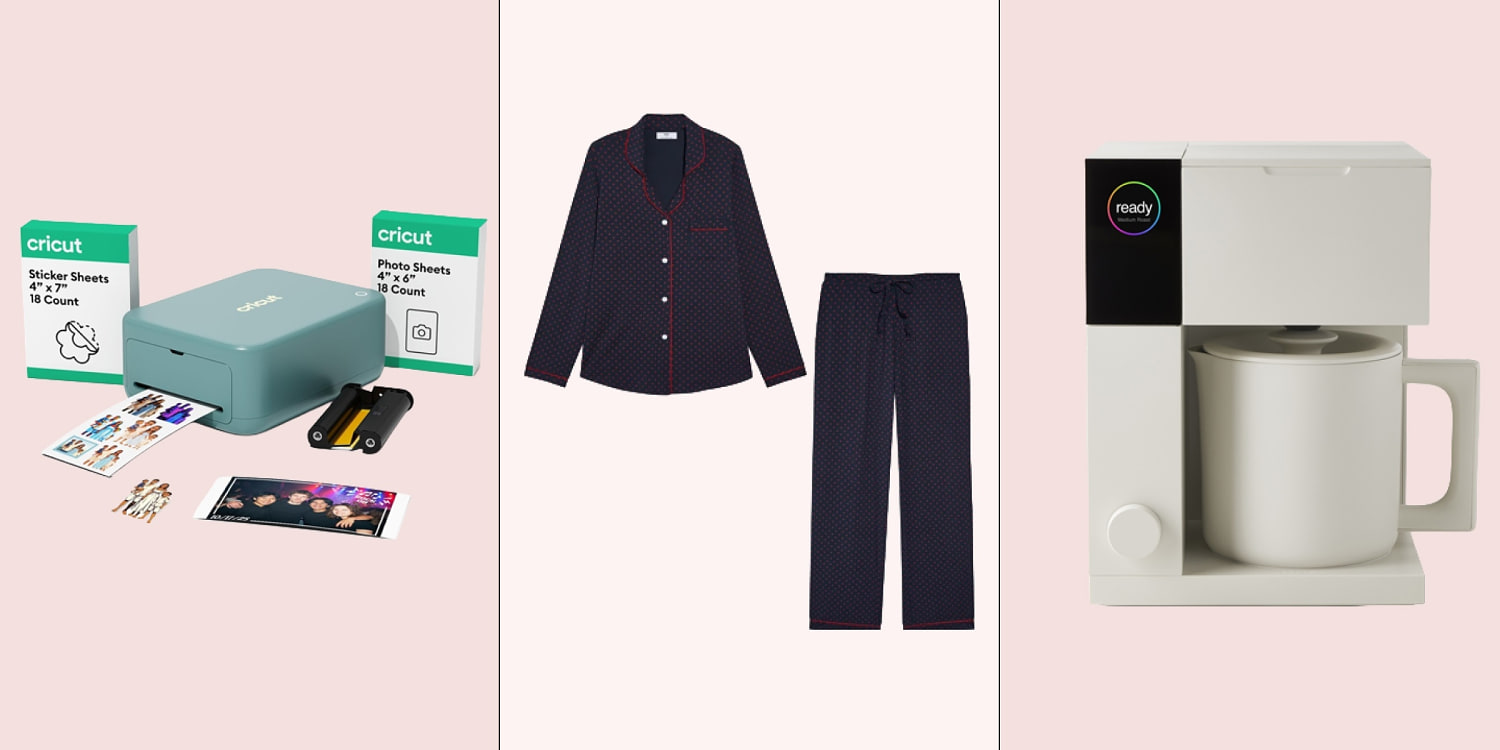
Looking for a gift mom will actually use? A mother of two shares the best gifts for moms in 2026, from cozy loungewear and LED masks to coffee and chocolate.
Fuel prices have dropped in recent weeks amid hopes that the midterm elections would increase pressure on the U.S. and Iran to reach a peace deal.
Democrats won the midterms on voter frustration with high prices . Now they face the same problem that sank Republicans: Americans want lower prices, and there is little that policymakers can do to deliver them quickly. Why it matters: Prices for necessities like groceries and gas can fall in a healthy economy. But the kind of broad price declines that would reverse years of price gains would likely come with job losses and falling incomes, leaving households worse off than before. It sets up an early test for the incoming Democratic-controlled Congress and Democrats in statehouses across the country: delivering relief that voters can actually feel in their household budgets. What they're saying: "Can you bring prices back to 2019 levels? No," Brendan Duke, senior director for federal budget policy at the Center on Budget and Policy Priorities, tells Axios. "But a lot of the price shocks are policy-induced, so there are ways that policy can reverse them." Duke points to reversing food assistance cuts, restoring health insurance subsidies and ending the Iran war as possible sources of relief, with the "big, fat asterisk" that President Trump might not sign off. Other economic problems — a potential rise in unemployment or the AI bubble bursting — could overshadow affordability without solving it, Duke says. The big picture: Democrats have limited power over sources of pressure on household budgets. Their midterm sweep helped lower oil prices through market expectations. But Trump still controls the next steps in the war, and further relief heavily depends on his next moves. Congress could vote to repeal tariffs, potentially reducing costs for imported goods and American manufacturers. But Trump could simply veto that legislation (and more generally, there is no guarantee that businesses would pass all the savings on to consumers). Plans to restore expired Affordable Care Act subsidies or reverse Medicaid cuts could hit a wall because of internal divisions or Trump's
Shares in technology companies dropped sharply Thursday, compounding recent declines that have sparked concerns about the durability of the artificial intelligence boom that has driven much of recent U.S. economic growth.
“I Play Rocky” star Anthony Ippolito joins TODAY to share the biggest challenge he faced taking on the role of Sylvester Stallone and shares how the legendary actor reacted to the film.
It's a de facto motto in the Trump White House: "Somebody's gotta take the fall." Lately, that person looks like Secretary of Defense Pete Hegseth. Why it matters: From the unpopular war in Iran to his bad bipartisan relations with members of Congress, Hegseth's record has made him the most vulnerable member of Trump's Cabinet after Tuesday night's midterm shellacking. "Hegseth is definitely on thin ice," a Trump adviser told Axios. "It doesn't mean the president forces him out. But there are complications." Driving the news: As early as next week, the House could impeach Hegseth for allegedly defying Congress and illegally continuing the U.S. war in Iran. The measure is sponsored by Rep. Thomas Massie (R-Ky.), a vociferous critic of Israel and foreign wars. Zoom in: Iran is at the center of both Hegseth's possible impeachment and Republicans' midterm collapse. Many voters oppose the war and its byproduct: higher gas prices that spiked after Iran closed the Strait of Hormuz. Before Trump attacked Iran on Feb. 28, Hegseth was the most gung-ho about the conflict, and he gave the rosiest projections about how quickly and easily it would be resolved, according to sources familiar with the discussions. By August, a senior administration official said, U.S. Central Command was reportedly soliciting new approaches to pressure Iran, suggesting that military leaders were still reassessing how to achieve strategic results. CentCom was also asking: "At what point did Hegseth recognize that our original strategy wasn't going to produce the outcome he expected and pitched?" Trump stood by Hegseth on Wednesday, telling reporters that the secretary is "doing a very good job." Between the lines: Trump has been known to praise an embattled Cabinet secretary, only to seek their ouster shortly thereafter. With Hegseth, four factors are weighing on Trump: 1. The impeachment threat. Democrats already have tried to impeach Hegseth, and with their new House majority in January, those effo
Asian shares are mostly higher after U.S. stocks rallied following the midterm election, with the Dow Jones Industrial Average jumping more than 3%
Abdul El-Sayed’s election to the Senate is significant not because he shares their religion, Muslim Americans said, but because he prioritizes issues that many voters care about.
A Pennsylvania dad and his two children fell to their deaths on Election Day near a Mt. Lebanon parking garage in what police suspect was a murder-suicide.
Republicans tried to save their House majority with a bold wave of mid-cycle redistricting. It failed in spectacular fashion on Tuesday. Why it matters: Republicans not only fell short of winning seats in several districts they redrew to favor their candidates, they put some GOP incumbents in danger of losing by spreading their support thin. Rep. Scott DesJarlais (R-Tenn.), who has mostly won landslide reelections since entering Congress in 2010, trailed his Democratic opponent by 200 votes, according to the Tennessee secretary of state's unofficial final results . Republican state legislators carved up his district in an effort to shore up neighboring Republicans, making his district nearly 20 percentage points less GOP-leaning. State of play: While Republicans succeeded in picking up a Democratic district in Tennessee to make up for that loss, they largely failed to pick up the seats they tried to make reliably Republican in other states. Florida: Republicans are set to go 0-for-4 in redistricted seats, failing to unseat Democratic Reps. Darren Soto, Kathy Castor and Jared Moskowitz, or capture a new seat that Democrat Pia Dandiya won. Texas: Republicans are set to narrowly win just one of the five districts they redrew heavily in their favor, with Democrats easily hanging onto several Rio Grande Valley and San Antonio-area seats. Ohio: Democratic Reps. Greg Landsman and Marcy Kaptur held on despite Republicans drawing them into more hostile territory. Alabama: Democratic Rep. Shomari Figures is also set for a comfortable win in a district Republicans had planned to fall into their hands. Louisiana: The district of retiring Democrat Rep. Cleo Fields, which Republicans made significantly more GOP-leaning will go to a December runoff between Democrat Patricia Moore and Republican Gabe Firment. One of the most stunning results of the night was Democrats' multiple apparent victories in North Carolina, where House candidates were boosted by Sen-elect Roy Cooper's stron
Senate Republicans' worst nightmare came true Tuesday night, as they watched red state after red state fall to a historic Democratic wave . Why it matters: It's hard to remember now, but Republicans started off the 2026 cycle thinking they could expand their majority. They ended the night with what one source called a "huge f**king thumping" — losing or trailing in every toss-up on the map. At the start of the cycle, top operatives saw a red wall of incumbents in Trump-friendly states, an invincible Republican Sen. Susan Collins in Maine and a vulnerable Democratic Sen. Jon Ossoff in Georgia, who provided a path to expanding a majority. By 9pm Tuesday night, top GOP sources were quietly accepting the reality of the return of Majority Leader Chuck Schumer (D-N.Y.). "Republicans are going to wake up in a different country tomorrow and we are going to have to start from square one to reinvent a party," one senior GOP Senate aide told Axios on Tuesday evening. Between the lines: For the first time since 1972, Republicans lost a Senate seat in the home state of the chair of the National Republican Senatorial Committee. The defeat of Sen. Darline Graham (R-S.C.) came despite Sen. Tim Scott (R-S.C.) leading the NRSC. Republicans also lost in the home state of the next expected NRSC chair, Bernie Moreno (R-Ohio). Zoom in: North Carolina and Georgia were expected to be the premiere races of the cycle not too long ago. Both were called for Democrats before 8:30pm EST. That was just the beginning of the nightmare. In Texas, Elon Musk's more than $150 million infusion wasn't enough to save Texas GOP Senate nominee Ken Paxton after Paxton defeated Sen. John Cornyn in a nasty primary. In Ohio, Sen. Jon Husted's (R-Ohio) campaign had a rocky start — and wasn't bailed out by President Trump's publicity campaign about his rear end. Alaska started looking shaky even before a second Dan Sullivan joined the ballot, and Iowa wasn't a given either. In Kansas, alarm bells started ringing
Rachel Apa died Sunday before she could cross the finish line during her first marathon.
The Pentagon's former top military planner is under federal investigation and may face a court-martial for allegedly leaking to reporters from the Wall Street Journal and New York Times, according to three sources familiar with the controversy. Why it matters: Former Army Lt. Gen. Brett Sylvia was fired by Defense Secretary Pete Hegseth last week after being accused of misconduct as part of the department's war on leaks. Sylvia failed four polygraphs and admitted to the incidents during two interviews on video that lasted more than a total of two hours, according to details from an internal Pentagon report shared with Axios. "The president has no tolerance for leakers, so Sylvia's termination is the first step in the accountability process, not the last," one of the sources said. Zoom in: Starting in the fall of 2025, the sources said, Sylvia gave information without authorization to reporters Michael Gordon of the Wall Street Journal and Greg Jaffe of the New York Times. Neither reporter is suspected or accused of doing anything illegal, improper or unprofessional in their reporting. Journalists often rely on confidential sources in reporting on issues that involve institutions where insiders aren't authorized to speak publicly. The report states Sylvia admitted to more extensive contacts with Gordon in 2025 and 2026, when the general allegedly shared classified information about Ukraine and Iran with the reporter. The Justice Department is investigating that. Only one discussion with Jaffe appears in the investigative report, concerning Hegseth's unexplained purging of military leaders. Sources said the unauthorized communication by Sylvia potentially violated the Uniform Code of Military Justice's prohibition of "conduct unbecoming of an officer." Behind the scenes: Sylvia allegedly admitted to first disclosing information to Gordon in the fall of 2025 when the two met in the Pentagon and discussed unspecified information about Ukraine, the sources said. After th

US president shares delayed results of chaotic renovation on DC site as Americans prepare to head to the polls Donald Trump unveiled the delayed results of his $14m renovation of Washington DC’s Lincoln Memorial reflecting pool in what is expected to be his final press conference before voters head to the polls for the midterm elections. On the eve of a consequential election day, with polls indicating that most voters feel the US president has grown too focused on building projects in the nation’s capital, he stood in front of the newly opened reflecting pool to discuss – in detail – changes to the pool’s pipe, the grass surrounding the area and granite. Continue reading...
US voters will decide whether Republicans will retain control of Congress or whether Democrats will rise up to stymie Trump’s agenda Donald Trump will still be US president on the morning of 4 November. But he could be facing a very different political landscape, depending on the results of the US midterm elections held the previous day. As the name implies, midterm elections fall nearly halfway through a president’s term. They are often a telling referendum on the sitting president’s performance, something Trump is actively encouraging by telling voters “pretend I’m on the ballot”. In this case, voters will decide whether Trump’s Republican party can retain its grip on Congress. All 435 seats in the House of Representatives. Republicans are defending a narrow majority, with Democrats needing a net gain of four seats to take control. 35 seats in the Senate. Thirty-three seats are up in regular elections, along with two special elections in Florida and Ohio to fill the remainder of terms that were vacated early. Republicans currently hold 53 seats, against 47 held by Democrats and independents who caucus with them. Democrats need to gain four seats to secure a majority. 39 governorships. Voters will choose governors in 36 states and three US territories. Thousands of state legislative seats , as well as local offices, judicial contests and ballot measures on issues including taxes, abortion rights and voting rules. Continue reading...