TopNewsOn

Results for “sue california”

We’ve just seen a transformative moment in America’s death penalty history | Austin Sarat

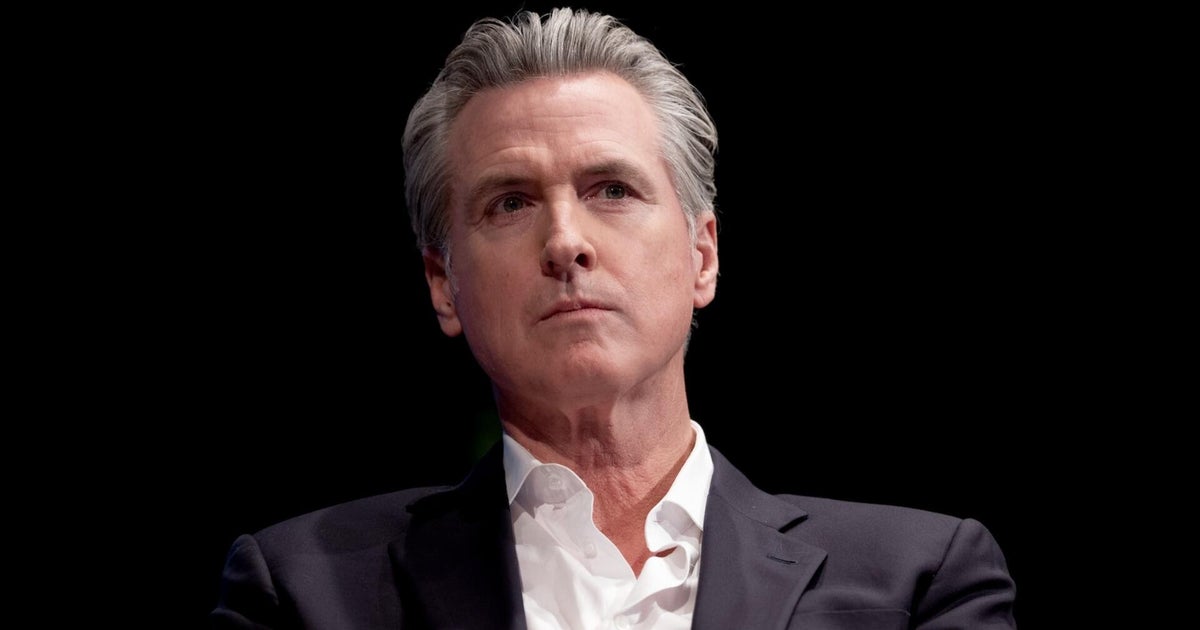
Gavin Newsom’s decision to empty California’s death row saves hundreds of lives and signals a national shift Gavin Newsom’s decision to empty his state’s death row is a truly remarkable moment in the US’s death penalty history. Not only will it free hundreds of people from the threat of execution, but coming from a politician seemingly looking to run for the presidency, it sends an important signal that America’s attachment to capital punishment is weakening, and opposing the death penalty is no longer a third rail in US politics. Continue reading...

The Guardian · 6h ago
Raman ousts Bass in LA mayor race for historic socialist win

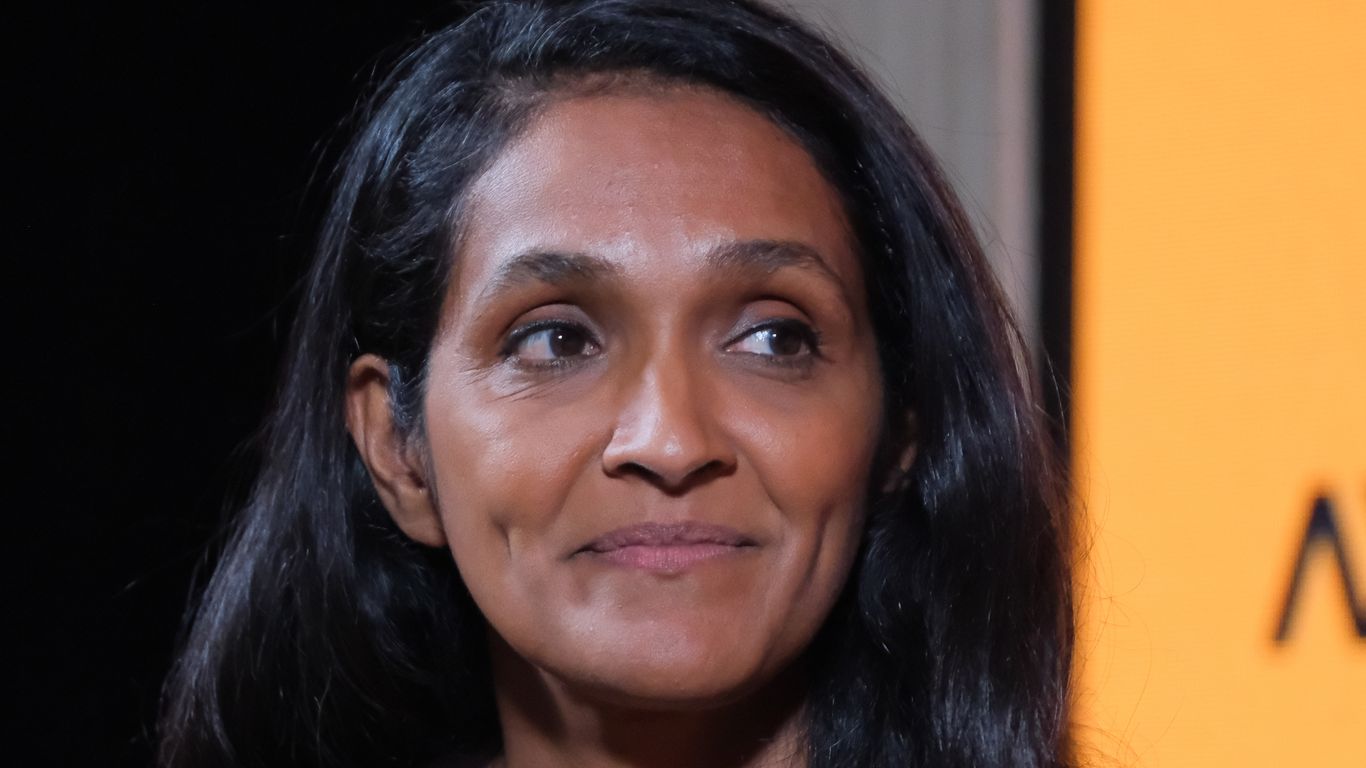
Democratic socialist Nithya Raman toppled embattled Los Angeles Mayor Karen Bass in a stunning upset, putting South Asian immigrants on course to lead America's two largest cities. Why it matters: With New York's Zohran Mamdani already in office, Raman's win puts democratic socialists on track to run two of America's most powerful city halls — testing whether their promises on affordable housing and better government can survive the pressures of governing. The big picture: Raman's victory marks a historic shift in urban American politics as voters embrace a new generation of immigrant leaders challenging the Democratic establishment. Raman, 45, immigrated from India as a child. Mamdani, New York's mayor, also has South Asian roots and immigrated to the U.S. Both built their political careers around affordability and inequality, giving democratic socialism a powerful foothold in America's largest cities. State of play: The Associated Press called the race for Raman Thursday, making Bass the first Los Angeles mayor in two decades to lose reelection. Raman led Bass 52.1% to 47.9% in unofficial results released Thursday. Ballot counting continues. Bass, who won in 2022, conceded and pledged a smooth transition. Raman takes office Dec. 14. Raman defeated a political heavyweight backed by California Gov. Gavin Newsom, former Vice President Kamala Harris, former House Speaker Nancy Pelosi and much of the City Council. Zoom in: Raman capitalized on growing frustration over homelessness, housing costs and Bass' handling of the deadly 2025 Palisades Fire. A September Berkeley IGS/L.A. Times poll showed Raman leading Bass 66%-4% among likely voters under 30 and 45%-21% among Latino likely voters. Bass narrowed the gap. The final Berkeley poll showed the candidates tied at 40%, with 19% undecided. Among Latino likely voters, Raman's lead shrank to 43%-40%. Raman launched her challenge in February after previously endorsing Bass, turning former allies into political rivals. Zoom

Axios · 19h ago
Epstein files back in spotlight after midterms

Congress returns next week facing a renewed push for transparency over the Jeffrey Epstein files, as a top House Democrat promises new investigations following the party's midterm victories. Why it matters: The Epstein files controversy has been a recurring political issue throughout President Trump's second term and featured prominently in the midterm campaigns . Democrats' incoming House majority could bring fresh scrutiny of his administration's handling of the files. Driving the news: Rep. Thomas Massie (R-Ky.) is harnessing that momentum as lawmakers return, ahead of his January departure from Congress . Massie said in a Thursday post that when the House returns, the effort to force a vote on a second Epstein Files Transparency Act would secure the necessary 218 signatures. Rep. Ro Khanna (D-Calif.) , who has led the bipartisan effort with Massie, announced in September that they had received sufficient signature commitments for the measure — but House Speaker Mike Johnson (R-La.) sent the House home early. What's inside: Massie and Khanna introduced the Epstein Files Transparency Act II in July, building on their initial legislation that Trump signed in November of last year after previously working to undercut the effort. The bill would allow state attorneys general, local prosecutors and victims to sue the U.S. attorney general over alleged unlawful withholdings, redactions or failure to produce records. It would also require the attorney general to provide certain unredacted documents to victims upon request. Zoom out: The momentum is unlikely to slow when Democrats take control of Congress in January. With corruption emerging as a top election concern, Democrats ran attack ads accusing the GOP of protecting powerful elites. Candidates from both parties and outside groups aired at least $70 million in TV ads mentioning Epstein, pedophilia and allegations of child sexual abuse between Sept. 1 and Oct. 21, according to AdImpact data reviewed by Axios' Alex Is

Axios · 19h ago
Newsom moves to empty California's death row as 2028 looms

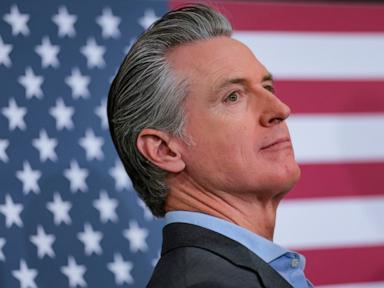
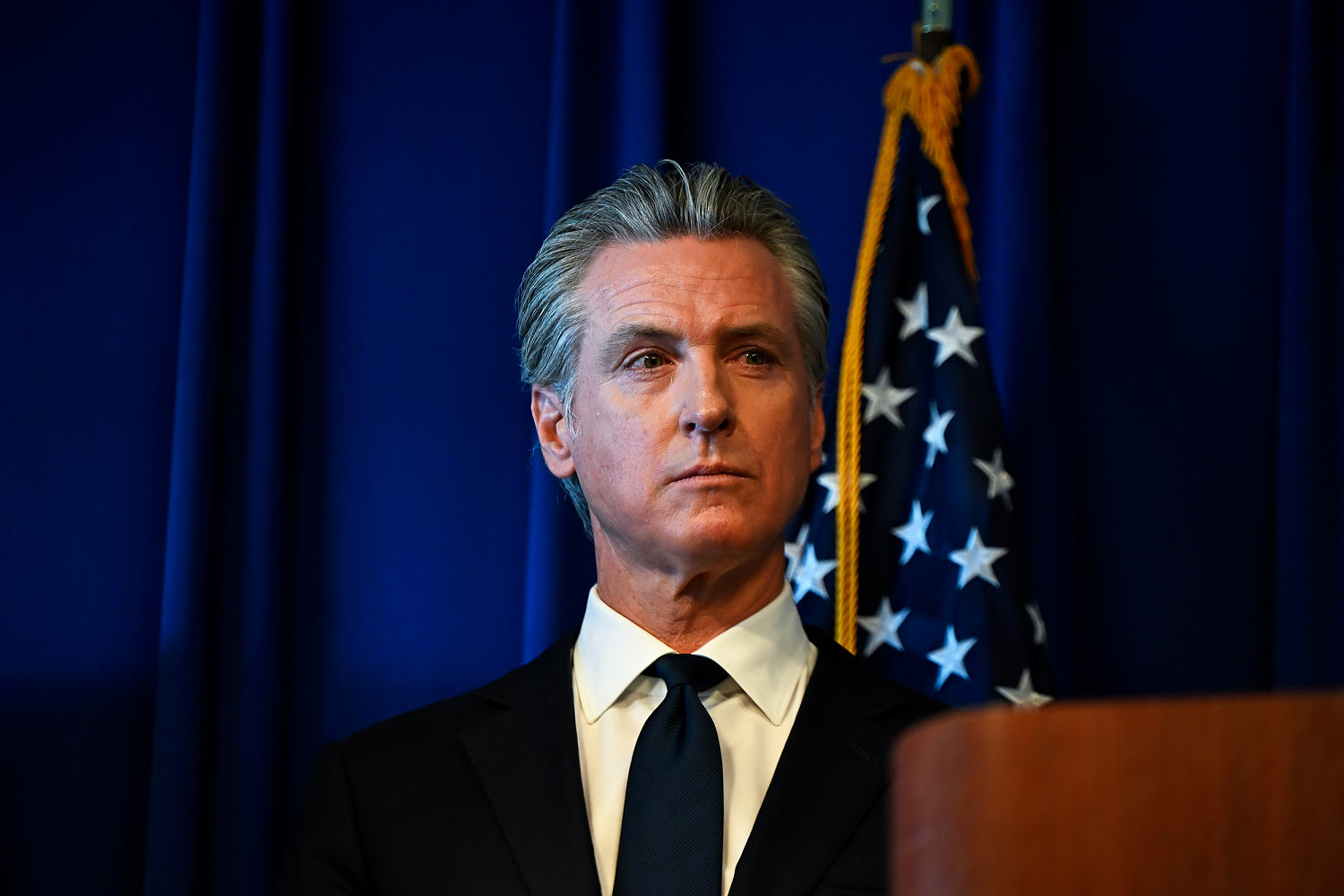
California Gov. Gavin Newsom announced Thursday he plans to commute all 548 of the state's death sentences to life without parole, a sweeping decision that could empty the nation's largest death row. Why it matters: If Newsom follows through, it will be the largest mass commutation of death sentences in U.S. history , reducing the national death-row population by more than a quarter. The move comes during Newsom's final months as governor and ahead of a potential 2028 bid for president. What he's saying: "I know we cannot execute people in our imperfect legal system and remain true to our core values, first among them justice and human decency," Newsom wrote in a letter to Californians. "Many Californians feel that those who commit brutal crimes deserve to die. But as Governor, I have concluded the state cannot morally kill them." "We can now let these offenders die in obscurity while we forever remember and honor their victims." "This decision is among the most difficult of my career," he wrote. Context: Newsom can commute some sentences on his own, but prisoners with multiple felony convictions need approval from the California Supreme Court before their sentences can be reduced, per the California Constitution . Yes, but: This won't end the death penalty in California. It remains legal even though the state hasn't performed one since 2006 . In fact, California voters rejected ballot measures in 2012 and 2016 to end capital punishment. Flashback: Shortly after taking office, Newsom instituted a moratorium on executions , reprieving 737 prisoners from death row. The ACLU has been pushing Newsom to commute death row sentences since former President Biden did so in 2024 for 37 federal prisoners. Other Democratic governors have similarly commuted death sentences, including North Carolina Gov. Roy Cooper , who commuted 15 in 2024. Zoom out: The death penalty faces heavy scrutiny nationwide after Tennessee's failed execution attempt of Christa Pike and Defense Secretary

Axios · 19h ago
The great sleeping giant of America has awakened | Robert Reich

The real question in my mind is whether Democrats will take advantage of the new age of populism The great sleeping giant of the US has awakened, taken a hard look at what’s become of the nation, and roared a thunderous “NO!” What occurred on Tuesday was not – as some are saying – the inevitable midterm swing of the pendulum against the party in power. Texas hasn’t elected a Democratic senator since 1988. The last time Kansas elected a Democratic senator was 1932. Robert Reich, a former US secretary of labor, is a professor of public policy emeritus at the University of California, Berkeley. He is a Guardian US columnist and his newsletter is at robertreich.substack.com . His new book, Coming Up Short: A Memoir of My America, is out now in the US and in the UK Continue reading...

The Guardian · Nov 4
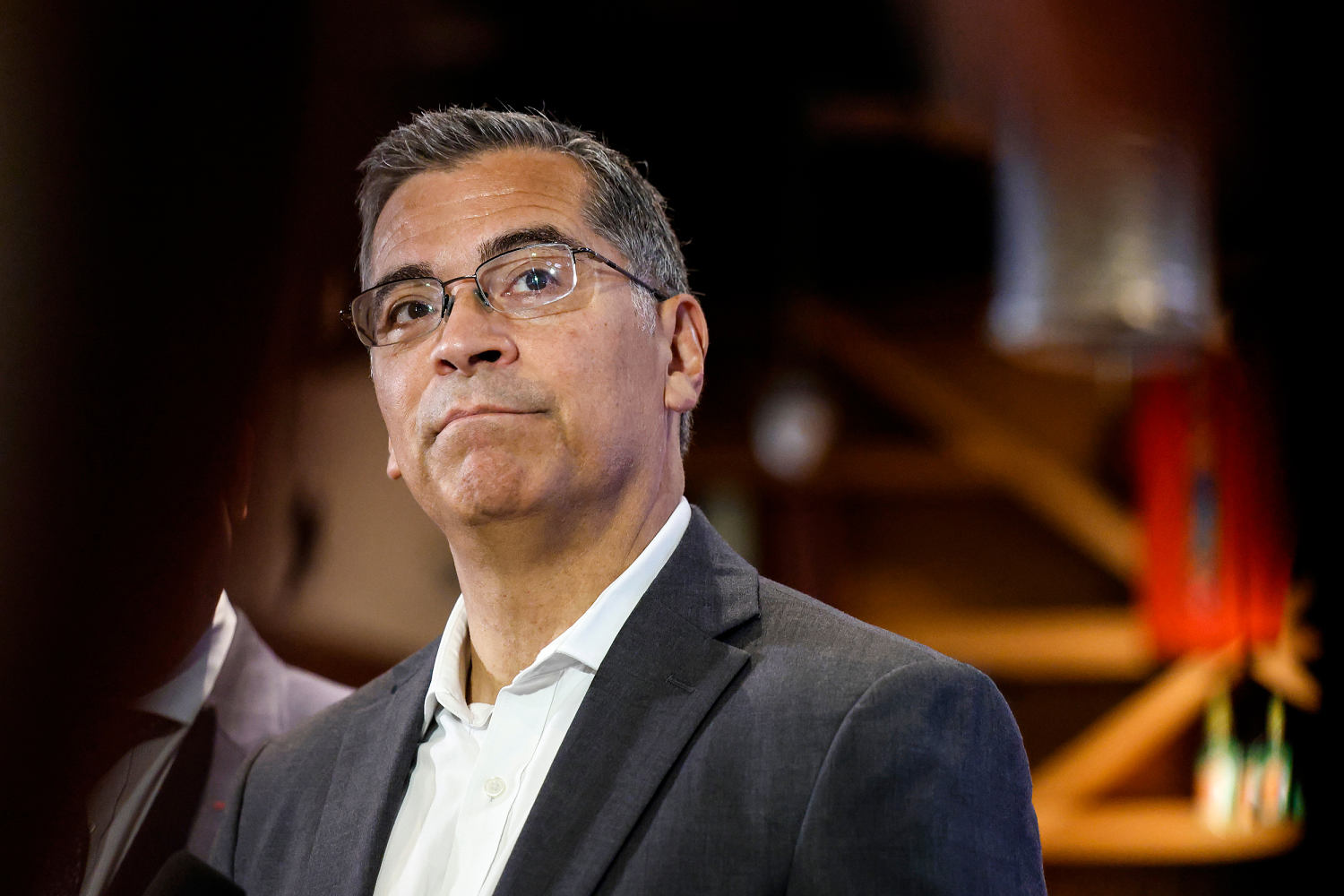
Xavier Becerra wins California race for governor with vows to resist Trump’s agenda

Son of Mexican immigrants will become state’s first Latino governor since 1875 after victory over ex-Fox News host Steve Hilton Xavier Becerra, the Democratic former health and human services secretary, was elected governor of California, marking the historic ascension of a longtime public servant who has vowed to resist Donald Trump’s agenda for the final two years of his presidency. Becerra, 68, is the son of Mexican immigrants and will become California’s first Latino governor since 1875, a milestone in a state where more than 40% of residents are Latino and nearly one in two children has an immigrant parent. Becerra was the overwhelming favorite to defeat Steve Hilton, the Republican endorsed by Trump. Continue reading...

The Guardian · Nov 4
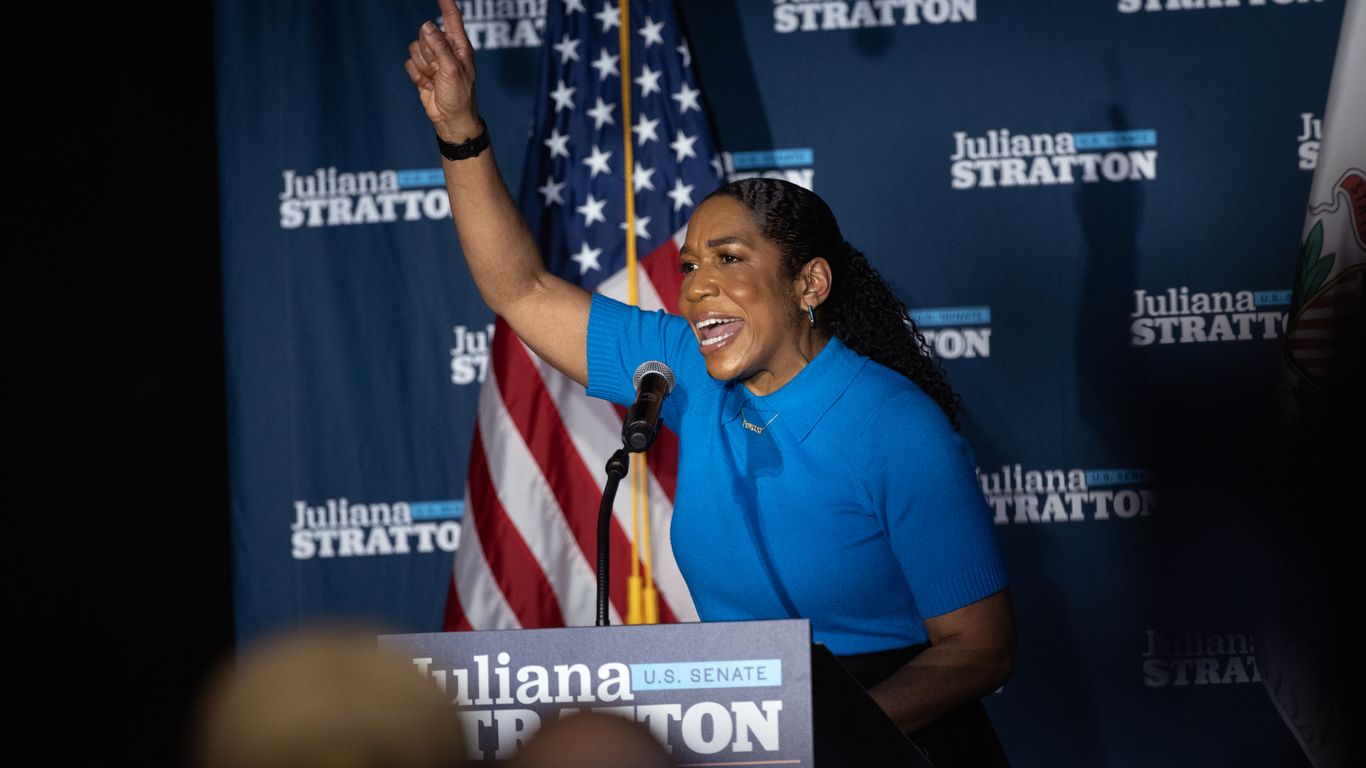
Stratton's win sets up Senate first for three Black women

For the first time in history, three Black women will serve simultaneously in the U.S. Senate when Illinois Lt. Gov. Juliana Stratton takes office in January. Why it matters: It took over 235 years for two Black women to serve in the U.S. Senate at the same time. Two years later, that number will grow to three. Driving the news: Stratton won election to the U.S. Senate on Tuesday, defeating Republican Don Tracy, per AP. She'll join Sens. Lisa Blunt Rochester (D-Delaware) and Angela Alsobrooks (D-Maryland), who were both elected in 2024 and became the first two Black women to serve simultaneously in 2025. The Stratton campaign did not immediately respond to Axios' request for comment. By the numbers: Stratton will become the sixth Black woman to serve in the U.S. Senate and the second from Illinois, where Carol Moseley Braun became the first Black woman ever elected to the chamber in 1992. Former Vice President Kamala Harris became the second Black woman elected to the Senate in 2016. Former Sen. Laphonza Butler became the third to serve when California Gov. Gavin Newsom appointed her in 2023, but she was never elected. The bottom line : Stratton and Sen. Tammy Duckworth will make Illinois the first state represented by two women of color in the Senate simultaneously. Go deeper: Juliana Stratton wins Illinois U.S. Senate race, making history

Axios · Nov 4
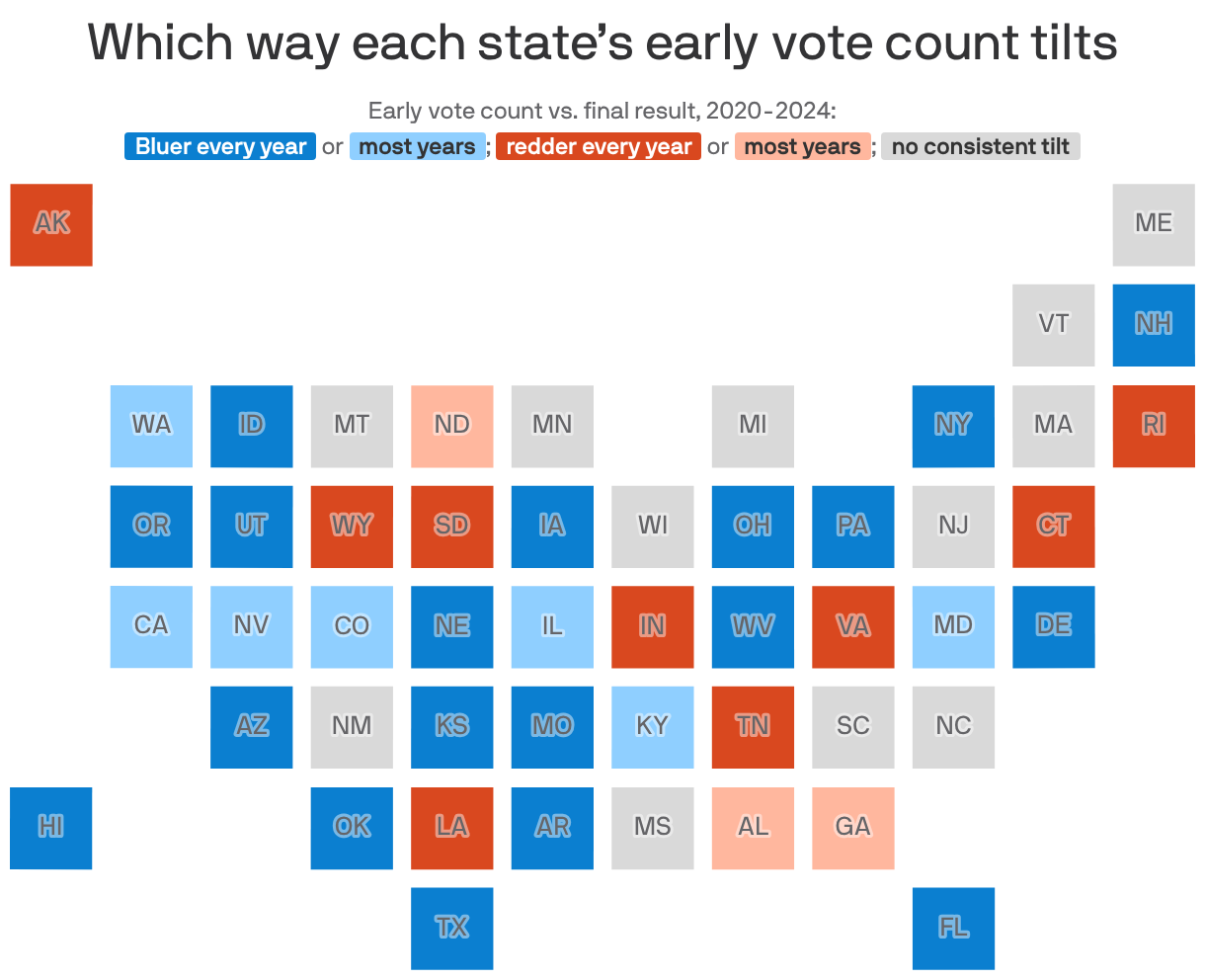
Charted: Why early midterm results can be misleading

Data: AP via The New York Times and Axios research; Chart: Andrew Pantazi/Axios The first votes counted Tuesday night will almost certainly look redder than the final result, and control of the House and Senate could take days to settle. Why it matters: Early leads can create false impressions of who's winning and suspicion when those leads vanish. Election night is really election week. By the numbers: AP didn't call control of the House until seven or eight days after Election Day in each of the past three elections . The Senate was settled by 10:44pm on election night in 2018 and at 12:06am the next morning in 2024 . In 2022, it took four days , and in 2020, it wasn't called until Georgia's January runoffs , two months later. State of play: Republicans hold 53 Senate seats . Democrats need a net gain of four for a majority. The red head start: In every national election since 2018, the House and Senate votes counted by 9pm ET were 4 to 9 percentage points more Republican than the final result, an Axios analysis of AP and Edison Research vote counts found. It's mostly geography. Fast-counting Florida and other right-leaning states report first. At 9pm on election night 2022, Florida accounted for 40% of all Senate votes counted nationwide. By 11pm, more House races had been called for Republicans than Democrats in all four elections, including 2018 and 2020, when Democrats won the House. The tilt fades, slowly. At 6am Wednesday, the national House count was still 2 to 3 points more Republican than the final, largely because California, Washington and Oregon count for days. Data: Axios research; Chart: Andrew Pantazi/Axios Zoom in: Each state tilts its own way, depending on which ballots and which counties it counts first. States that count early and mail ballots first tend to start bluer than they finish. States that count Election Day votes first start redder. Ohio, Nebraska, Texas, Kansas and Iowa start blue. Sherrod Brown and Bernie Moreno were tied at 9pm in 2

Axios · Nov 3

Three questions that will define AI's political power

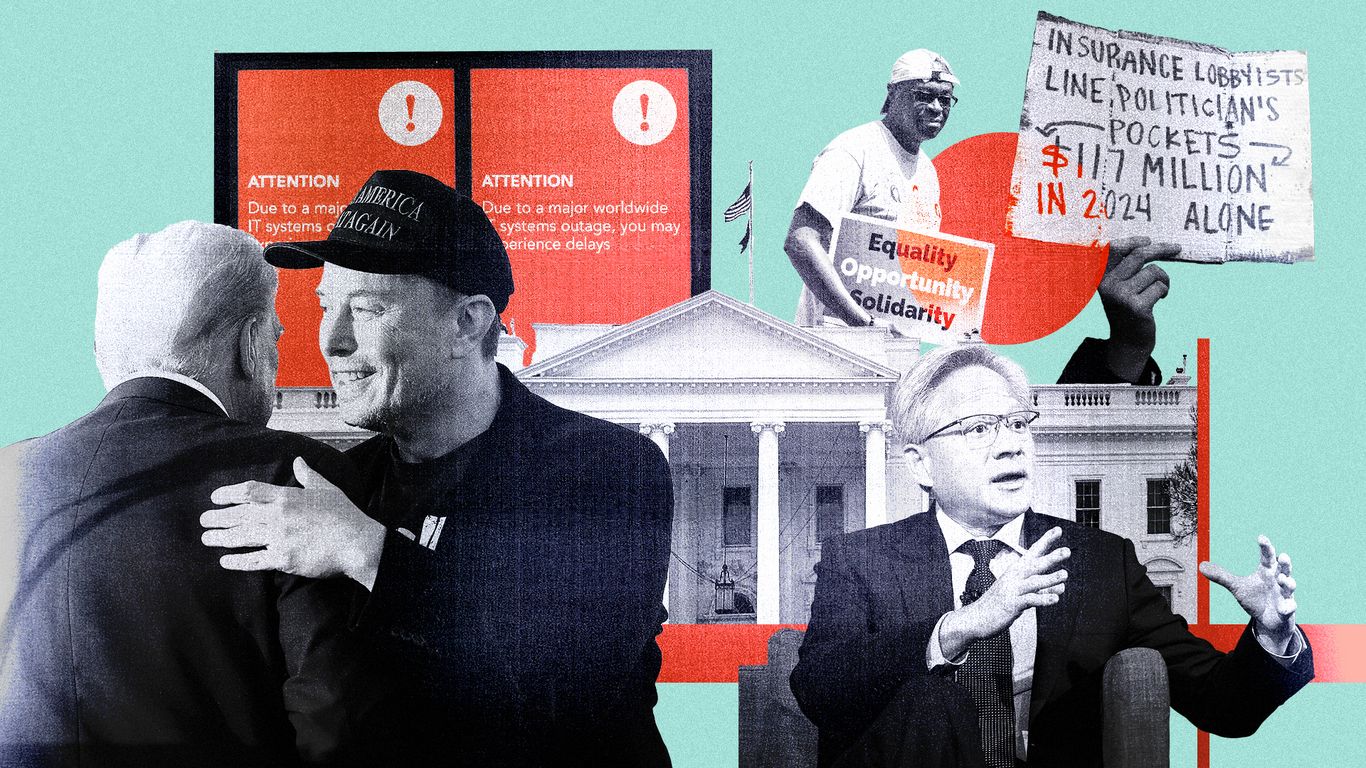
The 2026 midterms will offer the first test of voter sentiment on the AI race, offering a window into how a niche policy debate is transforming into a wedge issue ahead of a presidential campaign cycle. Why it matters: The results will reveal whether explicitly campaigning on AI regulation—or aligning with tech moguls like Elon Musk—is a winning political strategy or a liability for 2028. One thing is already clear: Candidates increasingly can't afford to have half-baked AI agendas. Here are three major questions about the future of AI politics and policy and the races we're watching on Election Day for answers. 1. Did AI break through? A different kind of AI political spending has emerged in the midterms. Instead of supporting or opposing candidates based on their AI positions, some groups want to make AI policy itself a campaign issue. Guardrails Alliance, a pro-regulation advocacy group, recently launched ads targeting Republicans and Democrats over their positions on AI in Arizona, Montana, North Carolina and California. The organization backed Michigan Senate candidate Abdul El-Sayed, who said AI was the most important issue heading into Election Day, tying it explicitly to jobs and affordability. Democratic group Tomorrow Together also launched ads against Republicans' AI track record in Michigan, Wisconsin, Arizona and Pennsylvania. Meanwhile, competing AI groups Public First and Leading the Future spent more than $50 million through affiliated super PACs in nearly 50 races, but their TV and digital ads largely avoided the very issue they're trying to influence: AI. These races could offer an early test of whether explicitly campaigning on AI is a viable political strategy heading into 2028. 2. Did Elon Musk help or hurt candidates? Elon Musk's political spending, involvement in DOGE and ties to the Trump administration have made him both a powerful political backer and a target for Democratic attacks. He was the biggest donor in the midterms by far, contribu

Axios · Nov 3
SCOTUS rejects Trump's bid over disputed California ballots

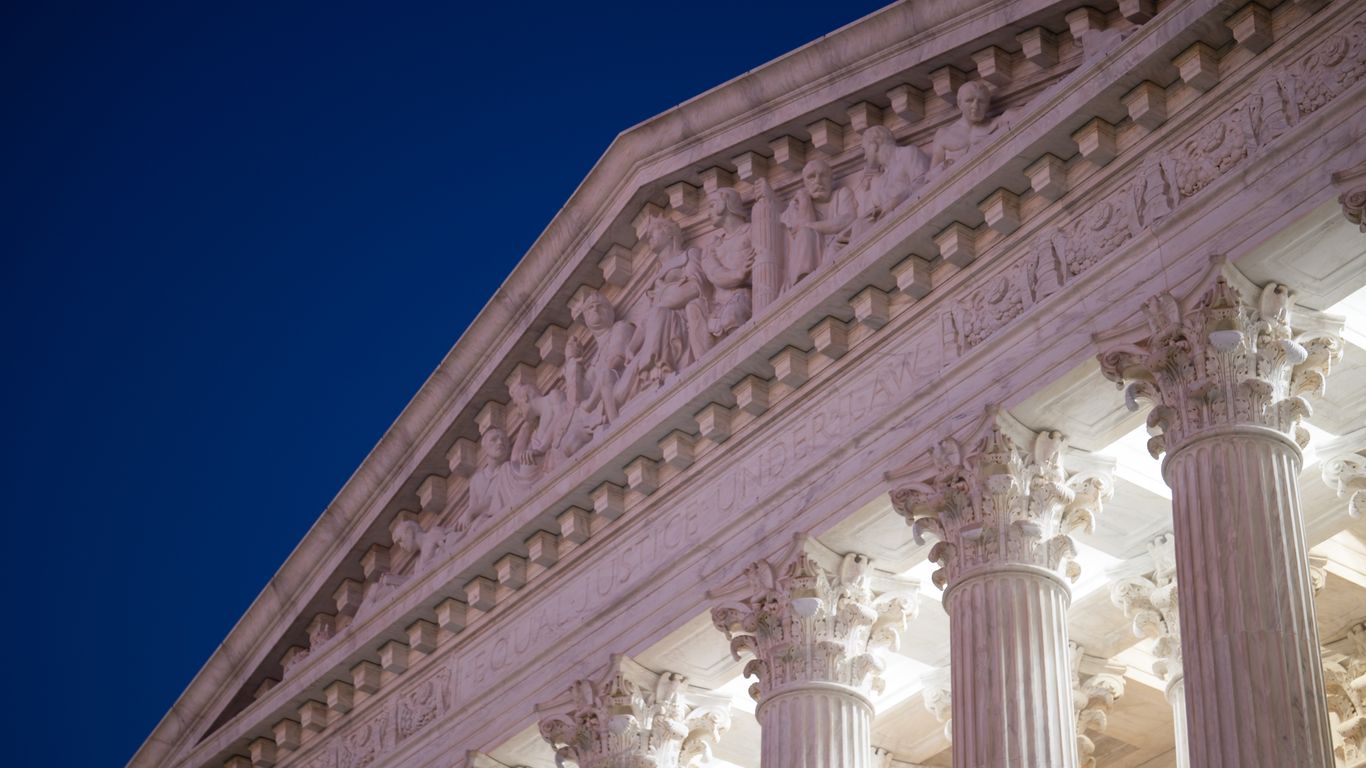
The Supreme Court denied the Trump administration's request Monday to hear its case regarding more than 20,000 California ballots that President Trump claims were cast by noncitizens . Why it matters: It's a blow to the administration, which has been tussling with the state in what it says is a fight to ensure all eligible voters can vote and have their ballots counted, as the law requires. What they're saying: " The application for injunction pending appeal presented to Justice Kagan and by her referred to the Court is denied, " an unsigned order from the court read . Catch up quick: The Trump administration sued California in mid-October, arguing that it had identified more than 20,000 noncitizens on the state's voter rolls. Judges have consistently rejected the administration's argument, finding that its lists contain factual errors and risk disenfranchising eligible voters. One judge even noted that when the administration claimed it had specifically verified more than 100 people as noncitizens in Nevada, the state proved they were, in fact, citizens. Zoom out: The court has often sided with Trump, but has notably broken with him on cases involving voting access. The president has no constitutional authority over elections. That power largely rests with the states and Congress. Go deeper: Trump administration turns to SCOTUS in California ballot case

Axios · Nov 2
Another judge blocks DOJ ballot demands in California

A federal judge on the eve of Election Day barred the Trump administration from demanding California officials set aside ballots from registered voters it suspects are noncitizens, finding the effort likely violates the Constitution. Why it matters: Courts had already rejected the Justice Department's attempts to force California to separate the ballots. Monday's ruling goes a step further, directly barring federal officials from making those demands even as DOJ turns to the Supreme Court to compel the state to comply. Driving the news: Chief U.S. District Judge James Boasberg ruled Monday that the Trump administration likely violated the Constitution by pressuring California officials to change how they count ballots. His order prohibits the Justice Department and the Department of Homeland Security from demanding officials set aside ballots or depart from existing state election procedures based on federal lists of suspected noncitizens. Boasberg found that the Constitution gives states and Congress, but not the executive branch, authority over election rules. The federal ban on noncitizen voting does not mean the administration can rewrite those rules. By the numbers: The DOJ claims it identified more than 20,000 suspected noncitizens on California's voter rolls. After Boasberg ordered DOJ to turn over its list, an expert found that at least 22 members of the Coalition for Humane Immigrant Rights — all known U.S. citizens — were wrongly included. The expert found another 66 members were almost certainly on the list. Boasberg found the expert credible and concluded the list's errors posed a real threat to eligible voters. What he's saying: "The President evidently believes that it would be good public policy for more stringent procedures to be put in place," Boasberg wrote. "No matter how strong that policy case may be, however, it does not justify overstepping the bounds of the Executive Branch's limited constitutional authority in this domain." The White House r

Axios · Nov 2
Trump administration turns to SCOTUS in California ballot case

The Trump administration asked the Supreme Court to mandate that California separate ballots of more than 20,000 voters the government suspects are "likely" non-citizens. The big picture: A federal appeals court rejected the administration's bid to set aside mail ballots last week, erecting another roadblock in the DOJ's pre-election quest to demand the state root out claims of voter fraud in the final days of the midterm elections. This is a breaking news story and will be updated.

Axios · Nov 2
Xavier Becerra’s ‘California dream’ faces reality check as governor’s mansion beckons

Former US representative, health secretary and state attorney general is a shoo-in after a stunning comeback victory in primary It was Tuesday, and the man poised to be the next governor of California wanted to talk about Donald Trump . Xavier Becerra had come to Guelaguetza restaurant in Los Angeles to talk about Trump’s attacks on voting in the state, but instead found himself answering questions about a presidential provocation of a different order. Continue reading...

The Guardian · Nov 2
I’m a wealthy Californian. The billionaire tax is a win for everyone | George Zimmer

The measure would ease inequality and bolster healthcare – without draining our coffers or triggering a billionaire exodus On Tuesday, California voters will decide whether to enact Proposition 40 , a one-time, 5% tax on the net worth of about 250 California billionaires . In recent months, a number of California billionaires and their apologists in the media and in government have come out swinging against the ballot measure. I’m not a billionaire, but I’m a Californian wealthy enough to know that they have no valid reason to fight the proposition. For multimillionaires like me, paying a 5% tax would not change our lives materially, and if we can afford this as people well below the billionaire line, certainly those at the very top can too. George Zimmer, a member of Patriotic Millionaires, is the chairperson, CEO and founder of Generation Tux, an online rental platform for tuxedos and suits. He is also the founder, former CEO and chair of the Men’s Wearhouse Continue reading...

The Guardian · Nov 2
America's changing power grid faces a powerful El Niño

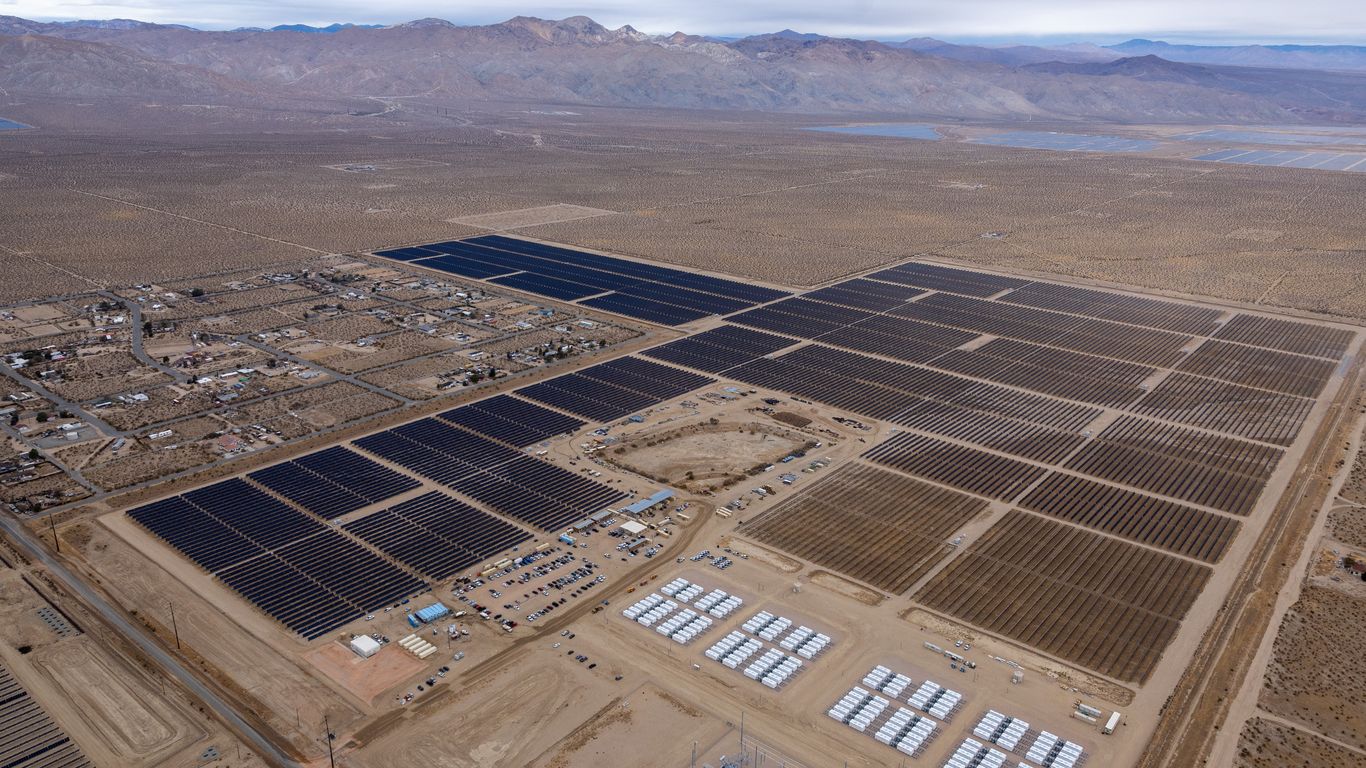
A powerful El Niño could bring major shifts in electricity supply and demand across the U.S. this winter, posing new challenges for utilities. Why it matters: The U.S. power grid has far more solar, wind and battery storage than during the last major El Niño, and the ongoing event could reveal whether that changing energy mix has made the grid more resilient or left it vulnerable in new ways. Driving the news: A very strong El Niño is strengthening in the tropical Pacific and is expected to continue into spring 2027, the National Oceanic and Atmospheric Administration says. NOAA's latest outlook favors wetter-than-normal conditions across California , the Southwest and much of the southern U.S. this winter, while the northern Rockies and parts of the Great Lakes lean drier and much of the northern U.S. leans warmer. The intrigue: El Niño doesn't affect every electricity resource the same way. A March study found that previous super El Niños were associated with reductions in potential solar power output of nearly 5% in parts of California over 12 months — and more than 10% in the state's north during winter. Vincent Tidwell, chief scientist at Pacific Northwest National Laboratory, says a wetter California winter could boost hydropower, while reduced precipitation or snowpack in the Pacific Northwest could cut generation there. Erik Smith, a climate scientist at the Electric Power Research Institute, tells Axios the Southeast is another region to watch for reduced solar generation as El Niño favors cloudier conditions. California now has more than 21 gigawatts of battery capacity , giving the grid another tool to manage fluctuations in electricity supply — one it barely possessed during the last very strong El Niño. The Columbia and Snake river basins accounted for roughly 62% of Western U.S. hydropower generation between 2001 and 2020, according to a Pacific Northwest National Laboratory analysis . Tidwell tells Axios that the Western grid is accustomed to shifting

Axios · Nov 2
Where Dems eyeing the White House are putting their midterm chips

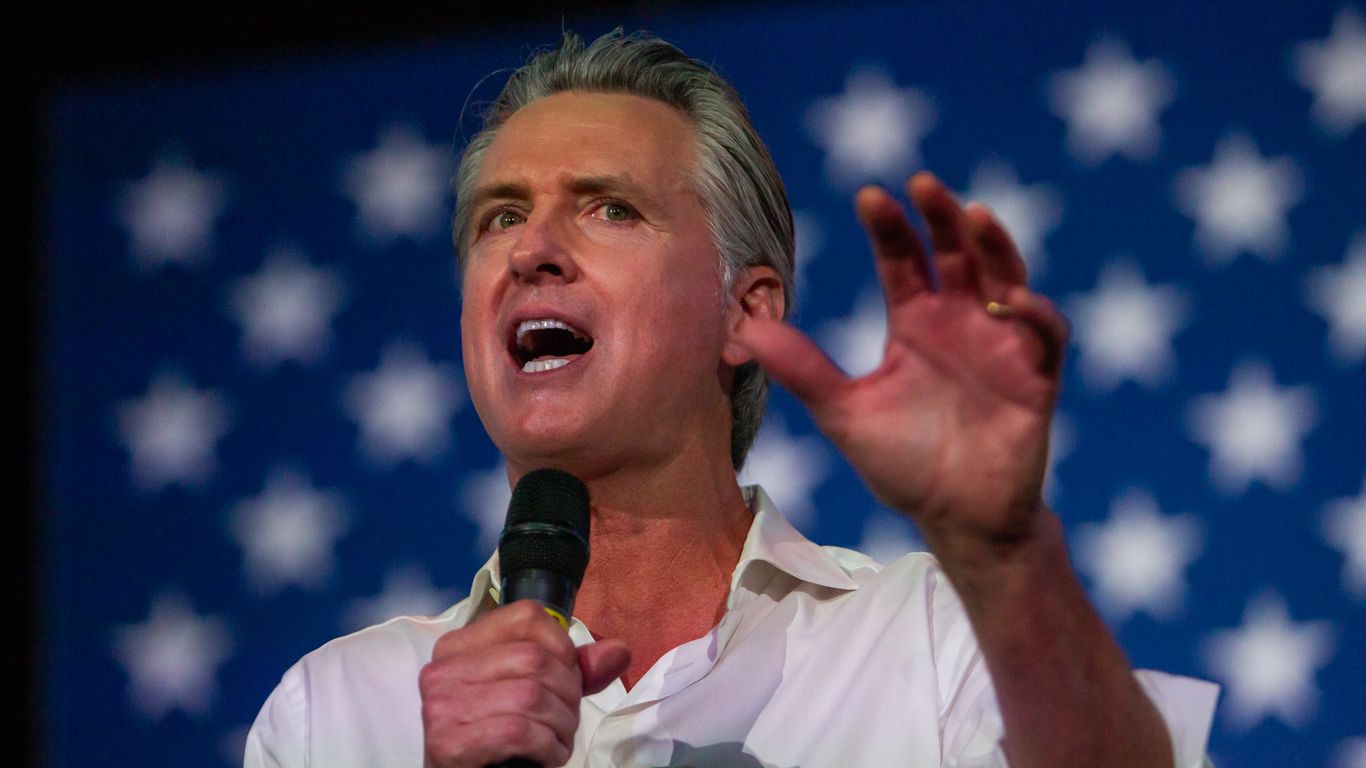
Pennsylvania Gov. Josh Shapiro 's chances of being a presidential contender in 2028 are riding on his winning reelection in a landslide Tuesday. New York Rep. Alexandria Ocasio-Cortez 's future hinges on whether a fellow progressive can carry a swing state, for once. California Gov. Gavin Newsom has to show that his congressional redistricting gambit worked for Democrats — and he needs to beat back a state wealth tax proposal supported by Sen. Bernie Sanders (I-Vt.). Driving the news: Democrats eyeing White House runs have spent the past year preparing to emerge from Tuesday's midterms with momentum, and an argument for a 2028 candidacy. They want Democrats to do well — but to each, some races are especially important. Some have focused their time and money on particular contests for ideological reasons, or a desire to show strength in their home states. Others have hedged their bets across the nation, so that Tuesday is unlikely to be a huge victory or a significant defeat. Here's how the top potential Democratic contenders for president have placed their bets in this week's elections — and what success or failure will look like for them. Alexandria Ocasio-Cortez A great night: AOC has wagered just about everything on the Senate race in Michigan, where she's said that a win by progressive Abdul El-Sayed would "break open the entire political calculus in America" and show that "anybody can win anywhere." She's weighing whether to run for president or the Senate, and much of her electability argument for a national campaign hinges on an El-Sayed victory. Progressives are desperate to establish that one of their own can carry a presidential battleground state. Ocasio-Cortez has contributed $1 million to help El-Sayed and stumped for him at several events. An El-Sayed victory "would prove to the country, and the world, that competent, courageous progressive populists can win in the most competitive swing states in America," said Bhavik Lathia, a left-wing strategist fr

Axios · Nov 1
Trump's election probes find an opening in Georgia

On the eve of midterms, President Trump is facing setbacks left and right in his push to investigate alleged election fraud . But in Georgia, he has an opening. Why it matters: Six years ago, Georgia was at the epicenter of Trump's efforts to overturn the 2020 presidential election. Now the state's own election board has invited his administration to investigate its voting system. Georgia features two high-stakes statewide campaigns: Sen. Jon Ossoff (D) against Rep. Mike Collins (R) for Senate, and former Atlanta Mayor Keisha Lance Bottoms (D) against businessman Rick Jackson (R) for governor. The big picture: The Justice Department disclosed in court on Friday that the administration has sent letters to officials in California, Washington, Pennsylvania, New Jersey and Nevada, asking some states to segregate mail-in ballots from suspected noncitizen voters. A federal judge on Friday issued an emergency order that blocks federal officials from threatening to charge election officials who count ballots from voters the DOJ claims are ineligible. In October, a federal judge restricted the Department of Homeland Security's investigations into suspected noncitizen voters. But Georgia is different . "We've managed with duct tape and bubble gum to be able to bootstrap our way through one last round, but that's not a way of running elections," a Georgia election official told Axios. Georgia's State Election Board asked the Justice and Homeland Security departments to review and potentially investigate the state's voting system and handling of election data. The Sept. 30 letter cited outdated software, threats to ballot secrecy and QR-code ballots it says may violate the Help America Vote Act. A DOJ spokesperson said in response to the letter: "We take seriously allegations that election officials have failed to adequately maintain election equipment and otherwise comply with federal law. We are evaluating the request and will investigate and, if appropriate, bring an enforce

Axios · Nov 1
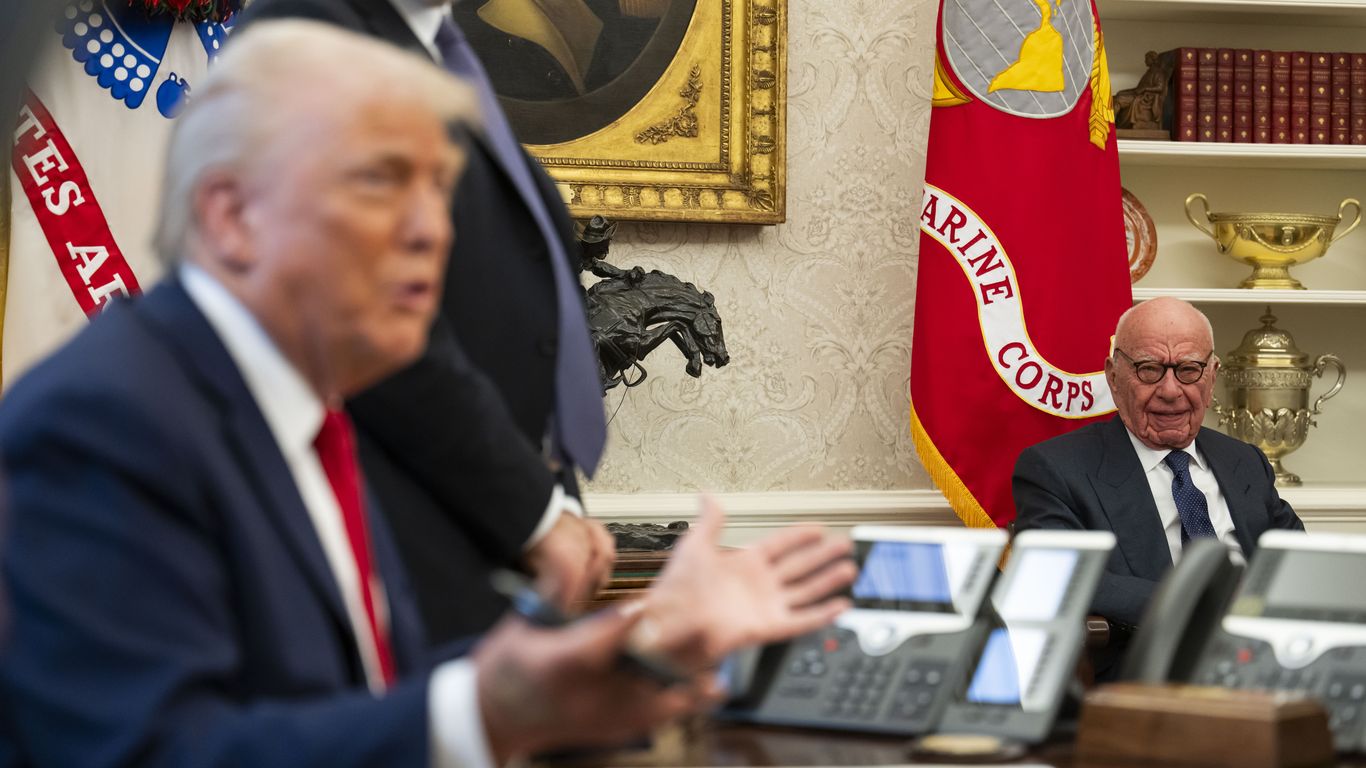
Judge tosses Trump lawsuit against WSJ, Murdoch over Epstein story

A federal judge on Saturday threw out President Trump's lawsuit against the Wall Street Journal and Rupert Murdoch over the paper's reporting on Trump's ties to Jeffrey Epstein, Why it matters: It's the second time this year courts have blocked Trump's efforts to sue the paper over stories about his relationship with the disgraced financier. This is a developing story.

Axios · Oct 31
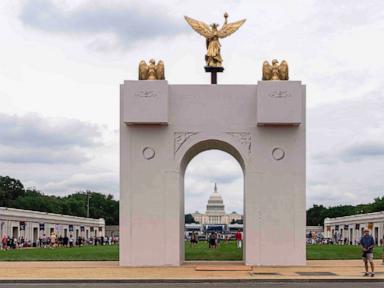
Virginia and DC sue to stop Trump’s arch as government looks to start construction

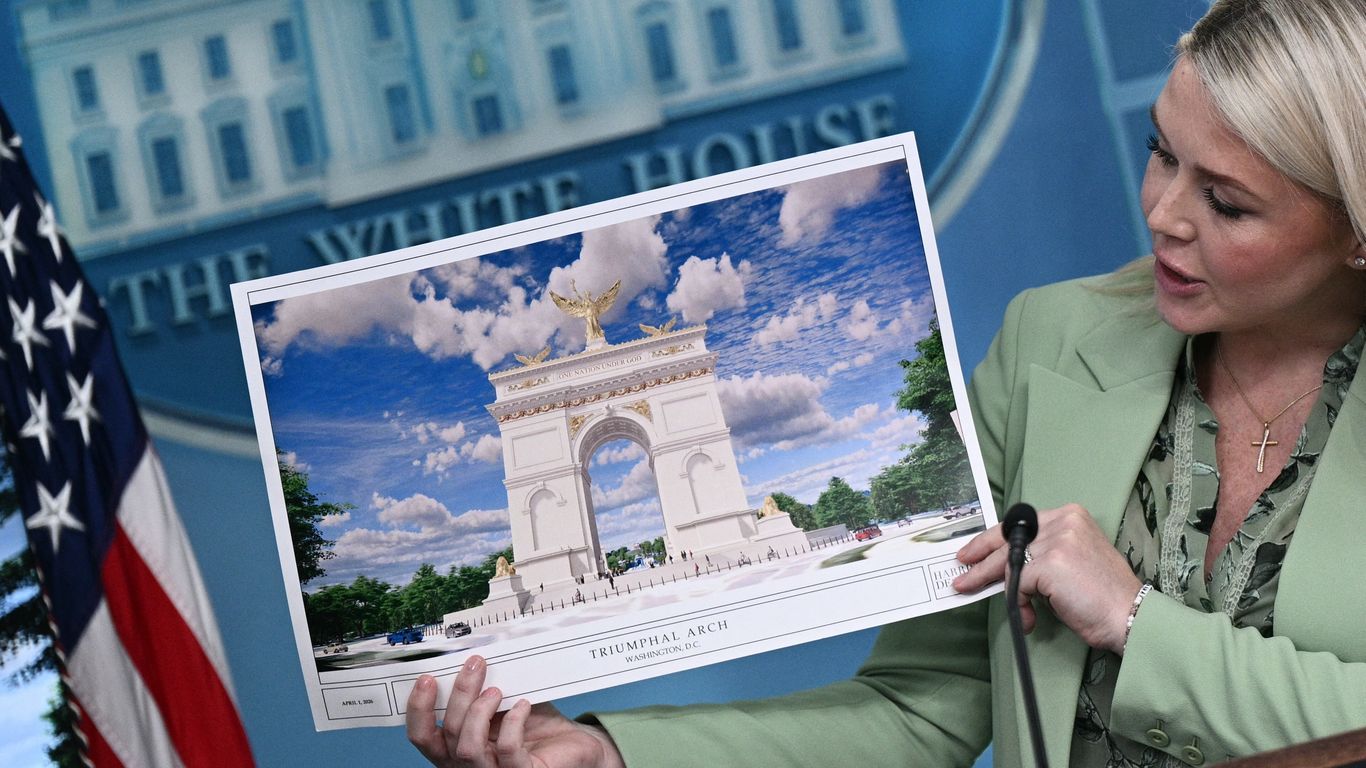
Legal challenges to Donald Trump’s proposed memorial arch are mounting even as its construction is imminent The legal challenges to Donald Trump ’s proposed memorial arch are mounting, with the District of Columbia and Virginia suing in federal court on Saturday as the administration says construction could begin as early as next week. There are now three lawsuits calling for a halt to potential work on a monument that would rise 250ft (76 meters) on a patch of grass off the bridge that spans the Potomac River, connecting the city with the Arlington national cemetery. That would make the arch 100ft taller (30 meters) than the Statue of Liberty is from its base to the top of the torch. Continue reading...

The Guardian · Oct 31
D.C., Virginia sue to block Trump's 250-foot arch

The governments of Washington D.C. and Virginia asked a federal court to block construction of President Trump's planned " triumphal arch ," claiming it's unlawfully tall and would snarl traffic for years. Why it matters: It's a last-minute gambit to stop construction before the multi-year project begins, potentially as soon as this coming week. What they're saying: " This project is flagrantly unlawful," the two governments said in a Saturday filing in D.C. federal court, first reported by the Washington Post. "During the three-year period of construction, the Arch project will inevitably snarl traffic between the jurisdictions, produce pollution and stormwater runoff in the Potomac, interfere with emergency services, and pose numerous other challenges," they argue. They further claim that the defendants — the National Park Service and the Interior Department — have rushed the project without the proper consultations. The city and state are asking a judge to issue injunctions to stop any site preparation or construction on the project. Zoom out: The proposed 250-foot arch would be one of the largest such monuments in the world, sparking concerns that it could interfere with other national symbols, block views and even complicate landings for pilots at nearby airports. (The FAA found otherwise.) The Park Service's own August report indicated the construction of the arch would have adverse effects on nearby monuments and landmarks. The other side: The administration has argued it will be a major tourist attraction — but also vital to national security, serving as a base for snipers and drones. The White House was not immediately available to comment Saturday on the D.C. / Virginia petition. What's next: A federal judge held a hearing Friday on a separate challenge to the arch, and indicated she may block construction at least temporarily.

Axios · Oct 31