
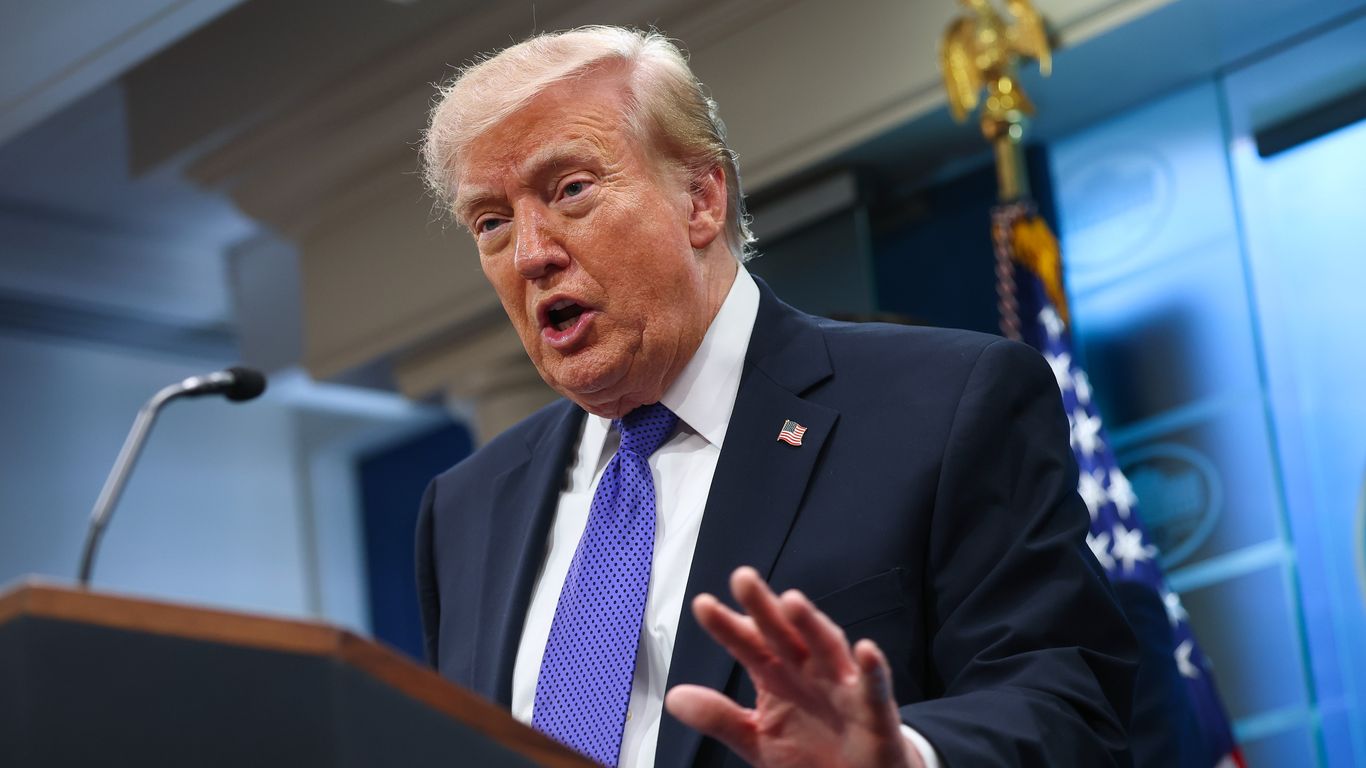
President Trump said Saturday he'd gladly work with Democrats to cap interest and fees on credit cards , arguing that card companies simply make too much money now. Why it matters: Though some argue capping rates would save consumers billions of dollars a year, the banking industry is equally adamant that it would deny credit to millions of Americans by making lending too risky. Driving the news: Trump, in a Fox News interview Saturday morning, was asked whether a rate cap on cards was something on which he could find common ground with Democrats. Sen. Elizabeth Warren (D-Mass.), poised to be the new chair of the Senate Banking Committee, is an outspoken advocate for such caps and has recently said she's ready to work with Trump to pass a bill. What they're saying: " I would do it. These credit card companies have made a lot — and the credit card fees that they charge. I'm all into it," Trump said . "I know that some people would say it's not free enterprise. But what's free enterprise when you're sitting home and you get a bill that some guy set up in an office on Park Avenue and they said 'let's charge a fee that's too high.' So I'm all for that," Trump said. "The credit card companies, they're getting too much. The fees are too high and the interests are too high." Context: The credit card industry argues that capping interest rates would reduce the revenue needed to cover losses when borrowers default, prompting lenders to reject more applicants. Reality check: This isn't the first time Trump has said he'd cap card rates. In January, he said on Truth Social he'd set a 10% cap for one year and any lender that didn't comply would face legal consequences. Nothing came of the threat, which credit unions claimed could deprive more than 47 million people of access to cards. Nonetheless, the mere idea was enough to send shares in major card issuers lower, and prompt a full-throated response from the industry. What to watch: As much as both Warren and Trump support the
Results for “trump orders”
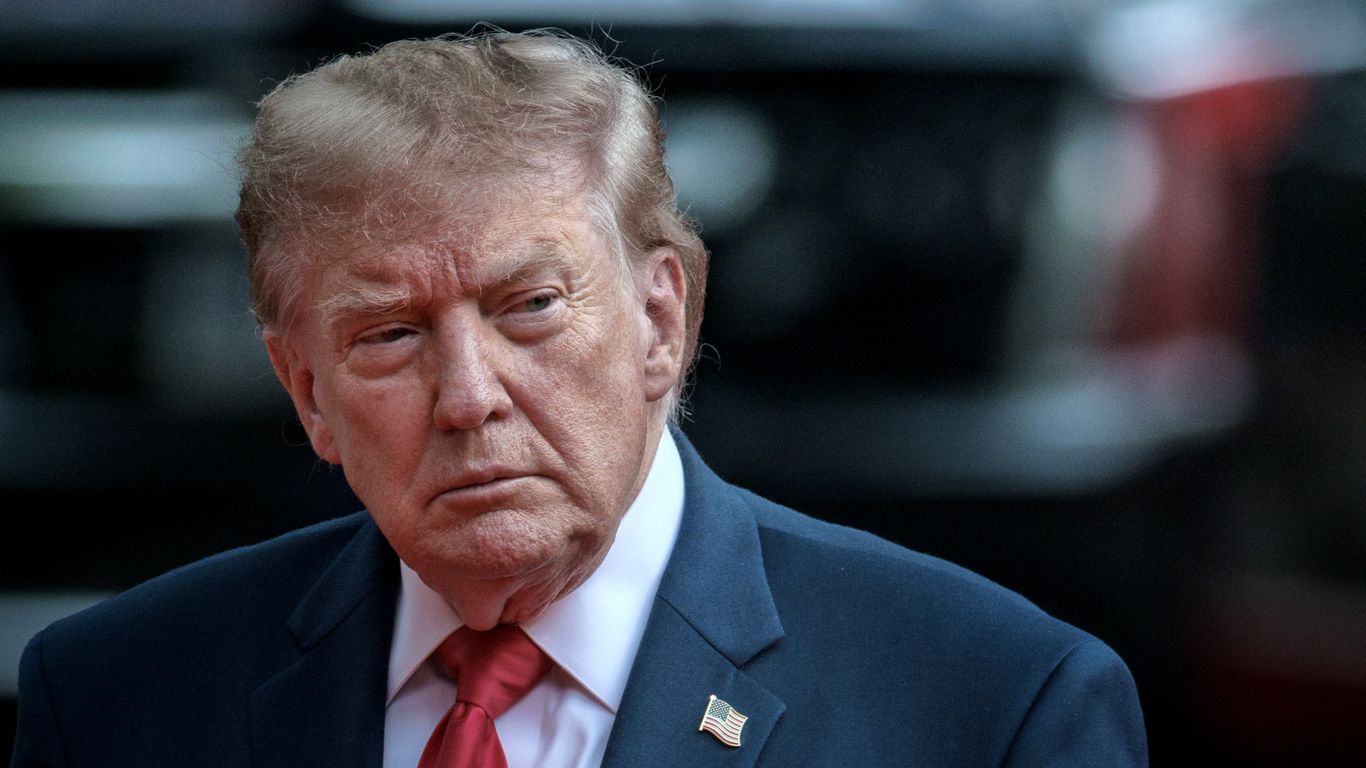
President Trump on Saturday said the reported hack of a crucial FBI database might have a silver lining — it could, he claimed, expose more details of what he called the " Russia Russia Russia hoax ." Why it matters: The president remains laser-focused on many of his past grievances about the FBI , even as the public grows increasingly alarmed about the vulnerability of government infrastructure. Driving the news: CNN and NBC reported Friday night that the FBI was looking into an apparent breach of the National Crime Information Center, which connects local and national law enforcement for information sharing. That follows breaches and outages that struck the FAA, NSA and USDA, just in the last week. What they're saying: Trump was asked about the FBI reports in a Fox News interview Saturday morning. "Well we just heard about it and I will say that it's not good, I don't like that," Trump said. "But maybe we'll learn things that we would have never learned otherwise. You had the Russia Russia Russia hoax, you had all these other hoaxes," he added, referring to Ukraine in particular. "Maybe we'll learn about them. Maybe we'll learn about the voter fraud, all the voter fraud that took place." "I always like to put things in a positive spin," Trump added. "Wouldn't it be great to learn about Russia Russia Russia," he said. The intrigue: The president's comments come just days after a summit with Russian President Vladimir Putin and Chinese leader Xi Jinping in Asia, after which he described Putin as a " friend ." What to watch: It's not clear who breached the FBI database, or what they might do with the data obtained.

Nearly a year after President Donald Trump designated illicit fentanyl a weapon of mass destruction, ARMR Sciences' CEO says treat it like a bioweapon.

Iran war stretching fleet’s capacity, navy chief admits, as CBO finds estimated cost of new ships ‘unrealistically low’ The US navy’s commitment to the new Trump-class battleships has blown out the cost of its new fleet by billions of dollars, a report to the US Congress has found, as the acting secretary of the navy conceded this week the Iran war was “stretching” the fleet’s capacity. The challenges facing the world’s biggest naval force were highlighted this week, when the return of the USS George Washington from the Middle East on Wednesday ended a rare three-month period when the US had no aircraft carrier across all of the Pacific. Deployments have been regularly running beyond 300 days, with the maintenance and repair of ships deferred so they can stay at sea longer. Continue reading...

The Guardian analyzed US Senate, House and governors’ races, showing Trump’s dwindling influence over the GOP Donald Trump often boasts about the power of his “Complete and Total Endorsement” of candidates, but in the 2026 midterms , his endorsements carried less weight than they did two years ago. Half of the Senate candidates Trump endorsed lost, and most of the governors the US president endorsed were defeated by Democratic candidates in this month’s blue wave midterm elections, according to an analysis by the Guardian. Continue reading...

Anthropic hits the stock market, the U.S. loses a vaccination elimination status, and a major donor distances himself from MAGA.
The Trump administration graduated thousands of new ICE officers through a training regiment that one instructor called a “catastrophic failure,” according to a draft copy of a Department of Homeland Security inspector general’s report obtained by the Times. Our immigration reporter Hamed Aleazis explains.

The Common Cents Act established guidelines for businesses and consumers when conducting cash transactions.

The giant steel plant in Middletown, Ohio planned to switch away from using coke, a refined form of coal. The switch would have cut hazardous air pollution -- and greenhouse gas emissions. But that plan has changed under President Trump

A second federal judge will block construction on President Trump 's embattled arch set to be erected near Arlington National Cemetery , multiple outlets reported Friday. Why it matters: It represents yet another barrier to the multi-year project to build a 250-foot arch that challengers said would obstruct the line of sight between the Lincoln Memorial and Arlington National Cemetery. Driving the news: U.S. District Judge Leonie Brinkema's preliminary injunction will indefinitely block the project, which she reportedly called a "rushed job" from the bench Friday. Zoom out: Brinkema's rebuke comes after D.C.-based District Judge Tanya Chutkan on Wednesday extended her separate order blocking construction on the arch for two weeks. Chutkan, who is overseeing consolidated challenges from military veterans and from the District of Columbia and Virginia, issued her initial temporary restraining order earlier this month. That order prohibited construction, excavation, land disturbance, utility installation and road closures related to the arch, Axios D.C.'s Mimi Montgomery reported. What they're saying: "The judiciary should not be abused to politicize a structure designed to unite our nation," White House spokesman Davis Ingle said in a statement. "We will continue making the case for this beautiful and fitting monument and are confident we will be fully vindicated as this litigation proceeds." The National Park Service did not immediately respond to Axios' request for comment. State of play: The legal hurdles came after the National Capital Planning Commission , which is stacked with Trump loyalists, gave its final approval for the project. Challengers, however, have argued the project requires congressional approval — and as Chutkan noted , "Congress has not enacted any statute authorizing construction of the Arch." Between the lines: The arch is one prime example of the president's quest to remake the nation's capital as he sees fit, from a sprawling White House ball
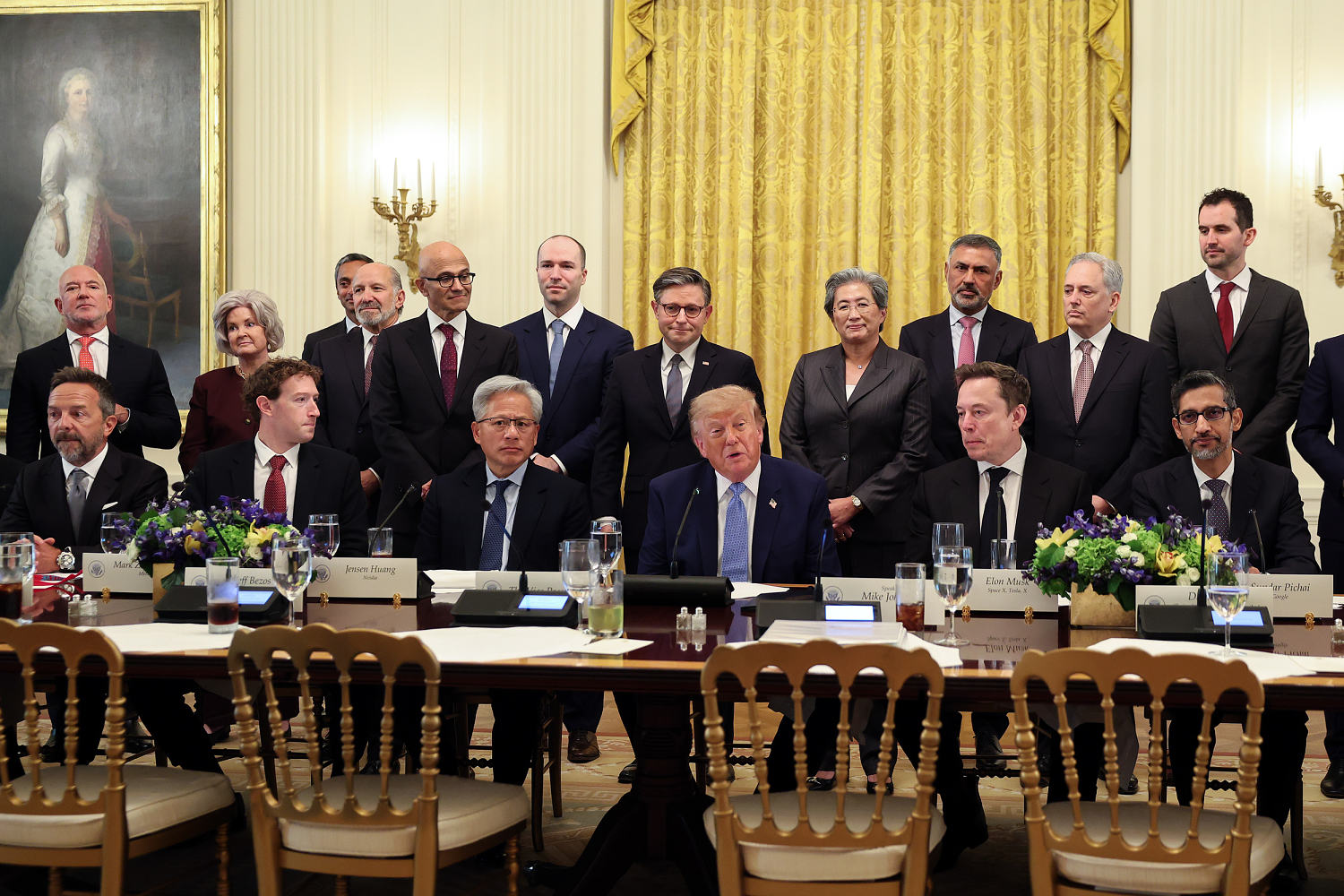
President Trump plans to restrict U.S. companies from building data centers overseas — another example of his embrace of AI infrastructure most people oppose.

Environmental groups are aghast, but supporters say bill might be only chance to speed up clean energy projects The US Senate has passed a bill to fast-track energy and datacenter projects by removing environmental and legal guardrails. The legislation has caused a fraught divide among Democrats and green groups over whether this will help or hinder the effort to tackle the climate crisis. The sweeping bill, called the Bipartisan American Affordability and Jobs Act (or Baaja) , is now set for passage in the Republican-controlled House of Representatives before being signed by Donald Trump, who has claimed it will boost economic activity and lower energy costs. Continue reading...
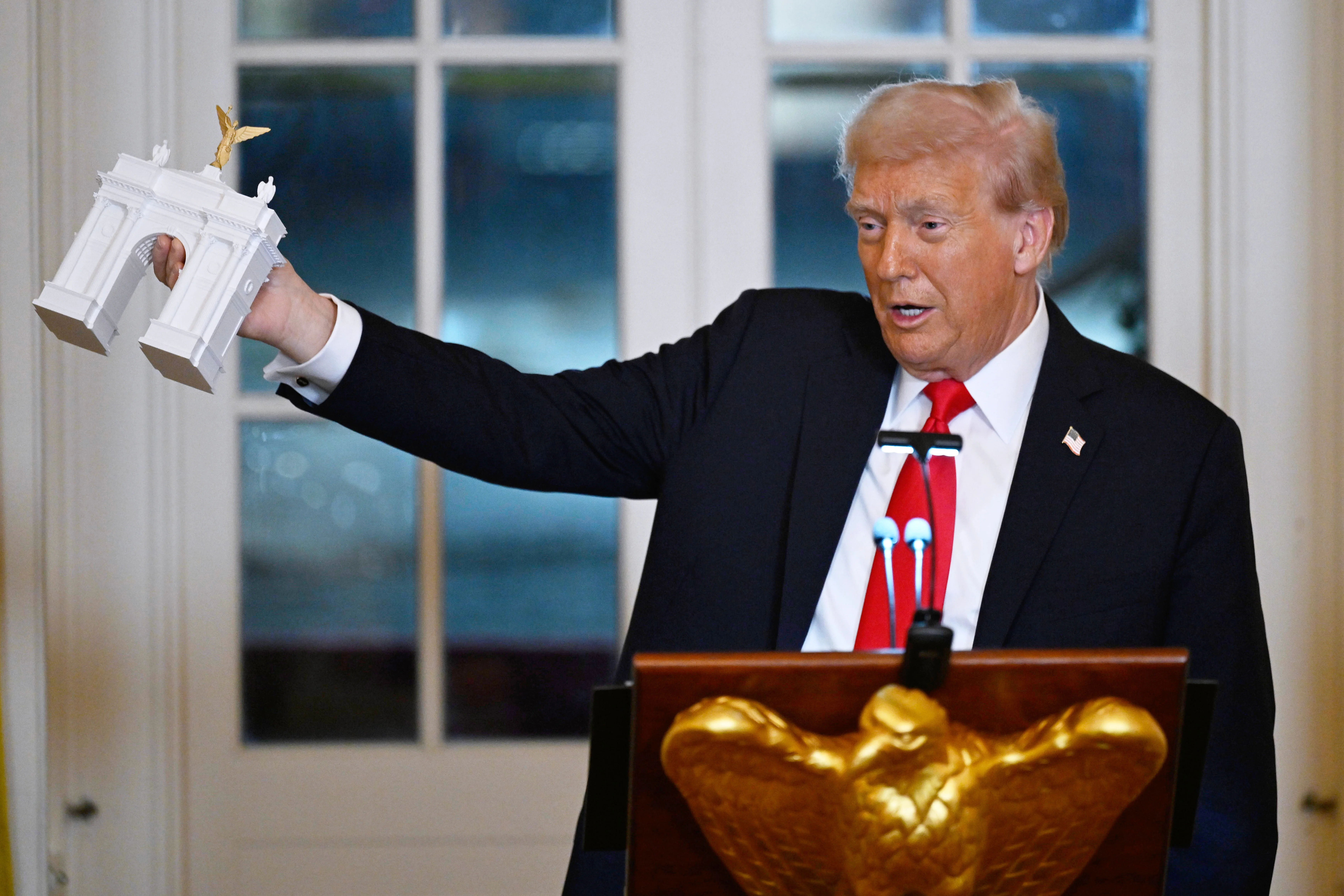
A federal judge in Virginia said she will issue a preliminary injunction against Trump's arch, going a step further than the D.C. federal judge who temporarily blocked construction earlier this week.
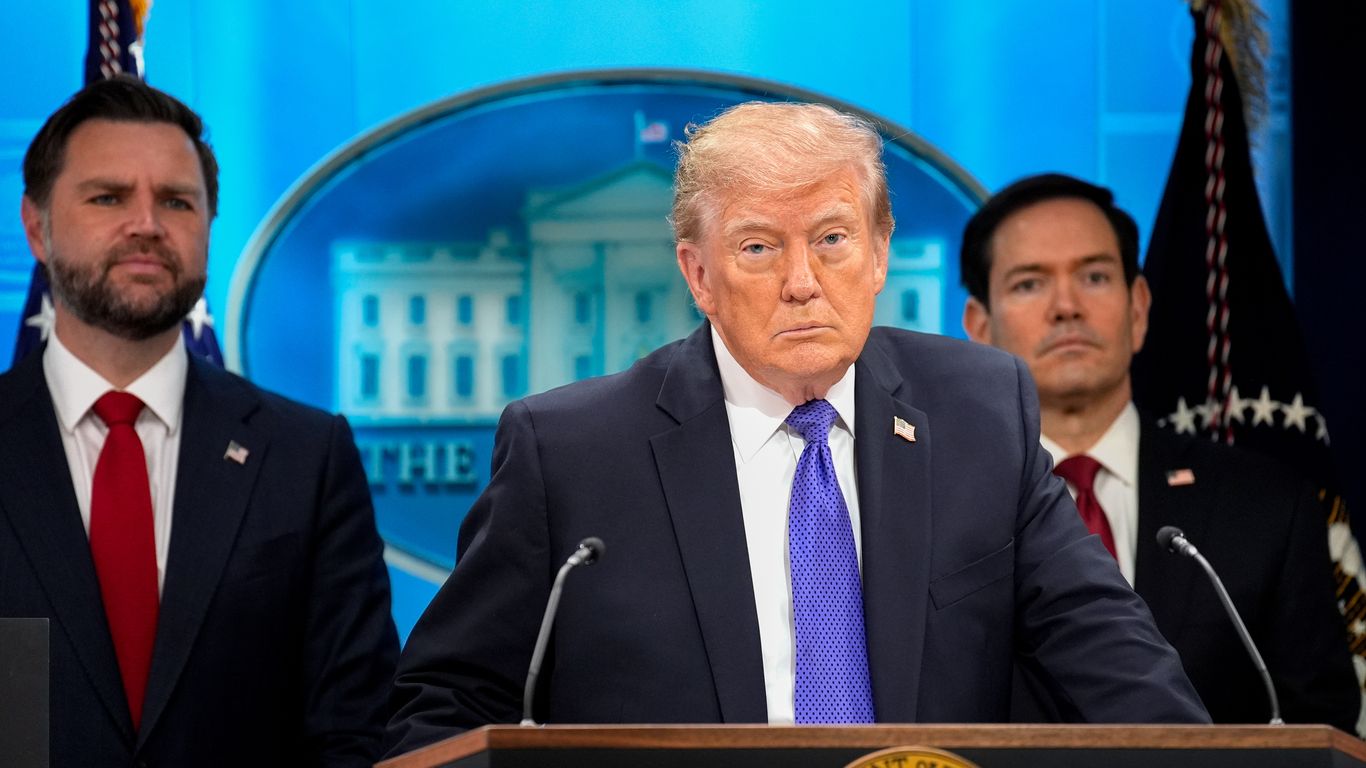
President Trump on Friday said he would block U.S. companies from building data centers overseas or impose a "tremendous tax" on them if they do. Why it matters: Trump's push to keep AI infrastructure in the country comes just weeks after data center expansion became a midterm-election flashpoint, as voters raised concerns about the environmental and financial impacts they pose. What they're saying: Trump acknowledged that the announcement may come as a surprise, saying he had not yet discussed it with his own officials. "They're making so much money they don't know what to do with it," he said of the data centers being built across the country. Trump also claimed data center expansion would help lower Americans' costs and taxes. Reality check: It's unclear how Trump would implement the proposed tax, since Congress has the Constitutional authority to impose federal taxes. Go deeper: Voters deliver "AI earthquake," rebuking tech and billionaires Editor's note: This is a breaking news story and will be updated.
A Democratic lawmaker is investigating the use of encrypted messaging apps by Justice Department employees for official business

Virginia judge says the US president’s pet project is a ‘rushed job’ that lacks legal basis A federal judge on Friday morning issued an injunction to block construction of Donald Trump’s proposed so-called “triumphal arch” as a huge presence near some of the most famous and sacred sites of the Washington DC area. The judge in Alexandria, Virginia said during a hearing on Friday that the US president’s pet project was a “rushed job” that lacked a legal basis. Continue reading...
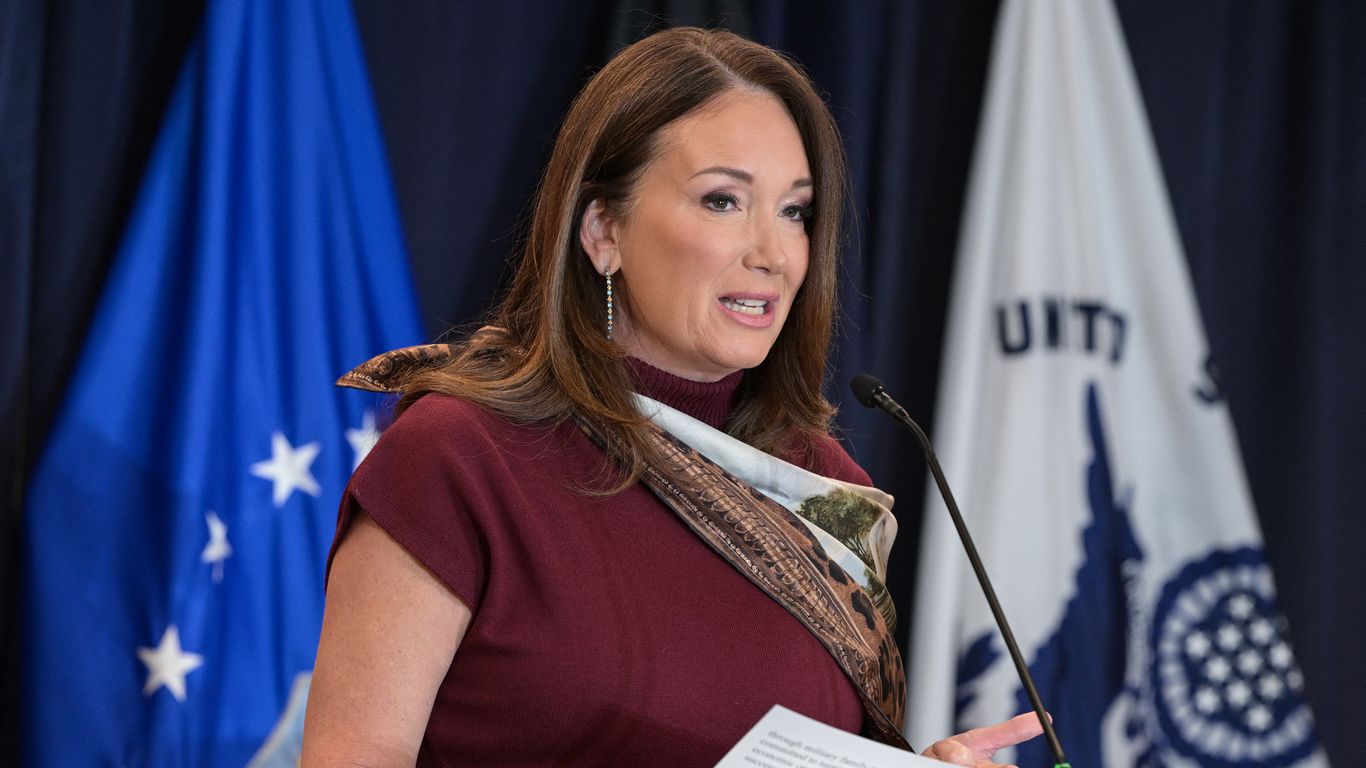
A federal judge said Thursday that Agriculture Secretary Brooke Rollins' overtly Christian messages to department employees went "too far" and put enough pressure on staff to raise a First Amendment violation. The big picture: The Supreme Court has repeatedly weighed the boundaries of the Establishment Clause . While the judge said Rollins could express her religious beliefs with interested colleagues, she concluded the department-wide messages overstepped those boundaries by amounting to coercion. But a USDA spokesperson slammed the decision as "a completely unprecedented attempt to muzzle a Cabinet Secretary" in a statement to Axios. Catch up quick: The complaint from a federal employees union and individual staffers alleged Rollins sent "increasingly proselytizing communications to the entire USDA workforce," including an Easter email where she celebrated "the greatest story ever told, the foundation of our faith, and the abiding hope of all mankind." The USDA employees who sued, who came from varied religious — and nonreligious — backgrounds, reported that the messages made them feel pressured to share Rollins' beliefs. What's inside: District Judge Trina Thompson ordered Rollins to "recognize certain boundaries when disseminating messages which convey religious content." She determined the messages overstepped and suggested "acquiescence that amounts to coercive pressure." "After reviewing and weighing the Establishment Clause jurisprudence, the Court finds that Secretary Rollins appears to exploit her position of authority to convey a religious message beyond mere holiday wishes and amounting to coercion," Thompson wrote. She said she was not trying to regulate Rollins' own religiosity; rather, she directed Rollins to follow her own department memorandum on religious expression rights, which states employees can't "use official authority to pressure subordinates." The other side: The administration argued that the employees lacked jurisdiction and that the sec

The US president rated his summit with Xi Jinping and Vladimir Putin as 12 out of 10 but China and Russia had the most to celebrate He got by with a little help from his friends. Rebuked by millions of voters in a still resilient democracy, Donald Trump travelled to Asia this week and found comfort in the company of autocrats who still flatter him. The US president, reduced to lame-duck status at home by a humiliating midterm election defeat, returned to the global stage in a meeting with two strongmen in Shenzhen, China, that critics described as a new low for America’s claim to moral authority. Continue reading...

Our analysis shows that ‘Bernie-Dog’ candidates are the most underrated success stories in US politics Democrats had a huge night on 3 November. The party ran an average of about 15 points ahead of Kamala Harris’s 2024 margins, and picked up seats that Trump carried by double digits just two years ago. Of course, the size and scope of the blue wave make it hard to draw specific lessons, and the results will inevitably serve as a Rorschach test reflecting each commentator’s prior beliefs. Democrats of all stripes won elections in all sorts of unlikely places. Continue reading...
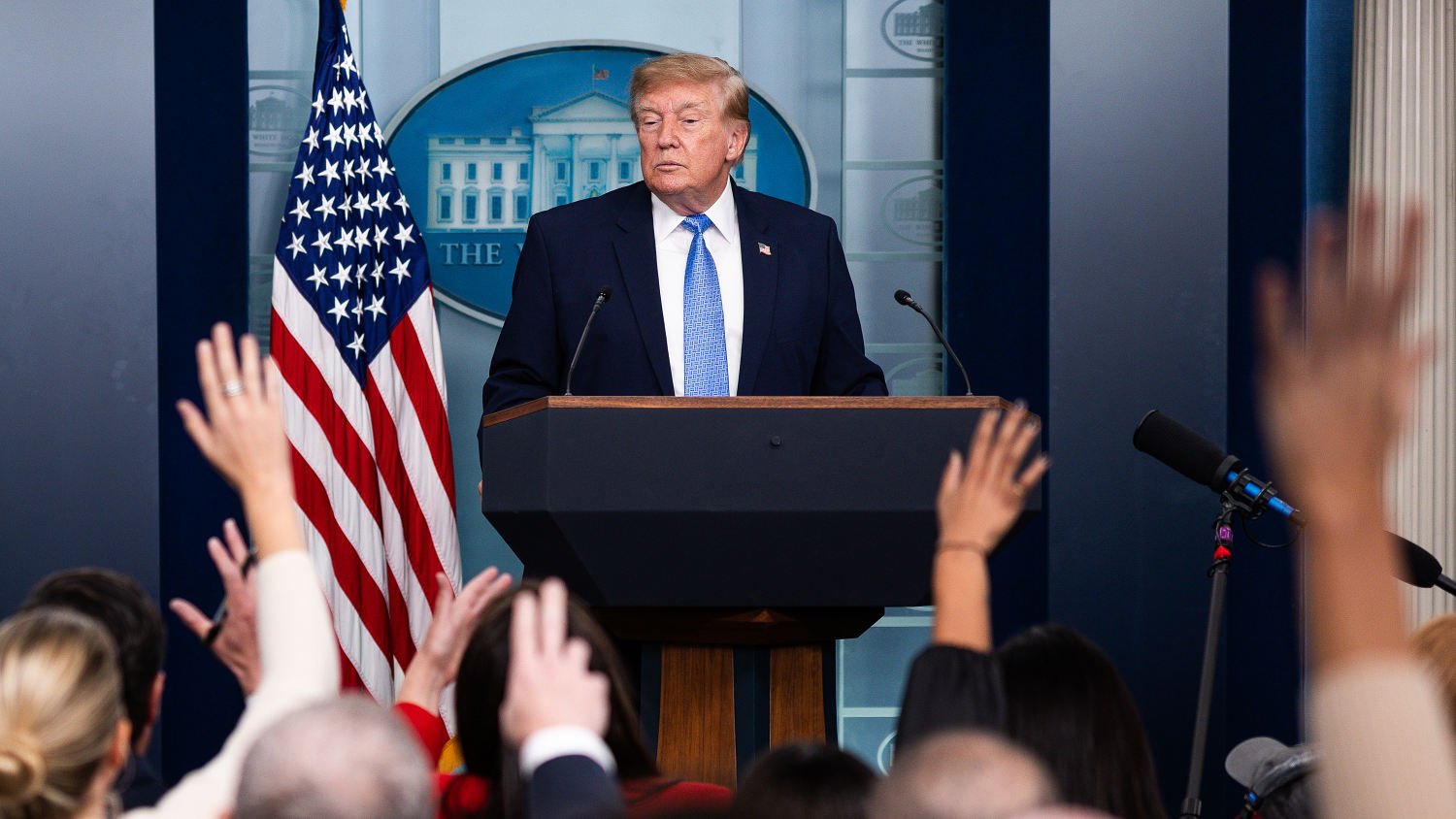
Watch live coverage as President Trump holds a press conference at the White House after three-way talks in China with the leaders of U.S. rivals, Russian President Vladimir Putin and Chinese President Xi Jinping.

Political participation – in meetings, boycotts and demonstrations – has increased since Trump took office. It’s time for change Over the past two years, Americans have watched as the Trump administration enacted Project 2025 and the US has descended into a state of lawless authoritarianism. Instead of sinking into a state of paralysis, though, Americans rose up to push back against the attacks, including limitations of voting rights and manipulations of political power through the gerrymandering of congressional districts. Donald Trump’s actions motivated resistance in the streets in the form of large-scale public demonstrations , along with more localized mobilizations against ICE and the occupation of American cities. On 3 November, the collective response manifested as resistance at the ballot box. Continue reading...

Get all the stories you need-to-know from the most powerful name in news delivered first thing every morning to your inbox.

Stocks fell despite Anthropic’s record-setting public debut.

Michigan senator-elect also secured a meeting with JD Vance, who called him a ‘terrible evil’ in lead-up to election The incoming US senator Abdul El-Sayed of Michigan said that he and Donald Trump are in agreement about ending foreign military aid to Israel – and he hopes to find more common ground with the US president when he takes office. “I agree with the president – I can’t believe I’m saying that – that we need to end foreign military aid that is unconditional to Israel, as well as Egypt and Saudi Arabia and Pakistan,” the senator-elect said. Continue reading...
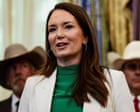
Federal judge says Brooke Rollins emails to 100,000 staff violates the first amendment but department says it may challenge ruling Religious messages US agriculture secretary emailed to staff deemed unconstitutional Hello and welcome to the US politics live blog. Religious messages that US agriculture secretary Brooke Rollins emailed to her agency’s 100,000 employees were unconstitutional, a federal judge has ruled. Continue reading...

Falling international enrollment drove most of the decline, but there were also fewer American students starting doctoral programs in 2025.
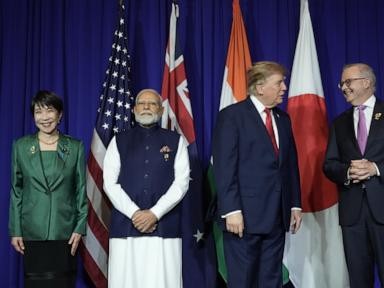
President Donald Trump has engaged in two significant geopolitical meetings during his Asia trip

The Trump administration had sought to block certification of election results if Senator Dan Sullivan, a Republican, lost narrowly in his bid for re-election. Critics had called the suit meritless.

The Senate passed a sweeping, bipartisan bill Thursday night that's designed to cut permitting timelines for energy and infrastructure projects. Why it matters: The eyes of the entire energy industry are on this bill. If it becomes law, it could transform how America builds energy infrastructure, with major implications for everything from electricity costs to data centers. Getting rid of bureaucratic hurdles and creating a more predictable process for energy projects is a top priority for the fossil fuels and renewables sectors. But critics argue the plan, which has White House support, would unacceptably weaken environmental protections and the rights of Native American tribes. Driving the news: The vote was 62-33. The bill would still have to pass the House before the end of the year, and any differences would have to be worked out by both chambers before President Trump could sign it into law. Catch up quick: It would make significant changes to federal permitting, including: New limits on the duration of lawsuits, and the scope and length of reviews under the Clean Water Act and National Environmental Policy Act. Language that would make it more difficult to revoke permits once they're issued, a priority for renewables groups and Democrats upset with Trump administration barriers. State of play: There are also provisions to ensure that data centers pay for needed grid upgrades, and expand federal authority over the siting and approval of certain interstate transmission projects. Friction point: Many environmental advocates argue that the bill would dangerously erode safeguards in the National Environmental Policy Act and other laws. Multiple tribal groups still oppose it despite changes aimed at easing concerns about consultation on historic preservation. Energy and business groups, ranging from renewables developers to manufacturers to the oil and gas industry, are lobbying for the measure. The AFL-CIO and many individual unions back it, too. What's next: The
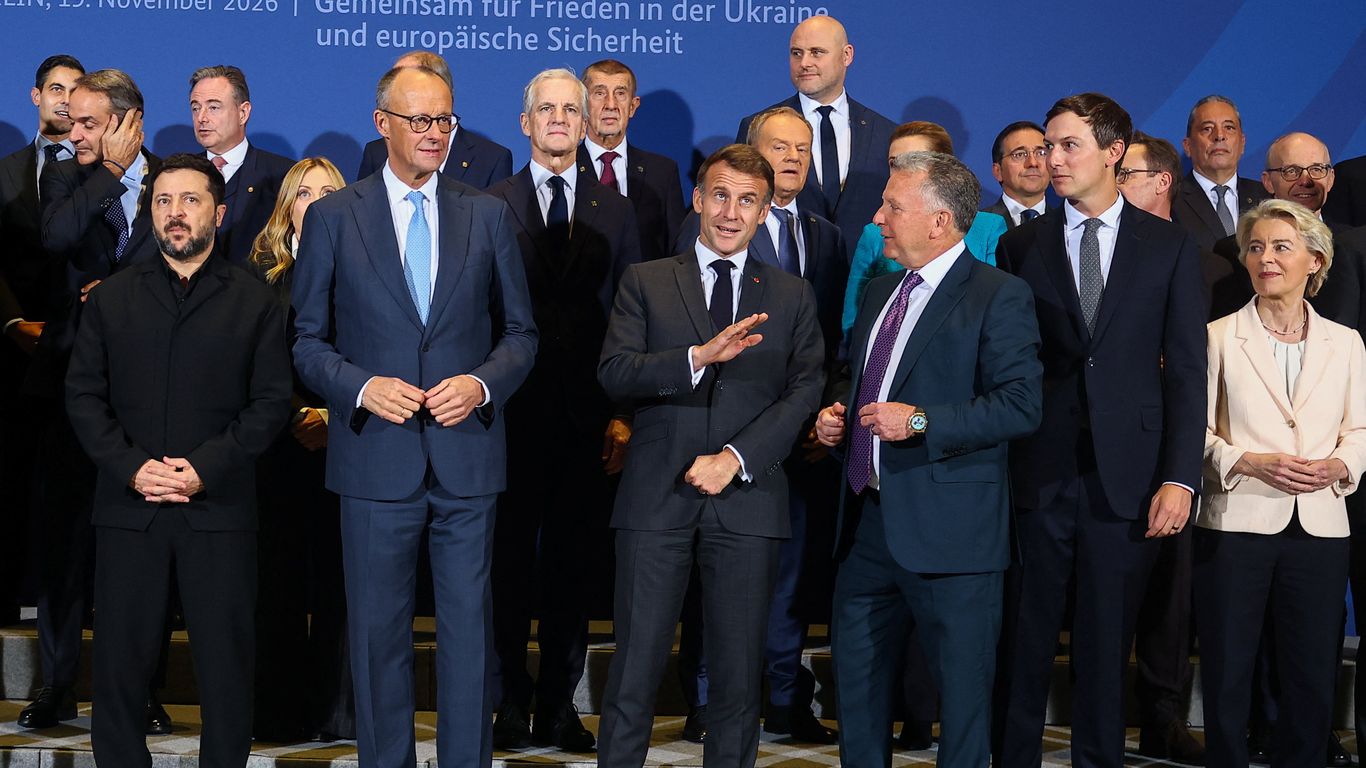
On his way back from China Thursday aboard Air Force One, President Trump called in to a meeting his envoys Steve Witkoff and Jared Kushner were holding in Berlin with a group of European leaders and Ukrainian President Volodymyr Zelensky. "Putin wants to end the war, he wants the deal done, he is getting tired of this," Trump said, according to people in the room. Why it matters: Instead of turning his historic trilateral summit with Chinese President Xi Jinping and Russian President Vladimir Putin into a modern-day Yalta Conference, as some European and Ukrainian officials feared , Trump tried to use it to propel his push for peace in Europe. Driving the news: Trump met Putin Thursday on the sidelines of the summit in Shenzhen. Their meeting wasn't originally on the schedule, but Trump wanted to discuss diplomatic efforts to end the war in Ukraine directly with the Russian president, a U.S. official said. "Who is he? He's my friend," Trump said when he entered the meeting room where Putin was waiting. Later in the day, Witkoff and Kushner told European leaders in Berlin that Trump pressed Putin to move on the peace talks, telling the Russian leader that now is the time to get a deal, according to a European official. Trump also asked Xi for his help in ending the war during their bilateral meeting. "He sent a very strong message to both of them [Putin and Xi] on the desire for peace, and would like to engage both of them very aggressively to get there," Kushner said at a press conference on Thursday. Behind the scenes: As Trump wrapped up his meetings in China and headed back to Washington, his envoys started their talks with German Chancellor Friedrich Merz, French President Emmanuel Macron, British Prime Minister Andy Burnham, Zelensky and other European leaders. Kushner and Witkoff tried to reassure the group that Trump doesn't intend to cut a deal with Putin over their heads. "President Trump wants to make a deal with Europe by his side. He's not looking to im
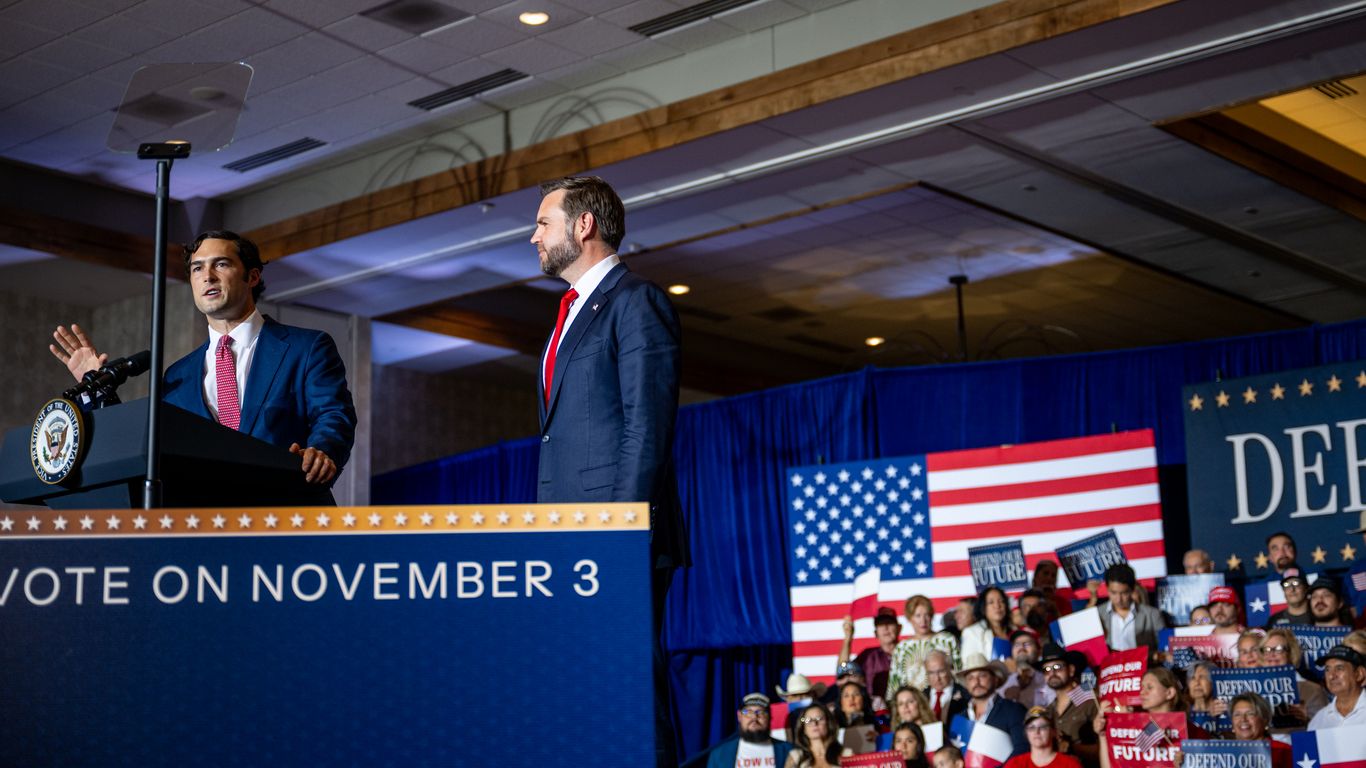
House Republicans chose fighter Jim Jordan over the more experienced Steve Scalise to lead them after taking a midterms beatdown. Now they're facing a similar choice over who should lead them on House Oversight. Why it matters: Whoever gets the top Republican spot on the Oversight Committee will be the first line of defense on some of the most deeply personal issues for President Trump and his inner circle. A pair of Texas House Republicans, freshman Rep. Brandon Gill, 32, and three-term Rep. Pat Fallon, 58, want the job that could make them a national star, or leave them taking the heat if Democrats land damaging revelations. Driving the news: Democrats are preparing a barrage of investigations , putting Trump's family, finances and closest advisers in their crosshairs. Rep. Robert Garcia (D-Calif.), who is running to chair House Oversight next year, sent a dozen letters Wednesday targeting figures including Donald Trump Jr., Eric Trump, Jared Kushner and Vice President Vance. Democratic allies want a plan "to compel disclosure and testimony," according to a Tuesday letter — led by Public Citizen and Indivisible — that was signed by 103 groups and obtained by Axios. The White House is pushing back on Hill Democrats, with its top lawyer warning that some Democratic investigative tactics could cross into criminality. Zoom in: Gill has made a name for himself with fiery committee confrontations and viral moments. He's also proven to be a prolific fundraiser. "Gill is the next Jim Jordan," a source close to Jordan told Axios. "He practices, he's smart." Fallon has served on Oversight since arriving in Congress in 2021. He previously chaired Oversight's subcommittee on economic growth, energy policy and regulatory affairs. "I've built great relationships and a clear resume of rigorous, result-oriented oversight that reflects what the committee has achieved on behalf of the American people," Fallon told the Texas Tribune in September. Between the lines: Gill's lack of se

House Democrats are largely steering clear of threats to shut the government down in December if Republicans put forward legislation that maintains funding for the war in Iran. Why it matters: Much of the party's left flank — including some members of Congress — think it's a fight they need to pick after their midterm landslide. "The American people were loud and clear on November 3rd: they want an immediate end to Donald Trump's reckless war in Iran," Reps. Yassamin Ansari (D-Ariz.) and Ro Khanna (D-Calif.) said in a joint statement on Wednesday. The pair said they will "oppose any funding package that does not explicitly prohibit funds from being used for offensive operations in Iran" because it would "defy the demands of Americans who want this war to end—now." State of play: The Democrats' majority doesn't officially begin until Jan. 3, while federal funding is set to run out on Dec. 11. Republican leaders are struggling to pass party-line procedural votes and will probably bring up their funding patch under a fast-track process that requires bills to pass with a two-thirds majority. In other words: The GOP will almost certainly need a large number of Democratic votes to pass any funding bill, especially if some of their own members defect. What they're saying: "Whatever they have to do to get it through they should do it, but I hope there's not a shutdown," said Rep. Brad Schneider (D-Ill.), the outgoing chair of the center-left New Democrat Coalition. "I don't think we should shut down the government, we take that way too casually as it is, so I'd be leaning into not doing it," said Rep. Scott Peters (D-Calif.). Said Rep. Greg Landsman (D-Ohio): "Everyone should do whatever they can to avoid a shutdown. The impact it has on the economy, but workers in particular, it's just not fair." Between the lines: Even some progressives acknowledged their imminent House majority takes a lot of the pressure off the December fiscal deadline. "If I can defund [the war] in De
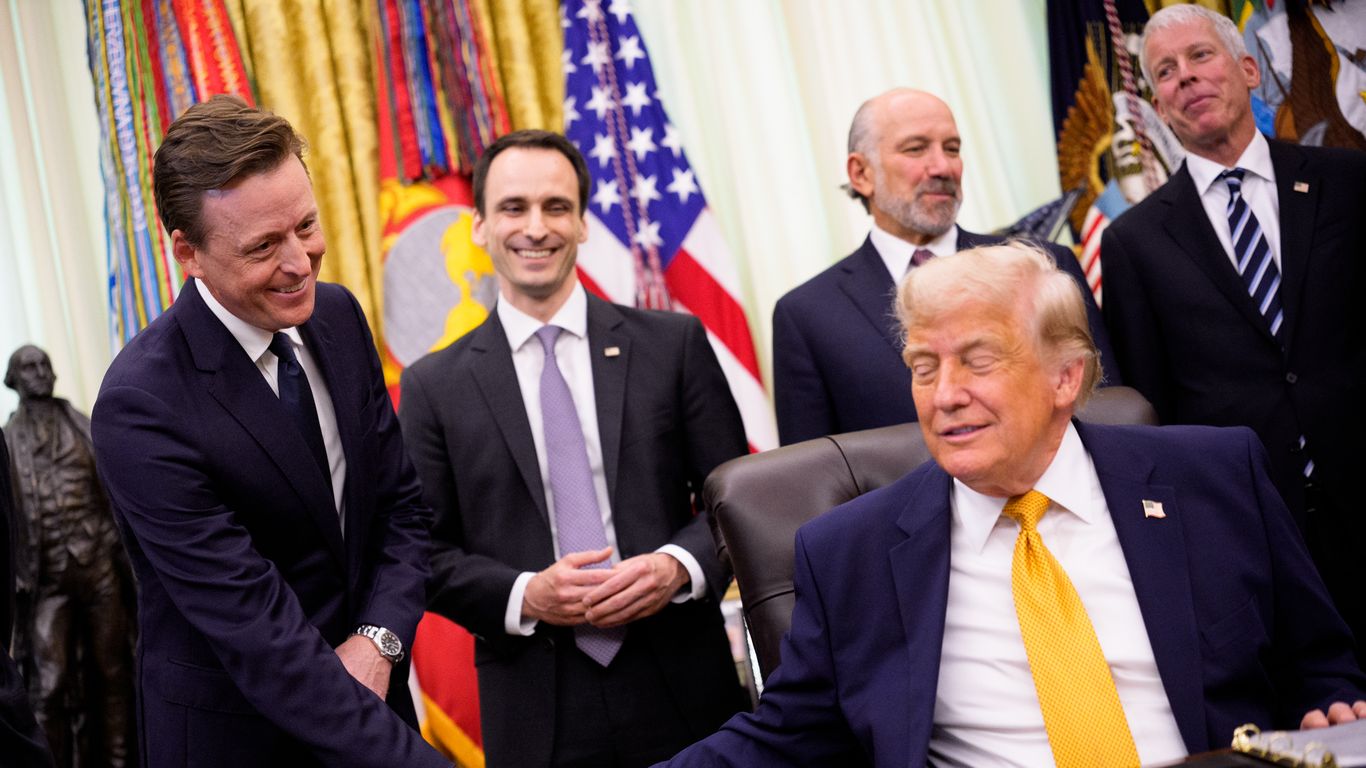
White House national cyber director Sean Cairncross is leaving his post, Axios has learned. Why it matters: Cairncross did not want to serve another two years and is leaving now to give the White House time to secure Senate confirmation before Democrats take control in January, two sources said. Cairncross' departure was described as amicable. The background: Cairncross leads the Office of the National Cyber Director, which coordinates cybersecurity policy and strategy across the federal government. The position requires Senate confirmation. The Trump administration's AI team has taken shape on the fly , but Cairncross was involved in key decisions. Case in point: He held technical meetings with Anthropic leaders over the summer after Commerce Department export controls effectively scrubbed the company's models from the internet. Catch up quick: Cairncross brought experience in Republican politics and national security, having worked with the intelligence community and dealt with cyber threats at the Republican National Committee. During Trump's first term, Cairncross represented the White House chief of staff on National Security Council committees before leading the Millennium Challenge Corporation, a federal foreign aid agency. Cairncross' head of policy and senior adviser Thomas Lind left in June and joined OpenAI in October, further depleting the Trump administration of technical expertise. The White House has not yet responded to Axios' request for comment. The big picture: The latest turnover in cyber personnel comes as the country grapples with critical infrastructure outages and increasingly powerful AI poised to empower cyber defenders and hackers alike. Democrats have criticized the administration's response to outages and warned that U.S. cyber defenses are falling behind AI-fueled threats. What we're watching: Trump is also filling other key cyber positions. His pick for the top job at the Cybersecurity and Infrastructure Security Agency, which helps de

Rose pleaded guilty to tax evasion in 1990 Player also banned from baseball over bets Donald Trump says he has posthumously pardoned Pete Rose more than two years after the baseball star’s death and a year after he was reinstated by Major League Baseball Commissioner Rob Manfred. “I have just given a Complete and Total Pardon to the Late, Great Pete Rose, a true Baseball SUPERSTAR + LEGEND,” Trump posted on social media. Continue reading...
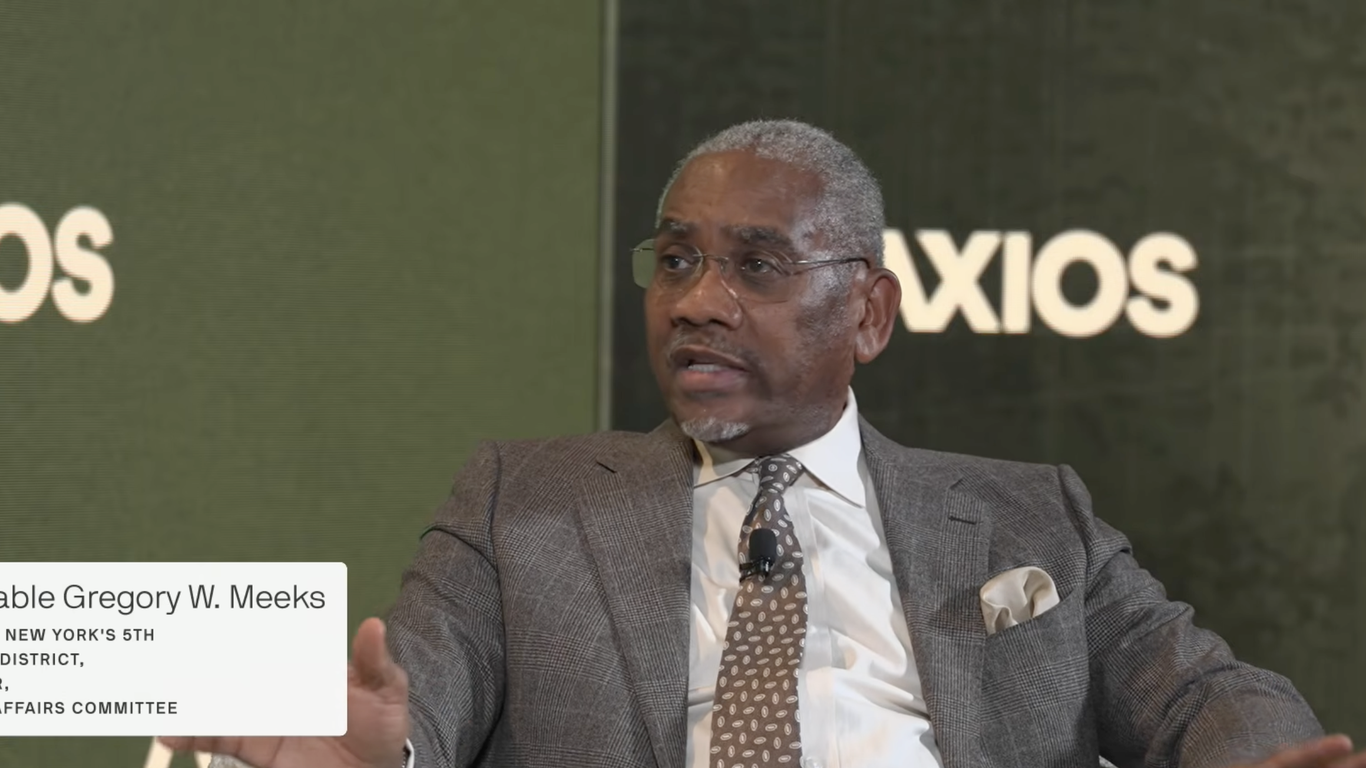
Rep. Gregory Meeks (D-N.Y.) said Thursday Congress is going to reclaim powers long ceded to the executive branch at the Axios Future of Defense summit. Why it matters: As the top Democrat on the House Foreign Affairs Committee, Meeks is putting the Trump administration on notice that it's foreign policy decisions are going to be challenged through legislation and oversight hearings. What they're saying: "Whether it's a Democratic president or Republican president, we've ceded too much and we've got to stand up and take it back," Meeks told Axios' Colin Demarest. "We do, at times, have to make some difficult decisions, and not just punt them away to the executive branch, because when you do that, it's hard to get them back." Catch up quick: Meeks will likely become Foreign Affairs committee chair in January, riding the blue wave that gave Democrats the ability to control Congress' legislative agenda. Zoom in: Meeks didn't rule out calling Secretary of State Marco Rubio to testify before the committee. "The jurisdiction of the House Foreign Affairs Committee is the State Department," Meeks said. "[Defense Secretary Pete] Hegseth is — that's the purview of the House Armed Services Committee. So we're going to be looking at and talking about the State Department." Zoom out: Meeks has already sent document-preservation letters to seven agencies, including the State Department, USAID and the U.S. International Development Finance Corporation, warning them to avoid destroying records that could be relevant to oversight efforts. He threatened the possibility of criminal referrals if someone is found to have done otherwise. Editor's note: This is a breaking news story and will be updated.

Donald Trump was accused of falling asleep during Chinese president Xi Jinping's speech at the Asia-Pacific Economic Cooperation summit in China on 19 November. The US president appeared to close his eyes for roughly 10 seconds. As his eyes closed, Trump’s head tilted downward, and his hands remained clasped in front of him. Continue reading...
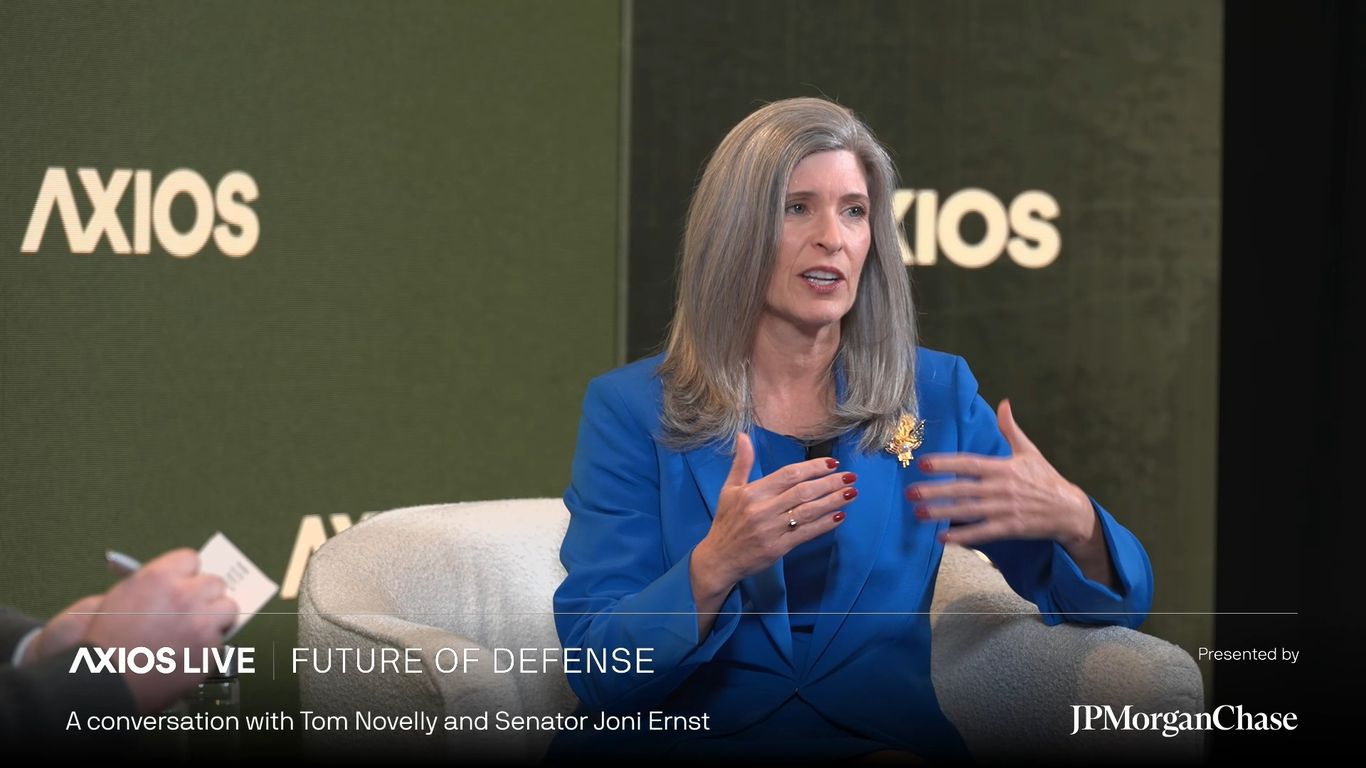
Sen. Joni Ernst (R-Iowa) said "a lot of people would be able to guess" if she regrets voting to confirm the embattled Defense Secretary Pete Hegseth, during Axios' Future of Defense Summit Thursday. Why it matters: The retiring Iowa senator, who served in the military for more than two decades, has been notably skeptical of Hegseth, and hasn't always been in lockstep with the Trump administration. Catch up quick: Despite her hesitancy over his nomination, Ernst ultimately voted to confirm Hegseth . However, she's continued to question him throughout his tenure. She recently questioned whether the embattled Pentagon leader has been "truthful" about the status of the Iran war, which she said Iowans rejected in the midterms. "If there is deception coming from our Pentagon and being transmitted to the president, I would want to know that," Ernst told reporters earlier this month. Driving the news: "There is very little transparency right now with what is being discussed between the White House and the Department of War," Ernst said of Pentagon communication over the war in Iran in a conversation with Axios' defense and space reporter Thomas Novelly. "As Congress, we would expect that we would be read into some of those conversations, and unfortunately, we have not been read into those conversations," she added. State of play: Ernst sits on the Senate Committee on Armed Services, where she chairs the Emerging Threats and Capabilities subcommittee. She predicted in her interview with Novelly that given the "not even hidden animosity" between Democrats and Hegseth, "it will be very difficult" for new Senate Armed Services Committee leadership to receive information. Editor's note: This is a breaking news story and will be updated.

The leaders of China, Russia and the US have held the first ever three-way talks between the three nations. President Xi Jinping likened the talks on the sidelines of the Apec summit in Shenzhen, China, to a ‘peace summit’. Discussions appear to have focused on nuclear arms control, ending the war in Ukraine and US criticism of the international criminal court, which has an arrest warrant for Vladimir Putin. With Europe not at the table, Patrick Wintour tells Lucy Hough why the meeting is raising alarm bells in the west and beyond Continue reading...
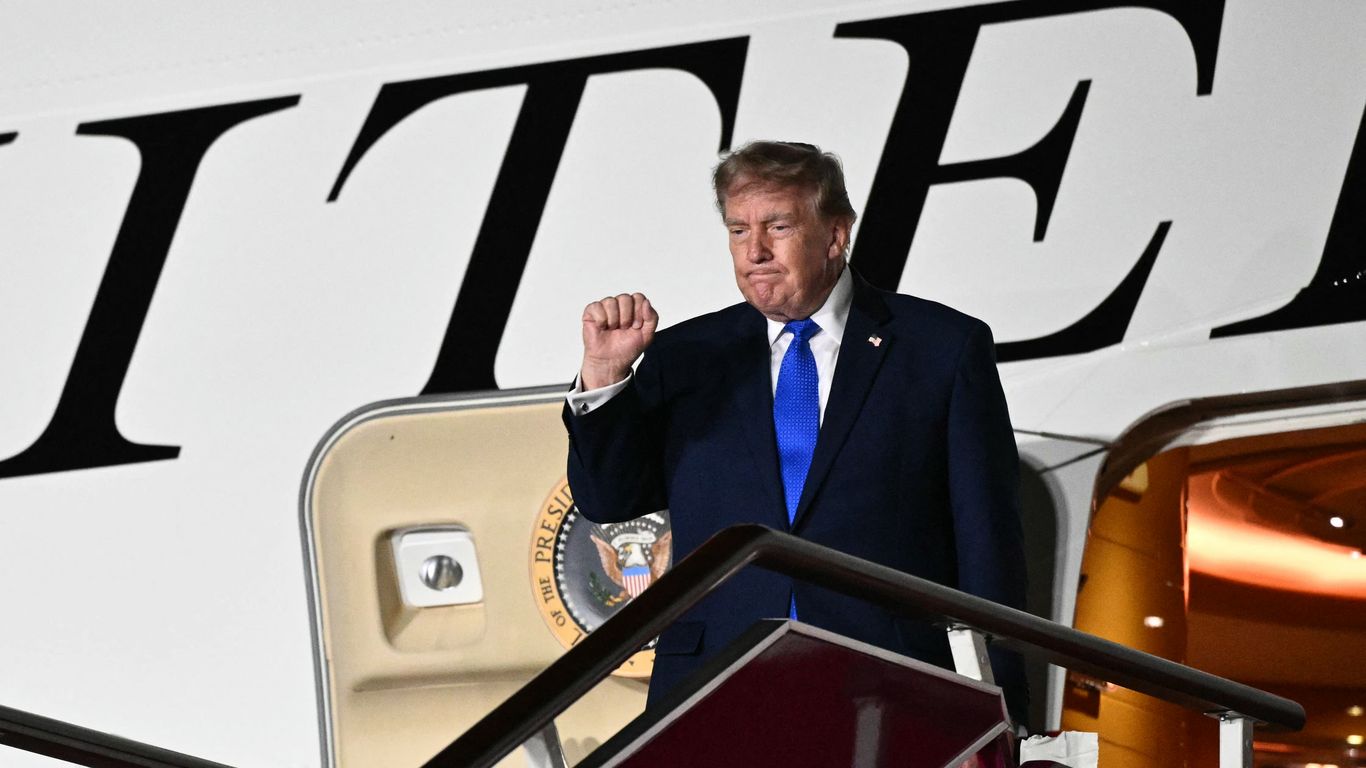
President Trump said in a brief phone interview Thursday that he won't make a determination on his next step in the Iran war until the new year. "I am not rushing into any decision [on Iran]. We will see what happens after the beginning of the year," Trump told Axios from Air Force One, on his way back to the U.S. from China. Why it matters: The president's comments come as he faces heavy pressure from Israeli Prime Minister Benjamin Netanyahu to unleash a decisive bombing campaign soon. Yes, but: Trump could change his mind at any moment. And he wouldn't telegraph plans for an imminent attack even if that's what he was intending to do. A day before the war began in February, Trump said he hadn't made a decision, when in fact he had already ordered strikes. Between the lines: Trump's stated timing could mean he's giving more time for the naval blockade and the economic pressure campaign to play out, as many of his advisers and leaders of Gulf countries are urging. But it could also indicate that if Iran doesn't make concessions by the end of the year, Trump wants to leave himself enough time for military action before the new Democratic-controlled Congress settles in. Driving the news: While stating last week that a major new round of strikes on Iran was " quite unlikely ," Trump is still considering a joint attack with Israel, Axios reported on Wednesday. The president's deliberations are likely to pick up when he returns from Asia. Any U.S. operation would involve Israel and could include strikes on suspected Iranian nuclear facilities such as Pickaxe Mountain. Bridges and power plants could also be targeted, as well as Iranian military and civilian leaders. Behind the scenes: The White House has asked the Pentagon and intelligence experts for their assessments of how Iran would respond to each of the strike scenarios the U.S. military has prepared, according to two sources with knowledge of the matter. The White House has asked whether any of the options would av

Bill Essayli reportedly dispatched to Florida to handle a criminal inquiry into Jack Smith’s handling of the classified documents case The US Department of Justice is, according to multiple reports, dispatching Bill Essayli, a California prosecutor who is a staunch ally of the president, to Florida to handle a criminal inquiry into one of Donald Trump’s obsessions: the 2022 search of Mar-a-Lago and Jack Smith’s handling of the classified documents case. The decision to dispatch Essayli comes as a broad criminal investigation into whether Obama and Biden administration officials violated Trump’s rights has stalled in the US attorney’s office for the southern district of Florida. Jason Reding Quiñones, the US attorney for the office, resigned earlier this month. Other prosecutors working on the case have resigned. Continue reading...
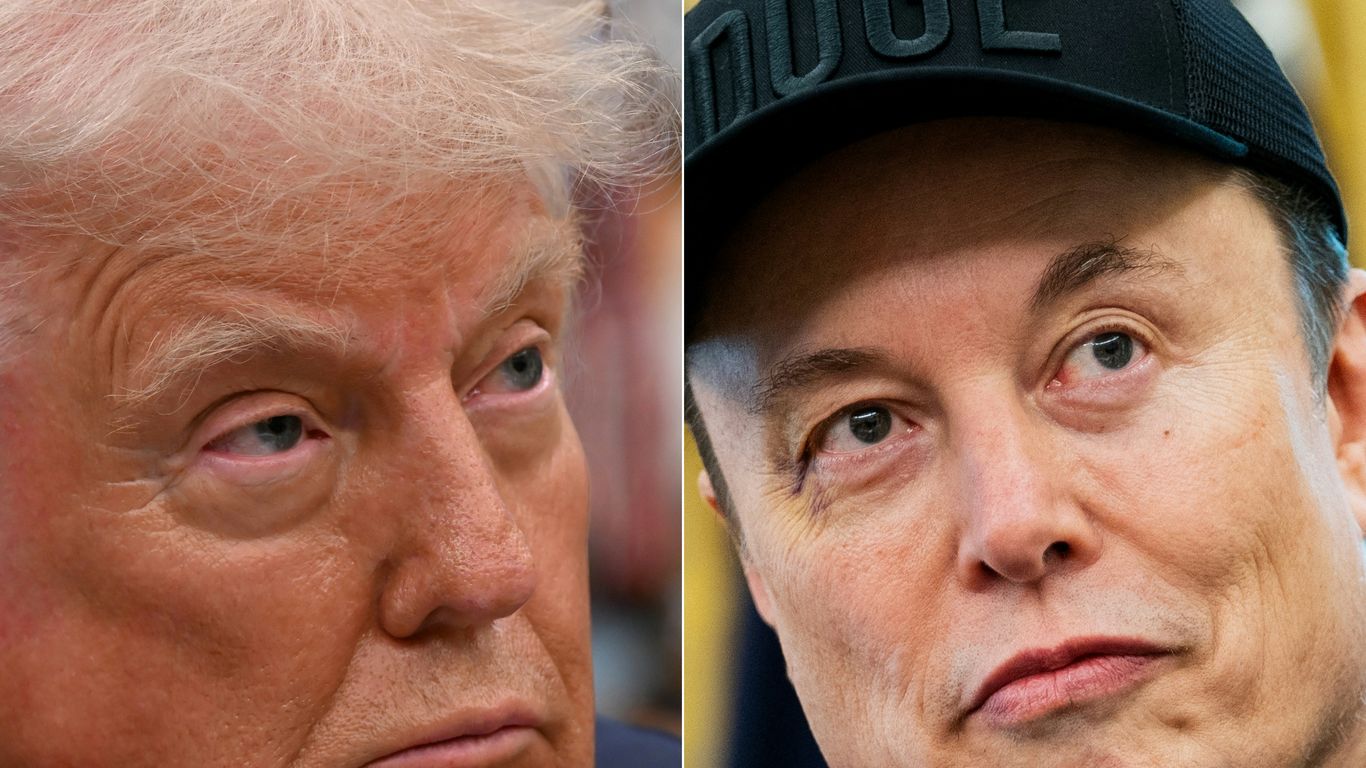
President Trump still considers Elon Musk an ally despite the world's richest man saying he's "not MAGA," the president told NBC News on Thursday. Why it matters: Musk's latest break from Trump's political movement comes after he spent millions backing Republicans in the midterms, only to see Democrats win control of Congress and many state governments. Trump and Musk have weathered public feuds before, repeatedly reconciling despite disagreements. Driving the news: "He's a friend of mine," Trump told NBC News of Musk. "There are lots of definitions out there. MAGA, to me, means something very specific, and when people veer from it, they don't do very well," Trump said. "Elon's got very good intentions," he said. "I mean, he was with me the whole — he traveled with me." Catch up quick: Musk said at the The New York Times' DealBook Summit Wednesday that he considers himself politically moderate. "I'm not sure what MAGA means, but if that means sort of blind adherence to a set of policies by the Republican Party, then I certainly don't have that," Musk told the New York Times. Musk said he felt "pretty foolish" about spending millions in the midterms. "If I could rewind the clock, I would have spent less money," he said. Yes, but: Musk reportedly accompanied Trump to China this week, underscoring how their personal relationship has endured despite their political differences. Between the lines: Musk may reject the MAGA label, but he has spent years championing its culture wars, bankrolling Republicans and turning X, the social media platform he bought for $44 billion, into a megaphone for far-right voices. He has attacked diversity initiatives, amplified anti-immigration rhetoric and promoted an antisemitic conspiracy theory for which he later apologized . He has also railed against what he calls the "woke mind virus" and backed far-right political movements abroad. Flashback: Musk has clashed with Trump over government spending, tariffs, climate policy and the invest
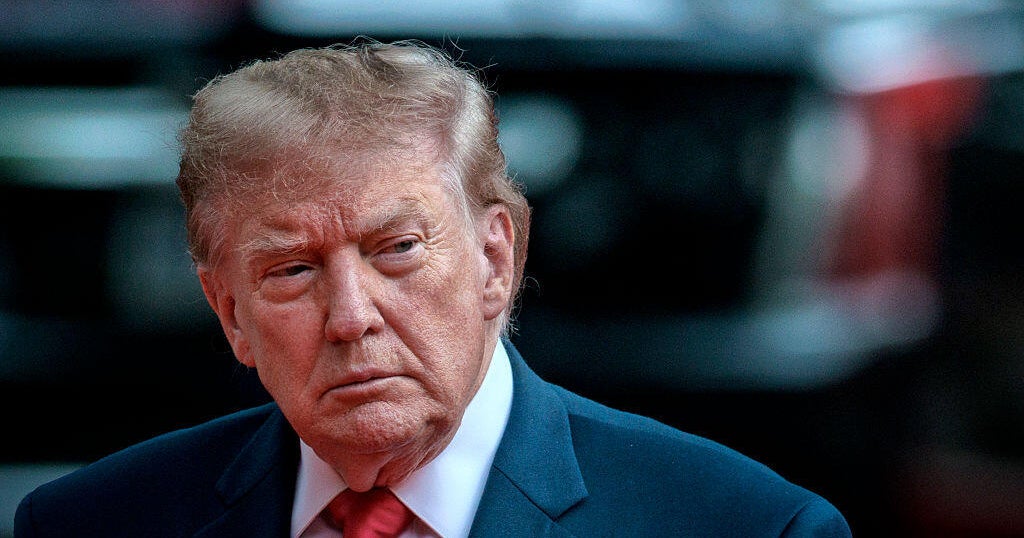
A lawyer representing the law firm Kirkland & Ellis said it has provided nearly $12 million in free legal services for the Trump administration.

Gaps in protections for lawmaker communications loom larger as the administration amplifies its threats to criminally investigate Democrats for aggressive oversight efforts.

Myanmar became the first state the International Court of Justice has held responsible for committing genocide in a landmark ruling Thursday. Why it matters: The decision could have far-reaching implications for other genocide cases, including South Africa's case accusing Israel of committing genocide against Palestinians in Gaza. State of play: The court ruled 9–6 that Myanmar's violent 2017 military crackdown was intended to destroy the country's persecuted Rohingya Muslim minority. The onslaught killed thousands and forced more than 740,000 Rohingya to flee to neighboring Bangladesh. In 2021, Myanmar's military coup also sparked a civil war that killed over 100,000 people and displaced 5.2 million, according to the Council on Foreign Relation's Global Conflict Tracker. Myanmar has repeatedly denied allegations of mass rape, murder and arson. Yes, but: The legally binding ruling does not guarantee that the roughly 1.2 million Rohingya refugees in Bangladesh will be able to safely return home. The court ordered Myanmar to investigate and punish those responsible, provide reparations to the Rohingya and allow refugees to return. Still, the ICJ has no direct way to enforce its ruling. What they're saying: "This judgment must now translate into real action," UN Human Rights Chief Volker Türk said in a statement . "The Court has made clear Myanmar's responsibilities. It sends a strong message to all States around the world that those responsible for genocide will be held to account." Myanmar's opposition National Unity Government welcomed the ruling, saying it would "carefully consider the Court's findings and any orders issued" and remained committed to holding perpetrators accountable and preventing further atrocities. Flashback: In 2022, the Biden administration formally declared that Myanmar's military committed genocide against the country's Rohingya minority and crimes against humanity. The ICJ in 2020 ordered Myanmar to protect Rohingya from genocide while the c

Supreme court greenlit federal government’s plan to rampage through national park, but with Texas now flipped, there will be more hurdles The Trump administration’s plans to build a “smart border wall” through a 500-mile stretch of Texas that includes the Big Bend national park recently got the green light from the supreme court . But those efforts are likely to slam into a big, blue wall. Last week’s decision – the result of a continuing challenge to the administration’s decision to waive dozens of federal laws to speed wall construction in the Big Bend region – dealt a major blow to environmentalists and park enthusiasts, as well as locals who value the region’s remoteness, landowners who could see their properties devalued and businesses that rely on outdoor tourism. Continue reading...
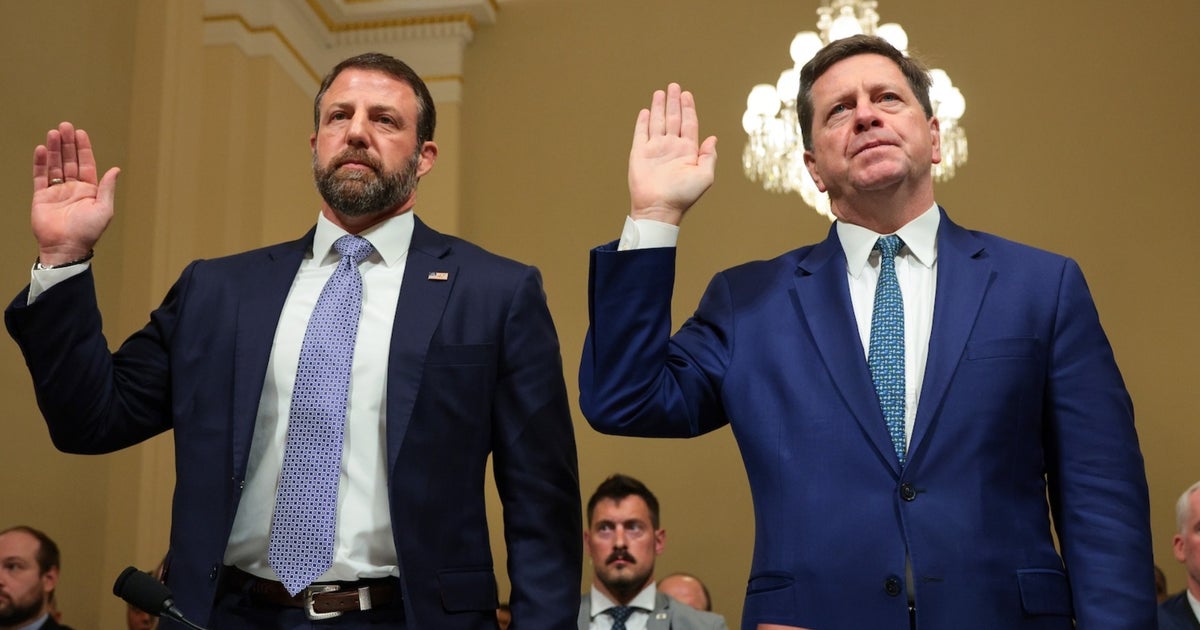
Americans remain skeptical after a wave of tech outages over the last week, despite the Trump administration's insistence that there are no cybersecurity threats. Jo Ling Kent reports.

Party wins biggest majority since Obama and one unthinkable two years ago – now the hard work of investigating and lawmaking begins It’s official: when Democrats take control of the Senate next year, they’ll have 56 seats, their largest majority in nearly two decades and one that appeared unthinkable at the outset of Donald Trump’s return to power two years ago. The landslide victory was confirmed on Tuesday, when the lengthy ballot-counting process in Alaska ended with Democrat Mary Peltola defeating the incumbent Dan Sullivan, who became the ninth Republican to see their seat taken by the opposition in a midterm election that produced a political earthquake. Continue reading...

Anti-democratic behaviors won’t disappear overnight. The new Congress – and all of us – must rise to the occasion Americans just witnessed a blue tsunami in the midterm elections, with historic firsts across many US states: the country’s first female Black governor, first female Native American governor, first Muslim US senator, and more. And while the voters’ repudiation of Donald Trump’s agenda is clear, as Democrats seize the majority of both chambers of Congress, the work to defend our institutions from further democratic backsliding won’t ease up overnight. Continue reading...

If the sweeping Senate permitting bill becomes law, it will reflect a rare convergence of political and market forces strong enough to trump the Beltway aversion to big, bipartisan deals. Why it matters: The bill could transform how America builds energy infrastructure, with major implications for everything from electricity costs to data centers. Getting rid of bureaucratic hurdles for energy projects is a top priority for the fossil fuels and renewables sectors. But critics argue the plan would unacceptably weaken environmental protections and the rights of Native American tribes. The latest: A vote on final passage of the White House-backed bill could occur Thursday after the Senate plows through some more amendments. The big picture: Many industries — pipelines, transmission, housing, you name it — call permitting a long bureaucratic and judicial maze that stymies projects. Yes, but: That, on its own, isn't nearly enough to get this far. Here are other reasons the bill has a path to becoming law after years of failed efforts to upend permitting. 🗳️ The cost-of-living election. The midterms were soaked in affordability politics at a time of rising energy bills. While critics can call the projected savings modest, cost is politically front and center. The Rhodium Group estimates that big provisions it analyzed would cut average residential power prices by 3%-4% in 2035. Third Way, a group that favors the bill, supported the research firm's work. 📈 Rising electricity demand. U.S. power thirst has been rising in the last few years after staying largely flat for decades, driven partly by AI and wider electrification of the economy. 🦋 A maturing clean energy industry. As sectors like renewables and storage become more mainstream, " more developers and companies are seeing the real-world challenges" of doing projects, clean energy lobbyist Jeff Navin notes via email. That puts them in agreement with utilities and oil and gas companies. "They all run into problems ge
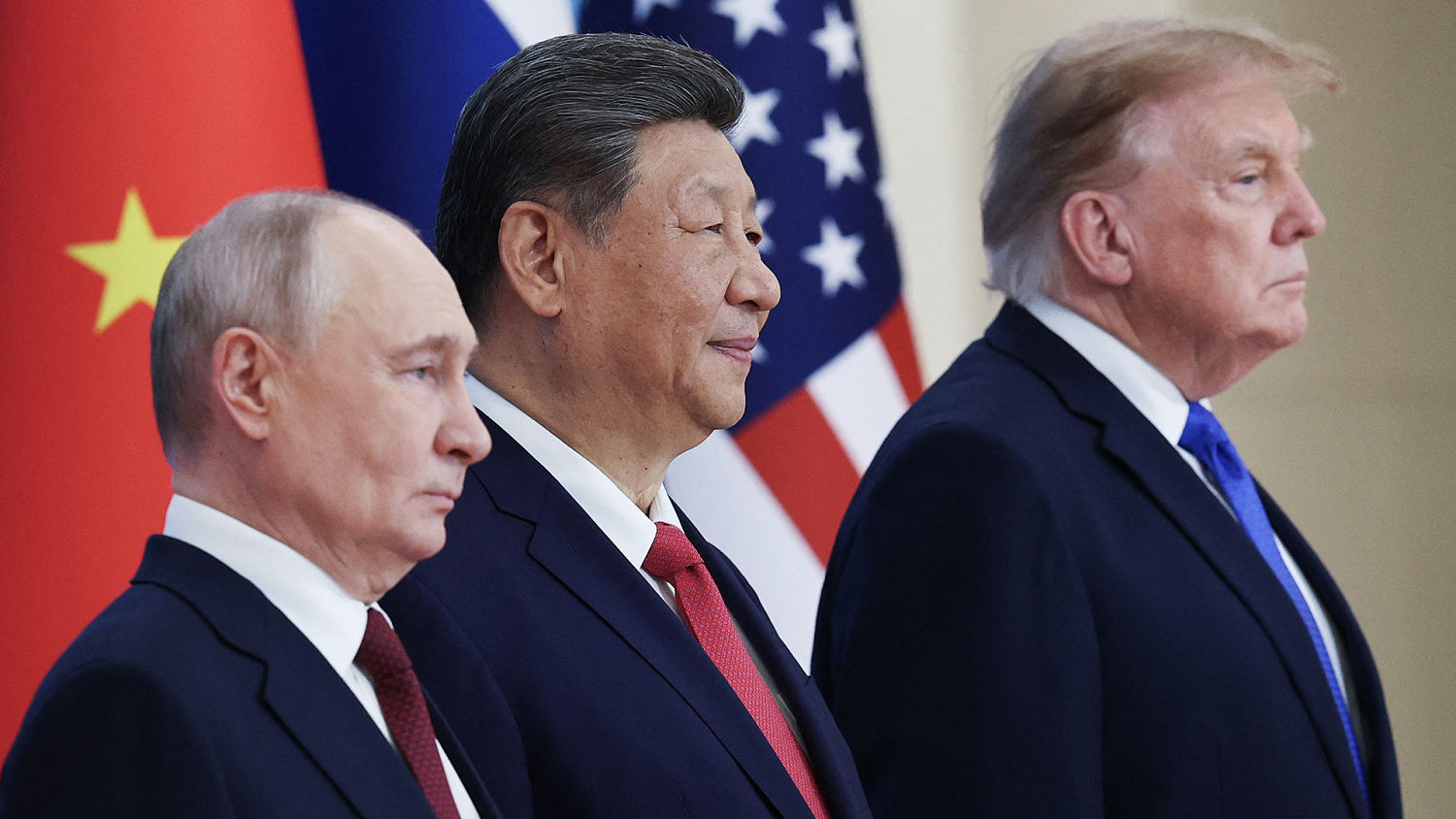
President Trump took part in historic three-way talks with Russian President Vladimir Putin and Chinese President Xi Jinping in China. NBC News' Garrett Haake has the details.