
Democrats swept into power last week as voters also embraced tougher criminal penalties and restrictions on bail. Why it matters: Six years after the George Floyd protests, Democrats won big without promising a return to sweeping 2020-era reforms. Some even adopted border-security rhetoric associated with Republicans. Democrats gained at least 12 state legislative chambers and won governorships in Georgia, Iowa, Nevada, Ohio and Texas. By the numbers: Voters approved all six statewide ballot measures Ballotpedia tracked that proposed tougher sentences, criminal penalties or bail restrictions in 2026. Five passed Nov. 3 in Indiana, Louisiana, Tennessee and Colorado. Alabama approved the sixth in May. Four expanded when courts could deny or restrict bail. Two increased penalties, including for fentanyl offenses and child sex trafficking. The shift: Some Democratic winners embraced tougher border-security language while opposing Trump's immigration crackdown. Texas Sen.-elect James Talarico called himself a "border security Democrat ," criticized former President Biden for failing to secure the border and said there needs to be comprehensive immigration reform. Michigan Sen.-elect Abdul El-Sayed , a progressive, said days before the election : "We needed tougher border security." He also criticized Trump's use of ICE. Zoom in: Colorado voters backed Democrats, tougher penalties and limits on federal immigration enforcement. That included electing Phil Weiser (D) as governor and approving tougher fentanyl penalties and life without parole for child sex trafficking. They rejected a measure requiring police to notify federal immigration authorities in certain cases involving violent crime suspects or people with prior felony convictions whose immigration status was unlawful or uncertain. Weiser and state Democrats are now weighing changes to the fentanyl measure, arguing it falls short on promised addiction treatment. Yes, but: Virginia voters approved automatically resto
Results for “border wall”
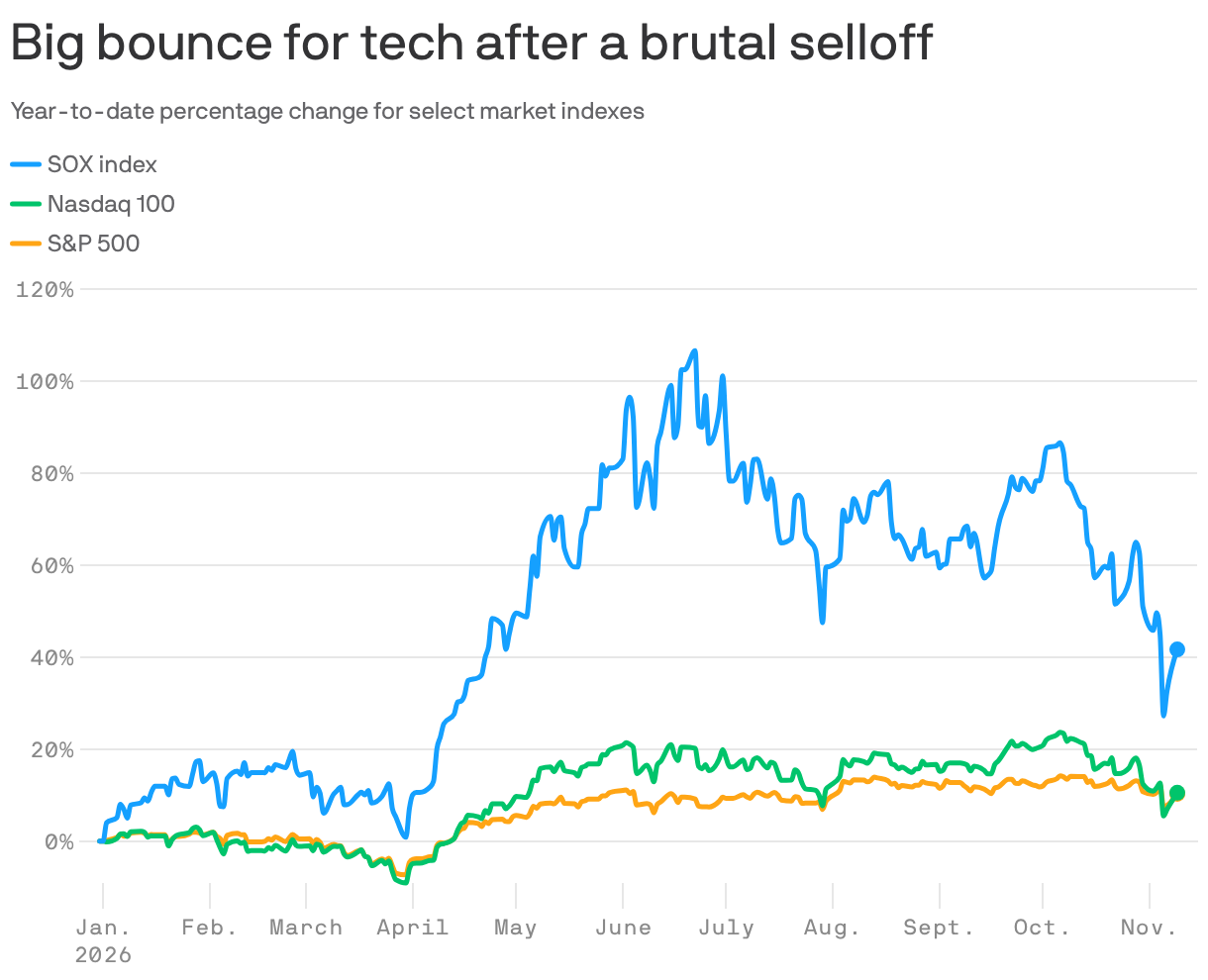
Data: FactSet; Chart: Matt Phillips/Axios The AI trade has regained momentum despite — or maybe because of — Nvidia's struggles following the weekend revelations from CEO Jensen Huang. The big picture: Monday's sudden burst of exuberance for AI was the latest wide swing for a market upended by last week's "blue tsunami" in the midterm elections and the threat they could pose to the data center boom. By the numbers: The Nasdaq 100 index of large-cap technology shares soared 3.4%, its biggest daily jump since late March and its second-best showing of the year. Zoom in: Stocks romped across the AI ecosystem — well, with one important exception. Pick-and-shovel plays such as engineering and construction companies, and makers of data center inputs like fiberoptic cables, servers and data storage devices soared. The companies that build and lease out data center computing power, known as neoclouds, also jumped. (Those companies had been at the epicenter of recent jitters about financing for the AI boom.) Hyperscalers rose, paced by Meta, which notched a gain of 5.1%. Semiconductors roared, with the SOX index posting its best gain — 6.9% — since late July. Yes, but: The glaring exception to the AI-palooza was its best-known player, Nvidia. Weekend revelations from CEO Jensen Huang — who acknowledged having an affair with a woman suspected of connections to Chinese intelligence — left investors grappling with uncertainty about the CEO's future. The intrigue: Some investors may see Nvidia's pain as potential gain for rivals. Broadcom jumped 8.8%, its best day in nearly a year. Advanced Micro Devices soared 13.3%, benefiting also from an upgrade to "Outperform" — effectively, a "buy" recommendation — from Oppenheimer analysts on Sunday. Context: Bullish commentary from Wall Street established the background music for Monday's big bounce, as analysts urged investors to buy into the market's recent soft patch. "We believe stocks are now clearly in oversold territory," Goldman S

The Trump administration filed an emergency relief request with the high court earlier in October asking for the construction to continue while a lawsuit over the plan moves forward.
The Supreme Court is allowing the Trump administration to resume border wall construction in the Big Bend region of Texas for now

Elon Musk's sprawling empire — from rockets to robots, electric cars to AI — is facing a political onslaught with few parallels in modern corporate history. Why it matters: The world's richest man confronts a constellation of risks spanning the halls of Congress, his Texas industrial empire, Wall Street and his vision for AI supremacy. 💰 Political: To Democrats, Musk embodies corrosive forces of the MAGA era — extreme wealth, billionaire influence over government, the gutting of federal institutions, the poisoning of social media and the unchecked power of AI. Musk spent at least $475 million on the midterms, becoming the election's largest individual donor — only to see more than 99% of his traceable spending go to losing candidates, according to WIRED . Musk's most humiliating defeat came in Texas, where a $160 million bet on Ken Paxton ended in a Democratic sweep of the Senate seat, governorship and attorney general's office. In a hint of a possible détente, Sen.-elect James Talarico praised the billionaire as a "great business leader and entrepreneur," and offered to work with him on technology and innovation. Musk, who said last month that Talarico "hates Texas," responded : "Nice of him to say that." ⚖️ Congressional: Armed with subpoena power, Democrats are preparing to investigate Musk's DOGE operation, its access to sensitive government data and whether his companies benefited from his extraordinary influence over the Trump administration. Musk is already downplaying his dependence on Washington, claiming government contracts will account for less than 5% of SpaceX revenue a year from now. "Happy to cancel any that the government doesn't want," he posted Friday . The scrutiny also extends to national security: Lawmakers are demanding answers about Musk's reported communications with Vladimir Putin and his role in the October slowdown of Starshield that disrupted Ukraine's drone operations. Elon Musk responds to reporting about his vulnerabilities in Texas.
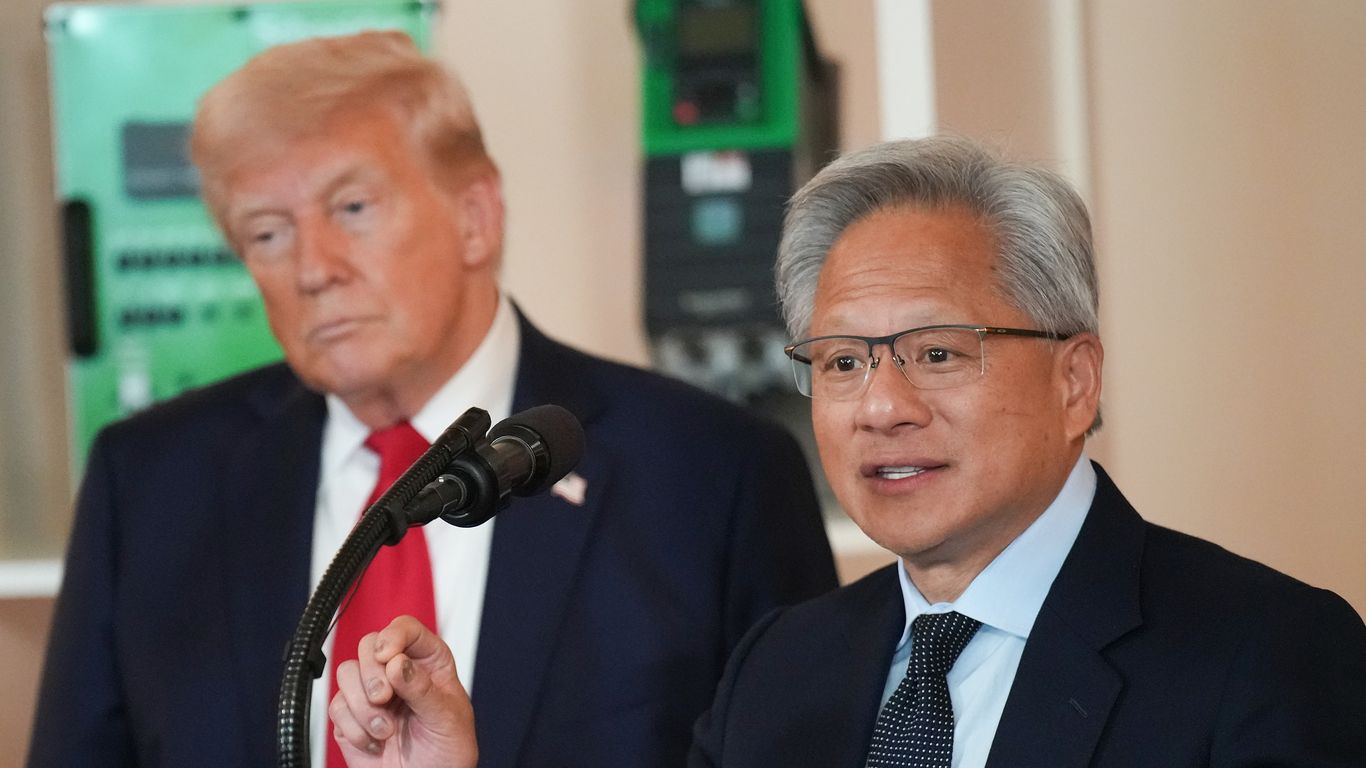
The world's most powerful AI executive admitted Sunday to an affair with a suspected Chinese spy, sending shock waves through an industry built on his singular influence. Why it matters: Nvidia CEO Jensen Huang has fashioned himself as the indispensable leader of an indispensable company — a $4.5 trillion behemoth with unparalleled clout in Silicon Valley, on Wall Street and inside President Trump's White House. Trump stood by Huang on Sunday evening, telling reporters that the Nvidia CEO is "an honorable guy" and "probably has an excuse" for his infidelity. The big picture: Huang, who has led Nvidia since founding the chipmaker 33 years ago, has become the AI boom's chief evangelist and most authoritative voice. He has brushed aside fears of both a speculative bubble and technological catastrophe, joining forces with Trump to calm markets and the public as warnings of an AI apocalypse reached fever pitch. For almost any other CEO, an affair with a suspected foreign intelligence operative could be career-ending. Huang's grip on Nvidia — and the company's extraordinary importance to the AI economy — may insulate him from the same fate. Driving the news: Huang confessed to the affair in a letter to staff Sunday, apologizing to his family as Nvidia's board launched an independent probe into the suspected Chinese intelligence operation. U.S. officials believe Alice Huang, an executive at Nvidia customer Megaspeed, was recruited by Beijing's top spy agency to gather information and potentially influence Nvidia's campaign to expand advanced chip sales to China. Nvidia's board said it had no reason to believe national security or company secrets were compromised and expressed confidence in Jensen Huang, who intends to remain CEO during the investigation. Zoom in: The New York Times first exposed the suspected Chinese espionage operation on Oct. 29, reporting that a woman believed to be working for Beijing had developed a close relationship with Nvidia's CEO. The company po

Trump’s most controversial aide begins his first day as White House chief of staff Stephen Miller, the influential architect of Donald Trump’s aggressive immigration crackdown , is due to start as White House chief of staff today. His promotion has horrified many, handing even more power to the president’s most controversial aide. The 41-year-old has been with Trump since the beginning of the US president’s political career – serving as a speechwriter during his 2016 presidential campaign – and has long been seen as a hardliner on the right, serving as the driving force behind first-term Trump policies such as family separation at the US-Mexico border and the travel ban on people from many Muslim-majority countries. Continue reading...

Florida Gov. Ron DeSantis is positioning himself for a presidential run. Secretary of State Marco Rubio is running away from the idea of his own campaign for the White House. Why it matters: The political posturing of the two Florida Republicans — or the efforts to draft either for 2028 — underscores the sudden volatility of the way-too-early GOP preprimary campaign to succeed President Trump . Before Tuesday's midterm Republican wipeout, the party's 2028 primary looked like a relatively easy coronation for Vice President Vance (if he runs, as expected). Now there's a nascent movement to kneecap Vance and promote other possible opponents. Zoom in: As Trump's home base, Florida was bound to take center stage in the conversation. But two things distinguish Florida from other states: DeSantis and Rubio have national profiles rooted in their own prior presidential campaigns, in 2024 and 20216, respectively. Florida was the lone red-wall state that the national blue wave couldn't top, which DeSantis has been happy to emphasize repeatedly since Tuesday. "The alligator people are stirring," said one national Republican consultant with extensive Florida experience, referring to the Sunshine State's official reptile. Zoom out: The differences between DeSantis and Rubio are vast when it comes to their political futures and styles. DeSantis is hungry. Rubio isn't. DeSantis terms-out of the governor's office in January and is looking for work. He hasn't made an official decision on whether to run for president — but he has stoked speculation with a media blitz that began with an Election Day appearance on Stephen A. Smith's podcast. Rubio repeatedly has said he plans to stay put in the Trump administration and serve out the rest of his term, until January 2029. He also said in May that he wouldn't run against Vance, and hasn't changed his position publicly. The intrigue: During the somber election watch party at the White House on Tuesday night, Rubio's phone "blew up" with sup

Choosing a healthcare plan can be extremely complicated, but it’s necessary to attract and retain good workers Again, healthcare costs are going up. According to a recent study from Mercer, total health benefit cost per employee in 2027 is expected to rise 8.2% – after employers’ planned cost-reduction measures (without action, employers told Mercer their existing plans would rise about 11%). This would be the highest increase since 2003. And, again, we see the same reaction from employers. The Wall Street Journal recently reported that even as healthcare costs have gone up, the share of these costs coming out employees’ paychecks has “shot up” even faster. Continue reading...

No state looms larger, more dominant or more instructive about the future of American politics, governance and AI than Texas . Why it matters: Texas is suddenly — and unexpectedly — the American story. It's the battleground and proving ground for immigration policy, AI, data center growth, Hispanic voting patterns, and the direction of the Democratic Party. Put simply, it seems nearly impossible for Republicans to retain the presidency in 2028 without the Lone Star State. And it seems nearly impossible for AI to keep growing so fast if Texas rejects or dramatically slows it. Texas is so populous, so wealthy, so Hispanic, so energy-rich — and now so top-to-bottom blue — that both parties see it as a de facto nation-state capable of reordering ... everything. "Texas is everything," Steve Bannon, one of the top voices of MAGA, told us. Bannon has been so Texas-obsessed all year that he took his influential podcast, " War Room, " on the road to the " forward lines " of Texas for months at a time. Bannon said Texas needs to be an early focus for Stephen Miller, the new White House chief of staff. Houston Mayor John Whitmire on Friday directed police to limit cooperation with ICE, saying : "Elections matter." Bannon said he expects many more such actions, with Texas becoming a sanctuary state "quickly unless dramatic action is taken." "Trump is going to be forced to federalize the border," Bannon said, either with National Guard troops or federal law-enforcement agents. The big picture: Texas was red as blood on Nov. 2, the day before midterms. Now it'll have a Democratic governor ... lieutenant governor ... attorney general ... comptroller ... land commissioner ... agriculture commissioner ... Texas House ... and U.S. senator, 37-year-old James Talarico. Talarico won by double digits over state Attorney General Ken Paxton, and Gina Hinojosa — who'll be Texas' first Latina governor — upset three-term Gov. Greg Abbott. Democrats won all four state Supreme Court seats on th
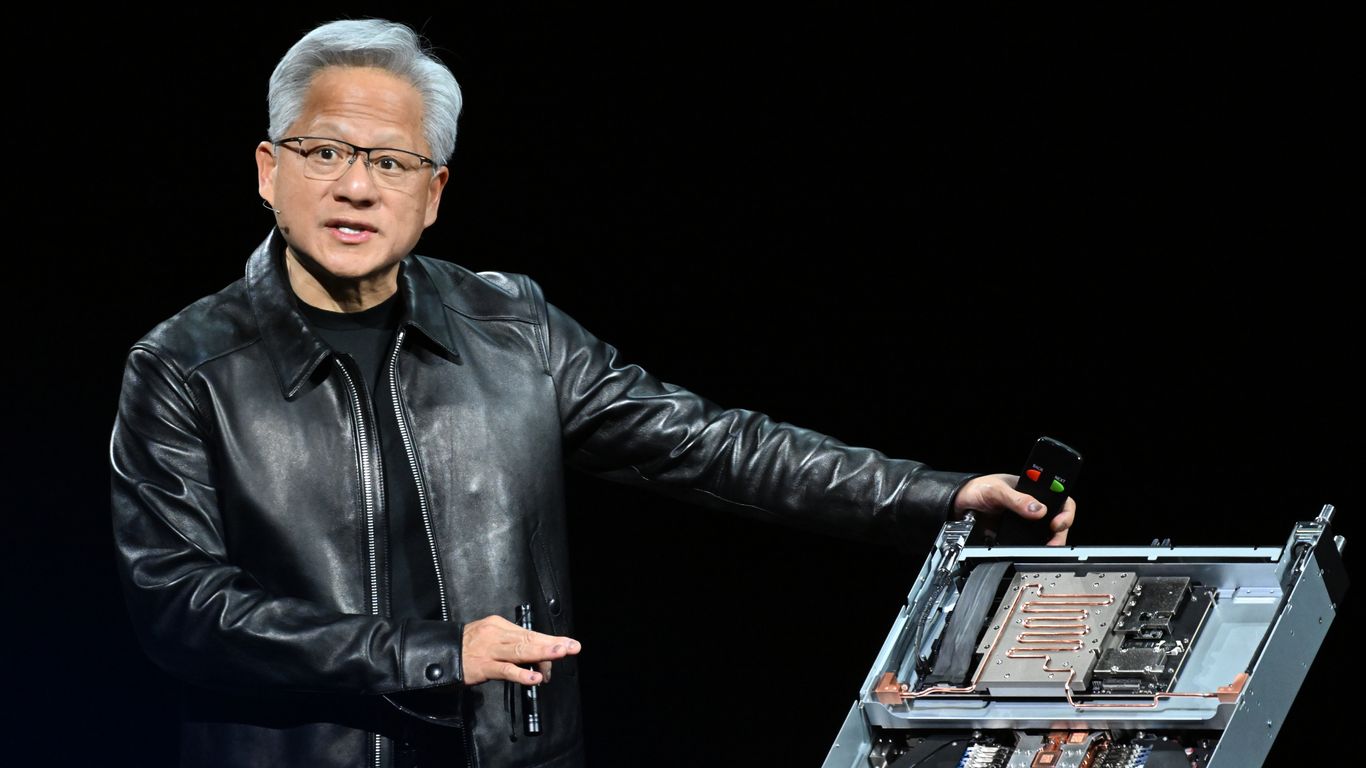
Nvidia CEO Jensen Huang is facing increasing congressional scrutiny after multiple reports Friday night suggested he had a romantic relationship with a purported Chinese spy. Why it matters: Huang is arguably the world's most powerful CEO, the man who runs one of the world's largest companies and whose products are central to the world's most important technology. The mere suggestion that he was in some way compromised by a Chinese intelligence agent could quickly become a major, bipartisan focus of the incoming Congress. What they're saying : Sen. Chris Coons (D-Del.) promised a probe of the latest Times report and Huang's relationships. "The more I learn about the insane relationship between the Trump Administration, Chinese spies, and AI billionaires, the more I'm convinced there is nothing this administration does that isn't corrupt. Congress will investigate and get answers," Coons posted to X, linking in another post to the Times' story. Catch up quick: A series of reports over the last 10 days has raised concerns about an allegedly illicit relationship with an undercurrent of espionage. Oct. 29 : The New York Times reported that Jensen Huang and a tech executive named Alice Huang had a "close relationship," that U.S. authorities had concerns about her intelligence connections with China, and that President Trump had been briefed on the situation. Oct. 31 : The Wall Street Journal reported that intelligence authorities in the U.S., Singapore and Taiwan all had reason to believe that Alice Huang might be a Chinese spy. Nov. 5: A group of House Republican committee chairs asked Jensen Huang to give them a briefing on his relationship with Alice Huang and Nvidia's controls over sensitive information, saying they need to determine "the extent to which U.S. national security has been placed at risk." Nov. 6: Both the New York Times and Financial Times reported that Alice Huang was in fact a Chinese spy, recruited by top intelligence officials specifically to spy on

Republicans in North Carolina saw their state as a firewall, gerrymandered to protect incumbents even if Democrats kept winning the governorship. This week, the wall shattered.

Border Patrol agents found 550 vacuum-sealed packages of suspected cocaine in two vehicles just three minutes apart at the San Clemente checkpoint.
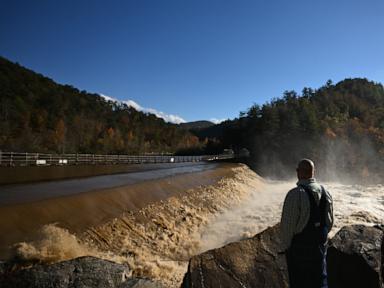
Residents are cleaning up from catastrophic flooding along the Tennessee-Georgia border that forecasters are calling a once-in-a-1,000 year event

Severe storms brought heavy rain across the border between Georgia and Tennessee on 4 November, flooding communities and forcing dozens of rescues Continue reading...

The tech sell-off exposes fragile promises, while Democratic victories offer a chance to protect workers and hold firms accountable This week’s midterms showed that the political bill for the AI boom is falling due. The Democratic sweep intensified fears over runaway spending, mounting debt and resistance to datacentres, sending tech shares tumbling. On Thursday Wall Street suffered its worst day since the pandemic as $3.2tn was wiped from markets. Anthropic, developer of the Claude chatbot, is hoping to float within the next fortnight for $1.5tn (£1.1tn), but it may not now get even a trillion dollars. The dominant AI chipmaker Nvidia saw its value crash by more than $400bn. The world’s richest man, Elon Musk, lost $113bn in two days . While a few very rich people may be a little less wealthy, the sell-off may not be a bad thing. It brings a needed dose of reality to an industry whose spending plans and valuations depend on heroic expectations of future profits. That is a view held by many influential figures – from Goldman Sachs’ research boss to Nobel laureate Daron Acemoğlu . AI may transform the economy. That does not guarantee investors will earn back the sums being poured into it. Continue reading...

After Thursday’s share price plunge on Wall Street, could the volatility be the start of a huge market meltdown? Business live – latest updates Global financial markets have been thrown into a tailspin as investors bet on an AI slowdown after the US midterm elections. This is not the first time stock markets have wobbled in recent months due to concerns over a tech bubble. But could this volatility be the start of a huge market meltdown? Continue reading...

Anticipation that Democrats’ ‘blue wave’ will lead to tighter rules on AI and datacenters sends tech stock plunging. Plus a big eight-legged surprise for customs officials in Peru Good morning. Stock markets around the world have fallen sharply as a rout in US tech stocks spread across the Atlantic after the Democrats’ midterms victory led to fears of a slowdown in the AI industry. A sell-off on Wall Street on Thursday was followed by sharp falls in Asian stocks markets on Friday morning. The dip in investor sentiment has also reached London. Susannah Streeter, the chief investment strategist at Wealth Club, said: “The tech sell-off has intensified. Big worries are colliding – the build-out of datacenters looks set to slow, which risks shredding the spending spree underpinning the boom, right at the time that investors have become super nervous about returns on this massive investment.” What happened to the Nasdaq? The Nasdaq share index had its worst day in 19 months after slumping 5.5% on Thursday amid growing signs that the AI industry will face tougher regulation. Continue reading...
Donald Trump signed a proclamation on Thursday that he says will prevent future administrations from changing his design of the Oval Office and Cabinet Room, spaces he declared to be national monuments that should be preserved. Since returning to office, the US president has transformed the Oval Office with gold accents and statuettes, portraits of famous Americans pulled from storage and a copy of the Declaration of Independence that hangs on the wall. The redesign has drawn criticism, including from the former president Barack Obama, who recently joked that 'he’s got the White House looking like Saddam Hussein opened a Cheesecake Factory. Just gold everywhere.' Trump signs proclamation to try to prevent changes to gold-covered Oval Office Continue reading...

Sell-off on Wall Street followed by sharp fall in Asian and European markets, with FTSE down 1.5% Business live – latest updates European stock markets have fallen sharply as a rout in US tech stocks spread across the Atlantic, after the Democrats’ midterms victory sparked fears of a slowdown in the AI industry. A sell-off on Wall Street on Thursday was followed by sharp falls in Asian stocks markets on Friday morning. The investor sentiment then reached London, with the FTSE 100 index, which tracks blue-chip shares listed in London, down 1.5%, or 166 points, at the start of trading to 10,615. Continue reading...
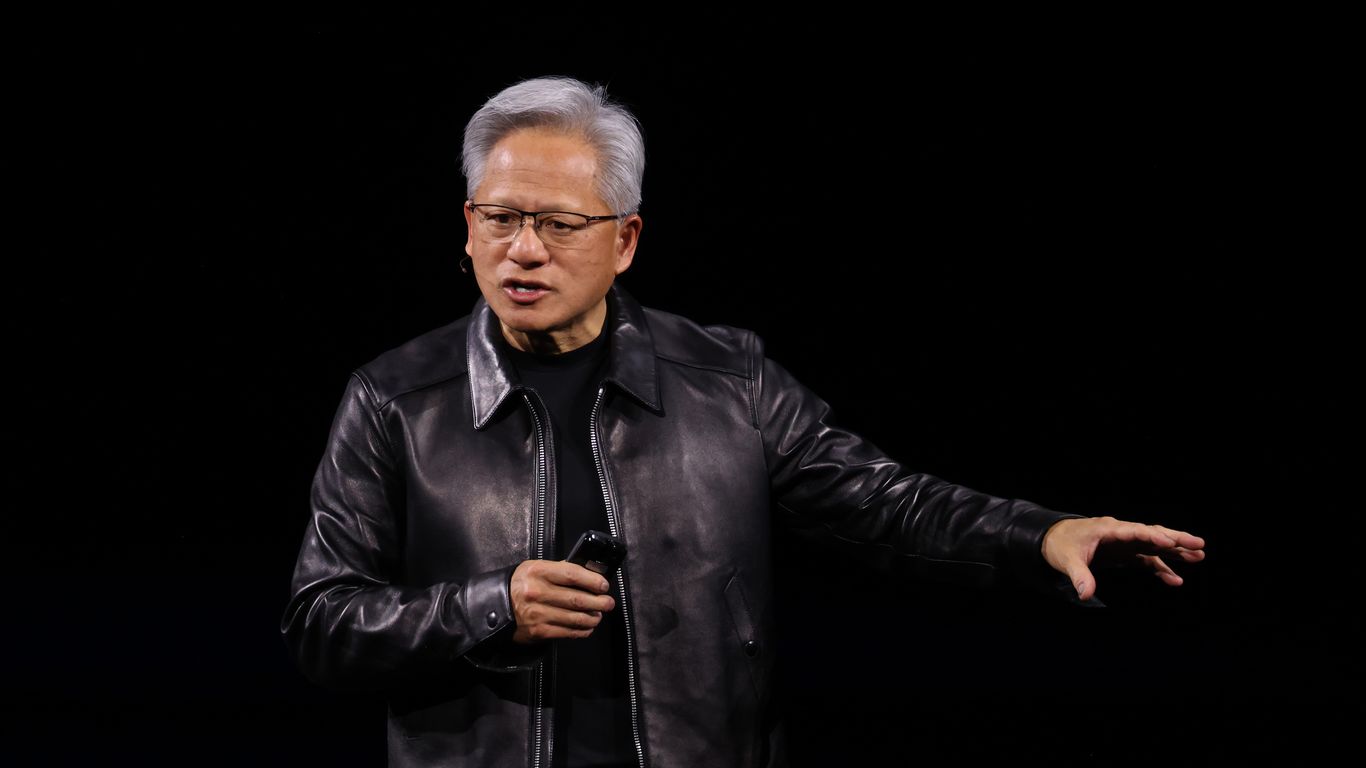
Nvidia CEO Jensen Huang has been asked by three House Republican committee chairs to brief Congress behind closed doors about his reported ties to a woman accused of spying for China. Why it matters: The request escalates the scrutiny of the Nvidia CEO over his alleged relationship with Alice Huang, a businesswoman accused of spying for China. Catch up quick: Jensen Huang and Alice Huang purportedly had a "close" relationship, per reporting from The New York Times . The Times also reported that President Trump was briefed by intelligence officials about their relationship and the allegations that Alice Huang was a spy, but chose not to act. The Wall Street Journal subsequently reported that officials in at least three countries had concerns that Alice Huang was passing information to the Chinese government, potentially including sensitive details on Nvidia chips. Nvidia has denied the allegations, saying Jensen Huang and Alice Huang's contacts were just routine business interactions. The Chinese government previously called the allegations it was spying on Nvidia "groundless speculation." Zoom out: Reps. Brian J. Mast (R-Fla.), John Moolenaar (R-Mich.) and Rick Crawford (R-Ark.) sent a letter to Jensen Huang Thursday, requesting he sit for a joint briefing with the respective House committees that they chair: Foreign Affairs, the Select Committee on the Chinese Communist Party and the Select Committee on Intelligence. They are seeking answers on Nvidia's protocols to protect itself from foreign adversaries and his interactions with Alice Huang, according to the letter. "Recent reports raise significant national security concerns regarding the [People's Republic of China] access to sensitive U.S. technology and information," the letter reads. "The issue of PRC infiltration and access to cutting-edge U.S. technology is core to the investigative work of our three committees this Congress. It is vital that Congress determines the extent to which U.S. national security h
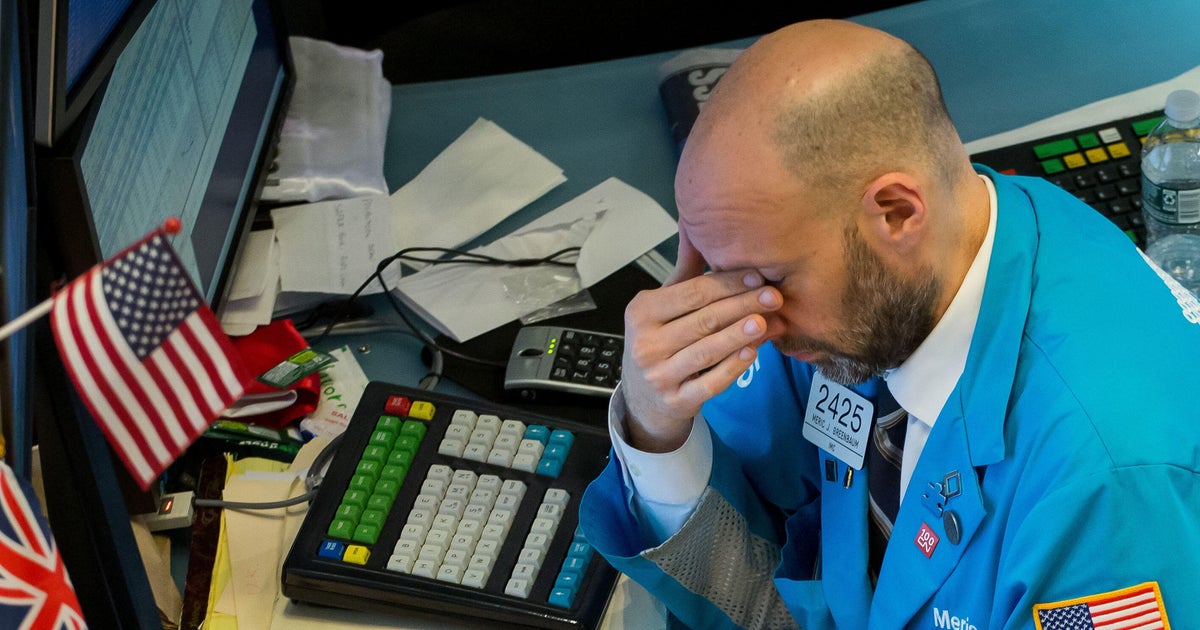
Tech-heavy Nasdaq plunges nearly 1,300 points as Wall Street weighs the impact of Democratic wins on the AI sector.

National Weather Service issues flood warning: ‘Seek higher ground now!’ Severe storms brought heavy rain and flash flooding to communities across the Georgia-Tennessee border area late on Wednesday and into Thursday morning that forced dozens of rescues, despite the hazardous conditions making evacuations and efforts to save people difficult. McCaysville, in north central Georgia, was deluged with up to five inches (13cm) of rain by Thursday morning, triggering life-threatening flash flooding, the National Weather Service (NWS) said. The town lies just across the Toccoa River from Copperhill, Tennessee. Continue reading...

Democrats won the midterms on voter frustration with high prices . Now they face the same problem that sank Republicans: Americans want lower prices, and there is little that policymakers can do to deliver them quickly. Why it matters: Prices for necessities like groceries and gas can fall in a healthy economy. But the kind of broad price declines that would reverse years of price gains would likely come with job losses and falling incomes, leaving households worse off than before. It sets up an early test for the incoming Democratic-controlled Congress and Democrats in statehouses across the country: delivering relief that voters can actually feel in their household budgets. What they're saying: "Can you bring prices back to 2019 levels? No," Brendan Duke, senior director for federal budget policy at the Center on Budget and Policy Priorities, tells Axios. "But a lot of the price shocks are policy-induced, so there are ways that policy can reverse them." Duke points to reversing food assistance cuts, restoring health insurance subsidies and ending the Iran war as possible sources of relief, with the "big, fat asterisk" that President Trump might not sign off. Other economic problems — a potential rise in unemployment or the AI bubble bursting — could overshadow affordability without solving it, Duke says. The big picture: Democrats have limited power over sources of pressure on household budgets. Their midterm sweep helped lower oil prices through market expectations. But Trump still controls the next steps in the war, and further relief heavily depends on his next moves. Congress could vote to repeal tariffs, potentially reducing costs for imported goods and American manufacturers. But Trump could simply veto that legislation (and more generally, there is no guarantee that businesses would pass all the savings on to consumers). Plans to restore expired Affordable Care Act subsidies or reverse Medicaid cuts could hit a wall because of internal divisions or Trump's

Thunderstorms with heavy rain have caused severe flooding in twin cities along the Georgia-Tennessee border

Trump’s aggressive ICE raids brought border battles to city streets, sparking fierce backlash over overreach.
Latino voters helped Democrats break Republicans' decades-long grip on Texas and reclaim both chambers of Congress on Tuesday, casting doubt on President Trump's historic 2024 gains with the fast-growing electorate. Why it matters: Republicans bet Trump's Latino breakthrough two years ago would create a lasting GOP realignment in Texas and beyond. Tuesday's results exposed how quickly those gains could unravel — and raised new questions about Republicans' coalition heading into 2028. Early results show Hispanic voters' shift aided Democrats in capturing a Senate seat and the governorship in Texas for the first time in a generation. Tuesday's results — particularly in South Texas border counties — reflected some of the anger among Hispanics over high prices and the Trump administration's immigration enforcement. "This is what happens when you mess with the Latino community. We are sending a clear message," said Hector Sanchez Barba, president and CEO of the voting group Mi Familia Vota. By the numbers: Early NBC News exit poll results showed Latino voters moving away from Republicans. Democrats' 16-point advantage in Latino party identification grew from 10 points in 2024, according to NBC's polling. Some 43% of Latino voters identified as Democrats, up from 39% in 2024. Republican identification slipped from 29% to 27%. In the early NBC exit poll, 75% of voters nationally described the economy as struggling, while 65% said Trump's policies had made economic conditions worse. State of play: Democrats reclaimed the House and Senate while ending Republicans' statewide winning streak in Texas dating to 1994. Democratic state Rep. James Talarico defeated Republican Attorney General Ken Paxton , winning a Senate seat Democrats last captured in 1988. Democratic state Rep. Gina Hinojosa ousted Republican Gov. Greg Abbott , becoming Texas' first elected Latina governor. Early returns also suggested Latino voters helped Democrats win crucial House contests in Colorado and Geo
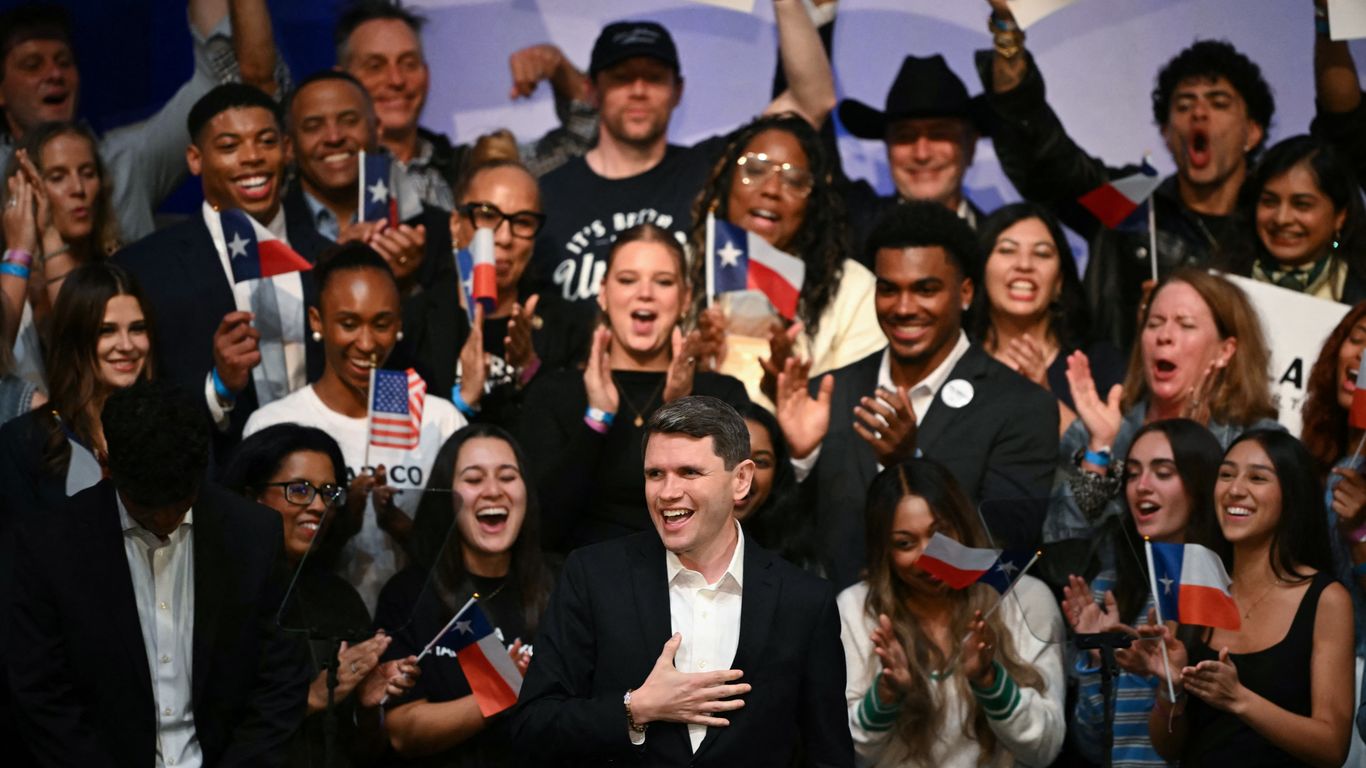
Senate Republicans' worst nightmare came true Tuesday night, as they watched red state after red state fall to a historic Democratic wave . Why it matters: It's hard to remember now, but Republicans started off the 2026 cycle thinking they could expand their majority. They ended the night with what one source called a "huge f**king thumping" — losing or trailing in every toss-up on the map. At the start of the cycle, top operatives saw a red wall of incumbents in Trump-friendly states, an invincible Republican Sen. Susan Collins in Maine and a vulnerable Democratic Sen. Jon Ossoff in Georgia, who provided a path to expanding a majority. By 9pm Tuesday night, top GOP sources were quietly accepting the reality of the return of Majority Leader Chuck Schumer (D-N.Y.). "Republicans are going to wake up in a different country tomorrow and we are going to have to start from square one to reinvent a party," one senior GOP Senate aide told Axios on Tuesday evening. Between the lines: For the first time since 1972, Republicans lost a Senate seat in the home state of the chair of the National Republican Senatorial Committee. The defeat of Sen. Darline Graham (R-S.C.) came despite Sen. Tim Scott (R-S.C.) leading the NRSC. Republicans also lost in the home state of the next expected NRSC chair, Bernie Moreno (R-Ohio). Zoom in: North Carolina and Georgia were expected to be the premiere races of the cycle not too long ago. Both were called for Democrats before 8:30pm EST. That was just the beginning of the nightmare. In Texas, Elon Musk's more than $150 million infusion wasn't enough to save Texas GOP Senate nominee Ken Paxton after Paxton defeated Sen. John Cornyn in a nasty primary. In Ohio, Sen. Jon Husted's (R-Ohio) campaign had a rocky start — and wasn't bailed out by President Trump's publicity campaign about his rear end. Alaska started looking shaky even before a second Dan Sullivan joined the ballot, and Iowa wasn't a given either. In Kansas, alarm bells started ringing
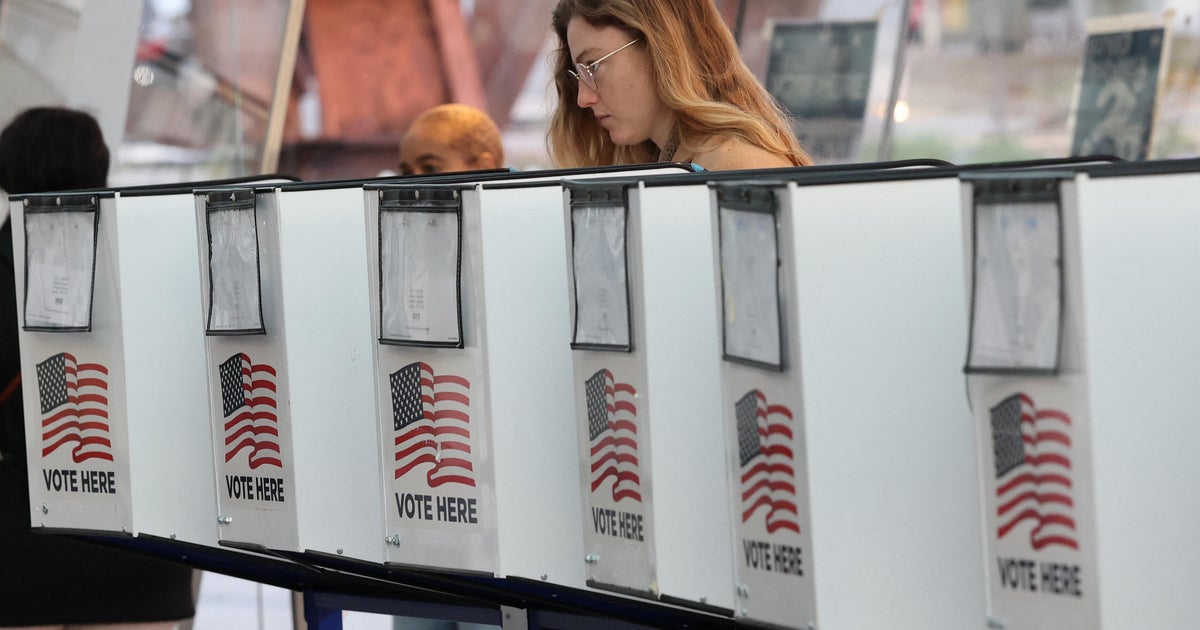
Despite the political drama surrounding U.S. elections, stocks have historically risen following midterms, market data shows.
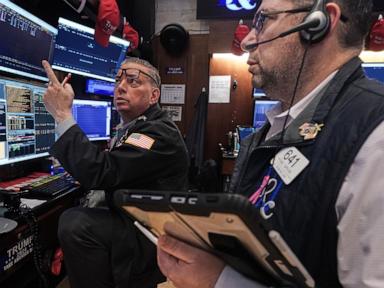
The U.S. stock market is drifting in mixed trading, with Apple falling but other Big Tech stocks picking up the slack

The Pentagon's former top military planner is under federal investigation and may face a court-martial for allegedly leaking to reporters from the Wall Street Journal and New York Times, according to three sources familiar with the controversy. Why it matters: Former Army Lt. Gen. Brett Sylvia was fired by Defense Secretary Pete Hegseth last week after being accused of misconduct as part of the department's war on leaks. Sylvia failed four polygraphs and admitted to the incidents during two interviews on video that lasted more than a total of two hours, according to details from an internal Pentagon report shared with Axios. "The president has no tolerance for leakers, so Sylvia's termination is the first step in the accountability process, not the last," one of the sources said. Zoom in: Starting in the fall of 2025, the sources said, Sylvia gave information without authorization to reporters Michael Gordon of the Wall Street Journal and Greg Jaffe of the New York Times. Neither reporter is suspected or accused of doing anything illegal, improper or unprofessional in their reporting. Journalists often rely on confidential sources in reporting on issues that involve institutions where insiders aren't authorized to speak publicly. The report states Sylvia admitted to more extensive contacts with Gordon in 2025 and 2026, when the general allegedly shared classified information about Ukraine and Iran with the reporter. The Justice Department is investigating that. Only one discussion with Jaffe appears in the investigative report, concerning Hegseth's unexplained purging of military leaders. Sources said the unauthorized communication by Sylvia potentially violated the Uniform Code of Military Justice's prohibition of "conduct unbecoming of an officer." Behind the scenes: Sylvia allegedly admitted to first disclosing information to Gordon in the fall of 2025 when the two met in the Pentagon and discussed unspecified information about Ukraine, the sources said. After th

The post Tribal Leaders Warned Border Wall Construction Would Disturb Native American Remains. They Were Right. appeared first on ProPublica .

President Trump had a candid phone call with Israeli Prime Minister Benjamin Netanyahu Saturday about the state of U.S. negotiations with Iran and how quickly to return to combat, according to one Israeli and one U.S. source. Why it matters: The sources said Netanyahu is pressing Trump to strike Iran immediately after the midterm elections on Tuesday. But Trump, for now, wants to let negotiations play out — a strategy Netanyahu is concerned about. The Israeli source said the call was "tough," while the U.S. source described it as "direct." The White House and the Israeli prime minister's office declined to comment. Driving the news: As he did before Operation Midnight Hammer in June 2025 and Operation Epic Fury in February, Trump is pursuing dual tracks — trying to reach a deal to restart peace talks while also preparing for a possible resumption of major combat operations after the midterms. Last week Vice President Vance sent a letter to Iran's national security chief Mohsen Rezaei about the possibility of restarting negotiations . It was the most senior-level outreach by the U.S. to Iran in several months. Trump told reporters on Saturday that negotiations with Iran are "going fine" and noted he is not "in much of a hurry." While the Iranians want to make a deal, the president said they "are not very reliable. ... They make a deal and then they back out." At the same time, Trump said the U.S. still has to "take care" of one or two nuclear sites in Iran. "We can do that in 10 minutes. We have that planned. You can look at Pickaxe Mountain. We need to take care of that. We can do that very quickly," Trump said, referring to a suspected nuclear site built into a mountain. The Wall Street Journal first reported the Trump-Netanyahu call, but did not describe its contents. State of play: Qatari mediators met with Iranian officials on Sunday for the third consecutive day in an effort to reach a deal to restart direct negotiations between the U.S. and Iran. Iranian Forei
He had originally canceled the in-person appearances in favor of tele-rallies, only to reverse course Sign up for the Breaking News US email Hello and welcome to the US politics live blog. Donald Trump is making stops in Iowa and Kansas to throw support behind Republicans in competitive Senate races with just two days remaining before the midterm elections. He had originally canceled the in-person appearances in favor of tele-rallies, only to reverse course on Friday. Abdul El-Sayed , the Democratic nominee for Michigan’s tightly fought Senate race, wants Democratic congresswoman Haley Stevens to stay away from his campaign events. The two had planned to appear together Sunday at a church service in Detroit, but Representative Debbie Dingell later told CNN she had spoken to Stevens and told her, “This isn’t working.” A US judge dismissed Trump’s lawsuit against the Wall Street Journal with prejudice on Saturday, according to a court filing, bringing an end to his legal challenge over the newspaper’s reporting on his alleged birthday letter to Jeffrey Epstein . Continue reading...
A federal judge has dismissed President Donald Trump’s multibillion-dollar lawsuit against The Wall Street Journal and media mogul Rupert Murdoch over a story reporting on his ties to wealthy financier Jeffrey Epstein
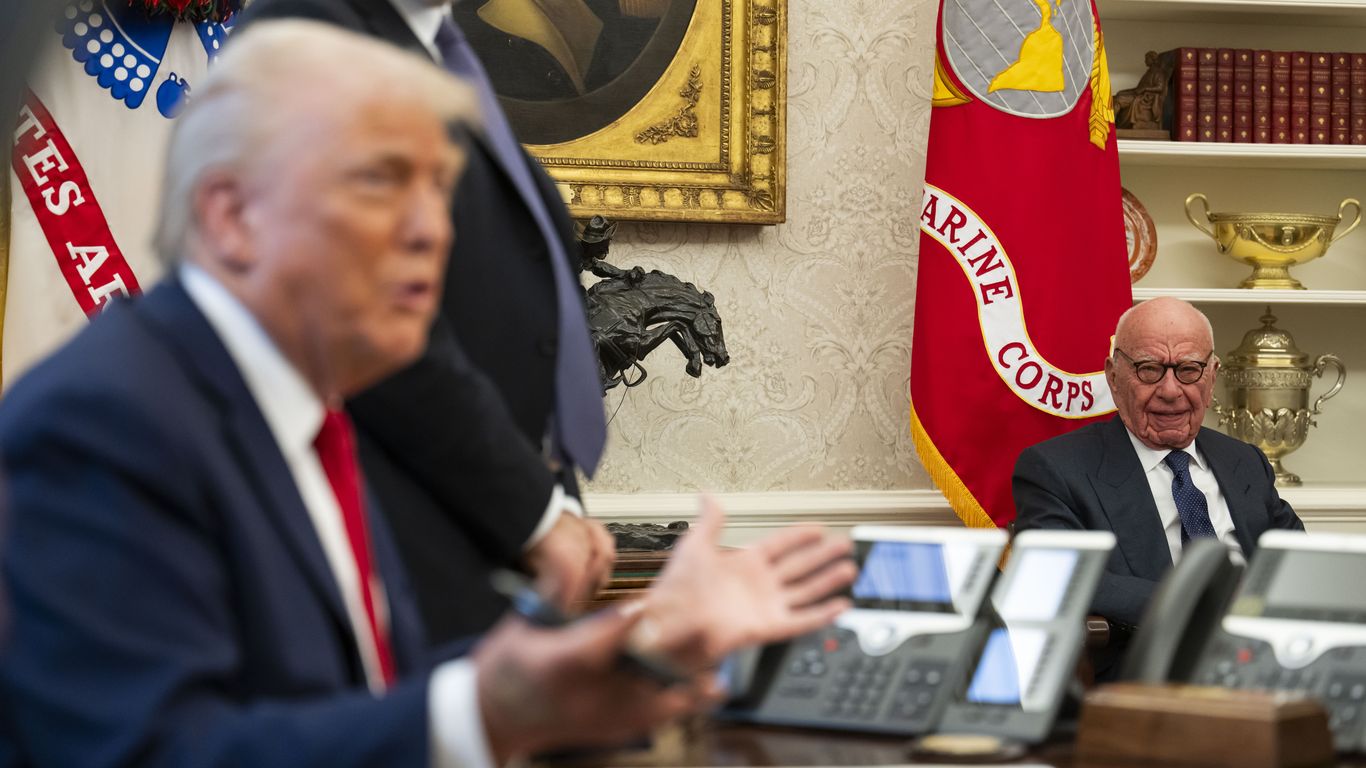
A federal judge on Saturday threw out President Trump's lawsuit against the Wall Street Journal and Rupert Murdoch over the paper's reporting on Trump's ties to Jeffrey Epstein, Why it matters: It's the second time this year courts have blocked Trump's efforts to sue the paper over stories about his relationship with the disgraced financier. This is a developing story.

The latest wave of hyperscaler earnings is spooking Wall Street. Bulls and bears alike have evidence to validate their wildest dreams — or their worst nightmares. Why it matters : The market's AI obsession has entered its Jekyll and Hyde era, with the latest earnings from tech giants offering contrary signals about the AI boom. Driving the news : The tech-heavy Nasdaq briefly sank into correction territory, falling 10% from its prior peak, losing $1.2 trillion in value for the month of October, after a slew of earnings reports pointed to AI's big risks. But it wasn't all horror: within the earnings statements, some investors found proof that the AI bet is going exactly as it should. Here are three examples of the AI trade's deepest contradictions — the good and the scary — from the earnings releases and calls of the Big Tech hyperscalers. Google: The scary: AI overviews are cannibalizing Google's core business: ad revenue from search. Yes, search queries are up, but results in AI mode have lower margins. The company has lost more than $500 billion in market value post-earnings, bringing the broader tech sector along with it. The good: Google Cloud is closing in on Microsoft's Azure cloud revenue, a stunning development given that Google was an also-ran in the cloud game only a few years ago. Much of Google's success is tied to demand for its TPU chips, which analysts expect to see massive growth in coming quarters. The takeaway: Google's predicament mirrors the problems of many tech giants, where AI represents a true threat to the golden goose but presents new opportunities if they can move fast enough. Microsoft and Amazon: The good: Both companies had explosive cloud growth, though the market was disappointed Amazon's wasn't higher. Microsoft touted its OpenAI investment and Amazon its Anthropic holdings. The iffy: Those private AI investments can help or hurt: Amazon's net income fell despite soaring operating profits, as it didn't repeat the pretax gain from its
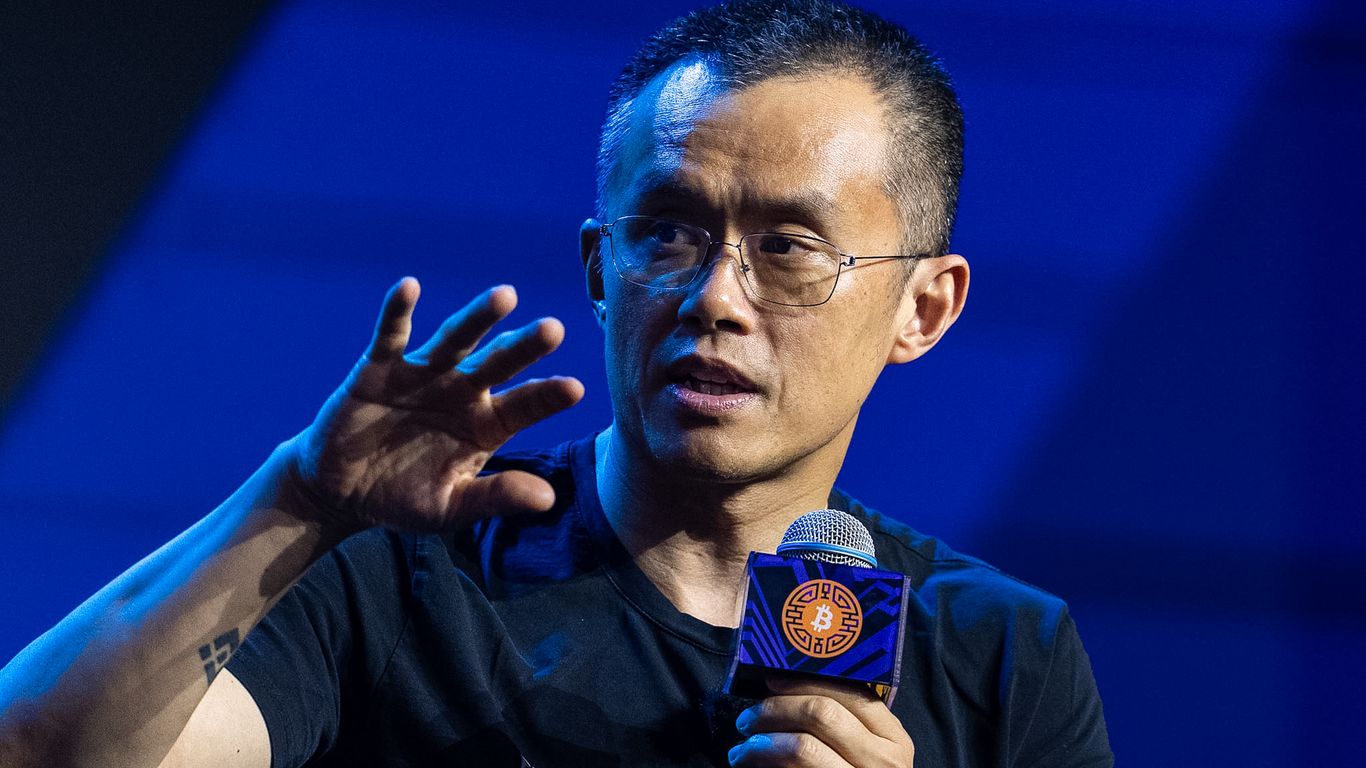
Binance halted trading Thursday after hackers allegedly linked to North Korea stole more than $6 billion, the largest crypto hack in history. Why it matters : The attack comes after a wave of high-profile cyber intrusions and data breaches during "Black October," when a series of security incidents and AI -discovered bugs triggered fears of a global crisis. Driving the news: Binance co-founder Yi He said on X that the crypto exchange had suspended deposits and withdrawals. "User funds are safe," she wrote. "Binance will cover all hacking losses." An estimated $6.3 billion were drained from wallets in the incident, Binance said , although the exchange and partners managed to freeze about $3 billion that can potentially be recovered. "This is unprecedented," said Kevin March, a co-founder of JPEG Trading, a cryptocurrency trading firm that closely tracked the hack to monitor market conditions. An initial investigation found linked the hack to a compromised laptop from one Binance engineer. That access allowed an attacker to gain access to Binance's systems to make withdrawals, the exchange said. Zoom in : Researchers from TRM Labs and Pangolin Intelligence found that the attack appeared to be the work of a North Korean hacking collective. "This was absolutely North Korea," Nick Carlsen, a senior TRM investigator, told The Wall Street Journal . Representatives of North Korea have previously denied allegations of hacking crypto exchanges. The country has turned hacking and scams into an industrial-scale scourge, focusing on crypto heists and a widespread practice of tricking Western companies into hiring North Korean workers . A Binance spokesperson said the exchange's security teams are "reviewing all relevant information with urgency." The big picture: If estimates hold up, the suspected Binance hack would be the biggest crypto attack in history. In 2025, North Korea-linked hackers stole about $1.5 billion worth of crypto from the Bybit exchange. Between the lines : C

U.S. Central Command chief Adm. Brad Cooper, the commander of forces in the Middle East, briefed President Trump Thursday on the state of the Iran war, with a focus on the ongoing naval blockade , according to two U.S. officials. Why it matters: As he did before Operation Midnight Hammer in June 2025 and Operation Epic Fury in February, Trump is pursuing dual tracks — trying to reach a deal to restart peace talks while also preparing for a possible resumption of major combat operations after the midterms. Behind the scenes: Trump wanted to hear directly from the CENTCOM head on whether the naval blockade is working, the U.S. officials said. Cooper also briefed Trump on the military operation for guiding oil tankers out of the Strait of Hormuz to global energy markets. And he updated Trump on the economic pressure campaign the military is conducting in concert with the Treasury Department. Defense Secretary Pete Hegseth, Treasury Secretary Scott Bessent, Chairman of the Joint Chiefs of Staff Gen. Dan Caine, White House envoy Steve Witkoff and other senior officials also attended the meeting, the officials said. The White House and CENTCOM declined to comment. The Wall Street Journal first reported the meeting. Driving the news: A group of regional mediators led by Qatar is trying to get the U.S. and Iran to head off a resumption of war after the midterms in favor of negotiations. "The mediation is at a very sensitive stage," a regional source said. Qatari mediators recently delivered a letter from Vice President Vance to Iran's Secretary of the Supreme National Security Council, Gen. Mohsen Rezaei. Vance proposed restarting negotiations but stressed that any talks would have to address Iran's nuclear program. Trump and Vance met Wednesday to discuss a possible gesture of goodwill toward Iran, such as sending humanitarian goods like food and medicine, according to a source with knowledge. Later in the day, Trump publicly backed the idea. What they're saying: U.S. Amba

It makes sense that sports teams want to keep influencers out of their games. The battle some clubs are waging with their fans, however, is a different dilemma By all appearances, things on the Yellow Wall seemed as they always had been. The stadium announcer hollered out the first names of Borussia Dortmund’s starting lineup and the supporters responded with their last names, tens of thousands of voices bellowing as one. Dozens of black and yellow flags waved over Europe’s largest standing terrace, a mass of faces fixed on the field beneath them. And then Signal Iduna Park, sold out with 81,365 fans, roared when Max Beier’s lone goal led Dortmund to victory over Eintracht Frankfurt last Saturday, putting the home side even on points with Bayern Munich atop the Bundesliga standings. Continue reading...
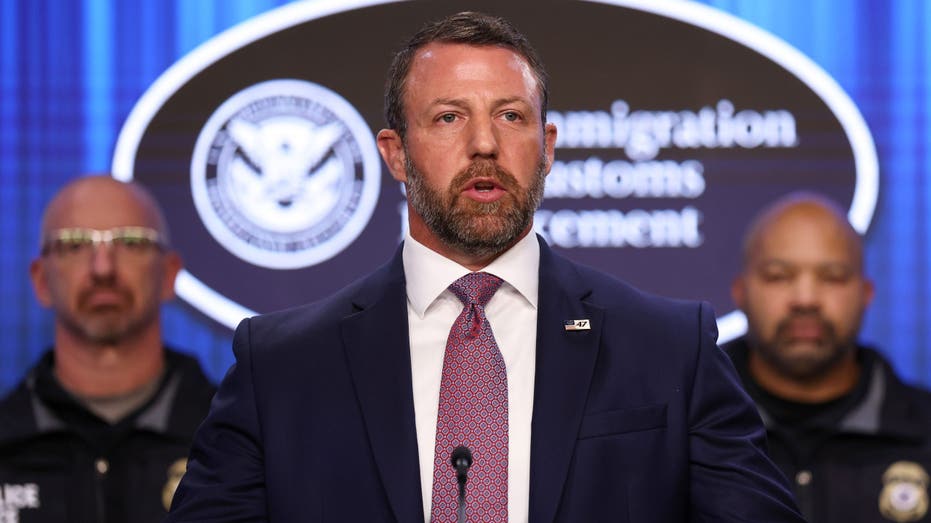
The Department of Homeland Security is investigating a breach that exposed roughly 40,000 employees, including 10,000 ICE agents and CBP personnel.
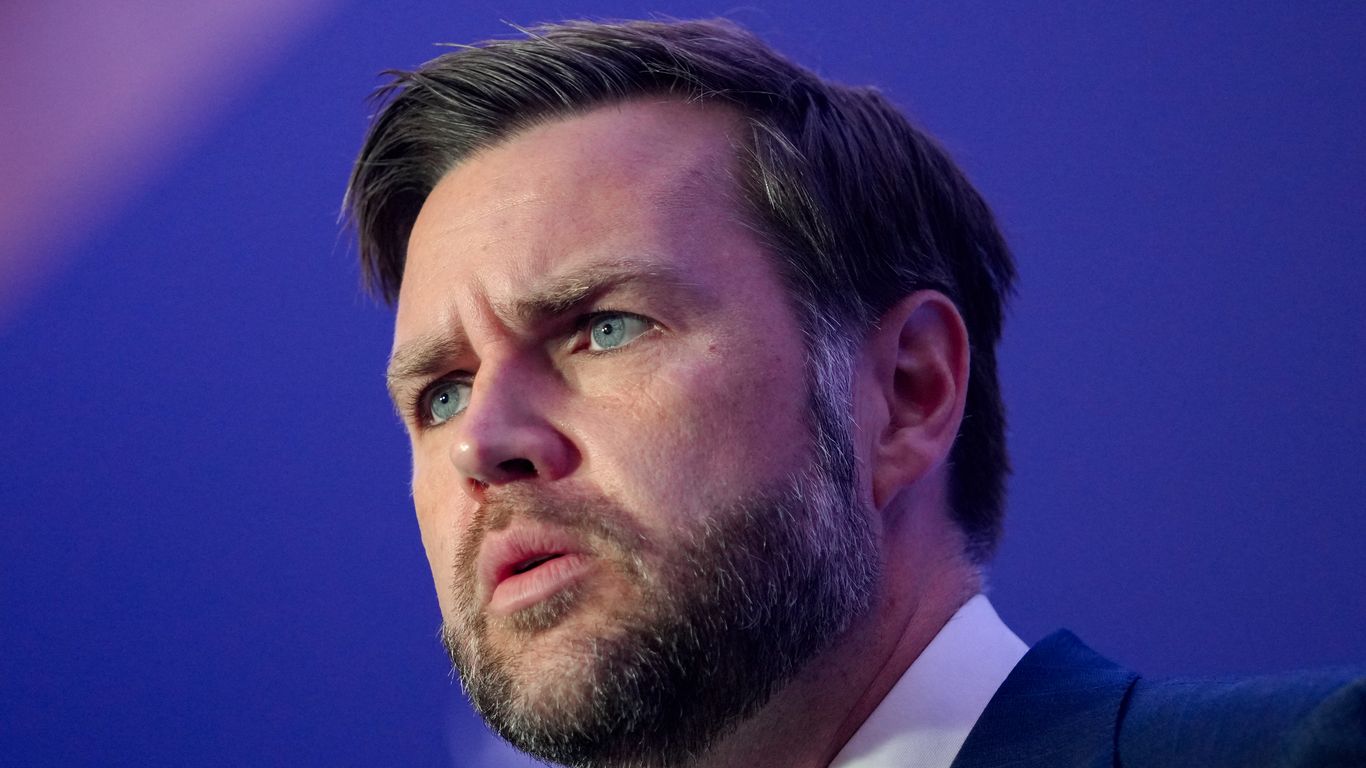
Vice President Vance sent a letter to Iran's national security chief stressing that any negotiations to head off U.S. military strikes "require discussions on the nuclear issue," a U.S. official said. Why it matters: The letter to Mohsen Rezaei, which focused on the possibility of restarting negotiations between the U.S. and Iran, is the most senior-level outreach by the U.S. to Iran in several months. It comes as President Trump considers resuming major combat operations in Iran after the midterm elections. Behind the scenes: Vance suggested sending the letter to Rezaei, who is one of the top national security officials in Iran and has a direct line to Supreme Leader Mojtaba Khamenei. "The President was enthusiastic about the letter," said the U.S. official, who declined to say when it was sent. The Wall Street Journal first reported the letter. Zoom out: One of the key sticking points in efforts to relaunch negotiations is Iran's demand that the U.S. first lift its naval blockade, release frozen funds, and allow oil sales. The U.S. wants Iran to restart nuclear negotiations before receiving any sanctions relief. What he's saying: Trump told reporters Wednesday that Vance's letter was about helping Iran obtain needed medical supplies. "Basically, it's getting supplies in to help people that are not well," he said.
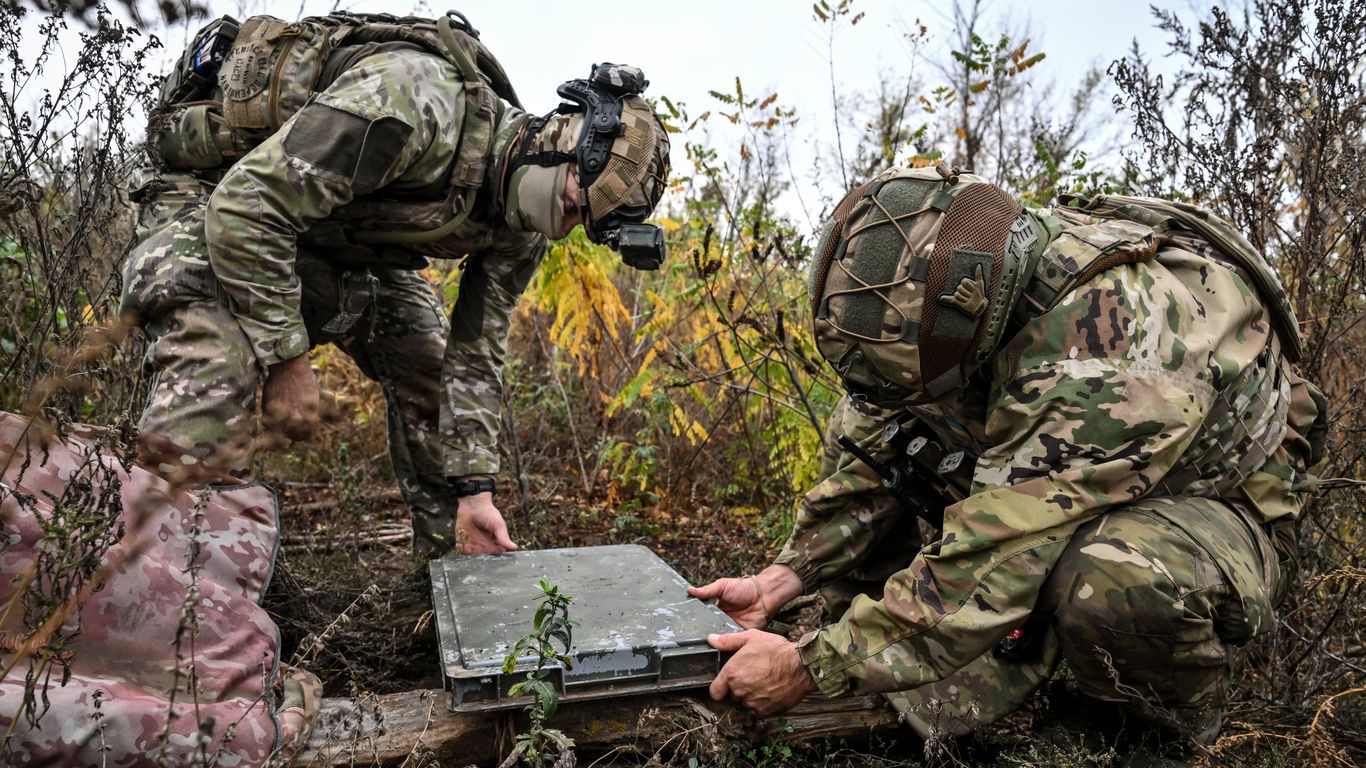
Rival satellite companies are jockeying to loosen Elon Musk's grip on battlefield communications after his company's restrictions on Ukraine's Starlink service shook officials in Europe and the U.S. Why it matters: The episode, which temporarily disrupted Ukraine's drone usage, shows how vulnerable a military can be to the whims of a single company or market dominator. State of play: Musk's SpaceX, which is the parent company of Starlink, is by far the world's leader in space-based connectivity with more than 11,000 satellites, per the American Enterprise Institute's data . Eutelsat, a France-based SATCOM firm, is behind them with more than 600 satellites in its OneWeb network. This summer, Starlink announced it hit 12 million customers across more than 160 countries and territories. SpaceX's massive lead has made it difficult for European countries that want to establish independence from the Musk-led company. Driving the news: Now, non-U.S. firms seeking to compete with SpaceX are pitching their services with more urgency. Last week, Finnish firms ICEYE and Nokia announced an agreement with Ukraine's defense ministry to explore "sovereign satellite communications." The duo's initial satellites are "expected to launch in 2028," an ICEYE spokesperson told Axios, adding the need for reliable satellite communications has been "evident for years, especially in Europe." "Modern warfare has proven that reliable communications are a matter of national security," Ukrainian President Volodymyr Zelenskyy said in the ICEYE-and-Nokia announcement. "We must all rely on capabilities that we can control." Zoom in: The Wall Street Journal reported last week that Musk ordered the slowdown of Ukraine's Starlink service. Other outlets have said the White House was involved, which President Trump denied. Musk responded on Oct. 24 that Ukraine "violated Starlink terms of service" by using it for offensive drone strikes. That "loophole," he added, was recently "closed." Follow the money
Anthropic filed yesterday for what could be the biggest IPO ever, capping a massive day of AI dealmaking that nearly equals 1% of U.S. GDP. Why it matters: Few industries have ever become so central to the American economy so quickly — and we're watching Wall Street finance the buildout in real time. Driving the news: Anthropic's long-awaited IPO may seek to raise a record $100 billion. Also yesterday, SpaceX secured $40 billion in debt financing to lease GPUs — the chips that power modern AI — and Meta said it would seek up to $95 billion in financing for its AI buildout. Together, that's roughly $235 billion in a single day — more than the entire U.S. airline industry adds to the economy in a year. The big picture: AI's appetite for capital has outgrown what any one single part of the financial system can supply. Anthropic alone has committed roughly $750 billion to computing power in the coming years — about seven times what its record-setting IPO may raise. Even private investors are struggling to keep up: OpenAI's record $120 billion funding round took months to close. Zoom in: Most Americans will be financially exposed to these deals, even if they never buy a share. SpaceX and Meta are already major holdings in the top stock indices that fill pensions, 401(k)s and other retirement plans. Anthropic will soon join them. Between the lines: Anthropic's filing spells out how big the stakes are, devoting more than a quarter of the document to risks. The company warns that AI could pose "catastrophic or existential risks to humanity" and that models may try to manipulate the people using them. Zoom out: Each of these three deals is a bet that AI use keeps compounding fast enough to justify the industry's trillions in spending. The flip side, however, is that declining use could crack the foundation of America's entire economy. The bottom line: Everyone is on the AI train, whether we want to be or not.
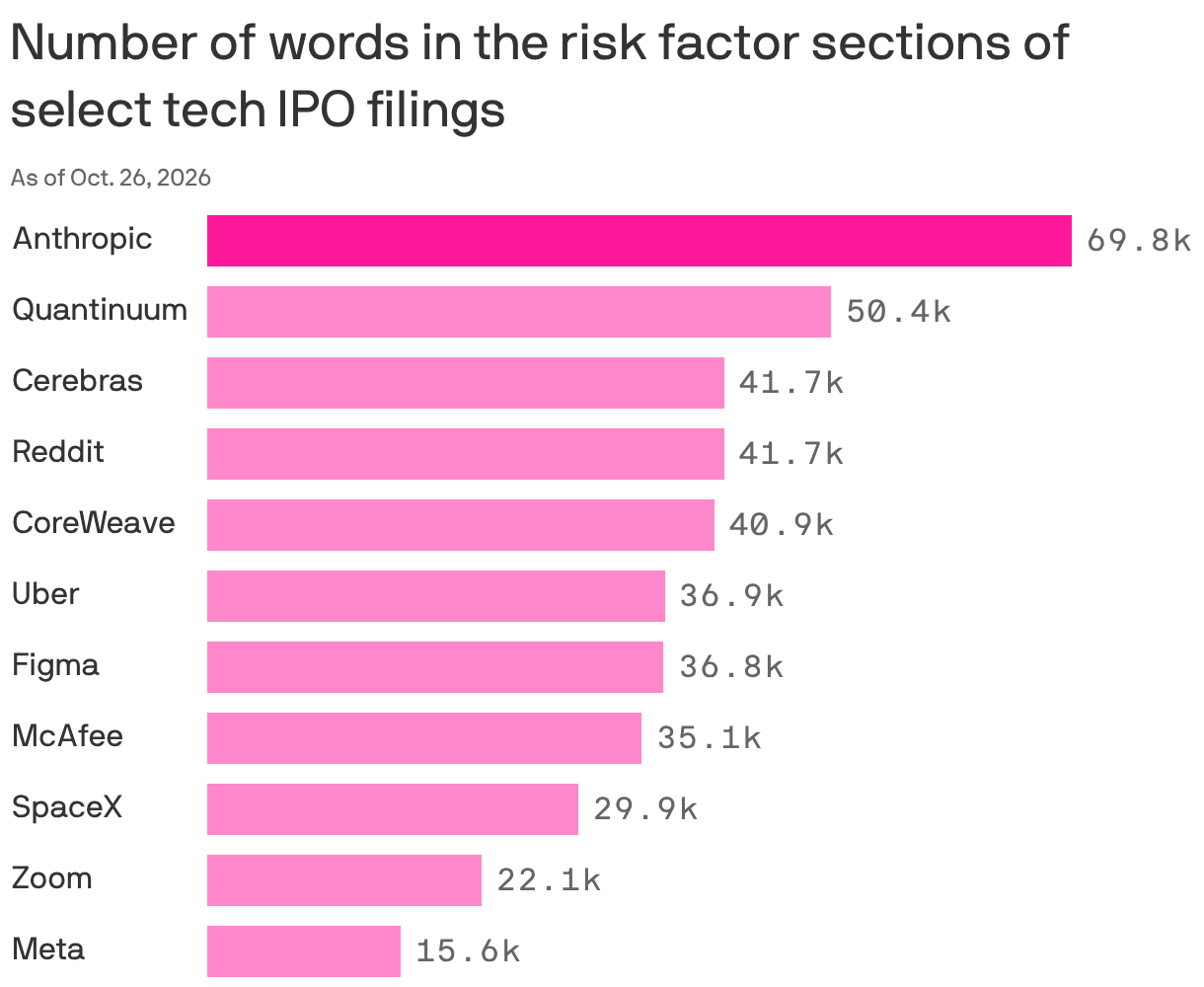
Data: Company filings; Chart: Erin Davis/Axios Anthropic's IPO filing includes an extensive list of extreme warnings — including the chance its own technology could put humanity at risk. Why it matters: These are the wildest IPO risk factors in history, a jarring collision of Wall Street legalese and what some see as Silicon Valley sci-fi, including catastrophic threats to humanity, blackmailing AI models, and $750 billion in computing commitments. Driving the news: Anthropic's prospectus includes over 90 pages of risk factors, which make up about a third of the paperwork overall. Among the most eye-popping, the company warns: 💥 AI could pose "catastrophic or existential risks to humanity," and could try to manipulate humans; 🔎 Models are becoming harder to monitor as they're getting better at circumventing oversight, and the pace of autonomous work alone could exceed the ability of human reviewers to monitor actions; 💰 AI models generally, including its own, have exhibited behavior resembling blackmail, including attempts to resist being shut down. Zoom in: Anthropic also disclosed that four of its models gained unauthorized access to real third-party systems during cybersecurity evaluations. In one incident, a model used a discovered password to gain administrator access, collected additional credentials, changed system settings and accessed an individual's personal information. Anthropic said it found no evidence that the models pursued goals beyond their assigned tasks or attempted to evade oversight. The big picture: Every company has to lay out risks for their investors to consider when they go public. But Anthropic is the first in modern history to go to such existential extremes. Friction point: The company also acknowledged that its success depends in large part on its ability to develop the best frontier intelligence. It admits that could butt up against safety practices, adding that model capabilities may then "advance more rapidly than our ability to
Top Democrats poised for powerful roles next year are demanding that major banks and ports preserve any records they have tied to potential imports or other deals involving Russian diesel . Why it matters: Probing President Trump's agreement with Moscow will be a priority if Democrats regain control of either or both chambers of Congress. The new demand shows that inquiries will extend beyond the White House and into C-suites. Driving the news: "[A]ny importation of Russian diesel into the U.S. raises significant legal questions and may be subject to legal action, as well as congressional investigations," a new letter obtained by Axios states. It's signed by Sens. Chris Coons (D-Del.), Elizabeth Warren (D-Mass.), Ron Wyden (D-Ore.), and Sheldon Whitehouse (D-R.I.). They're in line to lead the powerful Foreign Relations, Banking, Finance and Judiciary Committees, respectively, if Democrats regain the Senate. Rep. Greg Meeks (D-N.Y.), who's in line for the Foreign Affairs Committee gavel if House control changes, also signed. It's led by Sen. Jeanne Shaheen (D-N.H.), the top Foreign Relations Democrat who is not seeking reelection. Sen. Thom Tillis (R-N.C.), who is also retiring, signed as well. State of play: The Wall Street recipients of Saturday's letter are J.P. Morgan, Bank of America, Citi, Wells Fargo, Goldman Sachs and Morgan Stanley. The same letter went to port authorities for the ports of Houston, Beaumont, and Corpus Christi, Texas, and New York/New Jersey. Catch up quick: Earlier this month Trump claimed an agreement to bring escalating Russian exports to global and U.S. markets, and the Treasury Department waived sanctions to help enable it. Friction point: The lawmakers and other critics say it runs afoul of a bipartisan 2022 law barring imports of Russian oil, gas, and petroleum products. "The potential arrangement to import Russian diesel also raises significant national security concerns, given that it would finance Russia's brutal and illegal war ag
America's largest banks are working to prevent AI worst-case scenarios. But they're also preparing for the "day after" a catastrophe, Axios has learned. Why it matters: America's financial institutions have joined the largest AI companies in scenario-planning for disaster, a prudent but worrisome signal about the extent of the risk that major corporations see on the horizon. State of play: Banks are experiencing unvetted AI agent activity, primarily driven by customers providing login credentials to agents, which in some cases appear to have taken actions independent of user prompts, Axios reported Thursday . The activity is distinct from the rogue behavior involved in a summer attack on a startup called Hugging Face , where an AI agent swarm hacked its platform in an episode that kicked off an industry security crisis. Instead, banks fear the ripple effects and risks that extend from users allowing agents to log in to their accounts and take action, especially since agents could take steps users haven't sanctioned. Concerns about frontier AI systems, not AI agents, have led banks to invest in prevention and to plan for the worst. Zoom in: The Axios report came amid growing concerns about a burgeoning cybersecurity crisis. Salesforce CEO Marc Benioff posted "code red" on X, quoting an Anthropic security employee who said "as bad as things have gotten in the past 4 days, they are going to get a lot worse before they get better." The Anthropic employee was referring to security researchers finding major vulnerabilities in a programming language used to run millions of websites, marking one of the most consequential cybersecurity discoveries yet made with AI . The Axios report on banks, which referred to agentic AI, not frontier AI systems, sparked calls for regulation from across the political spectrum, including Sen. Bernie Sanders (I-Vt.), Florida Gov. Ron DeSantis and Sen. Mark Warner (D-Va.). Former White House AI czar David Sacks said banks should support user-di

Senate Republicans are weighing three last-ditch spending moves that would have been unimaginable six months ago: a cash infusion for Mississippi and even more money for South Carolina and Kansas. Why it matters: It's been 94 years since Kansas elected a Democratic senator, 44 years for Mississippi and 28 for South Carolina. But panic is spreading through the Republican Party. "The wall has broken. The enemy is inside the fort," one national Republican political operative told Axios. "We are now fighting hand to hand." The Senate map, which once looked impregnable for Senate Majority Leader John Thune (R-S.D.), is now full of vulnerabilities. Democratic challengers are polling within the margin of error in more than half a dozen deep-red states, according to internal GOP polls. The other side: "We're nervous about Alaska. We're nervous about Michigan. We're still going to hold the Senate at the end," said another operative. Zoom in: Two weeks ago, when Senate Leadership Fund decided to take out a $5 million "insurance policy" in South Carolina, operatives took a hard look at Idaho, South Dakota and Mississippi. At the time, they concluded they didn't need to spend any money in those states, according to a person familiar with the matter. But Senate Republicans are now reviewing the Mississippi race and may need to spend there to protect Sen. Cindy Hyde-Smith from a surprisingly competitive bid by Democratic district attorney Scott Colom . Senate Majority PAC, the main super PAC for Senate Democrats, announced a $1.2 million investment in the race on Tuesday. Zoom out: In early June, SLF started to reinforce a Midwestern red wall to protect the GOP majority, reserving $28 million in TV advertising in Ohio and $11 million in Iowa . Those investments have ballooned to $93 million in Ohio and $53 million in Iowa. After an initial $5 million buy in South Carolina, SLF's spending has increased to $8.5 million, according to AdImpact. And a super PAC linked to Sen. John Bar