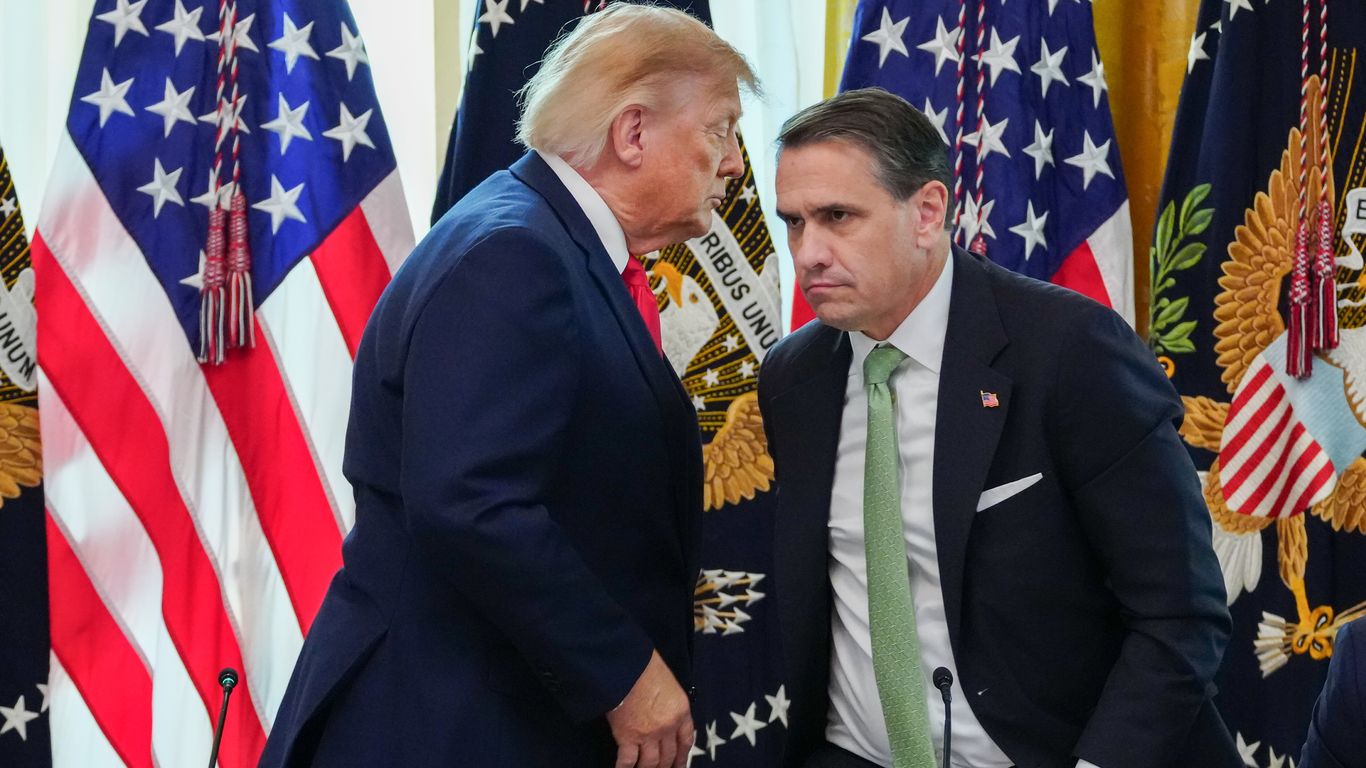
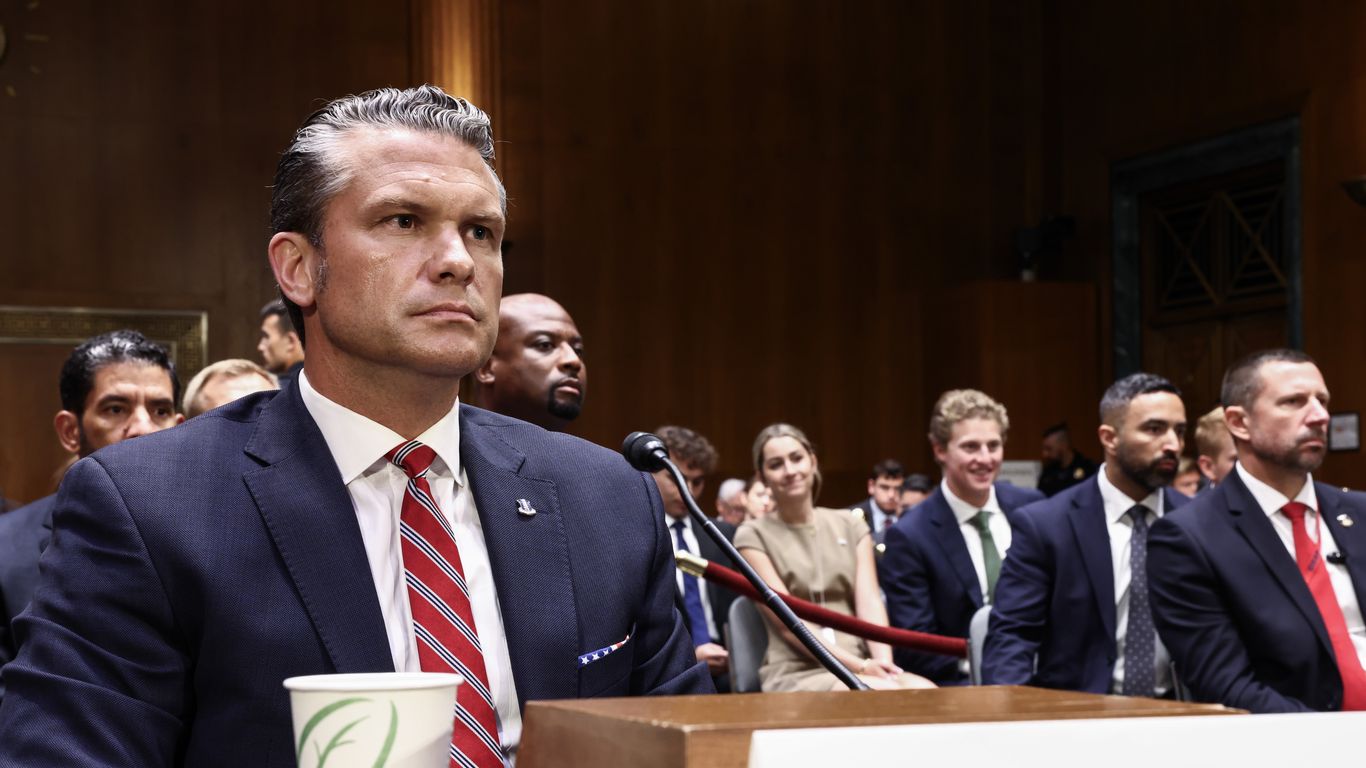
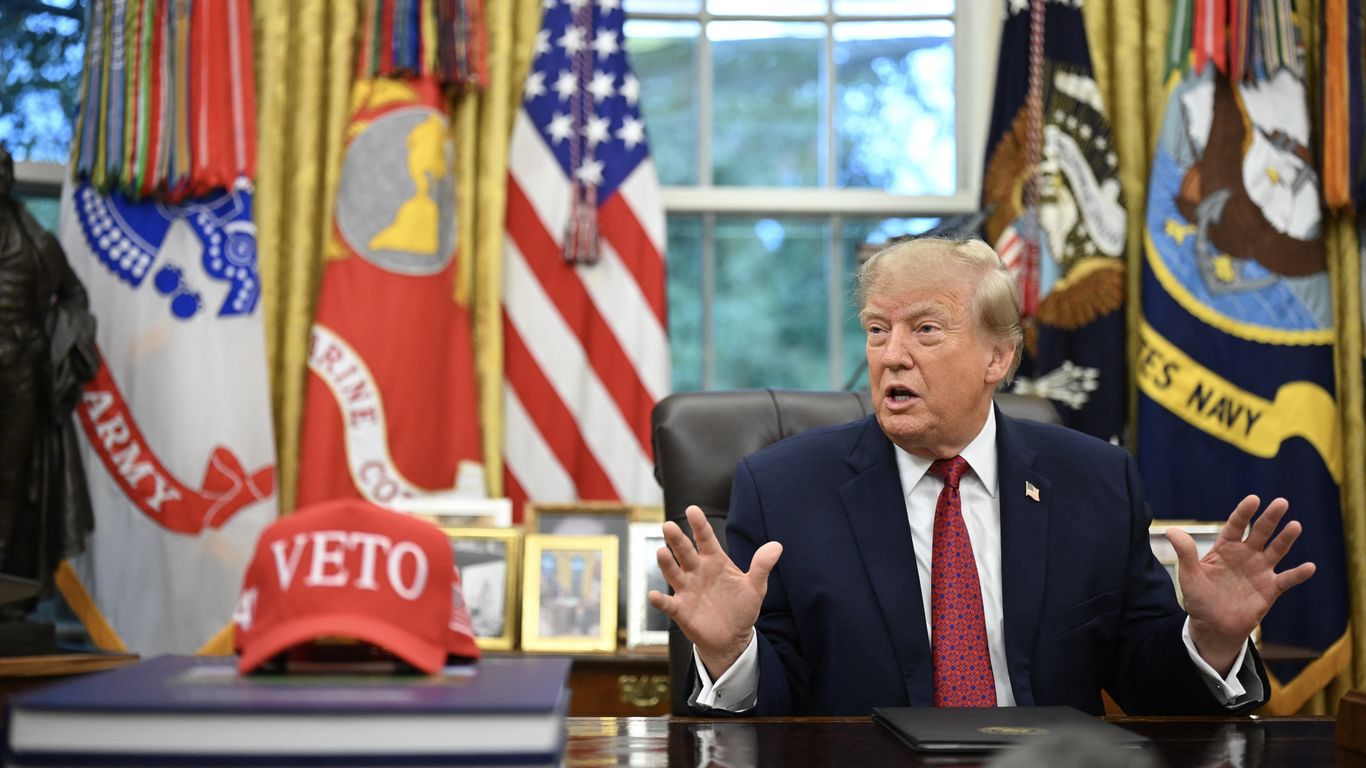
Donald Trump defended defense secretary Pete Hegseth, who is facing an impeachment resolution from Republican senator Thomas Massie, saying Hegseth 'won two wars'. The president, who said he had spoken to Nvidia CEO Jensen Huang, said he was 'amazed' by claims Huang conducted an affair with an alleged Chinese spy, and that the FBI was now looking into the issue Jensen Huang’s image has been shattered. Could he be pushed out at Nvidia? Republican Thomas Massie moves to force vote to impeach Pete Hegseth Continue reading...
Results for “impeachment vote”
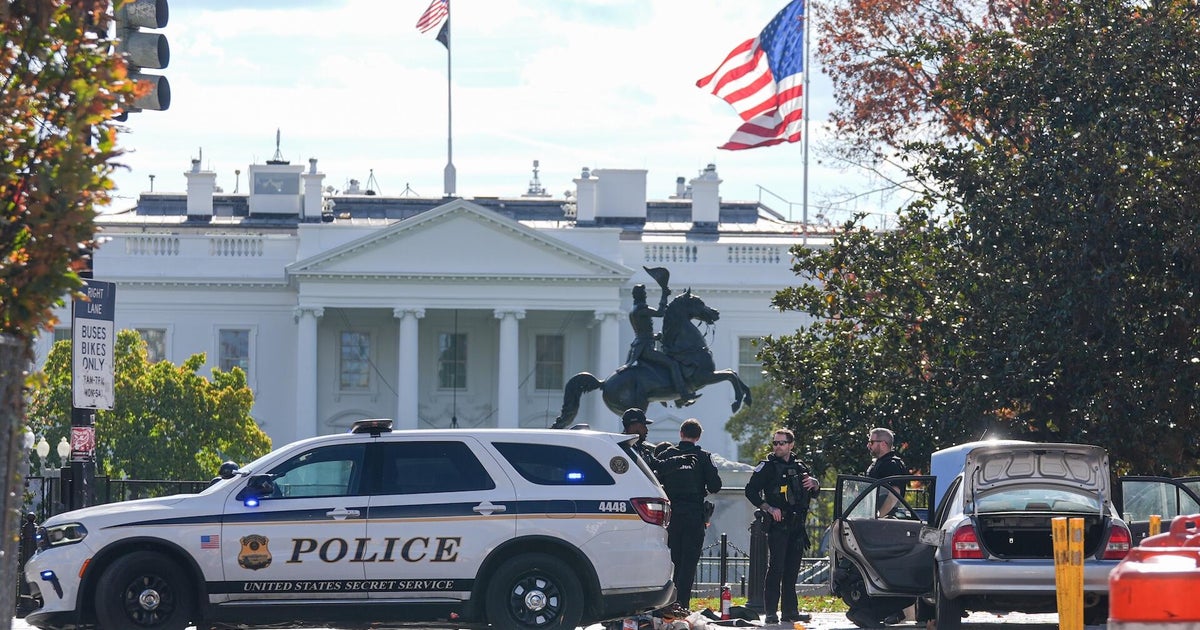
Secret Service arrests two men near the White House; articles of impeachment were introduced against Pete Hegseth.
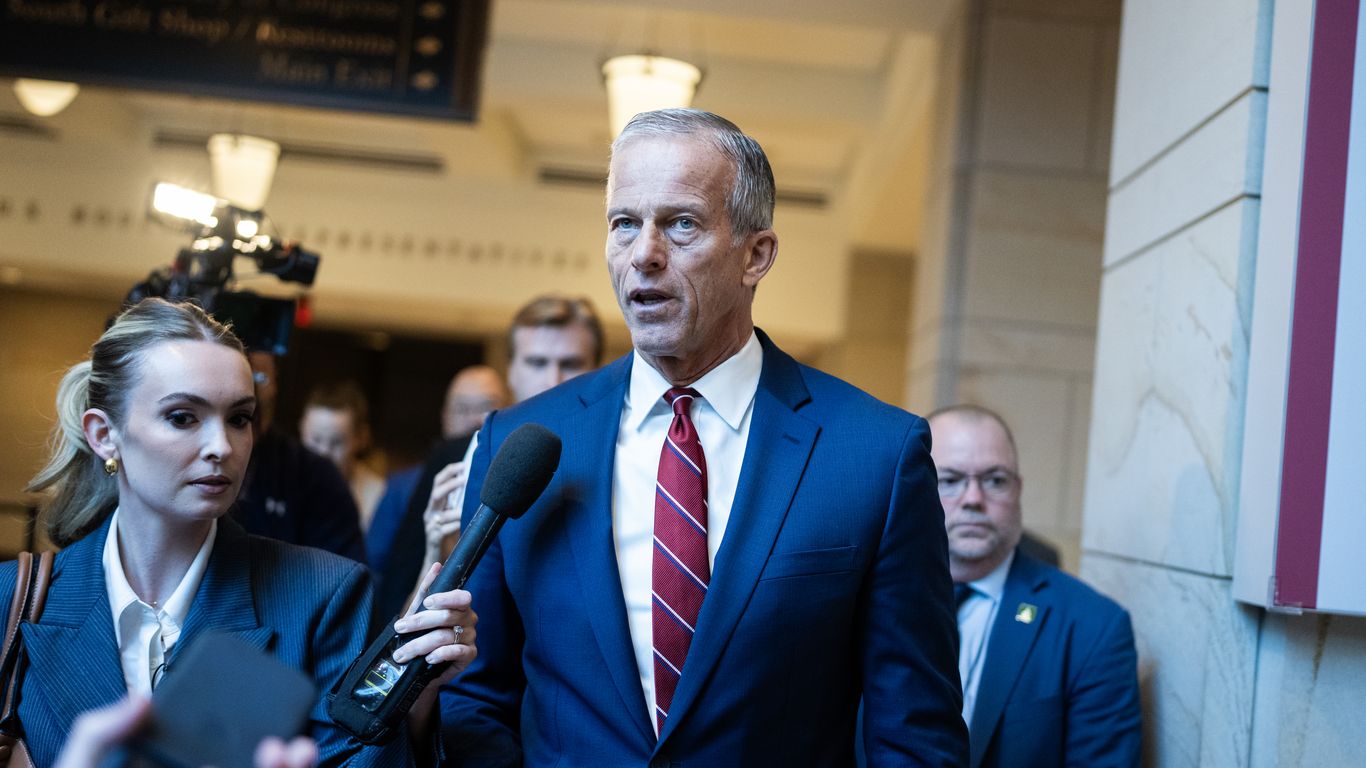
Seven Republican senators now are calling for their leadership elections to be delayed — with one even promising to walk out rather than vote Tuesday. Why it matters: Senate Majority Leader John Thune (R-S.D.) is still expected to be reelected to lead the Senate GOP tomorrow. But the growing push to delay is a sign of troubles ahead. Driving the news: Sens. Ron Johnson (R-Wisc.), Rick Scott (R-Fla.), Mike Lee (R-Utah), Ted Budd (R-N.C.) and John Kennedy (R-La.) all signed a letter demanding that the leadership elections be delayed to allow for more discussion about what went wrong for the party last week. Sens. Dave McCormick (R-Pa.) and Jim Banks (R-Ind.) backed them up in statements posted on X. Johnson threatened to skip the vote if the delay doesn't happen. Between the lines: The decision technically falls to conference chair Tom Cotton (R-Ark.) — though it's usually made with leadership buy-in. The election is expected to be held as planned Tuesday morning unless a senator motions to delay and it passes with a majority — which seems unlikely with the number of public supporters, according to a source familiar with the planning discussions. Despite the arguments that Thune should not get to lock in his leadership so quickly, no one has thrown their hat in the ring to challenge him. The bottom line: At this point, none of the leadership elections are competitive. Senate Majority Whip John Barrasso (R-Wyo.), Conference Chair Tom Cotton (R-Ark.) Policy Committee Chair Shelley Moore Capito (R-W.Va.) and Conference Vice Chair James Lankford (R-Okla.) are expected to keep their spots as Nos. 2, 3, 4 and 5 atop the conference. Moreno is the sole candidate for NRSC chair.
Representative Thomas Massie, Republican of Kentucky, set in motion a vote that must be taken within two days.
Rep. Thomas Massie (R-KY) introduced articles of impeachment against Defense Secretary Pete Hegseth on Monday over his handling of the Iran war and other alleged misconduct. Why it matters: The coming vote could mark the first impeachment of a Cabinet secretary during the second Trump administration and signal what's to come when Democrats take control of Congress next year. What they're saying: Hegseth "will remain a threat to the Constitution if allowed to remain in office, and has acted in a manner grossly incompatible with his duties and the rule of law," Massie said Monday while reading the articles of impeachment on the House floor. "Secretary Hegseth knowingly executed and implemented unlawful orders to initiate war against a foreign nation… thereby substituting unlawful executive action for the constitutional and statutory judgment of Congress." The other side: Hegseth dismissed the impeachment push as politically motivated "noise" Monday, telling reporters that he and his team aren't worried with the push. The Department of Defense didn't immediately respond to Axios' request for comment. Catch up quick: Massie first introduced the articles of impeachment prior to the House going into recess so members could campaign. He reintroduced the resolution Monday, restarting a two-legislative-day clock for House leaders to act. Massie and other members of Congress accuse Hegseth of defying Congress by continuing the unpopular war in Iran despite legislative efforts to shut it down. Three of the eight articles accuse Hegseth of violating congressional war powers in Iran. The others allege misconduct involving civilian casualties, strikes on suspected drug boats, retaliation against Sen. Mark Kelly, the capture of Nicolás Maduro and military operations in Yemen. Hegseth has reportedly been among the most ardent supporters of the war, telling Trump that the conflict would be easy to win. Eight months later, that doesn't appear to be true. Between the lines: Republican
Republicans are returning to work this week, facing the prospect of an especially lame lame-duck session after a bruising midterm election that set off a countdown clock on their control of Congress. Why it matters: Democrats have little incentive to help Republicans advance their agenda before January, while departing GOP lawmakers could complicate matters further by skipping votes or defying party leaders. As a result, most of the items on their to-do list could get kicked to the new Congress. That's aside from a few items House GOP leaders would rather avoid altogether: another Jeffrey Epstein bill and an impeachment vote . Lawmakers also have just over a month before another potential government funding lapse. Driving the news: Rep. Thomas Massie — who GOP voters kicked to the curb in favor of a more Trump-aligned Republican — is pushing another Epstein-related vote, an additional headache for the administration and GOP leaders. He also plans to try to force a vote this week on his impeachment resolution against Defense Secretary Pete Hegseth. Republicans lose their House and Senate majorities Jan. 3, ending their ability to set both chambers' legislative agendas. Reality check: Trump still wields the presidential veto power. Rodell Mollineau, a Democratic strategist and former communications director for the late Senate Majority Leader Harry Reid, said Democrats may postpone some legislative fights until January, when they'll have more negotiating leverage. "I think there's some things that Democrats would be happy to kick down the road," he said. Yes, but: Congress still faces major legislative hurdles. Lawmakers need to pass the annual National Defense Authorization Act, potentially setting up a fight over the Iran war as some Republicans grow more willing to criticize the conflict. A bipartisan permitting bill could overhaul how energy and infrastructure projects are approved. Senate Republicans are also racing to confirm more Trump administration officials
The US president sees Europeans as the mirror image of his ‘woke’ domestic foes. They should brace for further betrayal this winter Europeans have greeted the blue wave that crashed down on Donald Trump and his Republican party with jubilation and relief . Jubilation, because Trump’s second presidential administration has been the most destructive in the history of the transatlantic relationship. His disdain for Europe and his evident delight in attacking its governments – in particular that of Ukraine – have been hard to swallow. Relief, because the midterm election results confirm that Europeans are not unique in being appalled by Trump’s actions: a large majority of Americans are too. I was in Washington immediately after the vote, and the mood was one of excitement and a newfound confidence. And like many Americans, in these results Europeans see hope that US democracy can be saved, American foreign policy moderated and the transatlantic partnership revived. Nathalie Tocci is a professor of practice at the Johns Hopkins School of Advanced International Studies, Europe, and a senior fellow at Bocconi University’s Institute for European Policymaking Continue reading...
Election wins of Annie Andrews, Abdul El-Sayed and more who ran on healthcare issues are viewed as sign of home as Trump administration unravels US health policy Public health leaders and politicians who made healthcare a central part of their platforms swept into office in the US midterm elections last week, setting the stage for national, state and local changes. Voters, faced with an unprecedented rise in vaccine-preventable diseases such as measles, alongside devastating outbreaks of foodborne illnesses , chose national candidates who prioritized public health, healthcare affordability, reproductive health and the impeachment of Robert F Kennedy Jr , among other key issues. Continue reading...
The potential for partnership between newly ascendant Democrats and the "Make America Healthy Again" movement is already threatened by their deep disagreements over Health Secretary Robert F. Kennedy Jr. Why it matters: Democrats want to convince health-conscious voters that they're the party that can deliver on food and pesticide use, but many view an alliance with Kennedy as a nonstarter. They're already threatening to investigate Kennedy, and they're clashing bitterly with him over vaccines and other issues — so any common ground with MAHA over nutrition and pesticides could take a back seat to those fights. State of play: Most MAHA-backed candidates lost at the polls last week. Some of the movement's leaders blame low turnout for the GOP's terrible election night, saying MAHA faithful stayed home because they were disappointed with the Trump administration and a lack of progress on food and environmental issues. Whatever they may think of the White House and federal health officials, the base remains intensely loyal to Kennedy, who created the movement during his 2024 presidential bid. "The voters sent a clear message to this administration and to all political parties, that we are not motivated to vote for people who have a lack of integrity. Promises were made, and promises were broken," said Zen Honeycutt, founder of Moms Across America. While she's open to working with Democrats going forward, "We want them to work with Kennedy, not against him," she added. "That's the red line for almost all of us. You cross that line and you go after Kennedy, you are never getting our vote," she said. "I'm not interested in working with people who are trying to get rid of our champion." The big picture: Some Democrats were making overtures to MAHA voters on key issues ahead of the midterms. Lawmakers like Sen. Cory Booker (D-N.J.) have already said they're willing to work with Kennedy on issues like cleaning up the food supply, school lunches and banning the use of certain
Efforts to fight climate change, conserve nature and build clean energy have long unfolded on competing tracks. Now, they're colliding — and exposing tough trade-offs for environmentalists. Why it matters: Congress' sweeping permitting debate is forcing those competing priorities into the same conversation, with major consequences for climate action and conservation. Driving the news: The Senate is set to hold an initial procedural vote Monday on a sprawling bipartisan bill that would make it easier to build power lines and energy projects of all kinds, including clean energy and fossil fuels. At the heart of the debate is how much public scrutiny projects should face before they're approved — and how much protection those approvals should receive afterward. Supporters say the current system takes too long, delaying clean energy and other infrastructure. Opponents warn that speeding things up could come at the expense of wildlife, public lands and tribal rights. Between the lines: The dilemma reflects a fundamental tension within the environmental movement: Building the infrastructure needed to combat climate change can threaten nature, while protecting nature can complicate efforts to build that infrastructure. Wind and solar farms, for example, can require large expanses of land, potentially disrupting wildlife habitats even as they help reduce greenhouse gas emissions. "The part of my organization that cares about climate sees great opportunity and the part that cares about nature sees some dangers," said a leader of one organization that focuses on both causes, speaking anonymously to discuss the proposal candidly. The big picture: Both parties broadly agree Washington needs to overhaul federal permitting, a perennial goal that has eluded Congress for years. The question is what reforms can attract enough support to pass both chambers. The bill's bipartisan sponsors and the White House want action before year's end. But some Democrats, emboldened by their midter
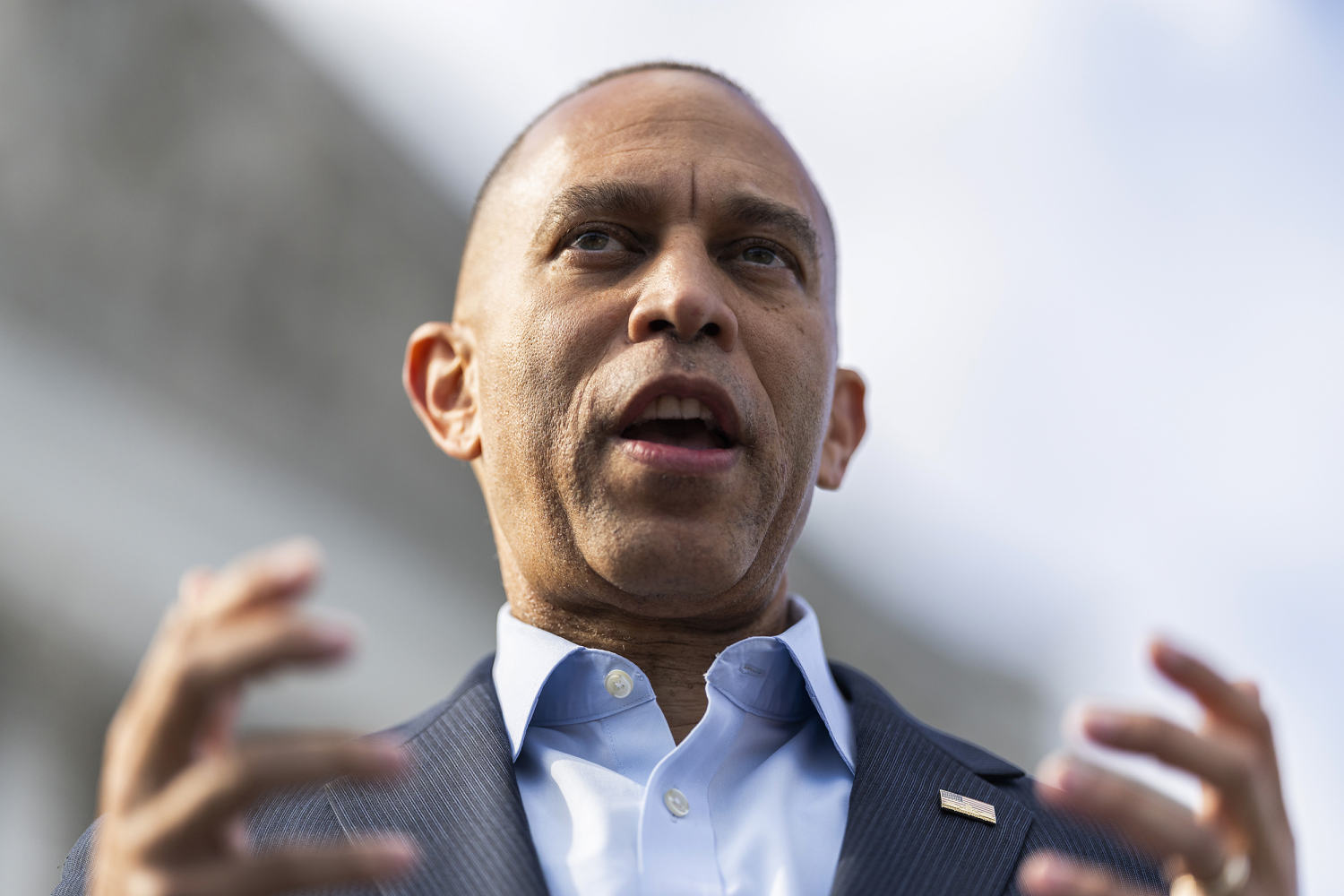
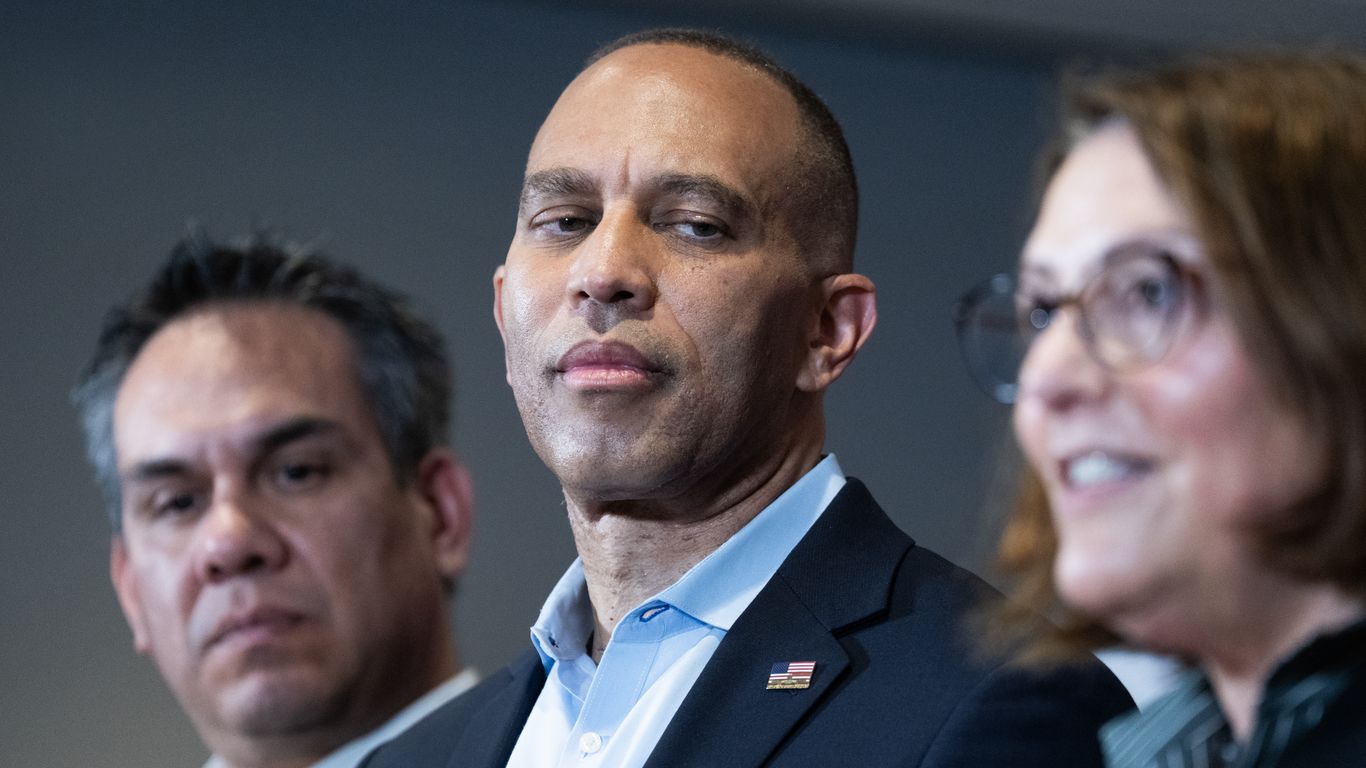
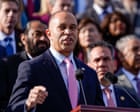
House Minority Leader Hakeem Jeffries, D-N.Y., said he supports impeachment efforts against Defense Secretary Pete Hegseth, which are expected to be brought to a vote this week.
An unusual coalition wants to recruit outgoing Rep. Thomas Massie as the Libertarian Party's 2028 presidential nominee, betting that MAGA fractures can turn a third-party candidacy into a spoiler for the Republican nominee. Why it matters: Organizers see a fighter in Massie, a frequent critic of President Trump who pushed hard on releasing the Epstein files and lost a bitter primary rather than quietly walking away. Massie raised almost $10 million in the process and has a large online donor list and base. For his parting act in Congress, Massie is pushing an impeachment vote against Defense Secretary Pete Hegseth . Driving the news: For months, Libertarian Party operatives and MAGA defectors have been privately and publicly encouraging Massie to run under a rebranded party. "Libertarian Jesus is Ron Paul, and one of our saints is Thomas Massie," Larry Sharpe, a perennial Libertarian candidate and longtime third-party operative, told Axios. Sharpe has spoken with Massie several times about a potential presidential run. Aside from playing GOP spoiler, organizers believe the Libertarian Party's existing ballot access and infrastructure could help them win 5% of the national vote — which would qualify its next presidential nominee for federal funding. Massie didn't respond to several requests for comment. The big picture: The plan is for libertarians to claim dibs on the "America First" agenda, mainly focusing on anti-war sentiment. Organizers believe they can build consensus among supporters of the MAGA wing that's closer to Tucker Carlson, former Trump official Joe Kent and former Rep. Marjorie Taylor Greene (R-Ga.), as well as disillusioned "Make America Healthy Again" activists and populist-inclined voters on the right and left. "A party that would speak clearly about the disaster of the war in Iran, that would speak clearly about the mistake to continue to give military aid, taxpayer-funded military aid, to Israel — that would perk up a lot of ears among young peo
Attorney General Todd Blanche refused Sunday to rule out prosecuting Democratic lawmakers who say they'll investigate Trump officials, a day after President Trump ordered the Justice Department to probe lawmakers. Why it matters: The confrontation threatens a constitutional crisis over the separation of powers: Trump is ordering prosecutors to go after lawmakers in a potential effort to hamper Congress' power to hold the executive branch accountable. Driving the news: In a Truth Social post Saturday, Trump accused Democrats of threatening administration officials and Republican donors with investigations and impeachment. "This is extortion at the highest level, and they should be held accountable for this," Trump wrote. He singled out Sen. Elissa Slotkin (D-Mich.), accusing her of threatening young people who hold Republican views. "The imprisonment should be against these EXTORTIONISTS," Trump wrote. "By copy of this statement, I am ordering the Department of Justice to look into this criminal act, immediately!" he added. The latest: On CNN's "State of the Union," Blanche acknowledged Congress' constitutional oversight authority but argued that Democrats' rhetoric had crossed a line. Asked whether DOJ would investigate Democratic lawmakers, Blanche did not identify a criminal statute or confirm that an investigation had begun. Asked whether lawmakers could face imprisonment, Blanche said it depended on what crimes they had committed. On Fox News, he said the possibility of criminal charges depended on what Democrats had said. The White House and Justice Department have not responded to requests for comment. What they're saying: Blanche singled out incoming House Oversight Committee Chair Robert Garcia (D-Calif.), who warned officials, including incoming White House chief of staff Stephen Miller, to "lawyer up." "I would be very worried if I was a member on that committee," Blanche told CNN. He also said the department would provide legal defense for administration
House Republican leaders are bracing for enough GOP defections to impeach Defense Secretary Pete Hegseth when the measure comes to a vote this week. Why it matters : Republicans who were defeated in Tuesday's election-night bloodbath have little left to lose and could be more willing to back impeaching Hegseth, whose overall support has eroded since the start of the Iran war. Hegseth doesn't have "a lot of love" on Capitol Hill, retiring Rep. Don Bacon (R-Neb.) told Fox News. Bacon told Axios he's undecided on this week's vote. Driving the news: Rep. Thomas Massie (R-Ky.) is planning to force a vote on his resolution to impeach Hegseth for allegedly defying Congress and illegally continuing the U.S. war in Iran. Republican leaders avoided the measure before Election Day after Speaker Mike Johnson (R-La.) canceled votes and sent lawmakers home early. Johnson has denied his decision to send members home was related to the impeachment vote, but it would have been a politically difficult vote for Republicans just weeks before the midterms. The political calculus has now shifted dramatically since Tuesday, with the GOP's crushing defeat fueling anger within the conference and increasing the number of Republicans willing to back impeachment. The big picture: The blame game is already in full swing among House Republicans, with the Iran war emerging as a top target of their ire. "Iran, Iran, Iran ... We should have never done the war before the midterms," a GOP lawmaker told Axios. Hegseth is the face of the war for many on Capitol Hill, putting him in the crosshairs of frustrated Republicans. Another GOP lawmaker told Axios that Hegseth's tone and rhetoric have been "very damaging to our ability to get the facts out to the American people on why the strikes targeting Iran's nuclear facilities, and the additional military actions, were necessary." Zoom in: Hegseth is also on "thin ice" with the Trump administration, with some officials pushing for his ouster, Axios' Marc C
Election results appear to have turbo-charged an already growing social, political and financial market rethink about AI ‘AI clog’: UK battles onslaught of chatbot-generated complaints Editorial: the AI backlash – Silicon Valley’s political power is cracking Last week’s midterms may not have cowed Donald Trump, but they should be a wake-up call for the grinning tech broligarchs who lined up at his inauguration two chaotic years ago. Clearly, the cost of living squeeze unleashed by Trump’s war in Iran was a big driver of the Democrat wave. But AI was also on the ballot – in many places, literally. Continue reading...
After helping Trump to victory in 2024, young voters swung decisively toward Democrats, helping deliver a wave of midterm victories The 2026 blue tsunami owes a lot to the youth vote. According to data from Tufts University’s Center for Information & Research on Civic Learning and Engagement (Circle), which monitors youth civic engagement, early estimates show the second-highest youth turnout in a midterm election in 30 years, second only to 2018, when an estimated 31% of young voters turned out during Donald Trump’s first presidency. Continue reading...
Congressional Democrats see a target-rich environment next year. But they're also worried that if they investigate everything , they may appear to investigate nothing. Why it matters: Democrats want to move beyond the one-off hearings, fist-pounding document demands and subpoena threats that defined much of their oversight during President Trump's first term. The goal, according to senior Democrats, is to build a sustained narrative around the administration's "cost, chaos and corruption" — while showing voters they have legislative solutions to the problems they uncover. "We're trying to get to the answers that point to solutions," a senior Democratic aide said. Zoom in: Senate Democrats are actively coordinating investigations across committees and with their House counterparts, looking to turn Day One oversight of the Trump administration into a sustained case for their own legislative agenda. Think more Jan. 6 committee investigation, with slick videos and compelling witness testimony, than impeachment 1.0. The coordination, underway for months, is increasingly happening at the senator level, with lawmakers working to divide investigative responsibilities and avoid overlapping efforts. "We want to deconflict these with some of the other committees, right? We don't want to be duplicative with other committees," Sen. Chris Van Hollen told Axios. The other side: Rep. Robert Garcia, the likely chair of the House Oversight Committee, has a four-pronged plan to investigate the Trump administration. But he has a two-word taunt: "LAWYER UP." Between the lines: Nearly every House committee has the power to subpoena without getting sign-off from the minority party. In the Senate, only the Homeland Security and Governmental Affairs Committee and its Permanent Subcommittee on Investigations (PSI) can issue subpoenas unilaterally. Trump's war in Iran will likely be the Senate's first focus, with the Senate Armed Services Committee preparing for hearings — and planning to cal

Members of the Cornell University faculty senate on Friday issued a vote of no confidence on the administration’s ability to manage the response to an alleged sexual assault at a fraternity house in 2024, according to the university.
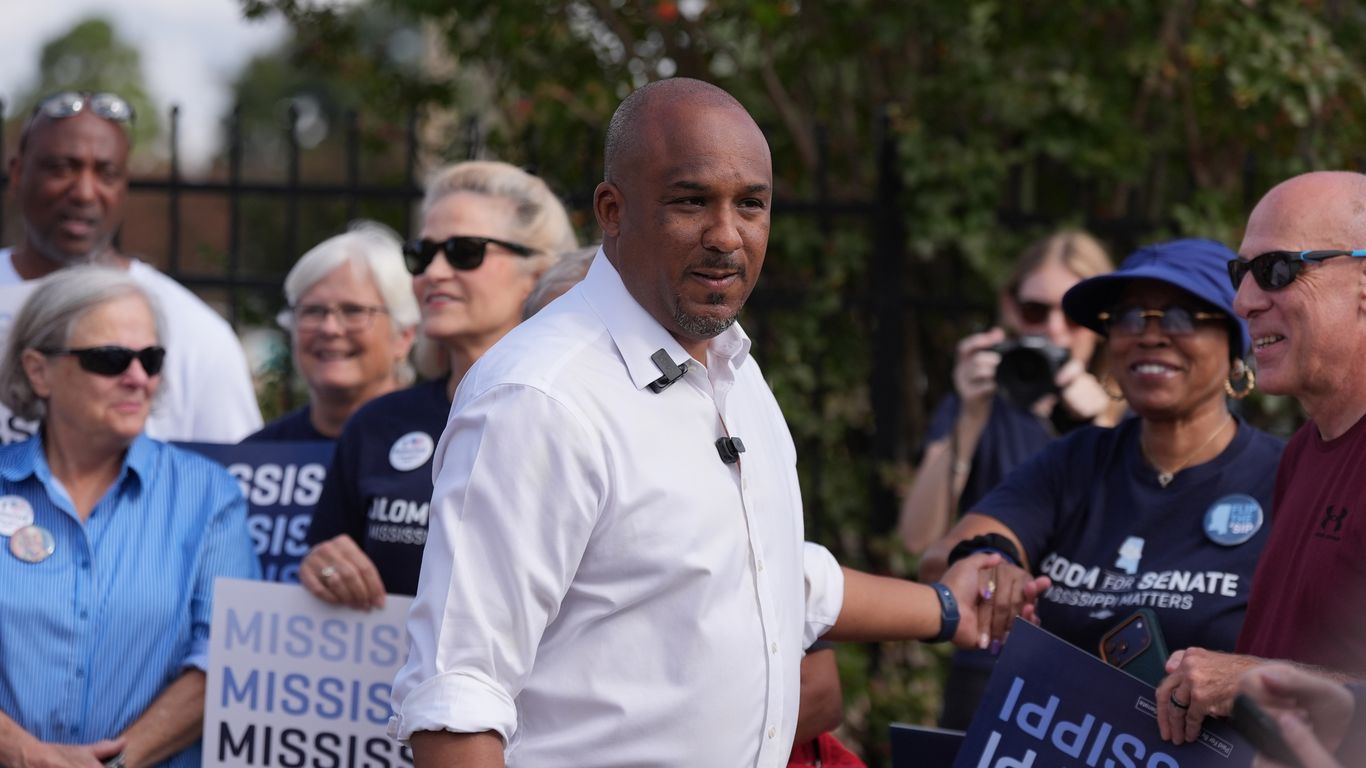
Americans on both sides of the political aisle are watching the nail-bitingly close Mississippi Senate race , where a controversial voter-roll cleanup has come under scrutiny after some voters reported problems casting their ballots. Why it matters: The cliffhanger has exposed concerns about relying on third-party data to determine where voters live and how states maintain voter rolls. Republican Sen. Cindy Hyde-Smith and Democrat Scott Colom are locked in a razor-thin race to be the state's junior senator. As of 2 p.m. ET Friday, Colom led by a little over 2000 votes, according to Associated Press data. The big picture: More than 230,000 Mississippians were listed as inactive ahead of the midterms, according to an analysis by Mississippi Today. That's up from roughly 166,000 in the 2024 election, according to federal data . Those voters weren't removed from the rolls, but they were required to cast affidavit ballots in Tuesday's election. Election workers review those ballots after Election Day, checking voter information against registration records. In some cases, voters must verify their identity with their county circuit clerk's office, slowing vote counting and — in this case — determining the winner. The intrigue: The inactive voter total shot up after the state's March primaries, months after Secretary of State Michael Watson's office inked a $50,000 deal with credit reporting company Experian to help verify voter addresses. "The increase in inactive registrations across the state of Mississippi raised some concerns because it seemed unusually high compared to other cycles and in such a small amount of time," Thessalia Merivaki, an elections research expert and former professor at Mississippi State University, tells Axios. She says there were concerns about "how reliable" these data brokers are, and whether relying on them had "resulted in erroneously placing eligible voters on an inactive status." How it works: Experian's data was intended to flag voters wh
Navajo Nation voters made history this week by choosing their first woman president, handing Crystalyne Curley a groundbreaking victory — and a political fight before she even takes office. Why it matters: Curley's victory breaks a barrier in the Navajo Nation, where women hold deep cultural influence, but men have long dominated the presidency. Driving the news: Curley, 40, and running mate Chris Deschene defeated Justin Jones and Emily Ellison in the Nov. 3 election, according to unofficial Navajo Election Administration results . Curley won 50.88% to Jones' 49.12% — a margin of just 1,115 votes across the Nation's 110 chapters. She will succeed President Buu Nygren, whose turbulent bid for a second term ended with a third-place finish in July's primary. Her running mate, former Arizona legislator and energy attorney Chris Deschene, returns to tribal leadership politics 12 years after a Navajo-language qualification dispute derailed his presidential campaign. The Navajo Nation, the country's largest Native American reservation, spans more than 27,000 square miles across Arizona, New Mexico and Utah and has nearly 430,000 enrolled members , according to June 2026 tribal figures. Yes, but: Jones refuses to concede and has threatened a legal challenge, alleging irregularities in the vote count. The Navajo Times reported he initially offered no specific discrepancies. Tribal election law prevents certification until at least 10 days after the election, leaving time for challenges, according to the site . Zoom in: Curley now faces a tougher challenge: tackling poverty, delivering basic services and healing a government fractured by years of infighting. About 35.2% of residents of the Navajo Nation Reservation live below the poverty line, compared with 12.5% nationally, according to 2024 American Community Survey five-year estimates . Between 30% and 40% of Navajo families lack running water at home, according to an April 2026 statement from the outgoing administration.

Democratic House members and members-elect are being bombarded with phone calls and emails urging them not to elect Minority Leader Hakeem Jeffries (D-N.Y.) as speaker, more than a dozen lawmakers and aides tell Axios. Why it matters: The calls point to a fundamental disconnect between House Democrats — most of whom are likely to vote for Jeffries — and at least a portion of their grassroots base. An incoming House Democrat told Axios they are "getting inundated" and have received "about 150" calls since the election urging them not to vote for Jeffries. A senior House Democrat said they received "over 500" calls in the last two days, telling Axios they also got asked about it in-person at a Chamber of Commerce meeting in their district. "I think our numbers are higher" than 500, said another House Democrat. "It's our No. 1 issue, and it's not close." State of play: Jeffries is in pole position to become speaker of the House after Democrats' landslide victory Tuesday, which is set to give them a massive majority of more than 250 seats. He has enjoyed the unanimous support of his caucus since becoming Democratic leader in 2022 and has never had a single House Democrat defect from him in a speaker vote. But the last speaker ballot was in January 2025, right before Democrats' grassroots base began railing against party leadership for what they perceived as insufficient resistance to the Trump administration. "Democrats in both chambers can't go back to business-as-usual politics. People want leadership that's ready to join the rest of us in this new era of politics," Ezra Levin, co-executive director of the progressive group Indivisible, said in a statement to Axios on Friday. A Democratic chief of staff who said their office got "about 300" calls told Axios: "Lots of people are saying make Jamie Raskin speaker." Raskin (D-Md.) has often been floated as a more progressive alternative to Jeffries, whose associations with pro-Israel groups and corporate PACs have long be
Scott Colom, the Democratic nominee, has kept his edge over the Republican incumbent, Cindy Hyde-Smith, as more provisional and mail ballots were reported throughout the state.
Yes, the Republicans suffered humiliating defeat. But the fact that a Trump presidency was even possible means something like it could happen again He’s down, but not quite out. Barring divine or other intervention, Donald Trump will remain in the Oval Office for a further two years and 10 weeks. Or, as the White House put it in a plaintive social media post brimming with neediness: “PSA [Public Service Announcement]: Trump is still your president.” But that’s not the only reason why the global celebrations that greeted the Democratic tidal wave that swept Republicans out of even their deepest heartlands should be tempered, if only a tad. Don’t get me wrong, the results of Tuesday’s midterm elections are cause for genuine international jubilation. The defeats of Trump allies in Serbia and Brazil were delicious appetisers, but this was the feast. No mere electoral setback in line with midterm tradition, this was a thorough repudiation of the second Trump presidency and of Trumpism. The 16% swing to Democrats in the popular vote for the House of Representatives was greater even than the 11.2% swing recorded in the Watergate midterms of November 1974, following the resignation in disgrace of Richard Nixon. Trump had worked hard for many months to undermine these elections , either by gerrymandering districts in his favour or preparing the ground for a later claim the vote was rigged, but to no avail: the democratic system proved too resilient, and the American public too determined to have their say. And have it they did, in a voice loud and clear. Jonathan Freedland is a Guardian columnist Continue reading...
Federal judge issues 14-day restraining order on any construction work on Washington monument, hours after it was approved by planning commission A federal judge has halted construction work on Donald Trump’s towering triumphal arch for 14 days, a major setback for one of the president’s most prominent projects in his vision to remake Washington. The temporary restraining order was issued by US district judge Tanya Chutkan in the early hours of Friday. It followed a series of steps taken on Thursday by the government, including the final approval of the 250-foot-high (76-meter) arch by the National Capital Planning Commission in an 8-4 vote after a nine-hour hearing where dozens of witnesses opposed the construction. Continue reading...
Lawmakers in states with new total Democratic control said they would try to join an effort to try to elect the next president effectively by popular vote. But momentum has stalled before.
Democrats are on track for the second-biggest House popular vote edge in the last 50 years. This will also be the largest midterm margin for one party since 1974.
Congress returns next week facing a renewed push for transparency over the Jeffrey Epstein files, as a top House Democrat promises new investigations following the party's midterm victories. Why it matters: The Epstein files controversy has been a recurring political issue throughout President Trump's second term and featured prominently in the midterm campaigns . Democrats' incoming House majority could bring fresh scrutiny of his administration's handling of the files. Driving the news: Rep. Thomas Massie (R-Ky.) is harnessing that momentum as lawmakers return, ahead of his January departure from Congress . Massie said in a Thursday post that when the House returns, the effort to force a vote on a second Epstein Files Transparency Act would secure the necessary 218 signatures. Rep. Ro Khanna (D-Calif.) , who has led the bipartisan effort with Massie, announced in September that they had received sufficient signature commitments for the measure — but House Speaker Mike Johnson (R-La.) sent the House home early. What's inside: Massie and Khanna introduced the Epstein Files Transparency Act II in July, building on their initial legislation that Trump signed in November of last year after previously working to undercut the effort. The bill would allow state attorneys general, local prosecutors and victims to sue the U.S. attorney general over alleged unlawful withholdings, redactions or failure to produce records. It would also require the attorney general to provide certain unredacted documents to victims upon request. Zoom out: The momentum is unlikely to slow when Democrats take control of Congress in January. With corruption emerging as a top election concern, Democrats ran attack ads accusing the GOP of protecting powerful elites. Candidates from both parties and outside groups aired at least $70 million in TV ads mentioning Epstein, pedophilia and allegations of child sexual abuse between Sept. 1 and Oct. 21, according to AdImpact data reviewed by Axios' Alex Is
Young voters swung so hard toward Democrats in Tuesday's midterms that it raises new doubts about whether Republicans can build a lasting coalition among Americans under 30. Why it matters: Trump's success with Gen Z voters, especially young men , fueled talk of a generational shift toward Republicans. Tuesday's results tell a different story. By the numbers: An estimated 66% of voters ages 18–29 backed Democratic House candidates Tuesday, compared with 31% for Republicans, according to Tufts University's CIRCLE , which analyzed preliminary data from the NORC Civic Health & Elections Project. That's a 35-point Democratic advantage, compared with 14 points in the 2024 national House exit poll , when young voters favored Democrats 56%–42%. Democratic support among men under 30 rose from 51% in 2024 to 59% in 2026. Among young women, it climbed from 61% to 70%, according to 2024 exit polling by Edison Research and CIRCLE's updated 2026 analysis of NORC data. Young white voters favored Democrats 63%–34% in the SSRS survey, after splitting 50%–48% in 2024. State of play: Polls flashed warning signs for Republicans in the final weeks before Election Day. An October Harvard Youth Poll found voters ages 18–29 who said they would definitely vote favored Democrats 63%–26%. Just 9% of young Americans said the country was headed in the right direction. Zoom in: Democrats drew overwhelming support from young voters in major statewide races, according to preliminary SSRS polling. In Texas, 76% of voters under 30 supported Democratic Senate candidate James Talarico, while 73% backed Democratic gubernatorial candidate Gina Hinojosa, according to CIRCLE's state analysis . In Georgia, 70% backed Democratic gubernatorial candidate Keisha Lance Bottoms. More than 60% favored Democratic candidates for Senate and governor in Ohio. In Iowa, where young voters backed Trump in 2024, Republican Senate candidate Ashley Hinson lost significant ground with the group, according to AP Voter Poll
Democrats won the midterms on voter frustration with high prices . Now they face the same problem that sank Republicans: Americans want lower prices, and there is little that policymakers can do to deliver them quickly. Why it matters: Prices for necessities like groceries and gas can fall in a healthy economy. But the kind of broad price declines that would reverse years of price gains would likely come with job losses and falling incomes, leaving households worse off than before. It sets up an early test for the incoming Democratic-controlled Congress and Democrats in statehouses across the country: delivering relief that voters can actually feel in their household budgets. What they're saying: "Can you bring prices back to 2019 levels? No," Brendan Duke, senior director for federal budget policy at the Center on Budget and Policy Priorities, tells Axios. "But a lot of the price shocks are policy-induced, so there are ways that policy can reverse them." Duke points to reversing food assistance cuts, restoring health insurance subsidies and ending the Iran war as possible sources of relief, with the "big, fat asterisk" that President Trump might not sign off. Other economic problems — a potential rise in unemployment or the AI bubble bursting — could overshadow affordability without solving it, Duke says. The big picture: Democrats have limited power over sources of pressure on household budgets. Their midterm sweep helped lower oil prices through market expectations. But Trump still controls the next steps in the war, and further relief heavily depends on his next moves. Congress could vote to repeal tariffs, potentially reducing costs for imported goods and American manufacturers. But Trump could simply veto that legislation (and more generally, there is no guarantee that businesses would pass all the savings on to consumers). Plans to restore expired Affordable Care Act subsidies or reverse Medicaid cuts could hit a wall because of internal divisions or Trump's
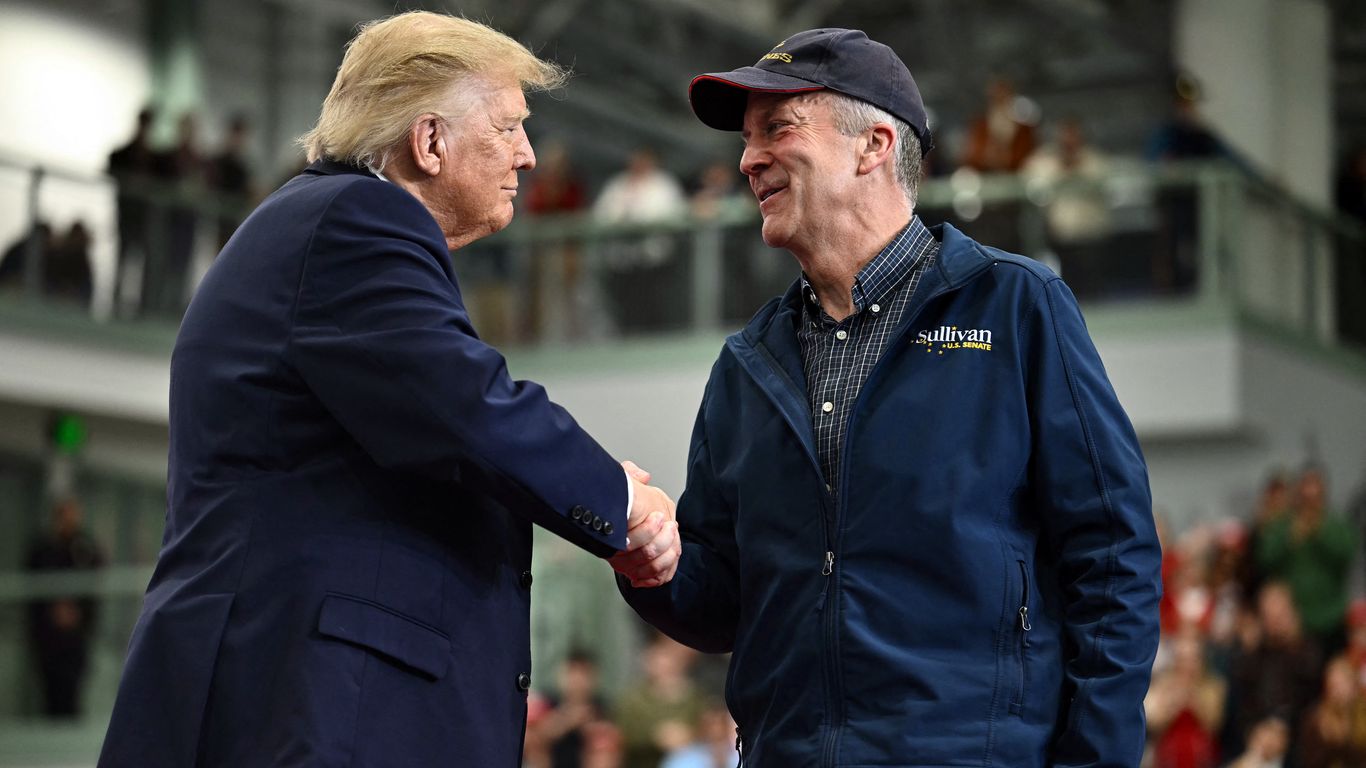
President Trump wrote Thursday that incumbent Alaska Sen. Dan Sullivan (R) should receive the vote totals for Dan J. Sullivan, a Senate candidate in Alaska's tumultuous race who has the same name as the incumbent lawmaker. The big picture: Trump's DOJ has sought to intervene in the race, citing voter confusion, and recently escalated its probes by sending target letters to Democratic operatives. This is a breaking news story and will be updated.
It's a de facto motto in the Trump White House: "Somebody's gotta take the fall." Lately, that person looks like Secretary of Defense Pete Hegseth. Why it matters: From the unpopular war in Iran to his bad bipartisan relations with members of Congress, Hegseth's record has made him the most vulnerable member of Trump's Cabinet after Tuesday night's midterm shellacking. "Hegseth is definitely on thin ice," a Trump adviser told Axios. "It doesn't mean the president forces him out. But there are complications." Driving the news: As early as next week, the House could impeach Hegseth for allegedly defying Congress and illegally continuing the U.S. war in Iran. The measure is sponsored by Rep. Thomas Massie (R-Ky.), a vociferous critic of Israel and foreign wars. Zoom in: Iran is at the center of both Hegseth's possible impeachment and Republicans' midterm collapse. Many voters oppose the war and its byproduct: higher gas prices that spiked after Iran closed the Strait of Hormuz. Before Trump attacked Iran on Feb. 28, Hegseth was the most gung-ho about the conflict, and he gave the rosiest projections about how quickly and easily it would be resolved, according to sources familiar with the discussions. By August, a senior administration official said, U.S. Central Command was reportedly soliciting new approaches to pressure Iran, suggesting that military leaders were still reassessing how to achieve strategic results. CentCom was also asking: "At what point did Hegseth recognize that our original strategy wasn't going to produce the outcome he expected and pitched?" Trump stood by Hegseth on Wednesday, telling reporters that the secretary is "doing a very good job." Between the lines: Trump has been known to praise an embattled Cabinet secretary, only to seek their ouster shortly thereafter. With Hegseth, four factors are weighing on Trump: 1. The impeachment threat. Democrats already have tried to impeach Hegseth, and with their new House majority in January, those effo
A Democratic sweep has changed Washington’s balance of power. But from gambling legislation to stadium subsidies, both parties have helped build the system that enriches American sports’ billionaire owners Before a single vote was cast this election cycle, the technocrats and oligarchs who own American sports had already voted. Pro sports owners put more than $100m into this cycle, according to Front Office Sports. But Tuesday night was a referendum not just on Donald Trump and Maga policies, but on the puppeteers who pull America’s strings. The people voted, and the owners lost. Before anyone frames this as a rescue, a word about the rescuers. Democrats are the instrument for ending Maga, and they are also the other face of the same coin. Think Republicans are behind all of our ills? Think again. New Jersey’s governor, Phil Murphy, placed his state’s first legal sports bet in 2018. Illinois governor JB Pritzker signed sports betting into law a year later. New York’s mobile sportsbooks went live under Governor Kathy Hochul in 2022, with the state taking 51% of the revenue. Pritzker and Hochul both won Tuesday, and all of them are Democrats. In some of the biggest betting markets in the country, the bookmakers’ most reliable partner has been a Democratic statehouse. Continue reading...
Amendment 81 would have required law enforcement to notify federal agents if people accused of violent crimes were not lawfully present in US Colorado voters have spurned a conservative group’s effort to force police and prosecutors to aid the Trump administration’s mass deportation agenda. Amendment 81, which failed to receive 55% of the vote on Tuesday, would have required Colorado’s law enforcement agents to notify federal immigration authorities if individuals accused of violent crime were not lawfully present in the US or if their legal status was undetermined. Continue reading...
Our election data reporter Caroline Soler outlines how the Hispanic vote played out in three key states, according to Times Voter Trend estimates.
Democrats are clinging to small leads in both states, and it may take quite a while until the winners are known.
Democrats' midterm tsunami obscured a major polling miss: Surveys correctly anticipated a blue wave, but failed to capture its full force. Why it matters: Pollsters appear to have underestimated Democrats by a wider margin than they underestimated Republicans in 2016 or 2024 — even if they got the headline outcome right this time. By the numbers: Democrats are on track to win the national House popular vote by roughly 13 percentage points, compared with a final Silver Bulletin polling average of 8.9 points, according to an initial analysis by The Argument's Lakshya Jain . That roughly 4-point gap is similar to the 2020 polling miss that underestimated Republicans and larger than the average partisan errors in 2016 and 2024, though comparisons to presidential years are imperfect. The big picture: Pollsters entered the 2026 midterms having underrated Trump's support in three consecutive presidential elections. Their central challenge was accounting for Republican voters who might be missing from their surveys. Many polling organizations have sought to compensate by weighting results based on party affiliation or how respondents voted in previous elections. A Pew analysis found that nearly 70% of national polls used such political weighting in 2024. In an October analysis , The Washington Post warned that a collapse in turnout among Trump voters could cause polls calibrated to the 2024 electorate to underestimate Democrats. Tuesday's results raise questions about whether the industry's efforts to correct past polling misses contributed to a new one. Reality check: Some of the pollsters that projected the largest Democratic margins appear to have come closest to the final result. AtlasIntel placed itself first in a ranking of final national House polls based on its projection of the popular-vote margin. It's the second straight election where the pollster stood out for its accuracy. AtlasIntel's final poll showed Democrats leading by 14.1 points, just 0.3 points from th
The race for U.S. Senate is incredibly close in Mississippi, which does not allow for vote recounts in statewide elections.
Owners of pilates and yoga studios in the US got political and encouraged their followers to vote on social media Your local pilates instructors only want you to do two things: breathe through your side-planks and vote. In the days leading up to the US midterm elections, a wave of posts from fitness and wellness accounts blanketed Instagram, eschewing their typical messaging around the importance of strengthening your core in favor of the importance of exercising your civic duty. Owners of pilates and yoga studios and instructors across the US posted reels and pictures on platforms like Instagram encouraging their followers and clients to vote. Engagement varied depending on their following: posts reaped anywhere from 70 to more than 10,000 likes. Continue reading...
Democrats' sweeping statehouse gains Tuesday have opened a path to effectively replacing the Electoral College with a national popular vote in time for the 2028 presidential election — without needing to amend the Constitution. Why it matters: The results could give Democrats the legislative power to fundamentally change how America picks its president, potentially ending the possibility of winning the White House while losing the national popular vote. Driving the news: Democrats have won control of the governorship and both legislative chambers in Pennsylvania, Michigan, Arizona, Wisconsin and Nevada, enough to push an agreement called the National Popular Vote Interstate Compact beyond the 270-vote threshold required to take effect. The compact has been enacted by 18 states and Washington, D.C. since launching in 2006, representing 222 electoral votes so far. The agreement only kicks in when participating states collectively control at least 270 electoral votes. The five new Democratic trifectas could bring the total to 283. How it works: Americans don't directly elect the president. Instead, they actually cast ballots to choose electors, whose votes determine the winner every four years. Nearly every state awards all its electoral votes to the statewide winner. Maine and Nebraska also award electors based on congressional district results. But the Constitution explicitly gives states power to appoint electors "in such Manner as the Legislature thereof may direct." Under the compact, participating states would instead award their electoral votes to the national popular-vote winner once the agreement reaches 270 electoral votes. Yes, but: The five states would still need to enact the compact, and it's not clear if it will be a priority for the new Democratic states. The Electoral College would formally remain in place, and the compact could face constitutional challenges, including over whether congressional approval is required. Michigan failed to enact it during
Majority Leader Steve Scalise (R-La.) will announce his bid to lead House Republicans on Wednesday, a person familiar with his plans told Axios, as his party begins to regroup from stunning midterm losses that cost them their congressional majorities. Why it matters: Scalise's announcement sets up a potentially bruising battle for the minority leader post, with Judiciary Committee Chair Jim Jordan (R-Ohio) also being floated as a potential contender. It's Scalise's second attempt at the top House Republican job. Speaker Mike Johnson (R-La.) told staff that he will not run for minority leader on a Wednesday morning call, a person familiar with his plans said. Driving the news: Scalise pitched himself as a leader positioned to bring Republicans back into the majority "He is a proven and tested leader who is ready on day one. He's spent his career unifying Republicans and he is prepared for the big legislative and oversight battles ahead. The conference knows him, how he fights, and that he's a trusted leader," the person familiar with his plans said in statement. Catch up quick: Scalise defeated Jordan in the Republican conference's secret-ballot vote to nominate a speaker in October 2023, but withdrew a day later after failing to secure enough support on the House floor. Johnson ultimately emerged as speaker after weeks of Republican infighting. State of play: A Scalise-Jordan race would pit two of the House GOP's most prominent figures against each other. Scalise enters the contest with more than a decade of experience in leadership, while Jordan could draw support from the party's conservative wing. But the scale of the loss on Tuesday night has prompted calls for an entirely new leadership slate — a potential stumbling block for Scalise. Three House Republicans previously told Axios that a major midterm defeat could fuel calls for an entirely new leadership team The intrigue: Majority Whip Tom Emmer, meanwhile is making calls to lock down support from him to stay
An impeachment investigation would enhance transparency and allow Congress to reassert its authority In Tuesday’s midterm elections, voters sent the Republican party an unmistakable message: their love affair with Trumpism is coming to an end. The overwhelming victory for Democrats in both the US House of Representatives and the US Senate, was foreshadowed by a number of polls showing growing disenchantment with Donald Trump – and it was personal. Continue reading...
Democrat James Talarico defeated Republican Ken Paxton in Texas' closely watched U.S. Senate race, delivering a historic breakthrough for Democrats in a state Republicans have dominated for decades. Why it matters: Talarico's victory ends the nation's longest Democratic drought in statewide elections and flips a critical Senate seat as Democrats fight for control of the chamber. The Austin-area state representative becomes the first Democrat elected to the U.S. Senate from Texas since Lloyd Bentsen in 1988. His win also marks the first Democratic victory in a Texas statewide election since 1994, a stunning reversal in a state President Trump carried by nearly 14 points in 2024. The big picture: The race became the nation's most expensive Senate battle after Texas Attorney General Paxton defeated longtime incumbent Sen. John Cornyn in the Republican primary, with massive spending from both parties . Republican leaders had warned that Paxton's nomination could jeopardize the seat, and the party poured enormous resources into defending it. On the campaign trail: Talarico, a former public school teacher and Presbyterian seminarian, built his campaign around affordability, public education and criticism of wealthy donors' influence over politics. Paxton, a three-term Texas attorney general and close ally of President Trump , emphasized immigration enforcement and conservative policies. Between the lines: Paxton's candidacy exposed divisions within the Texas GOP, with party leaders initially warning that nominating the attorney general could endanger a seat Republicans had held for decades. Paxton defeated Cornyn in the May Republican primary runoff after securing Trump's endorsement, setting up the costly general election battle. His campaign was also shadowed by years of legal and ethical controversies, including his 2023 impeachment by the Republican-controlled Texas House. The state Senate later acquitted him. The backdrop: Democrats have spent decades trying to turn
Voting machine issues affected Westchester county, New York, but emergency ballots were provided to voters US midterm elections – live updates Track live results from all 50 states Voting in US midterm elections took place relatively smoothly nationwide on Tuesday, with only a handful of reported issues as tens of millions of voters cast their ballots. With control of US Congress in the balance, glitches at polling locations were minimal as Americans lined up to vote. Continue reading...
Top party strategists may hate seeing one of their candidates gutted by a brutal ad. But they can still admire the hit. Why it matters: A record $11.6 billion has plastered political ads across screens of every size in the country during the 2026 midterms . Only a handful of those earned the grudging respect of operatives on both sides. 📺 Zoom in: Multiple Republican strategists singled out the "brutal" series of ads attacking Sen. Roger Marshall (R-Kans.) over lawsuits against patients with overdue medical bills — some of whom were later arrested . Against the advice of his own team, Marshall released a self-directed ad answering the attacks. In Nebraska , an ad highlighting a past vote by former Gov. Pete Ricketts to pardon a man convicted of rape was singled out by both parties as one of the cycle's most damaging. Ricketts is expected to win re-election to the Senate. In Maine, an upbeat jingle hit Democratic nominee Troy Jackson for having children with his second cousin. "If he'll f**k his own family, he'll f**k yours too," the radio ad said (among other things). Sen. Susan Collins (R-Maine) called for the ad to be taken down. And in Florida , Rep. María Salazar (R-Fla.) turned on her own party leader, criticizing President Trump over ICE's aggressive enforcement tactics, saying some immigration policies had "gone too far." The intrigue : Even hardened operatives are dealing with a new frontier: AI-generated attack ads that can make up scenarios and put words in an opponent's mouth. In Michigan , a Republican-aligned super PAC used AI-generated imagery to depict Democratic candidate Abdul El-Sayed in a fabricated family photo and playing a game with cards referencing "Death to America" and 9/11. In Texas, GOP Senate nominee Ken Paxton's team used AI to depict Democratic candidate James Talarico defacing a Bible with a crayon and saying: "In the beginning God was non-binary, and he wasn't a Christian. And God said, 'let there be six genders,' and there were." ?
Anil Menon has voted in the US midterm elections by casting an electronic ballot from the International Space Station. He said he filled out the ballot on his station computer and sent it to election officials in Harris county, Texas. In a social media post, he said all three US crew members onboard also had the chance to vote. US midterm elections 2026 live Continue reading...
US voters vote today in the midterm elections, which will decide whether Republicans retain control of the House and Senate. A Democratic victory in either chamber would significantly constrain Trump’s ability to advance his domestic agenda. Even if Republicans retain one or both chambers, a reduced majority could make passing legislation more difficult, and could pave the way for Democrats to launch investigations into the administration. US midterm elections 2026 live: Americans go to the polls to decide control of Congress What are the races to watch in the US midterm elections and why do they matter? Continue reading...
Retired NYPD officer Rodolfo Mienert allegedly posted "off with his head!" on Facebook targeting a Pinellas County commissioner over a mosque vote.
State officials have largely taken securing the 2026 midterm elections into their own hands after nearly two years of federal program and funding cuts during the second Trump administration. Why it matters: The reduction in federal support has come as AI tools threaten to make it easier for hackers to uncover software vulnerabilities, launch cyberattacks, and spread disinformation that undermines trust in election results. Reality check: Just because a security flaw exists doesn't mean hackers can exploit it to manipulate election results. Nearly all U.S. elections maintain paper records that can be used to verify electronic tallies. Threat level: Election officials are preparing for everything from cyberattacks and AI-generated disinformation to physical threats, logistical disruptions and legal challenges. The big picture: State election officials relied on homeland security agencies, fusion centers, police, National Guard units and private cybersecurity firms to prepare for the midterms, John Milhofer, a spokesperson for the National Association of Secretaries of State, told Axios. That group and the National Association of State Election Directors are helping states exchange threat intelligence and connect with federal agencies and private sector experts. Catch up quick: State resources have become more important after the Trump administration scaled back federal election security assistance. CISA cut election security personnel and services in 2025, while federal funding for the Elections Infrastructure Information Sharing and Analysis Center, a key information-sharing network for election officials, ended that year. Election officials are receiving fewer election-specific threat briefings and less direct technical assistance, even after CISA outlined plans to restore some services in September. Zoom in: Michael Moore, chief information security officer for the Arizona secretary of state's office, told Axios that the state has been without a dedicated CISA cybe
Christians in the south of the state seek to vote their values – but a common faith does not mean a common politics A few days before the Fourth of July, Ron Peterson, the 38-year-old pastor of Longview United Pentecostal church, stood beneath a large white tent in a parking lot in Longview, Washington. Surrounded by church members selling fireworks for a fundraiser, Peterson remembered watching area residents rally after an industrial accident at the local paper mill killed 11 people in May. “We can all come together,” he said. “There’s not going to be sections in heaven.” Continue reading...