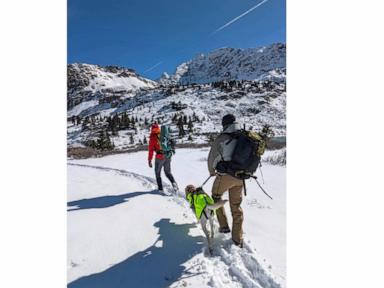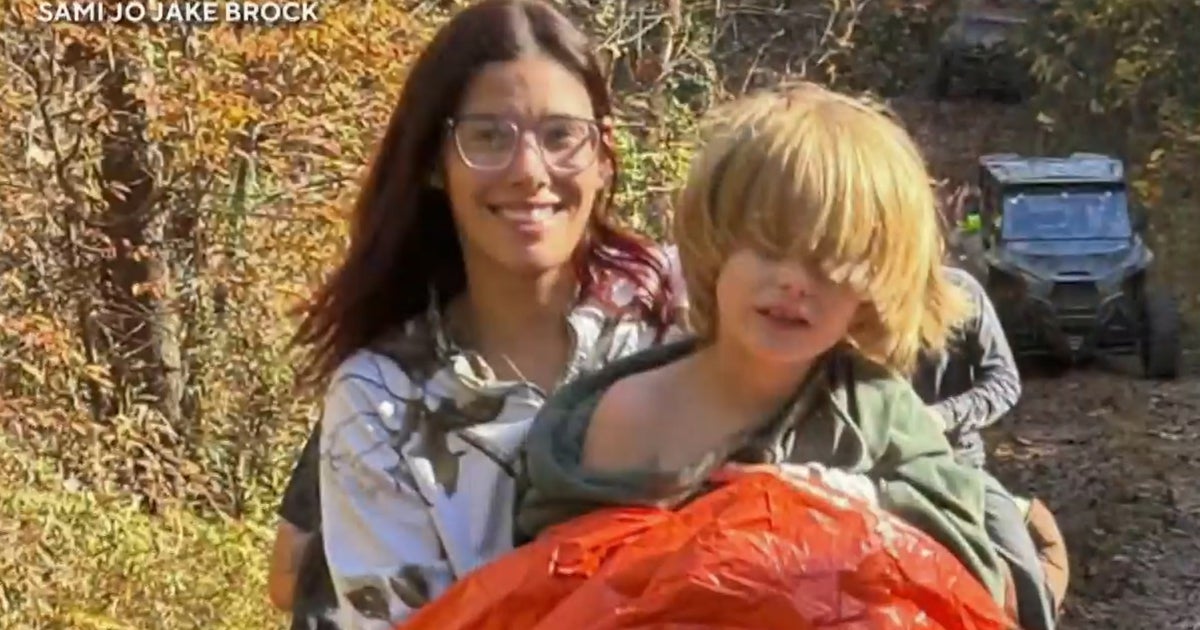
Rescuers describe grueling search for 6-year-old Kentucky boy and moment he was found
Roman Heilman, the 6-year-old who went missing in the eastern Kentucky woods for two days, was found Wednesday. Ian Lee reports.
CBS News · 1h ago

Roman Heilman, the 6-year-old who went missing in the eastern Kentucky woods for two days, was found Wednesday. Ian Lee reports.
President’s lawyers will try to persuade appeals court to toss criminal trial verdict over $130,000 sent to Stormy Daniels Donald Trump’s legal team on Thursday plan to continue efforts to get his 2024 conviction in the hush money election corruption case thrown out. Attorneys for the US president will try to persuade a New York appeals court to toss the criminal trial verdict from May 2024, when Trump was found guilty on all charges of falsifying business records in the hush-money corruption scheme to influence his eventual victory in the 2016 presidential election . Continue reading...
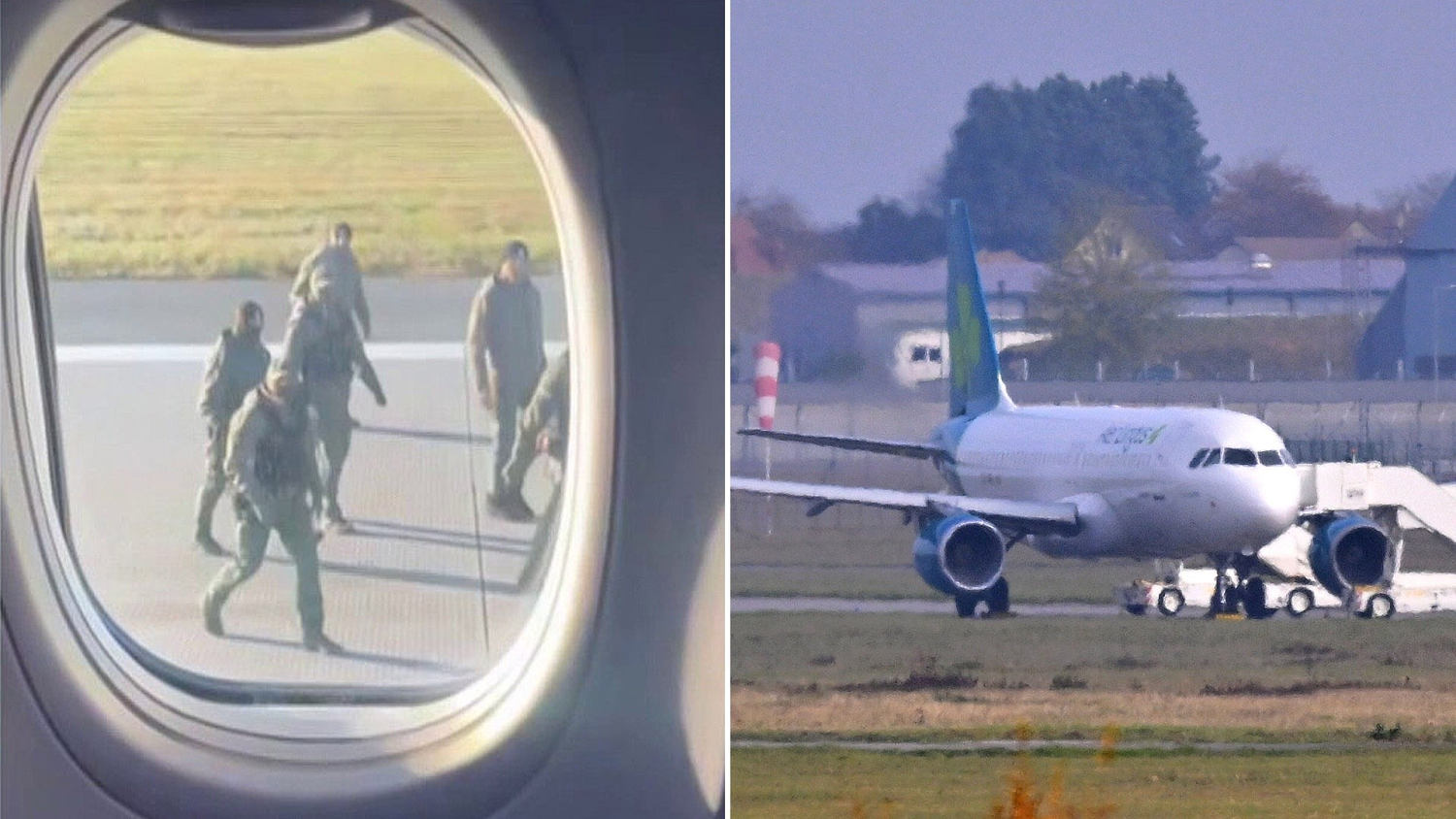
Flights across Europe have been targeted in a wave of alarming bomb threats. There have been no casualties, and no explosives have so far been found, but officials are taking precautions with bomb squads deployed in airports across the continent. NBC’s Daniele Hamamdjian reports for TODAY.
Shaun Stebbins, a former elementary school aide, faces dozens of charges after state prosecutors allege images and videos of students were found on his devices.
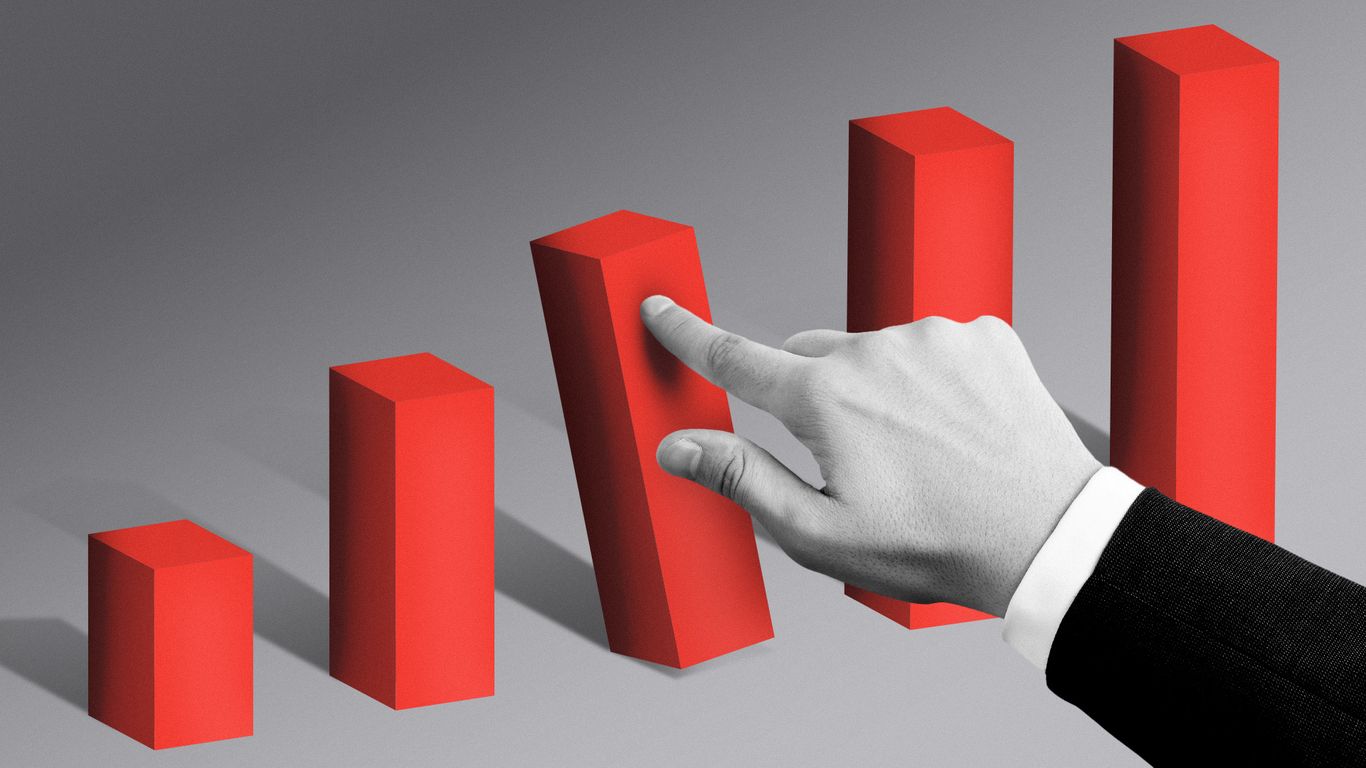
Democrats' midterm tsunami obscured a major polling miss: Surveys correctly anticipated a blue wave, but failed to capture its full force. Why it matters: Pollsters appear to have underestimated Democrats by a wider margin than they underestimated Republicans in 2016 or 2024 — even if they got the headline outcome right this time. By the numbers: Democrats are on track to win the national House popular vote by roughly 13 percentage points, compared with a final Silver Bulletin polling average of 8.9 points, according to an initial analysis by The Argument's Lakshya Jain . That roughly 4-point gap is similar to the 2020 polling miss that underestimated Republicans and larger than the average partisan errors in 2016 and 2024, though comparisons to presidential years are imperfect. The big picture: Pollsters entered the 2026 midterms having underrated Trump's support in three consecutive presidential elections. Their central challenge was accounting for Republican voters who might be missing from their surveys. Many polling organizations have sought to compensate by weighting results based on party affiliation or how respondents voted in previous elections. A Pew analysis found that nearly 70% of national polls used such political weighting in 2024. In an October analysis , The Washington Post warned that a collapse in turnout among Trump voters could cause polls calibrated to the 2024 electorate to underestimate Democrats. Tuesday's results raise questions about whether the industry's efforts to correct past polling misses contributed to a new one. Reality check: Some of the pollsters that projected the largest Democratic margins appear to have come closest to the final result. AtlasIntel placed itself first in a ranking of final national House polls based on its projection of the popular-vote margin. It's the second straight election where the pollster stood out for its accuracy. AtlasIntel's final poll showed Democrats leading by 14.1 points, just 0.3 points from th
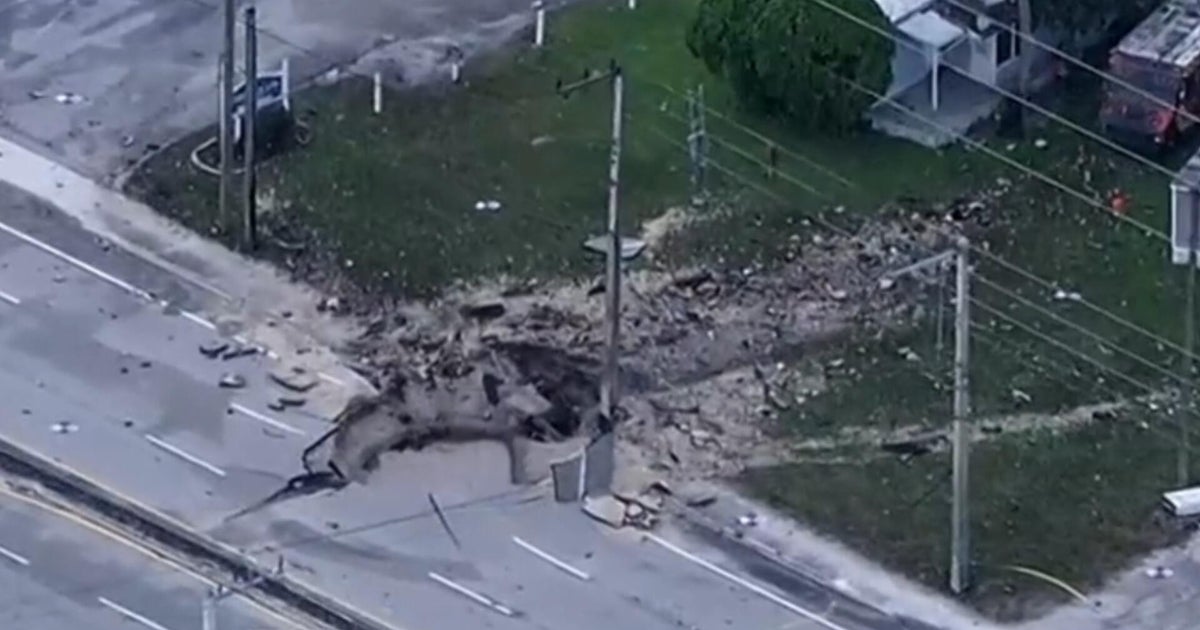
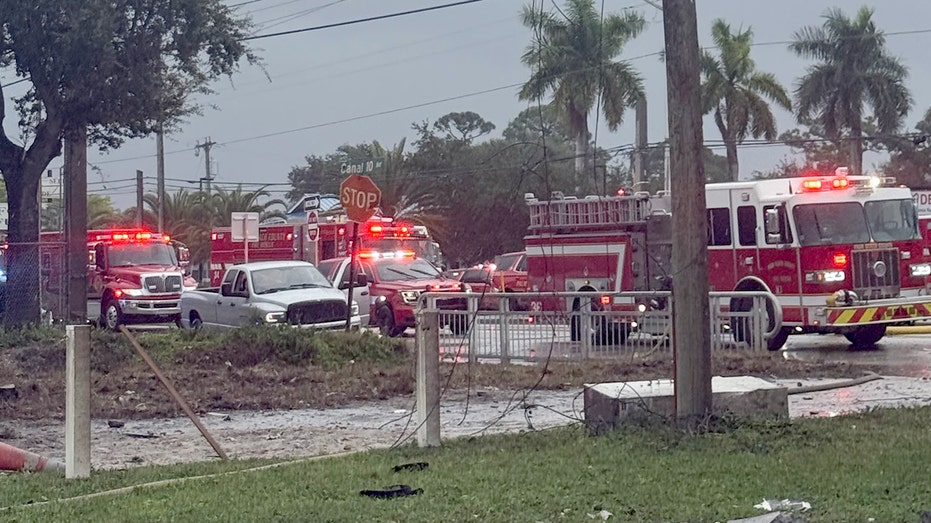
Parts of the plane that crashed in Florida, killing nine people, were found miles from where it hit the ground, officials said. Cristian Benavides reports.
A small alligator found its way into the back room of Bagel Dock Express in North Carolina before strolling into the main restaurant area, scaring employees. Continue reading...
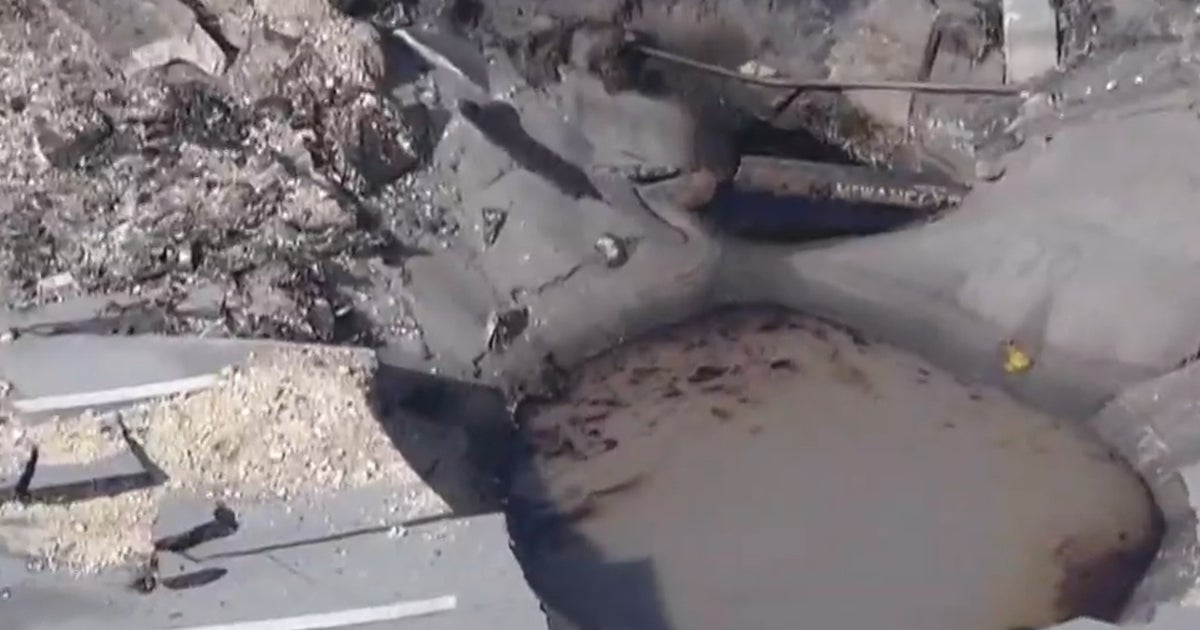
NTSB investigators found the Learjet 60's left tail elevator scattered up to 3.8 miles from the Florida crash site, pointing to an in-flight breakup.
Authorities say the two Colorado college students whose bodies were recovered last week died when an anchor they were using to climb failed and they fell a “substantial distance."
Transportation Safety Board investigators found pieces of the Learjet that crashed in Florida on Monday, miles from the crash site. Kris Van Cleave reports.
The mechanism that controls the vertical angle of the plane was found in three pieces, including one nearly four miles away. All nine people aboard were killed.
Jacob Allen Morley, 28, was found hundreds of miles away, near Kansas City, Mo., after breaching a fence last week at a correctional facility where he was serving a life sentence.
Video captures Zakary Dean Hirschfield's 100 mph chase through Douglas County before deputies found him hiding beneath a porch in his underwear.
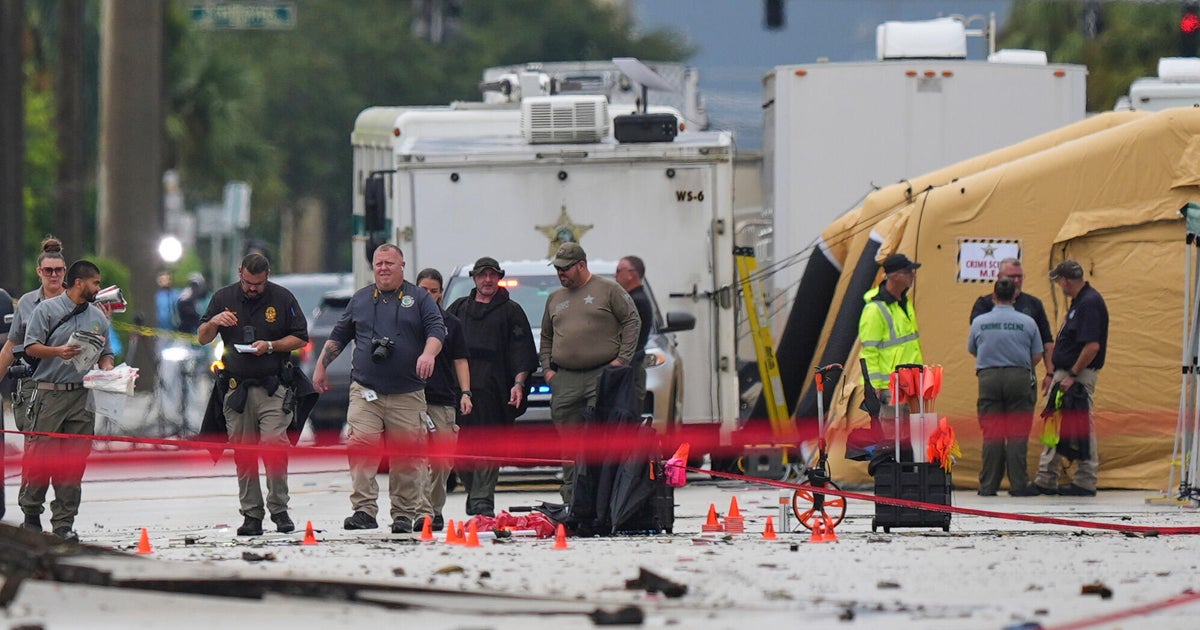
Nine people were killed when a Learjet 60 that departed Austin for the Bahamas crashed in Palm Beach County on Sunday.
The Learjet 60's left elevator was found miles from the Palm Beach County crash site, adding to evidence the jet broke apart before killing all nine aboard.
Cleveland Meredith, who pleaded guilty to a charge connected to a threat to kill Nancy Pelosi, was arrested on Monday, accused of threatening federal judges, prosecutors said.
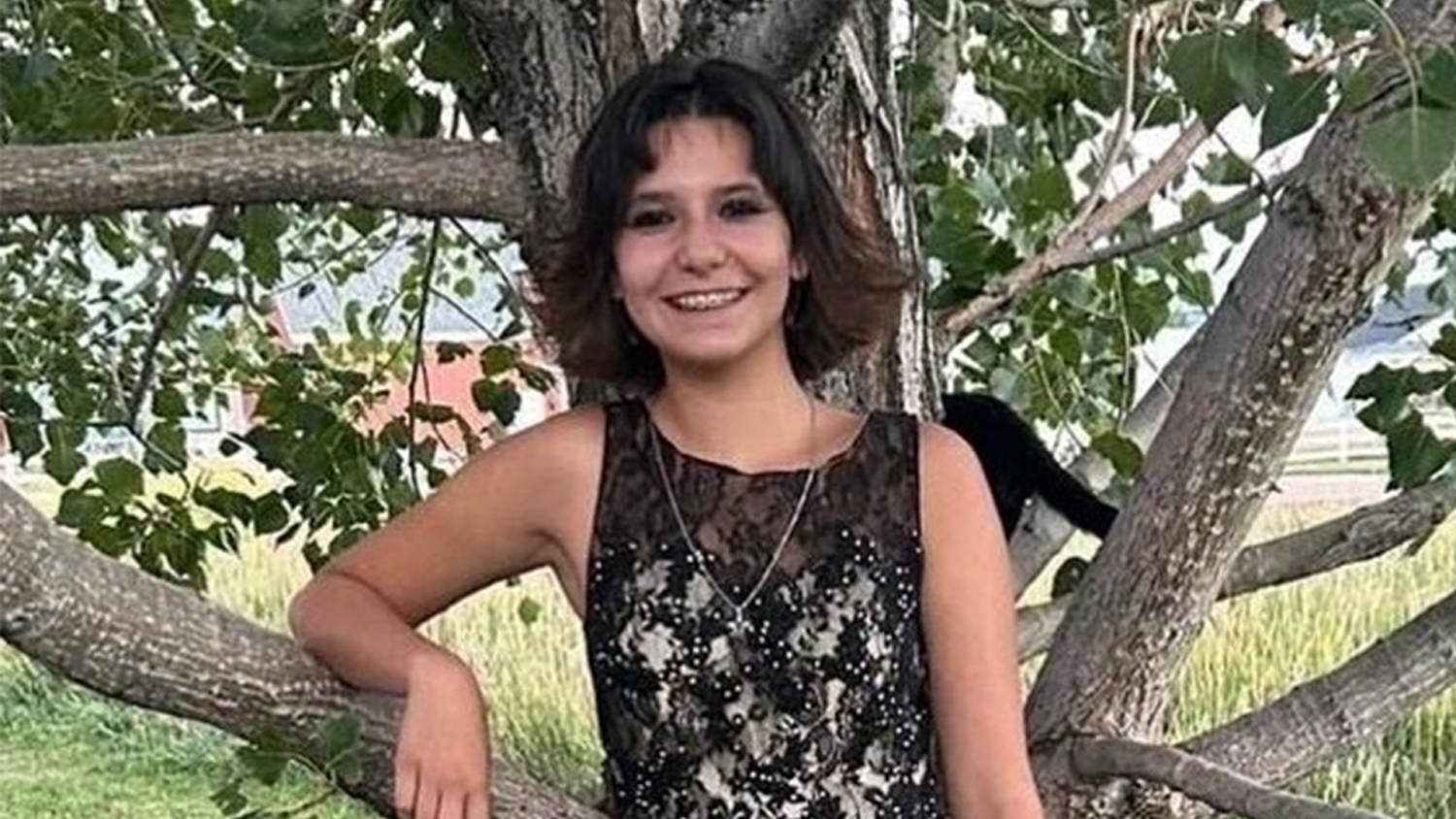
Utah teen Kylie Arellano vanished from Garden City in May 2025. She has now been found safe in Oregon, and a 39-year-old man has been taken into custody.
Compared to infants in the state’s low-pollution areas, the odds were 4.3 times higher for babies from toxic hotspots A study looking at babies hospitalized in New Orleans found that babies born to mothers from neighborhoods in south-east Louisiana with high levels of industrial pollution were four times more likely to suffer from severe congenital heart defects. Published last week, the study in the Environmental Health journal looked at medical records for 454 infants hospitalized at the two major Louisiana hospitals that can provide surgery for heart defects in babies. Researchers traced back where the mothers of these infants lived, examining the levels of industrial toxic pollution in their communities using the US Environmental Protection Agency’s risk-screening database. Compared to infants from low-pollution areas in the region, the odds of congenital heart defects were 4.3 times higher for infants from toxic hotspots, and 3.1 times higher for infants from places with intermediate levels of pollution. Continue reading...
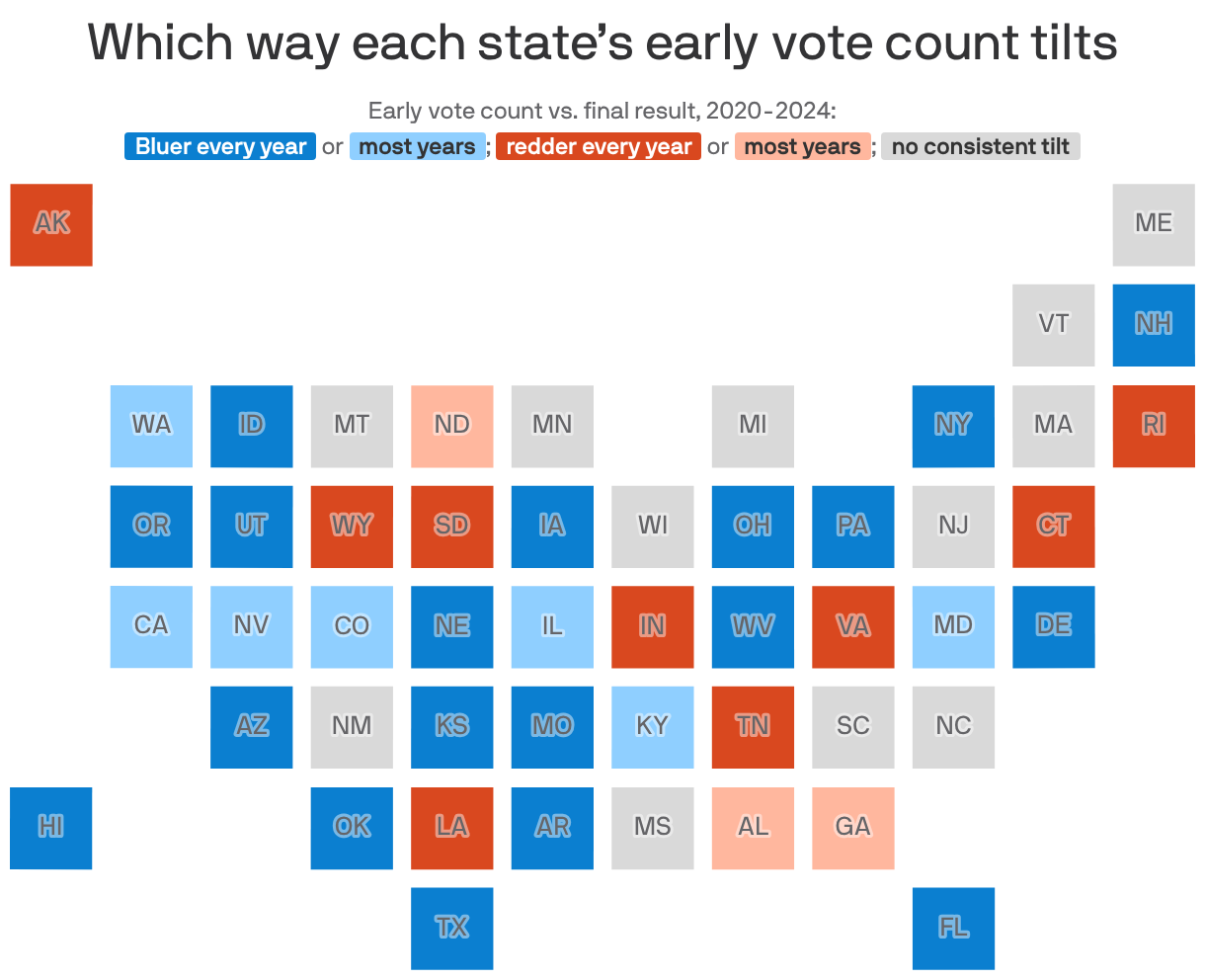
Data: AP via The New York Times and Axios research; Chart: Andrew Pantazi/Axios The first votes counted Tuesday night will almost certainly look redder than the final result, and control of the House and Senate could take days to settle. Why it matters: Early leads can create false impressions of who's winning and suspicion when those leads vanish. Election night is really election week. By the numbers: AP didn't call control of the House until seven or eight days after Election Day in each of the past three elections . The Senate was settled by 10:44pm on election night in 2018 and at 12:06am the next morning in 2024 . In 2022, it took four days , and in 2020, it wasn't called until Georgia's January runoffs , two months later. State of play: Republicans hold 53 Senate seats . Democrats need a net gain of four for a majority. The red head start: In every national election since 2018, the House and Senate votes counted by 9pm ET were 4 to 9 percentage points more Republican than the final result, an Axios analysis of AP and Edison Research vote counts found. It's mostly geography. Fast-counting Florida and other right-leaning states report first. At 9pm on election night 2022, Florida accounted for 40% of all Senate votes counted nationwide. By 11pm, more House races had been called for Republicans than Democrats in all four elections, including 2018 and 2020, when Democrats won the House. The tilt fades, slowly. At 6am Wednesday, the national House count was still 2 to 3 points more Republican than the final, largely because California, Washington and Oregon count for days. Data: Axios research; Chart: Andrew Pantazi/Axios Zoom in: Each state tilts its own way, depending on which ballots and which counties it counts first. States that count early and mail ballots first tend to start bluer than they finish. States that count Election Day votes first start redder. Ohio, Nebraska, Texas, Kansas and Iowa start blue. Sherrod Brown and Bernie Moreno were tied at 9pm in 2
Around the world, virtues such as compassion and kindness are gathering dust, like old hymn books in a long-deserted church Towards the end of the summer, the Tory-Reform defector Robert Jenrick authored an op-ed piece for the Daily Telegraph about the seemingly impossible economics of rising benefits bills because of mental ill-health. In his capacity as Reform’s Treasury spokesman, his task was to big up its plans to cut 25% of so-called welfare spending by 2030, and thereby tackle what he called the state’s “suicidal empathy”. Straight away, I wondered where this most opportunistic politician had borrowed that phrase from, and instantly found out: a book with the same title , published this year by the Canadian academic Gad Saad, whom the dust jacket describes as having particular expertise in “the use of evolutionary psychology in marketing and consumer behaviour”. It comes with an endorsement from Elon Musk. “Western civilisation is doomed unless the core weakness of suicidal empathy is recognised and actions are taken that are hard but necessary for survival,” says the world’s richest man. “All of Gad’s books, including this one, are great.” Continue reading...
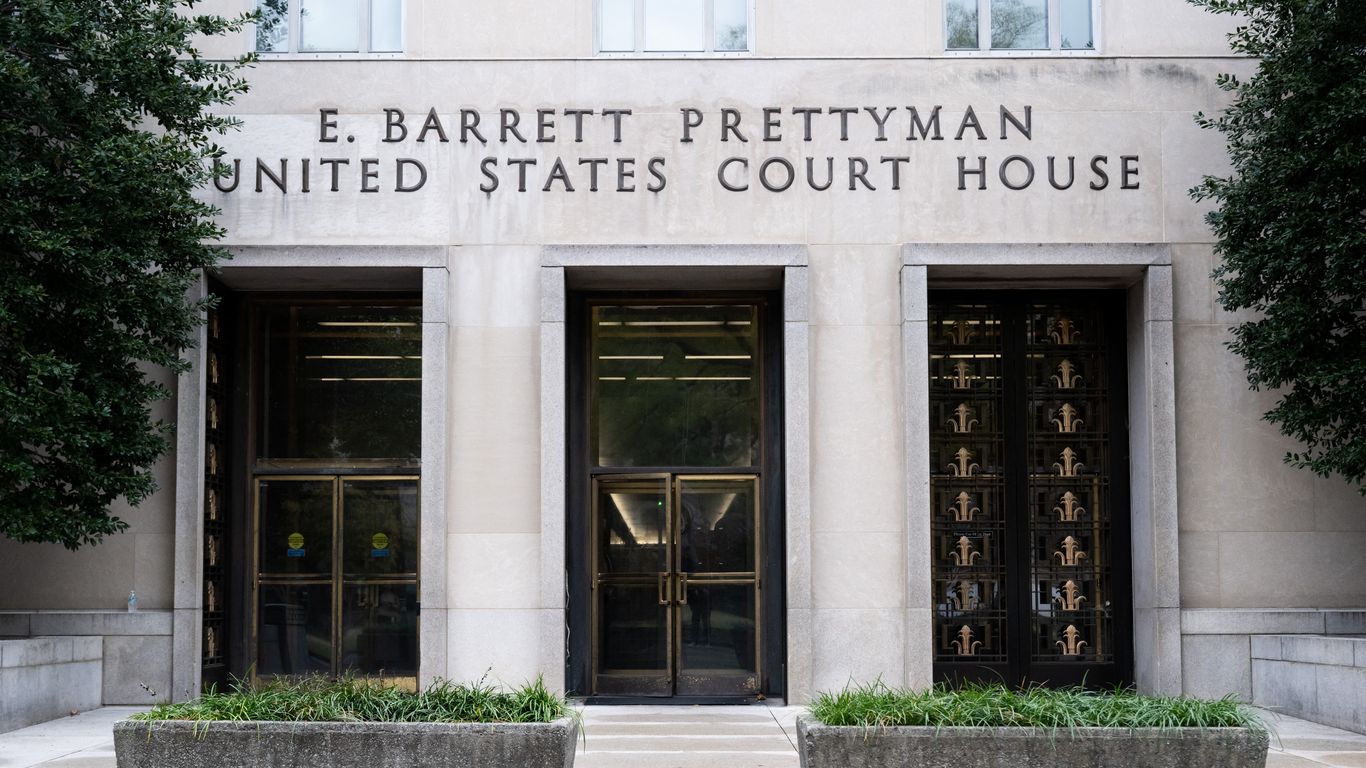
A federal judge on the eve of Election Day barred the Trump administration from demanding California officials set aside ballots from registered voters it suspects are noncitizens, finding the effort likely violates the Constitution. Why it matters: Courts had already rejected the Justice Department's attempts to force California to separate the ballots. Monday's ruling goes a step further, directly barring federal officials from making those demands even as DOJ turns to the Supreme Court to compel the state to comply. Driving the news: Chief U.S. District Judge James Boasberg ruled Monday that the Trump administration likely violated the Constitution by pressuring California officials to change how they count ballots. His order prohibits the Justice Department and the Department of Homeland Security from demanding officials set aside ballots or depart from existing state election procedures based on federal lists of suspected noncitizens. Boasberg found that the Constitution gives states and Congress, but not the executive branch, authority over election rules. The federal ban on noncitizen voting does not mean the administration can rewrite those rules. By the numbers: The DOJ claims it identified more than 20,000 suspected noncitizens on California's voter rolls. After Boasberg ordered DOJ to turn over its list, an expert found that at least 22 members of the Coalition for Humane Immigrant Rights — all known U.S. citizens — were wrongly included. The expert found another 66 members were almost certainly on the list. Boasberg found the expert credible and concluded the list's errors posed a real threat to eligible voters. What he's saying: "The President evidently believes that it would be good public policy for more stringent procedures to be put in place," Boasberg wrote. "No matter how strong that policy case may be, however, it does not justify overstepping the bounds of the Executive Branch's limited constitutional authority in this domain." The White House r
I found the best gifts for people who love to cook, including cookware, gadgets, and edible gifts from an array of brands, even favorites, like Le Creuset, Williams Sonoma, Staub and more.
Former US representative, health secretary and state attorney general is a shoo-in after a stunning comeback victory in primary It was Tuesday, and the man poised to be the next governor of California wanted to talk about Donald Trump . Xavier Becerra had come to Guelaguetza restaurant in Los Angeles to talk about Trump’s attacks on voting in the state, but instead found himself answering questions about a presidential provocation of a different order. Continue reading...
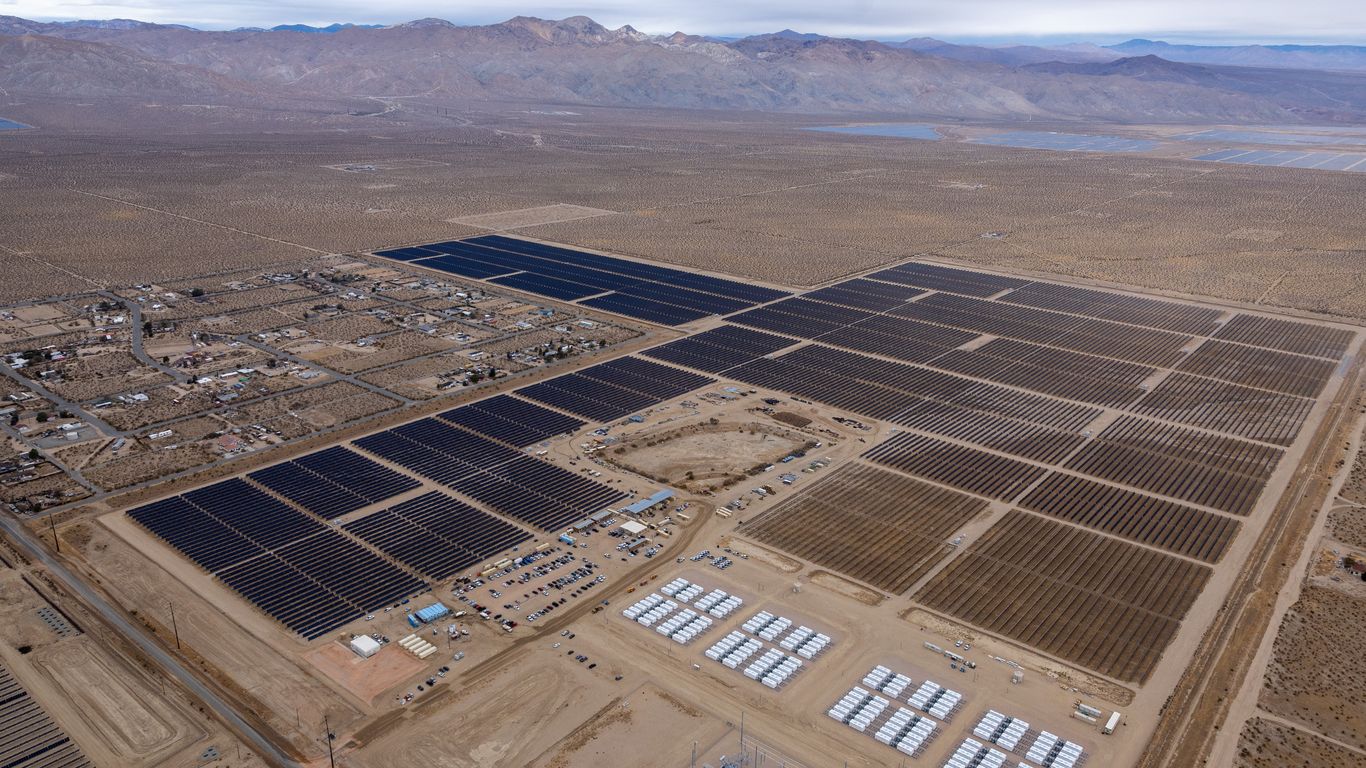
A powerful El Niño could bring major shifts in electricity supply and demand across the U.S. this winter, posing new challenges for utilities. Why it matters: The U.S. power grid has far more solar, wind and battery storage than during the last major El Niño, and the ongoing event could reveal whether that changing energy mix has made the grid more resilient or left it vulnerable in new ways. Driving the news: A very strong El Niño is strengthening in the tropical Pacific and is expected to continue into spring 2027, the National Oceanic and Atmospheric Administration says. NOAA's latest outlook favors wetter-than-normal conditions across California , the Southwest and much of the southern U.S. this winter, while the northern Rockies and parts of the Great Lakes lean drier and much of the northern U.S. leans warmer. The intrigue: El Niño doesn't affect every electricity resource the same way. A March study found that previous super El Niños were associated with reductions in potential solar power output of nearly 5% in parts of California over 12 months — and more than 10% in the state's north during winter. Vincent Tidwell, chief scientist at Pacific Northwest National Laboratory, says a wetter California winter could boost hydropower, while reduced precipitation or snowpack in the Pacific Northwest could cut generation there. Erik Smith, a climate scientist at the Electric Power Research Institute, tells Axios the Southeast is another region to watch for reduced solar generation as El Niño favors cloudier conditions. California now has more than 21 gigawatts of battery capacity , giving the grid another tool to manage fluctuations in electricity supply — one it barely possessed during the last very strong El Niño. The Columbia and Snake river basins accounted for roughly 62% of Western U.S. hydropower generation between 2001 and 2020, according to a Pacific Northwest National Laboratory analysis . Tidwell tells Axios that the Western grid is accustomed to shifting
I've spent the past week trying to figure out whether Apple's $2,000 iPhone Duo is the future of smartphones or just an expensive way to do things I could already do on my regular iPhone. The answer, unsurprisingly, is a bit of both. Why it matters: Apple wasn't first to the folding smartphone party. Samsung, Google and others began making them years ago. But Apple's arrival in a category has a way of reinventing it. The big picture : The most exciting thing about Apple's first foldable iPhone isn't necessarily what it can do today but what it can become. Already, it's inspiring developers to explore possibilities that could reshape how we use our devices. Old habits die hard One of my first surprises was how little I initially used the Duo's biggest selling point: its folding screen. While other reviewers talked about endlessly opening and closing their devices, I found myself mostly using the smaller outside display. After years of conventional iPhones, it was a mix of instinct and muscle memory. Zoom in: Over time, though, I found reasons to unfold it. Watching sports was one of the clearest advantages. I pulled out the Duo at Starbucks to watch the 49ers with my son and later followed a tied World Series game in a doctor's waiting room. At the WNBA Finals, having forgotten my laptop, I managed some quick edits to a story about Anthropic's IPO . I wouldn't want to write a full article that way, but it was reassuring to have the option. Playing the New York Times' Spelling Bee alongside its Spelling Bee Buddy helper was a small but delightful example of multitasking without constantly switching apps. Between the lines: The Duo's advantages aren't always about more screen space. Sometimes they're about what you can physically do with a phone that bends. I tried watching Netflix with the phone unfolded, propped up like a tent and partially folded into a miniature laptop. I also used the Duo's ability to stand on its own to capture wide shots of the WNBA Finals from
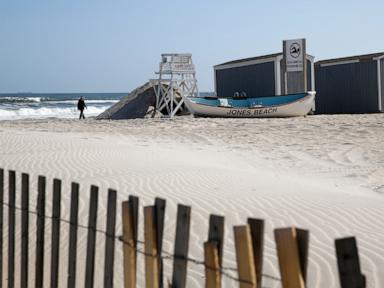
An amateur historian says he’s found evidence that the namesake of New York's popular Jones Beach played a key role in an infamous pirate heist in the Red Sea centuries ago
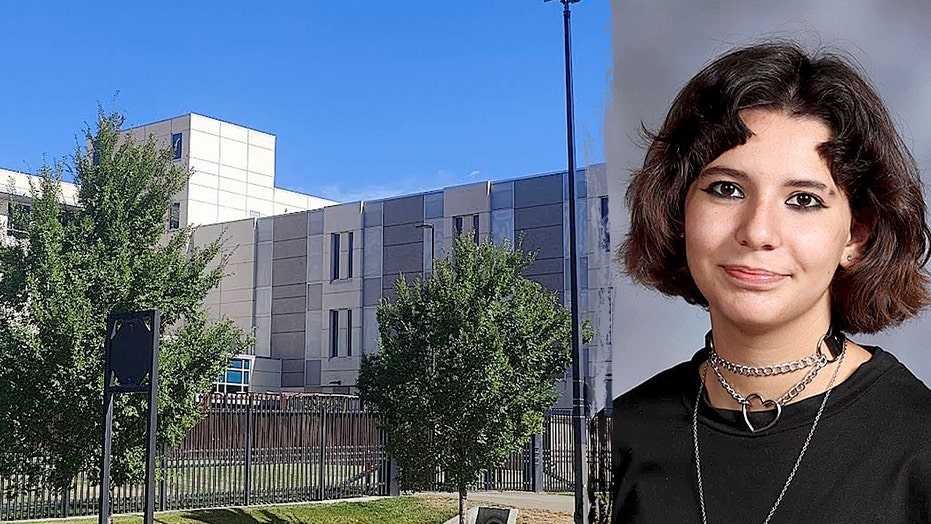
Kylie Arellano was found safe in Oregon with a 39-year-old man after vanishing from Utah more than 500 days ago, ending a massive FBI search.
Florida Republicans aren't panicking about sluggish turnout for the midterms , but in the words of one GOP elder: "We're white-knuckled." Why it matters: Florida once looked like a much safer Republican bet for the midterms. Losing any statewide race would stun and embarrass its elite Republican residents, starting with President Trump . "I don't necessarily want to be the bearer of bad news, but I don't think the turnout is as strong as we would like to see," Florida Gov. Ron DeSantis fretted last week. The biggest GOP concern is U.S. Rep. Byron Donalds' campaign for governor, though most polls show him narrowly leading Democrat David Jolly. Donalds has raised $176 million; Jolly just $28 million. Zoom in : The GOP's jitters are rooted in early turnout data. Republicans led Democrats in early ballots cast by just 2.8 percentage points as of Saturday afternoon. That's much lower than in the past two general elections — and it's despite a much-bigger Republican registration advantage over Democrats: 11 points. Republican turnout is weakest in parts of the conservative Panhandle and rural North Florida, including many of the 17 counties Donalds lost in the Republican primary. In those 17 counties, GOP turnout is 3.2 points below 2022, compared with 1.1 points below in counties that Donalds won, University of Florida political scientist Michael McDonald found. Between the lines: Republican turnout is made up of more habitual voters, while Democrats and independents are banking ballots from people who don't always show up. That could benefit Jolly if polls underestimate those voters. Democrats already have surpassed their entire 2022 early and mail-in vote totals in 15 counties, compared with four counties for Republicans. Nearly every poll shows independent voters favoring Democrats by double digits, so Republicans need a heavy turnout advantage. About two-thirds of Florida voters typically cast ballots before Election Day, making the early and absentee margins critica
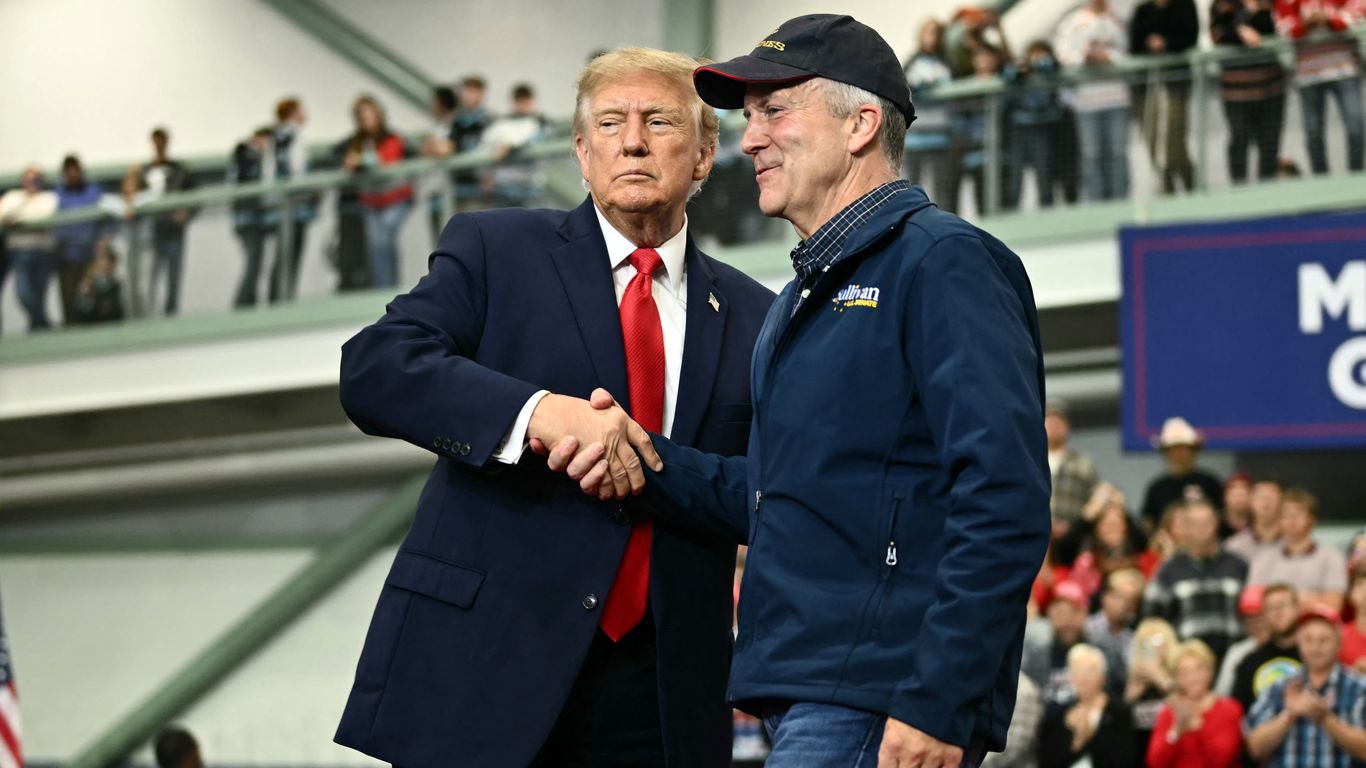
More than 40 third-party candidates in pivotal House and Senate races across the country are receiving support from outside super PACs, many of which have ties to the two major parties, an Axios analysis has found. Why it matters: The sums being thrown around, which total more than $16.5 million, are far greater than virtually any of those candidates have raised or spent on their own. The super PACs have spent an average of $375,000 more than the third-party candidates they are supporting. More than half of the 43 candidates haven't filed any financial paperwork with the Federal Election Commission. While it is a comparative drop in the bucket for a midterm that has already seen billions in ad spending nationally, the money will likely play an outsized role in races that are set to be decided by razor-thin margins. Those races, in turn, will help decide the balance of power in Congress next year. Data: Federal Election Commission; Note: Heikes is a self-identified Republican, but Sen. Dan S. Sullivan is the Republican Party-endorsed candidate in the race; Table: Andrew Solender/Axios The top spenders nationwide have been a pair of obscure groups which, like many of the other "pop-up" super PACs in this story, were formed this month and therefore won't have to disclose their donors until after Election Day. Buckeye Freedom PAC has reported spending more than $3.8 million on ads in Ohio's U.S. Senate election supporting Libertarian Bill Redpath and opposing Republican Sen. John Husted, who is in a tight race with Democratic former Sen. Sherrod Brown. Alaska Values PAC has disclosed spending $3.8 million backing Gerald Heikes, a self-identified Republican running on Alaska's ranked-choice U.S. Senate ballot with Republican Sen. Dan S. Sullivan and Democrat Mary Peltola. Between the lines : Third-party candidates in Alaska are facing national scrutiny after the New York Times reported that Heikes and another self-proclaimed Republican on the ballot, Dan J. Sullivan, wer
A fight over whether the 2030 Census should stop asking about race and ethnicity has drawn more than 100,000 public comments, according to advocates tracking the federal docket. Why it matters: The change could weaken the nation's most complete snapshot of race — data used in civil rights enforcement and redistricting — just as America grows more multiracial. Catch up quick: The Census Bureau proposed in September to stop asking Americans about their race and ethnicity on the once-a-decade census. The Census Bureau says a shorter form could encourage more people to respond, while greater use of existing government records would reduce the need to ask certain questions. The proposal wouldn't end federal race data: Census could obtain demographic data from government records and other sources and ask about race and ethnicity on the American Community Survey (ACS) and other surveys. But civil rights advocates say that would give the federal government more power to determine people's race and ethnicity , rather than the respondents, leading to inaccurate data. State of play: Census extended the comment deadline from Oct. 13 to Nov. 2. An outside analysis of 52,424 published comments through Oct. 16 found 86% opposed the overall proposal, while 88% addressed removing race and ethnicity questions. This week, an advocacy alert citing Regulations.gov said the docket had topped 108,000 submissions . These comments are not meant to be treated like a survey or poll, but show that people who feel strongly enough to comment tend to be opposed. What they're saying: "If you've ever fought for political maps or explained why race or data matters...it is vital that you tell the Census Bureau what losing that information is going to mean to your work and to your community," said NC Counts Coalition executive director Stacey Carless. The big picture: Race has appeared in some form in every decennial census since 1790, but how Americans identify themselves has changed dramatically. Th
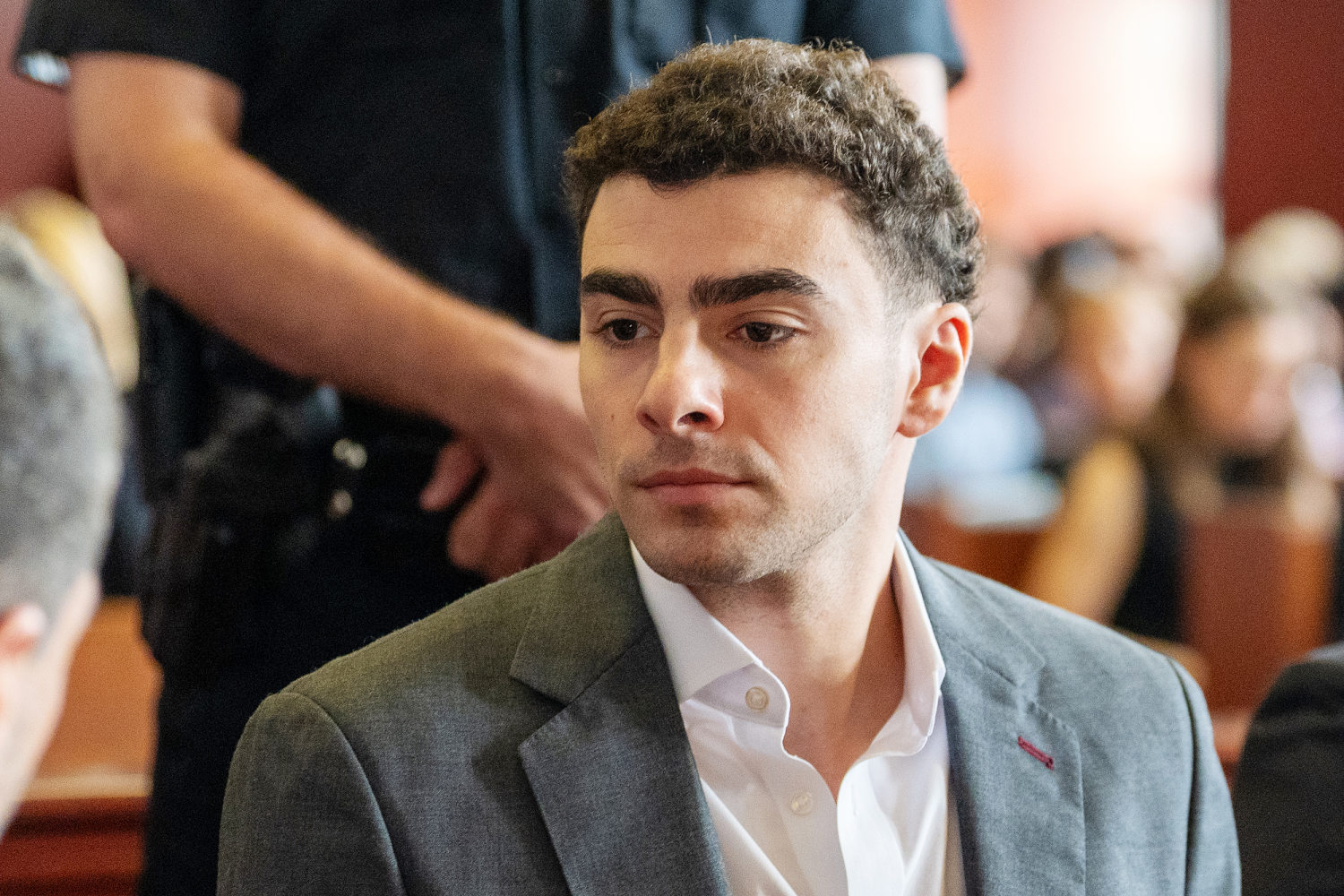
Lawyers for Luigi Mangione on Friday continued to push for the dismissal of his state court murder and weapons case, arguing that his guilty plea to federal stalking charges two months ago bars a separate trial.
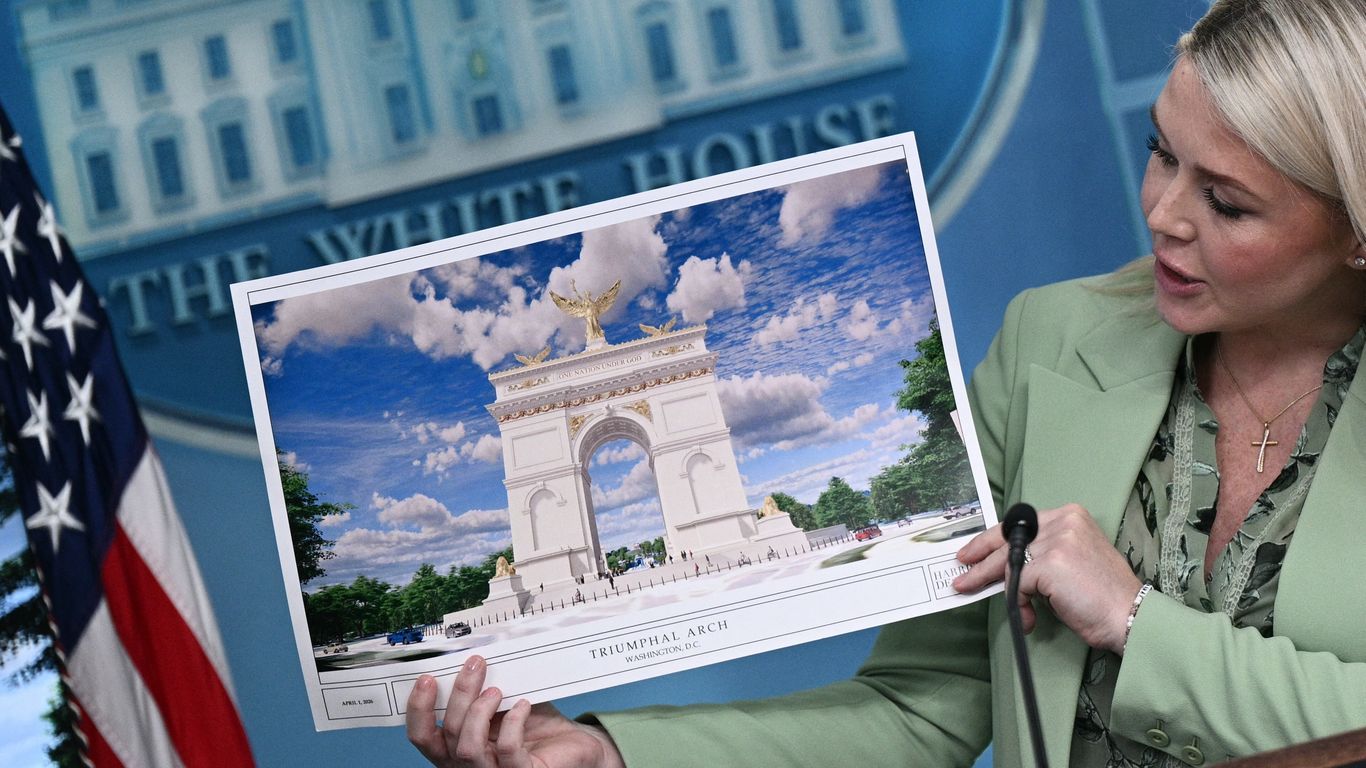
The governments of Washington D.C. and Virginia asked a federal court to block construction of President Trump's planned " triumphal arch ," claiming it's unlawfully tall and would snarl traffic for years. Why it matters: It's a last-minute gambit to stop construction before the multi-year project begins, potentially as soon as this coming week. What they're saying: " This project is flagrantly unlawful," the two governments said in a Saturday filing in D.C. federal court, first reported by the Washington Post. "During the three-year period of construction, the Arch project will inevitably snarl traffic between the jurisdictions, produce pollution and stormwater runoff in the Potomac, interfere with emergency services, and pose numerous other challenges," they argue. They further claim that the defendants — the National Park Service and the Interior Department — have rushed the project without the proper consultations. The city and state are asking a judge to issue injunctions to stop any site preparation or construction on the project. Zoom out: The proposed 250-foot arch would be one of the largest such monuments in the world, sparking concerns that it could interfere with other national symbols, block views and even complicate landings for pilots at nearby airports. (The FAA found otherwise.) The Park Service's own August report indicated the construction of the arch would have adverse effects on nearby monuments and landmarks. The other side: The administration has argued it will be a major tourist attraction — but also vital to national security, serving as a base for snipers and drones. The White House was not immediately available to comment Saturday on the D.C. / Virginia petition. What's next: A federal judge held a hearing Friday on a separate challenge to the arch, and indicated she may block construction at least temporarily.
Legal experts welcome judge’s rejection of firing of James Comey’s daughter prosecutor but warn an appeal is likely A recent legal ruling against an effort to fire the star-prosecutor daughter of a former FBI chief targeted by Donald Trump could send a strong message about politicized firings – and influence other judges weighing similar cases, legal veterans said. Judge Jesse Furman ruled this week that the Department of Justice’s firing of assistant US attorney Maurene Comey without cause was unlawful. Comey, the daughter of former FBI director James Comey, successfully litigated numerous high-profile cases during her tenure at the southern district of New York, including guilty verdicts against Ghislaine Maxwell and Sean “Diddy” Combs. Continue reading...
Environmental Defense Fund analysis shows administration handed out $950m and Clean Air Act exemptions It’s a good time to be a coal plant in the US. The Trump administration has given support to almost half of the nation’s coal plants, helping them to continue operating despite economic and regulatory headwinds, according to a new analysis by the Environmental Defense Fund. The analysis, which looked at the 184 operating coal plants that are connected to the grid, found that 90 received support from the Trump administration through “cash handouts, free passes to pollute, and requirements to stay online past their retirement dates”. Continue reading...
The unprecedented measure has enormous potential nationwide. The clash exposes the party’s corporate-progressive divide Midway through this summer, a high-quality poll found that Democrats in California were overwhelmingly in favor of the upcoming ballot measure for a one-time 5% tax on billionaire wealth. The ratio was more than 4 to 1. But the state’s most powerful Democrats – including the governor Gavin Newsom, his near-certain successor Xavier Becerra and the Los Angeles mayor Karen Bass – have lined up with Silicon Valley billionaires who’ve raised upward of $340m to defeat the initiative. Continue reading...
Data: U.S. Census Bureau, 2025 American Community Survey 1-year estimates; Table: Russell Contreras/Axios Homeowners were nearly twice as likely as renters to have an electric vehicle in 2025, new Census data show, revealing a striking divide in America's shift to electric cars. Why it matters : Homeownership is just one factor in EV adoption, but reliable access to charging is critical — giving homeowners with private driveways or garages an advantage over renters, particularly those in multifamily buildings. By the numbers: About 7.3 million U.S. households — 5.5% of the nation's 134 million — reported having at least one EV, according to the 2025 American Community Survey released Thursday. Homeowners reported EVs at a rate of 6.4%, compared with 3.6% of renters. California led the nation at 13.8% overall, more than twice the national rate. North Dakota (1.3%), Wyoming (1.6%) and Louisiana (1.6%) ranked among the lowest. State of play: For the first time, the Census Bureau asked households with vehicles kept at home whether they owned or leased an EV, offering a nationwide snapshot of who has gone electric. The figures cover fully electric vehicles and plug-in hybrids. Our thought bubble: Many factors, including local government policies, can influence EV adoption rates, but ultimately, it comes down to affordability and access to charging, says Axios Transportation Correspondent Joann Muller . Homeowners with higher incomes are more likely to afford EVs, sometimes as a second car. The intrigue: A 2026 study by researchers at the University of Vermont and University of California, Davis, found higher home-charger installation costs at rental properties in Burlington, Vermont. Renters were also less likely to adopt fully electric vehicles, even after researchers accounted for home values and vehicle preferences. Zoom in: Even California, the nation's EV leader, has a sharp homeowner-renter divide, new Census data show. About 17.7% of homeowners reported an EV, com
The latest wave of hyperscaler earnings is spooking Wall Street. Bulls and bears alike have evidence to validate their wildest dreams — or their worst nightmares. Why it matters : The market's AI obsession has entered its Jekyll and Hyde era, with the latest earnings from tech giants offering contrary signals about the AI boom. Driving the news : The tech-heavy Nasdaq briefly sank into correction territory, falling 10% from its prior peak, losing $1.2 trillion in value for the month of October, after a slew of earnings reports pointed to AI's big risks. But it wasn't all horror: within the earnings statements, some investors found proof that the AI bet is going exactly as it should. Here are three examples of the AI trade's deepest contradictions — the good and the scary — from the earnings releases and calls of the Big Tech hyperscalers. Google: The scary: AI overviews are cannibalizing Google's core business: ad revenue from search. Yes, search queries are up, but results in AI mode have lower margins. The company has lost more than $500 billion in market value post-earnings, bringing the broader tech sector along with it. The good: Google Cloud is closing in on Microsoft's Azure cloud revenue, a stunning development given that Google was an also-ran in the cloud game only a few years ago. Much of Google's success is tied to demand for its TPU chips, which analysts expect to see massive growth in coming quarters. The takeaway: Google's predicament mirrors the problems of many tech giants, where AI represents a true threat to the golden goose but presents new opportunities if they can move fast enough. Microsoft and Amazon: The good: Both companies had explosive cloud growth, though the market was disappointed Amazon's wasn't higher. Microsoft touted its OpenAI investment and Amazon its Anthropic holdings. The iffy: Those private AI investments can help or hurt: Amazon's net income fell despite soaring operating profits, as it didn't repeat the pretax gain from its
A federal judge Friday blocked the Trump administration from threatening election workers with criminal prosecution for counting ballots cast by registered voters the administration claims are ineligible. Why it matters: The emergency order, issued four days before the midterms , prohibits federal pressure to sideline ballots based solely on allegations of ineligibility and forces the Justice Department to walk back threats it already sent to election officials. The big picture: The ruling adds to a series of courtroom losses for the administration, as federal officials intensify election-related investigations and challenges across the country. Judges are warning that federal threats and investigations are driving citizens out of elections and putting lawful votes at risk. Driving the news: U.S. District Judge Trina Thompson found that the Justice and Homeland Security departments likely violated the Voting Rights Act's prohibition on voter intimidation and exceeded their constitutional authority over elections. Her temporary restraining order prohibits demands that states remove registered voters, withhold their ballots or stop counting votes solely because the administration claims the voters are ineligible. It also bars threats of criminal prosecution against election workers who refuse those demands or process ballots in accordance with election laws. The judge ordered prosecutors to disclose pending search warrant applications, grand jury subpoenas and other demands related to its lists of allegedly ineligible voters. What she's saying: Thompson found the administration's actions forced election workers to choose between complying with "Defendants' unlawful demands" or risk criminal prosecution for performing their jobs. "In the lead-up to the election," she wrote, "high-ranking DOJ and DHS officials have engaged in a campaign to intimidate, threaten, and coerce state and local officials and employees who are engaged in administering the ongoing midterm 2026 e
A beloved Oberlin College professor and his wife were fatally shot in their Ohio home Wednesday, police said.
Congress must act to ensure that families are able to heat their homes before the start of the season Heating oil may be the clearest warning yet of how the war in Iran is deepening the US’s energy affordability crisis. Families who heat their homes with oil are facing bills that could be 50% higher this winter, adding nearly $900 to the cost of keeping their homes warm. These families were already struggling before the war began. As the Guardian recently reported , research by my organization found that electricity shutoffs in 10 states had increased 28% over the past two years. Millions of Americans were already falling behind on their utility bills, forced to choose between paying for energy, food, medicine and rent. Now they face another round of increases in gasoline, electricity and home heating costs. Continue reading...
‘Even though economists warned that tariffs would be inflationary, Trump has enthusiastically embraced them’ Donald Trump successfully campaigned for his second term two years ago promising to reduce prices on day one , but ever since he returned to the White House, he has done little to fight inflation or reduce prices. Instead, some of his most important policy decisions – most notably his war against Iran and his tariff wars – have increased inflation instead of reducing it. This helps explain why more than one in five Americans who voted for Trump now disapprove of the job he’s doing. Even though economists warned that tariffs would be inflationary, Trump has enthusiastically embraced them during his second term. Indeed, the “ liberation day ” tariffs he imposed soon after returning to office increased the price of hundreds of goods, including citrus fruits , steel, bananas, beef and auto parts. When the supreme court overturned those tariffs as illegal, Trump immediately imposed new 10% across-the-board tariffs that again helped push up prices (a lower court found those tariffs unlawful, too ). Time and again, Trump has slapped on new tariffs even though they inherently push up prices because tariffs are a tax on imported goods. Little wonder that a Fox News poll this month found that 77% of Americans disapprove of how Trump has handled tariffs. Continue reading...
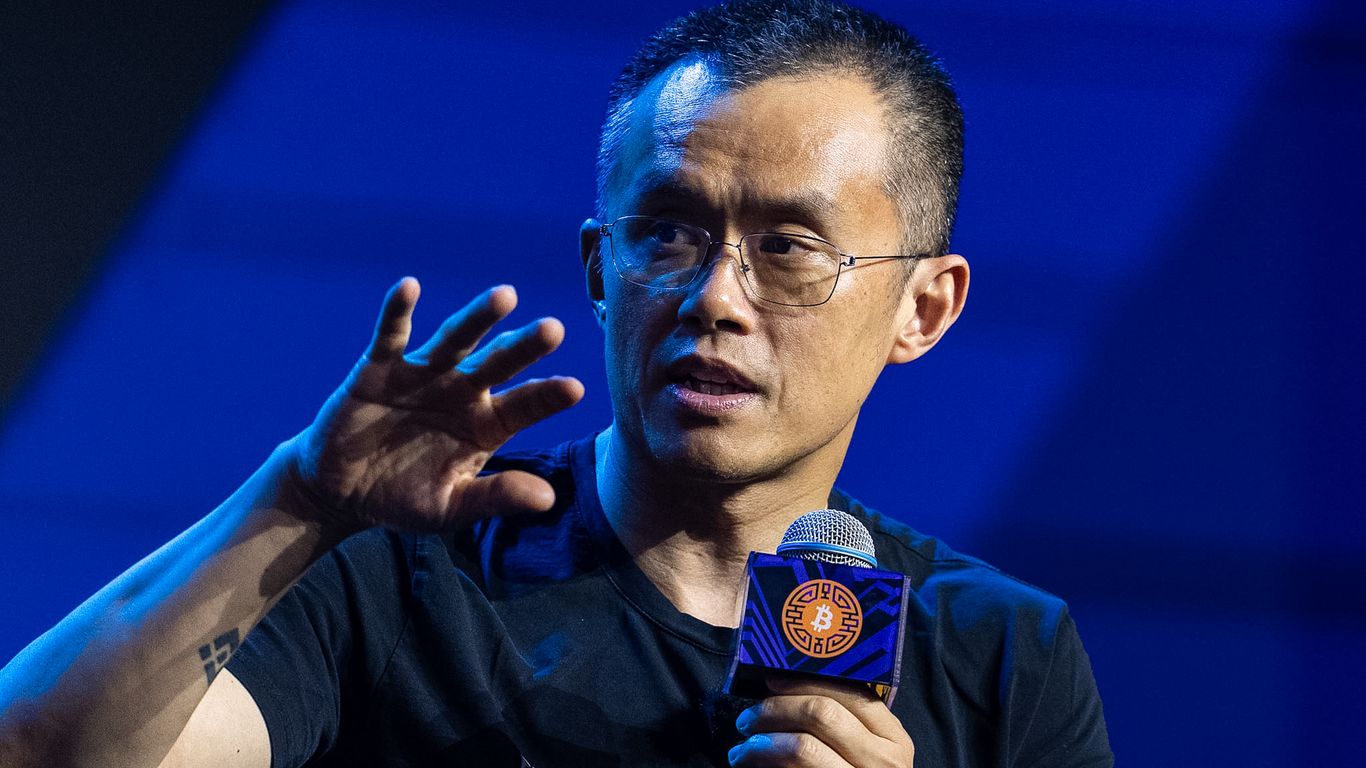
Binance halted trading Thursday after hackers allegedly linked to North Korea stole more than $6 billion, the largest crypto hack in history. Why it matters : The attack comes after a wave of high-profile cyber intrusions and data breaches during "Black October," when a series of security incidents and AI -discovered bugs triggered fears of a global crisis. Driving the news: Binance co-founder Yi He said on X that the crypto exchange had suspended deposits and withdrawals. "User funds are safe," she wrote. "Binance will cover all hacking losses." An estimated $6.3 billion were drained from wallets in the incident, Binance said , although the exchange and partners managed to freeze about $3 billion that can potentially be recovered. "This is unprecedented," said Kevin March, a co-founder of JPEG Trading, a cryptocurrency trading firm that closely tracked the hack to monitor market conditions. An initial investigation found linked the hack to a compromised laptop from one Binance engineer. That access allowed an attacker to gain access to Binance's systems to make withdrawals, the exchange said. Zoom in : Researchers from TRM Labs and Pangolin Intelligence found that the attack appeared to be the work of a North Korean hacking collective. "This was absolutely North Korea," Nick Carlsen, a senior TRM investigator, told The Wall Street Journal . Representatives of North Korea have previously denied allegations of hacking crypto exchanges. The country has turned hacking and scams into an industrial-scale scourge, focusing on crypto heists and a widespread practice of tricking Western companies into hiring North Korean workers . A Binance spokesperson said the exchange's security teams are "reviewing all relevant information with urgency." The big picture: If estimates hold up, the suspected Binance hack would be the biggest crypto attack in history. In 2025, North Korea-linked hackers stole about $1.5 billion worth of crypto from the Bybit exchange. Between the lines : C
Alaska's tight Senate race is facing a new controversy over two candidates named Dan Sullivan appearing on the ballot — a twist that's drawn attention from President Trump . The big picture: The controversy is adding uncertainty to one of the nation's most competitive Senate contests, with control of Congress on the line in next week's midterm elections. Catch up quick: The New York Times reported this week that Democratic operatives with ties to Mary Peltola's Senate campaign helped recruit a candidate named Dan J. Sullivan to challenge Republican incumbent Dan S. Sullivan. Trump accused Peltola and Democrats of election fraud and called for criminal prosecution, though the Times did not establish that any laws were broken. Alaska Gov. Mike Dunleavy ordered an investigation into Peltola's campaign over the NYT report. House Republicans are also launching an Alaska Senate race probe. Though the presence of two Sullivans in the Senate race has been known for months, the Times' report adds a new wrinkle to a dispute that's already reached the courts. Here's what to know about the controversy. The same-name Senate race controversy The controversy centers on two candidates with nearly identical names appearing on Alaska's Senate ballot: Republican incumbent Dan S. Sullivan and unaffiliated challenger Daniel J. Sullivan Jr. The ballot will show registered Republican "Sullivan, Dan S." and unaffiliated candidate "Sullivan, Daniel J. Jr." Peltola and Republican Gerald Heikes will also be on the ballot. The challenger initially filed as a Republican but later changed his registration to undeclared. He will appear on the ballot without a party label. Flashback: Concerns about the duplicate names have existed for months. In June, a top Alaskan election official ruled that candidate Daniel J. Sullivan was ineligible to run on the state's primary ballot. The official said she found the candidacy was "filed with a purpose to confuse or mislead and to thereby compromise the ballo
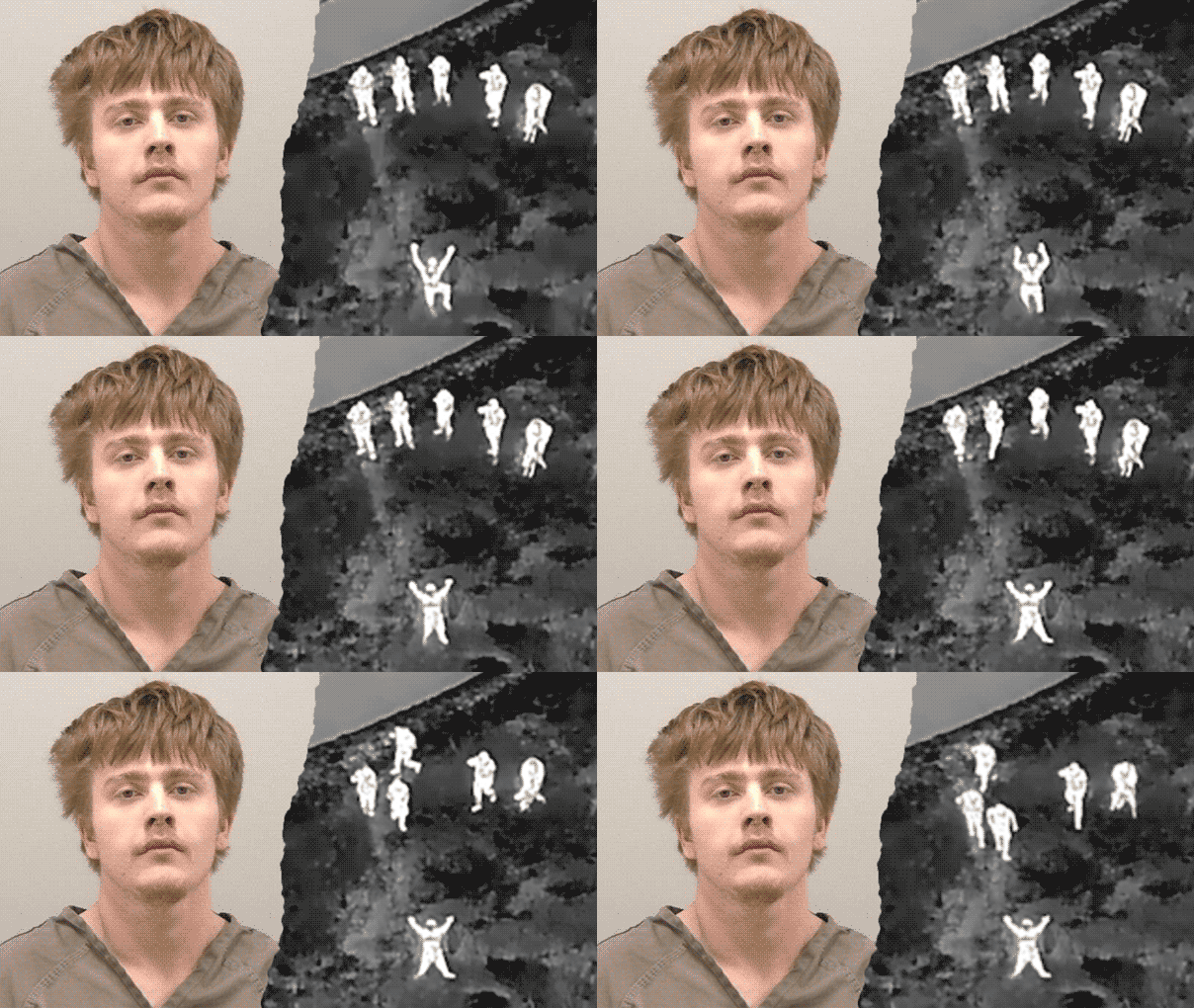
An Egyptian man returns to court Thursday to change his not guilty plea to federal hate crime and other charges for a deadly firebombing attack on demonstrators in Colorado last year
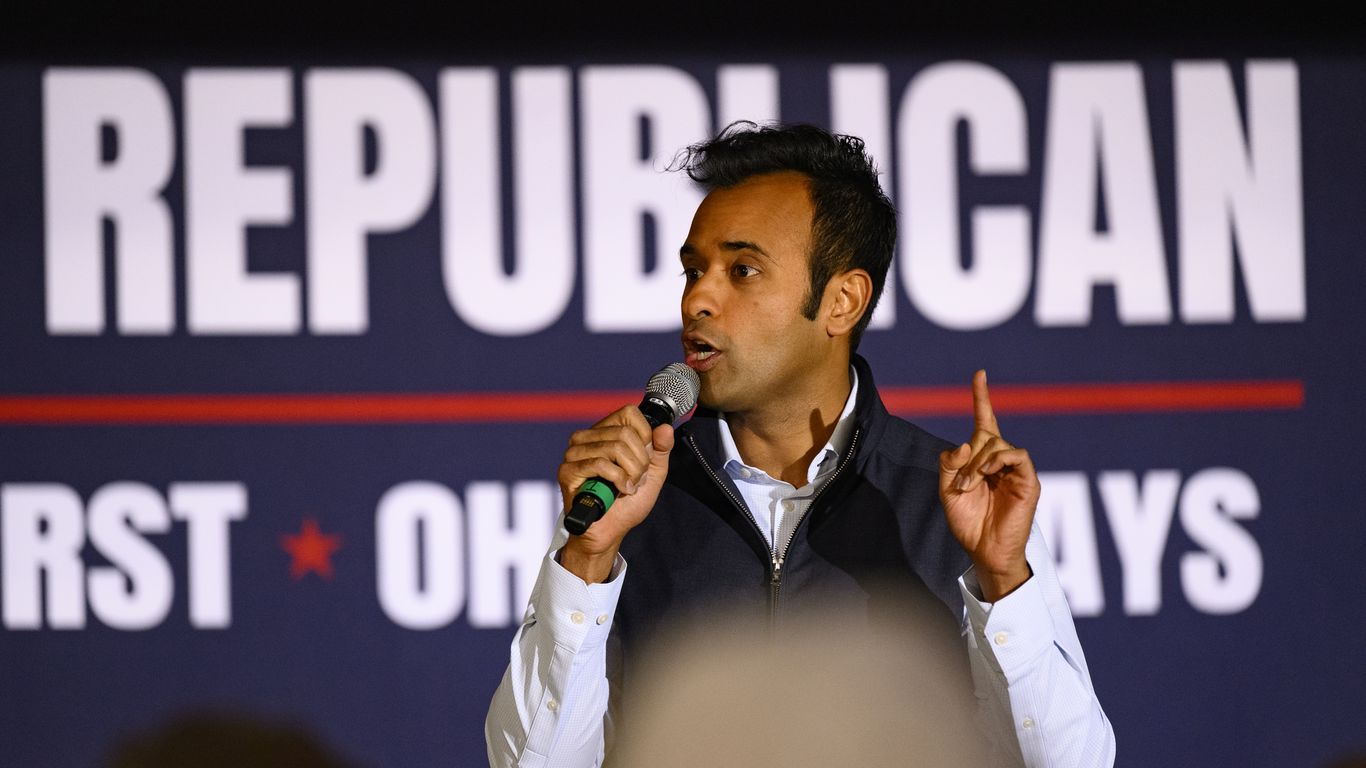
Republicans fear that Vivek Ramaswamy 's explosive attack ad featuring his opponent's estranged mother could cost them the Ohio governor's race, based on new internal polling that shows him falling further behind, Axios has learned. Why it matters: The poll's findings underscore Republicans' anxiety over Ramaswamy's decision to air the deeply personal attack on Democrat Amy Acton despite warnings from some fellow Republicans that it crossed a line. Driving the news: The private poll, commissioned by a Republican group and obtained by Axios, found Acton leading Ramaswamy by eight points — up from a two-point lead in the same poll earlier this month, before the ad began circulating on Oct. 19. The ad "is having a significant effect on the gubernatorial race," a memo attached to the poll states. Catch up quick: The ad at the center of the controversy features Donna Arthur, Acton's estranged mother, who accuses her daughter of lying about her childhood and urges Ohioans not to vote for her. Acton has said she was sexually abused by her stepfather when she was 12 and that her mother sided with her abuser. The stepfather was charged with sexual assault but fled to Pennsylvania, where he died in 2004 as a fugitive. Acton and her brother were removed from their mother's custody. Acton has said she hasn't seen her mother since 1978. Zoom out: As Axios first reported , Ramaswamy's campaign treated the ad as a game-changer in the campaign for governor, committing $4 million to airing the commercial statewide despite warnings from other Republicans that it could backfire. Ohio Gov. Mike DeWine (R), who worked closely with Acton when she was the state's health director, said that airing the ad was wrong and urged Ramaswamy to take it down. But President Trump and Vice President Vance backed Ramaswamy. Vance told the bipartisan critics of the ad to "stop whining." The intrigue: The new poll done for Republicans indicates that the ad was indeed a game-changer — just not the type R
Some of the biggest vulnerabilities in election security are lying in plain sight. Why it matters: There's no credible evidence that voting-system vulnerabilities have been exploited to change election results. But researchers have found isolated flaws that threaten ballot secrecy, accurate vote recording and independent verification of results. The big picture: Voter-marked paper ballots and rigorous audits are the gold standard for trustworthy elections, election-security researchers and activists tell Axios. Researchers have challenged unfounded claims that elections were stolen through hacking while also warning against dismissing real vulnerabilities in voting systems. "A vulnerability is not an exploit," Philip Stark, a retired UC Berkeley statistics professor who developed an audit protocol for checking paper ballots, said at a recent conference. "You can leave a key under your doormat, and that doesn't mean someone takes the key and opens your door." Zoom in: Election security experts interviewed by Axios found these vulnerabilities in parts of the U.S.: 1. Paperless voting: Louisiana is the last remaining state to use paperless voting machines statewide on Election Day. Voters press buttons to select their candidates, and the machines record their votes electronically without producing a paper ballot. That leaves no independent record to check whether votes were counted correctly. Most other states retired the machines after researchers exposed their vulnerabilities to hacking and the inability to independently audit their results. Election security expert and computer scientist J. Alex Halderman, of the University of Michigan, called Louisiana "the dinosaur of American elections." Louisiana's secretary of state's office declined an interview request, but in a press release said the state is expected to award a new election equipment contract at the end of the year. 2. Ballot-marking devices (BMDs) let voters select candidates on a touchscreen before printi
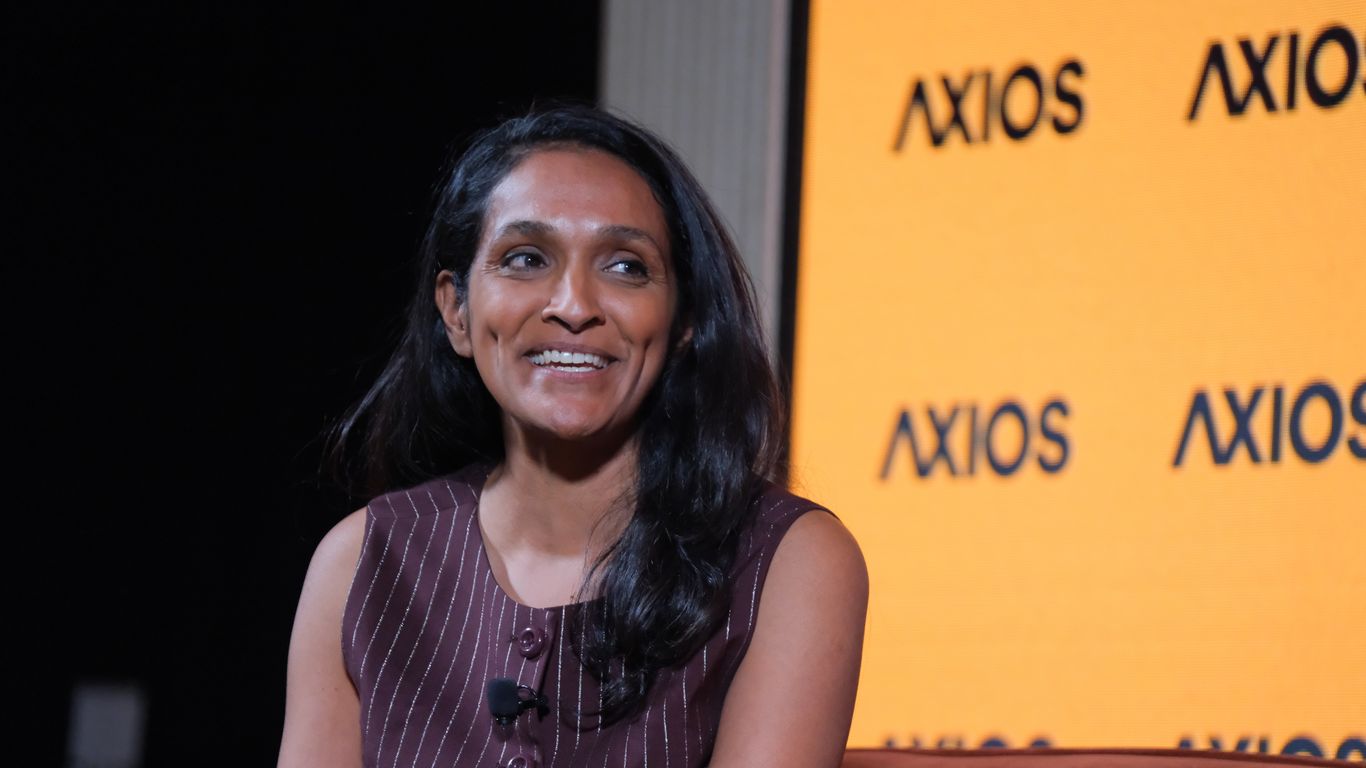
A fight over Israel is fracturing the socialist movement just as it stands within reach of capturing the Los Angeles mayor's office . Why it matters: The same socialist movement celebrating its ascendancy through New York City Mayor Zohran Mamdani is now debating whether to disown Nithya Raman before Los Angeles voters can even weigh in. National Democratic Socialists of America (DSA) leaders face demands to overturn the local chapter's endorsement of Raman over her position on the Boycott, Divestment and Sanctions (BDS) movement against Israel. The Los Angeles chapter of DSA still enthusiastically endorses Raman , arguing Angelenos deserve a functioning city government. The mayoral race has been defined by homelessness, affordability and public safety. By the numbers: Raman leads incumbent Mayor Karen Bass in recent polls ahead of the Nov. 3 election, though many voters remain undecided. Overall : A September Berkeley IGS/L.A. Times poll put Raman ahead 39%-28%, with 33% undecided. A more recent Manhattan Institute poll showed Raman leading 38%-32%, with 30% undecided. Among likely Latino voters: Raman led 45%-21%, with 34% undecided in the Berkeley poll. Among socialists: DSA's Los Angeles chapter endorsed Raman in a 937-484 vote, with 52 abstentions. State of play: On Oct. 4, DSA's National Political Committee found that the chapter violated endorsement rules by failing to ask Raman about BDS, but stopped short of invalidating its support. National leaders have considered proposals to revoke the endorsement and bar the chapter from using resources to campaign for her, per Vanity Fair . A DSA faction has called for questioning Raman about her views on Palestine, with possible expulsion if national leaders find her positions incompatible with the group's principles. Sticking point: The Democratic Socialists of America's published endorsement requirements say candidates must actively support BDS and avoid affiliations with the Israeli government or "Zionist lobbying
There has never been a company like Anthropic . It owes almost $650 billion for computing, generates eye-popping revenue per employee and wants every investor to know that its product poses existential risks to humanity. Why it matters: The future of the AI race, the market and the global economy rests within Anthropic's IPO prospectus, where some of Silicon Valley's most seasoned investors found new reasons to be bullish. They also found warning signs. A wager on Anthropic is a bet not just that AI will deliver on its enormous promise, but that customers will keep spending at a rate that keeps pace with massive computing costs. It's also a bet that Anthropic can continue to deliver models good enough to justify premium prices, even as competition intensifies and cheaper alternatives improve. What they're saying: Reaching a valuation of $2 trillion would require 50% growth, according to Theory Ventures. "What is Anthropic worth?" Theory's Tomasz Tunguz asked rhetorically. "The case for a very large number is simple," he said, noting that the company grew quickly on a high margin and generated an operating profit. "The case against is equally simple," he added, noting its $637 billion of computing commitments, non-cancellable contracts and no guarantee of customer loyalty. Catch up quick: Monday's filing offered the most detailed public look yet at Anthropic's business , finances and risks as it prepares for a potentially record-setting IPO. (See what Claude and OpenAI's ChatGPT say about whether they'd invest). As Tunguz noted, the filing had fodder for a variety of perspectives. The good: Anthropic has nearly 2,000 customers paying it $1 million or more per year, and 250 paying $10 million or more. Half the Fortune 500 pays the company $100,000 a year, and those customers spent less than 0.1% of their total expenses in the third quarter on Anthropic. "We are so early," Ben Bajarin, a longtime tech analyst, said on X. He pointed out that there are 300 million global