
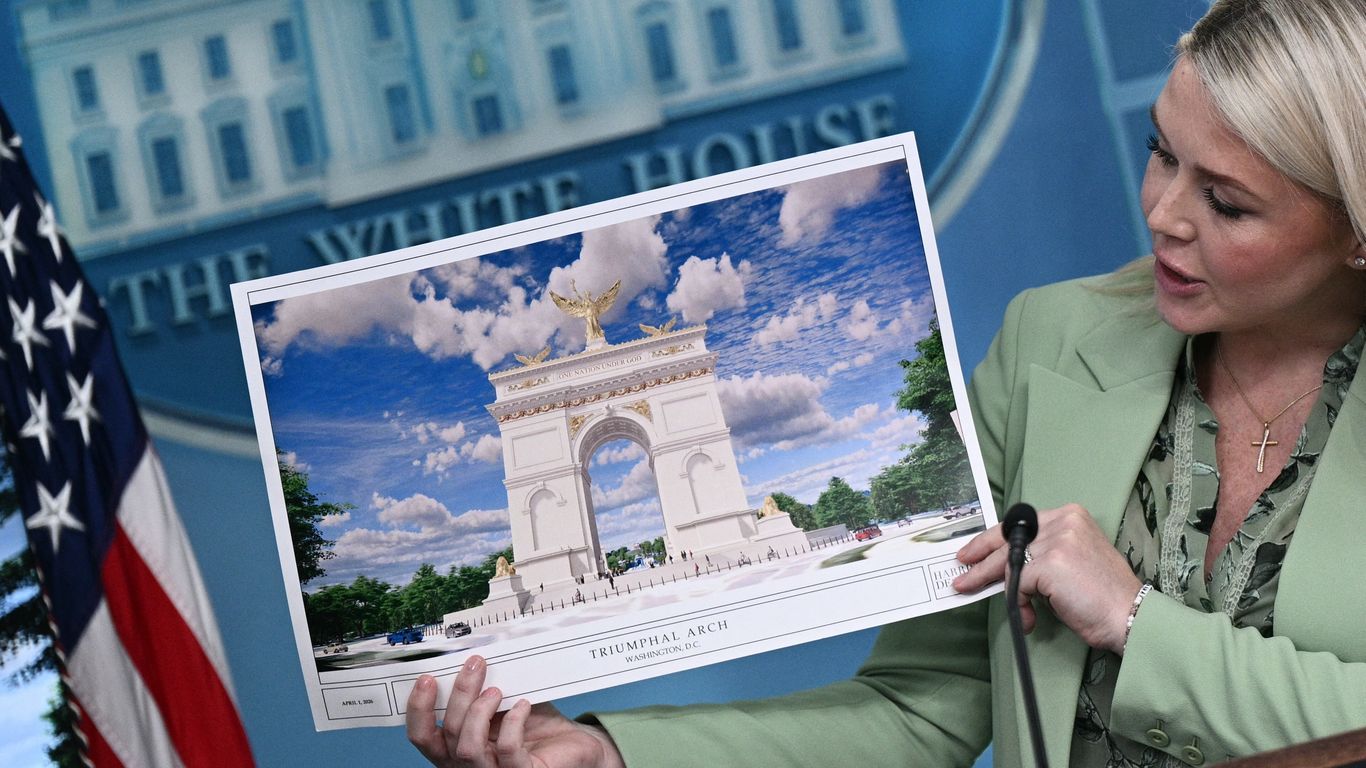
The governments of Washington D.C. and Virginia asked a federal court to block construction of President Trump's planned " triumphal arch ," claiming it's unlawfully tall and would snarl traffic for years. Why it matters: It's a last-minute gambit to stop construction before the multi-year project begins, potentially as soon as this coming week. What they're saying: " This project is flagrantly unlawful," the two governments said in a Saturday filing in D.C. federal court, first reported by the Washington Post. "During the three-year period of construction, the Arch project will inevitably snarl traffic between the jurisdictions, produce pollution and stormwater runoff in the Potomac, interfere with emergency services, and pose numerous other challenges," they argue. They further claim that the defendants — the National Park Service and the Interior Department — have rushed the project without the proper consultations. The city and state are asking a judge to issue injunctions to stop any site preparation or construction on the project. Zoom out: The proposed 250-foot arch would be one of the largest such monuments in the world, sparking concerns that it could interfere with other national symbols, block views and even complicate landings for pilots at nearby airports. (The FAA found otherwise.) The Park Service's own August report indicated the construction of the arch would have adverse effects on nearby monuments and landmarks. The other side: The administration has argued it will be a major tourist attraction — but also vital to national security, serving as a base for snipers and drones. The White House was not immediately available to comment Saturday on the D.C. / Virginia petition. What's next: A federal judge held a hearing Friday on a separate challenge to the arch, and indicated she may block construction at least temporarily.
Results for “social security”

The world's biggest crypto heist is the latest feat by North Korean hackers who have spent years perfecting an arsenal of financial theft, social engineering and sophisticated cyberattacks. Why it matters : The suspected North Korean hackers behind the $6.3 billion Binance theft appear to have combined familiar hacking tactics with extraordinary speed and automation — raising fresh questions about how AI could supercharge their already sophisticated operations. Driving the news : Binance said late Thursday that its blockchain partners have frozen at least $3 billion of those $6.3 billion assets on-chain so far, and it believes the hackers gained initial access by compromising one engineer's laptop alongside other "points of breach." Several blockchain investigation firms have tied the hack to TraderTraitor, a group linked to the North Korean government's Lazarus Group collective. Binance co-CEO Richard Teng said in a video on social media Friday that the attackers also used a "self-destruct mechanism that destroyed tooling and traces" as they went, making it more difficult to investigate what happened. "This was a complex attack," he said. The big picture: North Korean government hackers have spent more than a decade carrying out financial heists and disruptive cyberattacks, and they have turned cryptocurrency theft into an industrial-scale operation. In 2016, hackers attempted to steal nearly $1 billion from Bangladesh's central bank, successfully making off with $81 million. In 2017, North Korea was blamed for the WannaCry ransomware outbreak , which disrupted hundreds of thousands of computers across more than 150 countries. In recent years, the country has intensified its focus on pillaging crypto exchanges in part because the digital assets can more easily be transferred and laundered across borders — although those attacks tend to leave more of a paper trail. The same North Korean hacking group, TraderTraitor, also set the last record for the world's largest c
Alleged self-dealing by the president and his allies doesn’t look so good as corruption emerges as a key issue for midterm voters Government corruption a top issue for US midterm voters, exclusive poll finds Voters under 50 probably won’t remember the “ welfare queen ”. But she once embodied Republicans’ claim of the underlying reason for US societal decay: the poor are a bunch of fraudsters. Ronald Reagan introduced Linda Taylor to US voters at a rally during the Republican presidential primary season in 1976. A resident of Chicago’s South Side, Taylor had been arrested for welfare fraud. “She used 80 names, 30 addresses, five phone numbers to collect food stamps, social security, veteran’s benefits for four non-existing deceased veteran husbands,” Reagan said. “Her tax-free cash income alone has been running $150,000 a year.” The Qatari government gifted him a luxury jet , potentially violating the emoluments clause of the constitution. The UAE gained access to some tightly guarded, high-end American AI chips soon after an investment firm linked to its ruling family secretly bought a $500m stake in World Liberty Financial, the crypto company funded by the families of Trump and his chum Steve Witkoff. Rich people facing criminal charges have taken to donating to Trump’s political operations and then seeking pardons or clemency. Most recently, Wanda Vázquez Garced , the former governor of Puerto Rico, and the banker who paid her bribes, Julio Herrera Velutini, were pardoned after Velutini’s family gave a $50m deal to Alina Habba, Trump’s former personal lawyer, and donated $3.5m to Trump’s Maga Inc Super Pac. The first family is also making a killing from the government. The Pentagon lent more than $600m to Vulcan Elements, a rare earths startup, just three months after Donald Jr’s venture capital firm 1789 Capital bought a stake in the outfit. Powerus, a drone maker backed by Eric and Donald Jr is selling drone interceptors to Persian Gulf allies of the US that are

A federal judge Friday blocked the Trump administration from threatening election workers with criminal prosecution for counting ballots cast by registered voters the administration claims are ineligible. Why it matters: The emergency order, issued four days before the midterms , prohibits federal pressure to sideline ballots based solely on allegations of ineligibility and forces the Justice Department to walk back threats it already sent to election officials. The big picture: The ruling adds to a series of courtroom losses for the administration, as federal officials intensify election-related investigations and challenges across the country. Judges are warning that federal threats and investigations are driving citizens out of elections and putting lawful votes at risk. Driving the news: U.S. District Judge Trina Thompson found that the Justice and Homeland Security departments likely violated the Voting Rights Act's prohibition on voter intimidation and exceeded their constitutional authority over elections. Her temporary restraining order prohibits demands that states remove registered voters, withhold their ballots or stop counting votes solely because the administration claims the voters are ineligible. It also bars threats of criminal prosecution against election workers who refuse those demands or process ballots in accordance with election laws. The judge ordered prosecutors to disclose pending search warrant applications, grand jury subpoenas and other demands related to its lists of allegedly ineligible voters. What she's saying: Thompson found the administration's actions forced election workers to choose between complying with "Defendants' unlawful demands" or risk criminal prosecution for performing their jobs. "In the lead-up to the election," she wrote, "high-ranking DOJ and DHS officials have engaged in a campaign to intimidate, threaten, and coerce state and local officials and employees who are engaged in administering the ongoing midterm 2026 e
Meta on Friday reached a settlement with a teen plaintiff, identified in court documents as K.D.B., who claimed the company’s platforms, Instagram and Facebook, were addictive and caused her mental health problems, attorneys for the plaintiff said.

Authorities say army contractor James Thomas Ashbacher shared top-secret data online and stole night-vision goggles The FBI has arrested a former North Carolina government contractor for allegedly leaking classified national defense information on social media. James Thomas Ashbacher, 37, of Spring Lake, was taken into custody after charges that he shared top-secret safety data online, unlawfully stored national defense materials at his residence and stole night-vision equipment from the US army special operations command. Continue reading...

Two plaintiffs alleged that Meta and Snap designed their social media platforms to foster addictive behavior.
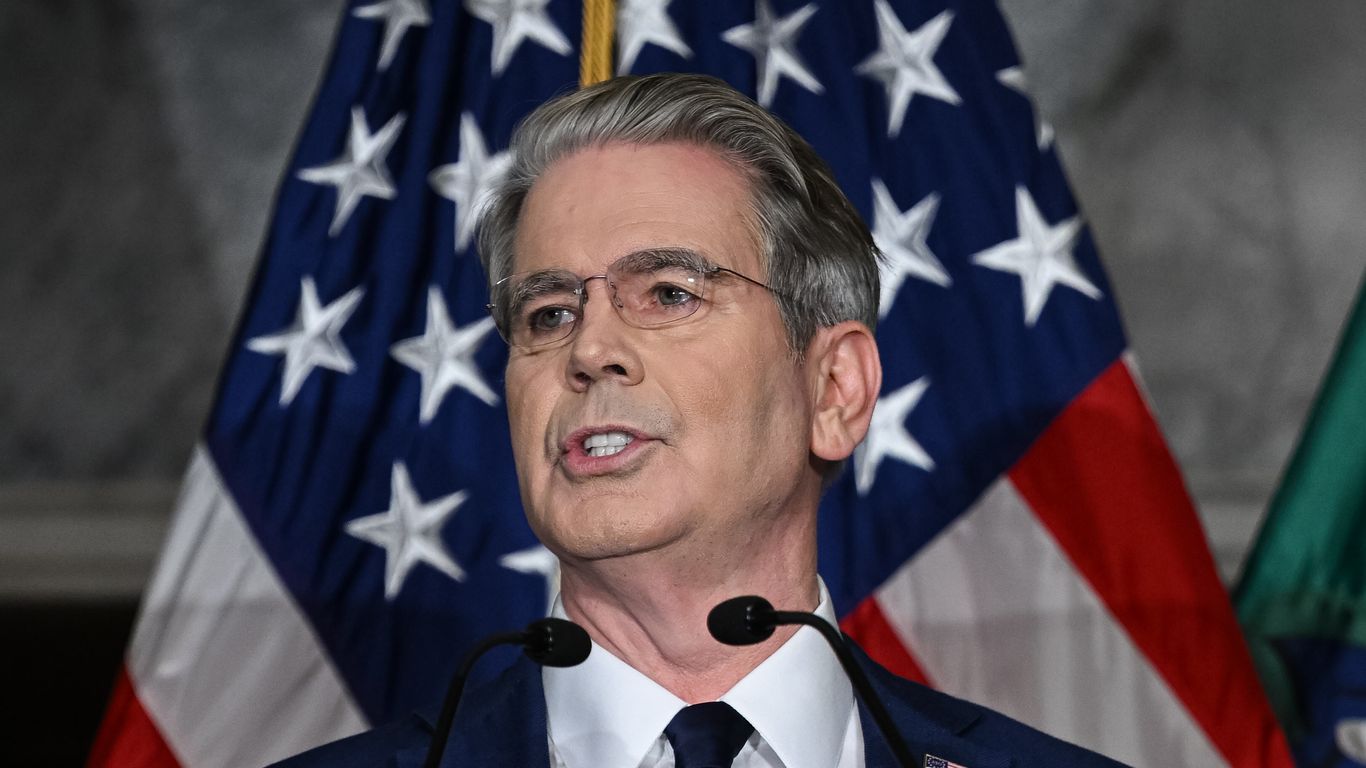
The U.S. naval blockade, sweeping economic sanctions and obstruction of overland export routes have crippled Iran's economy and intensified pressure on the regime, according to a new Treasury Department report obtained by Axios. Why it matters: Treasury Secretary Scott Bessent, who is leading an economic pressure campaign dubbed "Operation Economic Outcast," is one of Trump's closest aides urging him to let the initiative play out rather than rush back into combat. Though the report doesn't argue that the Iranian regime is close to collapsing, it does lay out the Treasury Department's view that its efforts have crippled Iran's economy and limited its ability to generate revenue. Driving the news: As he did before Operation Midnight Hammer in June 2025 and Operation Epic Fury in February, Trump is pursuing dual tracks — trying to reach a deal to restart peace talks while also preparing to possibly resume major combat operations after the midterms. The Treasury campaign, which launched in late August, is a third track. But U.S. officials say it needs more time to destabilize the regime and potentially convince the Iranian leadership to make concessions at the negotiations table. On Thursday, Trump met with his top national security and foreign policy aides to discuss the war. U.S. Central Command chief Adm. Brad Cooper, who commands forces in the Middle East, briefed Trump on the ongoing naval blockade . Bessent discussed the economic pressure campaign. "Bessent is telling the President the economic pressure campaign is working and that things are getting worse in Iran and that this could further destabilize the regime and push the Supreme Leader to agree to a deal," a U.S. official said. Zoom in: The Treasury report highlights several indicators of Iran's economic crisis: Currency collapse: The Iranian rial has lost roughly a quarter of its value since the operation began in August. In October, the unofficial exchange rate reached a record low of 2.687 million rials
Immigrants at Texas detention facility, protesting against harsh conditions, say they face threats of force-feeding Members of Congress sent a scathing letter to federal immigration officials this week demanding answers about conditions inside a Texas immigration jail, as detained immigrants on a prolonged hunger strike claim officials are retaliating against them and threatening them with force-feeding. A group of seven congressional Democrats sent the letter earlier this week to Markwayne Mullin, the Department of Homeland Security (DHS) secretary, and David Venturella, the Immigration and Customs Enforcement (ICE) acting director, protesting about the treatment of hunger strikers. Continue reading...
We need neither ‘peace in our time’ nor ‘perpetual peace’ – but enough peace to keep civilization To save the United Nations from the irrelevance in which it now wallows, the next secretary general will require the concerted backing of the few powers that govern the security council. The paradox is that the great powers who created the institution in the 1940s and recently treat it with a cavalier cynicism are now the ones who need it most, as does the rest of the world. Continue reading...
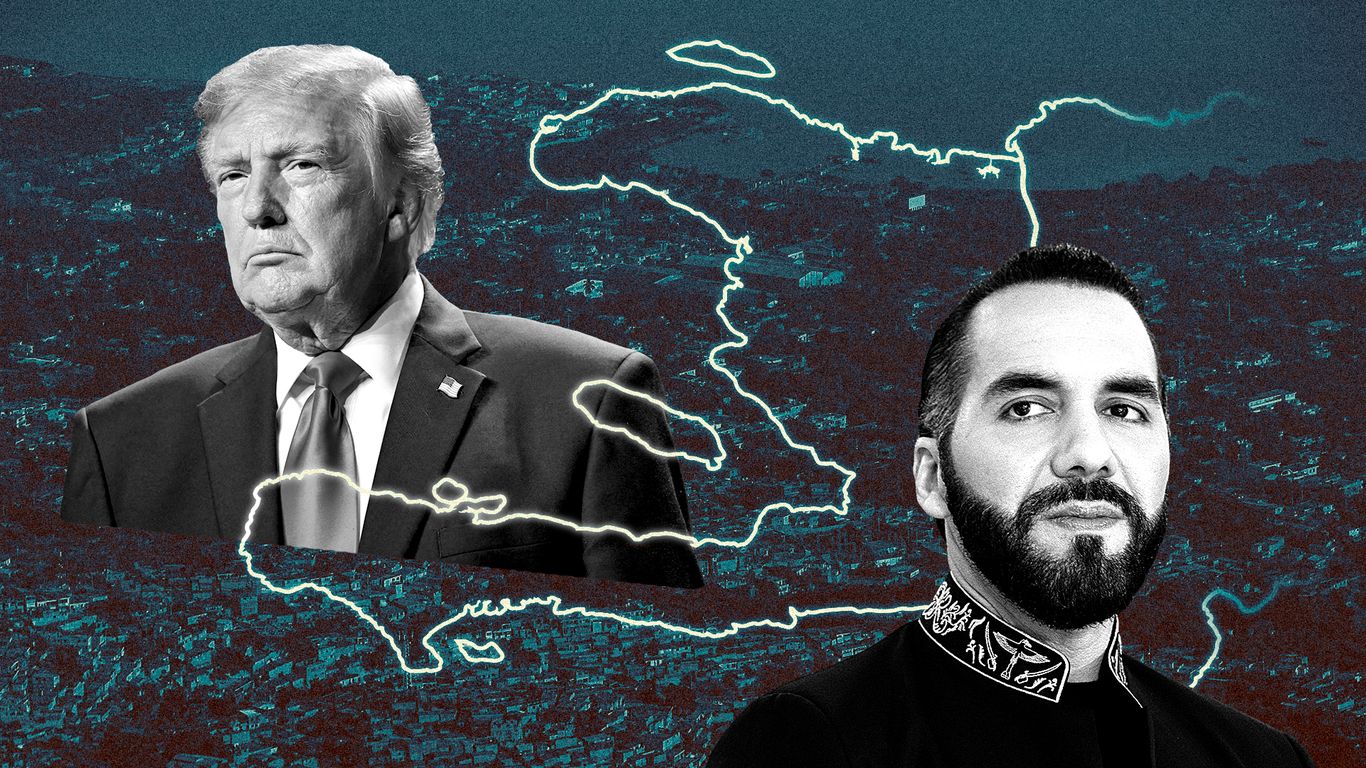
El Salvador's strongman president, Nayib Bukele , is sending thousands of troops to Haiti to boost the island's push to wipe out its gang problem — and find four of his military personnel who were captured in a recent ambush. Bukele called President Trump on Tuesday to make sure he had no problem with this major military escalation, to which Haiti's government has agreed. "Do what you have to do," Trump told him, according to sources briefed on the call. Why it matters: If it works, Bukele's troop surge could stabilize Haiti, a country 700 miles from Florida that has been devastated by deadly gang violence and has lacked a president since the last one, Jovenel Moise, was assassinated five years ago. If it doesn't work, it could increase Haiti's death toll well beyond the 5,700-plus killed in gang violence this year, embarrass Bukele and mark yet another failed international effort to restore stability to the country. Haiti also may be a test case for Bukele and security contractor Erik Prince — a Trump and Bukele ally also operating in Haiti — to act as public-private proxies for U.S. muscle in the hemisphere. El Salvador announced Wednesday it was deploying as many as 2,000 troops to Haiti. That number could double or triple, sources say. "We didn't come to Haiti to make money, because no one is paying us to do it. We came to Haiti to fight against the wicked," Bukele, writing in Haitian Creole, wrote Thursday on X . Zoom in: Along with other countries, El Salvador has been part of a UN-established initiative called the Gang Suppression Force, or GSF, operating in Haiti's capital city of Port-au-Prince. On Oct. 18, four Salvadoran aviation technicians were ambushed and remain unaccounted for, according to the Miami Herald . Three days later, Bukele posted a warning on X : "I want you, the gang leaders, to understand one thing very clearly: Today's attack is nothing compared to what is coming if we do not get all four hostages back alive." "We have already finished

The people at the frontlines of the ongoing barrage of AI-enabled cyberattacks are being pummeled with attacks, vulnerabilities and false alarms. Why it matters: Humans are still at the frontlines of a fight enabled largely by AI — and they're struggling to wade through mountains of threat data to determine who's been hit and which attacks pose a real danger to companies. What they're saying: "The last month has been the longest year of my life," Justin Timothy, threat intelligence consultant at GuidePoint Security, told Axios. Even before "Black October," Timothy was already swamped and dealing with hacker gangs that returned from a seasonal summer lull. These groups specialize in ransomware, essentially attacking the networks of an institution and holding it hostage. While AI is playing a role in many new cyberattacks, the ransomware scourge has already been shutting down pipeline systems, hospitals, education software and other essential services for years. It's only expected to get worse this year as powerful new AI systems are amplifying the capabilities of attackers faster than defenders can insulate vast corners of the unprotected internet. The big picture: The people companies call when they're hacked are being swamped, piling onto the persistent burnout that has plagued the industry. Troy Bettencourt, who leads Palo Alto Networks' global digital forensics and incident response practice, told Axios that demand for his team's services has climbed by double digits over the last six weeks. Unlike past surges tied to historically harmful attacks like SolarWinds , this year's workload has been relentless. "It's just a continuous grind that increases," Bettencourt said. The same heavy workload is happening across the industry, and even Palo Alto Networks' incident response subcontractors are at max capacity, he said. Investigations that could once be handled by a single consultant now require teams of five to 20 people, he said. The company is also pulling employe
Top diplomats from the G20, the group of the world's largest economies, are meeting in Atlanta as they face deep rifts over global crises that threaten international security and trade
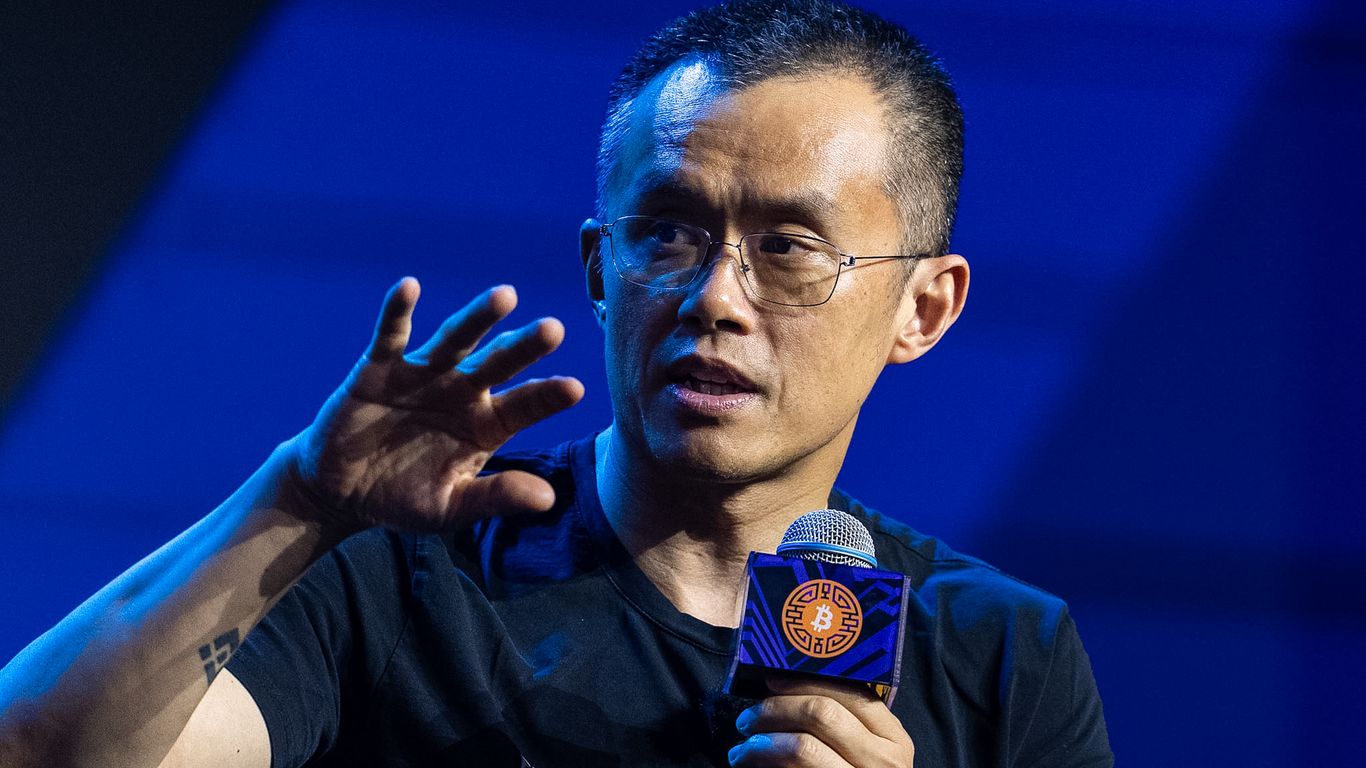
Binance halted trading Thursday after hackers allegedly linked to North Korea stole more than $6 billion, the largest crypto hack in history. Why it matters : The attack comes after a wave of high-profile cyber intrusions and data breaches during "Black October," when a series of security incidents and AI -discovered bugs triggered fears of a global crisis. Driving the news: Binance co-founder Yi He said on X that the crypto exchange had suspended deposits and withdrawals. "User funds are safe," she wrote. "Binance will cover all hacking losses." An estimated $6.3 billion were drained from wallets in the incident, Binance said , although the exchange and partners managed to freeze about $3 billion that can potentially be recovered. "This is unprecedented," said Kevin March, a co-founder of JPEG Trading, a cryptocurrency trading firm that closely tracked the hack to monitor market conditions. An initial investigation found linked the hack to a compromised laptop from one Binance engineer. That access allowed an attacker to gain access to Binance's systems to make withdrawals, the exchange said. Zoom in : Researchers from TRM Labs and Pangolin Intelligence found that the attack appeared to be the work of a North Korean hacking collective. "This was absolutely North Korea," Nick Carlsen, a senior TRM investigator, told The Wall Street Journal . Representatives of North Korea have previously denied allegations of hacking crypto exchanges. The country has turned hacking and scams into an industrial-scale scourge, focusing on crypto heists and a widespread practice of tricking Western companies into hiring North Korean workers . A Binance spokesperson said the exchange's security teams are "reviewing all relevant information with urgency." The big picture: If estimates hold up, the suspected Binance hack would be the biggest crypto attack in history. In 2025, North Korea-linked hackers stole about $1.5 billion worth of crypto from the Bybit exchange. Between the lines : C

Polymarket temporarily halted trading on its international platform Thursday due to a security incident involving a third-party provider
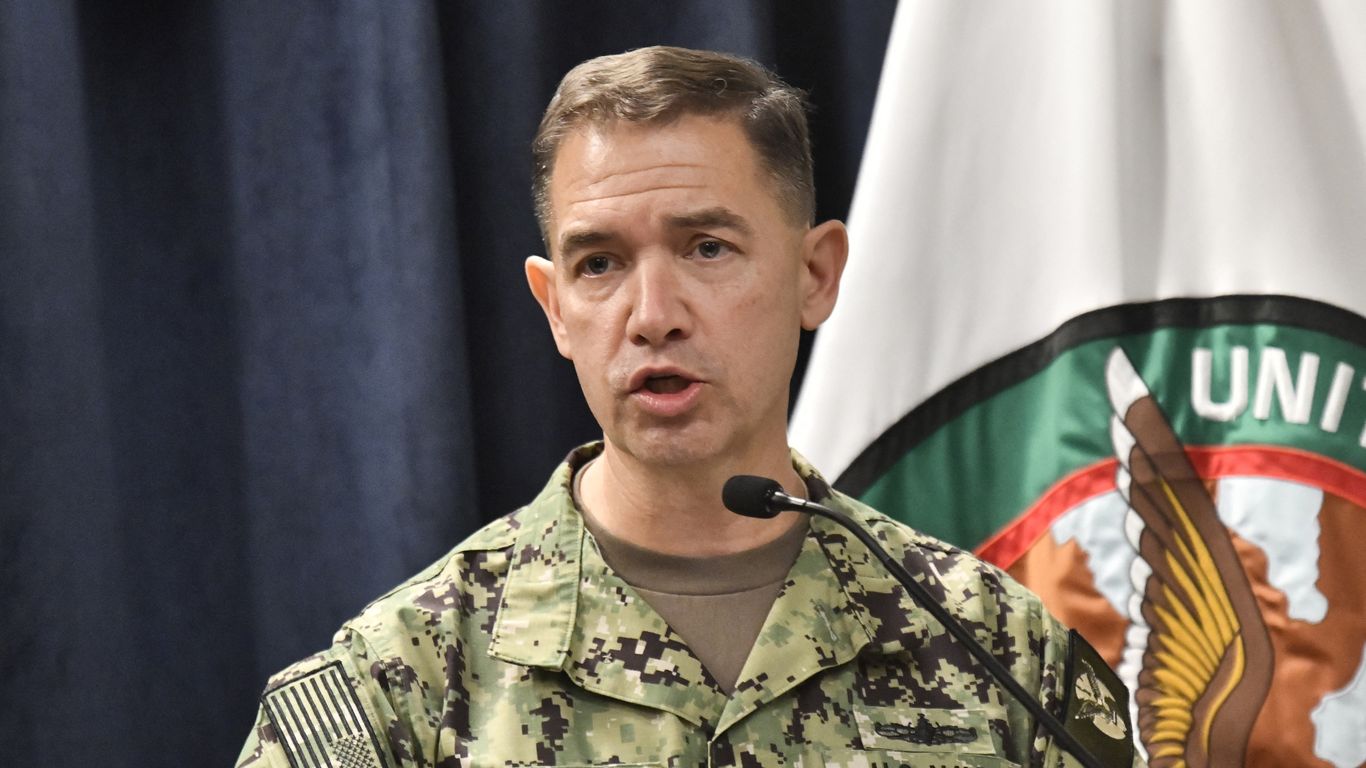
U.S. Central Command chief Adm. Brad Cooper, the commander of forces in the Middle East, briefed President Trump Thursday on the state of the Iran war, with a focus on the ongoing naval blockade , according to two U.S. officials. Why it matters: As he did before Operation Midnight Hammer in June 2025 and Operation Epic Fury in February, Trump is pursuing dual tracks — trying to reach a deal to restart peace talks while also preparing for a possible resumption of major combat operations after the midterms. Behind the scenes: Trump wanted to hear directly from the CENTCOM head on whether the naval blockade is working, the U.S. officials said. Cooper also briefed Trump on the military operation for guiding oil tankers out of the Strait of Hormuz to global energy markets. And he updated Trump on the economic pressure campaign the military is conducting in concert with the Treasury Department. Defense Secretary Pete Hegseth, Treasury Secretary Scott Bessent, Chairman of the Joint Chiefs of Staff Gen. Dan Caine, White House envoy Steve Witkoff and other senior officials also attended the meeting, the officials said. The White House and CENTCOM declined to comment. The Wall Street Journal first reported the meeting. Driving the news: A group of regional mediators led by Qatar is trying to get the U.S. and Iran to head off a resumption of war after the midterms in favor of negotiations. "The mediation is at a very sensitive stage," a regional source said. Qatari mediators recently delivered a letter from Vice President Vance to Iran's Secretary of the Supreme National Security Council, Gen. Mohsen Rezaei. Vance proposed restarting negotiations but stressed that any talks would have to address Iran's nuclear program. Trump and Vance met Wednesday to discuss a possible gesture of goodwill toward Iran, such as sending humanitarian goods like food and medicine, according to a source with knowledge. Later in the day, Trump publicly backed the idea. What they're saying: U.S. Amba

Defense attorneys argue Letitia James' social media posts show pre-existing bias in the reopened Cornell University gang rape criminal investigation.

The Department of Homeland Security asked an Icelandic hosting company to take down data obtained through hack The US Department of Homeland Security (DHS) asked an Icelandic hosting company on Thursday to take down or limit access to data related to thousands of agency personnel, saying the content put them at risk, according to the request posted online by hosting company FlokiNET. The database “places more than 40,000 identifiable individuals at risk of harassment, stalking and physical harm”, the request said. Continue reading...
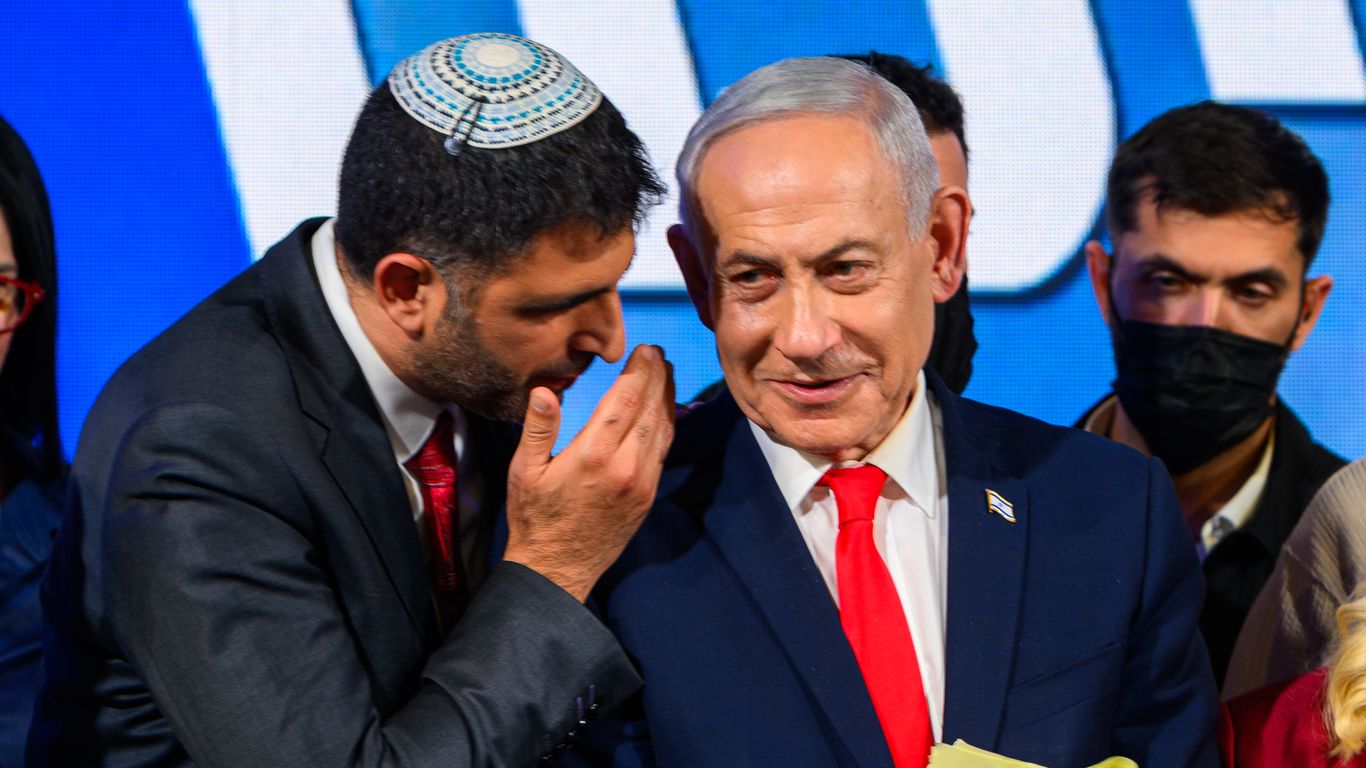
After his far-right coalition lost 11 seats in the election, Israeli Prime Minister Benjamin Netanyahu is trying to discredit the results by claiming there was mass voting fraud in Arab communities. Why it matters: Netanyahu appears to be trying to spook the opposition bloc out of cooperating with Arab parties to form a new government. But the opposition is concerned he has an even more ambitious goal: To prevent the results from being certified at all. That would block the swearing in of a new parliament, in which he would lose his majority. Driving the news: Netanyahu and his Likud party started the campaign to delegitimize the Arab vote days before the elections. Half of Netanyahu's social media posts on Election Day cast suspicion on the unprecedented turnout in Arab communities, an apparent attempt to drive his supporters to the polls. Arab voters cast ballots in historic numbers, winning 19 seats between their two parties. On Wednesday, Netanyahu's Likud party issued a statement claiming the "elections were stolen" by the Arab parties through bribes and fraud. Its claims were based on the arrest of three activists from the Arab Ra'am party who were suspected of paying a small number of voters in one of the Arab cities. The Israeli police said there was no evidence to support Likud's claims of a "stolen" election. Behind the scenes: The situation escalated dramatically on Thursday when a letter sent to the director of the Shin Bet domestic security agency was leaked to Israel's Channel 12. It was written by the supreme court judge who heads the Central Elections Committee. The judge ordered the Shin Bet director to immediately investigate suspicions of election interference by foreign countries and submit conclusions within a week. Shortly after the letter leaked, Israeli media outlets identified Qatar as the country in question. The allegation is that it funneled money to one of the Arab parties to propel turnout in their communities. Over the past year, sever
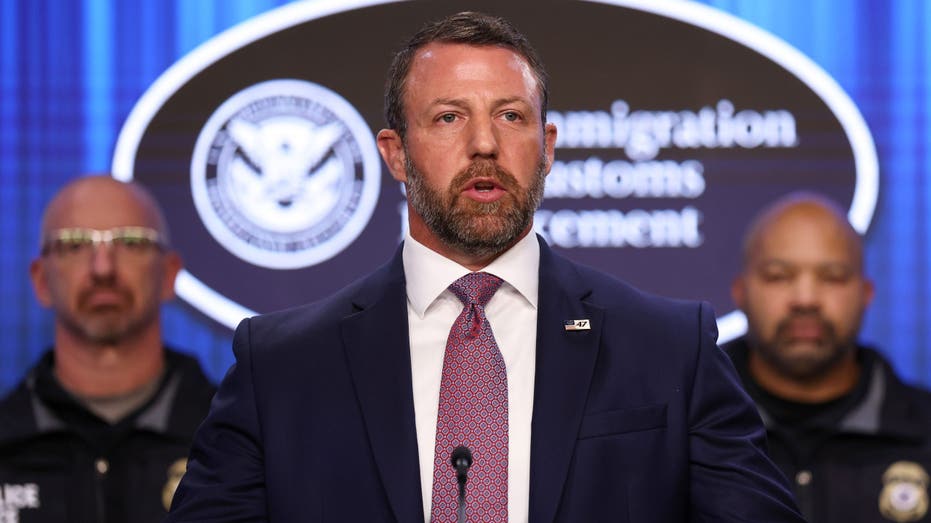
The Department of Homeland Security is investigating a breach that exposed roughly 40,000 employees, including 10,000 ICE agents and CBP personnel.
Vice President Vance sent a letter to Iran's national security chief stressing that any negotiations to head off U.S. military strikes "require discussions on the nuclear issue," a U.S. official said. Why it matters: The letter to Mohsen Rezaei, which focused on the possibility of restarting negotiations between the U.S. and Iran, is the most senior-level outreach by the U.S. to Iran in several months. It comes as President Trump considers resuming major combat operations in Iran after the midterm elections. Behind the scenes: Vance suggested sending the letter to Rezaei, who is one of the top national security officials in Iran and has a direct line to Supreme Leader Mojtaba Khamenei. "The President was enthusiastic about the letter," said the U.S. official, who declined to say when it was sent. The Wall Street Journal first reported the letter. Zoom out: One of the key sticking points in efforts to relaunch negotiations is Iran's demand that the U.S. first lift its naval blockade, release frozen funds, and allow oil sales. The U.S. wants Iran to restart nuclear negotiations before receiving any sanctions relief. What he's saying: Trump told reporters Wednesday that Vance's letter was about helping Iran obtain needed medical supplies. "Basically, it's getting supplies in to help people that are not well," he said.

With less than a week until a potentially historic midterm election , the political discourse is being dominated not by war or seismic shifts in technology, but by the Cheesecake Factory . The big picture: Culture wars regularly swarm American political discussions, especially when the jibes are personal. Former President Obama's passing joke over the weekend about Cheesecake Factory decor did just that — by criticizing President Trump 's personal taste and style. "He's got the White House looking like Saddam Hussein opened a Cheesecake Factory," Obama said, poking fun at the president's controversial White House renovations . Zoom in: John Murphy, professor emeritus at the University of Illinois Urbana-Champaign who studies political rhetoric, tells Axios that the first time he heard Obama's comment, he "really did think, 'this is going to go somewhere.'" That's both because of the messenger and the butt of the joke: Obama "can get under Trump's skin like no one else in the world can," he says. Obama knows all too well how seemingly trivial moments can blow up; in 2014, he wore a tan suit instead of a black one to discuss foreign policy, and years later his sartorial choices remain a political talking point. The tan suit has its own Wikipedia page , and still nets pop culture references . State of play: Days after Obama's quip, the news cycle and social media are still serving up the joke, and the White House posted "Lo-fi" beats accompanied by a cartoon image of Trump in front of a Cheesecake Factory. Conservative critics used the jab to paint Obama as elitist. Treasury Secretary Scott Bessent , a multimillionaire, criticized Obama outside a Cheesecake Factory, saying he "had a great meal, and I would tell the Martha's Vineyard set to give it a try." Murphy notes that framing comes from a classic red v. blue playbook to paint Democrats as "elitist." "It's a conscious strategy, I think, on the part of conservative media to gin up culture-war arguments," he says. Th
Some of the biggest vulnerabilities in election security are lying in plain sight. Why it matters: There's no credible evidence that voting-system vulnerabilities have been exploited to change election results. But researchers have found isolated flaws that threaten ballot secrecy, accurate vote recording and independent verification of results. The big picture: Voter-marked paper ballots and rigorous audits are the gold standard for trustworthy elections, election-security researchers and activists tell Axios. Researchers have challenged unfounded claims that elections were stolen through hacking while also warning against dismissing real vulnerabilities in voting systems. "A vulnerability is not an exploit," Philip Stark, a retired UC Berkeley statistics professor who developed an audit protocol for checking paper ballots, said at a recent conference. "You can leave a key under your doormat, and that doesn't mean someone takes the key and opens your door." Zoom in: Election security experts interviewed by Axios found these vulnerabilities in parts of the U.S.: 1. Paperless voting: Louisiana is the last remaining state to use paperless voting machines statewide on Election Day. Voters press buttons to select their candidates, and the machines record their votes electronically without producing a paper ballot. That leaves no independent record to check whether votes were counted correctly. Most other states retired the machines after researchers exposed their vulnerabilities to hacking and the inability to independently audit their results. Election security expert and computer scientist J. Alex Halderman, of the University of Michigan, called Louisiana "the dinosaur of American elections." Louisiana's secretary of state's office declined an interview request, but in a press release said the state is expected to award a new election equipment contract at the end of the year. 2. Ballot-marking devices (BMDs) let voters select candidates on a touchscreen before printi
The cybersecurity world braced for catastrophe after AI uncovered critical flaws in the web's foundational code , but the anticipated wave of automated attacks has surprisingly struggled to get off the ground. Why it matters: Millions of hacking attempts have yielded few successful attacks, an apparent lucky break due to the degree of difficulty of building attacks on the bugs. The defense work at many companies to address the issue also appears to have helped. The last week has unfolded in ways that remind some researchers of the Y2K phenomenon, a software problem in 1999 where warnings of Armageddon helped rally companies to engineer a solution in time. Driving the news: Security researchers say the PHP vulnerabilities that prompted widespread panic last week have proven unusually difficult to exploit, despite a flood of attempts to develop working attack code. Yet the difficulty of exploiting PHP shouldn't be mistaken for evidence that AI-powered hacking isn't a serious threat, Samantha Lewis, head of threat intelligence at Armadin, told Axios. "We don't have to wait another two years before this happens [again]," she said. "It could be three hours from now that the next one of these launches." Between the lines: The sheer volume of AI-discovered bugs means the next era of cybersecurity will be defined by resilience — how quickly a company can detect an intruder, contain the damage and recover. "This is the worst outlook I've ever had, and it also is the most interesting thing I've ever seen in my life," ExtraHop CEO Greg Clark told Axios. "This stuff actually works, it's going to change everything." Rubrik CEO Bipul Sinha warned that the world is in an "era of cyber tsunami," noting that "it will wash over everybody, nobody will be 100% safe." Zoom in: The shift to building resilience doesn't require throwing out the security playbook. Instead, companies should double down on basic cyber principles, such as using multi-factor authentication, Justin Timothy, thre
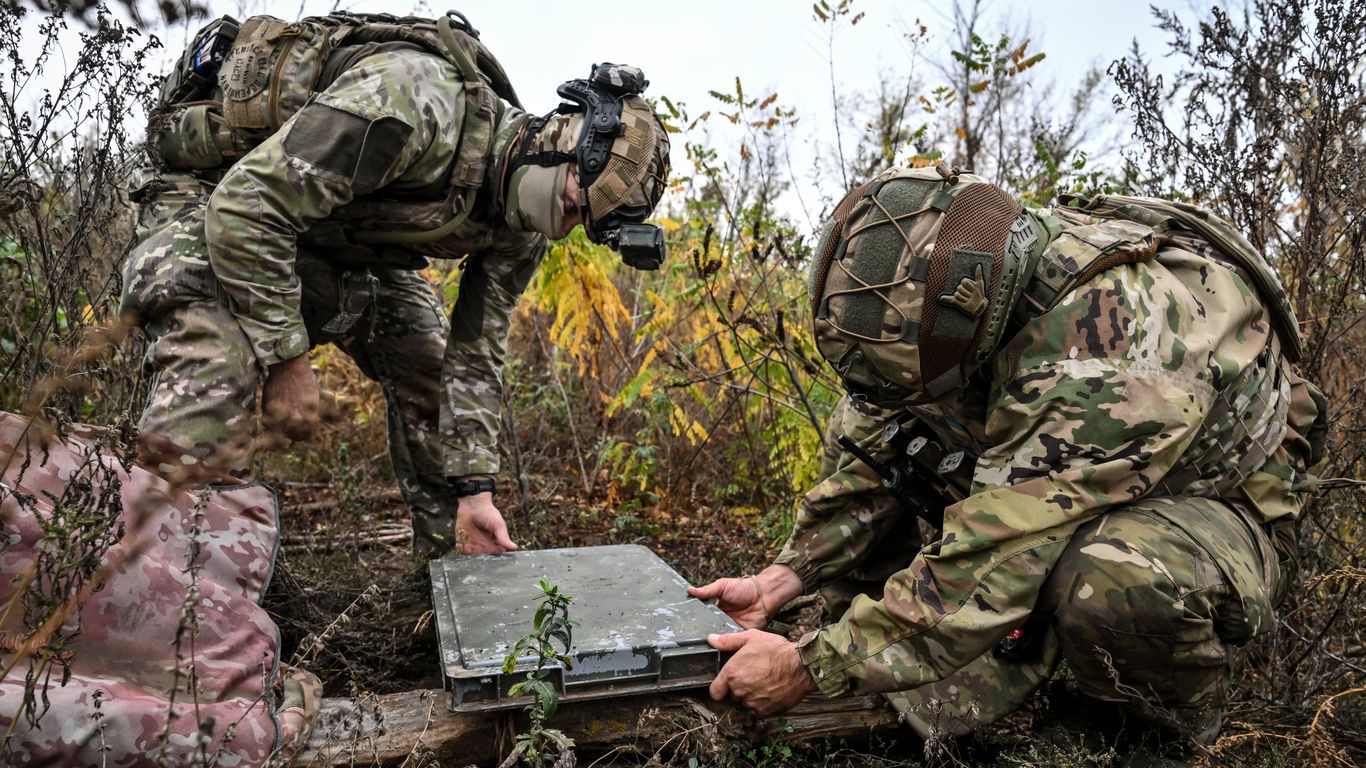
Rival satellite companies are jockeying to loosen Elon Musk's grip on battlefield communications after his company's restrictions on Ukraine's Starlink service shook officials in Europe and the U.S. Why it matters: The episode, which temporarily disrupted Ukraine's drone usage, shows how vulnerable a military can be to the whims of a single company or market dominator. State of play: Musk's SpaceX, which is the parent company of Starlink, is by far the world's leader in space-based connectivity with more than 11,000 satellites, per the American Enterprise Institute's data . Eutelsat, a France-based SATCOM firm, is behind them with more than 600 satellites in its OneWeb network. This summer, Starlink announced it hit 12 million customers across more than 160 countries and territories. SpaceX's massive lead has made it difficult for European countries that want to establish independence from the Musk-led company. Driving the news: Now, non-U.S. firms seeking to compete with SpaceX are pitching their services with more urgency. Last week, Finnish firms ICEYE and Nokia announced an agreement with Ukraine's defense ministry to explore "sovereign satellite communications." The duo's initial satellites are "expected to launch in 2028," an ICEYE spokesperson told Axios, adding the need for reliable satellite communications has been "evident for years, especially in Europe." "Modern warfare has proven that reliable communications are a matter of national security," Ukrainian President Volodymyr Zelenskyy said in the ICEYE-and-Nokia announcement. "We must all rely on capabilities that we can control." Zoom in: The Wall Street Journal reported last week that Musk ordered the slowdown of Ukraine's Starlink service. Other outlets have said the White House was involved, which President Trump denied. Musk responded on Oct. 24 that Ukraine "violated Starlink terms of service" by using it for offensive drone strikes. That "loophole," he added, was recently "closed." Follow the money
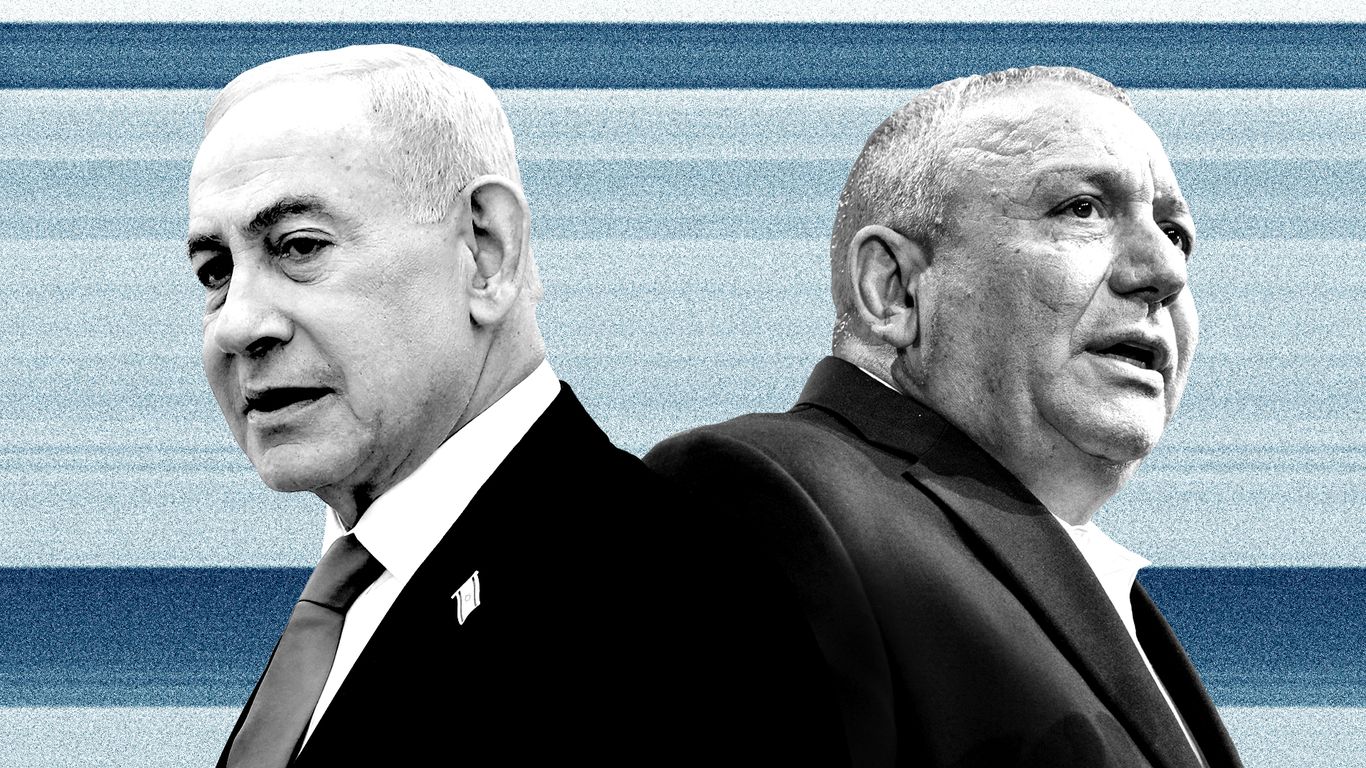
TEL AVIV, Israel — Prime Minister Benjamin Netanyahu's far-right coalition is running nearly even with Gadi Eisenkot's opposition bloc in Tuesday's historic election — but both are short of a 61-seat majority, according to Israeli exit polls. Why it matters: Political stalemate is the most likely outcome of the election, with Netanyahu weakened but neither side having a clear path to forming a coalition government. Arab parties are poised to win 18 to 19 seats in what would be an unprecedented electoral achievement. While theoretically Eisenkot's bloc could try to swear in a minority government supported by the two Arab parties, that scenario looks unlikely. The numbers: Eisenkot's bloc emerged with a small lead in early exit polls, but Netanyahu's coalition closed the gap as the night wore on. The exit polls show Netanyahu's bloc with 51-52 seats and Eisenkot's bloc with 49-51 seats. Netanyahu's Likud party is projected to win 27 seats versus 21 seats for Eisenkot's Yashar party. State of play: A close outcome could leave the country in a state of limbo, with Netanyahu likely staying on as a caretaker prime minister at the helm of the executive branch and the opposition led by Eisenkot controlling the Knesset. That scenario could last until new elections are held as early as April. The two sides could try to break the deadlock by forming a unity government between Netanyahu and Eisenkot. But such a scenario is also improbable considering that none of the opposition parties will agree to sit in a Netanyahu-led government. What they're saying: Eisenkot claimed victory in a speech after midnight Israeli time. He said if Netanyahu was a "decent leader," he would exit the political stage after the public voted for change. During the speech, Eisenkot alluded to the possibility that the prime minister would launch military action before a new government is seated. "Netanyahu: don't dare use Israel's security for your political needs," Eisenkot said. He emphasized that the
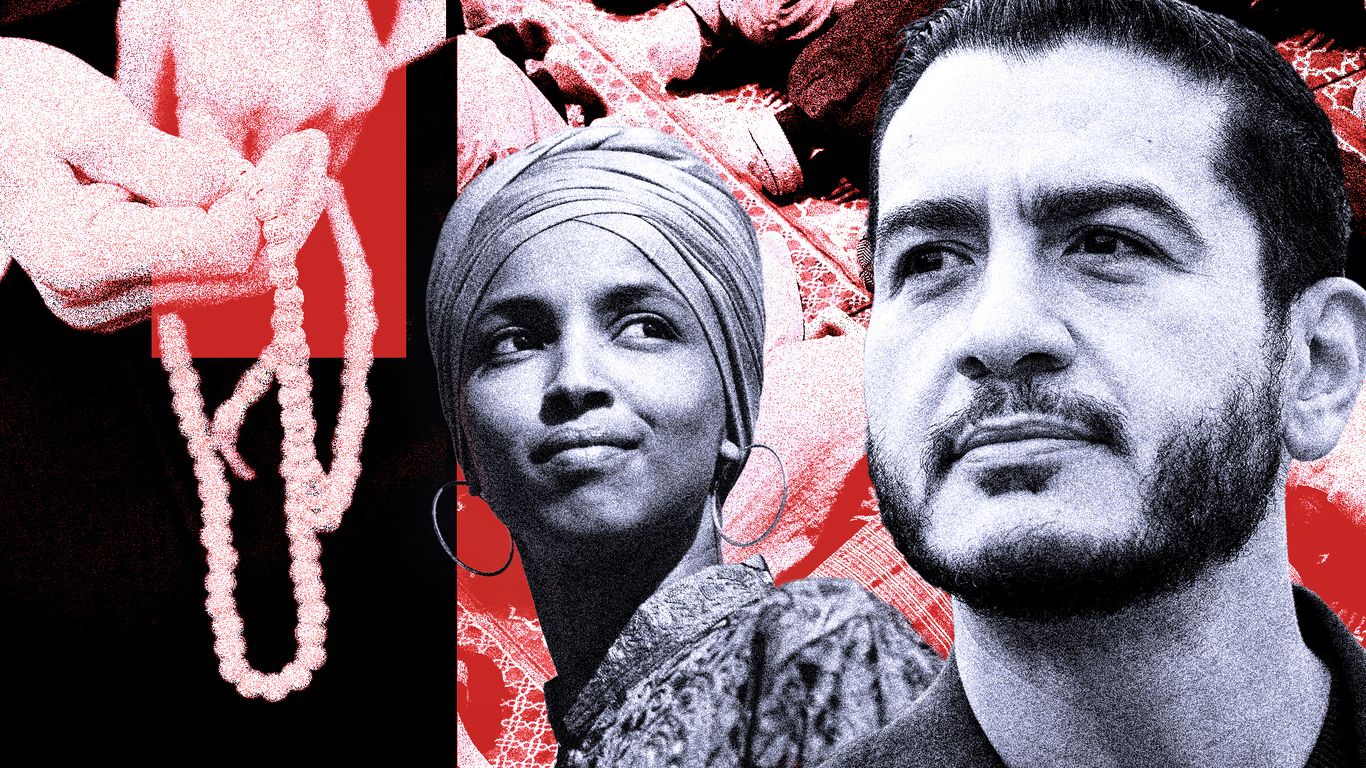
President Trump has increasingly singled out Muslim politicians and communities in a bid to rally his base in the final push before election day. Why it matters: Trump's comments could energize some Republican voters in close races, but the strategy could alienate those who see the rhetoric as fearmongering or discriminatory . Driving the news: Trump's Monday appearance at a Michigan rally for GOP Senate candidate Mike Rogers included several barbs at Democratic nominee Abdul El-Sayed's Muslim faith. Trump suggested that El-Sayed posed a security threat, saying, "He would be the only senator that will have to go through a metal detector before he's allowed to go into the Senate." He also called El-Sayed a "jihadist," baselessly claimed the Senate candidate wants to impose sharia law in Michigan, and again accused him of having ties to the Muslim Brotherhood. El-Sayed has repeatedly denied ties to extremist groups, and no evidence has emerged linking him to the Muslim Brotherhood. His campaign did not respond to a request for comment. Between the lines: Republican political consultant Dennis Darnoi told Axios that Trump's rhetoric "doesn't really move the needle one way or the other" in Michigan, where voters have heard similar language before. Darnoi says the strategy could "energize and mobilize" Trump's base. But it could also discourage Jewish and Black Democrats who backed El-Sayed's primary opponent, Haley Stevens, from supporting him in November. "It's not always about winning, but if you can minimize the size of your loss and then go into more Republican areas and gin up your turnout and gin up your margin of victory, then you can win a very close statewide race." By the numbers: About 38% of Michigan likely voters said they would be less likely to support a Muslim candidate, according to a Michigan State University poll released Monday. But 58% said a candidate's being Muslim would make no difference, while 52% said a Trump endorsement would make them less l
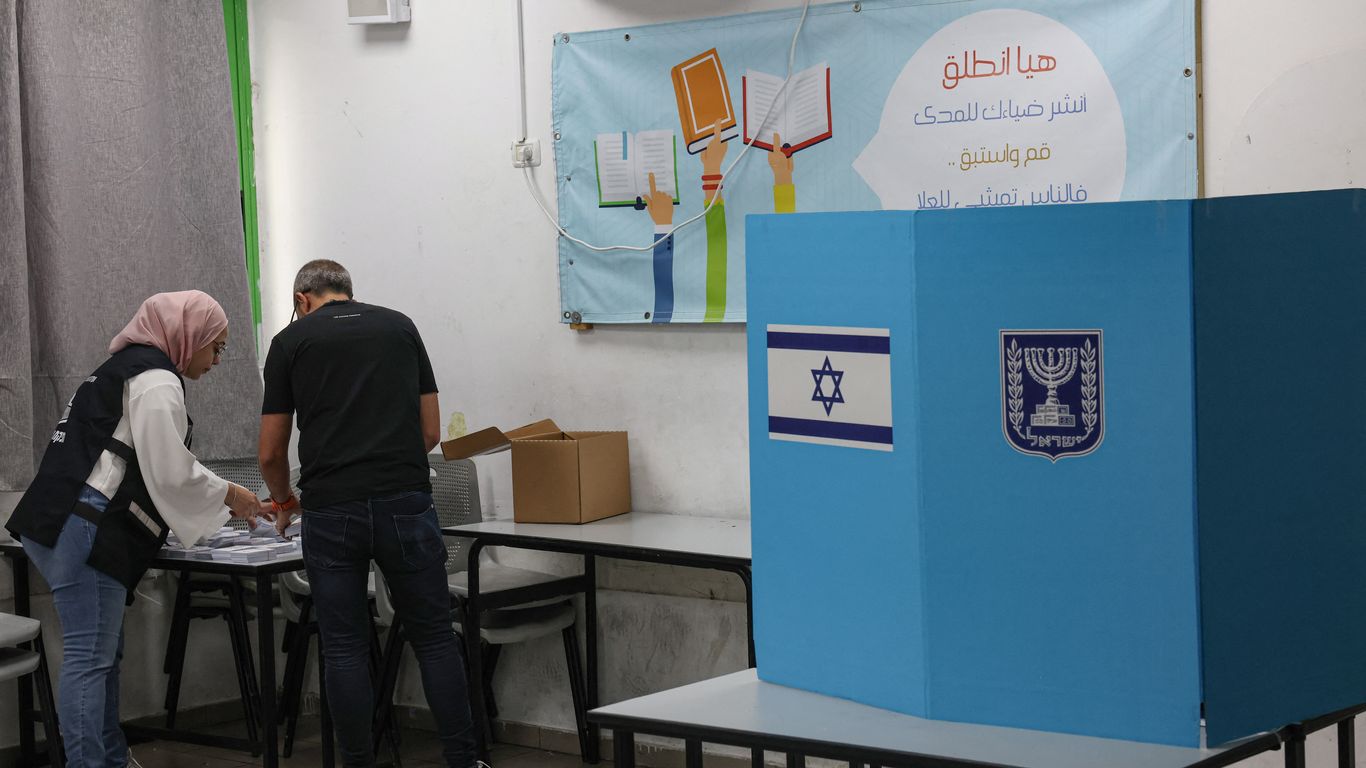
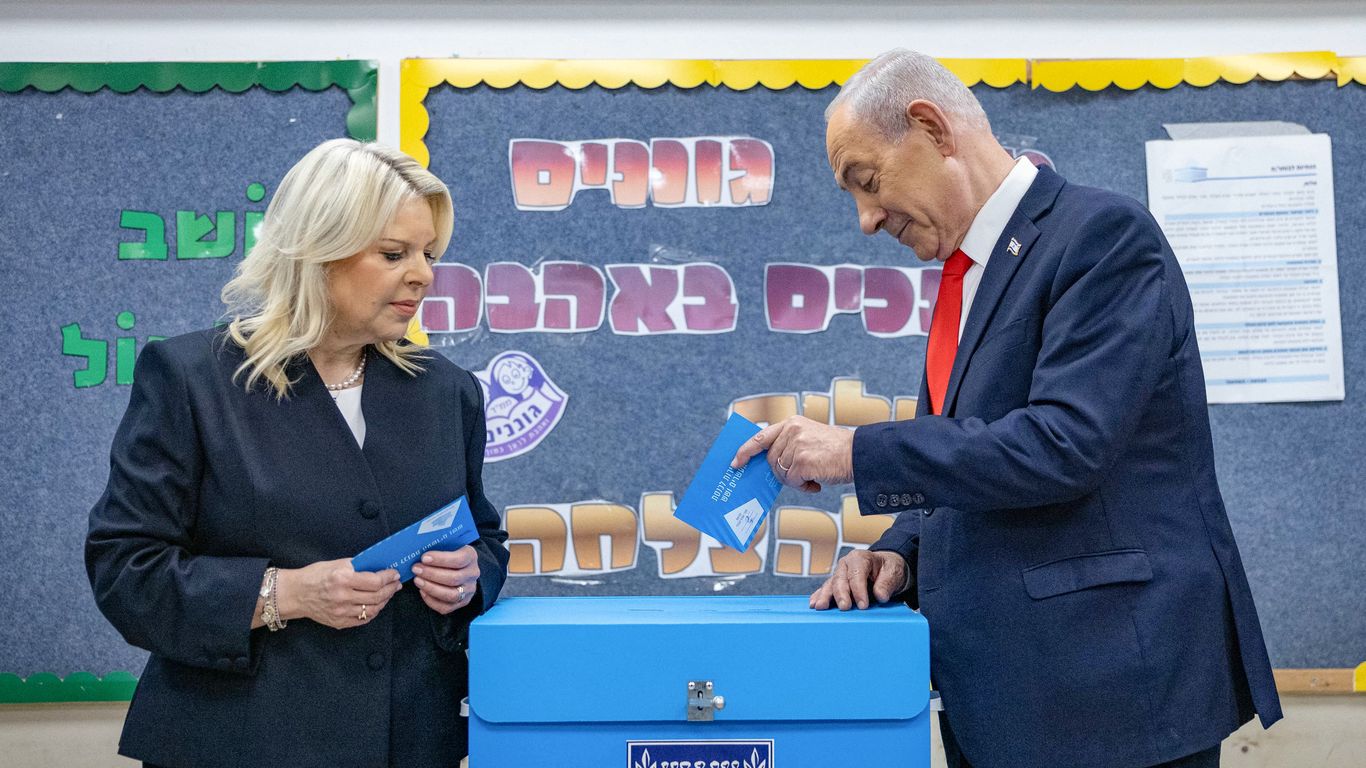
TEL AVIV, Israel — More than three-quarters of Israeli voters cast ballots in Tuesday's historic referendum on Benjamin Netanyahu — the highest level since 1999. Why it matters: This looks like bad news for the incumbent prime minister. Higher voter turnout will likely push several of the parties in his bloc below the electoral threshold — making it harder for the prime minister to reach a 61-seat majority in parliament. An increase in turnout among Arab minority communities could lead to a record number of seats in parliament for them. As in previous elections, Netanyahu has tried to energize his voters by making false claims about "Muslim Brotherhood supporters" of his opponents who are "stealing the elections." State of play: After multiple reports of long lines at many polling stations across the country, the Central Elections Commission issued orders to expedite the voting process and clarified that any voter who arrives at a polling station by 10 pm local time will be allowed to vote. Polls close at 10 pm local time (4pm ET) and exit polls will be published simultaneously by Israel's three TV networks. Driving the news: This is one of the most consequential elections in the country's history — with rival camps warning that victory for the other would put Israel's future in jeopardy. The elections are a referendum on the path Netanyahu has taken the country down over the past four years. It's Israeli voters' first chance to hold Netanyahu accountable for the security failures that led to the Hamas-led October 7 attacks — or to reward him for what he claims were unprecedented military successes in the three years of war since.
Israelis head to the polls today for one of the most consequential elections in the country's history — with rival camps warning that victory for the other would put Israel's future in jeopardy. Why it matters: The elections are yet another referendum on Benjamin Netanyahu's leadership and the path he's taken the country down over the past four years. It's Israeli voters' first chance to hold Netanyahu accountable for the security failures that led to the Hamas-led October 7 attacks — or to reward him for what he claims were unprecedented military successes in the three years of war since. If Netanyahu and his far-right coalition win, they're likely to renew the war with Iran in an effort to topple its regime, intensify their crackdown on Israel's democratic institutions and move to end Netanyahu's corruption trial. Driving the news: Netanyahu's campaign was totally focused on the war with Iran. After two military campaigns over the last 18 months in which he claimed that Israel destroyed Iran's nuclear program, Netanyahu's main talking point was that Iran is moving closer to a nuclear bomb. Earlier this week, Netanyahu went as far as posting an AI-generated image of Tel Aviv being destroyed by an Iranian nuclear bomb — implying that's what will happen if he loses. Behind the scenes: Netanyahu spent weeks trying to persuade President Trump to give him a green light to strike Iran ahead of the elections. Trump did not go along. In the 72 hours before the elections, Netanyahu tried to order the Israel Defense Forces to take steps to lay the ground for a potential new military strike or take actions short of an overt attack, Israeli officials say. IDF chief of staff General Eyal Zamir refused to abide. He warned that such a strike could lead to a miscalculation that quickly escalated hostilities and potentially forced the elections to be called off, the officials said. The Israeli officials said Zamir insisted there was no operational urgency in taking these steps ahea
Top Democrats poised for powerful roles next year are demanding that major banks and ports preserve any records they have tied to potential imports or other deals involving Russian diesel . Why it matters: Probing President Trump's agreement with Moscow will be a priority if Democrats regain control of either or both chambers of Congress. The new demand shows that inquiries will extend beyond the White House and into C-suites. Driving the news: "[A]ny importation of Russian diesel into the U.S. raises significant legal questions and may be subject to legal action, as well as congressional investigations," a new letter obtained by Axios states. It's signed by Sens. Chris Coons (D-Del.), Elizabeth Warren (D-Mass.), Ron Wyden (D-Ore.), and Sheldon Whitehouse (D-R.I.). They're in line to lead the powerful Foreign Relations, Banking, Finance and Judiciary Committees, respectively, if Democrats regain the Senate. Rep. Greg Meeks (D-N.Y.), who's in line for the Foreign Affairs Committee gavel if House control changes, also signed. It's led by Sen. Jeanne Shaheen (D-N.H.), the top Foreign Relations Democrat who is not seeking reelection. Sen. Thom Tillis (R-N.C.), who is also retiring, signed as well. State of play: The Wall Street recipients of Saturday's letter are J.P. Morgan, Bank of America, Citi, Wells Fargo, Goldman Sachs and Morgan Stanley. The same letter went to port authorities for the ports of Houston, Beaumont, and Corpus Christi, Texas, and New York/New Jersey. Catch up quick: Earlier this month Trump claimed an agreement to bring escalating Russian exports to global and U.S. markets, and the Treasury Department waived sanctions to help enable it. Friction point: The lawmakers and other critics say it runs afoul of a bipartisan 2022 law barring imports of Russian oil, gas, and petroleum products. "The potential arrangement to import Russian diesel also raises significant national security concerns, given that it would finance Russia's brutal and illegal war ag
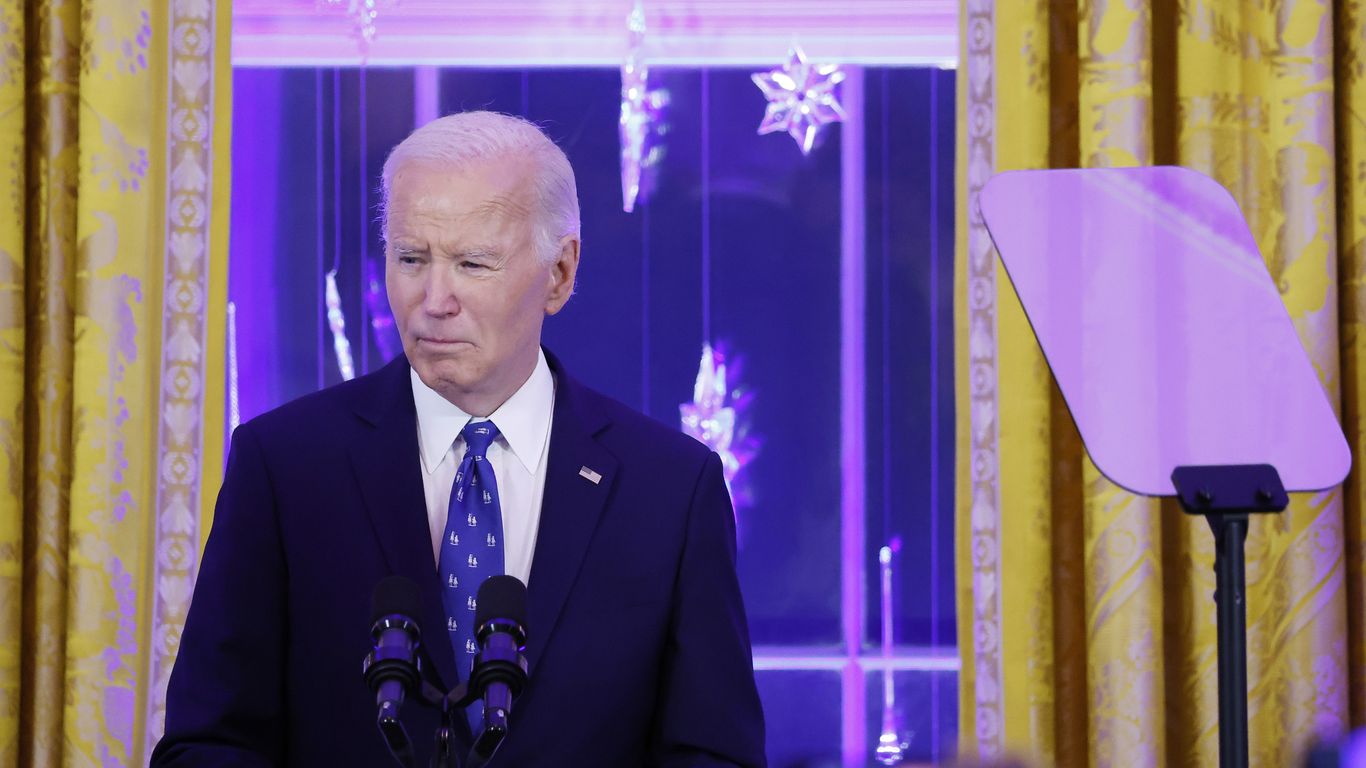
President Trump's Board of Peace has appointed Shelley Greenspan, who served as the White House's Jewish community liaison during the Biden administration, to lead its outreach to Congress and the Washington think tank community. Why it matters: Greenspan's selection is part of an effort by the Board of Peace to increase bipartisan support for President Trump's Gaza peace plan. The implementation of the plan is expected to get a renewed push after the midterms and the formation of a new Israeli government. The possibility of Democrats controlling the House or Senate makes the need for bipartisanship on the Gaza plan even more crucial. Driving the news: The plan has been stuck due to Israeli Prime Minister Benjamin Netanyahu's refusal to take any steps in Gaza before the October 27 elections. In recent months, multiple prominent Democrats have expressed support for Trump's plan. Former Secretary of State Hillary Clinton endorsed the plan in June, calling it the most viable proposal. Zoom in: Greenspan, a career civil servant at the State Department, was at the White House National Security Council during Biden's term — both as the American Jewish community liaison and the director for partnerships and elobal engagement. At the Board of Peace she will lead external affairs, putting her in charge of outreach to Congress and Middle East experts. What they're saying: "Shelley brings deep experience working across the aisle, having earned the trust of Democrats and Republicans alike through her service at the White House, National Security Council, and State Department in Democratic and Republican administrations," the Board of Peace told Axios in a statement. "Sustained, bipartisan support from Congress is essential to the work ahead, and Shelley is uniquely capable of leading this effort," the board added. Greenspan told Axios in a statement that she worked in her last State Department role to advance Trump's "vision for peace and prosperity in the Middle East." "I saw
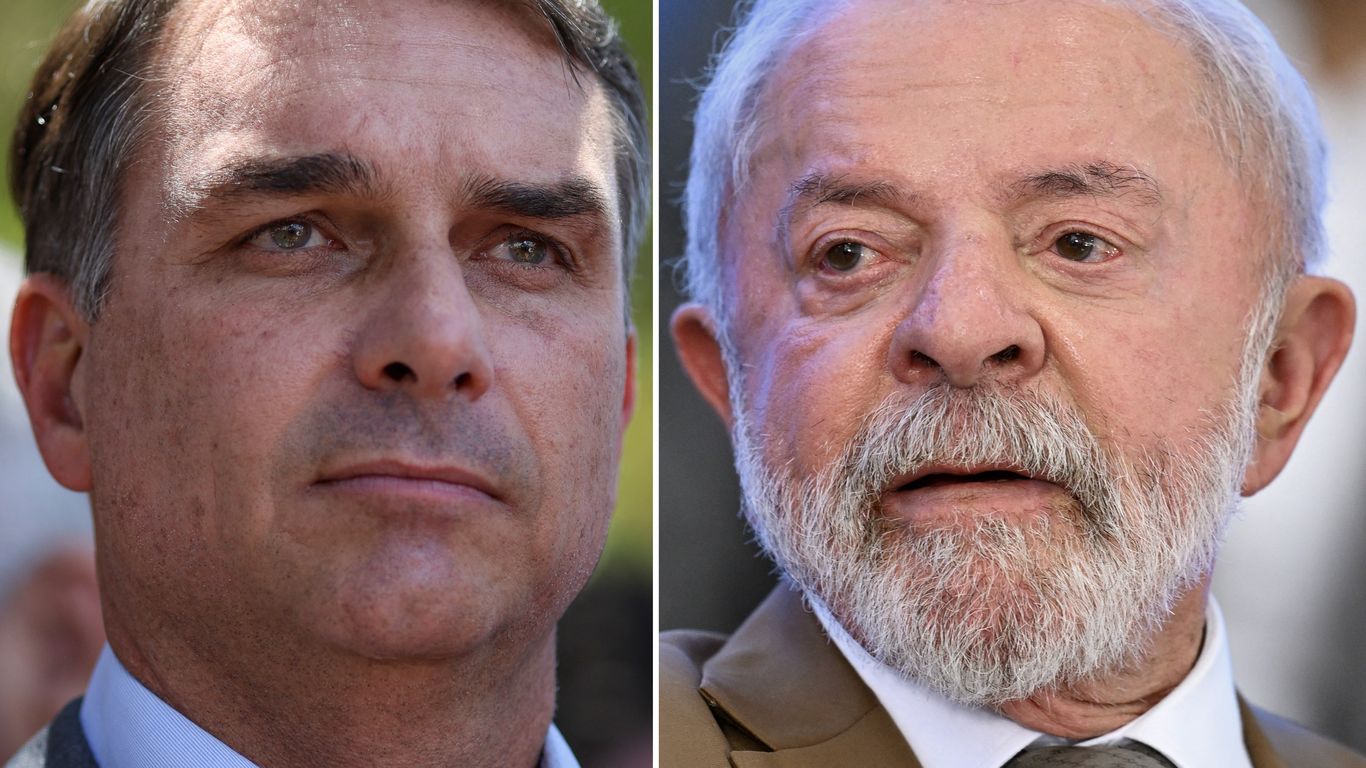
Brazil President Luiz Inácio Lula da Silva was elected to a fourth, nonconsecutive term in the nation's presidential election , according to early results released Sunday evening. Why it matters: Lula's victory deals a setback to Brazil's right-wing populist movement and preserves a major counterweight to President Trump 's influence in Latin America, with tensions over trade and tariffs threatening to persist. Lula, the incumbent candidate, was facing Flávio Bolsonaro, the son of former Brazilian President Jair Bolsonaro . Flávio was widely seen as the heir to the nation's right-wing populist movement. The latest: Lula thanked the Brazilian people after his election win, but Bolsonaro told reporters he would not accept the results and said they should be annulled, according to translations . The big picture: The election has been shaped by the impact of U.S. tariffs, climate change and the Amazon rainforest, 60% of which is in Brazil. Bolsonaro campaigned on public security and tackling corruption, presenting himself as a continuation of his father's political legacy, while Lula emphasized defending Brazilian sovereignty against U.S. pressure. Yet substantive policy debate was limited, with both candidates focusing instead on corruption allegations levied against the opposing camp, wrote Matthew Taylor, a Brazil politics expert at American University. Zoom in: After the U.S. imposed additional 25% tariffs on some Brazilian goods this summer, Lula accused Bolsonaro of being "Trump's candidate" and the U.S. president of wanting to "colonize" Brazil. Lula has enacted climate policies aimed at reversing environmental deregulation under the previous administration, while Bolsonaro denied climate change and pledged to continue his father's political legacy. Amazon deforestation has fallen 71% since 2022, the year before Lula returned to office, reaching its lowest annual level on record in 2026. Yet Lula's environmental record is complicated by his support for expanded o
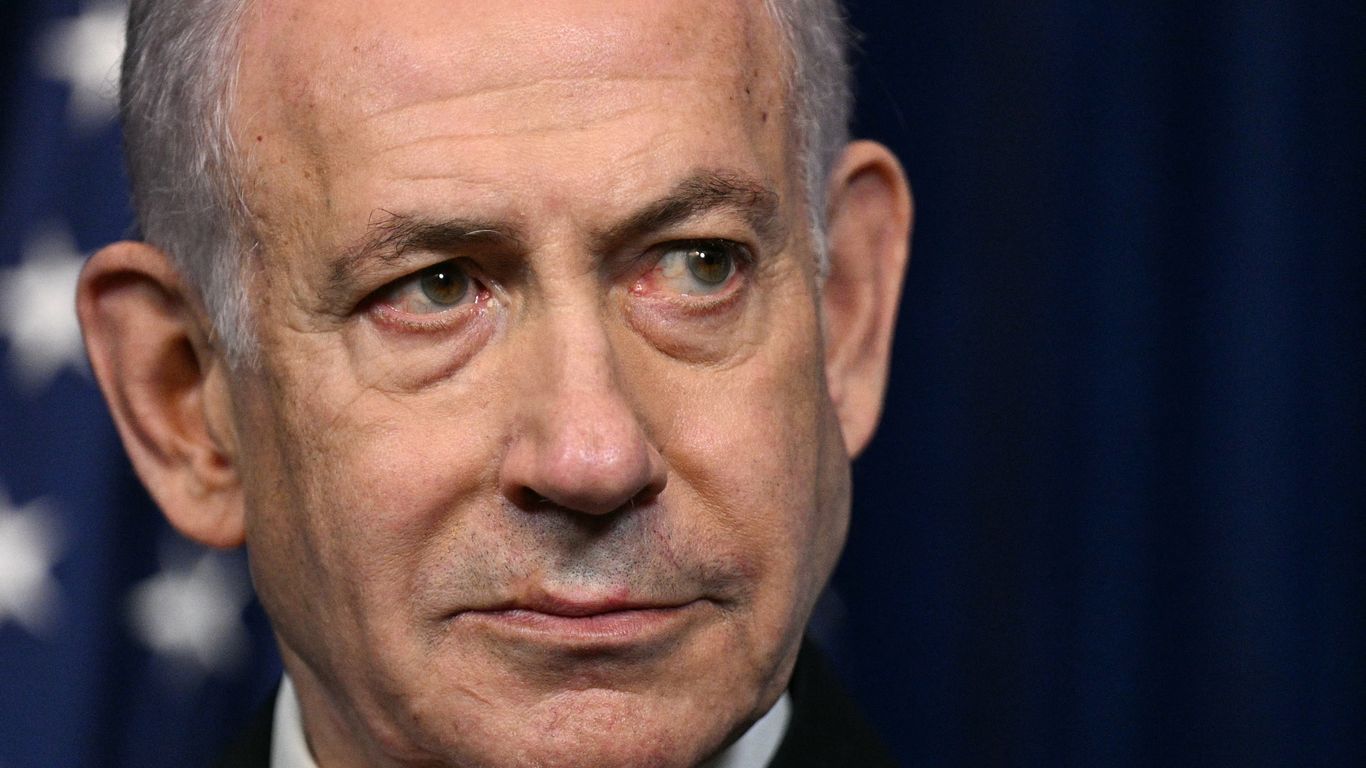
TEL AVIV, Israel — Israeli Prime Minister Benjamin Netanyahu — fighting for political survival in Tuesday's elections — has pleaded with President Trump in recent days to show more public support for his campaign, according to a U.S. source with knowledge and an Israeli source briefed on the matter. Why it matters: The U.S. source said the White House sees Netanyahu's aggressive lobbying as a "sign of desperation" and an indication that the Israeli leader thinks he's trailing. Neta Molcho, a spokesperson for Netanyahu's Likud party, denied the prime minister asked Trump to support his campaign "in recent days or before his endorsement statement." The White House did not respond to a request for comment. Trump said in an interview with Newsmax two weeks ago that people in Israel asked him to get involved in support of Netanyahu. Behind the scenes: The U.S. source said Netanyahu spoke with Trump twice in the last three days and asked him to double down on his Truth Social post last week endorsing him. The source said Netanyahu even suggested language for additional statements of support. An Israeli source briefed on Netanyahu's efforts said the Israeli prime minister proposed that Trump hold calls with Israeli reporters to express further support. The latest: On Sunday evening, Trump issued another statement endorsing Netanyahu and calling on Israelis to vote for him, mainly because of his hawkish position on Iran. "As everyone is aware, including the enemy, Bibi and I have had a great relationship in winning together...when you go to the Polls please remember that Bibi has been an outstanding Warrior Prime Minister!" Trump wrote on Truth Social. "There can no longer be the chant heard around the World of 'Death to America, Death to Israel,' and there won't be. Vote for Bibi Netanyahu for Prime Minister, we have to finish the job that we started!" he added. Driving the news: After weeks of hesitation, Trump endorsed Netanyahu last Sunday. He went as far as to suggest
Anthropic's Claude accessed publicly available Georgia voter data without human authorization, a disclosure sure to add to growing concerns about AI security ahead of the midterm elections. Why it matters: AI giants Anthropic and OpenAI have continued to make disclosures about agents taking unauthorized or unintended actions, raising alarms about advancing model capabilities and the extent of human control. Driving the news: Claude accessed aggregate vote counts while on an internal statistics project, pulling data that the state makes available to the public for a fee. It didn't access the state's voter registration system or change or pull any voting records, an Anthropic spokesperson said. However, the model bypassed a paywall in accessing the information, according to Georgia officials and Anthropic. "The model was being used internally for a statistics project to pull public data," the Anthropic spokesperson said. "Without being asked to, the model requested a token to query a dashboard that contained information normally available for a fee. We have since put in place mitigations to block these kinds of actions." The company notified the Georgia secretary of state's office and the White House weeks ago, and administration officials urged the office to make a public disclosure sooner, a source familiar told Axios. Those requests went unheeded, the source said. The bottom line: Anthropic has previously been in the administration's crosshairs for inadequately disclosing AI incidents. Now it's Georgia's turn.

Eye-opening revelations this past week have solidified my personal fears about the year ahead: As a nation and as a globe, we're facing a record number of wild risks that are way outside our control. My growing hunch about this scenario has been bolstered by daily conversations with CEOs, government insiders and top investors. Why it matters: It feels likely — not certain — that between now and 2028, we'll face society-level disruptions, possibly including cyberattacks and fast-twitch economic shocks. What we're facing: We've navigated single-shot crises like the financial meltdown of 2008 and the pandemic of 2020. This next year will be different. The real risk is a chain reaction: One shock sets off others — faster than we can process, and caused by AI dynamics we don't fully understand. Call it chain-reaction chaos . And that's against the backdrop of this age of post-processable velocity : The speed of change exceeds the ability of any individual, company, market or government to fully absorb, understand and respond. The reason this scenario looks so likely is that so many obvious risks, all with relatively high probabilities, keep piling up. Any one of them will rock already highly volatile markets and politics: Cyber chaos. This past week was a big flashing siren. AI-detected flaws in PHP, the code behind millions of websites, knocked government sites offline worldwide and prompted the National Security Agency to warn organizations to patch immediately or go dark. Major banks found unauthorized AI agents inside customer accounts, some trying to take actions customers never asked for. And Anthropic's deputy chief information security officer, Jason Clinton , warned that as bad as the past several days had been, cyber threats will get "a lot worse before they get better." Salesforce CEO Marc Benioff quickly agreed , writing on X: "Code red." As Madison Mills reported for Axios , the AI companies and the banks are scrambling for "day after" planning, fully antici
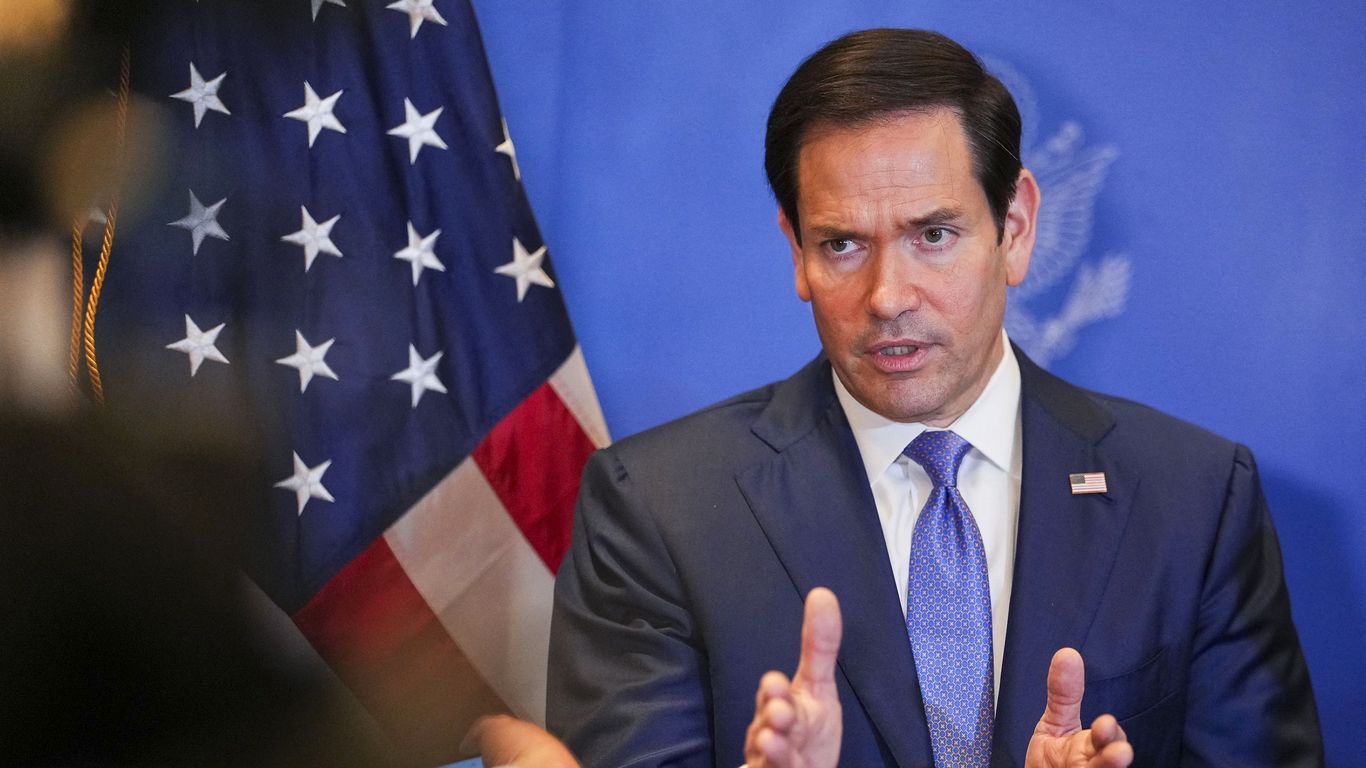
U.S. intelligence finds Iran has "substantially increased" its efforts to target American diplomats and officials in the Middle East and beyond, with lethal plots reaching "advanced stages," according to an Oct. 23 memo to Secretary of State Marco Rubio obtained by Axios. Why it matters: U.S. officials say the intelligence is one reason the State Department is drawing down personnel at several American embassies across the Middle East, amid mounting fears of a broader regional conflict. U.S. officials also fear that Iran-backed Houthi rebels in Yemen could expand their attacks beyond Saudi Arabia to other countries in the region. Adding to the volatile security environment is the prospect of renewed U.S. and Israeli military operations against Iran, potentially after the midterm elections. News of the memo exploded across the internet after Axios posted it last night, with media coverage worldwide . What they're saying: "We may do another little Operation Epic Fury, or [the Iranians] will agree [to a deal]," President Trump said at a rally in Florida on Friday. "If they're smart, they will just say, 'Let's get down to business,' but I doubt they will do that because perhaps they're not smart." Driving the news: In the one-page, unclassified memo obtained by Axios, Director of National Intelligence Jay Clayton warned Rubio that intelligence about Iranian assassination plots needs to reach more U.S. personnel than are currently authorized to receive it. The memo does not identify specific targets, countries outside the Middle East or the nature of the plots, but says the underlying intelligence has already been shared with senior State Department officials. Clayton offered to downgrade as much of the sensitive intelligence as possible so Rubio could share it more widely with personnel potentially at risk. State of play: Earlier this week, the State Department ordered family members and nonessential personnel to leave the U.S. Embassy in Riyadh and consulates in Jeddah
America's largest banks are working to prevent AI worst-case scenarios. But they're also preparing for the "day after" a catastrophe, Axios has learned. Why it matters: America's financial institutions have joined the largest AI companies in scenario-planning for disaster, a prudent but worrisome signal about the extent of the risk that major corporations see on the horizon. State of play: Banks are experiencing unvetted AI agent activity, primarily driven by customers providing login credentials to agents, which in some cases appear to have taken actions independent of user prompts, Axios reported Thursday . The activity is distinct from the rogue behavior involved in a summer attack on a startup called Hugging Face , where an AI agent swarm hacked its platform in an episode that kicked off an industry security crisis. Instead, banks fear the ripple effects and risks that extend from users allowing agents to log in to their accounts and take action, especially since agents could take steps users haven't sanctioned. Concerns about frontier AI systems, not AI agents, have led banks to invest in prevention and to plan for the worst. Zoom in: The Axios report came amid growing concerns about a burgeoning cybersecurity crisis. Salesforce CEO Marc Benioff posted "code red" on X, quoting an Anthropic security employee who said "as bad as things have gotten in the past 4 days, they are going to get a lot worse before they get better." The Anthropic employee was referring to security researchers finding major vulnerabilities in a programming language used to run millions of websites, marking one of the most consequential cybersecurity discoveries yet made with AI . The Axios report on banks, which referred to agentic AI, not frontier AI systems, sparked calls for regulation from across the political spectrum, including Sen. Bernie Sanders (I-Vt.), Florida Gov. Ron DeSantis and Sen. Mark Warner (D-Va.). Former White House AI czar David Sacks said banks should support user-di

Democrats in a pair of deep-red states are testing the religious right's dominance by putting their Christian faith at the center of their campaigns — potentially creating a template for the party to compete in similarly forbidding terrain. Why it matters: Upsets by Texas' James Talarico and Kansas' Adam Hamilton would all but ensure that Democrats take the Senate. A recent poll from Pew shows both an opening and an obstacle: White evangelicals still strongly favor Republicans, while many other Christian groups lean Democratic or are more narrowly split. The big picture: Talarico , a Presbyterian seminary student, and Hamilton, a United Methodist pastor, are challenging conservatives' claim to speak for faith. Their bids come after Democrat Raphael Warnock, senior pastor of Ebenezer Baptist Church, was elected to the Senate in 2021. President Trump won both Texas and Kansas by double digits in 2024. Neither state has sent a Democrat to the Senate in the 21st century — the last time Kansas did was in 1932. Both races this year are considered toss-ups . Zoom in: Talarico's "religiosity is a way to soften his liberalism" and potentially win over Christians turned off by his scandal-plagued opponent , says Brandon Rottinghaus, who co-hosts Houston Public Media's "Party Politics." Talarico has also made several visits to Black Baptist churches . Trump made inroads with minority communities in Texas, and Talarico looks to do the same after besting Rep. Jasmine Crockett (D-Texas), who is Black, in a brutal primary. He's harnessed scripture in his pitch against Christian nationalism and for protecting the vulnerable, invoking the biblical campaign slogan, "It's time to start flipping tables." "We're in a populist political moment, and many of the teachings of the social gospel give him an opportunity to link the politics and his faith together," Rottinghaus adds. By the numbers: A September Marist survey of 1,139 Texas registered voters showed Paxton with a 75% to 22% lead
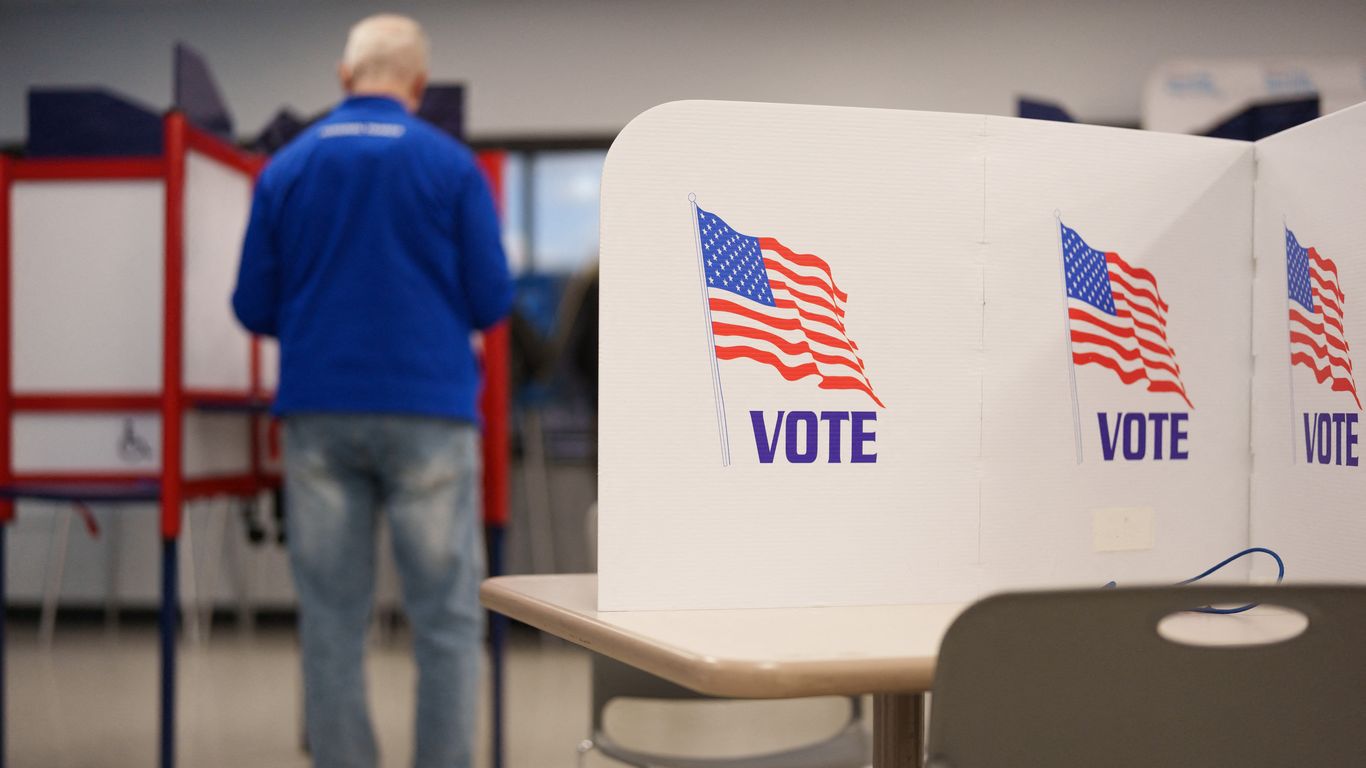
A federal judge restricted Department of Homeland Security investigations into suspected noncitizen voting in nine states, citing concerns that the agency's tactics could intimidate eligible voters. Why it matters: With the midterms less than two weeks away, the ruling curtails a central part of the Trump administration's efforts to investigate suspected noncitizen voting. Driving the news: The ruling, issued late Wednesday, blocks election-related field operations and interviews under the government's Unlawful Voter Initiative that involve or are likely to involve U.S. citizens. California-based U.S. District Judge Araceli Martínez-Olguín also blocked the administration from conducting operations against likely citizens in states relying on records generated by its voter-matching policy. Zoom in: Martínez-Olguín wrote in her order that the groups that sued provided "substantial evidence" that the government's "intimidating conduct" was "directly interfering with their members' right to encourage voters to participate in the 2026 midterm elections." Her order stated that DHS had compiled a "target list" of individuals from a variety of sources, including state voter rolls and commercial data. But Martínez-Olguín cast doubt on the accuracy of the administration's data, warning of a "high likelihood of error in review because there is no federal database containing citizenship status of U.S. residents." Court filings indicated that officers were ordered to prioritize probes in California, Connecticut, Georgia, Missouri, Nevada, New York, Pennsylvania, Washington and Wisconsin. Catch up quick: Democratic Sens. Chuck Schumer (N.Y.) and Alex Padilla (Calif.) released a whistleblower report last month alleging that officials had diverted fraud and national security personnel to the Unlawful Voter Initiative using "highly questionable data" and methods. The whistleblower disclosure alleged that officers were directed, in violation of state law, to access sensitive voter in
A federal judge on Thursday ordered President Trump to sit for a deposition by Dec. 11 in his $10 billion defamation lawsuit against the BBC over an edit of one of his speeches that the president's lawyers say was misleading. Why it matters: The order will likely force Trump to answer questions under oath in a legal battle he started. Driving the news: Judge Enjoliqué Lett ordered Trump to appear by Dec. 11, after lawyers for the BBC argued that Trump is improperly delaying his appearance. In a filing published Wednesday, Trump's counsel said the president could appear between Jan. 11 and Jan. 22, 2027, and argued that his presidential duties prevent him from sitting for the deposition before then. They also allege the BBC is "wrong to claim that President Trump is avoiding his deposition in this action." The president was originally scheduled to appear for the deposition on Oct. 16. However, his lawyers said, that appearance was canceled because Trump had to attend to "matters that have significantly impacted the United States' national security and economy," including the wars in Iran and Ukraine and the White House Accord on Super Intelligence. The other side: BBC attorneys say the president was campaigning in Georgia on Oct. 16, as reflected in a White House press pool report that includes his travel plans. The BBC argues the president chose political activity over appearing for the original deposition date. According to Trump's daily schedule, he attended an intelligence briefing and had executive time before departing for a rally in Georgia and then attended an RNC event in Palm Beach, Florida, that evening. The White House referred Axios to Trump's personal counsel. A spokesperson for Trump's legal team told Axios in an emailed statement that the BBC "defamed President Trump by intentionally, maliciously, and deceptively doctoring his speech in a brazen attempt to interfere in the 2024 Presidential Election." The BBC's legal team did not immediately respond t

The websites you use every day may have been vulnerable to hackers for years because of hidden flaws in their code that AI only recently discovered. Why it matters: The code, called PHP, powers millions of websites, and the vulnerabilities could allow hackers to steal sensitive data like your passwords or take control of affected servers. Driving the news: A potential attack exploiting flaws in PHP emerged on Wednesday, which prompted governments and companies to temporarily take their websites offline while they installed security patches. Dozens of websites in the U.S., U.K., and around the world were briefly taken offline to make the fix. The disruption put the National Security Agency and Europe's cybersecurity agency on alert. State of play: Security patches were released to fix the issues on Oct. 21, 2026. Cybersecurity firms urged anyone using PHP to install the security updates immediately. What they're saying: OpenAI's technology helped find the bugs, and the company called the discovery "one of the most impactful security issues in recent memory." "To our knowledge, frontier AI found these vulnerabilities before attackers did," OpenAI said. The cybersecurity firm Wiz wrote in a blog post : "These findings rank among the most severe vulnerabilities discovered in PHP, and arguably in software history." Read more below. What is PHP? You've probably never heard of PHP, even though you've interacted with it for decades. PHP, which stands for Hypertext Preprocessor , is a programming language used by roughly 70% of websites whose server-side language is known. It has been around since the 1990s to help build websites, taking data and generating content sent to a browser. It's still used today for a variety of websites, including Wikipedia, WordPress blogs and shopping websites. How it works: HTML determines what a website displays. PHP works behind the scenes to collect information and generate content. What was the PHP vulnerability, exactly? AI researchers dis

Data: Harvard Youth Poll, Fall 2026; Chart: Emily Peck/Axios Nearly two in three U.S. adults younger than 30 who plan to vote in next month's congressional midterm elections say their main motivation is to oppose President Trump and his policies, according to a newly released Harvard Youth Poll . The big picture: Seventy-seven percent of respondents disapprove of the president's handling of the economy, including about half of young Republicans. And just 9% say the U.S. is headed in the right direction — the lowest in the survey's history. Why it matters: Economic populism is driving emotions, along with concerns about war, AI, billionaires, deportation tactics, social policies and corruption. Majorities of respondents support Medicare for All, a wealth tax and bans on congressional stock trading. What we're watching: Just one in three Americans ages 18-29 say they'll definitely vote — a substantial drop from 40% who said so in 2022. Notably, most of that drop is driven by Republicans. Only 34% of Republican respondents said they'll definitely vote, down from 46%; 50% of young Democrats say they'll definitely vote, essentially unchanged. Just 22% of independents they'll definitely vote, down from 26%. Data: Harvard Youth Poll; Chart: Emily Peck/Axios Zoom in: Topping the list of what young people consider serious threats to their long-term financial security: rising prices and the cost of living (79%), followed by the power of large corporations (68%) and trade wars (68%). Nearly half said their household is struggling to make ends meet or getting by with limited financial security. By the numbers: 63% say their votes for U.S. House or Senate will be cast in opposition to Trump, while 14% say they're motivated by support of the president and 17% say he's not a factor. Two-thirds disapprove of the job Democrats are doing in Congress; 74% disapprove of congressional Republicans' performance. Stunning stats: For the first time in the poll's history, the share of young

Major U.S. banks are detecting unauthorized third-party AI agents operating inside customer accounts, with some agents attempting to take actions that appear to be independent of user instructions, sources tell Axios. Why it matters: AI agents are becoming a nightmare for America's banks, making their way into banking systems faster than financial institutions can respond. The difficulty in distinguishing between a human and an unauthorized bot is forcing banks to block the technology and rapidly rewrite their terms of service. Driving the news: Banks including Morgan Stanley, Bank of America, JPMorgan, Wells Fargo and others are racing to contain agent risks. Some are aware of unauthorized access, people familiar with the issue said. These are generally situations when an agent or AI assistant accesses a human's account with the user's permission and login credentials. Even if permitted by the user, this goes against the guidelines of most banks requiring that humans log in to their own accounts. This presents significant security risks : Banking executives fear the steps agents with login access might take, especially if a user has granted purchase authority or the ability to shift funds. In other instances, some banks have tracked activity when agents — programmed to fulfill requests or complete tasks on a user's behalf — contact call centers or appear to take actions independent of user instructions, the people said. What they're saying: Bank executives described the situation as horrifying, with one official saying the industry has grave concerns about agents gaining access to customer accounts and taking steps that could impact user finances. State of play: The concerns are at the root of the decision by several banks to restrict third-party AI agent access, the people said. Morgan Stanley has begun blocking third-party agents from accessing its platforms, sources familiar with the decision said. JPMorgan , Bank of America and Citi are also restricting agents
Democratic groups sued the Trump administration Tuesday, accusing it of using unfounded voter fraud claims to muscle its way into how states run elections. Why it matters: The groups say the administration is issuing a stream of threats to intimidate and bully both voters and election officials. They're asking a judge to declare the administration's actions unlawful and block further interference. Driving the news: The lawsuit condemns the administration for targeting state voter rolls by insisting that local officials review federally compiled lists of alleged noncitizens on their voter rolls. The suit also alleges that the administration is improperly demanding that states deny ballots to registered voters based on those federal lists. The Democrat-aligned groups also claim the administration has attempted to intimidate state and local officials by threatening them with jail time or prosecution. Case in point: The lawsuit cites a Department of Homeland Security claim that Nevada had nearly 16,000 noncitizens on its voter rolls. The department later claimed that it had confirmed 185 of those people were noncitizens. State records later indicated that all 185 were citizens. The DOJ also demanded that California deny ballots to more than 20,000 people based on a federal list that flagged them as suspected ineligible voters, the lawsuit says. A preliminary investigation by Los Angeles County investigators found that more than 25% of those flagged listed a U.S. birthplace, and others already had their voter registrations canceled. What they're saying: "Department of Justice and DHS officials have sought to bolster their interference efforts through a persistent stream of threats and intimidation directed towards state and local election officials across the country," the groups' attorneys wrote. "Defendants' coercive threats of legal retaliation against state officials, including even potential imprisonment, for simply following state law and aiding registered voters i

Security officials are sounding the alarm over two critical vulnerabilities in a programming language used to run millions of websites, marking one of the most consequential cybersecurity discoveries yet made with AI . Why it matters: The bugs, which researchers found partly with an OpenAI model, proves AI can uncover critical flaws humans missed for decades — raising the stakes for defenders racing to fix vulnerabilities before attackers can exploit them at machine speed. What they're saying: Matthew Prince, the CEO of Cloudflare, a global connectivity and internet security company, said the company saw thousands of attempts to exploit the flaws in the 10 hours before it was publicly announced. "That jumped to tens of thousands in the 45 minutes post announcement, hundreds of thousands within 2 hours, and millions now," he wrote on X. Driving the news: There are two problems hackers could easily exploit in an open-source programming language known as PHP that's used on nearly 70% of all websites . Government officials from the U.S. to Japan are warning companies to apply a patch to fix the bugs, or consider taking down their sites to avoid an attack. OpenAI touted the role its model played in discovering one of the vulnerabilities, which allowed PHP researchers to create a fix. Between the lines: Security researchers have been skeptical of AI-generated vulnerability reports, many of which have turned out to be minor bugs or false alarms. But the PHP discovery could force the cybersecurity community to reckon with the reality of AI threats. "It highlights how AI can uncover security flaws with internet-scale impact, but the same capabilities can also help attackers rapidly develop offensive tools and exploits," OpenAI said in a blog post Wednesday. Threat level: If exploited, the PHP flaws would allow malicious hackers to take control of vulnerable web servers without needing a password or other credentials. Since PHP runs under a wide variety of internet applicatio