

Calley Means quickly rose from wellness entrepreneur to senior Trump health adviser — and now he's attacking the White House and suggesting top aides undermined the president's health agenda. Why it matters: His scorched-earth campaign — which continued Monday in comments to Axios — marks a stunning turn for a figure who was the administration's most vocal advocate of the "Make America Healthy Again" agenda. It also raises questions about what the escalating fight between Means and former White House officials will accomplish for the movement. Driving the news: Means told Axios he's going public with his allegations of corruption — especially by former White House chief of staff Susie Wiles — because of the high stakes. "It is existential to the survival [of] America that we rid DC of Susie's brand of politics," Means said in a text exchange. Means' initial comments on Friday's episode of "The Joe Rogan Experience" went viral , and he continued the campaign with an appearance on CBS' "Face the Nation" Sunday. Asked if he's worried about lawsuits after comments from a Wiles spokesperson and former White House deputy chief of staff James Blair — who Means has also accused of wrongdoing — Means pointed to his X post warning them and other parties to "immediately preserve all potentially relevant records and communications." Means has kept up a steady stream of X posts about his allegations and the way he claims the officials have responded to them. "Susie - I'm not intimidated and you will not scare me. Again, please stop sending me emotional texts. This is not personal - this is civilizational," Means posted Monday . White House spokesperson Allison Schuster said in a statement the Trump administration has won "extensive victories for the MAHA Agenda." The Department of Health and Human Services and a Wiles spokesperson didn't respond to requests for comment. The big picture: After hitching their wagon to President Trump ahead of the 2024 election, MAHA leaders have b
Results for “james gunn”
Democrats swept into power last week as voters also embraced tougher criminal penalties and restrictions on bail. Why it matters: Six years after the George Floyd protests, Democrats won big without promising a return to sweeping 2020-era reforms. Some even adopted border-security rhetoric associated with Republicans. Democrats gained at least 12 state legislative chambers and won governorships in Georgia, Iowa, Nevada, Ohio and Texas. By the numbers: Voters approved all six statewide ballot measures Ballotpedia tracked that proposed tougher sentences, criminal penalties or bail restrictions in 2026. Five passed Nov. 3 in Indiana, Louisiana, Tennessee and Colorado. Alabama approved the sixth in May. Four expanded when courts could deny or restrict bail. Two increased penalties, including for fentanyl offenses and child sex trafficking. The shift: Some Democratic winners embraced tougher border-security language while opposing Trump's immigration crackdown. Texas Sen.-elect James Talarico called himself a "border security Democrat ," criticized former President Biden for failing to secure the border and said there needs to be comprehensive immigration reform. Michigan Sen.-elect Abdul El-Sayed , a progressive, said days before the election : "We needed tougher border security." He also criticized Trump's use of ICE. Zoom in: Colorado voters backed Democrats, tougher penalties and limits on federal immigration enforcement. That included electing Phil Weiser (D) as governor and approving tougher fentanyl penalties and life without parole for child sex trafficking. They rejected a measure requiring police to notify federal immigration authorities in certain cases involving violent crime suspects or people with prior felony convictions whose immigration status was unlawful or uncertain. Weiser and state Democrats are now weighing changes to the fentanyl measure, arguing it falls short on promised addiction treatment. Yes, but: Virginia voters approved automatically resto
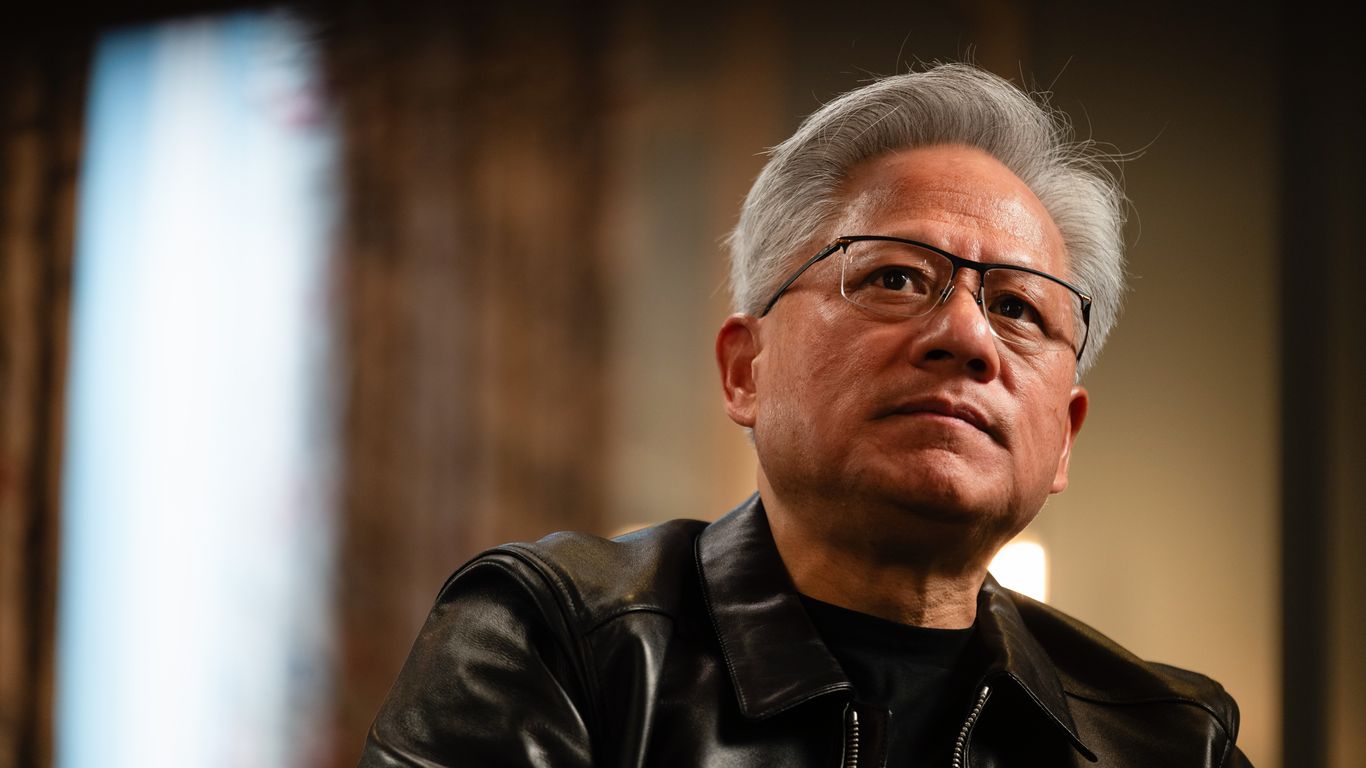
Nvidia CEO Jensen Huang's affair with a woman suspected of spying for China echoes past controversies involving prominent Americans whose romantic relationships raised national security concerns. Why it matters: Foreign intelligence operatives can use romantic relationships to gain access to political intelligence, corporate secrets and classified information — posing serious national security risks. Driving the news: Jensen Huang acknowledged an extramarital affair in a message to employees Sunday, following reports that he had a relationship with a suspected Chinese spy. Per The New York Times , U.S. authorities suspected China's Ministry of State Security of recruiting Alice Huang to seek information about Jensen Huang and influence his feelings about selling AI chips to Chinese firms. Nvidia's board says it has no reason to believe company secrets or national security were compromised. China has also denied the allegations. Zoom out: The evidence of foreign intelligence involvement varies, with some cases involving actual security breaches, while others raised concerns about possible foreign spying. Read more below. Jensen Huang State of play: Reports about Jensen Huang's relationship with Alice Huang have raised questions about whether Chinese intelligence gained access to Nvidia's secrets or sought to influence its business decisions. AFP and Reuters photos showed them together in 2024 and 2025. Employees reported seeing Jensen Huang at Megaspeed's offices, where Alice Huang worked as an executive, according to Culper Research, a short-seller that published a report on Nvidia's China business in May 2026. An employee told Culper that Jensen and Alice had a "very close" relationship. What's next: Three Republican House committee chairs have requested a briefing with Huang about his relationship with Alice Huang and Nvidia's safeguards against foreign threats. James J. Smith and Katrina Leung A 2006 DOJ report found that counterintelligence agent James J. Smith
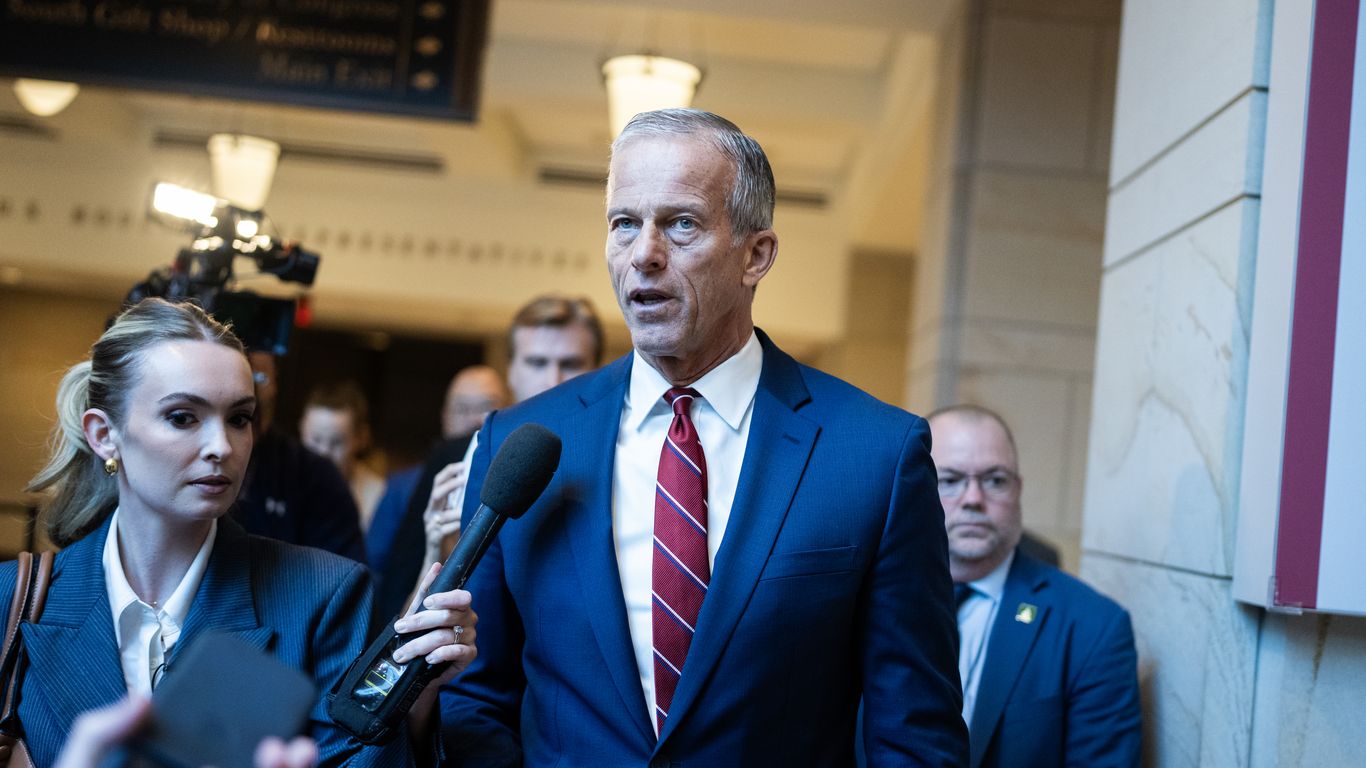
Seven Republican senators now are calling for their leadership elections to be delayed — with one even promising to walk out rather than vote Tuesday. Why it matters: Senate Majority Leader John Thune (R-S.D.) is still expected to be reelected to lead the Senate GOP tomorrow. But the growing push to delay is a sign of troubles ahead. Driving the news: Sens. Ron Johnson (R-Wisc.), Rick Scott (R-Fla.), Mike Lee (R-Utah), Ted Budd (R-N.C.) and John Kennedy (R-La.) all signed a letter demanding that the leadership elections be delayed to allow for more discussion about what went wrong for the party last week. Sens. Dave McCormick (R-Pa.) and Jim Banks (R-Ind.) backed them up in statements posted on X. Johnson threatened to skip the vote if the delay doesn't happen. Between the lines: The decision technically falls to conference chair Tom Cotton (R-Ark.) — though it's usually made with leadership buy-in. The election is expected to be held as planned Tuesday morning unless a senator motions to delay and it passes with a majority — which seems unlikely with the number of public supporters, according to a source familiar with the planning discussions. Despite the arguments that Thune should not get to lock in his leadership so quickly, no one has thrown their hat in the ring to challenge him. The bottom line: At this point, none of the leadership elections are competitive. Senate Majority Whip John Barrasso (R-Wyo.), Conference Chair Tom Cotton (R-Ark.) Policy Committee Chair Shelley Moore Capito (R-W.Va.) and Conference Vice Chair James Lankford (R-Okla.) are expected to keep their spots as Nos. 2, 3, 4 and 5 atop the conference. Moreno is the sole candidate for NRSC chair.

A who's who of Democratic power players descends on Denver this week to plot the party's future, fresh off its sweeping midterm victories . Why it matters: The gathering gives Democrats' rising stars an early stage to test their 2028 message, and explore whether Colorado's red-to- deep-blue shift could offer a national playbook. Driving the news: The three-day " What's Next " conference, starting Thursday, features dozens of Democratic heavyweights and potential presidential contenders, including House Democratic Leader Hakeem Jeffries , Pennsylvania Gov. Josh Shapiro , Texas Sen.-elect James Talarico and former Transportation Secretary Pete Buttigieg . Colorado's own Gov.-elect Phil Weiser , U.S. Sen. Michael Bennet, U.S. Rep. Joe Neguse and Denver Mayor Mike Johnston round out the lineup. Majority Democrats, a group seeking to shape the party's direction, is organizing the event. The big picture: Colorado's two-decade transformation into a Democratic powerhouse made it a natural host, spokesperson Vidhya Jeyadev told Axios. Organizers want to dissect and pinpoint what worked — and what didn't — in the midterms, and how to turn wins into lasting power. The gathering comes as Democrats debate whether they should double down on progressive policies or tack toward the center heading into 2028. Behind the scenes: Johnston, a Majority Democrats member, told Axios in a phone interview he personally lobbied to bring the conference to Denver after organizers began scouting locations about a year ago. He'll give opening and closing remarks and expects private meetings with most of the national leaders attending. He plans to pitch Denver's approaches to homelessness , housing and public safety as national models. He'll also press for more federal money for affordable housing and his universal child care plan . Between the lines: Colorado Democrats have embraced gun safety , immigration and LGBTQ rights — positions some in the party worry could cost votes elsewhere. Johnston

Skydance, which acquired DC Studios’ parent company weeks ago, announced that the duo would step away from their roles after four years.

Elon Musk's sprawling empire — from rockets to robots, electric cars to AI — is facing a political onslaught with few parallels in modern corporate history. Why it matters: The world's richest man confronts a constellation of risks spanning the halls of Congress, his Texas industrial empire, Wall Street and his vision for AI supremacy. 💰 Political: To Democrats, Musk embodies corrosive forces of the MAGA era — extreme wealth, billionaire influence over government, the gutting of federal institutions, the poisoning of social media and the unchecked power of AI. Musk spent at least $475 million on the midterms, becoming the election's largest individual donor — only to see more than 99% of his traceable spending go to losing candidates, according to WIRED . Musk's most humiliating defeat came in Texas, where a $160 million bet on Ken Paxton ended in a Democratic sweep of the Senate seat, governorship and attorney general's office. In a hint of a possible détente, Sen.-elect James Talarico praised the billionaire as a "great business leader and entrepreneur," and offered to work with him on technology and innovation. Musk, who said last month that Talarico "hates Texas," responded : "Nice of him to say that." ⚖️ Congressional: Armed with subpoena power, Democrats are preparing to investigate Musk's DOGE operation, its access to sensitive government data and whether his companies benefited from his extraordinary influence over the Trump administration. Musk is already downplaying his dependence on Washington, claiming government contracts will account for less than 5% of SpaceX revenue a year from now. "Happy to cancel any that the government doesn't want," he posted Friday . The scrutiny also extends to national security: Lawmakers are demanding answers about Musk's reported communications with Vladimir Putin and his role in the October slowdown of Starshield that disrupted Ukraine's drone operations. Elon Musk responds to reporting about his vulnerabilities in Texas.

No state looms larger, more dominant or more instructive about the future of American politics, governance and AI than Texas . Why it matters: Texas is suddenly — and unexpectedly — the American story. It's the battleground and proving ground for immigration policy, AI, data center growth, Hispanic voting patterns, and the direction of the Democratic Party. Put simply, it seems nearly impossible for Republicans to retain the presidency in 2028 without the Lone Star State. And it seems nearly impossible for AI to keep growing so fast if Texas rejects or dramatically slows it. Texas is so populous, so wealthy, so Hispanic, so energy-rich — and now so top-to-bottom blue — that both parties see it as a de facto nation-state capable of reordering ... everything. "Texas is everything," Steve Bannon, one of the top voices of MAGA, told us. Bannon has been so Texas-obsessed all year that he took his influential podcast, " War Room, " on the road to the " forward lines " of Texas for months at a time. Bannon said Texas needs to be an early focus for Stephen Miller, the new White House chief of staff. Houston Mayor John Whitmire on Friday directed police to limit cooperation with ICE, saying : "Elections matter." Bannon said he expects many more such actions, with Texas becoming a sanctuary state "quickly unless dramatic action is taken." "Trump is going to be forced to federalize the border," Bannon said, either with National Guard troops or federal law-enforcement agents. The big picture: Texas was red as blood on Nov. 2, the day before midterms. Now it'll have a Democratic governor ... lieutenant governor ... attorney general ... comptroller ... land commissioner ... agriculture commissioner ... Texas House ... and U.S. senator, 37-year-old James Talarico. Talarico won by double digits over state Attorney General Ken Paxton, and Gina Hinojosa — who'll be Texas' first Latina governor — upset three-term Gov. Greg Abbott. Democrats won all four state Supreme Court seats on th

Senator-elect James Talarico’s progressive Christianity seemed to resonate for many in a state whose politics and culture have been dominated by conservative evangelicalism.
A man found outside LeBron James’ Los Angeles home has been arrested on suspicion of felony stalking, police say.

Democrat James Talarico won a Senate seat in Texas, breaking a 38-year drought for his party in the Republican stronghold and delivering a stunning blow to Donald Trump. The race became one of the most expensive Senate contests in US history, with advertising spending topping $500m, according to estimates. GOP-aligned groups poured hundreds of millions of dollars into efforts to elect Ken Paxton, including substantial funding linked to multibillionaire Elon Musk, whom Talarico accused of trying to buy a Senate seat. Elon Musk’s nearly half a billion dollars in midterms spending was a flop Five dimensional chess: inside James Talarico’s extraordinary bid to break Texas Democrats’ losing streak Continue reading...

After years of outrage or numbness being the main options for dealing with politics, Tuesday’s results were permission to be optimistic This was originally published in the Stakes 2026, a newsletter about the midterm elections. Sign up to get it in your inbox We shed some tears this midterm cycle. US politics always makes people emotional, but I heard from friends and colleagues many times this year that speeches, campaigns and underdog success stories moved people in unexpected ways, whether it was this ad of Michigan senator-elect Abdul El-Sayed doing bedtime , a photo of newly elected Texas Democrats James Talarico and Gina Hinojosa at a Whataburger, or Georgia’s Keisha Lance Bottoms becoming the first Black female governor in the entire country. Continue reading...

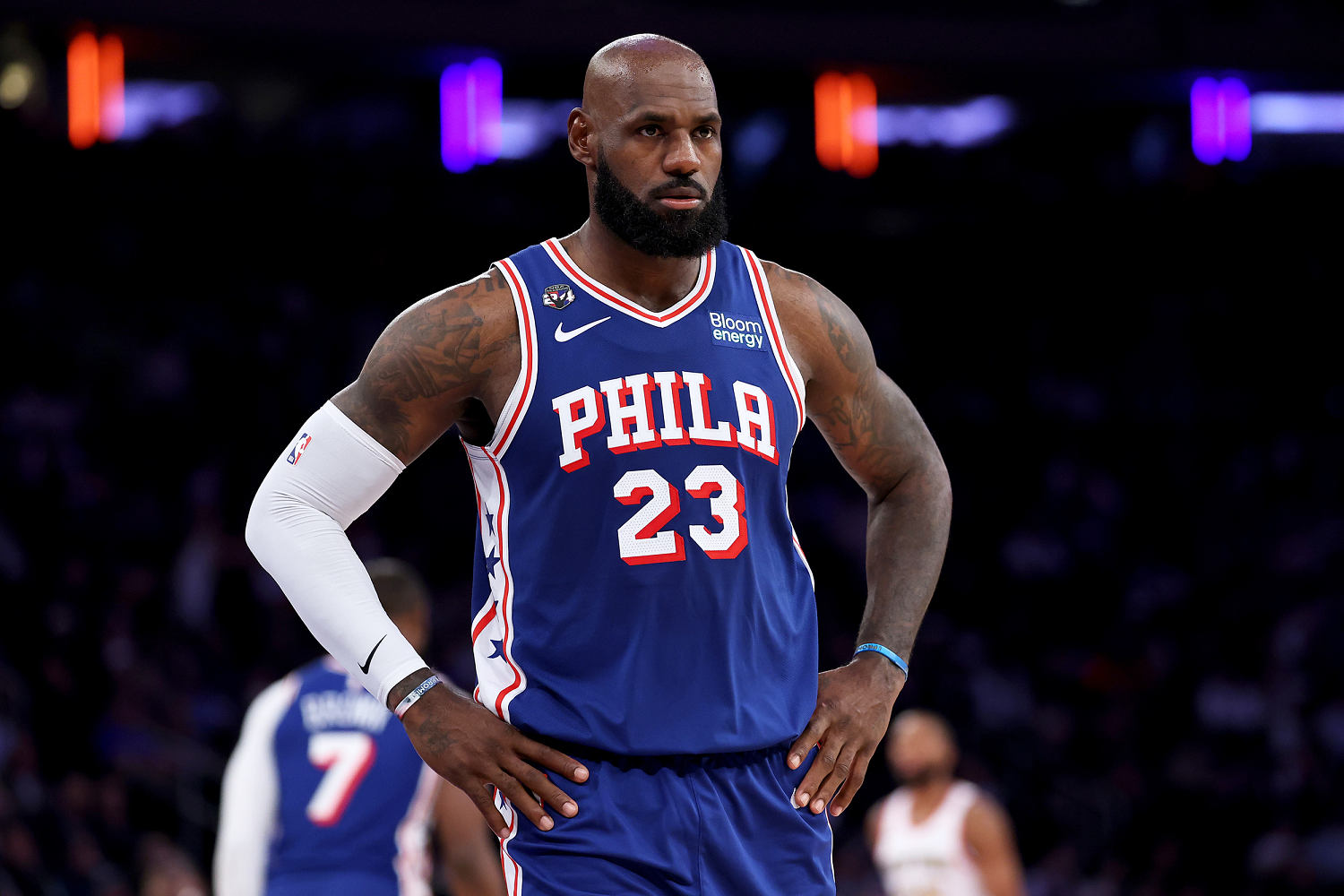
James, who switched teams for the fourth time in free agency over the summer, has helped lead the Philadelphia 76ers to the hottest start in the NBA.
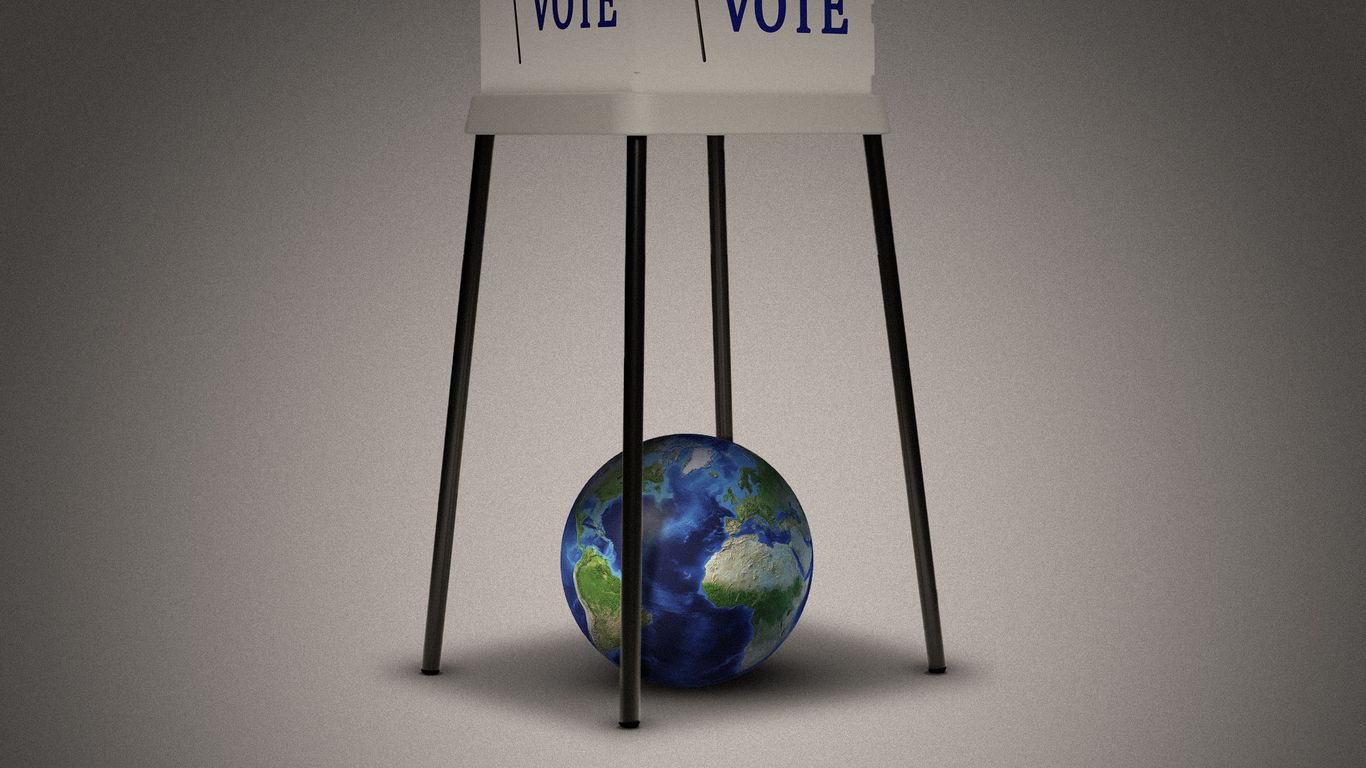
Democrats have made climate change a centerpiece of their campaigns for years — but this year they barely mentioned it. Why it matters: The midterms showed just how far the topic has fallen down the political priority list, even within the party most committed to addressing it — and suggest affordability will shape how Democrats govern next year. Driving the news: Democrats up and down the ballot campaigned overwhelmingly on affordability, including fuel prices surging amid President Trump's Iran war and rising electricity bills, accentuated by the AI boom. The big picture: The relative absence of climate change is striking considering that Democrats of all political stripes won big. Zoom in: Even some of the party's most prominent climate advocates emphasized affordability over climate change — or reconsidered ambitious climate policies in response to rising costs. New York Gov. Kathy Hochul, who previously championed the state's ambitious climate agenda, pushed to weaken parts of its landmark climate law this year, citing affordability concerns. Sen. Ed Markey (D-Mass.), who co-authored the Green New Deal, played down the proposal during his reelection campaign, emphasizing affordability and other priorities instead. Texas Sen.-elect James Talarico, who has previously warned about fossil fuels' impact on the planet, campaigned on protecting oil and gas jobs alongside expanding renewable energy and lowering electricity bills. Flashback: The political shift has been underway since the 2024 presidential election, when even climate-focused groups began de-emphasizing climate change in their political advertising, a trend that persisted through the midterms. State of play: On a call with reporters the day after the election, leading environmental groups celebrated Democrats' victories as a rejection of Trump's energy policies, arguing that his attacks on clean energy contributed to higher electricity bills. "Trump's energy agenda was an economic disaster for families a
Four men named in a former Cornell University student’s lawsuit are joining a co-defendant’s effort to block New York’s attorney general from leading a reopened criminal investigation into the woman’s gang rape allegations
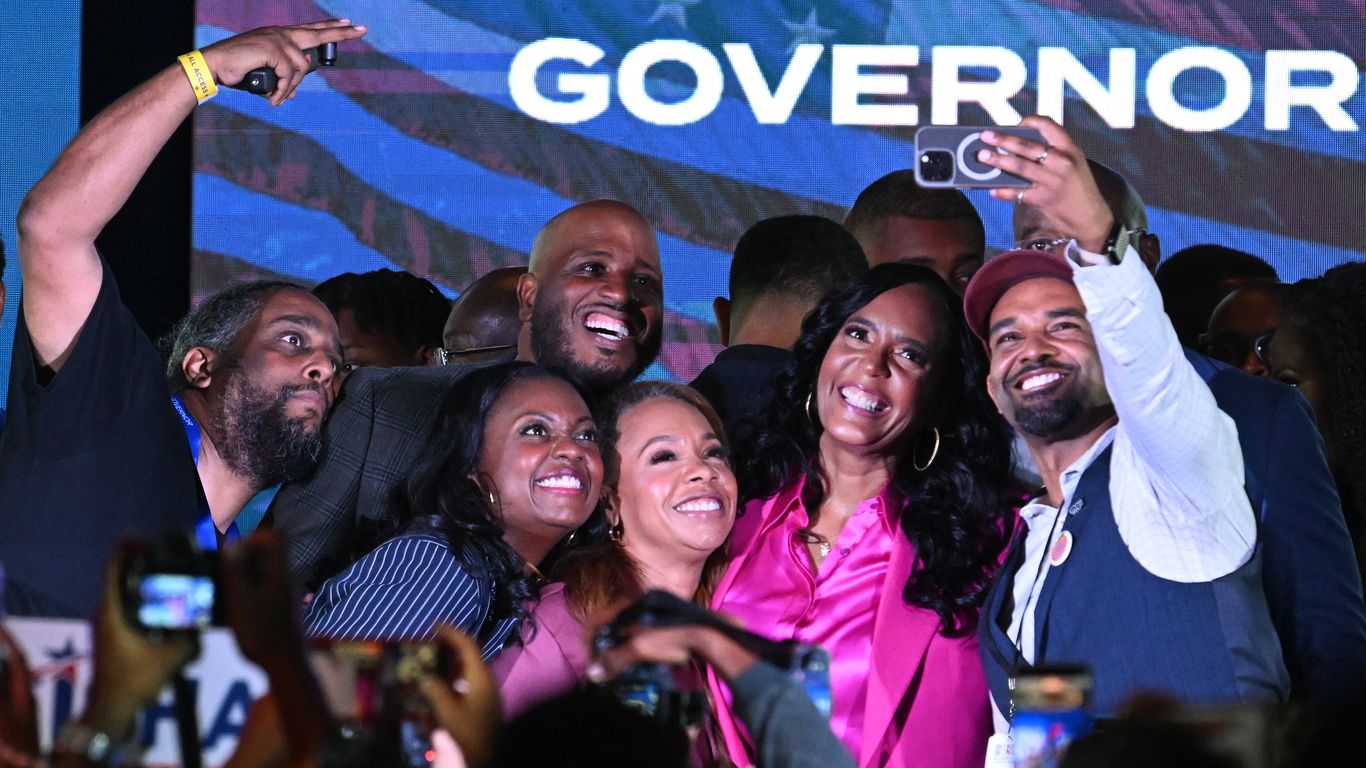
President Trump won historic levels of support from Black men in 2024. Two years later, those gains appeared to evaporate as Republicans suffered their worst midterm defeat in 50 years. Why it matters: Democrats feared the Supreme Court's decision weakening the Voting Rights Act would threaten their political future in the South. Instead, Black voters helped deliver historic Democratic victories in Texas and Georgia, with a potential upset brewing in Mississippi. By the numbers: Roughly nine in 10 Black voters backed Democratic House candidates Tuesday, according to the AP Voter Poll . Only about one in 10 Black men backed Republicans. Roughly one-quarter supported Trump in the 2024 presidential election, according to AP's analysis. For context, a separate 2024 national House exit poll found Black voters favored Democrats 84%–14%. Black men split 75%–24%, while Black women backed Democrats 90%–8%. State of play: Two Democrats who faced questions about their support among Black voters won crucial Senate races. Michigan: Progressive Democrat Abdul El-Sayed defeated Republican Mike Rogers , becoming the nation's first Muslim senator. A late-October poll showed El-Sayed drawing 87% support among likely Black voters. Texas: Democrat James Talarico defeated Republican Ken Paxton after courting Black voters who overwhelmingly backed Rep. Jasmine Crockett in the Democratic primary. An August Texas Southern University poll showed Talarico leading Paxton 79%–12% among likely Black voters. Zoom in: Talarico built commanding margins in Harris County, home to Houston, and Dallas County, both home to large Black electorates, according to AP county-level returns . Zoom out: Black voters helped elect former Atlanta Mayor Keisha Lance Bottoms as the first Black woman governor in U.S. history . About nine in 10 Black men voted for Bottoms, compared with roughly three-quarters who supported Kamala Harris in Georgia in 2024, according to the AP Voter Poll . Black women's support remain

Young voters swung so hard toward Democrats in Tuesday's midterms that it raises new doubts about whether Republicans can build a lasting coalition among Americans under 30. Why it matters: Trump's success with Gen Z voters, especially young men , fueled talk of a generational shift toward Republicans. Tuesday's results tell a different story. By the numbers: An estimated 66% of voters ages 18–29 backed Democratic House candidates Tuesday, compared with 31% for Republicans, according to Tufts University's CIRCLE , which analyzed preliminary data from the NORC Civic Health & Elections Project. That's a 35-point Democratic advantage, compared with 14 points in the 2024 national House exit poll , when young voters favored Democrats 56%–42%. Democratic support among men under 30 rose from 51% in 2024 to 59% in 2026. Among young women, it climbed from 61% to 70%, according to 2024 exit polling by Edison Research and CIRCLE's updated 2026 analysis of NORC data. Young white voters favored Democrats 63%–34% in the SSRS survey, after splitting 50%–48% in 2024. State of play: Polls flashed warning signs for Republicans in the final weeks before Election Day. An October Harvard Youth Poll found voters ages 18–29 who said they would definitely vote favored Democrats 63%–26%. Just 9% of young Americans said the country was headed in the right direction. Zoom in: Democrats drew overwhelming support from young voters in major statewide races, according to preliminary SSRS polling. In Texas, 76% of voters under 30 supported Democratic Senate candidate James Talarico, while 73% backed Democratic gubernatorial candidate Gina Hinojosa, according to CIRCLE's state analysis . In Georgia, 70% backed Democratic gubernatorial candidate Keisha Lance Bottoms. More than 60% favored Democratic candidates for Senate and governor in Ohio. In Iowa, where young voters backed Trump in 2024, Republican Senate candidate Ashley Hinson lost significant ground with the group, according to AP Voter Poll

James Talarico and Adam Hamilton’s interpretations of the Bible are wildly different from the conservative vision we are regularly fed Two-thirds of Americans identify as Christian, but since less than a third of the country actually makes it to church regularly, many rely on what they pick up from the media – social or otherwise – to know what the religion means. And until yesterday, that received wisdom could be summed up as: a conservative, domineering, and above all anti-gay force fiercely committed to the Republican party. Well, let’s just talk about what Republicans and Democrats believe, and I value Republicans, too. But … Republicanism – often we hear it’s about fiscal responsibility, limited government, a strong defense, and personal civil liberties, and let’s say conservative values in some ways. And Democrats – if you think about what they stand for, it’s education, it’s the vulnerable, it’s social safety nets, it’s a progressive spirit that’s trying to lift people up. And I said: if you think about those two, which sounds more like Jesus in the gospels? Continue reading...

Years of organizing met a moment of voter discontent, as James Talarico and Gina Hinojosa offered Texans a message of economic relief and political change.
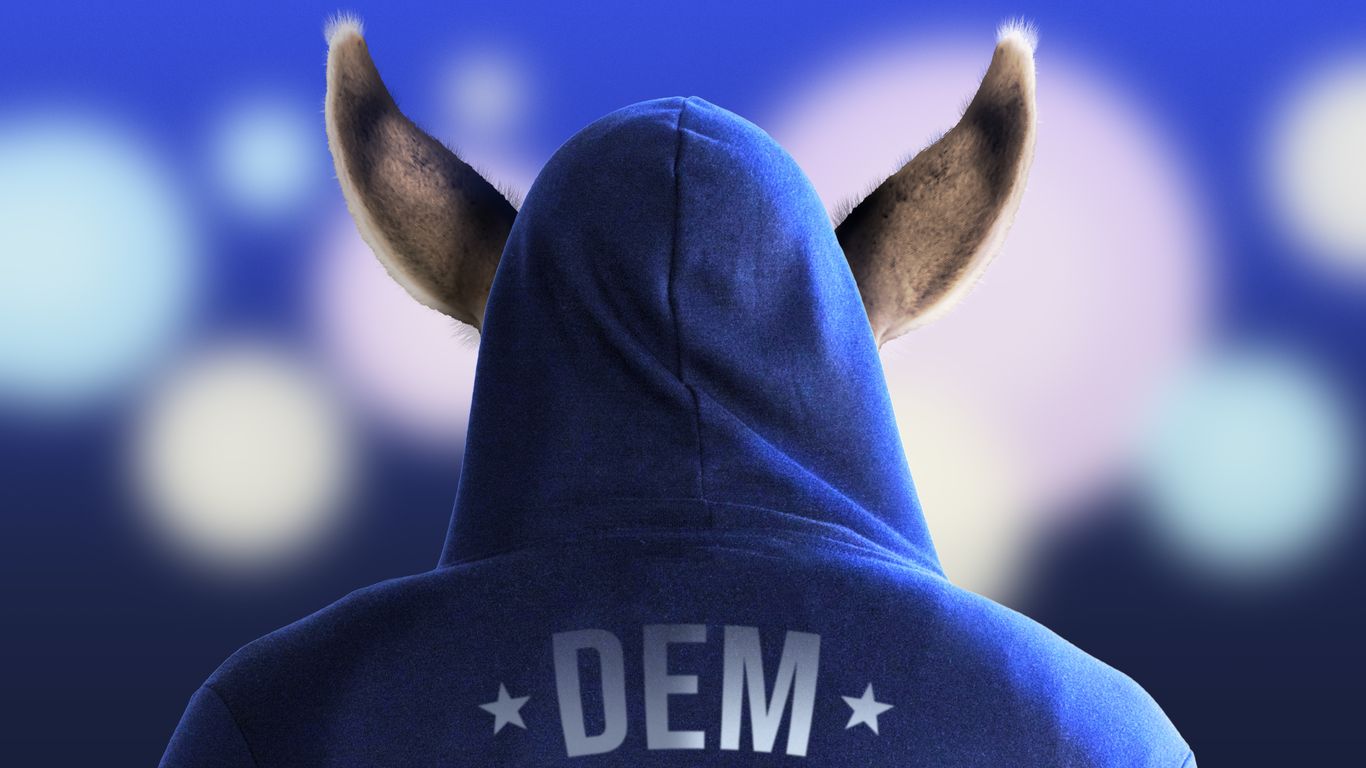
Democrats of all political stripes won so big on Tuesday that the party didn't settle its long-running civil war between moderates and progressives. Instead, the party's historic victories gave each faction some reasons to claim that its brand of Democrats can defeat the GOP in 2028. Driving the news: Democratic operatives are sure of one thing, though: Tuesday's blowout wins mean that more party leaders will be willing to run for the White House than if the midterms hadn't gone so well. Barack Obama's 2012 campaign manager, Jim Messina, told Bloomberg TV this week that he's already met with 29 potential candidates. Zoom in: On Tuesday, moderate Democrats won. Progressives won. Even one-time socialists won. In Michigan, for example, unapologetic progressive Senate nominee Abdul El-Sayed won by 7 points after running on Medicare for All. In the same state , William Lawrence, a member of the Democratic Socialists of America before he let his membership lapse recently, flipped a key swing district. Those results were good news for New York Rep. Alexandria Ocasio-Cortez, the democratic socialist with a national profile who went all-in on electing El-Sayed — and is considering a run for president in two years. More moderate Senate candidates who frequently talked about their faith on the campaign trail — such as Texas' James Talarico and Kansas' Adam Hamilton — pulled off huge upsets in deep-red states, and in the process created a model for some Democrats to follow. Their mild-mannered, religion-infused campaigns mirrored former Transportation Secretary Pete Buttigieg's 2020 presidential run. For the past year, AOC, Buttigieg and other Democrats eyeing the White House have been laying the groundwork to turn the 2026 elections into a springboard for their potential presidential campaigns. Some put their chips on specific candidates — and virtually all of them succeeded. Pennsylvania Gov. Josh Shapiro, a centrist technocrat who campaigned on "getting sh*t done," won reele

Data: Financial Modeling Prep ; Chart: Ben Geman/Axios Oil prices fell sharply Wednesday as traders weigh signs — including a widely circulated post by Vice President JD Vance — that the midterm election will add pressure on the White House to find an offramp from the Iran conflict. Why it matters: Elections have consequences. Wednesday's price drop — around $8 per barrel — deepened after Vance posted on X that "everyone knows" the war is why Republicans got pummeled and "any honest conversation about where we go from here must start there." Sen. Chuck Schumer (D), the likely Senate majority leader in the next Congress, vowed that Democrats will push to end the war. "This crude price drop is entirely about the U.S. election and the belief that Trump will de-escalate rather than escalate on Iran. JD Vance's statement amplified that sentiment," Ben Cahill, a nonresident senior fellow with the Atlantic Council, told Axios via email. What they're saying: Pavel Molchanov, an analyst with Raymond James, said in remarks circulated to reporters that Vance's post was a "key catalyst" for today's oil price plunge. "The market is saying that Congress and members of his own administration are likely to start acting as a constraint on President Trump's war in Iran," Seb Barker, a strategist with the hedge fund, Marshall Wace, tells the Financial Times. Catch up quick: Oil prices were already falling to start the week on signs of new U.S.-Iran diplomacy. What we're watching: "[I]t remains unclear whether Vance's comments signal a more dovish stance toward Iran," Molchanov said. "For oil prices to sustainably move lower, a durable off-ramp is needed," he added.

Trump’s rout could be part of a democratic spring that began in Hungary. But will it extend to the French elections next May? Hungary, Brazil, Serbia, and now the US. So far this year, when their hand has been held to the stove, voters have chosen what the Texas senator-elect James Talarico, the new face of the US’s Christian left, campaigned on as a “politics of love”: a society where we aren’t at each other’s throats, or a police state at ours. Is it any surprise that when there is clarity about the choice on offer, voters have started to shrink away from a vision fuelled by billionaire wealth and runaway inequality? Away from oligarchic rule and unapologetic corruption , connivance with aggression, expansion, colonialism and war; environmental degradation and the surrender of the human spirit to a reality mediated by the algorithm. Alexander Hurst writes for Guardian Europe from Paris. His memoir Generation Desperation is out now Do you have an opinion on the issues raised in this article? If you would like to submit a response of up to 300 words by email to be considered for publication in our letters section, please click here . Continue reading...
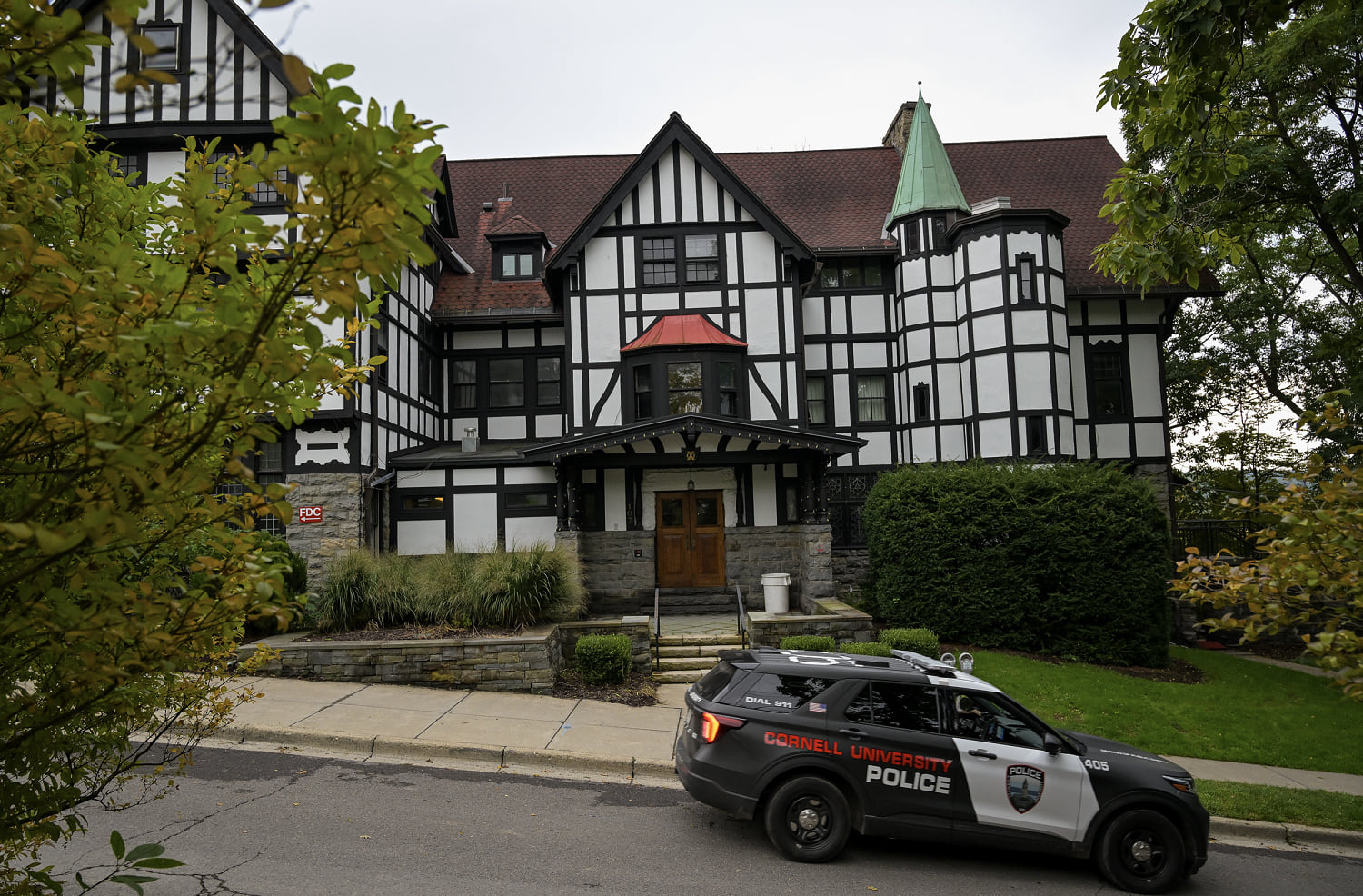
New York Attorney General Letitia James announced Wednesday that a former federal prosecutor who oversaw the criminal case against Sean “Diddy” Combs will lead the investigation into an alleged 2024 sexual assault at a Cornell University fraternity house.

Voters watched results in near disbelief as James Talarico claimed victory in Senate race and Gina Hinojosa was elected state’s first Latina governor US midterms 2026 live – latest updates Track live results from all 50 states Tell us: what do you want to know about the midterm election results? “This is amazing,” exclaimed Tiffany Dunsmore, 44, the owner of Austin Scavenger Hunt, as the city skyline gleamed in the distance on a balmy night. “I cannot believe Texas went blue!” For 32 long years, turning Texas blue had been an elusive prize for Democrats in the US’s second biggest state. There were false dawns, nearly men and broken dreams. But on Tuesday the party’s agony finally came to an end. Continue reading...

Make no mistake: Democrats won by epic, sometimes historic margins across red and blue states, up and down ballots, obliterating almost everything President Trump, and a Republican Party remade wholly in his image, built over the past decade in American politics. Why it matters: Trump and Republicans are left with a mostly white, mostly old House and Senate minority, confronting a younger, more diverse ascendant Democratic Party with power and margins it hasn't held in 18 years, since the dawn of the Obama era. The results speak louder than any words we can write: Democrats won Senate races in Texas, Kansas, South Carolina, Ohio, and perhaps Mississippi en route to what could be a 55-seat majority. Democrats won swing districts all across red America, with national average margins of victory of roughly 13 points, according to a New York Times estimate . Texas is now a Democratic state, top to bottom — unthinkable mere months ago. James Talarico crushed Ken Paxton ( 55% to 43% ) like it was Connecticut. State Representative Gina Hinojosa will become the first Democratic governor of Texas in 32 years . Pastor Adam Hamilton is the first Democrat to win a Senate seat in Kansas in 94 years. North Carolina looks like a true-blue state after Democrats flipped the Senate seat and likely ousted Rep. Richard Hudson (R-N.C.), chair of the National Republican Congressional Committee (NRCC) — meaning he led the GOP drive to keep the House. North Carolina's congressional delegation could swing from 10R-4D to 5R-9D. Georgia was even worse for Republicans, where they lost all power at the state and U.S. Senate levels. Florida Gov. Ron DeSantis (R) predicted on X that the losses were so widespread, so deep, so severe that Republicans might not "have a shot at Senate control until 2032." How to think about last night more broadly: This is a 50-50 nation with fast, whiplash shifts in power at the federal level due to persistent discontent with the party in power. So, on one hand, this
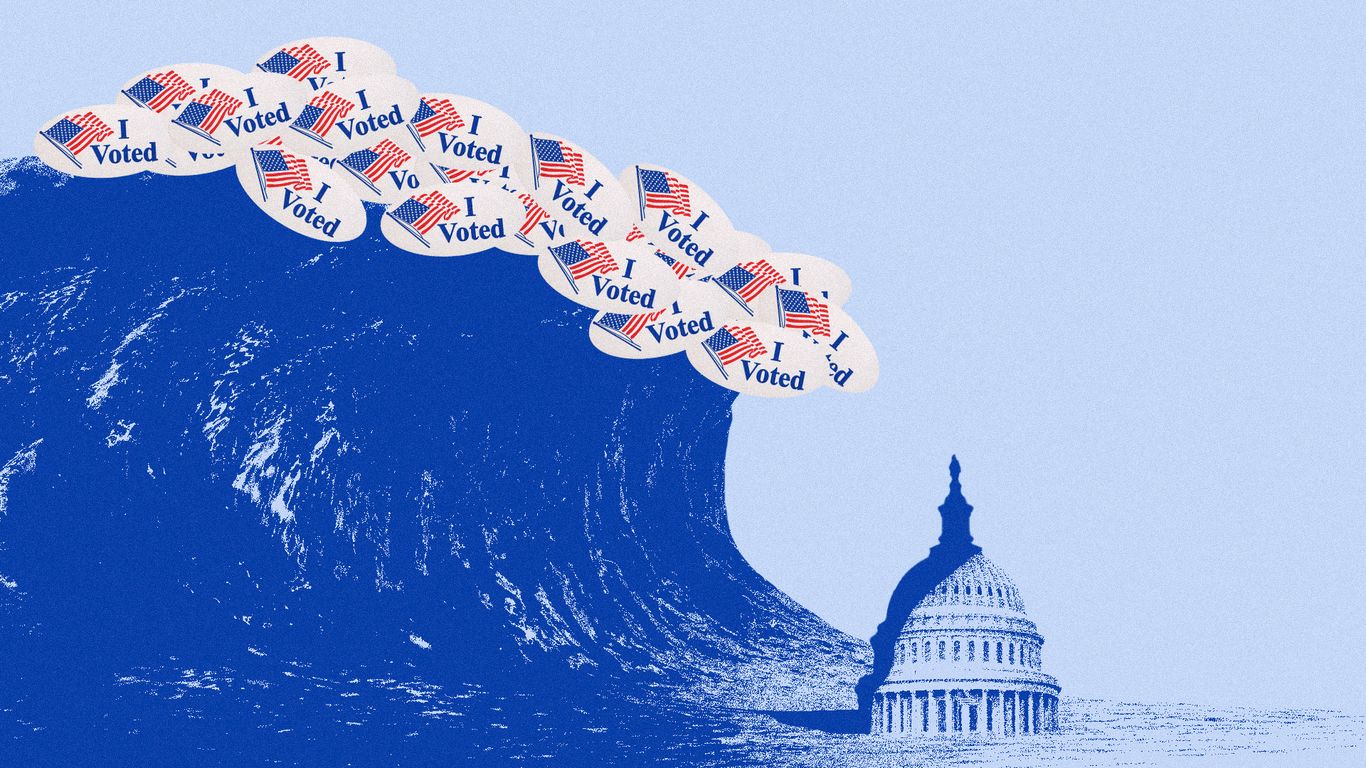
President Trump's Republican Party suffered an electoral humiliation Tuesday night that stretched across the battleground map and into some of the deepest-red territory in America. Why it matters: The 2026 midterms will go down as one of the most sweeping repudiations of a sitting president in modern American history, on a scale reminiscent of the post-Watergate reckoning of 1974. The big picture: Two years after Trump's comeback appeared to herald a historic political realignment , voters delivered a devastating verdict on his second presidency. Democrats seized control of both chambers of Congress, on course to gain as many as 40 House seats and at least seven Senate seats — eclipsing their wildest pre-election expectations. The wave swept deep into Republican territory, from Texas and Georgia to both Carolinas, flipping hundreds of legislative seats and delivering Democratic trifectas in the unlikeliest of states. 5 takeaways 1. Texas turns blue: After decades of dashed hopes, Democrats finally conquered the nation's most coveted Republican stronghold — in a landslide so sweeping that even three-term Gov. Greg Abbott was driven from office. Gina Hinojosa became the state's first Latina governor, while James Talarico defeated Trump-backed Ken Paxton to become the first Texas Democrat elected to the Senate since 1988. The Democratic onslaught extended across statewide offices and possibly Texas' House of Representatives, suggesting that the state's political future could be up for grabs after 32 years of GOP dominance. 2. Democrats storm Senate: What once looked like an impossibly difficult map for Democrats gave way to a historic rout, as Republicans watched their 53-seat majority crumble in states Trump carried by double digits. Democrats broke a 94-year losing streak in Kansas, ousted Republicans in Ohio , Iowa and North Carolina , and captured South Carolina for the first time since 1998. In Maine, Democrats finally toppled five-term Sen. Susan Collins after ma

It was a drubbing on a scale that neither side saw coming: Democrats pummeled Republicans across the battleground map and into some of the most MAGA-friendly terrain in the country. Why it matters: The results were an emphatic rejection of Donald Trump's second term in office — and set the stage for two years of corruption investigations and legislative frustration for the lame-duck president. Here's a rundown of what you need to know about last night's historic GOP beatdown. The size of the Dem majorities It was clear early in the night that Democrats would flip the Senate. Few predicted how big their majority would end up. Democrats will have at least 54 Senate seats, and another two — in Alaska and Mississippi — were too close to call early Wednesday. The New York Times projects Democrats will win 257 seats vs. 178 for Republicans — a 79-seat majority. Those numbers could change as more races are called, but in any scenario it will be an astounding majority. The big surprises 1. Texas turns blue: After decades of dashed hopes, Democrats conquered the nation's most coveted Republican stronghold — in a landslide so sweeping that even three-term Gov. Greg Abbott was driven from office. Gina Hinojosa will be the state's first Latina governor, while James Talarico defeated Trump-backed Ken Paxton to become the first Texas Democrat elected to the Senate since 1988. The Democratic onslaught extended across statewide offices and into the legislature, suggesting that the entire state's political future could be up for grabs after 32 years of GOP dominance. 2. More red-state romps: Democrats broke a 94-year losing streak in Kansas, ousted Republicans in Ohio , Iowa and North Carolina , and captured South Carolina for the first time since 1998. 3. House district reversals. Tennessee's 4th Congressional District race hadn't been called as of the wee hours Wednesday. But the returns were stunning regardless of the outcome. Trump carried the district two years ago by 24 points
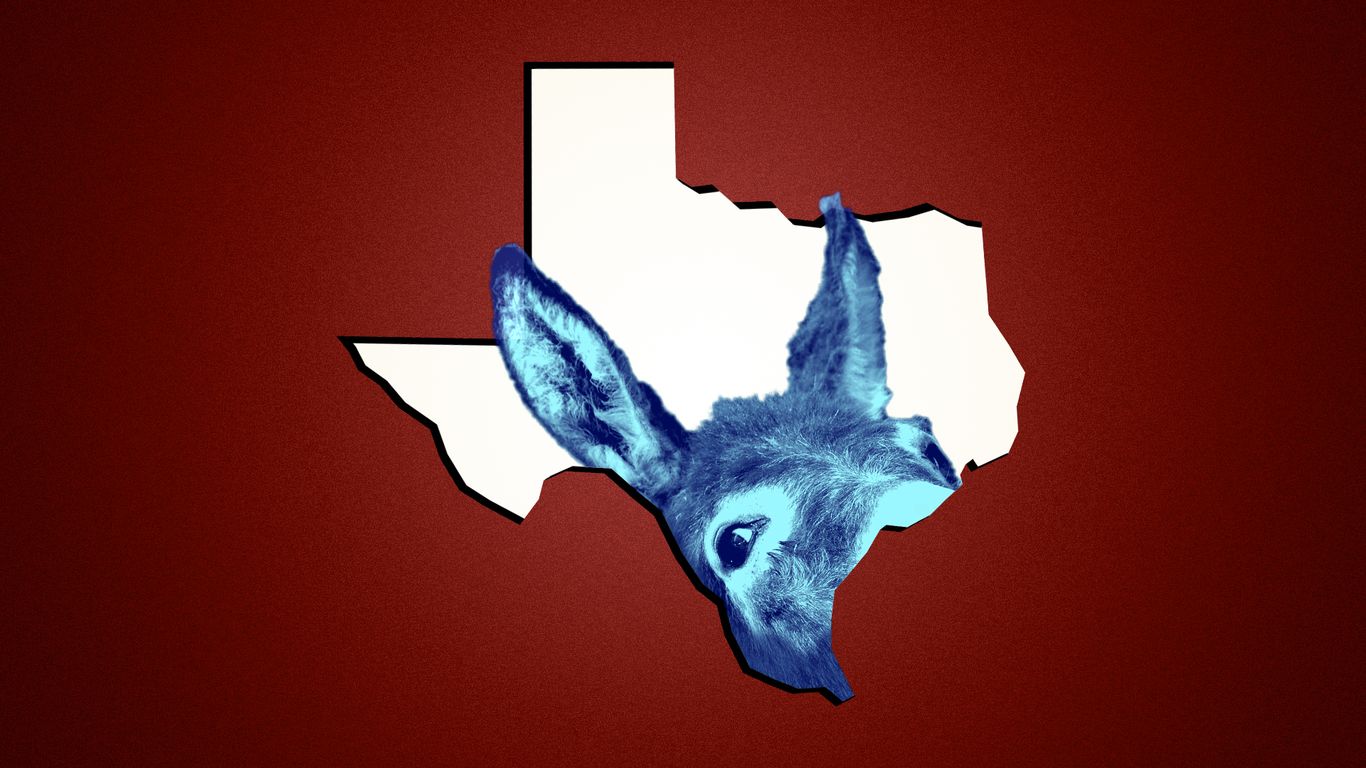
Texas woke up red on Tuesday and went to bed blue. Why it matters: Just months ago, Democratic campaigns in the MAGA heartland appeared quixotic — obligatory more than realistic. Now those Democratic candidates have swept to power, led by two state representatives from liberal Austin — James Talarico , soon to be seated in the U.S. Senate, and Gina Hinojosa , who will take her place in the new year in the governor's mansion. Zoom in: The Democratic victories were comprehensive. State Rep. Vikki Goodwin (D-Austin) unseated three-term Republican Lt. Gov. Dan Patrick, per the Associated Press. Democrat Nathan Johnson , a state senator from Dallas, defeated Republican Mayes Middleton, state senator from Galveston, in the race for attorney general. What they're saying: "We shocked the world tonight. With a Texas chip on our shoulder, we showed the world that anything is possible tonight," Hinojosa said. "We just took back Texas," Talarico told his supporters. What happened: An unpopular president and high gas and grocery prices deep-sixed red-state GOP candidates across the country. But the Texas GOP was further hampered by an unpopular U.S. Senate candidate (even members of his own party impeached him) — Texas Attorney General Ken Paxton. And Greg Abbott, who had served as governor since 2015, was unwilling to debate his gubernatorial opponent. Meanwhile, the Democrats were disciplined, with Talarico and Hinojosa staying on message about affordability even as their Republican opponents tried to make the race about social issues. Follow the money: Republicans went down despite a rescue mission from Elon Musk, who gave north of $150 million in support of Paxton's campaign in a single quarter this year — and gave at least $5.5 million to Abbott's campaign this cycle. The big picture: The Democratic wins have huge implications for the 2028 presidential race. Democrats have proven, after years of flailing, that they could win statewide in Texas, potentially putting the Lone
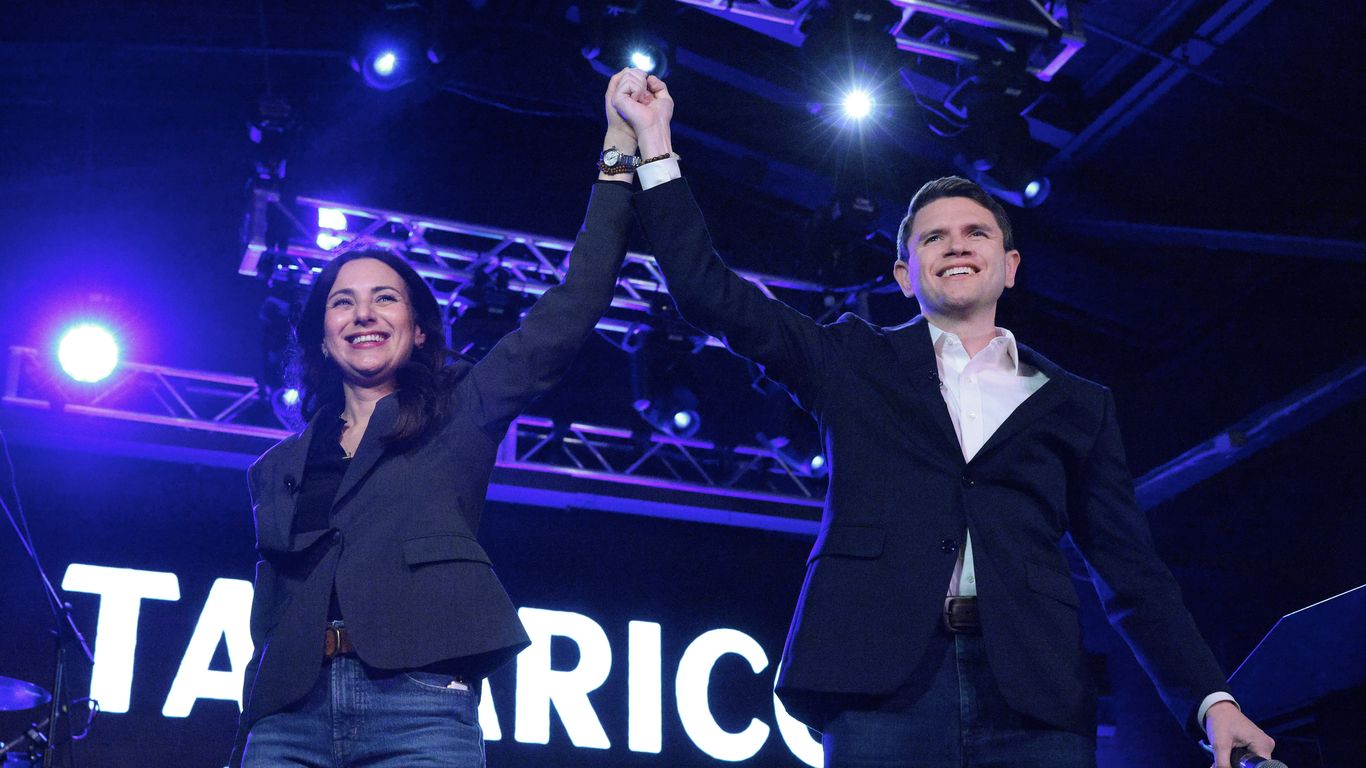
In red states and blue, Republicans suffered losses on a scale even Democrats would never have dared to dream about 24 hours ago. Why it matters: Democrats worried that polls showing a blue wave were overestimating the party's strength. It turned out polls underestimated the size of the Democratic romp — by a lot. The margins Democrats racked up in red states were stunning: Georgia: Sen. Jon Ossoff won reelection by nearly 18 percentage points. North Carolina: Former Gov. Roy Cooper won his Senate race by roughly 19 points. Texas: State Rep. James Talarico cruised to victory by approximately 12 points. These weren't nail-biters in competitive states. They were landslides in states President Trump carried just two years ago. The Texas trifecta Democrats won the Texas House, Senate and governor's mansion, giving the party unified control of state government for the first time since 1995. The sweep came alongside Talarico's double-digit victory in the U.S. Senate race. Texas, long the GOP's biggest electoral stronghold, delivered Democrats victories up and down the ballot. North Carolina was a bloodbath The man in charge of steering House Republicans to victory — Rep. Richard Hudson, chair of the National Republican Congressional Committee — lost his own seat. He'll join the ranks of other defeated party leaders — Speaker Tom Foley in 1994 and DCCC Chair Sean Patrick Maloney in 2022 — who spent so much time trying to build a majority that they failed to protect themselves. The carnage extended across the state. North Carolina's congressional delegation could shift from 10 Republicans and four Democrats to five Republicans and nine Democrats. The ridiculously cheap wins Democrats are leading in districts that received little or no outside spending from the Democratic Congressional Campaign Committee (DCCC) or House Majority PAC, the party's main House super PAC, according to AdImpact. In North Carolina's 6th, 9th and 13th districts, Missouri's 2nd and Tennessee's 4th, D

Latino voters helped Democrats break Republicans' decades-long grip on Texas and reclaim both chambers of Congress on Tuesday, casting doubt on President Trump's historic 2024 gains with the fast-growing electorate. Why it matters: Republicans bet Trump's Latino breakthrough two years ago would create a lasting GOP realignment in Texas and beyond. Tuesday's results exposed how quickly those gains could unravel — and raised new questions about Republicans' coalition heading into 2028. Early results show Hispanic voters' shift aided Democrats in capturing a Senate seat and the governorship in Texas for the first time in a generation. Tuesday's results — particularly in South Texas border counties — reflected some of the anger among Hispanics over high prices and the Trump administration's immigration enforcement. "This is what happens when you mess with the Latino community. We are sending a clear message," said Hector Sanchez Barba, president and CEO of the voting group Mi Familia Vota. By the numbers: Early NBC News exit poll results showed Latino voters moving away from Republicans. Democrats' 16-point advantage in Latino party identification grew from 10 points in 2024, according to NBC's polling. Some 43% of Latino voters identified as Democrats, up from 39% in 2024. Republican identification slipped from 29% to 27%. In the early NBC exit poll, 75% of voters nationally described the economy as struggling, while 65% said Trump's policies had made economic conditions worse. State of play: Democrats reclaimed the House and Senate while ending Republicans' statewide winning streak in Texas dating to 1994. Democratic state Rep. James Talarico defeated Republican Attorney General Ken Paxton , winning a Senate seat Democrats last captured in 1988. Democratic state Rep. Gina Hinojosa ousted Republican Gov. Greg Abbott , becoming Texas' first elected Latina governor. Early returns also suggested Latino voters helped Democrats win crucial House contests in Colorado and Geo

Ms. Benson, the secretary of state, defeated Representative John James in a swing state that often plays a critical role in presidential elections.

Democrat James Talarico has won the US Senate race in Texas, securing an astonishing and historic victory. Talarico, a state representative, beat the scandal-plagued attorney general Ken Paxton in the most expensive race of this midterms cycle. He is also the first Democrat to win a US Senate seat in the Lone Star state since 1988. Continue reading...

In a seismic shift that was once unthinkable, victories by James Talarico and Gina Hinojosa upended decades of statewide dominance in what had been the nation’s most populous conservative state.

Democrat James Talarico defeated Republican Ken Paxton in Texas' closely watched U.S. Senate race, delivering a historic breakthrough for Democrats in a state Republicans have dominated for decades. Why it matters: Talarico's victory ends the nation's longest Democratic drought in statewide elections and flips a critical Senate seat as Democrats fight for control of the chamber. The Austin-area state representative becomes the first Democrat elected to the U.S. Senate from Texas since Lloyd Bentsen in 1988. His win also marks the first Democratic victory in a Texas statewide election since 1994, a stunning reversal in a state President Trump carried by nearly 14 points in 2024. The big picture: The race became the nation's most expensive Senate battle after Texas Attorney General Paxton defeated longtime incumbent Sen. John Cornyn in the Republican primary, with massive spending from both parties . Republican leaders had warned that Paxton's nomination could jeopardize the seat, and the party poured enormous resources into defending it. On the campaign trail: Talarico, a former public school teacher and Presbyterian seminarian, built his campaign around affordability, public education and criticism of wealthy donors' influence over politics. Paxton, a three-term Texas attorney general and close ally of President Trump , emphasized immigration enforcement and conservative policies. Between the lines: Paxton's candidacy exposed divisions within the Texas GOP, with party leaders initially warning that nominating the attorney general could endanger a seat Republicans had held for decades. Paxton defeated Cornyn in the May Republican primary runoff after securing Trump's endorsement, setting up the costly general election battle. His campaign was also shadowed by years of legal and ethical controversies, including his 2023 impeachment by the Republican-controlled Texas House. The state Senate later acquitted him. The backdrop: Democrats have spent decades trying to turn

James Talarico, a state lawmaker, beat Ken Paxton, the Republican attorney general, after a bruising and costly campaign.
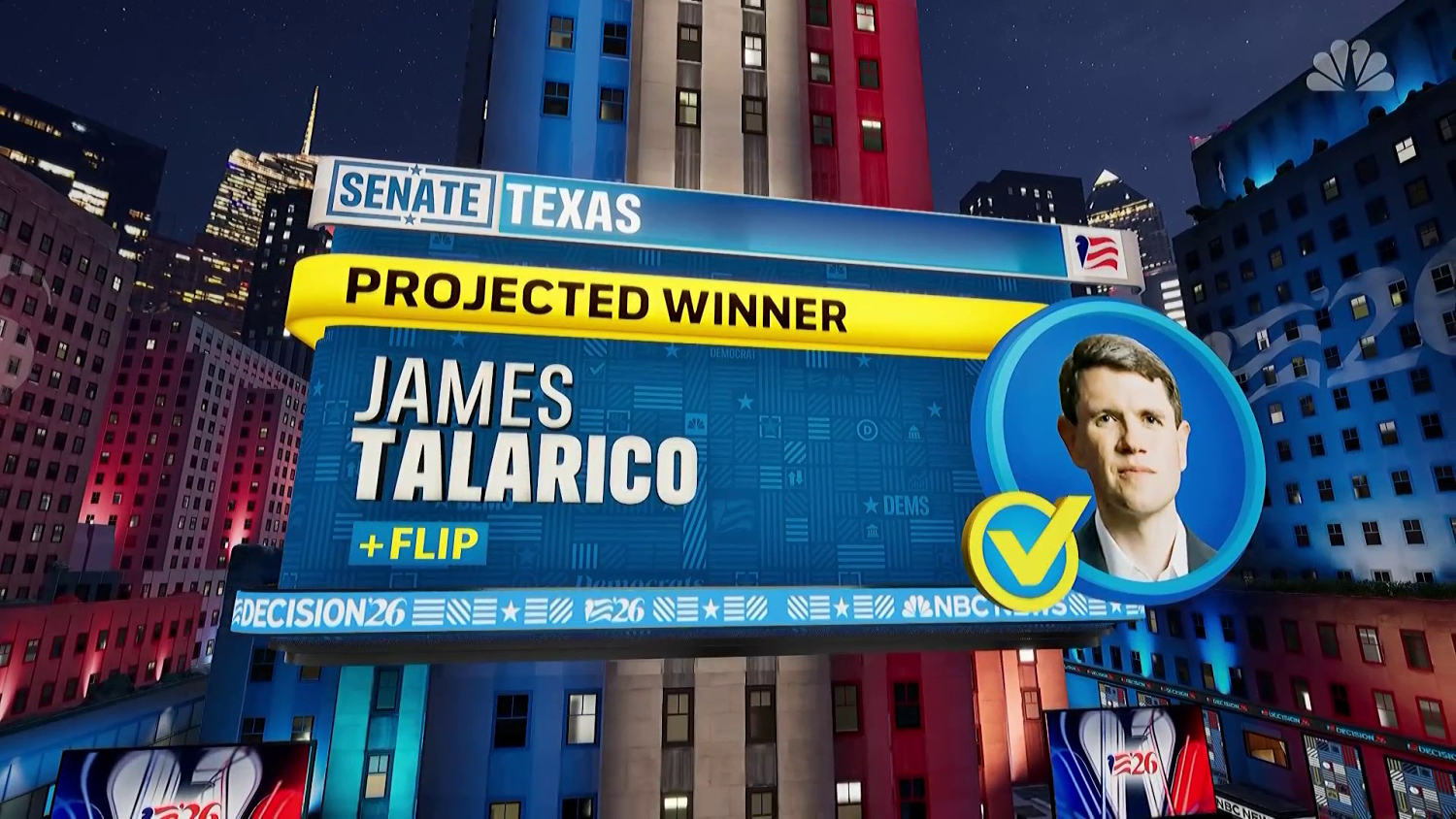
Democrat James Talarico has defeated Republican Ken Paxton in the race for Senate in Texas, NBC News projects, ending a three-decade Republican grip on the state.

Top party strategists may hate seeing one of their candidates gutted by a brutal ad. But they can still admire the hit. Why it matters: A record $11.6 billion has plastered political ads across screens of every size in the country during the 2026 midterms . Only a handful of those earned the grudging respect of operatives on both sides. 📺 Zoom in: Multiple Republican strategists singled out the "brutal" series of ads attacking Sen. Roger Marshall (R-Kans.) over lawsuits against patients with overdue medical bills — some of whom were later arrested . Against the advice of his own team, Marshall released a self-directed ad answering the attacks. In Nebraska , an ad highlighting a past vote by former Gov. Pete Ricketts to pardon a man convicted of rape was singled out by both parties as one of the cycle's most damaging. Ricketts is expected to win re-election to the Senate. In Maine, an upbeat jingle hit Democratic nominee Troy Jackson for having children with his second cousin. "If he'll f**k his own family, he'll f**k yours too," the radio ad said (among other things). Sen. Susan Collins (R-Maine) called for the ad to be taken down. And in Florida , Rep. María Salazar (R-Fla.) turned on her own party leader, criticizing President Trump over ICE's aggressive enforcement tactics, saying some immigration policies had "gone too far." The intrigue : Even hardened operatives are dealing with a new frontier: AI-generated attack ads that can make up scenarios and put words in an opponent's mouth. In Michigan , a Republican-aligned super PAC used AI-generated imagery to depict Democratic candidate Abdul El-Sayed in a fabricated family photo and playing a game with cards referencing "Death to America" and 9/11. In Texas, GOP Senate nominee Ken Paxton's team used AI to depict Democratic candidate James Talarico defacing a Bible with a crayon and saying: "In the beginning God was non-binary, and he wasn't a Christian. And God said, 'let there be six genders,' and there were." ?
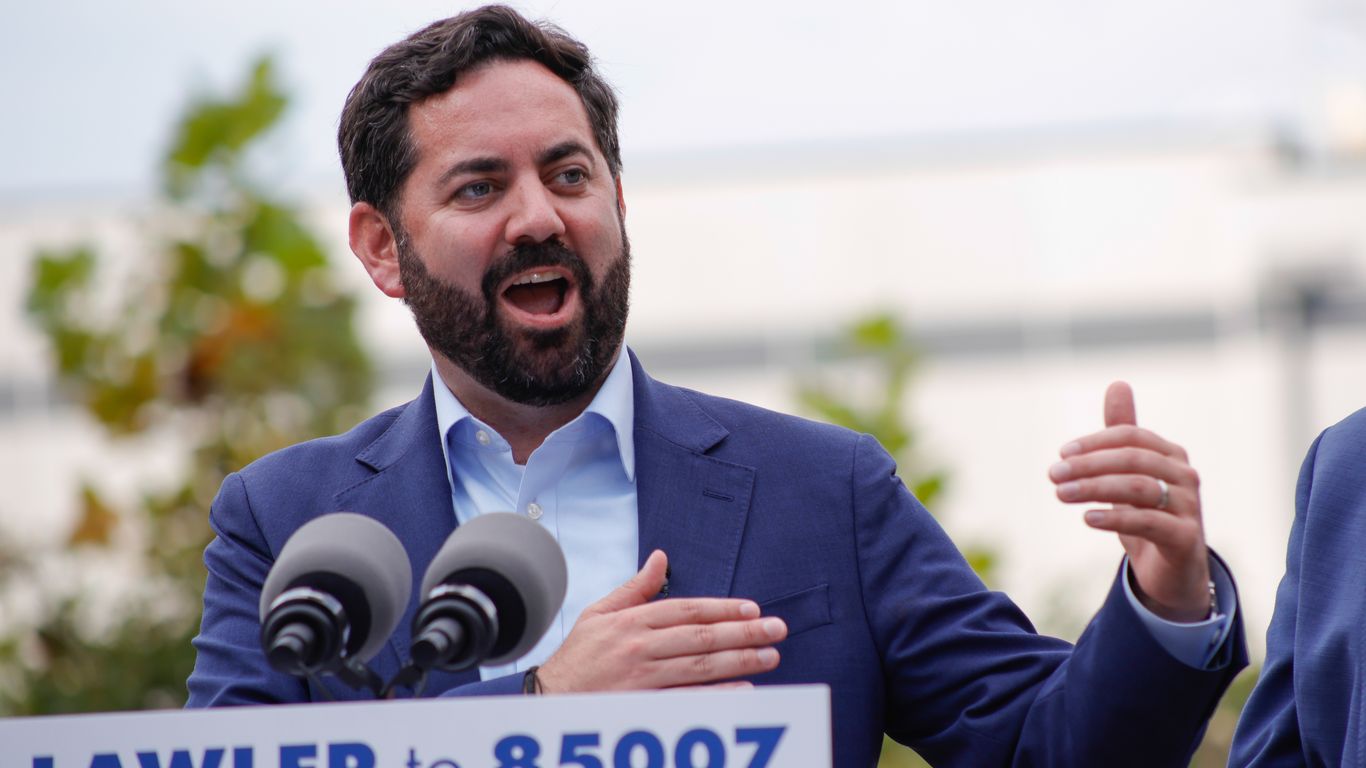
Voting machines across New York's Westchester County are rejecting paper ballots on Election Day, raising concerns about potential delays in one of the nation's most competitive House races. Why it matters: Results could be delayed for one of the country's most prominent House races, between Rep. Mike Lawler (R-N.Y.) and Democratic nominee Cait Conley, as officials address a problem with paper ballots. Driving the news: The Westchester County Board of Elections said Tuesday it was aware of a problem preventing voting machines from accepting paper ballots at polling locations throughout the county. The Board of Elections said it is speaking with New York State officials and the Westchester County government "to address this issue and ensure that voting continues with as little disruption as possible." The cause remains unclear. Election officials initially blamed the thickness of paper ballots but later removed that explanation from their statement, per reports. New York Attorney General Letitia James wrote on X that her office is monitoring the issue. What they're saying: Lawler said officials were working with vendors to resolve the problem, while Conley reassured voters that their ballots would count. Westchester County government wrote on its website: "Let us be absolutely clear: Every eligible vote will be counted." What we're hearing: Voters in the county told Fox 5 NY that they had to fill out paper ballots instead of using the machines. Voters said their ballots were placed in a security box. Other voters shared discontent with the ballots issue on social media . Katie Miller , wife of Trump adviser Stephen Miller, claimed on X: "This is how the Left steals elections. Mike Lawler's competitive district and they are turning away voters." Context: The county covers roughly 30% of New York's 17th District, which Lawler represents. The contest has emerged as a key battleground race in Democrats' push to gain control of the House. Zoom out: The ballot-scanning pro
A federal judge on the eve of Election Day barred the Trump administration from demanding California officials set aside ballots from registered voters it suspects are noncitizens, finding the effort likely violates the Constitution. Why it matters: Courts had already rejected the Justice Department's attempts to force California to separate the ballots. Monday's ruling goes a step further, directly barring federal officials from making those demands even as DOJ turns to the Supreme Court to compel the state to comply. Driving the news: Chief U.S. District Judge James Boasberg ruled Monday that the Trump administration likely violated the Constitution by pressuring California officials to change how they count ballots. His order prohibits the Justice Department and the Department of Homeland Security from demanding officials set aside ballots or depart from existing state election procedures based on federal lists of suspected noncitizens. Boasberg found that the Constitution gives states and Congress, but not the executive branch, authority over election rules. The federal ban on noncitizen voting does not mean the administration can rewrite those rules. By the numbers: The DOJ claims it identified more than 20,000 suspected noncitizens on California's voter rolls. After Boasberg ordered DOJ to turn over its list, an expert found that at least 22 members of the Coalition for Humane Immigrant Rights — all known U.S. citizens — were wrongly included. The expert found another 66 members were almost certainly on the list. Boasberg found the expert credible and concluded the list's errors posed a real threat to eligible voters. What he's saying: "The President evidently believes that it would be good public policy for more stringent procedures to be put in place," Boasberg wrote. "No matter how strong that policy case may be, however, it does not justify overstepping the bounds of the Executive Branch's limited constitutional authority in this domain." The White House r

The Texan could pull off a historic victory in the Lone Star state, which hasn’t elected a Democratic senator since 1988 When a young, untested former school teacher stood up to address a modest gathering of local donors in Austin, the state capital of Texas, Wendy Davis felt sorry for him. “Poor kid,” she remembers thinking. Then James Talarico began speaking. “He was like five or six sentences in and I knew that something was different about him,” recalls Davis, a former Democratic state senator. “He was as articulate and unique then as he is now. From that day, I started calling him ‘Baby Obama’.” Continue reading...

Trump’s utter abuse of the power proves it. As the midterms approach, voters have not forgotten January 6 From betraying Ukraine and dispatching masked agents who killed Americans to deporting US citizens and pulling out of accords controlling climate change and Iranian nuclear weapons , the list of Donald Trump’s abuses is long and growing still longer, seemingly by the day. Looking back decades from now, historians will see that at the top of this shameful list is Trump’s utter abuse of his pardon power. It started on the first day of his second term, when he pardoned more than 1,500 insurrectionists who, on 6 January 2021, had stormed the US Capitol. Continue reading...

Legal experts welcome judge’s rejection of firing of James Comey’s daughter prosecutor but warn an appeal is likely A recent legal ruling against an effort to fire the star-prosecutor daughter of a former FBI chief targeted by Donald Trump could send a strong message about politicized firings – and influence other judges weighing similar cases, legal veterans said. Judge Jesse Furman ruled this week that the Department of Justice’s firing of assistant US attorney Maurene Comey without cause was unlawful. Comey, the daughter of former FBI director James Comey, successfully litigated numerous high-profile cases during her tenure at the southern district of New York, including guilty verdicts against Ghislaine Maxwell and Sean “Diddy” Combs. Continue reading...
US attorney Michael Heyman cited reports that Mary Peltola’s Senate campaign and Democrats allegedly ‘orchestrated a sprawling conspiracy’ to recruit a sham candidate Sign up for the Breaking News US email James Talarico, the Democratic nominee in Texas, attacked his Republican opponent Ken Paxton for cancelling some of his final rallies before the midterm election. “No one’s going to Ken Paxton’s rallies, so he’s canceling them and hoping Elon Musk will buy his seat for him,” Talarico wrote, referencing the donations Paxton has received from the world’s richest man. Continue reading...

Authorities say army contractor James Thomas Ashbacher shared top-secret data online and stole night-vision goggles The FBI has arrested a former North Carolina government contractor for allegedly leaking classified national defense information on social media. James Thomas Ashbacher, 37, of Spring Lake, was taken into custody after charges that he shared top-secret safety data online, unlawfully stored national defense materials at his residence and stole night-vision equipment from the US army special operations command. Continue reading...
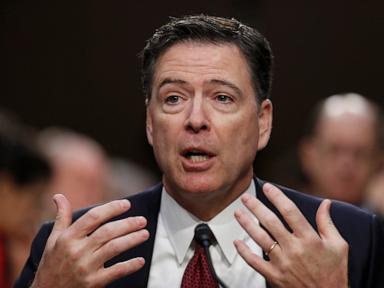
Former FBI Director James Comey's lawyers will ask a federal judge to block the Justice Department from pursuing its third criminal case against the outspoken critic of President Donald Trump and frequent target of the Republican’s outrage
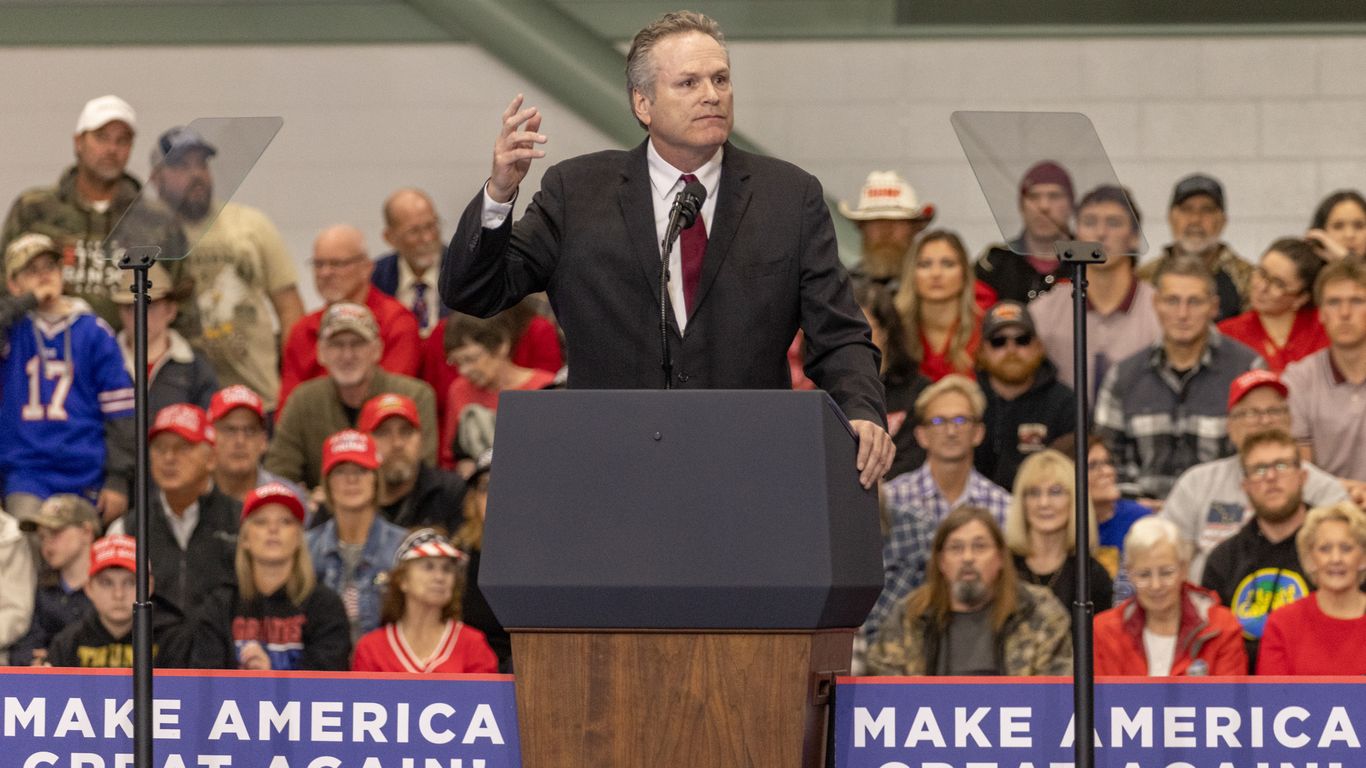
Alaska Gov. Mike Dunleavy (R) suggested Thursday the state could withhold certification of the U.S. Senate election results if Democrat Mary Peltola wins. Why it matters: Withholding certification could complicate Peltola's path to the Senate, as Republicans investigate allegations that Democrats recruited a candidate with the same name as GOP incumbent Dan Sullivan . Driving the news: Asked during an interview with NewsNation whether he would certify the election if Peltola wins while the matter remains under investigation, Dunleavy stopped short of committing to do so. "We're going to investigate it. We're going to follow the law," Dunleavy said, adding that any findings of illegal conduct "may in fact impact whether somebody is seated in the U.S. Senate." He said the matter would involve discussions with Senate leadership and that officials would need more information before determining "whether we send something down or not." Pressed on why he had not given an unequivocal yes, Dunleavy said: "We're going to ensure that we aren't going to send a scam to Washington." For the record: Peltola has denied any involvement in the alleged scheme. What they're saying: "Dunleavy's threat to overrule the will of Alaskan voters exemplifies what Alaskans hate about partisan politics and shows why he's the least popular governor in the country," a spokesperson for the "Alaskans for Mary" campaign said in an emailed statement Thursday night. "Mary won't be intimidated by Dunleavy, Sullivan, or any of their DC allies who are trying to steal this election from Alaskans before votes are counted — and she's going to win this race by focusing on solutions to Sullivan's price hiking policies and putting Alaska first." The big picture: House Oversight Committee Chair James Comer (R-Ky.) is investigating allegations that Democratic operatives recruited another candidate named Dan Sullivan to draw votes away from the Republican incumbent. President Trump accused Democrats and Peltola's
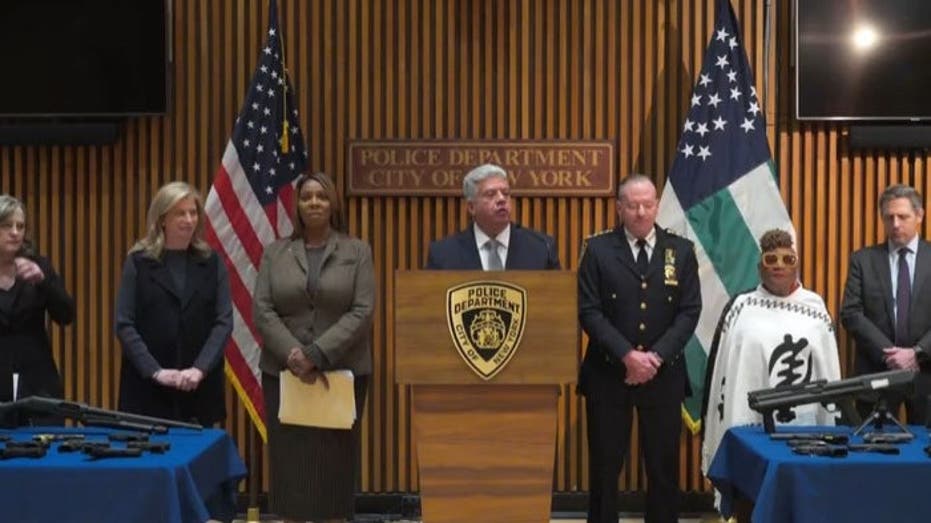
Letitia James, Melinda Katz and Eric Gonzalez faced pointed questions about a House Judiciary Committee report on immigration-safe plea deals.
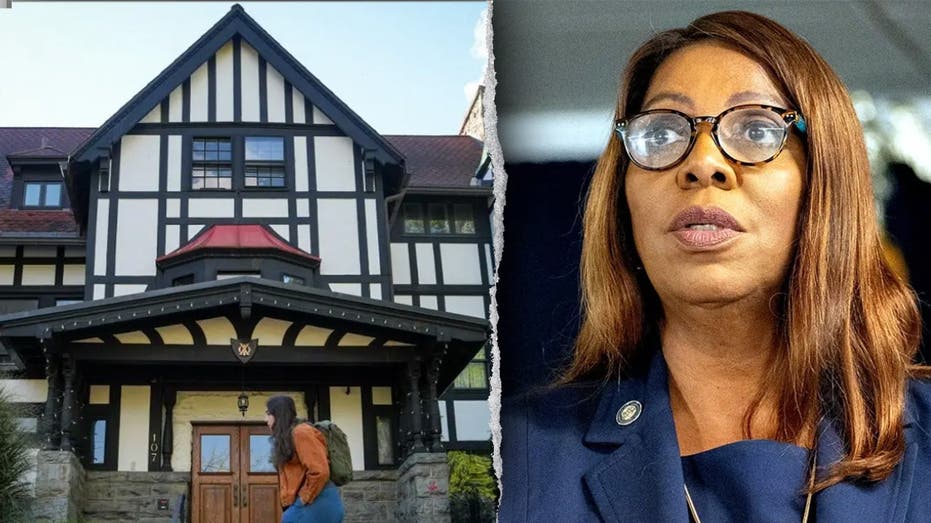
Defense attorneys argue Letitia James' social media posts show pre-existing bias in the reopened Cornell University gang rape criminal investigation.


Senate leaders could be guessing who will control the chamber well into November, thanks to a slew of tight races and state-specific voting rules. Why it matters: A GOP majority would ease the pressure on Senate Majority Leader John Thune to move quickly on nominations, while a Democratic majority would give Senate Minority Leader Chuck Schumer more leverage in the lame-duck session. If the chamber splits 50/50, leaders will have to start negotiating their power-sharing agreement. Zoom in: Four states could leave the majority in limbo. Alaska: Sen. Dan Sullivan (R) is trying to fend off former Rep. Mary Peltola (D). Alaska election results have taken weeks to finalize because of the vast state's transportation challenges, mail ballots and ranked-choice tabulation. The Trump Justice Department is preemptively trying to block results from being finalized if Sullivan narrowly loses. Maine's ranked-choice voting could lengthen the vote tallying if neither Sen. Susan Collins (R-Maine) nor Democratic nominee Troy Jackson gets more than 50% in the first round. Kansas' three-day grace period for mail-in ballots could delay results in the race between Democratic nominee Adam Hamilton and Sen. Roger Marshall (R-Kan.). It is far closer than expected. In Texas, a dragged-out recount could be coming. A candidate can request one if the margin is less than 10% of the winner's vote total — which is likely to happen between state Attorney General Ken Paxton (R) and state Rep. James Talarico (D). The candidate who requests it has to pay. The clock: Congress currently plans to leave for the holidays on Dec. 18. But if Republicans lose both the House and Senate , Sen. Bernie Moreno (R-Ohio) wants senators to stay in town through the holidays (yes, Thanksgiving and Christmas) to work on a massive GOP reconciliation package they can pass without Democratic support. The big picture: Congress has a long to-do list either way, including funding the government past Dec. 11, passing emergency